
What is the LED Billboard Cost in 2026?

The cost for LED billboards in 2026 ranges from $1,000 to $15,000 per month, while premium locations can exceed seven figures annually. The total cost varies significantly based on billboard’s location, screen size, pixel pitch, installation, and ongoing maintenance costs. According to Statista, global out-of-home advertising revenue exceeded $41 billion, highlighting the growing reliance on digital billboard advertising and outdoor advertising as a powerful tool for businesses.
In this blog, you’ll learn the full cost structure, including initial cost, installation, digital signage software fees, and long-term maintenance costs. Understanding these costs involved helps any business owner plan budget, maximize ROI, and make a strategic move in digital billboard investment.
What are LED Billboards?
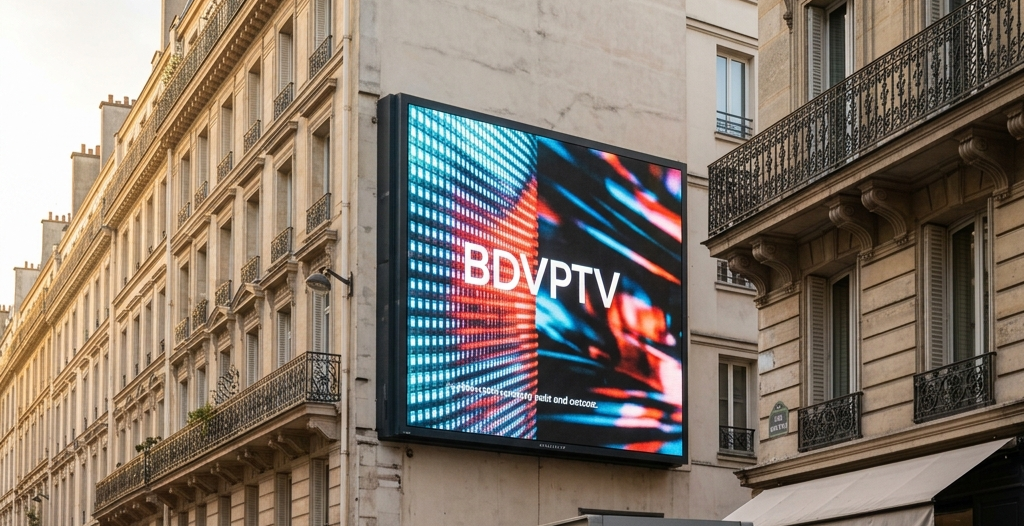
LED billboards are high resolution digital displays used for outdoor advertising that can update content instantly. Unlike static billboards, digital billboards use LED modules and a content management system to create, schedule, and display dynamic content. This flexibility allows advertisers to run multiple campaigns across several screens in high traffic areas like shopping centers and urban areas.
LED billboard act as a powerful tool because they deliver eye catching visuals, support content creation, and ensure maximum visibility even in direct sunlight or a sunny day environment. Their ability to adapt messaging to a target audience in real time makes them a future proof technology compared to traditional billboard advertising.
What Is the Full Cost Breakdown of Digital LED Billboards?
The full cost breakdown of digital LED billboards helps businesses plan their budget and avoid unexpected expenses. The total investment includes not just the screen, but installation, software, maintenance, and operational costs. Below is a detailed overview of the typical costs involved.
| Cost category | Typical range (2026) | Notes |
| Digital LED billboard purchase | $10,000–$80,000+ (small) / $300,000–$800,000+ (large) | Depends on size, resolution, and location |
| Digital billboard rental | $1,200–$50,000+/month | Prime spots like Times Square: $91,600–$333,000/month |
| Static billboard rental | $250–$4,000/campaign | Plus $400–$2,000 per design change |
| LED modules | $500–$1,000 per m² | Higher resolution = higher cost |
| Mounting/structural steel | Highly variable | Includes foundations and poles |
| Permits & regulations | $200–$2,000 | Urban installs require higher fees |
| Land lease | $300–$500/month | Higher in high-traffic areas |
| Installation | $10,000–$50,000+ | Depends on crane use and site complexity |
| Power infrastructure | Variable (~128 kWh annually) | Includes trenching, wiring, and electrical setup |
| Control systems | $200–$1,100 + $10–$95/month | AIScreen pricing: Essential $10/month, Business $17/month, Enterprise $30/month |
| Depreciation/lifecycle | 50,000–100,000 hours | Replacement modules or full refresh required over time |
What are the Factors Affecting the Price of LED Billboards?
LED billboard cost varies significantly based on hardware quality, location, and technical specifications. The cost structure of digital billboards depends on multiple variables, which is why prices can differ widely even for similar-looking displays. A standard 14′ × 48′ digital billboard costs between $150–$300 per square foot, showing how pricing can vary significantly based on size, resolution, and installation complexity. To better understand how these costs compare across different digital formats, you can also explore how much does digital signage cost? for a broader perspective.
Type of LED Chip Used
The LED chip quality directly impacts the initial cost and long-term reliability of a billboard. High-end chips from U.S. or Japanese manufacturers cost more but deliver better durability and performance. Prices can vary by 30–40%, especially in high traffic areas where reliability plays a critical role in maintaining consistent display performance.
Brightness Level
Brightness determines visibility and directly affects the overall cost structure. Outdoor LED billboards require high brightness levels to remain visible in direct sunlight or a sunny day environment. Higher brightness demands better LED modules, stronger control systems, and increases initial cost. Brightness also impacts how many screens are needed in a location. Fewer high-brightness screens can sometimes deliver better value than multiple low-brightness ones, making it a strategic move for maximizing ROI.
Expected LED Lifespan
LED lifespan affects maintenance costs and total ownership cost over time. High-quality LEDs can last up to 100,000 hours (5–10 years), reducing maintenance costs and ensuring long-term performance. Although the initial investment is higher, longer lifespan reduces replacement frequency, making it a cost-effective and future proof technology for businesses planning long-term campaigns.
LED Billboards Price List
LED module pricing depends on pixel pitch, resolution, and module size. These components play a critical role in determining both the initial cost and final investment.
| Pixel Pitch | Module Size | Unit Price (USD) |
| P4mm | 256×128 | $12–16 |
| P4mm | 320×160 | $25–29 |
| P5mm | 320×160 | $13–17 |
| P6mm | 192×192 | $8–13 |
| P6.67mm | 320×320 | $37–42 |
| P8mm | 256×128 | $7–9 |
| P8mm | 320×320 | $32–36 |
| P10mm | 320×160 | $8–12 |
Lower pixel pitch provides high resolution displays, which improve clarity but increase cost per square meter. Higher pixel pitch reduces cost but works best for long-distance viewing.
These prices help estimate the total cost based on billboard size, site preparation requirements, and the number of screens required for your project. Choosing the right configuration ensures you achieve the best value while aligning with your budget and advertising goals.


What are the LED Billboards Types and Their Costs
LED billboard costs vary based on size, location, and technology, with pricing structured to match different business needs and budgets. From small screens for local businesses to large digital billboards in urban areas, each option offers unique value and pricing flexibility. Understanding these categories helps businesses plan their initial investment, explore financing options, and create effective advertising strategies.
Small Outdoor LED Billboards (Under 100 sq ft)
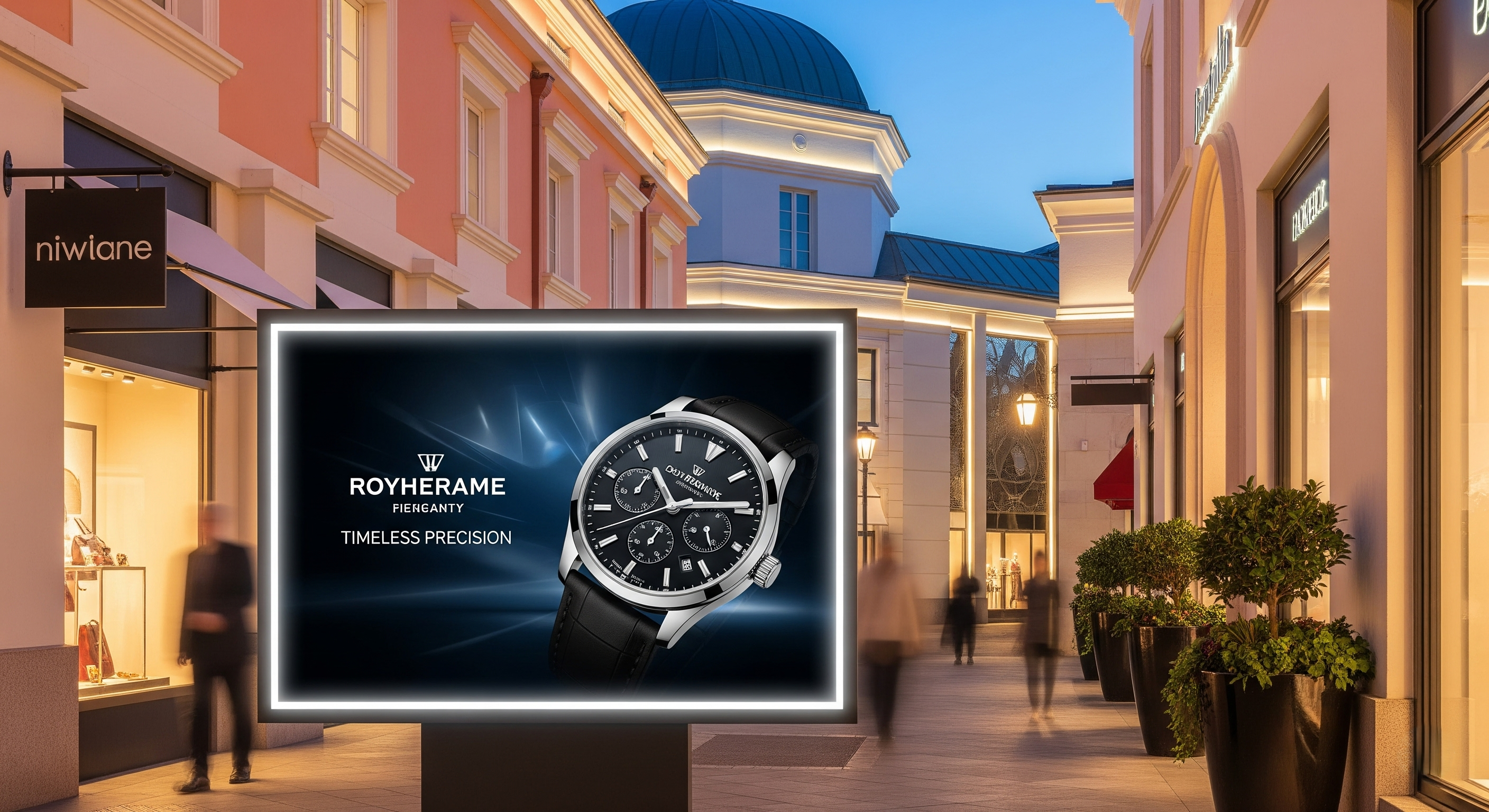
Small LED billboards cost $20,000–$35,000 upfront or $1,500–$3,000 per month for rental. These are ideal for local businesses in shopping districts looking to create targeted campaigns without high initial cost. Their compact size and high-resolution displays ensure clear visibility at short distances, making them a cost-effective solution for niche audiences.
Medium Outdoor LED Billboards (100–300 sq ft)
Medium LED billboards cost $45,000–$80,000 or $4,000–$8,000 per month. These displays offer the best balance between cost and visibility, especially in urban areas where competition is high. They allow businesses to create scalable campaigns across multiple locations while maintaining strong audience reach and performance.
Large Outdoor LED Billboards (Over 300 sq ft)
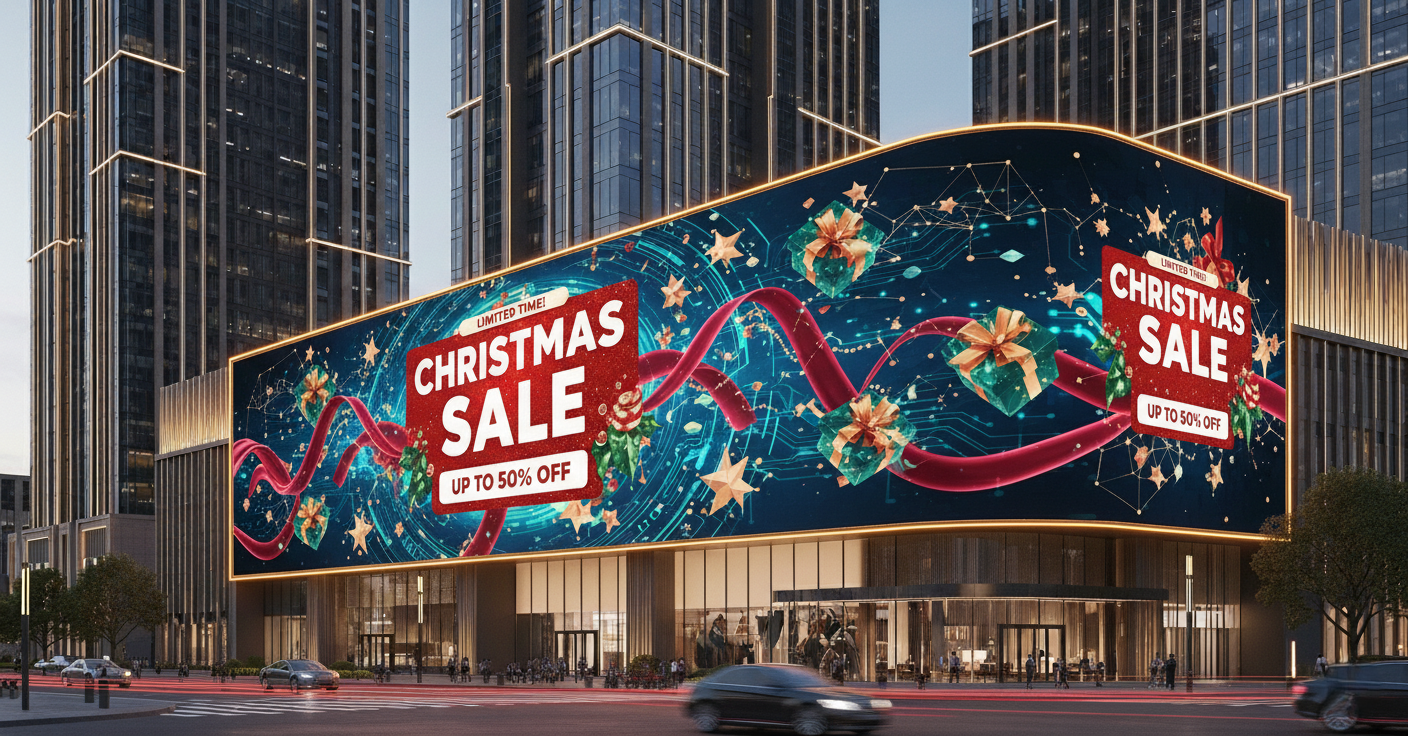
Large LED billboards cost $120,000–$500,000 upfront or $15,000–$50,000 per month. These dominate highways and premium locations, delivering maximum exposure. Businesses often use financing options to manage the higher investment while benefiting from unmatched visibility and long-term advertising impact.
Cost of Double-Sided LED Billboard Screens
Double-sided LED billboards cost $200,000–$400,000 and provide exposure in two directions. These are commonly used in high-traffic urban areas to maximize audience reach. They help businesses create efficient campaigns by targeting multiple directions with a single installation, improving overall cost efficiency.
Pricing for 3D LED Billboard Displays
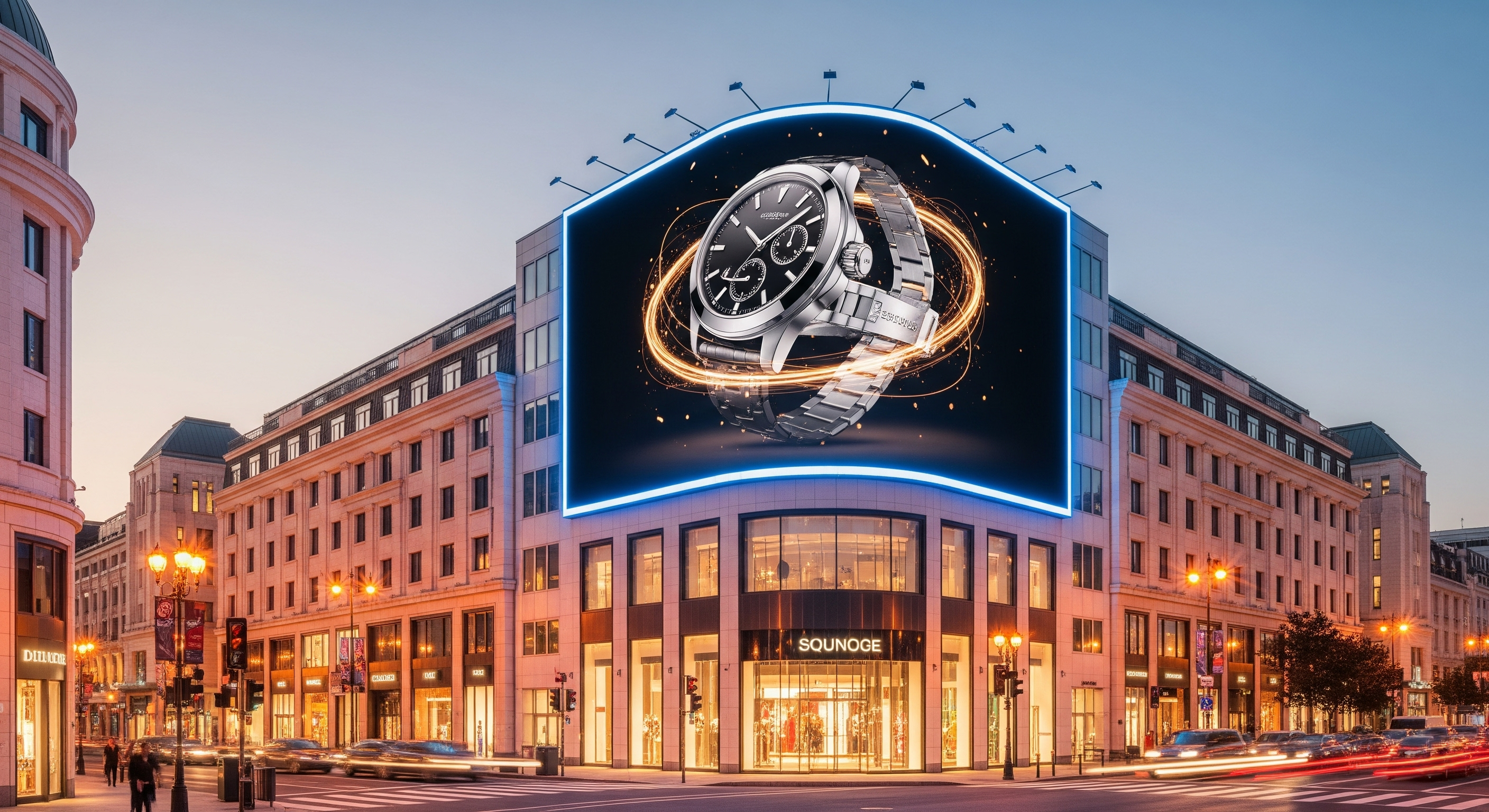
Setting up a digital billboard costs between $10,000 and $800,000 depending on size, resolution, and location. A small billboard (4×8 feet) starts around $13,500, while a large digital billboard (20×60 feet) can reach $590,000 or more. The initial investment depends on several factors such as pixel pitch, LED display quality, and professional installation. The final cost also includes site preparation, labor costs, and control systems required to run the digital display efficiently.
What Is the Full Cost Breakdown of Installing a Digital Billboard?
Installing a digital billboard involves multiple cost components beyond just the LED screen. The total cost includes hardware, infrastructure, permits, and ongoing operational expenses. Each element is directly tied to performance, durability, and revenue potential. Understanding this breakdown helps businesses plan investment, manage budget, and ensure long-term value from their digital signage setup.
LED Modules

LED modules are the largest part of the initial investment and determine display quality. The cost of an LED screen depends on size and resolution, typically ranging from $500 to $1,000 per square meter. Lower pixel pitch delivers a higher resolution image but increases cost, while higher pixel pitch is more affordable for long-distance viewing. Choosing the right configuration ensures advertisers get the best clarity for their pay display campaigns.
Mounting and Structural Steel
Mounting and structural steel form the physical backbone of the billboard. This includes the foundation and steel framework required to support the sign’s weight. These costs vary based on size and location but are essential for stability and safety, especially for large structures installed in high-traffic areas.
Permit & Regulation Costs
Permits and regulations add mandatory costs that vary by location. Basic permits may cost around $200–$2,000, while complex urban installations can be more expensive due to stricter rules. These costs are directly tied to zoning laws and compliance requirements, making them a critical part of the overall budget.
Land Lease / Right-of-Way / Rent
Renting digital billboards costs between $1,200 and $50,000+ per month depending on location and traffic. High visibility areas like Times Square can cost between $1.1M–$4M annually, while smaller markets cost $3,500–$4,500 monthly. This cost effective approach allows advertisers to avoid high initial investment while still benefiting from digital billboard advertising. Static billboards cost $250 to $4,000 per campaign, making them cheaper but less flexible. However, every content change requires printing and installation costs of $400–$2,000.
Installation
Installation involves specialized labor and equipment to set up the billboard. Costs range from $10,000 to $50,000 or more, depending on complexity. Cranes are often required, costing $200–$1,000 per day. Professional installation ensures the sign operates safely and efficiently, making it a crucial investment.
Power Infrastructure
Power infrastructure ensures the LED screen runs continuously and efficiently. This includes electrical upgrades, trenching, and wiring systems to support high energy demand. According to the Guardian, digital billboards can consume significant energy annually, making power planning essential for long-term operation and cost management.
How Does Outdoor LED Sign Cost Compare to Billboards?
Outdoor LED sign pricing varies based on size, resolution, and usage, often offering a lower entry cost than full billboards. If you want a deeper comparison, explore how much does an outdoor LED sign cost? to understand pricing for smaller displays, installation costs, and scalability options. These solutions are ideal for businesses that want high visibility without the sheer size and investment required for large digital billboard networks.
Maximize Visibility with the Best Budget Friendly LED Billboards
AIScreen makes it simple for businesses of all sizes to access digital billboards without stretching their budget. Our solutions are designed to deliver maximum visibility at minimum billboard costs, ensuring you can compete in today’s fast-paced advertising world. With flexible pricing plans and easy setup, AIScreen helps brands achieve impactful results while staying cost-effective.
With AIScreen LED Billboard digital signage software, managing campaigns becomes effortless. From scheduling ads to tracking performance, everything is built to streamline your process and reduce long-term billboard expenses. Isn’t it time your business leveraged the power of digital billboards without overspending? At AIScreen, we focus on affordability, reliability, and innovation, giving you all the tools needed to grow your reach with high-performance billboards.
Frequently Asked Questions
How much do outdoor LED billboards cost?
The outdoor LED billboards costs from $1,000 to $15,000 per month, while large installations can reach six figures depending on size and location. The total LED display cost varies significantly based on key factors such as brightness, resolution per square meter, and whether businesses choose renting or buying land for their pay display setup.
How much does a small LED billboard cost?
The small LED billboard cost typically ranges between $10,000–$35,000 as an initial investment or $1,500–$3,000 per month for rental. This LED display pricing depends on resolution, square meter size, and installation needs, but it remains a cost-effective option for advertisers targeting local audiences.
What factors affect the cost of LED billboards?
The factors affect the cost of LED billboards include screen size, pixel pitch, location, and advanced control systems. Higher-quality LED display components increase the final cost, especially in high-traffic areas where advertisers are willing to pay more for better visibility and performance.
What are the ongoing maintenance costs for LED billboards?
The ongoing maintenance costs for LED billboards typically range from a few thousand dollars annually, depending on hardware and usage. These costs include electricity, repairs, and software updates, ensuring the LED display remains energy efficient and continues to perform reliably over time.
Are LED billboards expensive to operate?
No, the operating cost of LED billboards is relatively low compared to traditional billboards due to energy efficient technology. While electricity and software fees add to the total cost, the ability to run dynamic pay display campaigns helps advertisers maximize ROI and offset operational expenses.
