
30 Innovative Retail Design Ideas to Increase In-Store Sales
Welcome to a journey into innovative retail design ideas that can boost your revenue! In this guide, we’ll explore creative ways to design your store for success. Did you know that well-designed stores can significantly impact customer behavior? According to studies, an appealing store layout and design can increase sales by up to 40%.
In this blog, you’ll discover practical tips on store layout, product displays, and special features that can enhance the shopping experience and ultimately drive more sales. Get ready to transform your retail space and elevate your business!
What is Retail Design?
Retail interior design is all about how you set up and decorate your store. It’s not just about arranging your products; it includes everything from the entrance to the checkout area.
The way your store looks and feels can affect how customers move around and decide to buy things. So, retail design is about the whole shopping space, not just where you put your items for sale.
What are the 6 Basic Designs for a Store Layout?
The six basic designs for a store layout represent foundational retail design concepts that help brands organize their retail interior strategically. Each layout supports different store interior design needs depending on space, customer movement, and product type. Understanding these frameworks makes retail space design more intentional and helps guide customers through the store naturally.
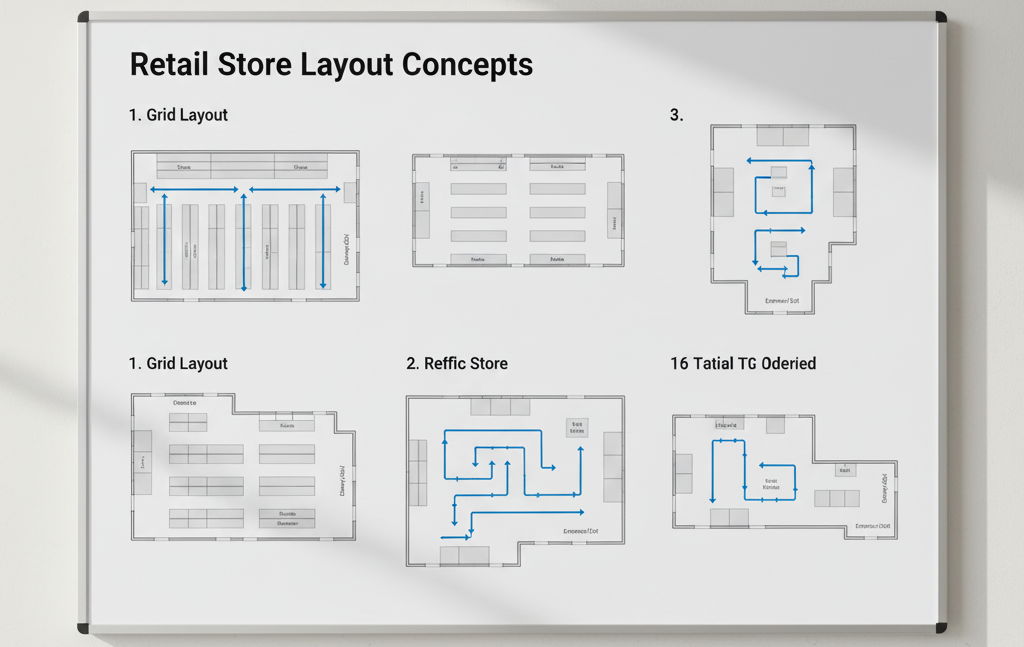
1. Grid Layout
The Grid Layout is efficient for supermarkets, pharmacies, and stores with high product volume. It uses parallel aisles to streamline navigation and maximize shelving capacity, making it ideal for retailers focused on fast, structured shopping patterns.
2. Loop (Racetrack) Layout
The Loop Layout encourages full-store circulation through a clearly defined pathway. It’s designed to expose customers to multiple categories, making it a strong choice for department stores and retailers looking to boost browsing and impulse purchases.
3. Free-Flow Layout
The Free-Flow Layout is ideal for boutiques, lifestyle stores, and experiential retail interiors. With its open, flexible arrangement, it supports creative storytelling and encourages customers to explore without a fixed route.
4. Diagonal Layout
The Diagonal Layout enhances visibility and traffic flow by positioning aisles and displays at angles. This increases sightlines, improves movement efficiency, and works well for medium-sized retail environments wanting a more dynamic feel.
5. Angular Layout
The Angular Layout is perfect for luxury or high-end retail interiors. With curved fixtures and rounded pathways, it creates an elevated, premium shopping experience that highlights select products while promoting slower, more intentional browsing.
6. Mixed Layout
The Mixed Layout combines multiple layout concepts to offer flexibility in merchandising and customer flow. It’s useful for retailers with diverse product types or hybrid retail spaces seeking a balance between structure and creativity.
These layout options help brands shape customer experiences more strategically while optimizing store interior design for engagement, clarity, and sales.
30 Best Retail Store Design Ideas to Increase Sales
The retail store design is about how a shop sets up its space when running a business. This involves deciding how the store is arranged, showing off products, and organizing displays.
A good store design can boost your business and increase sales if done right. But if it’s done poorly, it can turn customers away.
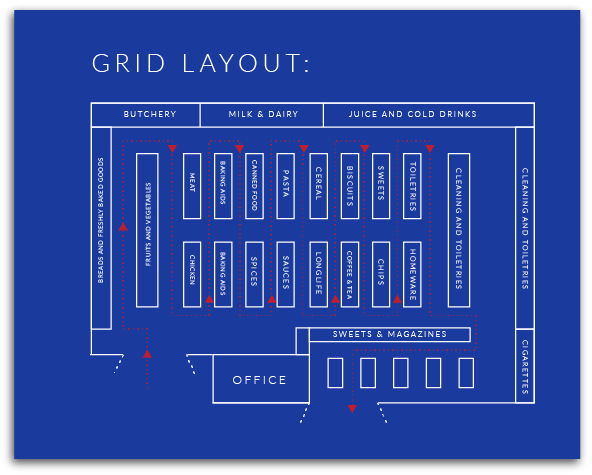
Use Grid Floor Plans for Shelf-Stocked Goods
Store layout means arranging the permanent fixtures in a store in a smart way to make shopping enjoyable and encourage purchases, which is a core part of retail space design and commercial retail interior design.
The best layout depends on what you’re selling, how much space you have, and how you want customers to move around. By thinking about these factors, your store layout can boost sales and make customers happy.
For example, a grocery store might use a grid layout (like the picture) to organize lots of products and make shopping easy. Before designing, figure out what your store needs and goals are so you can pick the right layout.
Approach Your Space as a Gallery
An angled or mixed floor plan (like the picture) is great for shops that want to highlight carefully selected inventories. This works well for designer stores, specialty shops, and places that sell high-end clothes and accessories, making it a strong choice for thoughtful retail store interior design.
It’s also good for stores with a mix of products, like bakeries that also sell packaged goods.
For instance, a boutique might want to show a smaller, carefully chosen collection of items to give customers a unique and exploratory shopping experience, similar to strolling through an art gallery, an approach often used in refined retail shop interior design
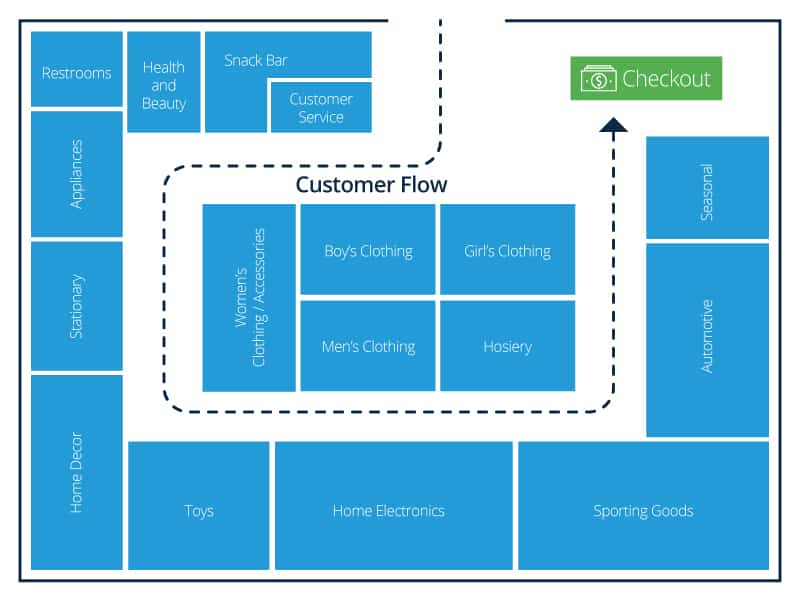
Use a Loop Floor Plan to Maximize Wall Space
A loop floor plan (like the picture) is useful for stores that want to make the most of their wall space and guide shoppers along a specific path. It works well for stores that sell things like clothes, accessories, toys, home goods, kitchen items, personal care products, and unique specialty items, making it a strong choice for enhancing store interior planning and overall retail space interior design.
Set Your Store Up for Showrooming
Showrooming is when you use your actual store to showcase products, but customers might not buy them there. Sometimes, they make the purchase later, and it’s often delivered to them.
This is common for furniture stores, home decor shops, and stores that focus on providing experiences. In these cases, forced-path floor plans (like the picture) are handy.
They help direct shoppers along a planned path, making sure they see all the products on display while supporting strong retail environment design and an effective showroom interior design.
Show What Goes on Behind the Scenes
Let customers see how your products are created! LEMLOREN, a fancy fashion shop in Aguada, Puerto Rico, isn’t just a regular store.
It goes beyond selling things – it also provides workshops and classes for people who want to know more about fashion design and sewing.
Interestingly, many of the designs are crafted right there in the store by hand, making it a great example of innovative retail design and a thoughtful retail concept design.
Create Eye-catching Creative Window Displays
Your store design begins outside with your window displays. How your store looks from the outside is the first thing people notice, and it should make them want to come in.
Make the outside eye-catching by using bright colors, creative design, and smartly placing products. Be daring with how your store looks on the outside, showing people a glimpse of what makes your business special. These store designs work best when combined with thoughtful planning and stores decoration ideas that attract shoppers instantly.
At AIScreen, we’re not just providing technology; we’re partners in turning the store’s window into a canvas of curiosity and excitement. We’re here to help showcase what makes business special, starting from the very first glance, supporting retail store designers in bringing bold visual concepts to life.
Grab Attention With Retail Digital Signage
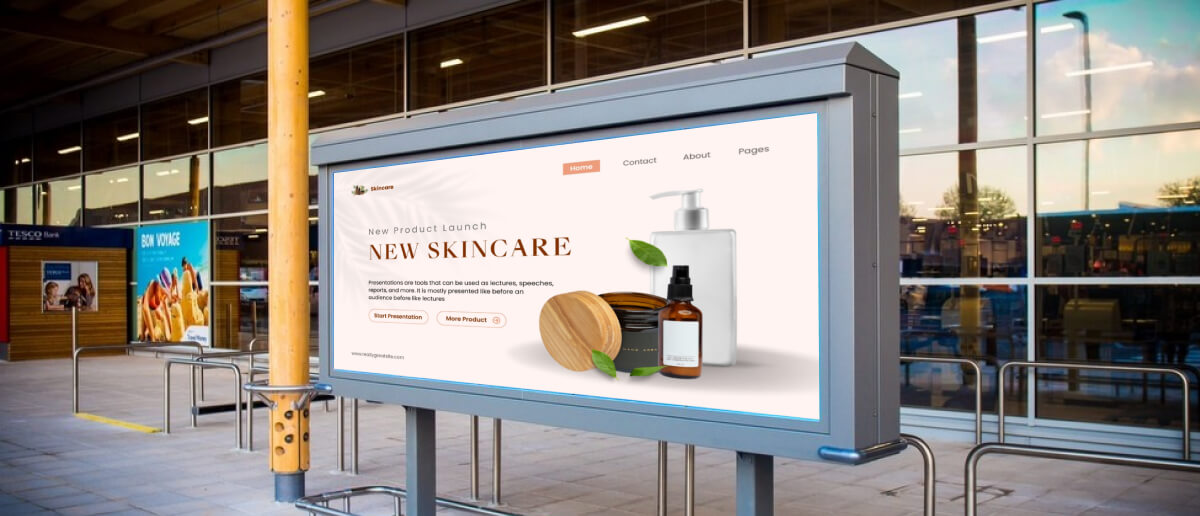
Digital signs use fancy screens like LCD, LED, and Projection to show pictures and videos, play media, and share information. They can even have interactive features, like moving when someone walks by or using touch screens.
Digital signs are great for catching people’s attention, so put them in smart spots. If you place them outside or in your store windows, they can attract people passing by especially for high-traffic locations like convenience stores.
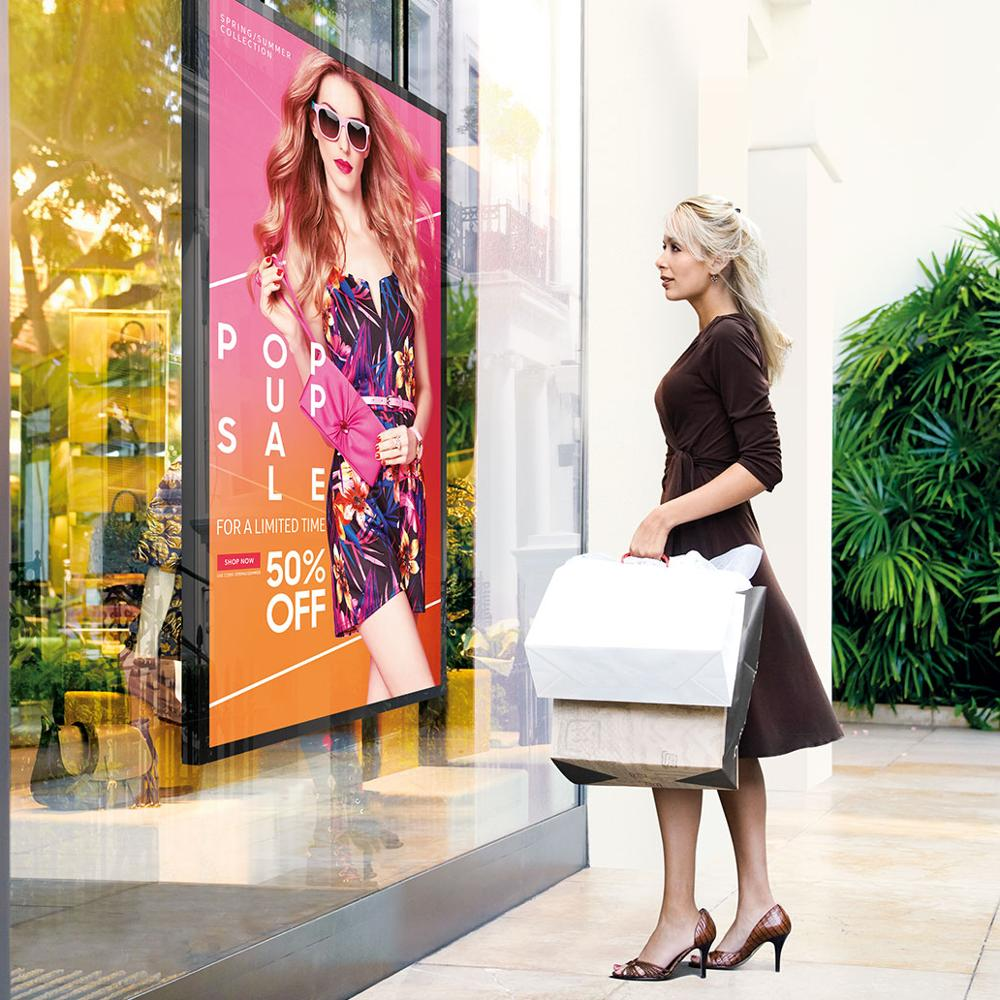
Digital signs are great for catching people’s attention, so put them in smart spots. If you place them outside or in your store windows, they can attract people passing by.
On the other hand, if you put a retail digital signage at the back of your store, it will make current customers notice and might make them curious to check it out up close. This makes digital signage a smart part of retail design and helps enhance the overall retail interior.
At AIScreen, we’re not just providing screens; we’re partners in strategic placement. Whether it’s outside, in store windows, or discreetly at the back, we know where to put our signs to grab attention—supporting effective retail space design for every brand.
We’re here to turn passersby into customers and make every corner of store a captivating space, all with the magic of digital signage.
Add QR Codes
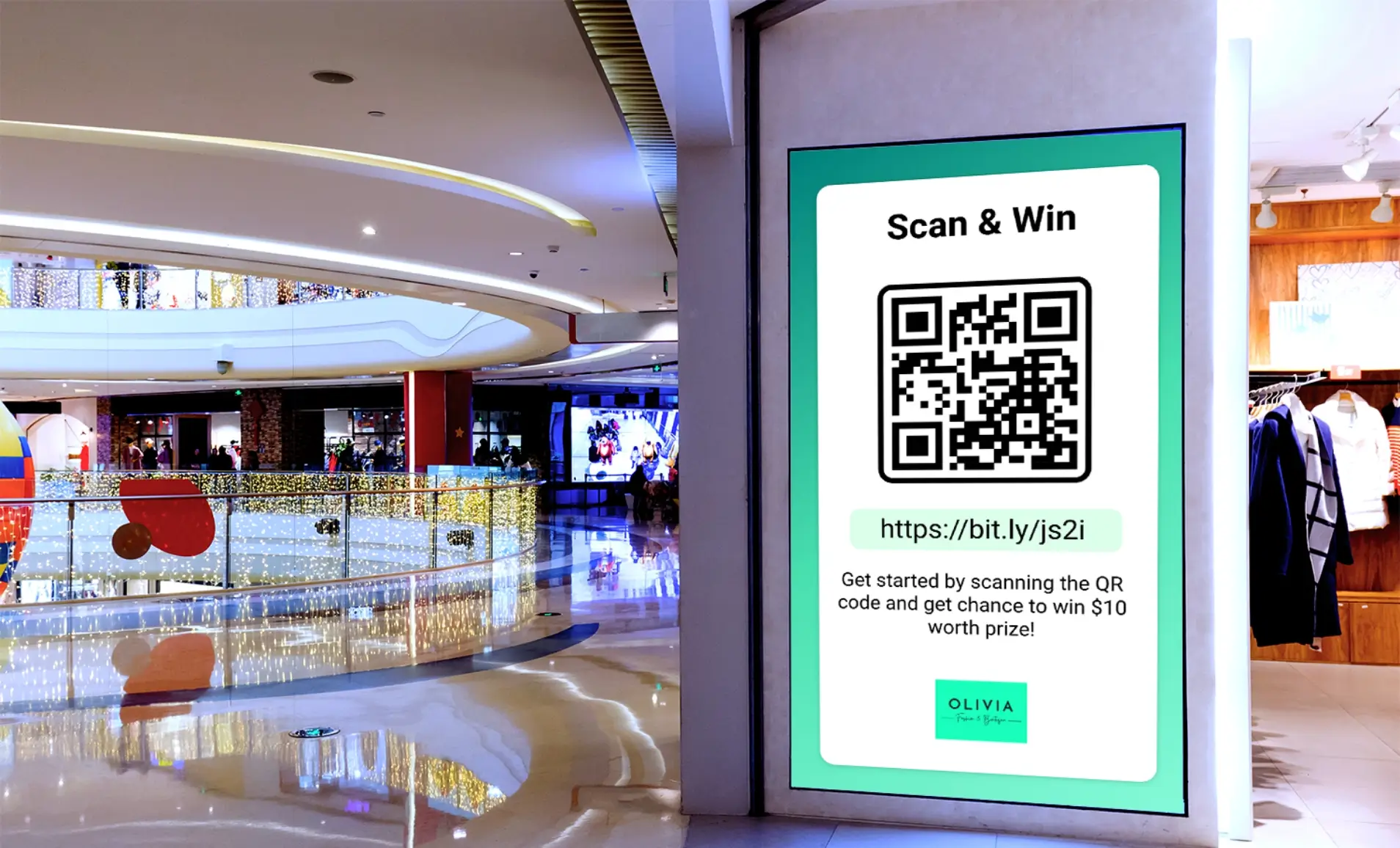
You can connect with customers using QR codes. Stick them on products or tags on the shelves, so customers can quickly get info, start chats, or watch videos. This simple addition fits seamlessly into innovative retail design and strengthens your overall retail shop design.
QR codes can also show discount codes, signups for newsletters, updates about products, contact details, links to social media, or where to find your store or products online. They’re handy to smoothly move someone from shopping in-store to checking out your online store.
Try putting them on your store windows to catch the eye of people passing by or on items with lots of details that customers might want to look up online.
Use Displays to Make Your Products Shine
Using displays is a great way to show off products in your store. If done right, displays can help save space, keep things neat, and make your products more appealing to customers within a well-planned retail store interior.
For instance, you can use displays to make use of vertical space, group products together, set up special displays at the ends of aisles, or fill tables and counters. You can also use temporary displays at the checkout area. But don’t go overboard, especially when experimenting with different retail designs.
Too many or really big displays can be too much and take attention away from the products. Instead, split your store into different areas and have just one display in each. Also, think about how customers move around your store so there’s enough room for easy shopping and a smooth retail store interior flow.
Create Focal Points
Focal points are special displays in your store meant to catch the eye and guide customers. They play an important role in retail design interior planning and help enhance overall store interiors.
Think of them like stepping stones in your store. Shoppers will naturally be attracted to them because they look interesting. So, put these points of interest where you want customers to go in your store, and make sure they match the products and services in those areas.
Here are some tips for creating focal points:
- Use bright colors: Pick colors that stand out to grab attention.
- Play with height: People naturally look at high points, so use height to make things visually interesting.
- Get creative: Focal points don’t always have to be things for sale, so have fun and be creative with your displays.
- Add cool lighting: Use spotlights or different lighting to make things look more appealing and catch the eye.
- Break up the routine: If part of your store looks a bit boring, use a focal point to make it more interesting and attract customers.
Avoid Displaying Too Much Product
Having too much stuff in your store is a big problem for the design. It makes it hard for customers to see and move around, and finding things becomes a challenge.
Also, a messy store can make your brand look like it’s not taking care of things and is disorganized, which affects how customers view your shop interior design ideas and overall store designs.
To avoid the issues of a crowded store, figure out how much stuff is right for your space and the type of business you have. Usually, high-end stores look better with fewer products and more space because it makes the items seem more valuable.
On the other hand, big stores that offer deals should use all their space to show customers they’re getting a good deal.
Use Products as Decor
A great way to make the most of your store space without cluttering it up or spending a lot on decorations is to use your products creatively. This approach also fits well with shop interior design ideas that rely on functional aesthetics.
In my boutique, for instance, we organized clothes by color on racks, arranged candles in neat patterns on shelves, and hung hats on hooks to create cool wall displays. This helped us showcase more products, make the store visually appealing, and save us from buying extra decorations while inspiring store designs that feel both practical and stylish.
The key is finding the right balance between making things look good and making it easy for customers to shop. Pay attention to where you place your products, how high they are, and whether customers feel comfortable touching them.
Think about which items in your store can also serve as decor, and try different setups to see what looks good and makes it easy for people to shop. You can also check out Pinterest for ideas on using products to decorate your store.
Get the Right Lighting
Lighting is super important for a retail store and plays a major role in retail shop interior design. The right lighting makes everything in your store visible and sets the mood, helping strengthen your overall store interior.
There are four main types of retail store lighting you should use to make sure your store is well-lit and easy to see:
- Ambient lighting: This is the main light in your store that covers everything. It should reach every corner.
- Accent lighting: Use this to make specific products or areas stand out. It helps guide customers to important things.
- Task lighting: These are extra lights where tasks are happening, like at the register or in fitting rooms.
- Decorative lighting: These lights are more about looks than practicality. They add style to your space or create a certain vibe in your store.
Create Picture-worthy Elements to Build Your Online Presence
Have cool things in your store that people want to take pictures of. Features like a wall covered in plants, fun lights, big mirrors, a standout wall, glowing signs, or items that can be used as props can get customers snapping photos and sharing your store on social media. These picture-friendly ideas also strengthen your retail space interior design and support innovative retail design strategies that attract more foot traffic.
When setting up your photo spot, put it towards the back of your store. This way, people have to walk through your whole store to get there. Make sure there’s enough space for lots of photos. If your store is small, you can even set up a photo spot outside.
Let’s take an example, the Paul Smith store in Los Angeles has a famous Pink Wall that’s become a must-visit spot. It’s drawn in tons of visitors, making it a popular place for both shopping and taking pictures for tourists and influencers.

The Last Bookstore is not just a bookstore; it’s also like an art gallery. They’ve designed their store to look amazing in pictures, especially on Instagram. The arch made of books and the overall cool look of the store has made it one of the most shared bookstores globally on social media.
Add Seating to Create a Comfortable Space
Having seats in your store gives people a comfy spot to relax, and it might make them stay longer. In my own experience, I noticed that when people come with friends or partners, having a nice place for them to sit makes the shopper stay in the store longer, an important part of creating welcoming retail interiors.
This way, they don’t feel rushed or worried about their friends getting tired, which supports better shop interior design. Think about where people might want to sit in your store. Avoid putting seats near the entrance because it can make things crowded and block the entrance.
Instead, place seats towards the back of your store. This way, it encourages people to move through the store and gives them a spot to sit and think about what to buy. Also, think about where seating would make shopping easier.
For example, if you have fitting rooms, put seats nearby so people have a place to sit and think about what clothes to try on. Or, if people will be trying on shoes, have benches near the shoe area for them to use while putting on shoes, a small detail that elevates your overall retail interiors.
Showcase Local Artists to Appeal to Your Community
Work together with local artists in your community and display their creations in your store. By supporting local artists, you show your customers that you care about the community and want to make connections. It also introduces your store to the audiences of those artists, enhancing your overall retail space design and elevating the shop interior in a meaningful, authentic way.
Incorporate Wayfinding in Large Spaces
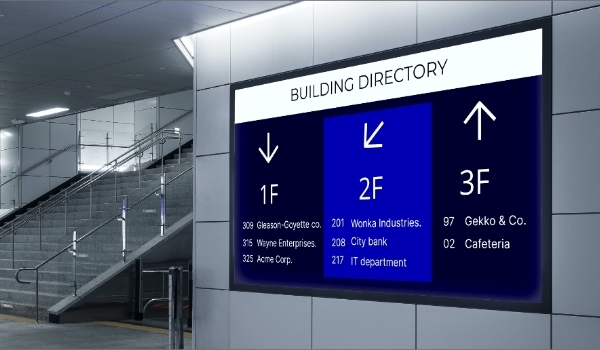
Wayfinding is like using signs or designs in a store to help people find their way around. It’s about making the store easier to navigate, sharing important info, and keeping shoppers safe as part of thoughtful retail shop design and retail design interior planning.
Imagine a path marked on the floor, arrows showing you where to go, or maps with helpful information, that’s wayfinding.
It’s usually used in big spaces, like large stores or warehouses, to help people see the products better. But in small stores, too many wayfinding signs can be annoying and take away from the shopping experience.
Keep Up With the Seasons
Changing your store to match the seasons makes it feel more in tune with your customers’ lives and helps you take advantage of seasonal shopping trends, like during the winter holidays. This approach also strengthens your retail store interior design by keeping the environment visually relevant year-round.
You should adjust your store’s look for each of the four seasons. Then, during each season, add decorations or elements related to specific holidays, which also supports fresh shop design ideas that customers enjoy.
In my store, we changed how it looked for spring by adding flowers, pastel colors, and other things that feel like spring. Then, when Easter, Mother’s Day, and St. Patrick’s Day happened, we added decorations related to those holidays on top of our spring design.
This made it simpler for us to sell seasonal and holiday-specific items and kept our store looking new every month.
Complement Retail Store Design With Music
Just like lighting, the music you play sets the mood in your store and affects how customers see your brand. It can even boost sales when it matches what you’re selling, helping strengthen your overall retail design concept.
Research shows that music influences how customers feel about a business, and how long they stay, and can even make them buy more. Choose music that suits the atmosphere you want in your store and supports your retail environment design.
For example, elevator music and pop music create different vibes. Your music can also affect how long customers stay in your store and how your staff feels while working there.
Cross-Merchandise to Boost Average Basket Size
When setting up your store displays, it’s not just about making things look nice; it’s also about having a plan to achieve business goals. A common goal for many stores is to make customers spend more money, either by buying more items or more expensive ones. These choices often come from thoughtfully planned retail design ideas that shape how store interiors influence shopper behavior.
One way to do this is through smart cross-merchandising in your displays. This means putting products from different categories together to encourage customers to buy more things.
For example, if you sell clothes and accessories, you might showcase a complete outfit on a mannequin, like a dress, shoes, a handbag, and a necklace. This could inspire someone who came in just for the dress to add more items to their purchase because they see how good everything looks together. Stores that carry their own branded pieces have a real advantage here, with custom clothing thrown into a cross-merchandise display that ties the whole thing together and gives customers something to latch onto beyond the individual products. If you haven’t looked into branded apparel yet, Printify and Printful are worth a look.
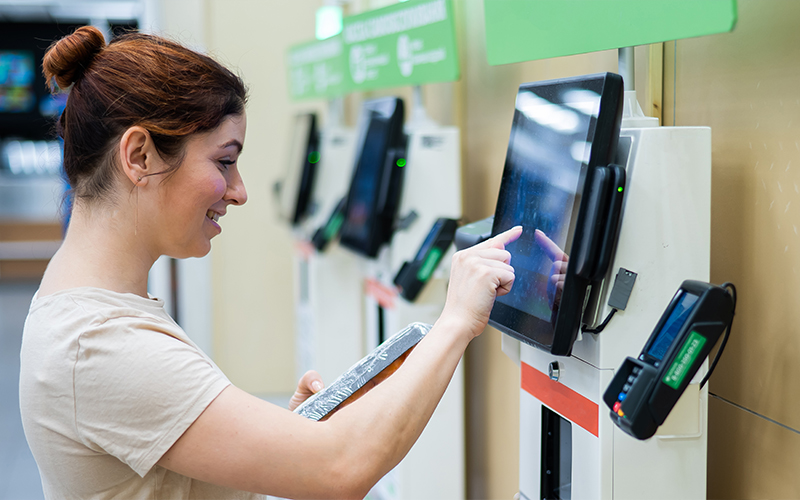
Add the Option for Self-Checkout
A diagonal floor plan (like the picture) is good for stores where many customers use self-checkout. It also helps employees see everything when there’s a lot of product testing. This type of layout is great for stores that sell technology, electronics, and beauty or cosmetic products, especially when guided by a retail space designer who focuses on strong retail interior design.
Design a Space for Online Orders
With the COVID-19 pandemic, more people started using “buy online, pick up in-store” (BOPIS), and this trend is still going strong. For retailers, it’s a good idea to think about these shoppers when setting up their space and aligning it with thoughtful retail shop design and efficient retail concept design.
These customers want things to be easy, so you could reserve parking spaces for them, have a special checkout line, or even let them pick up their orders at the back of the store or warehouse, whatever fits your space and works best.
Keep Storefront Signage Clear and Minimal
Even though it’s fun to be creative, there are some places where it’s better to be clear than clever. This is especially true for your main sign and how your store looks from the outside. In retail shop design and retail concept design, clarity helps customers recognize your brand instantly.
While it should look good and match your brand, it also needs to be easy to read and see. This is how people find your store, so it’s crucial to make it right the first time.
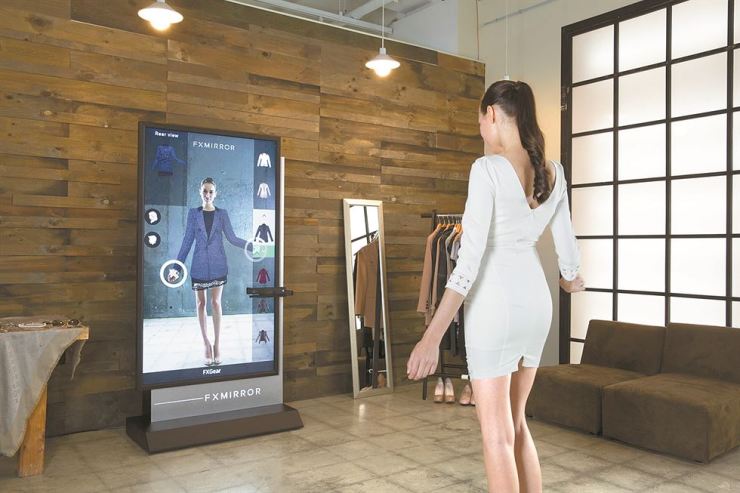
Use Virtual Fitting Rooms
Virtual fitting rooms are like mirrors that use special technology to let customers try on clothes without actually putting them on. It’s done through things like augmented reality or artificial intelligence. These mirrors show a live picture of the customer wearing the clothing so they can see how it fits and looks, making it a great example of innovative retail design and modern retail interior design.
This is mostly used for clothes, shoes, and beauty products. Since these fitting rooms are virtual, they don’t have to be actual rooms; you can put the mirrors anywhere in your store without worrying about privacy or needing a separate space.
Add a Gift Wrapping Station
Wrapping gifts is a nice extra service for customers who shop in your store. You can do this all year or just during special seasons like Christmas. Use pretty wrapping paper with a subtle brand touch to help people remember and recognize your brand. This idea is a great addition to your retail design ideas and can enhance the overall appeal of your retail interiors.
Pick a Theme Relevant to Your Brand
Sometimes, having a theme can help spark creativity. It brings together the design and creates an experience for shoppers, aligning with your retail concept design and store interior design.
For example, Bass Pro Shops in Missouri has made its store all about the outdoors, which fits its brand perfectly. The bold design matches its brand image and has not only boosted the store’s profits but also made it one of the most popular tourist spots in the state.

Keep the Space Flexible
Your store doesn’t just have to be about selling things; it can also be a warm and versatile space, optimized through thoughtful retail space interior design and commercial retail interior design principles.
For example, Mantra Lovers, a boutique in Aguadilla, Puerto Rico, doesn’t just sell local artisanal goods. They’ve turned their shop into more than that, it’s also a space for yoga classes, reiki healing sessions, and Tarot readings.
They’ve made it easy to change things around by putting many of their tables, stands, and displays on wheels. This way, the store can turn into different things, bringing in money in various ways.
Use Smart Mirrors and Digital Displays
Smart mirrors and digital displays enhance retail design interior by merging technology with aesthetics to create interactive shopping experiences. These features help customers visualize products, explore options, and engage with dynamic content that elevates the store interior.
With AIScreen digital signage, you can instantly update visuals across all stores through a single dashboard, ensuring consistency, speed, and high-impact communication.
Integrate Scent Marketing
Scent marketing enhances the retail environment design by using targeted fragrances to trigger positive emotions and strengthen brand recall.
When paired with strong visual merchandising and cohesive store interiors, the right scent encourages customers to browse longer and feel more connected to the space.
This sensory layer works especially well in boutiques, lifestyle stores, and immersive retail interiors.
Highlight Sustainability in Design
Sustainable retail design prioritizes eco-friendly materials, natural lighting, and energy-efficient fixtures to create a responsible and visually appealing environment. Retail interiors that embrace sustainability not only reduce operational costs but also appeal to conscious consumers who value green practices.
This approach aligns with modern shop design ideas focused on transparency, wellness, and long-term brand trust.
Implement These Retail Design Ideas in Your Retail Space for More Sales
Transform your retail space with design strategies that balance aesthetics and performance to increase customer engagement and drive revenue. Whether you’re building a new boutique or refreshing an existing store, a well-planned retail interior creates better flow, stronger storytelling, and higher sales potential. With expert guidance, your store can shift from a simple shopping place to a high-impact, revenue-generating environment.
A modern retail environment isn’t just about design, it’s about creating an experience. With AIScreen’s digital signage, you can merge your retail store interior design with dynamic, data-driven storytelling that increases dwell time and boosts sales. Start transforming your retail space today with a design that connects, converts, and inspires.


FAQs
What is retail design?
Retail design is the strategic process of shaping retail stores to guide the customer journey and create a positive shopping experience. This design process focuses on layout, storefront design, merchandise placement, and visual appeal to engage customers naturally.
How does retail interior design influence sales?
Retail interior design influences sales by shaping how customers move through the space, interact with products displayed, and respond to the store’s design. When designers use visual merchandising, decompression zones, and clear pathways, customers naturally turn toward certain products that draw attention.
What are current retail design trends in 2026?
Current retail design trends in 2026 emphasize creating immersive retail experiences with technology, sustainable materials, and flexible layouts that support varied merchandise categories. Brands are incorporating elements like digital signage, curated photos, and showroom-style layouts to strengthen visual appeal.
How can small stores use effective retail design ideas?
Small stores can use effective retail design ideas by maximizing ample space, improving storefront design, and organizing merchandise to guide shoppers along a predetermined path. The key is creating a clear layout that avoids clutter while highlighting certain products that match the target audience’s interests.
Why should I hire professional retail store designers?
Hiring professional retail store designers ensures careful consideration of layout, visual appeal, changing rooms, and product zones to create a cohesive retail interior. Designers understand how to craft a retail project that aligns with brand goals, draws attention, and enhances customer flow for most customers.
