
Exploring Digital Signage Careers in 2026: Opportunities and Growth
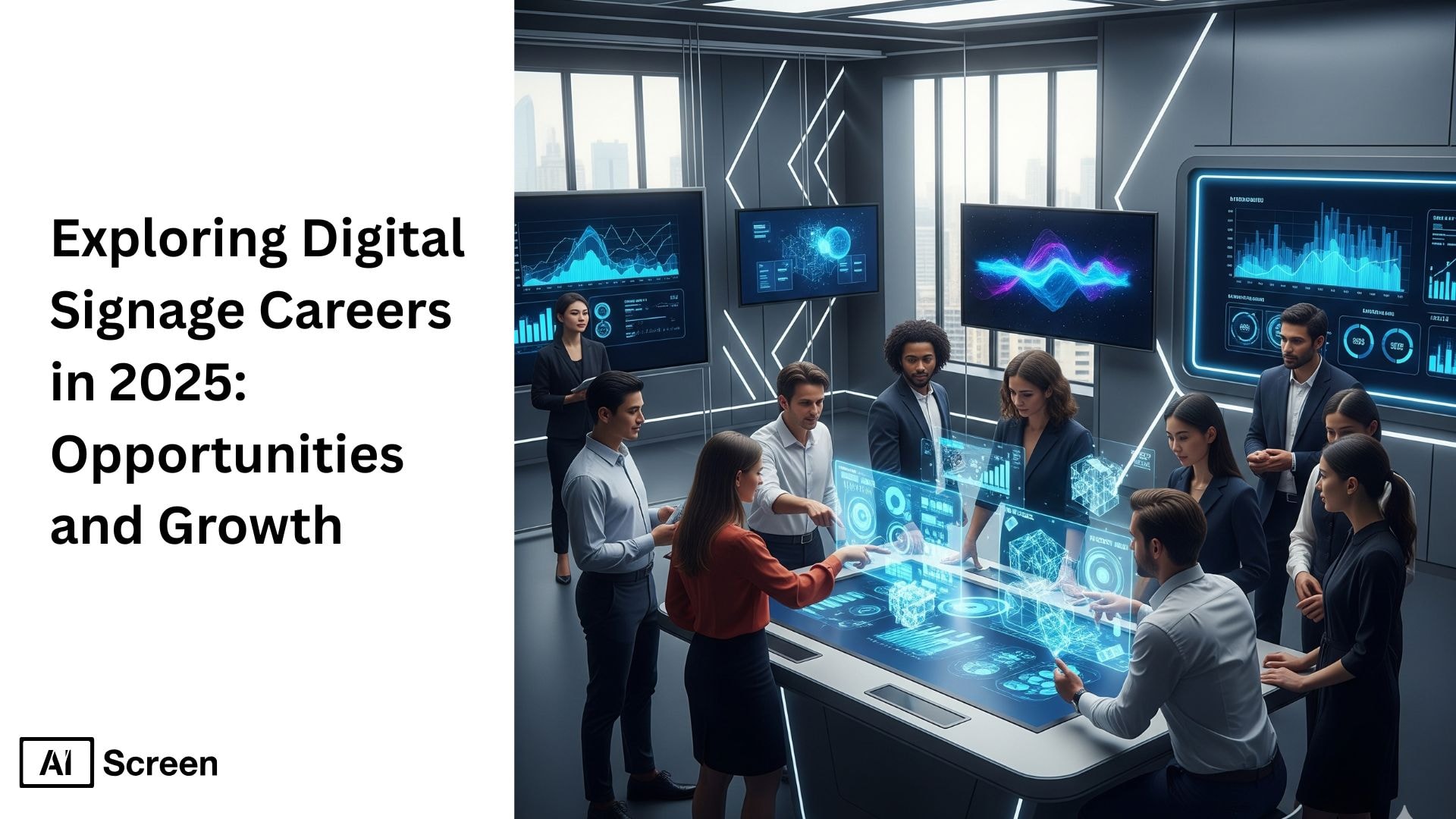
The digital signage industry is experiencing remarkable expansion in 2026, with rapid adoption across sectors such as smart cities, retail stores, healthcare, educational institutions, and the global market, reflecting the latest digital signage trends. Technological advancements like cloud technology, immersive and interactive experiences, augmented reality, virtual reality, and artificial intelligence are transforming how businesses and public spaces use digital signage. According to MarketsandMarkets, over 60% of retailers in North America now use digital signage to enhance customer experience and drive sales.
This article explores digital signage careers in 2026, opportunities and growth, key trends, skills, and earnings potential in digital signage. Professionals interested in the future of digital signage can benefit from understanding emerging trends, dynamic content creation, programmatic advertising, and cloud-based platforms, all of which are shaping the next generation of digital signage careers.
What Is the Current Landscape of Digital Signage Careers in 2026?
The digital signage industry is growing rapidly in 2026, driven by advancements in technology and wider adoption across various sectors. Demand for professionals skilled in content creation, digital sign software, system integration, and cloud-based solutions across various industries is rising. The growth of digital signage networks highlights the future of digital signage and its role in engaging audiences across industries. According to Deloitte, smart city initiatives integrating digital signage for traffic patterns and public service announcements have increased by 25% in the last three years.
Digital sign have become an essential part of smart city initiatives, retail stores, educational institutions, and healthcare facilities. Digital signage displays provide real-time data, public service announcements, and interactive wayfinding solutions, enhancing the overall customer experience. Retailers and quick service restaurants use digital signage screens to deliver targeted messages and improve customer engagement. Educational and healthcare institutions leverage digital signage to enhance internal communications and operational efficiency.
Artificial intelligence, machine learning, automation, and cloud platforms are reshaping digital signage careers. AI and programmatic advertising allow personalized, data-driven messaging, while cloud technology supports remote content management. Professionals now need expertise in digital signage software, cloud-based platforms, and real-time data analytics. These skills enable immersive, interactive experiences and open opportunities for professional growth and upskilling.
The AIScreen digital signage software offers practical tools for aspiring professionals to enter the industry. Users can create dynamic content, manage multiple displays remotely, and implement innovative solutions. Cloud-based digital sign solutions empower individuals to improve audience engagement, support marketing strategies, and stay ahead of key digital signage trends. AIScreen is a strong foundation for career opportunities and professional development in this rapidly evolving field.
What Career Paths Are Available in the Digital Signage Industry?
Career paths in the digital signage industry range from content designers and hardware technicians to marketers and project managers, all working with cutting-edge visual communication. As digital signage expands across retail, healthcare, education, and smart city projects, companies need skilled professionals to design engaging content, manage equipment, develop software, drive sales, and oversee large-scale deployments, even in remote locations.
According to Statista, the use of cloud-based digital sign platforms has grown by 40% between 2021 and 2024, enabling remote content management across multiple locations. Each career path demands specialized skills, knowledge of digital signage systems, and familiarity with cloud-based solutions, AI, and emerging technologies. Those who understand consumer behaviors and combine creativity, technical expertise, effective communication strategies, and strategic thinking are poised for success in this rapidly evolving field.
Content Creator/Designer – UI/UX, Motion Graphics

Designers create visually appealing and interactive digital signage content for digital signage displays, ensuring that the displayed content captures attention and drives engagement. They focus on motion graphics, video editing, and UI/UX design to ensure content captures attention and drives engagement. For example, a designer might create dynamic promotions for a retail store or interactive menus for quick service restaurants.
Key skills: Creativity in visual design, understanding digital displays, digital signage trends, storyboarding and animation, branding consistency, audience engagement, and video production.
Technical Specialist – Hardware Setup, Device Troubleshooting

Technical specialists install, maintain, and troubleshoot digital signage hardware and devices, contributing to effective marketing strategies. They ensure digital screens operate reliably, integrate with networks, and remain secure. For instance, a specialist may set up multiple displays in a hospital to show patient information and wayfinding solutions.
Key skills: Hardware diagnostics, network configuration, device security, installation planning, and preventive maintenance.
Securing digital signage systems is critical for protecting sensitive data and ensuring uninterrupted operations. This involves implementing strong network security, managing user access controls, keeping software up to date, and continuously monitoring devices for potential vulnerabilities. Adopting sustainable practices such as using energy-efficient or solar-powered displays also supports long-term reliability. By following digital signage security best practices, businesses can maintain secure, stable, and dependable digital signage networks.
Software Developer – CMS Development, Integration with IoT

Developers build and maintain content management systems (CMS) and integrate digital signage with IoT solutions. They enable businesses to manage multiple screens, schedule content remotely, and collect real-time data for analytics, including insights from mobile devices. For example, a developer could create a cloud-based system allowing a restaurant chain to update menu boards across locations instantly. To support this level of technical execution at scale, nearshore software teams provide skilled development resources that help accelerate delivery while maintaining quality and collaboration.
Key skills: Programming languages (HTML5, JavaScript), API integration, cloud computing, IoT systems integration, CMS customization, and gesture recognition.


Sales & Business Development – B2B Solutions Selling
Sales professionals focus on selling digital signage solutions to businesses, including product demonstrations and client onboarding. In the retail sector, a salesperson might show how interactive digital displays increase customer engagement and boost sales performance.
Key skills: Negotiation, lead generation, client relationship management, presentation skills, and solution selling strategy.
Project Manager – Client Onboarding, Signage Rollouts
Project managers oversee client projects and coordinate the rollout of digital signage systems across multiple locations. They manage budgets, align teams, and ensure consistent messaging across displays. For example, a project manager might supervise the deployment of screens across a university campus for real-time notifications and announcements.
Key skills: Project planning, team leadership, budget management, timeline coordination, quality control.
What Skills and Tools Are In-Demand for Digital Signage Professionals?
The skills and tools needed for digital signage professionals combine technical expertise, creative ability, and strong soft skills. According to MarketsandMarkets, the global digital signage market size is expected to reach $27.3 billion by 2029, at a compound annual growth rate (CAGR) of 6.3% from 2024 to 2029.
As digital signage networks expand across retail stores, healthcare facilities, educational institutions, and smart cities, professionals must manage dynamic content, operate cloud-based platforms, and deliver engaging experiences.
- Proficiency in Tools like Canva, Adobe Creative Suite, and After Effects: Professionals must be skilled in designing visual content using industry-standard software. This includes creating motion graphics, animations, and interactive displays that capture audience attention in retail environments, quick service restaurants, and public spaces. Strong design tools proficiency enables professionals to deliver visually engaging digital signage content consistently.
- Understanding of CMS Platforms like AIScreen: Knowledge of CMS platforms is essential for managing and scheduling digital signage content across multiple displays and locations. AIScreen, for example, allows users to remotely update content, monitor display performance, and implement targeted messages. Proficiency in these platforms ensures smooth operations and effective audience engagement.
- Familiarity with HTML5, JavaScript, APIs, and Cloud Software: Coding and cloud skills are increasingly important for customizing digital signage solutions. Professionals who understand HTML5, JavaScript, API integrations, and cloud software can develop interactive content, integrate IoT devices, and optimize digital signage networks in real time. These technical skills support innovative solutions and enable data-driven insights.
- Soft Skills: Creativity, Communication, Problem-Solving: Beyond technical knowledge, digital signage professionals must think creatively and solve problems efficiently. Strong communication skills help teams collaborate on multi-location projects, while problem-solving abilities ensure consistent messaging and operational efficiency. These soft skills are critical for delivering immersive and interactive experiences that drive customer engagement and brand visibility.
Employers look for candidates who can create immersive content, use CMS platforms effectively, and integrate emerging technologies like AI, augmented reality, and IoT into digital signage solutions. Staying updated with industry trends and software tools is essential for professional growth and career opportunities.
How Much Can You Earn in a Digital Signage Career in 2026?
Digital signage professionals in 2026 can expect a wide range of earnings, influenced by factors such as experience, employment type, and industry sector. Entry-level positions offer competitive salaries, while experienced professionals and freelancers have the potential to earn significantly more.
According to Allied Market Research, the healthcare sector is expected to adopt digital signage displays in over 75% of hospitals by 2027 for patient information and wayfinding. Additionally, certain sectors like government, corporate communications, and retail technology are known to offer higher compensation due to the specialized nature of digital signage in these industries.
Entry-Level Salaries
For those just starting in digital signage, salaries typically range from $52,000 to $87,000 per year. Entry-level roles often include positions such as content creators, digital signage technicians, and junior developers. These positions provide a solid foundation for building skills and gaining experience in the field.
Experienced Professionals
With several years of experience, digital signage professionals can earn between $68,000 and $112,000 annually, depending on their role and expertise. Senior positions, such as digital signage project managers, senior developers, and system integrators, command higher salaries due to their advanced skills and responsibilities.
Freelance vs. Full-Time
Freelancers in the digital signage industry often earn more on an hourly or per-project basis compared to their full-time counterparts. Freelance rates can range from $50 to $150 per hour, depending on the project’s complexity and the freelancer’s level of expertise.
However, freelancers must account for periods without work, lack of benefits, and the need to manage their own taxes and equipment costs. Full-time employees, on the other hand, benefit from job stability, benefits like health insurance and retirement plans, and consistent income.
High-Paying Sectors
Certain industries offer higher salaries for digital signage professionals due to the critical role of digital signage in their operations. For instance:
- Government: Public sector projects often involve large-scale digital signage installations for information dissemination and public service announcements.
- Corporate Communications: Companies invest in digital signage for internal communications, branding, and customer engagement.
- Retail Technology: Retailers use digital signage for advertising, promotions, and enhancing the customer shopping experience.
Professionals in these sectors can expect salaries at the higher end of the spectrum, reflecting the specialized skills required and the impact of digital signage on business operations.
What Is the Future Outlook of Digital Signage Jobs?

The future of digital signage jobs looks incredibly promising, as the industry is expected to grow steadily through 2030, driven by increasing adoption across retail stores, healthcare, smart cities, and educational institutions. This expansion of digital signage networks worldwide is creating a wide range of opportunities for designers, developers, technical specialists, and project managers, all of whom are needed to implement immersive and interactive experiences.
At the same time, AI-powered personalization and programmatic advertising are transforming how content is delivered, meaning professionals who can adapt to emerging technologies will be highly sought after. According to PwC, digital signage networks in educational institutions improve communication efficiency by 30%, especially when delivering real-time data and announcements.
As these technologies evolve, remote and hybrid roles are becoming more common, allowing professionals to manage digital signage displays across multiple locations without being physically present. Cloud-based platforms and remote content management tools make it possible to schedule dynamic content, track real-time data, and deliver targeted advertising seamlessly, connecting strategic planning with creative execution.
Meanwhile, AI and machine learning are automating tasks like gesture recognition, content optimization, and data-driven audience engagement, freeing professionals to focus on innovation and problem-solving. To stay competitive, understanding changing consumer behaviors and reskilling through training programs, professional development courses, and hands-on experience with platforms like AIScreen digital signage software is essential, allowing individuals to enhance employee engagement and deliver impactful, interactive solutions.
In short, a career in digital signage offers not just a job, but a pathway into a rapidly evolving field where creativity, technical expertise, and strategic thinking come together to shape the future of audience engagement.
Launch Your Career in Digital Signage with AIScreen!
Getting started in digital signage has never been easier, and AIScreen provides the perfect platform to explore career opportunities while building the skills needed to thrive in this rapidly evolving industry. For anyone looking to build a career in digital signage, our team provides the foundation for professional growth and practical experience in a high-demand, technologically advanced field. According to Retail Dive, quick service restaurants that use digital menu boards see an average sales increase of 3–5% due to dynamic content and targeted advertising.
By leveraging our complete suite of tools, aspiring professionals can gain hands-on experience in content creation, cloud-based solutions, and remote content management, all of which are essential for succeeding in digital signage roles across retail stores, healthcare, smart cities, and educational institutions. Our software plays a key role in enabling users to enter the digital signage industry with confidence. Its platforms allow professionals to experiment with dynamic content, implement interactive experiences, and understand how digital signage software integrates with hardware and cloud technology.
FAQs
What qualifications do I need for a digital signage career?
The qualifications you need for a digital signage career include a mix of technical and creative skills. Degrees in computer science, graphic design, or marketing can provide a strong foundation, but hands-on experience with digital signage software and cloud-based platforms is equally important. Knowledge of content creation, CMS management, and emerging technologies like AI, augmented reality, and IoT can make candidates more competitive. Soft skills such as communication, problem-solving, and creativity are also highly valued in this rapidly evolving field.
Is digital signage a good long-term career choice?
Yes, digital signage is a good long-term career choice because the industry is expanding steadily worldwide. Adoption of digital signage networks in retail stores, healthcare, educational institutions, and smart cities ensures ongoing demand for professionals. Emerging technologies such as AI, machine learning, and interactive displays make roles dynamic and future-proof. Professionals can pursue diverse paths in content creation, software development, and project management, supporting long-term growth and professional development.
Can I get a remote job in digital signage?
Yes, you can get a remote job in digital signage, especially in content management, software development, and cloud-based solutions. Platforms like AIScreen enable professionals to manage digital signage networks across multiple locations without being on-site. Remote roles include creating dynamic content, implementing targeted advertising, and monitoring real-time audience engagement. This flexibility allows professionals to work with multiple industries while gaining experience in innovative digital signage solutions.
What are the top industries hiring for digital signage roles?
The top industries hiring for digital signage roles include retail stores, quick service restaurants, healthcare facilities, educational institutions, and corporate communications. Smart city initiatives and public spaces are also adopting digital signage for interactive wayfinding solutions and public service announcements. These industries use digital signage to enhance customer engagement, improve employee engagement, and deliver consistent messaging across multiple locations. Professionals can work with digital signage software, manage dynamic content, and implement innovative solutions aligned with marketing campaigns.
Where can I learn digital signage skills?
You can learn digital signage skills through hands-on experience, online courses, and professional training programs. Platforms like AIScreen digital signage software provide practical tools to create, schedule, and manage dynamic content across digital signage networks. Training covers content creation, CMS management, IoT integration, and emerging technologies like augmented reality and AI-powered personalization. Gaining these skills enhances career education, audience engagement, and long-term growth in the digital signage industry.
