
How to Choose the Best Kiosk Digital Signage Singapore?
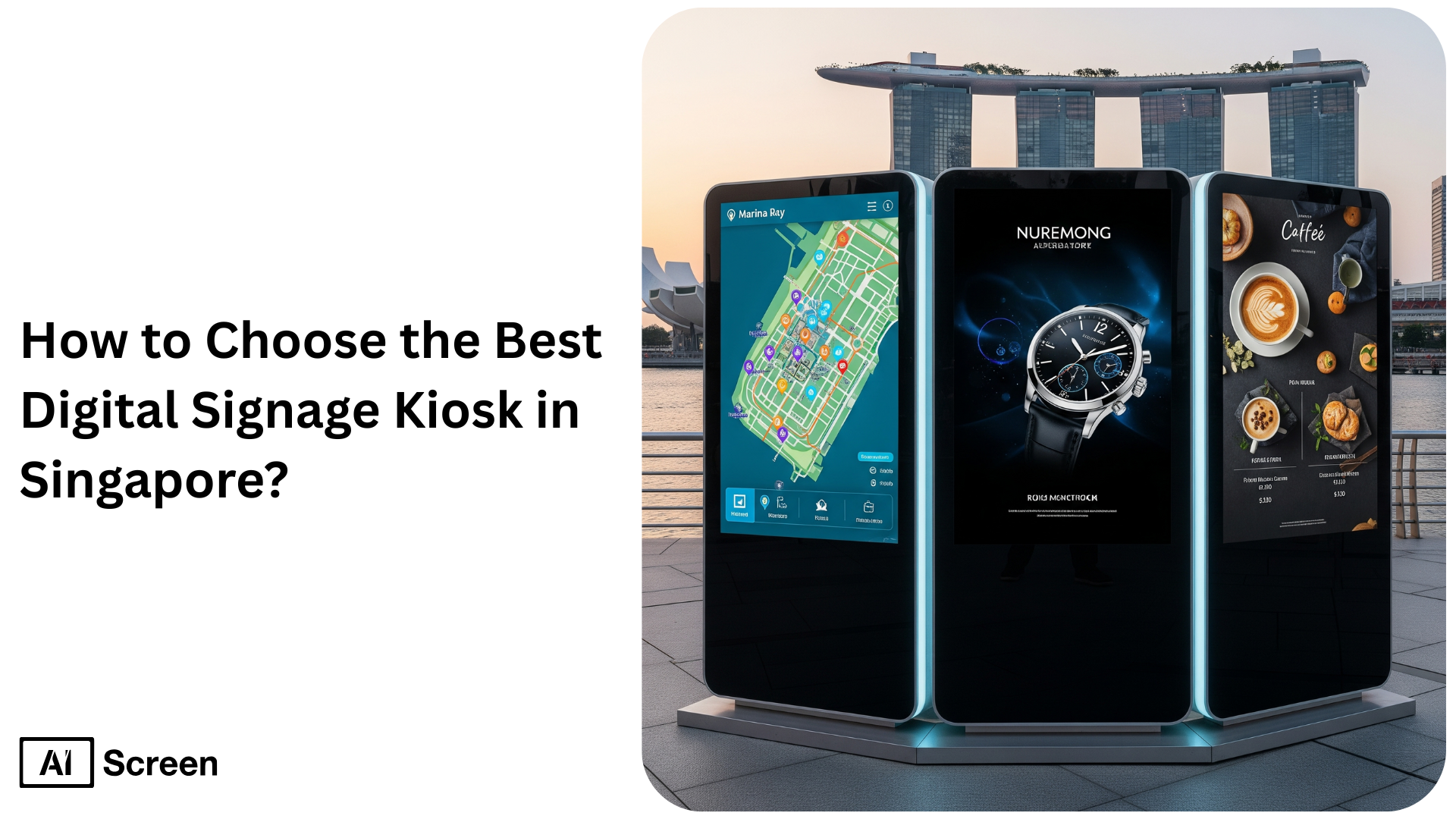
To choose the best digital signage kiosk in Singapore, think through what content you’ll display, where the kiosk will be placed, and how interactive it must be. Software, hardware, support, training, and maintenance aren’t just add-ons, they’re what decide if the signage works or just sits unused. When you reflect on your space, ask: Is it high foot traffic? Do customers expect touch, audio or video? Pick vendors who offer a cloud-based CMS, interactive kiosks, reliable display content, and local support, so your digital signage solution won’t just look good, but last well. 65% of end-users plan to increase their digital signage spend on acquiring new displays, while 42% will spend more on content production, according to Digital Signage Today.
In this blog, you’ll see how digital kiosks are rising across Singapore, used in retail, hospitality, and corporate offices, and how they benefit those industries. You’ll also get a walk-through of key features, types, and costs, culminating in a recommendation of AIScreen as your one-stop solution.
What Is a Digital Signage Kiosk?
Digital signage kiosk is a free-standing, often interactive display used in public or commercial settings, shopping malls, airports, hospitals, or corporate lobbies, to provide information, self-service, or advertising. Think, an interactive touch screen where someone can browse menus or get directions. Does your building have spots where people pause long enough to engage?
Databridge Market Research (2024) says Singapore’s digital signage market is valued at USD 452.41 million in 2024, with the video walls segment making up the largest chunk.
These signage kiosks are more than just display screens, they’re tools for brand visibility, customer engagement, and seamless integration of live data feeds.
What Makes a Signage Kiosk “Smart” in Singapore?
A smart signage kiosk isn’t just a screen, it’s a connected, interactive hub that updates content in real time and works remotely without needing someone to manually change things every day. It depends on smart digital signage kiosk software that allows cloud-based content management, support for multimedia content, responsive interactive touchscreens, and accessibility.
When kiosks adapt dynamically to external data (weather, transportation info, queues), guess what happens? They become more relevant, more engaging to users. According to Fugo’s 2026 Guide to Buying Digital Signage in Singapore, businesses using dynamic signage have seen average dwell times increase by 18 minutes in high-traffic areas when content is real time and interactive.
In Singapore’s context, these smart kiosks serve in shopping malls, transport hubs, corporate environments, and even hospitals, enabling accessibility, remote updates, and user-friendly interfaces. The hardware, operating systems, and display panels all combine to ensure high uptime and strong brand visibility in public spaces.
What are the Key Factors to Consider When Buying a Smart Digital Signage Kiosk in Singapore?
Choosing a kiosk means looking beyond price. Think about quality, durability, content flexibility, support, and whether the system can scale. The right signage kiosk solution should empower businesses across multiple sites, allow you to easily manage content, and protect your investment with strong support and security.
1. Touchscreen Responsiveness and Display Resolution
The touchscreen should feel smooth under finger taps, with no frustrating lag. The display must support high resolution (at least 1080p or higher) so images, text, and dynamic content look sharp even from a distance. In high-traffic areas, that clarity can make or break customer engagement.
2. Built-in Media Player or External Support
A kiosk with a built-in media player ensures offline content playback in case of disruptions. If your digital signage kiosk uses external media player hardware, ensure compatibility with your CMS and signage software. Will delays in connectivity disrupt your content or force you to rely on manual uploads? A reliable media player can reduce those risks and allow seamless updates through cloud-based content management.
3. Remote Content Management System (CMS)
A remote, cloud-based content management system (CMS) allows you to control and update digital signage content from anywhere. With a centralized dashboard, you can schedule content, publish live data feeds, update digital menu boards, and plan promotions across multiple screens in real time. This shift toward cloud-first control reflects the top 12 digital signage trends in 2026–26, where centralized CMS, automation, and real-time personalization are becoming standard for kiosk deployments.
These systems also make it easy to manage user permissions and integrate external data sources, ensuring consistent messaging and secure access. By enabling full remote control of every display, a cloud-based CMS reduces maintenance effort, improves system reliability, and maximizes uptime especially when managing large or distributed screen networks.
4. Internet Connectivity (Wi-Fi / LAN / 4G)
Ensure your kiosk has reliable connectivity, wired LAN for stability, strong Wi-Fi, or 4G/5G backup. Fugo.ai noted that in Singapore’s dense shopping malls and transport hubs, connectivity outages drop content availability by as much as 20% when display networks are over-reliant on wireless without fallback. (Fugo.ai, 2026) Without strong connections, even a beautiful, interactive kiosk loses its effectiveness.
5. ADA Compliance and Multilingual Capabilities
The kiosk should support ADA compliance (accessibility features, screen height, touch feedback, readability). Also, Singapore’s multilingual culture means content should switch between English, Mandarin, Malay, Tamil easily. Ever walked past a screen but couldn’t read its content because the language didn’t match your audience? Multilingual support ensures customer satisfaction and enhances brand visibility.
What are the Types of Digital Signage Kiosks Available in Singapore?
The digital signage market in Singapore is rapidly expanding, with kiosks becoming a game changer across retail, hospitality, transport hubs, and corporate environments. Different types of digital signage kiosks are designed to serve specific purposes, some focus on interactive signage, while others emphasize outdoor displays or customized solutions. According to Statista (2023), the global interactive kiosk market is projected to reach USD 45.3 billion by 2028, showing how much businesses are investing in digital signage solutions worldwide.
With such a wide array of options, the question is: which type of kiosk fits your business goals best? Let’s look at the most popular ones in Singapore.
Interactive Wayfinding Kiosks
These kiosks are essential in transportation hubs, shopping malls, and corporate campuses, offering interactive touchscreens that provide maps, directions, and real time data updates. They integrate digital signage software with drag and drop interfaces, making content creation seamless.
Have you ever walked into a huge mall and felt completely lost about where to go? That’s when wayfinding kiosks save time and enhance the customer experience. Transitioning into a real setting, think about Singapore Changi Airport, where travelers rely on wayfinding commercial displays to move between terminals quickly, a clear example of how interactive signage reduces stress and boosts satisfaction.
Self-Service and Payment Kiosks
Self-service kiosks empower customers to order food, make retail payments, or print tickets without waiting in long queues. With koo digital signage or other one stop solutions, businesses integrate menu boards, multimedia content, and api access into these kiosks for smoother workflows.
Isn’t it frustrating when you’re hungry but stuck in a slow line at a busy restaurant? Self-service kiosks eliminate that by letting customers place orders instantly, while restaurants benefit from reduced errors and faster turnover. In Singapore’s mid sized businesses like local F&B outlets, self-service kiosks have become a game changer for both staff efficiency and customer engagement.
Digital Directory Kiosks for Malls and Buildings
Digital directory kiosks act as interactive building guides in shopping malls, office towers, and hospitals. They use digital signage displays, large format displays, and cloud based content management to provide up-to-date maps, store listings, and promotions.
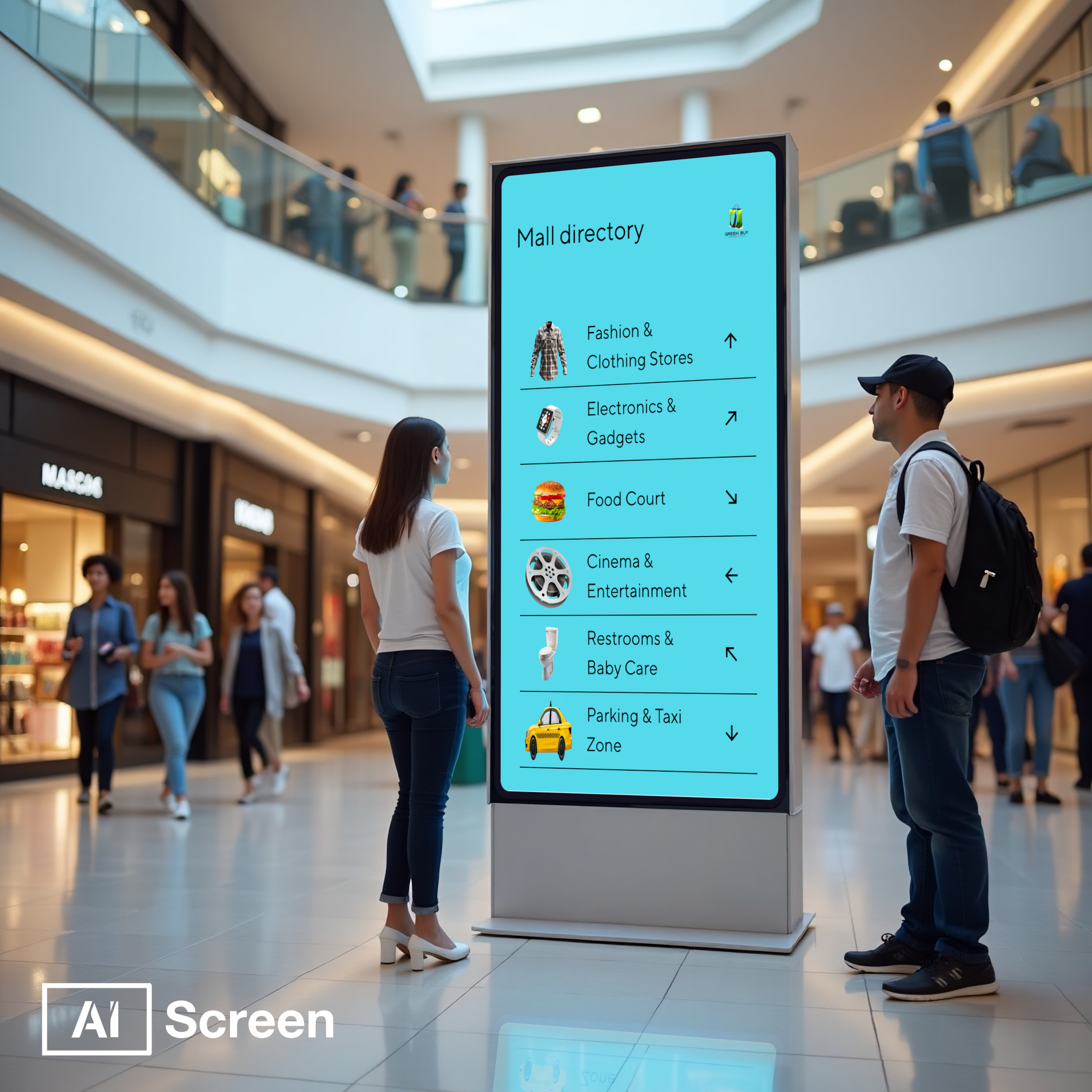
Ever entered a massive shopping complex and spent more time searching for a store than actually shopping? With a digital directory, customers instantly locate shops, boosting both foot traffic and brand visibility. Moving to an urban setting, consider Singapore’s Marina Bay Sands complex where signage solutions and interactive kiosks are installed across multiple sites to simplify navigation.
Advertising and Retail Kiosks with Facial Recognition
These digital signage screens are designed to deliver dynamic content tailored to customer demographics using motion sensors and facial recognition. They enhance corporate communications and provide customized solutions by displaying personalized ads or promotions.
Have you ever noticed how certain ads seem almost designed for you? That’s because advanced analytics and real time data help these kiosks adjust instantly. In practice, retail stores in high traffic areas like Orchard Road deploy signage kiosks equipped with ds visual and led walls to attract shoppers with personalized messages, creating a truly enterprise grade experience.
Outdoor Weatherproof Kiosks
Outdoor kiosks are built with special hardware to withstand rain, heat, and humidity while delivering digital billboards, outdoor displays, and video walls. These are common in transportation hubs, bus stops, and parks where empowering businesses with durable displays is key.
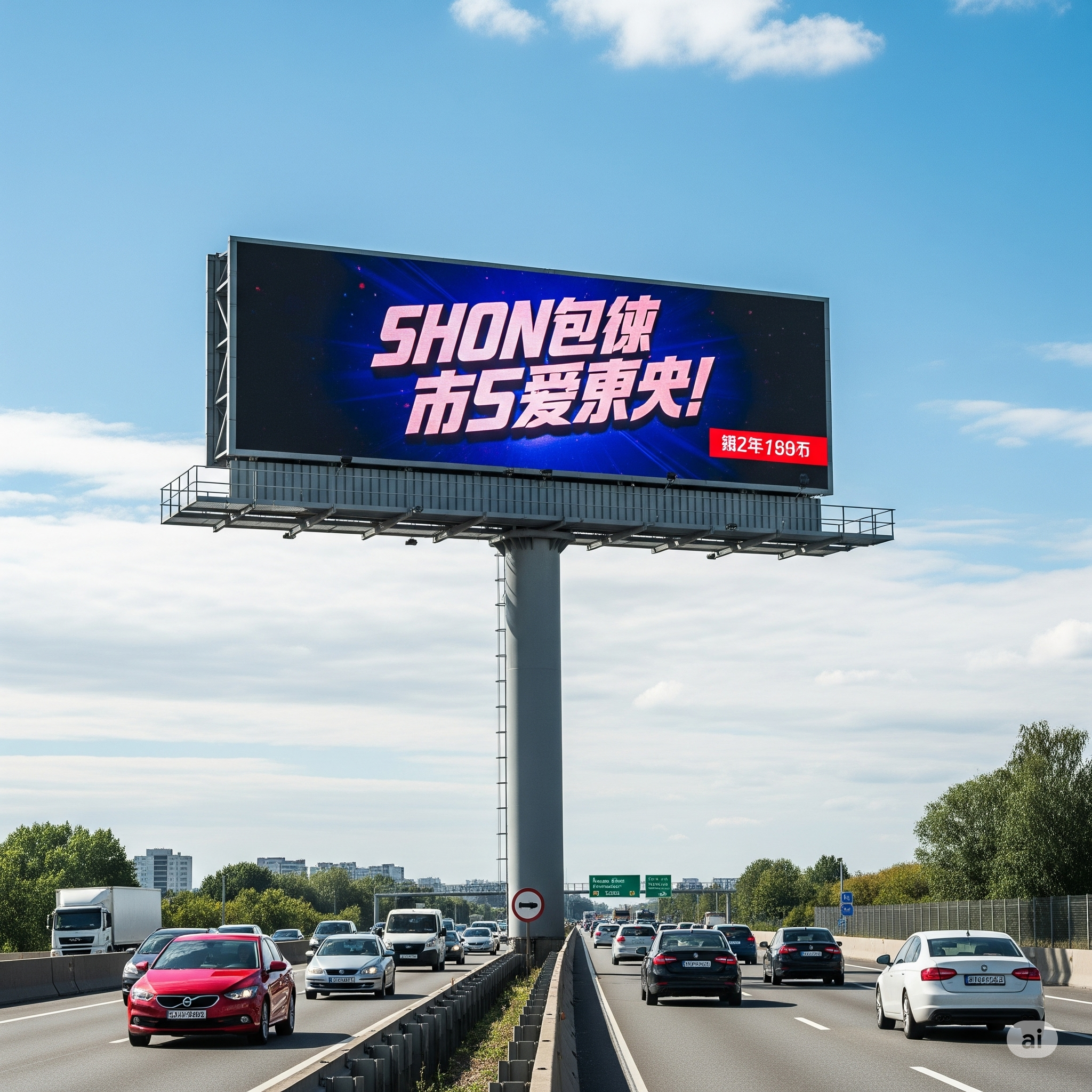
Wouldn’t it be frustrating if your kiosk investment failed just because of Singapore’s tropical rain? That’s why weatherproof kiosks with LED displays, uniconnect systems, and local support are vital. In practice, public transit stations across Singapore rely on these rugged kiosks for timetables, real time data, and promotional content, ensuring an uninterrupted customer experience across different environments.
What Is the Average Cost of a Digital Signage Kiosk in Singapore?
The average cost of a digital signage kiosk in Singapore depends on its type, features, and customization. Basic standing kiosks without touch or payment start at around SGD 1,600, making them an entry-level choice for small businesses. On the other hand, standing or touchscreen kiosks with interactive self-service and payment integration usually range between SGD 4,000 and SGD 10,000 per unit.
But have you ever wondered why businesses invest more in these advanced features? Take the F&B industry, for example. Self-ordering kiosks for restaurants typically cost between SGD 2,500 and SGD 7,000, depending on factors such as durability, screen size, and integration.
In practice, this means a food court may use simple menu boards. At the same time, a modern cafe might adopt interactive kiosks powered by digital signage software and drag-and-drop content creation for better customer engagement. This wide pricing range ensures that whether you’re a mid-sized retailer or aiming for enterprise-grade signage solutions, there’s a model designed to fit your goals and budget.
Need a Reliable Digital Signage Kiosk Solution in Singapore? Choose AIScreen Today!
Choose AIScreen, the trusted provider for businesses looking for feature-rich and customizable digital signage solutions. Whether you need digital signage displays for retail, video walls for corporate communications, or digital menu boards for restaurants, AIScreen gives you a complete one-stop solution.
With drag and drop content creation, remote control, and seamless integration into your screen network, managing kiosks has never been easier. AIScreen also provides ongoing support and professional services through our Singapore company setup, ensuring your system always runs smoothly. Start your journey today with our 14-day free trial, no credit card required, just powerful digital signage software built to enhance customer experience.


FAQs
Can digital signage kiosks be used outdoors in Singapore?
Yes, digital signage kiosks can be used outdoors in Singapore, provided they are built with weatherproof designs. Many digital signage companies now offer kiosks that include LED displays and screen network support to withstand heat and humidity. Outdoor digital signage displays enhance visibility, improve customer engagement, and extend your brand reach across different environments.
Are these kiosks compatible with existing POS or CRM systems?
Yes, most modern digital signage kiosks are compatible with existing POS and CRM systems through API access. This integration allows businesses to streamline transactions, synchronize menu boards, and track customer behavior in real time. AIScreen ensures smooth content creation and connectivity, offering signage solutions that work seamlessly with your current setup.
Do I need a license or permit to install kiosks in public areas?
Yes, but the requirement for a license or permit depends on the installation location in Singapore. Public spaces often need government or mall approvals before placing digital signage solutions, whether for koo digital signage, video walls, or digital signage displays. It’s best to consult with your Singapore company provider or local authorities for compliance and smoother setup.
How do I manage kiosk content remotely?
Managing kiosk content remotely is simple with digital signage software like AIScreen. The drag and drop interface lets you update screens instantly, add more setup, and publish view media across your entire screen network. This remote capability ensures real-time updates, centralized management, and greater control over customer-facing digital signage displays.
What is the typical lifespan of a digital signage kiosk?
The typical lifespan of a digital signage kiosk is between 5 to 7 years, depending on usage and maintenance. High-quality digital signage displays with LED panels and ongoing support from top digital signage companies can extend performance significantly. AIScreen ensures professional services and regular updates, helping customers maximize their investment in signage solutions.
