
How Do You Use Digital Signage Audience Measurement to Monitor Viewer Interaction?

Digital signage audience measurement helps businesses understand how viewers interact with digital signage screens instead of relying only on foot traffic estimates. By analyzing audience data such as dwell time, engagement metrics, and viewer demographics, organizations gain clear insight into viewer engagement and real audience behavior. According to recent market research, digital signage captures 400% more views than static signs, showing how dynamic screens hold attention and can be quantitatively evaluated for engagement.
In this blog, you will learn practical ways to use audience measurement tools to monitor viewer interaction and strengthen marketing strategies. These insights help teams tailor content, adjust screen placement, schedule content more effectively, and improve business outcomes across multiple locations.
What Is Digital Signage Audience Measurement?
Digital signage audience measurement is the process of tracking how viewers interact with digital signage screens across a network of digital displays. A digital signage system gathers real-time audience data such as foot traffic patterns, dwell time, viewer demographics, and engagement rates without collecting personally identifiable information.
These audience metrics reveal who is watching digital signage content, how long viewers engage, and when audience interactions happen. Digital signage analytics replaces assumptions with measurable audience behavior and actionable insights.
By analyzing data and converting it into data insights, businesses can adapt content, adjust scheduling content windows, and improve digital signage campaigns. Over time, digital signage technology transforms traditional screens into interactive digital displays that learn from user interactions and continuously improve marketing effectiveness.
What Metrics Does Digital Signage Audience Measurement Track?
Digital signage audience measurement tracks engagement metrics that help teams understand viewer engagement, screen visibility, and campaign performance. These key metrics allow organizations to improve digital signage campaigns, reduce upfront costs, and ensure content remains relevant to the target audience.
Viewer Demographics
Viewer demographics identify who is interacting with digital signage screens. Audience demographics such as age group, gender, and interests provide valuable data that shapes a stronger digital signage strategy.
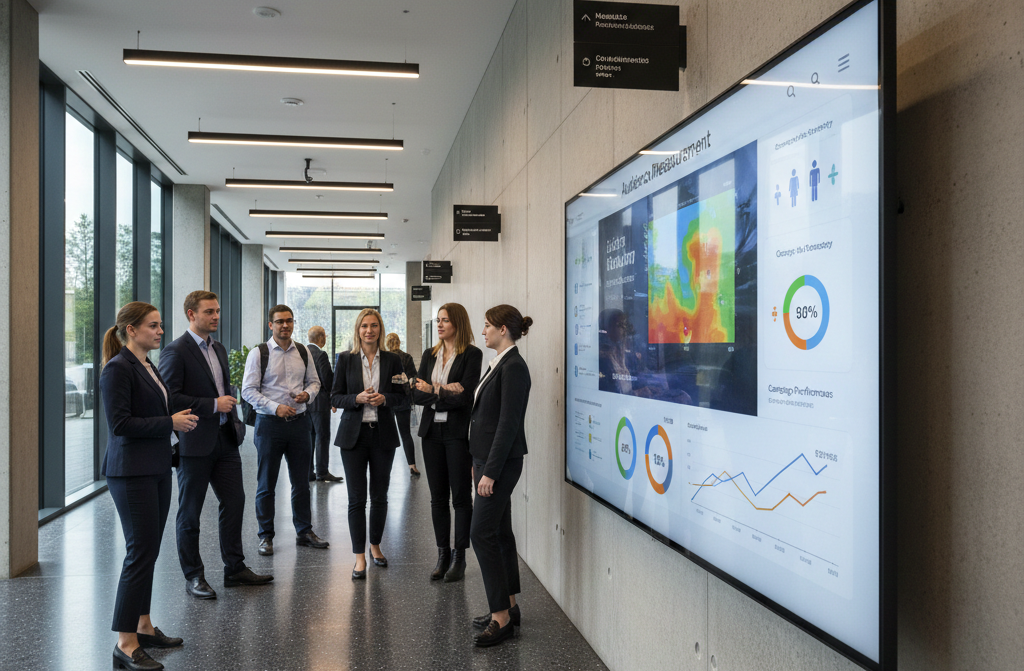
Demographic insights help teams tailor content and create targeted content for the right target audience. For example, digital displays in corporate environments may reach professionals, while interactive displays near entrances attract broader foot traffic patterns. These insights gained from audience analytics improve customer engagement and digital signage effectiveness.
Engagement Duration
Engagement duration measures how long viewers engage with digital signage content. This dwell-time metric reveals viewer interest and helps determine whether visuals and messaging capture attention.
Longer viewing times indicate strong audience engagement, while short interactions suggest content needs improvement. By analyzing how long viewers engage, businesses can optimize content, adjust interactive elements, and refine layouts for digital signage screens in indoor spaces or outdoor advertising environments.
Emotional Response
Emotional response measures how viewers react to digital signage content. Machine learning and software analytics analyze facial expressions to identify signals such as curiosity, interest, or indifference.
This data analysis enables dynamic content adaptation. When positive reactions appear, teams replicate similar creative patterns. If viewer engagement drops, brands can quickly adapt content to restore audience interest and improve digital signage effectiveness.
Actual Screen Views
Actual screen views measure how many people truly looked at digital signage screens rather than simply walking past them. This metric helps distinguish real viewer engagement from general foot traffic.
By comparing views across multiple platforms and locations, businesses gain valuable insights into which digital signs capture the most attention. These data insights help optimize screen placement and improve signage campaigns.
ROI and Campaign Impact
ROI metrics connect digital signage campaigns to real business outcomes. By linking audience interactions with sales or lead data, companies can measure marketing effectiveness.
Data analysis of key metrics such as conversions, inquiries, or store visits provides valuable insights into campaign performance. These insights support smarter marketing strategies, improve signage efforts, and align digital signage strategy with revenue goals.
Total Audience Impressions
Audience impressions measure the total number of people who had the opportunity to see a digital display. This metric estimates overall reach across multiple locations.
Tracking impressions over time helps organizations evaluate exposure levels and determine whether digital signage campaigns are expanding. These valuable insights guide decisions about screen placement and content scheduling.
Viewer Visibility Rate
Viewer visibility rate measures the percentage of people who actually noticed the digital signage screen compared to those who passed nearby.
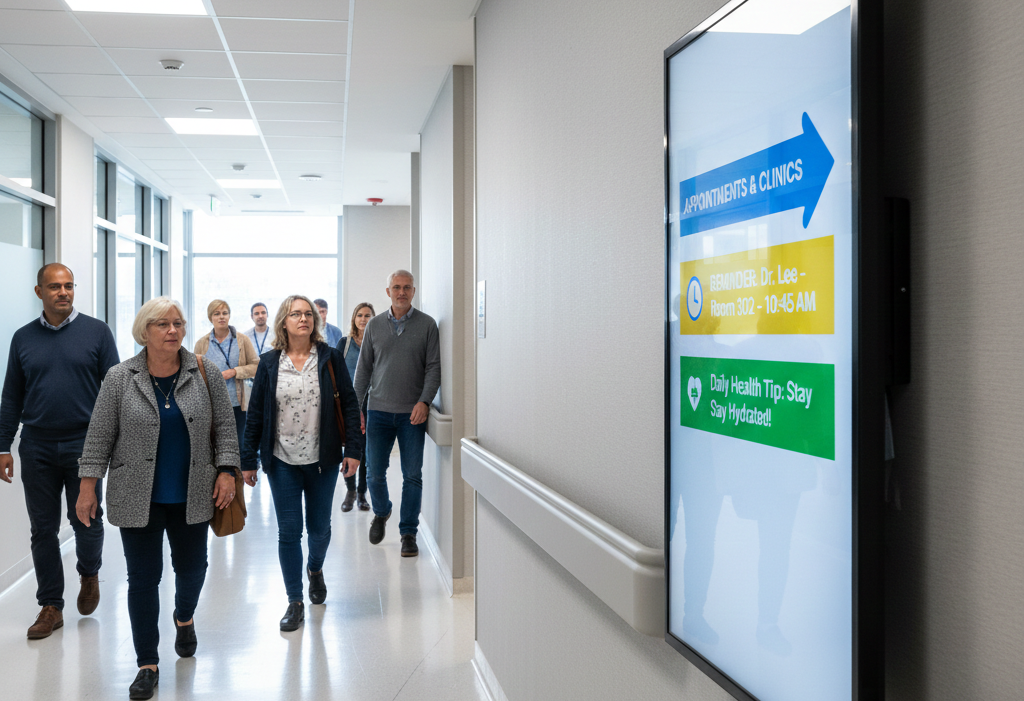
A higher visibility rate signals strong placement and engaging visuals. Audience analytics help teams analyze data and identify when repositioning screens or refreshing creative elements can enhance viewer engagement.
Audience Actions and Conversions
Audience actions measure how viewers respond to digital signage content. This may include scanning QR codes, visiting websites, or making in-store purchases.
By linking audience data with actions taken, businesses see how digital signage content influences real customer interactions. These insights support targeted content creation and improve customer loyalty by connecting digital displays with measurable results.
Content Playback Frequency
Content playback frequency tracks how often digital signage content appears on screens. Monitoring this metric ensures balanced campaign rotation and prevents overexposure.
Analyzing playback frequency helps teams align message repetition with engagement metrics. When combined with audience analytics, this data helps optimize scheduling content through a user-friendly interface.
Message Frequency and Reach
Message frequency and reach measure how often the target audience sees a message and how widely it spreads across digital signage screens.
Balancing reach and repetition strengthens brand recall without causing viewer fatigue. Audience demographics and foot traffic patterns help teams adjust frequency so digital signage content remains relevant and engaging.
Campaign Impact on Sales
Campaign impact on sales connects digital signage performance with revenue outcomes. Retailers often align digital signage analytics with point-of-sale data to identify which content drives purchases.
When sales increase during certain signage campaigns, the connection between messaging and customer behavior becomes clear. These insights help improve business outcomes, optimize marketing strategies, and strengthen customer loyalty.


How to Measure Digital Signage Success Using Digital Signage Audience Measurement
Measuring success with digital signage audience measurement requires a structured approach that connects digital displays to real audience behavior. Using digital signage software and audience analytics tools helps teams gather real-time data and generate actionable insights.
When implemented correctly, digital signage software transform screens into measurable communication tools rather than passive displays.
Step 1: Define Clear Objectives and KPIs
Define clear objectives before measuring digital signage campaigns. Goals may include increasing audience engagement, improving dwell time, or supporting promotions.
Key performance indicators convert these goals into measurable signals. These KPIs often include impressions, view time, interaction rates, and QR-code scans that reflect real audience interactions.
These often align with the top 7 digital signage KPIs you need to track, such as impressions, average view time, interaction rates, repeat exposure, and conversion actions triggered through QR codes or touch-based interactions.
Step 2: Collect Comprehensive Audience Data
Audience measurement tools collect audience data such as viewer counts, exposure time, and movement patterns. Sensors, cameras, and software analytics gather real time data without capturing personally identifiable information. Accurate data collection ensures insights are based on audience behavior rather than assumptions.
Step 3: Analyze and Interpret Metrics
Data analysis turns raw audience metrics into valuable insights. By analyzing data across locations, content types, and time slots, teams discover patterns in viewer engagement.
These insights help identify which digital signage content performs best and where improvements are needed.
Step 4: Optimize Content and Placement
The final step is optimization. Businesses use insights gained to refine screen placement, adjust content formats, and adapt messaging.
This continuous improvement cycle helps organizations optimize content, improve digital signage effectiveness, and strengthen marketing strategies across multiple locations.
How Digital Signage Audience Measurement Is Used Across Different Industries
Digital signage audience measurement helps industries turn foot traffic into actionable insights. By studying audience behavior and engagement metrics, organizations can tailor content and improve operational efficiency.
Retail
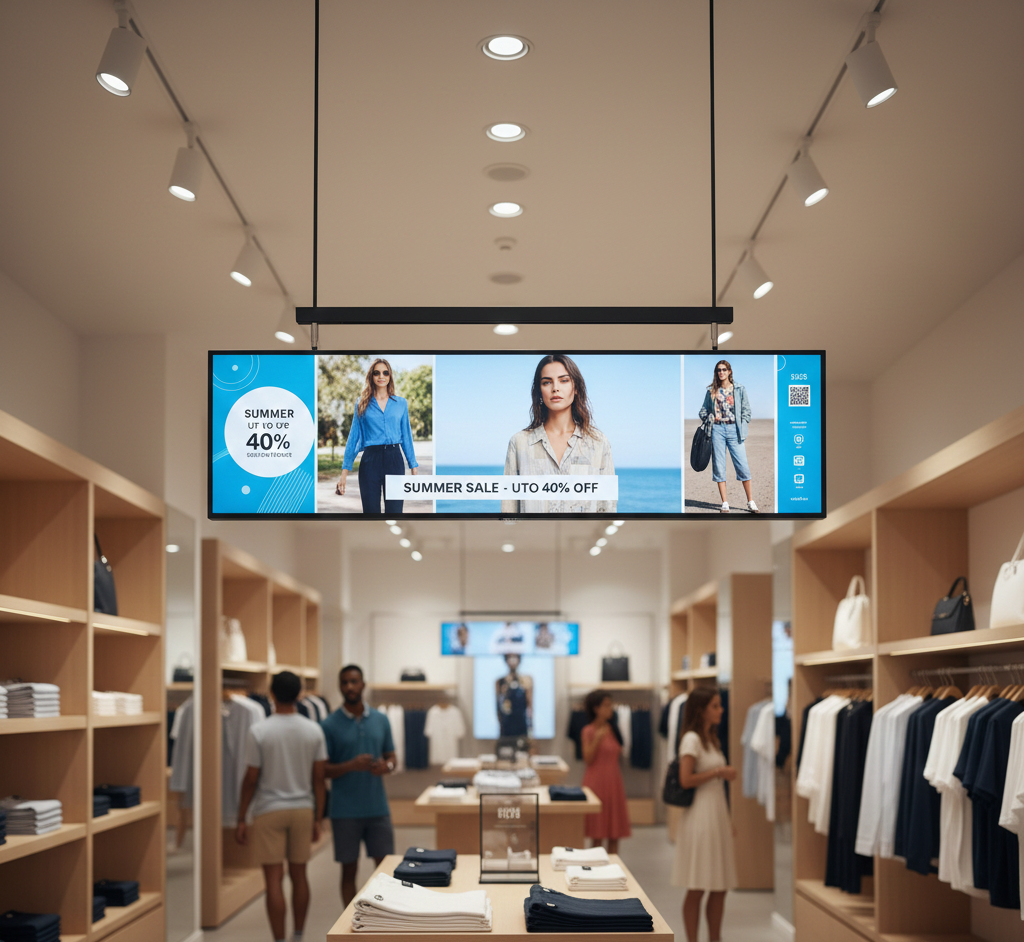
Retailers use digital signage analytics to understand shopper demographics and peak engagement times. These demographic insights help stores display targeted content and promotions that match customer interests. This approach improves viewer engagement and supports effective marketing campaigns.
Restaurants
Restaurants use audience measurement to match menu content with customer flow. When data shows increased child presence between mid-afternoon hours, screens automatically switch to dessert-focused promotions. This timing-driven strategy improves conversion rates while supporting smoother operations during high-traffic windows.
Convenience Stores
Traffic insights reveal which days and hours experience the highest visitor volume. Store managers use this information to optimize staffing levels, reduce wait times, and improve service consistency. The result is faster checkouts, better customer satisfaction, and more efficient workforce planning.
Hospitals and Healthcare Facilities
Hospitals use digital signage audience measurement to improve patient communication and wayfinding. Screens in waiting areas display health information and calming content during longer dwell times, improving the overall experience.
For deeper insights on accessible navigation systems, you can also explore wayfinding hospital signage: making it accessible for everyone.
Across industries, digital signage technology turns screens into intelligent tools that support data-driven decisions and better service delivery.
Boost Your Audience Insights with AIScreen’s Digital Signage Audience Measurement Tools
Digital signage audience measurement is essential for understanding viewer engagement in today’s global digital signage market. Businesses that rely on data-driven insights can improve marketing effectiveness, analyze audience metrics, and strengthen digital signage campaigns across multiple locations. AIScreen helps organizations gather real-time audience data from digital displays, turning viewer interactions into actionable insights that support smarter marketing strategies and better campaign performance.
AIScreen’s audience measurement tools track impressions, dwell time, engagement patterns, and viewer demographics through powerful audience analytics. With features like Proof of Play, scheduling content, and a user-friendly interface, teams can analyze performance, optimize content, and improve customer engagement without complexity. Businesses can start with a 14-day free trial to see how digital signage audience measurement enhances digital signage performance and delivers measurable business outcomes.
FAQs
What is digital signage audience measurement?
Digital signage audience measurement refers to the process of analyzing how people interact with on-screen content. It helps businesses understand who viewed the display, for how long, and what content attracted attention, enabling smarter content decisions.
What metrics are typically used in digital signage audience measurement?
The metrics typically used in digital signage audience measurement include impressions, dwell time, engagement rate, scan activity, and interaction frequency. These indicators reveal how audiences respond to signage content across different locations and time periods.
Why is digital signage audience measurement important?
Digital signage audience measurement is important because it links content performance to real business outcomes. By understanding viewer behavior, businesses can refine messaging, improve engagement, and align signage strategies with marketing and operational goals.
How is viewer privacy maintained in digital signage content measurement?
Viewer privacy in digital signage content measurement is maintained through anonymized data collection. Most systems avoid facial recognition or personal identification, focusing instead on aggregated metrics like counts, movement patterns, and engagement trends.
What tools and technologies are used for digital signage focus groups measurement?
The tools and technologies used for digital signage focus groups measurement include audience analytics software, QR code tracking, sensor-based data collection, and integrations with platforms like Google Analytics. These tools help measure attention, interaction, and content effectiveness without disrupting the viewer experience.
