
What is Phygital? 5 Examples to Understand the Rising Trend in Retail
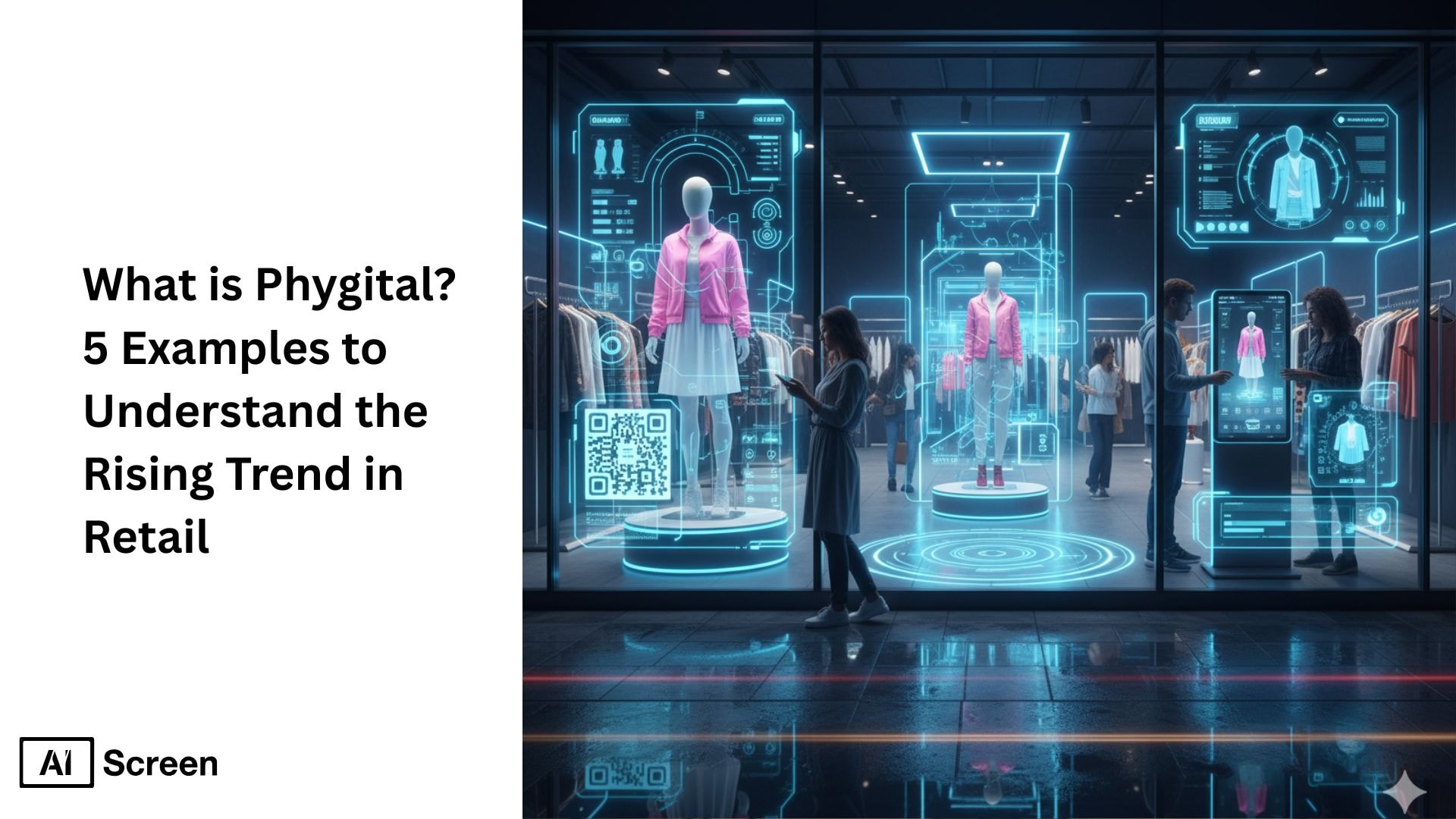
Phygital, a blend of physical and digital shopping experiences, is reshaping the retail industry landscape. It mixes the ease of online buying with the hands-on feel of visiting a store, so customers move smoothly between both worlds. When retailers use tools like mobile checkout, interactive screens, and personalized offers, they create a shopping journey that feels natural and connected. According to Grand View Research, the global phygital market is set to grow more than 15% every year, showing how quickly this blended retail style is becoming the norm.
This article examines real-life examples of phygital retail and demonstrates how this strategy enhances customer engagement, streamlines operations, and drives increased sales across both online and offline channels. By blending physical spaces with digital technology, retailers can create immersive shopping experiences that keep customers interested.
What is Phygital?
Phygital refers to the fusion of physical stores and digital experiences to create engaging and personalized shopping experiences. This concept leverages cutting-edge technology to blend in-store shopping with online shopping, enabling retailers to deliver an advanced shopping journey that fits the demands of modern consumer behavior. For definitions of the wider vocabulary, see our glossary of digital signage terms.
Most people don’t realize how seamlessly predictive analytics, machine learning, interactive displays, and real-time inventory tracking can now work together to transform everyday retail visits. According to Deloitte, retailers using personalized digital content report 19% higher average transaction values.
Retail trends show that consumers shifted toward more personalized recommendations and the convenience e-commerce brings, but they still value the tactile benefits of in-store interactions. By connecting physical and digital shopping, businesses can use machine learning, virtual assistants, and self-checkout kiosk solutions to provide customers with a phygital experience that balances speed with a rich, human touch.
What are the Benefits of Using Phygital Retail Strategies?
The benefits of using Phygital Retail Strategies are that they allow retailers to create a seamless shopping experience by combining the tactile, in-store experience with the speed and personalization of digital tools like retail digital signage. According to Statista, stores using phygital strategies report a 20% increase in brand loyalty and a 25% boost in customer engagement. Let’s explore the key advantages that make phygital a game-changer for modern retail.
- Offers Personalized Recommendations and Experiences to Increase Sales: Want to boost sales while keeping customers happy? Phygital retail makes it possible by using customer data and predictive analytics to offer real-time, personalized shopping suggestions. Whether shoppers are browsing online or in-store, they get recommendations that feel tailored just for them.
- Provides Customers with a Captivating Shopping Experience: Capturing attention in today’s busy retail environment isn’t easy, but phygital strategies make it possible. Interactive screens, AR tools, and digital kiosks turn ordinary shopping trips into engaging, immersive experiences. Customers can try products virtually, explore dynamic demonstrations, and interact with brands in entirely new ways.
- Boosts Brand Loyalty: Building loyalty isn’t just about great products; it’s about memorable experiences. Phygital retail bridges the convenience of e-commerce with the personal touch of brick-and-mortar stores. When customers can seamlessly move between online browsing and in-store interactions, they feel more connected to the brand. This connection encourages repeat visits and strengthens trust, making shoppers far more likely to stick with a brand over time.
- Prevents Inventory Fails and Stockouts: Empty shelves are one of the biggest frustrations for shoppers, but phygital retail can fix that. Smart shelves, digital signage, and real-time inventory tracking help stores stay ahead of demand. For example, a store using smart shelves can alert staff instantly when products need restocking, ensuring customers always find what they’re looking for. The result is a smoother, more reliable shopping experience that keeps both customers and staff happy.
Top 5 Phygital Examples in Retail
The top 5 phygital examples in retail show just how exciting shopping can be when physical and digital worlds come together. Shoppers today expect the convenience of online shopping while still enjoying the tactile, sensory experience of a store. According to Deloitte, more than 60% of consumers prefer brands that let them shop both online and offline. Let’s look at five ways retailers are making this happen.
1. Interactive Digital Kiosks in Stores
Interactive kiosks are becoming a staple in modern stores. Shoppers can browse products, check availability, and even place orders on the spot. It’s like giving your customers the speed of online shopping right in your store.
2. Augmented Reality (AR) Shopping Experiences
AR is changing the way we try things before we buy. Imagine trying on clothes, accessories, or makeup virtually, or even seeing how a piece of furniture looks in your home, all from the store. AR blends the digital and physical worlds in a fun and interactive way, giving customers confidence in their purchases and making shopping way more engaging.
3. Click-and-Collect Services
Click-and-collect is the perfect mix of online and in-store shopping. Customers buy online and pick up in-store, saving time while still getting that hands-on experience. Digital signage can keep them updated in real time, so they never have to wonder if their order is ready. This method satisfies the need for convenience while keeping foot traffic flowing in stores.
4. Digital Price Tags and Smart Shelves
No one likes a pricing mix-up or empty shelves. Digital price tags and smart shelves keep everything accurate and up to date, both online and offline. Shoppers get reliable information, and stores can avoid stockouts and errors. It’s a simple tech upgrade that makes a big difference in the customer experience and operational efficiency.
5. Smart Mirrors and Interactive Displays
Smart mirrors and interactive displays take the fitting room to the next level. Customers can virtually try on outfits, check product details, or even see reviews instantly. By combining touch, sight, and digital tools, these experiences make shopping more memorable and align perfectly with the principles of immersive retail.
Which Brands Nailed the Phygital Retail Experience?
Several top brands are riding the phygital wave by blending physical and digital shopping experiences. According to McKinsey, retailers using phygital strategies often see a 30% boost in customer interactions, along with higher conversions both online and in-store. These brands show how combining technology and physical spaces can create engaging, immersive experiences that keep customers coming back.
Nike
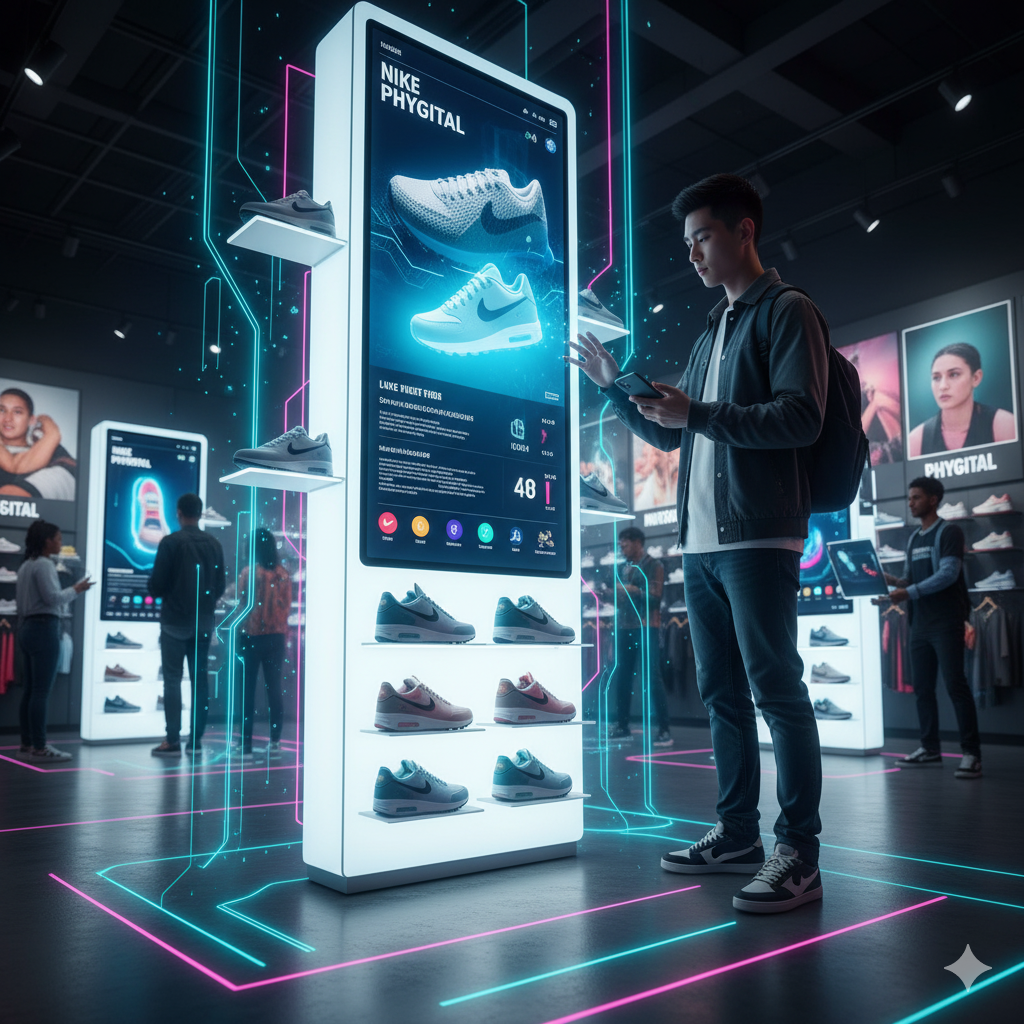
Nike has taken phygital retail to the next level by integrating interactive technology and AR trials into its stores. Shoppers can explore virtual showrooms, try on shoes digitally, and get personalized recommendations through the Nike app, all while moving through the physical store.
This approach ensures that every visit feels seamless and tailored. By combining convenience with engagement, Nike encourages customers to spend more time in-store, explore products more thoroughly, and interact with the brand in ways that online shopping alone can’t offer.
Rebecca Minkoff
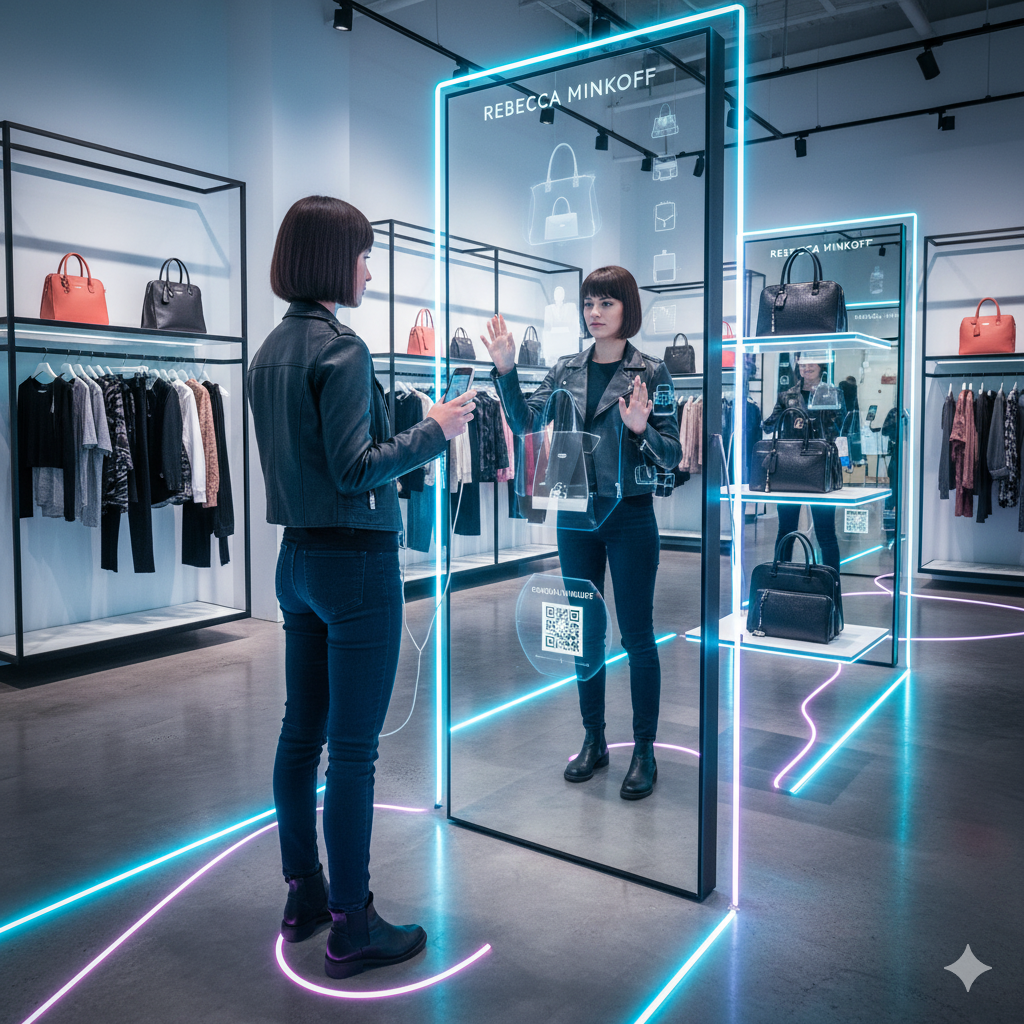
Rebecca Minkoff creates immersive retail environments using smart mirrors and digital signage. Customers can see personalized product suggestions and check real-time inventory from the comfort of a fitting room or while browsing the store.
This technology not only simplifies the shopping process but also strengthens brand loyalty. Shoppers enjoy a smooth, interactive experience that feels modern and intuitive, making them more likely to return for future purchases.
Gucci
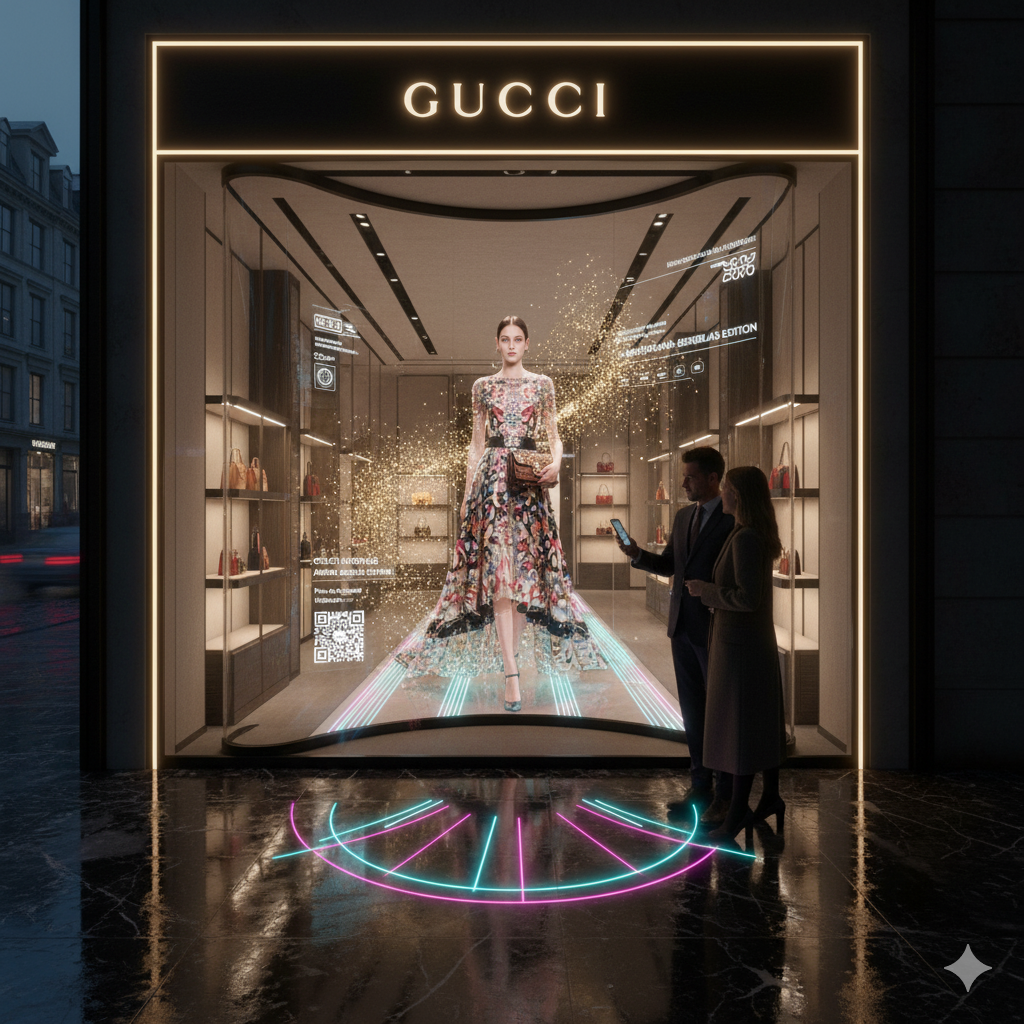
Gucci has embraced augmented reality to bring virtual try-ons and customized shopping experiences to its luxury stores. Customers can explore high-resolution visuals, interact with products digitally, and enjoy a personalized approach that complements the brand’s luxury image.
This phygital strategy reinforces Gucci’s commitment to innovation. By merging digital tools with physical experiences, the brand creates a shopping journey that’s both unique and memorable, appealing to high-end shoppers who expect more than just products on shelves.
Macy’s
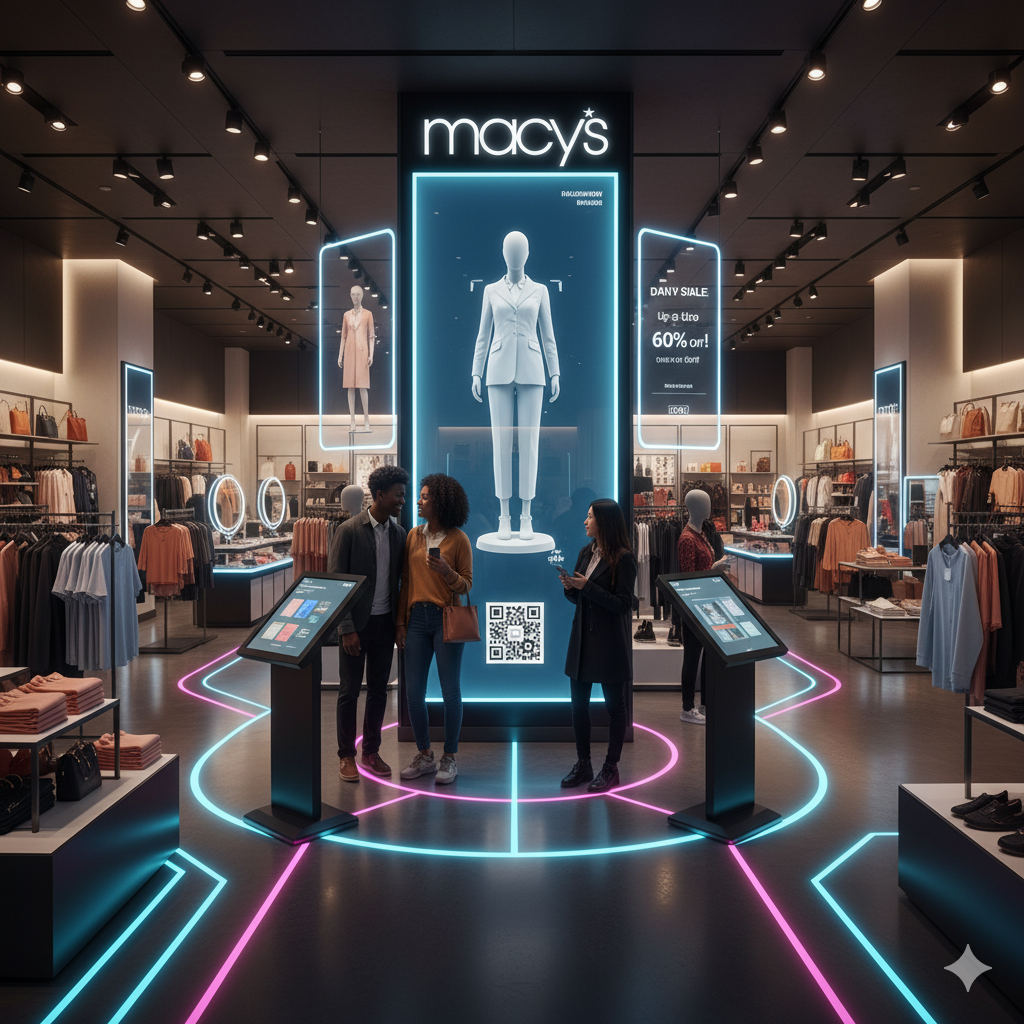
Macy’s combines interactive displays and self-checkout kiosks to bridge the gap between physical and digital shopping. Customers can browse online catalogs in-store, check inventory, and complete purchases quickly without waiting in line.
This seamless experience improves overall store performance while driving both online and offline sales. Macy’s shows how mid-size to large retailers can adopt phygital strategies to enhance convenience and engagement simultaneously.
Chanel
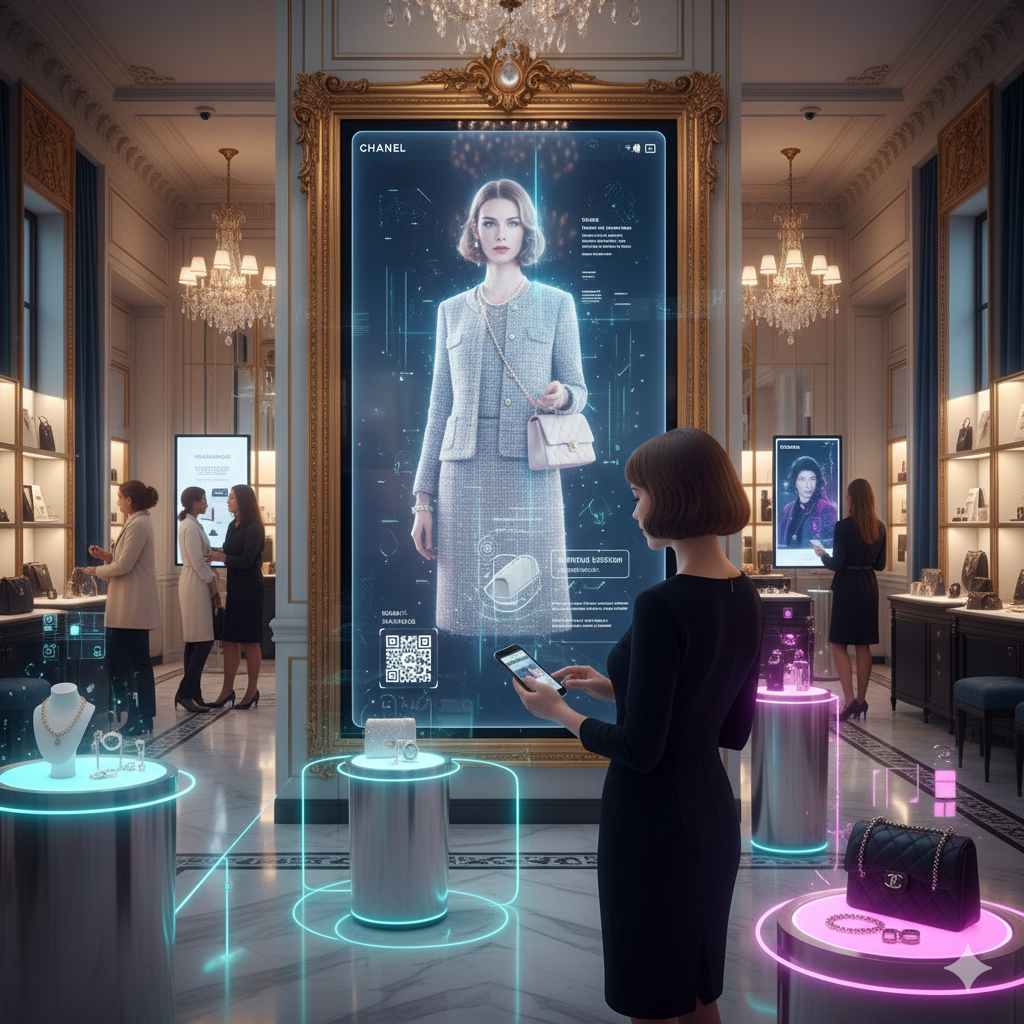
Chanel leverages AR-powered fitting rooms and digital signage to offer virtual makeup trials and outfit previews. Customers can try different products and see results instantly, blending the excitement of a physical store with the flexibility of digital tools.
By providing a smooth, immersive shopping journey, Chanel strengthens customer trust and keeps its luxury brand competitive. The phygital experience allows shoppers to interact confidently with products while enjoying a personalized, high-end experience.
Adidas
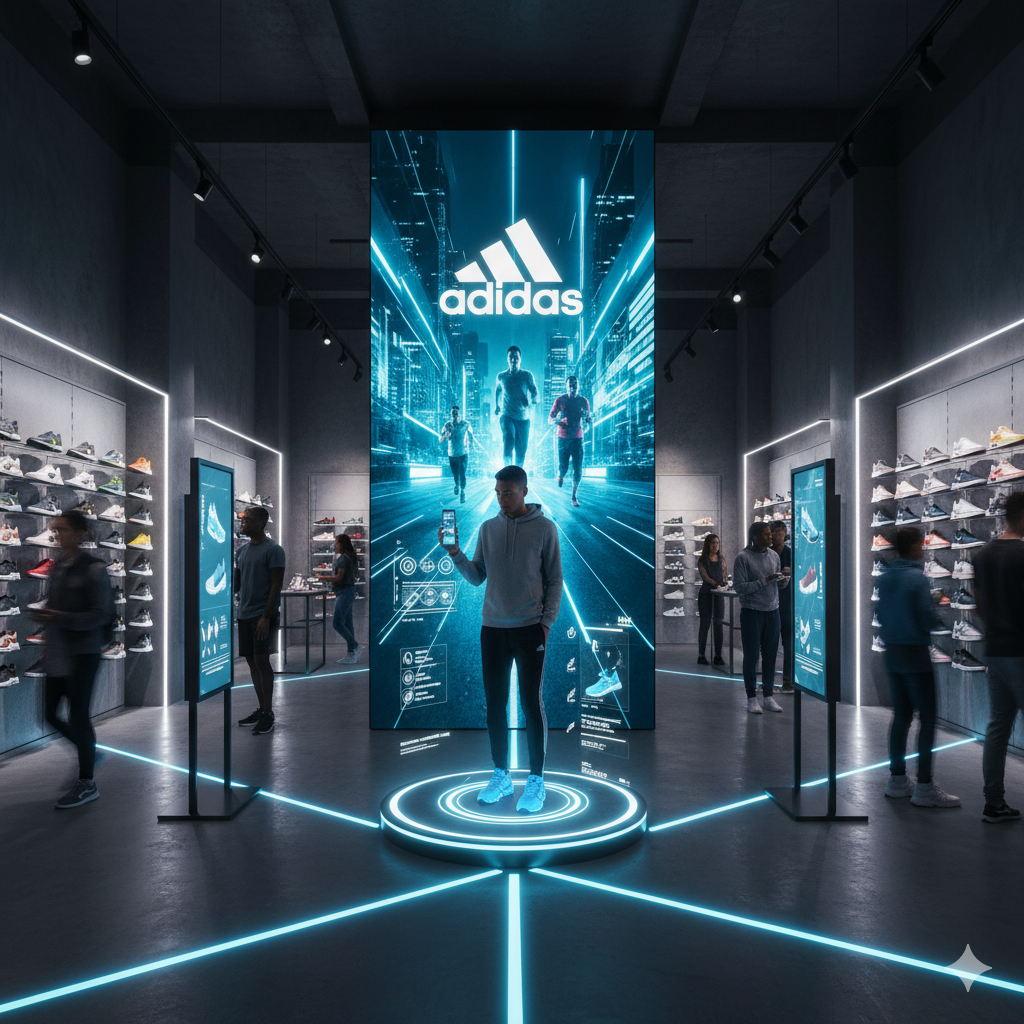
Adidas uses interactive screens, virtual assistants, and real-time inventory tracking to boost engagement in its stores. Shoppers can explore product details, try virtual options, and receive personalized recommendations for their purchases.
This integration of physical and digital technology ensures that customers experience convenience and innovation in every interaction. By using phygital strategies, Adidas creates memorable shopping moments that increase satisfaction and encourage repeat visits.
Why Phygital is the Future of Retail
Yes, phygital is shaping the future of retail because it brings together the best of physical and digital shopping into one smooth, seamless experience. Think about it: a customer browses online for inspiration, then steps into a store where interactive displays, AR tools, and real-time inventory tracking make shopping personal and engaging.
This mix of in-store interaction and digital convenience meets growing expectations for speed, flexibility, and tailored experiences. Brands adopting phygital strategies gain an edge by combining the ease of online shopping with the hands-on satisfaction of visiting a store.
Consumer behavior is changing fast; over 70% of shoppers now expect the same experience online and offline. According to PwC, 73% of consumers say they are willing to pay more for a brand that provides a seamless and personalized shopping experience. By using smart tools like predictive analytics, customer data, digital signage, and smart mirrors, retailers can craft experiences that keep customers coming back.
Even small stores can leverage virtual try-ons or self-checkout kiosks to engage shoppers at every touchpoint. Phygital retail isn’t just a trend; it’s becoming an essential strategy for creating seamless, omnichannel shopping experiences that drive loyalty and sales.
Get Started with Phygital Retail Experiences Using AIScreen!
Have you ever thought about how you could make your store experience just as exciting as online shopping? AIScreen’s digital signage solutions make it simple to blend the physical and digital worlds into a seamless phygital experience. With interactive displays, real-time inventory updates, and personalized shopping journeys, your customers get the convenience of e-commerce while still enjoying the tactile, in-store experience they love. According to Harvard Business Review, stockouts can lead to 21% to 43% of customers seeking products elsewhere.
Imagine letting shoppers explore your store, try products virtually, or check availability instantly without waiting in line. With AIScreen’s cloud-based platform, you can integrate interactive screens, self-checkout kiosks, and other phygital technologies effortlessly. The result? Happier customers, longer visits, stronger brand loyalty, and more sales, helping your store stand out in today’s fast-changing retail landscape.


FAQs
What is the difference between physical and digital retail experiences?
The difference between physical and digital retail experiences lies in how customers interact with products and services. Physical retail involves in-store shopping where customers can touch, try, and immediately purchase items. Digital retail focuses on online shopping, leveraging e-commerce platforms and virtual interactions to facilitate seamless transactions. Phygital strategies bridge these two worlds, offering a seamless combination of in-store engagement and digital convenience.
How does phygital impact customer experience in retail?
Phygital impacts customer experience in retail by blending the best aspects of online and offline channels. Imagine this: customers can browse online and then enter a physical store to try products using augmented reality or interactive displays. This integration creates a more personalized, engaging, and convenient shopping journey. It also boosts brand loyalty by meeting evolving consumer expectations for seamless interactions.
What are the costs involved in implementing phygital solutions in retail?
The costs involved in implementing phygital solutions in retail include hardware like digital signage, smart mirrors, and interactive kiosks, as well as software for content management and analytics. Retailers also invest in staff training, network infrastructure, and ongoing maintenance. While initial expenses can be significant, scalable solutions and improved sales often deliver a strong return on investment. Careful planning and budgeting help control these costs.
Can small retailers adopt phygital experiences?
Yes, small retailers can adopt phygital experiences by starting with cost-effective tools like digital signage or mobile-app integrations. Let’s say a local boutique uses interactive screens in fitting rooms to showcase inventory and enable customers to buy online and use self-checkout kiosk solutions. Cloud-based platforms reduce upfront expenses and allow gradual expansion. This flexibility means even small businesses can leverage phygital strategies to enhance customer engagement and drive growth.
How does phygital drive sales in retail?
Phygital drives sales in retail by creating immersive, personalized shopping experiences that influence purchasing decisions. Here’s the trick: real-time inventory tracking, predictive analytics, and virtual try-ons encourage faster conversions and higher basket sizes. Customers enjoy the convenience e-commerce brings while still benefiting from hands-on in-store interactions. The result is more sales across both online and offline channels, strengthening overall retail performance.
