
How to Improve ROI from Retail Digital Signage: Key Metrics and Best Strategies
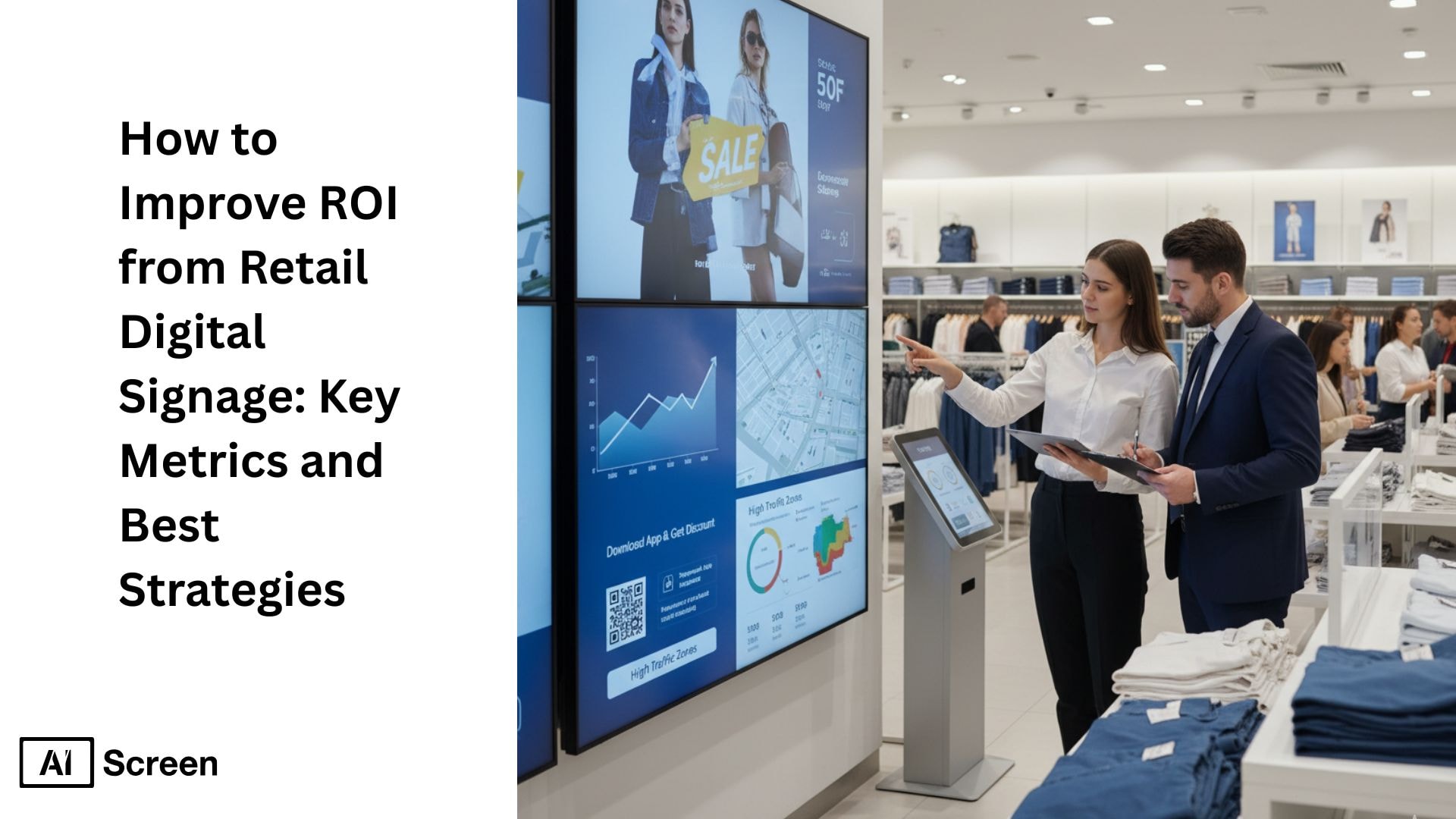
To boost the Return on Investment (ROI) from retail digital signage, start by creating content that truly connects with your audience and establishes clear objectives. Strategic content creation, combined with effective implementation, ensures your digital signage displays engage customers and drive measurable results. Tailoring messages to specific audience segments, scheduling content at optimal times, and using interactive digital displays can significantly improve customer engagement and conversion rates. According to Retail Systems Research, 70% of shoppers say they have made unplanned purchases after engaging with in-store digital signage, showing the impact on customer behavior.
Most people don’t realize that digital signage impacts business operations in multiple ways, including increasing sales, enhancing customer satisfaction, and providing valuable insights into customer behavior. By leveraging advanced analytics, retailers can measure ROI, streamline operations, and identify areas for cost savings and direct financial gains. Understanding the full range of direct and indirect benefits of digital signage helps retailers calculate ROI and make informed, data-driven decisions for long-term financial success.
What is ROI in Retail Digital Signage?
ROI, or Return on Investment, in the context of retail digital signage, measures how effectively a digital signage investment contributes to business profitability. A robust digital signage solution can elevate customer experience, enhance operational efficiency, and drive increased sales. According to Digital Signage Today, businesses that actively measure digital signage ROI report up to a 30% increase in customer engagement and a 20% uplift in in-store purchases.
You’ve probably noticed that digital signage displays provide retailers with a versatile marketing platform to communicate with their target audience effectively. By tracking key performance indicators such as sales uplift, foot traffic data, and customer satisfaction, businesses can determine the direct benefits of digital signage campaigns to measure roi more accurately. Additionally, digital signage impacts operational efficiency by reducing maintenance costs and energy consumption while streamlining content updates across multiple locations. If a metric or term is unclear, our glossary of digital signage defines the essentials.
Why Tracking ROI is Important for Retail Digital SignageSuccess
Tracking ROI for retail digital signage isn’t just about checking numbers; it’s about really understanding how your digital signs are impacting your store. Think of it this way: every digital signage system, from interactive kiosks to digital video displays, is an investment in customer experience, sales, and operational efficiency, and customer feedback plays a vital role in this process to effectively measure success and ROI. According to Statista, businesses that track digital signage performance metrics experience 20–25% higher conversion rates compared to stores that don’t measure digital signage ROI.
Imagine this: if you’re not measuring performance, you’re essentially guessing whether your content, campaigns, or promotions are working. By tracking ROI, you get valuable insights through analytics software that show exactly how digital signage brings value. It helps you allocate resources wisely and ensures your marketing strategies actually boost profits.
- Performance Measurement: Tracking performance shows how digital signage impacts your store. For example, a café updating a digital menu board with new combo meals might see a sales increase. Monitoring key performance indicators lets retailers see which content drives engagement, improves customer experience, and delivers measurable digital signage ROI.
- Resource Allocation: ROI data helps you spend your marketing budget wisely. A clothing store, for instance, can decide whether to add more digital signage displays or improve existing ones by analyzing engagement and sales data. Smart resource allocation reduces operational costs and ensures your digital signage system delivers direct and indirect benefits.
- Strategic Planning: Understanding ROI informs better campaign planning. If loyalty program displays generate repeat visits, retailers can focus future content on similar interactive experiences. Data-driven strategies increase customer engagement, improve satisfaction, and maximize digital signage performance across multiple locations.
- Budget Justification: Showing real results makes it easier to justify digital signage investment. For example, a grocery store can demonstrate that digital signs promoting weekly specials increased foot traffic and boosted conversions. Clear metrics prove the value of digital signage as a marketing strategy and a revenue-driving tool.
- Competitive Advantage: Knowing ROI keeps you ahead of competitors. A tech store tracking engagement on interactive displays can showcase trending products in real-time, attracting more attention and increasing sales. Digital signage becomes a strategic tool for boosting customer engagement and staying competitive in the market.
- Risk Management: Tracking ROI helps identify underperforming campaigns early. For instance, a bookstore may notice that video tutorials aren’t engaging customers and replace them with interactive demos. Data-driven adjustments minimize operational costs and ensure digital signage content remains relevant and effective.
- Financial Health Indicator: ROI tracking shows the overall impact of digital signage on financial success. Retailers can measure both direct gains, like increased sales, and indirect benefits, like improved customer loyalty. Advanced analytics provide actionable insights, helping digital signage campaigns contribute to measurable success and a better customer experience.
What are the Key Metrics to Track for Improving RetailDigital Signage ROI
Tracking key metrics is essential to measure digital signage ROI and refine campaigns for maximum impact. Retailers can monitor a combination of performance indicators to leverage advanced analytics and evaluate the effectiveness of digital signage displays and campaigns. According to Grand View Research, interactive digital displays increase dwell time in-store by an average of 30 seconds to 2 minutes, providing valuable insights into customer engagement.
You’ve probably noticed that by analyzing data such as customer engagement, sales uplift, and foot traffic, businesses gain valuable insights into what works and what doesn’t through effective data collection. Let’s discuss the key metrics that every retailer should track to improve digital signage ROI.
1. Sales Uplift and Revenue Impact
Sales uplift is one of the most direct ways to see how digital signage impacts a retail store’s bottom line. Let’s take an example: a fast-food restaurant updates its digital menu board with a new combo meal promotion. By tracking sales during the campaign, the manager notices a 20% increase in combo orders compared to the previous month. Digital signage displays like these influence customer behavior and provide measurable direct financial gains, showing how the digital signage system contributes to ROI and how to improve roi from retail digital signage key metrics and best strategies.
Measuring sales uplift also helps retailers refine marketing strategies and plan future campaigns. When paired with advanced analytics, digital signs provide valuable insights into which promotions resonate with customers, driving more conversions. Here’s the trick: by continuously tracking these metrics, businesses can improve content relevance, optimize operational efficiency, and maximize the return on their digital signage investment.
2. Customer Engagement Metrics
Customer engagement metrics help understand how viewers interact with digital signage content. For instance, a clothing store might display seasonal fashion tips and track QR code scans linking to online outfit suggestions using advanced analytics software. Using tools like QR code scans, retailers can measure how many people are actively engaging with interactive digital displays, providing valuable insights into customer behavior.
You’ve probably noticed that tracking engagement goes beyond just clicks or scans; it also includes time spent watching videos or exploring product features on a screen. This information helps businesses tailor digital signage content to the target audience, increasing customer satisfaction and retention. By leveraging these analytics tools, retailers can measure digital signage ROI and make data-driven decisions that improve both direct and indirect benefits, including intangible benefits like customer loyalty.
3. Operational Efficiency
Digital signage can streamline operations by automating menu updates, promotional content, or store announcements. For example, a coffee shop using a digital video display no longer needs staff to manually update printed menus every day, reducing labor costs and minimizing errors. This improves operational efficiency while saving time and money, which directly contributes to ROI, including potential energy savings.
Most people don’t realize that tracking operational efficiency allows retailers to measure the indirect benefits of digital signage, such as energy savings, reduced maintenance costs, and smoother business operations. By using analytics tools, managers can identify which content and scheduling strategies are most effective to calculate roi more accurately. , helping the digital signage system work smarter, not harder.
4. Content Effectiveness
Content effectiveness measures how well digital signage content drives customer actions, such as purchases or website visits. Imagine a retail store running a promotional video for a new product line on its digital displays, aiming to attract more customers through engaging content. By tracking sales during the campaign, the store can see which videos or offers perform best, providing clear insights into content relevance and ROI.
Most people don’t realize that regularly evaluating content effectiveness allows retailers to adjust campaigns to increase engagement and conversion rates. When digital signage content is relevant, visually engaging, and interactive, it can directly boost sales and improve customer experience. Advanced analytics tools help monitor which messages resonate, ensuring each digital signage campaign contributes to measurable financial success and meets the expected ROI.
5. Customer Satisfaction and Retention
Customer satisfaction and retention are key indicators of how well digital signage enhances the shopping experience. For example, a tech store might display personalized maintenance reminders or product tips on digital kiosks. Customers who see relevant information feel valued, which strengthens loyalty and encourages repeat visits, creating both direct and indirect benefits for the business.
You’ve probably noticed that measuring satisfaction and retention through feedback and analytics provides detailed insights into customer behavior. Retailers can track whether interactive digital displays improve overall shopping experience, helping adjust content strategies to enhance engagement, reduce operational costs, and maximize digital signage ROI.
6. Foot Traffic and In-Store Visits
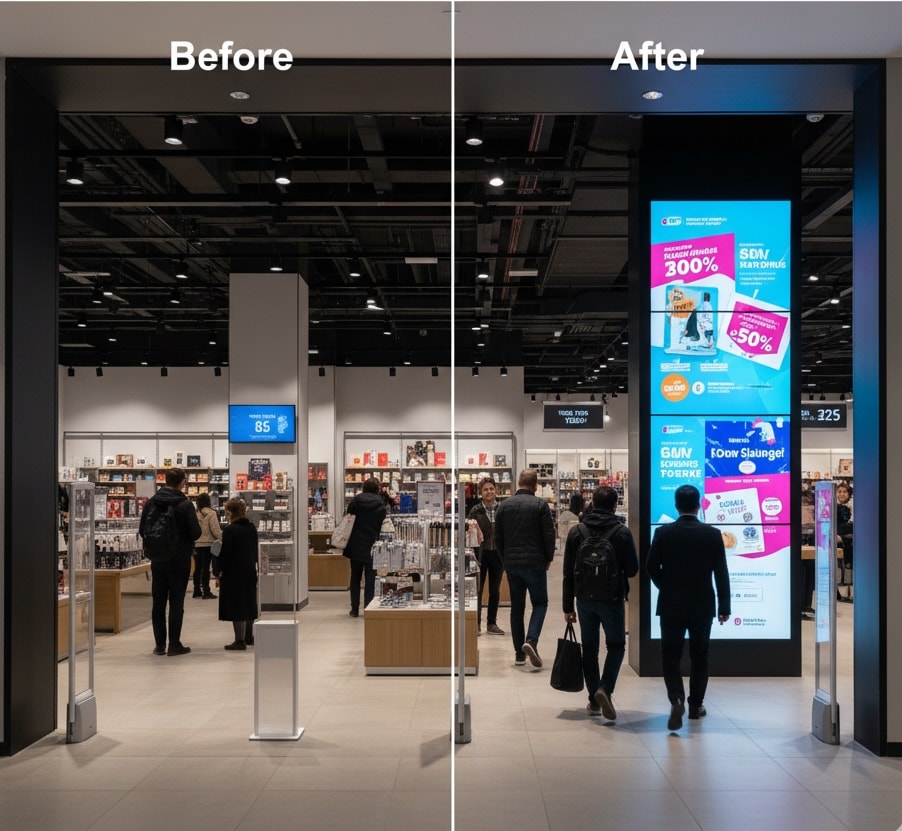
Analyzing foot traffic helps determine if digital signage is attracting more visitors to a retail location. Here is an example: let’s take a grocery store that updates its digital displays with weekly specials and recipes. By comparing store visits before and after installation, managers notice a significant increase in customer entries, showing how digital signage directly impacts purchasing opportunities.
Foot traffic data combined with other metrics, like engagement and sales uplift, provides a complete picture of digital signage performance. Understanding which content drives visits allows retailers to optimize campaigns, target audience messaging, and maximize both direct financial gains and intangible benefits, like improved brand perception and customer experience.
7 Best Strategies to Improve ROI from Retail DigitalSignage
Improving ROI from retail digital signage isn’t just about putting up screens; it’s about creating meaningful, engaging experiences that connect with your audience. When implemented correctly, digital signage displays can enhance sales, improve customer satisfaction, and offer valuable insights into customer behavior, as well as deliver intangible benefits that boost brand loyalty. According to InfoComm, retailers that integrate digital signage with loyalty programs see repeat purchases increase by up to 18%, demonstrating the indirect benefits of an enhanced customer experience.
Most people don’t realize that by combining interactive displays, personalized content, and measurable campaigns, retailers can track key performance indicators, maximize financial success, and see exactly how digital signage brings value. Let’s explore seven strategies that work together to increase both direct and indirect benefits.
Interactive Customisation Kiosks
Interactive kiosks allow customers to explore products, personalize options, and even place orders directly from the screen. Let’s take an example: a coffee shop uses a digital kiosk to let customers choose milk alternatives, add flavors, and pick sizes. Customers love the control, which increases engagement and drives more sales through engaging content.
These kiosks also provide valuable insights into customer behavior, helping retailers track metrics like time spent on screens and interactions. Using this data, you can measure digital signage ROI and adjust content for higher conversion rates, turning interactive displays into a powerful tool for financial success.
Dynamic Pricing and Promotions
Dynamic pricing lets retailers change offers in real-time based on demand, inventory, or time of day. For instance, a clothing store can display a flash sale for winter jackets in the afternoon when foot traffic is high. Digital signage communicates these promotions instantly, influencing purchase decisions while reducing overstock, providing a modern alternative to traditional advertising.
You’ve probably noticed that by tracking the sales uplift from these campaigns, you can see direct financial gains and optimize operational efficiency. Combining dynamic promotions with interactive digital displays ensures content relevance and improved customer engagement across multiple locations.
Augmented Reality (AR) Experiences
AR experiences overlay digital information on physical products, creating immersive shopping moments. For example, a cosmetics store uses AR mirrors on digital displays, allowing customers to try on different lipstick shades virtually. This interactive experience increases time spent in-store, improves customer satisfaction, and boosts conversion rates.
Retailers can measure engagement using analytics tools to see which AR content drives the most sales. AR integration turns digital signage into an innovative marketing strategy, enhancing customer experience and measurable ROI while providing valuable insights into viewer interaction.
Personalised Service and Maintenance Reminders
Personalized service and maintenance reminders make digital signage feel like a one-on-one conversation. For example, an electronics store can display a reminder for a software update or suggest complementary accessories for a purchased device. This strategy increases upsell opportunities and strengthens customer loyalty. By leveraging interactive digital displays as a comprehensive digital signage solution, you can guide customers toward complementary products, boosting your digital signage ROI.
Let’s take an example: you can link directly to how to upsell with digital signage in retail, turning those personalized prompts into real sales opportunities while keeping your content relevant and engaging. Tracking which recommendations convert into sales provides direct financial gains and helps optimize future digital signage content, improving operational efficiency and customer experience.
Customer Testimonials and Social Proof
Customer testimonials and social media reviews on digital signage build trust and influence purchase decisions. Imagine walking into a sneaker store and seeing a rotating display of happy customer reviews and Instagram posts of products in use. Shoppers immediately feel more confident, which boosts engagement and conversion rates.
Interactive displays allow viewers to scan QR codes for more reviews or video testimonials, providing valuable insights into customer preferences. These insights help track metrics, refine marketing strategies, and improve digital signage ROI while reinforcing customer loyalty.
Loyalty and Rewards Programs
Integrating loyalty programs into digital signage encourages repeat purchases and strengthens brand loyalty. Let’s take an example: a grocery store can show a customer’s current points balance and upcoming rewards directly on the digital display as they shop. This immediate feedback motivates repeat visits and higher spending, especially when tailored to specific audience demographics.
Retailers can track participation and reward redemption to measure performance metrics, ensuring the digital signage system contributes to both direct and indirect benefits. This approach seamlessly connects marketing strategies, operational efficiency, and financial success.
Interactive Educational Content
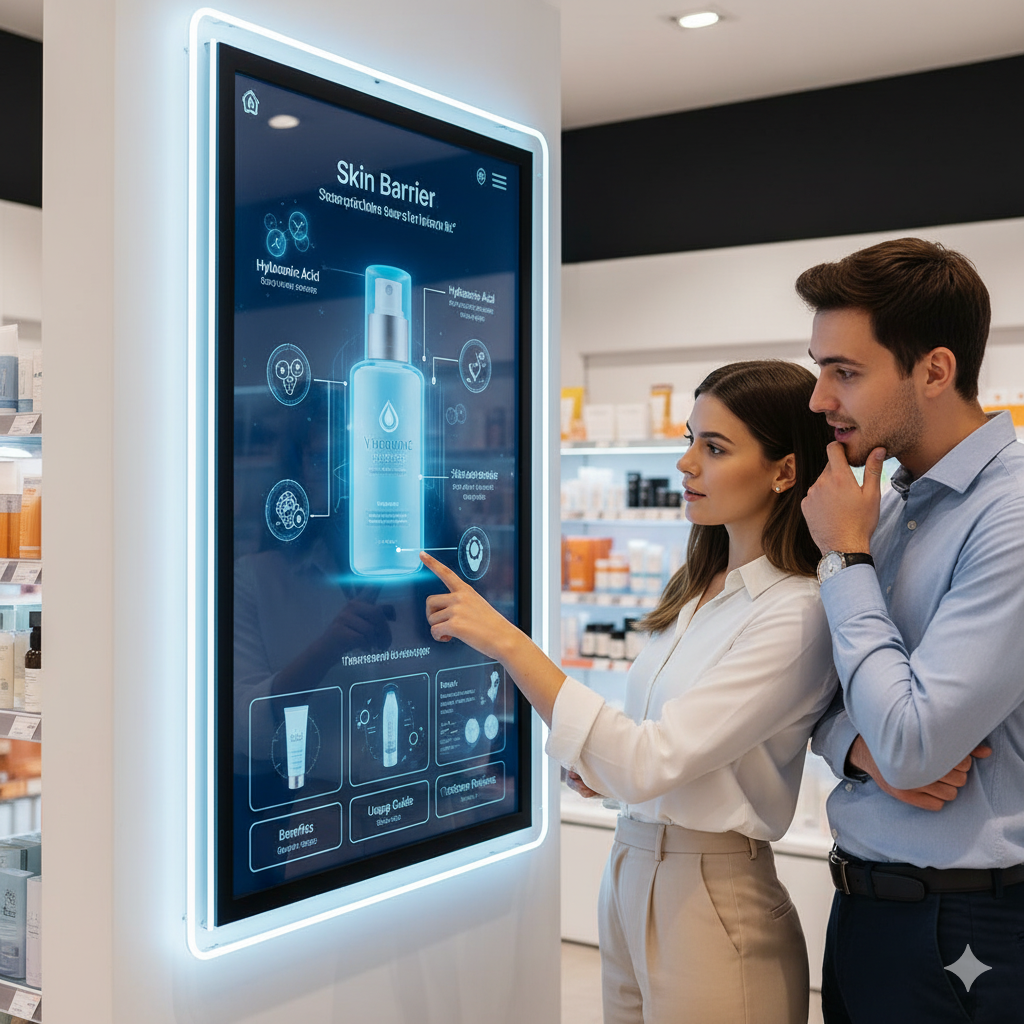
Interactive educational content turns digital signage into a learning experience that engages customers while subtly guiding purchases. A home appliance store, for example, can use a touchscreen display to show energy-saving features or product demos. Shoppers spend more time interacting with the displays, increasing engagement and trust.
You’ve probably noticed that analytics tools capture data like screen time and click-throughs, providing valuable insights into customer behavior. This strategy ensures content relevance, enhances customer experience, and maximizes ROI from digital signage campaigns.
Optimize Your Retail ROI and Maximize Profits with AIScreen!
If you want to truly get the most out of your digital signage investment, AIScreen is the game-changer. This platform makes it easy to manage digital signage content across multiple locations, update promotions in real-time, and align these with your marketing efforts to track performance with advanced analytics. Every campaign, every interactive display, and every promotional video can be measured to see its impact on sales, customer engagement, and operational efficiency.
Most people don’t realize that by leveraging our cloud-based software, you can see exactly how digital signage brings value and drives ROI, turning your digital signs into a powerful tool for financial success. According to Allied Market Research, businesses that monetize digital signage by selling advertising space generate an average of 12–15% additional revenue, helping offset operational costs.
AIScreen also simplifies decision-making by providing detailed insights into audience demographics, customer engagement, and content effectiveness. You can monitor which messages work best, optimize schedules, and even monetize your digital signage by selling advertising space, creating a direct revenue stream. With these features, your retail store isn’t just displaying content; it’s strategically communicating with your target audience, improving customer experience, and maximizing profits in a measurable, meaningful way, contributing to the return on investment.


FAQs
Can Digital Signage Really Influence Purchasing Decisions?
Yes, digital signage can influence purchasing decisions by presenting targeted content that captures attention and guides customer behavior. When viewers interact with effective digital signage displays or see engaging promotions, they are more likely to make purchases. Retailers can track key metrics to see which content drives conversion rates. Effective digital signage content not only boosts sales but also provides valuable insights into customer behavior.
How Does Digital Signage Contribute to Long-Term Customer Loyalty?
Digital signage contributes to long-term customer loyalty by enhancing the overall shopping experience with personalized messaging and interactive displays. When customers feel engaged and valued, they are more likely to return and make repeat purchases. Integrating loyalty programs and rewards into digital signage reinforces this behavior. Over time, satisfied customers drive both direct benefits and indirect benefits, strengthening overall digital signage ROI.
How can I measure the effectiveness of digital signage content?
You can measure the effectiveness of digital signage content by tracking key performance indicators such as engagement rates, QR code scans, and time spent on digital displays. Monitoring sales uplift and customer feedback provides additional insights into content relevance and impact. Advanced analytics tools allow retailers to measure digital signage ROI across multiple locations. These metrics help optimize campaigns and improve both direct financial gains and customer satisfaction.
How does digital signage improve customer experience in retail?
Digital signage improves customer experience in retail by delivering relevant information, personalized product recommendations, and interactive content. Engaging displays capture attention and make shopping more enjoyable, increasing overall satisfaction. By leveraging digital signage systems, retailers can streamline operations and communicate offers effectively. Enhanced customer experience leads to higher retention, more repeat visits, and measurable ROI.
How Can Digital Signage Specifically Boost ROI for a Business?
Yes, digital signage can boost ROI for a business by increasing sales, improving operational efficiency, and enhancing customer engagement. Interactive digital displays and personalized content drive higher conversion rates and repeat visits. Retailers can also monetize signage by selling advertising space, creating direct financial gains. Tracking performance metrics ensures content relevance and helps maximize both direct and indirect benefits of digital signage while ensuring the expected ROI.
