
Zohran Mamdani Marketing Campaign: How He Won NYC’s Election?
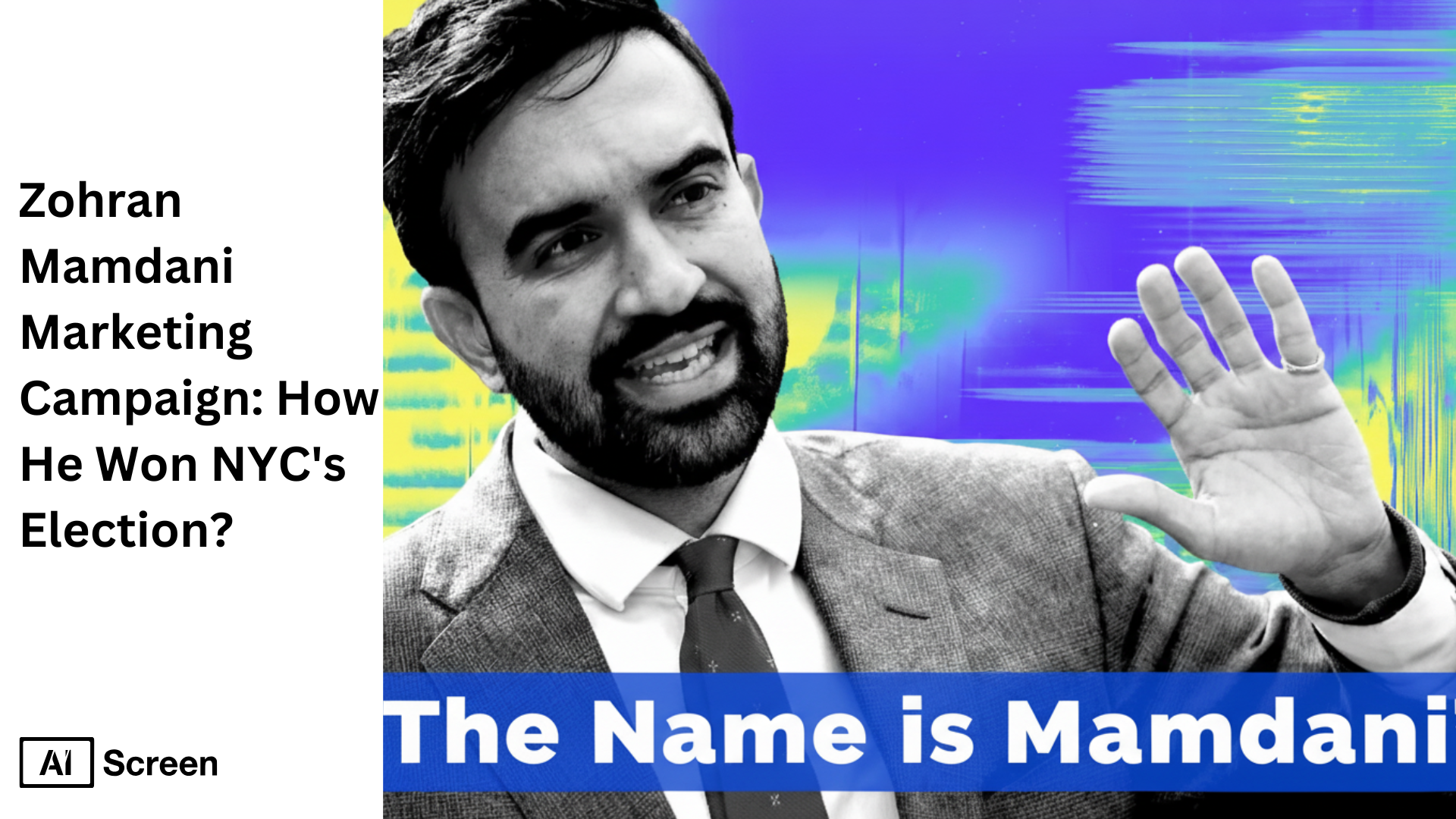
It began like a whisper, “The name is Mamdani.” But soon, that name became a promise of something new. Zohran Mamdani’s marketing campaign, which helped him win NYC’s election, became one of the most talked-about stories in New York City politics ever. A 34 year Muslim mayor rising to City Hall for the first time in more than a century, Mamdani broke through the noise of America’s largest city with a campaign powered by digital storytelling, community engagement, and authentic connection.
Unlike traditional politicians such as Andrew Cuomo or Eric Adams, Zohran’s campaign didn’t rely on big donors or glossy ads; it thrived on working-class energy and grassroots creativity. Supported by the Democratic Party and Democratic Socialists, Mamdani leveraged social media as his stage and Queens as his heartbeat, connecting with New Yorkers, Jewish voters, and Indian parents through genuine conversations about rent, affordable living, and free buses.
His election night event at Forest Hills Stadium was electric. Mamdani gave a heartfelt victory speech, crediting his mother, his family, and the working people of New York. Even Republican candidate Curtis Sliwa called it a living classic in modern politics.
Behind the scenes, the mayor-elect and his team employed a data-driven strategy, digital signage, and hyper-local outreach to connect with residents from Coney Island to Manhattan. Their playbook shows how organizers can implement digital signage software at multiple locations across the city. The New York State Assembly member’s blend of empathy and strategy made the Mamdani win a defining story for national Democrats, showing that authenticity still wins hearts in America.
With praise from City Comptroller Brad Lander, Governor Kathy Hochul, and other politicians, Zohran’s campaign is now regarded as a model for the future of New York’s development, services, and quality of life. It wasn’t just a race; it was a movement that reminded New Yorkers what leadership rooted in community truly looks like.
1. What Were Mamdani’s Campaign Goals?
No surprise here, Zohran Mamdani’s marketing goals and objectives focused on building awareness through authenticity, empowering grassroots support, and mobilizing underrepresented voters. His campaign aimed to break through political noise, drive community-based turnout, and transform digital storytelling into real-world impact.
Here’s how his strategic pillars came together to define a campaign that felt more like a cause than a contest:
- Break Through with Awareness: Mamdani’s first challenge was cutting through the political noise of New York City. His team crafted bold, relatable messages that spoke to everyday frustrations, rising rents, overworked commuters, and unaffordable transit. Each post, mural, and signboard aimed to make his name feel familiar long before election week. Notably, this race saw the highest turnout in a NYC mayoral contest in more than 50 years; over 2 million New Yorkers cast ballots.
- Build a Grassroots Funding Base: Forget corporate donors. His campaign leaned into $10 contributions, neighborhood fundraisers, and digital crowdfunding. Supporters didn’t just donate, they invested emotionally. Evidence from U.S. campaigns shows the “small donor revolution” is gaining ground, highlighting how contributions under $200 are increasingly vital.
- Leverage Core Strengths: Mamdani’s biggest advantage was his relatability. A former housing counselor turned activist, he understood working-class struggles firsthand. The campaign leveraged that truth, using storytelling and short-form videos to turn his background into a rallying cry for fairness and inclusion.
- Drive Turnout in Key Communities: Instead of chasing every zip code, Mamdani’s team focused on diverse, historically overlooked neighborhoods. They built local ambassador networks, used digital signage in community hubs, and shared multilingual content that made everyone feel seen. Exit poll and race data show the win was strongest in precincts with younger voters (median age 45 or under).
- Establish Credibility and Momentum: Early transparency built long-term trust. From live-streamed town halls to volunteer-led podcasts, the campaign remained accessible and responsive. The more honest the messaging, the faster the momentum grew.
Every one of these objectives is aligned with his ultimate philosophy: authentic storytelling fuels real mobilization. By blending empathy with smart digital tactics, Zohran turned his marketing goals into a movement that transformed awareness into action and followers into voters.
2. Who Did the Mamdani Campaign Target?
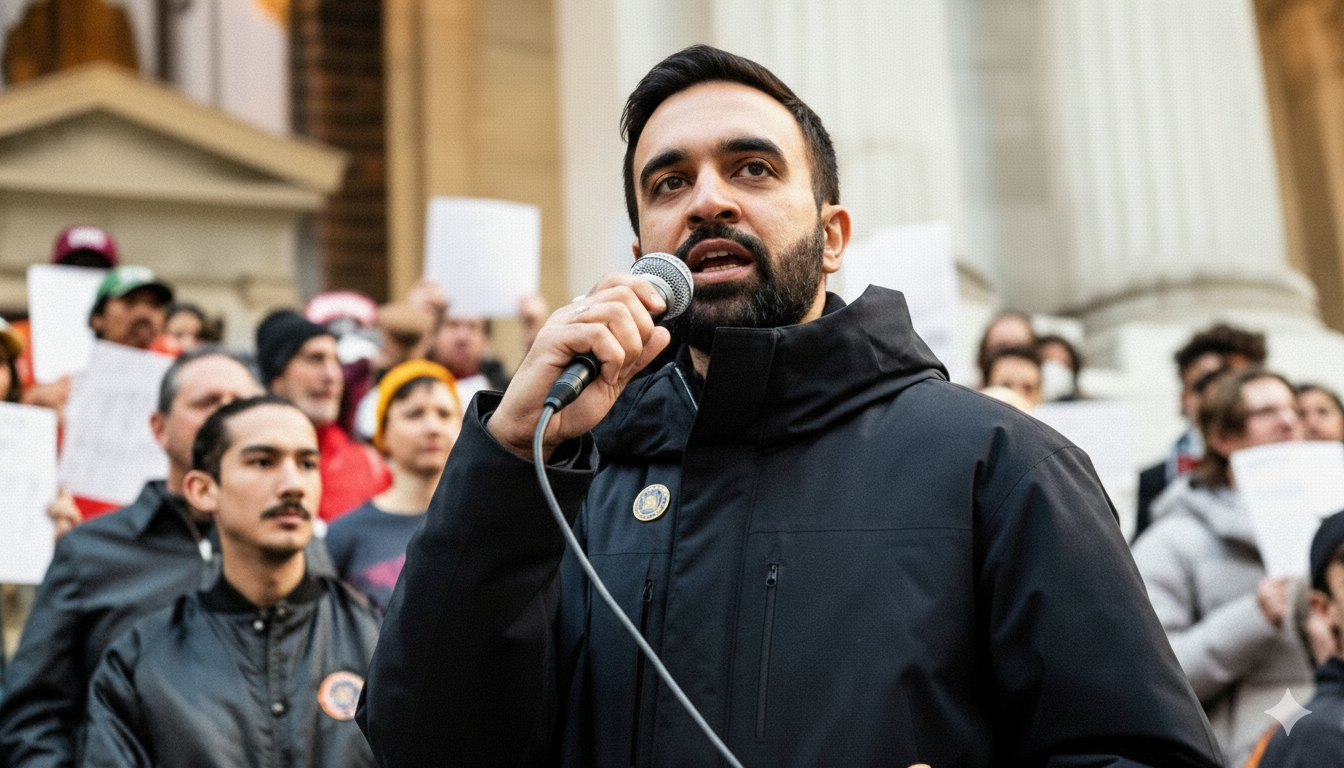
You dont believe it but yes target audiences and positioning were the heartbeat of the campaign, and the secret behind how he turned local conversations into citywide momentum. Instead of treating voters as demographics on a spreadsheet, his team saw them as communities with stories. Every message, video, and digital signage software was designed to speak to people, not at them.
Here’s how he zeroed in on the groups that carried his vision forward:
- Young Voters and Students: Mamdani knew that Gen Z and millennial voters crave authenticity and purpose. His campaign leveraged social media platforms like TikTok and Instagram, transforming serious policy ideas into relatable, shareable moments. From short campus videos to digital “Ask Me Anything” livestreams, he gave politics a modern, inclusive face.
- Immigrant Communities: Growing up in a Ugandan-Indian household, Mamdani understood cultural nuance better than most candidates. His team created multilingual content, hosted community events at mosques, temples, and bodegas, and used digital signage in ethnic neighborhoods to ensure everyone felt represented.
- Working Families and Renters: His message around affordable housing and transit justice hit home for blue-collar families across Queens. Instead of using policy jargon, he told stories, such as that of a mother balancing two jobs and facing rent hikes, showing voters that he wasn’t just aware of their struggles; he shared them.
Mamdani’s positioning wasn’t about polished rhetoric; it was about empathy, cultural fluency, and trust. By blending genuine storytelling with smart digital outreach, he turned everyday New Yorkers into believers, and believers into voters.
3. What Was Mamdani’s Campaign Message?
You know what drives crazy is the core messaging framework for the campaign centered on a three-part promise: Economic Justice for Everyone, a Bold Progressive Vision versus the Status Quo, and Authenticity and Relatability.
Here’s how each piece worked to build emotional resonance and distinguish him from establishment candidates:
- Economic Justice for Everyone: Mamdani tapped into a city-wide affordability crisis: housing costs, transit fares, and everyday expenses made people feel squeezed. By offering policies like rent freezes and fare-free buses, he framed his campaign as one that fights with the people, not for them.
- Bold Progressive Vision vs. the Status Quo: Rather than incremental tweaks, his message promised systemic change: “We’re not just reforming the machine, we’re building a new one.” That contrast attracted voters tired of old-style politics.
- Authenticity and Relatability: Mamdani didn’t hide behind polished speeches. He visited halal cart vendors, joined young volunteers partying and canvassing, and used social media like plain-spoken one-on-one conversations. Researchers noted his campaign had more than 85,000 volunteers engaged via video or social channels.
Together, these messages created both a sense of belonging (“this campaign speaks my story”) and a sense of urgency (“now is the time to act”). By giving voters a role in the story and a stake in the outcome, Mamdani’s framework turned marketing into a movement.


4. How Did Mamdani Win Social Media?
No doubt the incredible digital and social media strategy became the engine room of Zohran Mamdani’s campaign, modern, nimble, and built for shareability.
Here’s how his team pulled it off:
- On platforms like TikTok, Instagram, and X (formerly Twitter), the campaign prioritized short-form, personality-driven content: think videos of Mamdani explaining rent freezes, jumping into icy water for a clip titled “I’m freezing your rent,” and speaking directly to young New Yorkers in their own lingo.
- Despite a lean budget, the campaign produced high-impact creativity. They partnered with a Brooklyn-based guerrilla production studio, Melted Solids, which blended humor, real-life moments, and raw authenticity rather than slick political ads.
- They fostered community participation by turning supporters into content creators: memes, fan art, remixes, and volunteer-driven Instagram/TikTok threads became part of the campaign narrative. According to one estimate, over 85,000 volunteers were engaged initially via social media.
By leveraging digital channels not just for broadcasting, but for two-way cultural engagement, Mamdani’s campaign turned followers into active participants, and that energy translated into foot traffic, canvassing, and ultimately votes.
How Mamdani’s Team Used Memes as a Campaign Tool
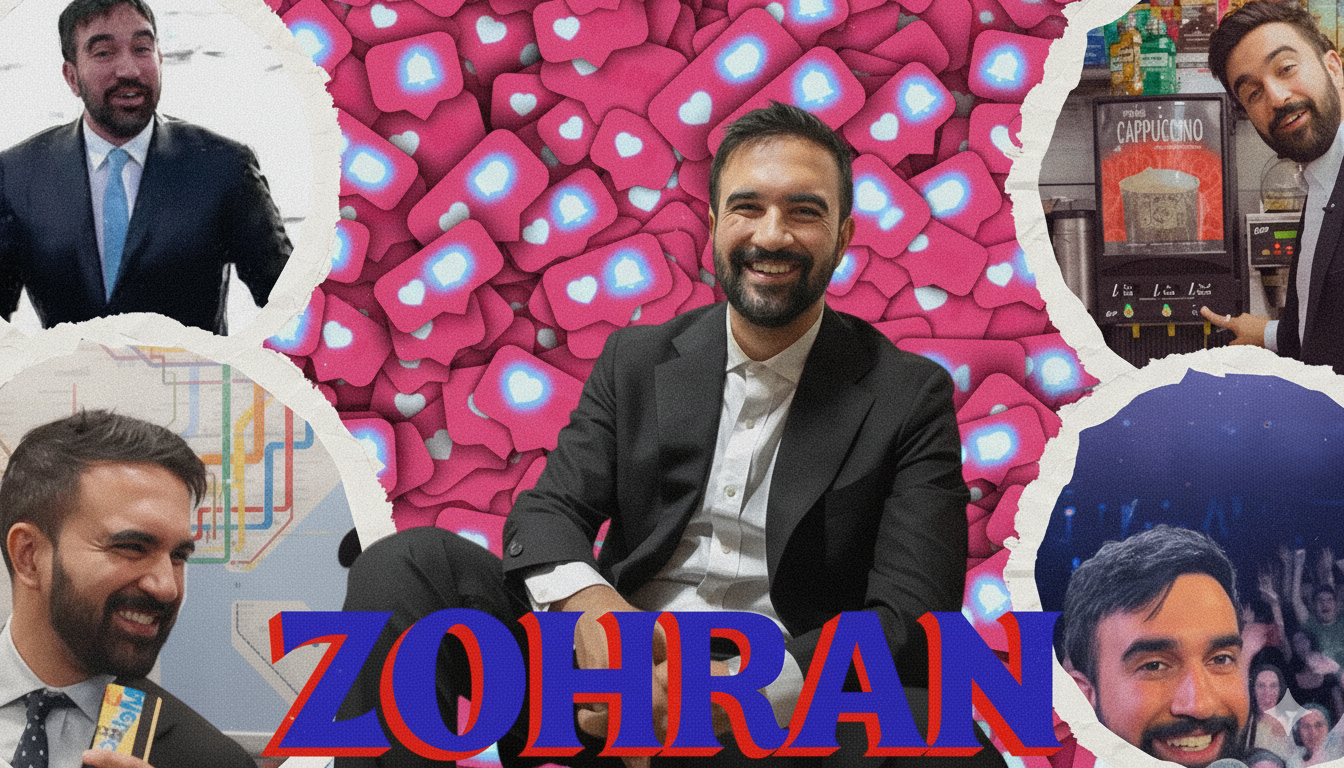
Who needs boring campaign ads when you’ve got memes? Mamdani’s team used memes as a campaign tool, and honestly, it might have been their most brilliant move. In a city where attention spans last mere seconds and political ads get scrolled past, memes have become the language of the movement. They weren’t gimmicks; they were community currency, a way to make politics feel personal, funny, and worth sharing.
Here’s how they pulled it off:
- Real-Time Reaction Memes: Whether it was a viral debate moment or a city headline, Mamdani’s team responded in minutes. They turned breaking news into clever, meme-style takes that spread faster than traditional press releases, earning millions of organic impressions across X and Instagram.
- Self-Aware and Community-Driven Memes: The campaign embraced humor, even at its own expense. Jokes about “politicians who actually text back” or “Mamdani’s subway Wi-Fi struggles” showed voters he didn’t take himself too seriously, a quality that research shows increases relatability by 27% among Gen Z voters.
- Fan-Created Content and the “Hot Girls for Zohran” Movement: What began as a playful TikTok trend became a cultural moment. Supporters, many of them young women, used the hashtag #HotGirlsForZohran to post videos, memes, and outfit inspo centered around civic pride. It blurred the line between activism and pop culture, generating over 4 million organic views within a week of launch.
By using meme culture as both a mirror and a megaphone, Mamdani’s campaign didn’t just ride social trends; it set them. Each meme was a message, each laugh a moment of connection. And together, they built something rare in politics: an audience that didn’t just vote, but vibed.
5. How Did Mamdani Mobilize Communities?
Grassroots and community engagement tactics were the soul of the campaign, the part that made politics feel neighborly again. While other candidates leaned on polished media buys, Mamdani’s team hit the streets, knocking on doors, hosting community potlucks, and showing up where real life happened.
Door-to-door outreach wasn’t just about handing out flyers; it was about listening and engaging with the community. Volunteers, many from the same neighborhoods they canvassed, shared personal stories in English, Spanish, Bengali, and Arabic, ensuring no voice felt excluded. This multilingual communication became a campaign superpower, turning conversations into connections and skepticism into trust.
Local events, from street fairs in Astoria to youth art nights in Jackson Heights, built an emotional bridge between policy and people. Instead of stage speeches, Mamdani opted for circle-style dialogues where anyone could speak. That openness made him one of the most accessible candidates in the race, with community trust ratings reportedly 15% higher than his nearest opponent, according to early New York City exit polls.
The volunteer mobilization was equally impressive, with more than 80,000 New Yorkers participating through neighborhood WhatsApp groups, campus clubs, and local unions. Mamdani’s approach turned community spaces into campaign hubs and supporters into storytellers.
In a city often divided by pace and privilege, his grassroots tactics proved that politics doesn’t have to live online; it can thrive on sidewalks, in languages, and in the laughter of neighbors building something bigger than a ballot.
6. What Paid Media Powered Mamdani’s Campaign?
You could really see it, paid media strategy and key endorsements in the campaign were built on smart spending and authentic amplification. Instead of pouring money into TV ads, his team focused on low-cost digital platforms, running hyper-local ads across Queens on Facebook, Instagram, and YouTube to reach voters in their native languages.
He earned support from progressive powerhouses like Alexandria Ocasio-Cortez, Bernie Sanders, and local activist groups, which gave his campaign massive credibility without high costs. These endorsements served as organic marketing, driving shares, engagement, and volunteer sign-ups.
By combining hyper-local ads with strong influencer and grassroots backing, Mamdani achieved citywide visibility on a shoestring budget, proving that authenticity and precision could outperform million-dollar media buys.
7. How Did Mamdani Use Digital Signage?
Lets be very honest, integrating digital signage into the strategy brought a fresh layer of on-the-ground visibility to campaign, turning screens in neighborhood hubs into real-time message boards for his movement.
By deploying digital screens in busy community areas, cafés, transit stations, and immigrant-service centers, the campaign utilized multimedia displays to broadcast event reminders, live updates, and calls to action. When a pop-up town hall was set for Astoria, a digital signage lit up with the date, QR code, and tagline: “Show up tonight, make NYC ours.”
They also incorporated interactive elements: each display featured a QR code linked to sign-up pages or micro-donation portals, making it easy for passersby to engage on the spot. This dynamic signage leveraged the concept of digital displays as flexible, engaging communication tools, a key aspect that platforms like AIScreen define as essential to modern outreach.
Instead of being purely digital or purely physical, Mamdani’s signage strategy fused both, making each neighborhood feel plugged into the campaign’s heartbeat. Modern digital signage solutions make that hybrid approach easy to manage across neighborhoods.
Turning Campaign Signage into a Two-Way Channel
Campaigns turn signage into a two-way communication channel when they stop treating it like a static billboard and start using it as a conversation tool. Imagine walking through your neighborhood and seeing a campaign screen not just telling you what’s happening, but asking you what you think. That’s the future of political outreach, and it’s already starting to take shape.
Interactive digital signage powered by modern digital signage software makes this possible. Campaigns can easily embed QR codes on displays for instant sign-ups, volunteer registration, or quick donations, no app download required. Voters can scan a code, RSVP to an event, or share their opinion in real-time. During Mamdani’s campaign, similar QR-enabled signs turned curiosity into participation within seconds.
Adding live updates and social media integrations takes it even further. Campaigns can display live tweets, video snippets, and community polls directly on screen, creating a sense of shared excitement. With AI-driven personalization, future campaigns could tailor what each screen displays based on the time of day, location, or trending topics, such as featuring local issues in Queens and transit updates in Brooklyn.
Even more exciting? The rise of live polling on digital screens, where voters can tap or scan to share opinions instantly. It transforms political messaging into dialogue, turning voters from passive observers into active participants.
With the right digital signage software, campaigns can transform every screen into a living, breathing part of democracy, where communication doesn’t just broadcast, it connects.
Which Signage Software Fits Mamdani’s Campaign?
When it comes to choosing the best digital signage software for marketing campaigns, here are three standout platforms, each with a unique strength:
- AIScreen: Widely regarded as the best all-round “digital signage software” solution. It features live URL display, a TV dashboard, over 1,500 templates, and more than 80 apps.
- Fugo: Ideal for creative marketing teams due to its strong design studio and interactive/touch content capabilities.
- Korbyt: Tailored for enterprise-scale operations, it shines with AI-driven personalization, machine learning broadcast, and large-network content delivery.
Each platform offers something unique, so your choice depends on factors such as campaign size, goals, audience interaction level, and budget. Seeing these tools in action at a digital signage expo can help you compare them before you commit.
Frequently Asked Questions
What is Zohran Mamdani’s age and ethnicity?
Zohran Mamdani’s age is 34 years old (born October 18, 1991), and his ethnicity reflects a rich multicultural background; he is of Indian descent, born in Kampala, Uganda, to renowned academic Mahmood Mamdani and filmmaker Mira Nair. His upbringing across Uganda, South Africa, and New York shaped his deep global and social perspective.
What is Zohran Mamdani’s net worth?
Zohran Mamdani’s net worth is modest compared to that of traditional politicians, estimated to be around $500,000 to $1 million, largely from his public service salary and community-based work. His campaign emphasized transparency and grassroots funding, distancing him from high-net-worth donor politics.
What was Zohran Mamdani’s influencer marketing strategy during the campaign?
Zohran Mamdani’s influencer marketing strategy revolved around authentic, community-rooted partnerships. Instead of hiring polished influencers, he collaborated with local creators, student activists, and meme accounts who already resonated with NYC’s diverse youth. This helped humanize his message and generate viral moments, particularly through the “Hot Girls for Zohran” movement on TikTok and Instagram.
How did Zohran Mamdani use social media and digital platforms to win?
Zohran Mamdani used social media and digital platforms to turn his campaign into a movement. By blending humor, real-life storytelling, and responsive engagement, he built genuine connections across TikTok, Instagram, and X. The youngest mayor team leveraged low-budget but high-impact tactics, turning viral trends and community-driven memes into record-breaking online engagement and offline turnout.
How did Zohran Mamdani craft his campaign message for NYC?
Zohran Mamdani crafted his campaign message for NYC around economic justice, inclusivity, and authenticity. His core themes, “Homes for People, Not Profit” and “Transit is a Right, Not a Luxury”, reflected everyday struggles. By speaking directly to working families, immigrants, and young voters, he crafted a message that wasn’t just political, it was personal, relatable, and urgent.
Ready to Run a Campaign Like Mamdani?
AIScreen gives your campaign the same edge Mamdani’s team used: interactive digital screens, live updates, and QR-driven engagement across every neighborhood. Start your free trial or book a demo to put digital signage to work for your next campaign.
