
Best Example of Store Brand Success in Retail

For many consumers, store brand products have evolved from budget-friendly alternatives to high-quality choices that rival national brands. Store brand items, often called private label products or house brands, are manufactured exclusively for retailers and sold at a lower price than name-brand counterparts.
Most retailers now emphasize their private label offerings, using them to build customer loyalty and drive sales.
A recent university study on consumer purchasing behavior found that digital signage significantly influences in-store decisions, with 68% of shoppers more likely to buy a product when engaging digital content is present.
This highlights the increasing role of technology in shaping consumer choices, particularly for store-brand products.
From grocery chains to personal care products, private brands have reshaped the retail landscape. This article explores the best store brand successes and why private-label products continue to dominate product lines across different product categories.
Short Summary:
- Store brand products have evolved from budget-friendly alternatives to high-standard offerings, increasing sales, customer awareness, and loyalty.
- Retailers leverage private labels to enhance profit margins, but store brands must overcome consumer skepticism about value and recognition.
- Successful store brands, such as private-label grocery and hygiene lines, compete with national brands through strategic valuation and marketing.
- Digital signage software helps retailers promote store brand products by offering customizable templates, real-time updates, and remote content management.
The Rise of Store Brands in Retail
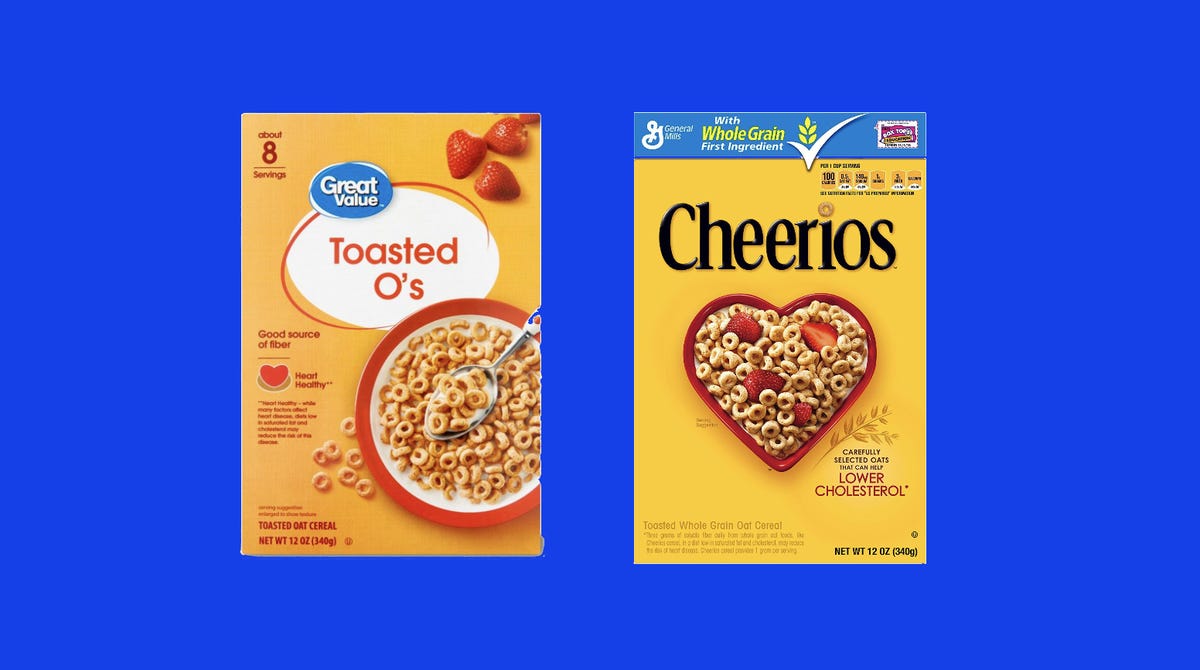
Most consumers used to associate store-brand items with lower quality, but times have changed. Today, store brand offerings are known for delivering great value without sacrificing quality.
Retail marketers recognize the potential of store brands to enhance profit margins and build brand loyalty while offering shoppers affordable alternatives.
According to the Private Label Manufacturers Association, private brands now account for a significant dollar share of total sales across industries.
Store brands provide a win-win situation for both retailers and consumers. Retailers benefit from higher profit margins and increased brand recognition, while shoppers enjoy high-value products at a lower cost.
This shift has allowed companies to create an identity beyond just selling national brands and name-brand products.
Best Example of Store Brand Success: Costco’s Kirkland Signature Brand

One of the most successful store brand examples is Costco’s Kirkland Signature brand. This private label powerhouse has changed the way consumers perceive private brands.
Rather than positioning Kirkland as a budget-friendly option, Costco strategically markets its own brand as a high-quality competitor to national brands.
Why Kirkland Signature Stands Out
Quality Products: Kirkland products are manufactured exclusively for Costco, ensuring premium quality at a lower charge.
Broad Product Categories: From foods like real butter, white bread, and chocolate chip cookies to non-food items like hygiene products, Kirkland spans multiple product lines.
Strong Customer Loyalty: Consumers trust the Kirkland Signature brand as much as, if not more than, name-brand alternatives.
Cheaper Fees: Costco uses bulk purchasing and partnerships with national manufacturers to keep prices down while maintaining high standards.
Use of Digital Signage: Many Costco locations utilize digital signage to highlight Kirkland promotions, inform customers about product origins, and showcase comparisons with name brands, reinforcing the value of their own store brand.
The Kirkland Signature strategy demonstrates how owning a store brand can boost total sales while fostering brand loyalty. Many store brands aim to replicate this success, but few have achieved the scale and trust of Costco’s Kirkland.
Other Examples of Store Brand Products Success
While Costco’s Kirkland Signature is a standout example, other brands have also found major success with their own store brand strategies.
Some of the most notable store brand examples include:
Trader Joe’s Private Label Strategy

Trader Joe’s version of private labels dominates its stores, accounting for roughly 80% of all items sold. Unlike most retailers, Trader Joe’s focuses heavily on unique store brand offerings rather than carrying many national brands.
This approach has solidified Trader Joe’s reputation as a store that prioritizes affordability, standards, and exclusivity. Digital signage in Trader Joe’s stores plays a role in promoting seasonal private-label offerings and educating customers on ingredient sources.
Walmart’s Great Value and Sam’s Choice

Walmart’s Great Value brand is one of the most recognized store brands in the U.S. Walmart uses its massive retail footprint to push store brand offerings in grocery chains, household essentials, and non-food items.
Walmart also introduced Sam’s Choice, a premium store brand aimed at providing high-quality products at a lower fee than competing name-brand goods. These strategies have helped Walmart capture a larger market share while appealing to shoppers looking to save money.
Walmart also uses digital signage to promote in-store exclusive deals and highlight Great Value products alongside national brand comparisons.
Dollar General’s Store Brands

Family Dollar and Dollar General are key players in the discount retail sector, offering private labels that cater to budget-conscious consumers. Their private brands cover various product categories, from foods to hygiene items, and allow customers to purchase essentials at a cheaper fee.
By offering a mix of store-brand and name-brand items, these retailers create a balanced shopping experience that attracts a wide range of shoppers. Digital signage is frequently used in these stores to highlight limited-time offers and increase brand awareness for their house brands.
Aldi’s Simply Nature and Specially Selected
Aldi has built a strong reputation for its high-standard store brand offerings, particularly with these two brands. Simply Nature focuses on organic and natural products, while the Specially Selected offers gourmet-inspired options at a budget-friendly cost.
Aldi’s success is tied to its minimalistic store layouts, limited product selection, and strong emphasis on its own store brand. Digital signage is used effectively to inform customers about new private label product arrivals and price comparisons, helping drive sales for its private brands.
Amazon Basics

Amazon Basics has become a major force in private-label retail. It leverages Amazon’s extensive data analytics to identify high-demand products and offer cost-effective alternatives.
Instead of relying on traditional retail strategies, Amazon uses consumer purchase patterns to refine its product selection and optimize valuation.
Amazon Basics span multiple product categories, including electronics, office supplies, and household essentials. By focusing on competitive rates and efficient supply chain management, Amazon provides shoppers with reliable alternatives to national names.
The company also benefits from Amazon’s advanced digital marketing tools, including dynamic digital signage in Amazon Go and Amazon Fresh stores.
These digital displays highlight key product features, showcase competitive rates, and drive consumer engagement, reinforcing Amazon Basics as a trusted private label option.
How Store Brands Compete with National Brands

Retailers invest heavily in developing store brand products that compete directly with national brands. Some of the key strategies they use include:
Quality Improvements: Many store brands now emphasize high-standard ingredients and manufacturing standards to rival established brand names.
Competitive Pricing: Store brand goods are often sold at a lower price without compromising quality, making them an attractive alternative.
Brand Differentiation: Retailers build unique product lines, such as President’s Choice Label (Loblaws) and Whole Foods’ 365 Everyday Value.
Retailer Control: With private labels, retailers can adjust pricing, promotions, and placement to maximize profits and attract customers.
Strategic Digital Signage Usage: Many store brands use digital signage to reinforce the value of their private labels, promote deals, and create engaging in-store experiences that enhance customer shopping habits.
Why Store Brand Names May Struggle to Gain Trust

While store brand products have gained significant traction, they still face certain challenges that can impact their success. Consumers remain hesitant to switch from national brands due to concerns about quality, lack of brand recognition, and limited marketing exposure.
Additionally, store brands often struggle with customer perception that they are lower-tier alternatives rather than equal or superior choices.
One of the biggest hurdles for store brands is differentiation. Store brands are designed to mimic national brands in packaging and appearance, which can sometimes lead to confusion rather than increased trust.
Retailers return on investment need to convince shoppers that their own brand provides comparable—if not better—products at a lower price.
How Digital Signage Helps Strengthen Brand Perception

Retailers are increasingly turning to digital signage software to counter these challenges and elevate their store presence. Here’s how:
Educating Customers on Quality

Digital signage software provides easy-to-customize templates that allow retailers to display detailed product information, comparisons, and sourcing details. This enables brands to modify content quickly and schedule targeted messaging remotely, making store brand goods more appealing.
Live Promotions of In-Store Deals

With drag-and-drop content management systems (CMS), digital signage software enables retailers to instantly update promotions, highlight bundle offers, or showcase exclusive discounts on store brand products without additional printing costs.
Creating Engaging Product Demonstrations

Digital signage displays can feature video content, including product demonstrations, shopper testimonials, and interactive content. These plug-and-play alternatives make it easier for brands to highlight the benefits of their private labels dynamically.
Enhancing Brand Visibility

Store brands often struggle with shelf competition against national brands. Digital signage software helps increase visibility by allowing brands to place engaging visual content near product sections, ensuring consumers notice and consider private labels.
By leveraging digital signage software, retail example can enhance their store brand perception, making private labels more competitive, engaging, and marketable.
Conclusion


Store brand success is about more than just lower prices—visibility and strategic marketing are key. Digital signage helps retailers enhance store brand perception with customizable templates, real-time updates, and remote content management. It allows brands to highlight quality, showcase deals, and create engaging in-store experiences.
Try AIScreen for Free
Boost your store brand marketing with AIScreen’s digital signage solutions. Easily customize and schedule brand ads, manage content remotely, and drive sales. Start your 14-day free trial today and see the impact digital signage can have on your store brand success!
