
What Creative Signage Designs Can Inspire You?
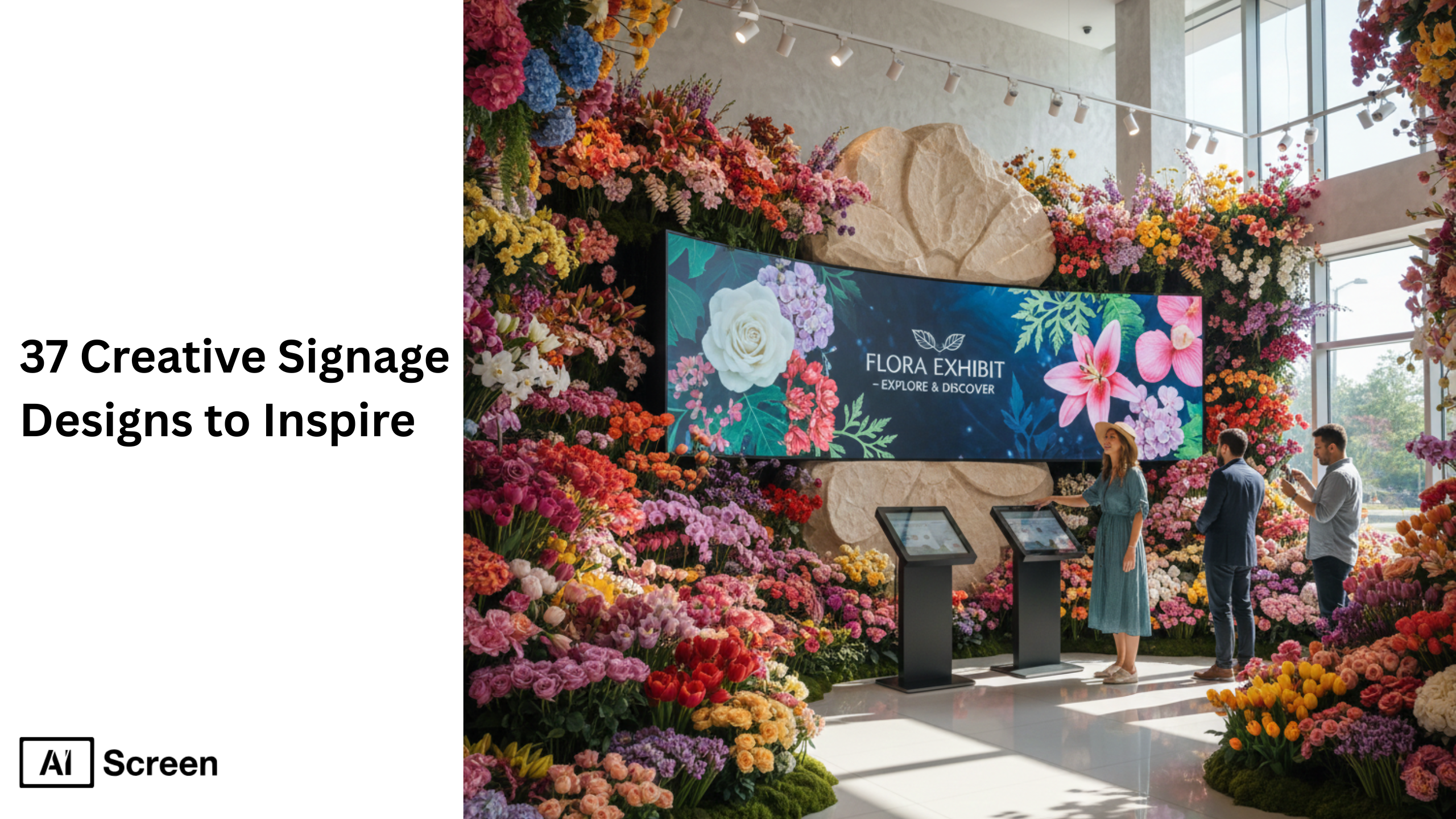
Creative signage design is where art meets function, a fusion of branding, aesthetics, and purposeful communication that turns everyday spaces into memorable experiences. Whether it’s guiding customers, sparking curiosity, or reinforcing brand identity, the right signage does more than inform, it influences how people feel and interact with a space. According to Statista, 79% of consumers say they are more likely to enter a store if signage is visually appealing and modern. This highlights how creative signage design not only attracts attention but also directly contributes to customer engagement and foot traffic, proving that aesthetics drive measurable results.
We explore 37 creative signage designs to inspire your next signage project, showcasing how modern designers blend materials, lighting, typography, digital screen technology, and storytelling to transform walls, storefronts, floors, and even construction hoarding into interactive brand moments.
1. Vibrant Bird Signage Design
Creative sign designs that take inspiration from nature, like a vibrant bird motif, use bright colours, organic shapes, and fluid motion elements to naturally draw the eye. This type of design is ideal for parks, cafes, eco-conscious brands, children’s areas, or wellness spaces, where visual warmth and natural energy enhance the environment.
Imagine signage where a stylized bird wing extends over a digital screen that displays directions, live updates, or brand messaging, while playful icons sit beneath the wing to guide visitors to amenities or services. It’s both decorative and functional. You’ve probably noticed how nature-driven visuals instantly feel refreshing, right?
Most people don’t realize that color can increase signage recall by up to 78%, according to The University of Loyola, making this style not just visually inspiring, but also proven to enhance brand visibility. Combining nature-inspired design elements with motion-enabled digital media ensures the sign isn’t just seen once but remembered.
2. Layered Letter Arrangement Signage Design
Creative signage that uses a layered letter arrangement adds depth and movement to any signage project. This style thoughtfully stacks or overlaps letters to create contrast, visibility, and a stylish visual hierarchy, making each word stand out depending on the viewer’s angle. Choosing the best digital signage fonts can make this effect even stronger by keeping layered text readable, distinctive, and visually balanced. Whether used on a wall, storefront, or floor signage, this concept helps your brand message turn simple elements into something vibrant and fun.
Have you ever seen letters stacked vertically, partially hidden, or floating across a space and immediately felt curious to explore further? That real-world attraction happens because layered typography allows creativity to communicate beyond words. It helps businesses connect with audiences in high-traffic areas where attention spans are short.
This signage technique fits perfectly inside stores, corporate spaces, and hoarding designs, where bold letters deliver clarity while aligning with company identity. The placement and colours should enhance the space and ensure the message is visible and relevant to customers. A well-designed layered lettering display makes people pause, read, and understand the purpose, with minimal text, maximum impact.
3. Dimensional Shadow Sign
Creative signage that applies dimensional shadow effects uses lighting and depth to bring even minimalist designs to life. By combining lettering, light, and transparency, the design adds sophistication and creates contrast that makes the message appear almost sculpted. This approach proves that creative signs and designs don’t have to be elaborate, even a simple logo or clean typography can stand out when shadow play is intentionally used.
Have you ever noticed how the angle of sunlight or LED backlighting makes letters look elevated or dramatic across a wall or table surface? That subtle shift instantly captures curiosity and enhances engagement without needing oversized fonts or bright colours. It’s creativity thriving on simplicity.
This style of signage works beautifully for corporate spaces, retail environments, and client-facing locations, particularly where brand identity must remain sleek yet impactful. Designers often incorporate layered materials to ensure the sign is visible, relevant, and well-placed, allowing businesses to explore creative approaches while maintaining professionalism. When integrated correctly, dimensional shadow signage transforms an ordinary space into something that communicates purpose and confidence.
4. Blended-Material Monument Signage Design
Signage that blends multiple materials such as stone, metal, and glass delivers an elegant, premium finish, especially for business park entrances or corporate headquarters. The thoughtful mixture of textures adds warmth, modernity, and visual contrast, allowing the structure to feel both professional and welcoming. This is a clear demonstration of how creative signage can remain timeless while still exhibiting excellence.
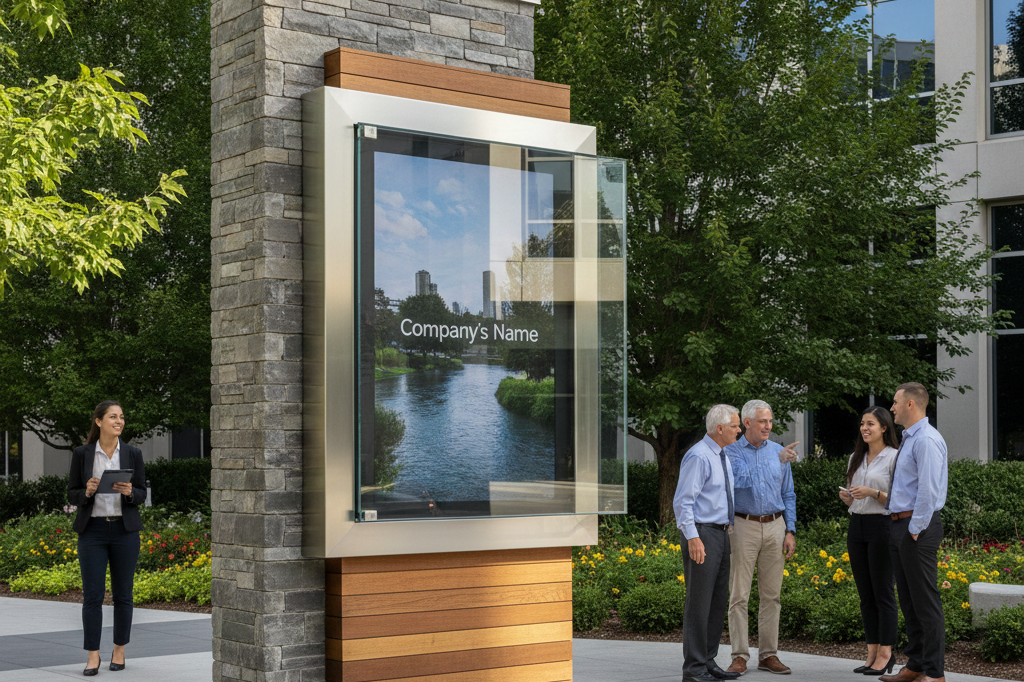
But what makes this approach so effective? It’s the balance between natural elements and sleek design, allowing the sign to connect with the environment while reinforcing brand identity. By incorporating layers, like wood for texture, metal for precision, and glass for clarity, companies enhance their presence and make the signage feel grounded yet contemporary.
Here’s something most business owners don’t realize, according to a 2023 Deloitte study, 64% of consumers are more likely to trust brands that maintain high-quality physical presence, including signage and location aesthetics. This statistic reinforces that well-designed monument signage isn’t just decorative, it influences audience trust and long-term brand perception.
Designed and placed strategically, this type of signage helps companies inspire customers, show gratitude toward their community, and turn everyday brand visibility into something meaningful. It doesn’t shout for attention, it earns it.
6. Streamlined Pylon Structure Design
Tall, streamlined pylon structures offers high-impact visibility in high-traffic zones. When enhanced with a digital display, the sleek design combines material strength with dynamic content, allowing brands to showcase promotions, directions, or live updates in real time. Similar to modern retail or food venue setups, contrast between sign face and supporting materials helps the message remain visible even from a long distance.
Ever seen a roadside or shopping plaza sign that instantly drew your attention, long before you reached the location? That’s the strategic power of height and clarity. The balance between contemporary materials and surrounding architectural elements allows these pylons to blend in while still standing out.
This design works exceptionally well for corporate complexes, fuel stations, lifestyle brands, and hospitality locations, especially when paired with digital signage software that updates content instantly. Businesses can use this format to influence decision-making, attract passing audiences, and turn navigation into a branded moment, ensuring consistent visibility across day and night.
7. Rustic-style Business Sign
Creative signage that adopts a rustic aesthetic brings emotional warmth and authenticity to business environments. By blending digital display capabilities with wood textures, aged finishes, and handcrafted-style lettering, this method proves you can go rustic and still look professional. Perfect for cafés, boutiques, bars, or antique-inspired businesses, this signage style conveys personality and heritage through subtle imperfections.
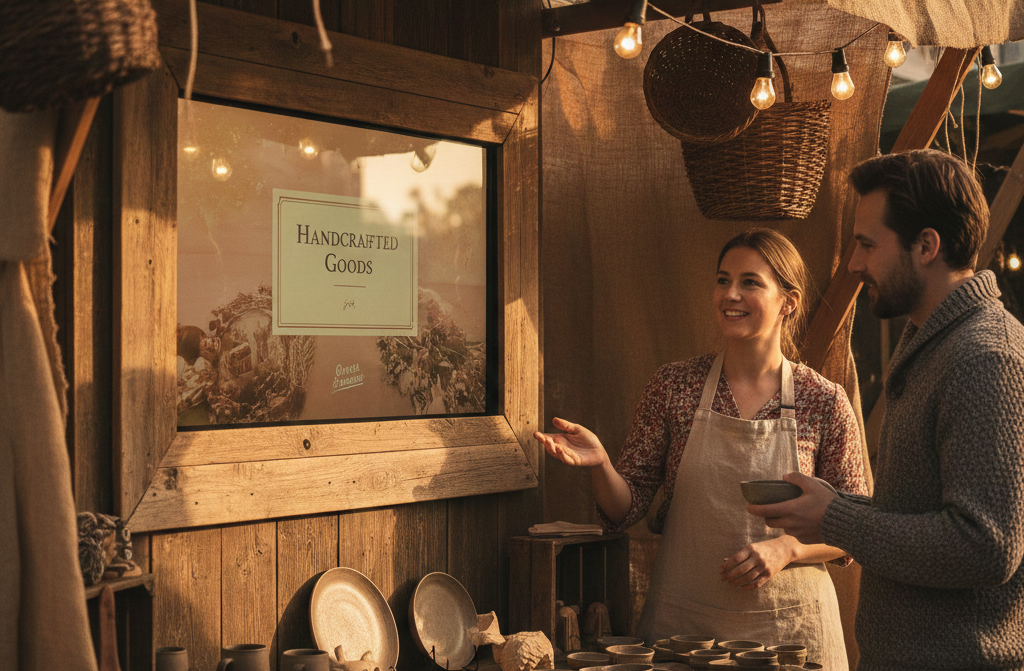
Have you ever walked past a shop front and felt like the story of the place spoke before you even stepped inside? That’s the charm of rustic design. It connects through sentiment, not scale, making the viewer feel part of something timeless yet evolving.
When integrated into digital signage, rustic styles can blend traditional visuals with modern content updates. For example, using vintage frame visuals around rotating digital menus or promotions enhances brand impact. It turns signage into an element of nostalgia while maintaining interactive capabilities. A creative sign like this shows how personality and innovation can coexist beautifully in your own signage project.
8. Detailed Construction Hoarding Signage Design
Signage that uses construction hoarding as a digital canvas transforms functional barriers into storytelling platforms. Rather than a temporary obstruction, digital hoarding screens display bite-sized information, teaser video clips, and visual previews that build anticipation around what’s coming. When executed properly, it turns curiosity into connection.
Have you ever passed a development area and thought, “I’ll definitely visit when it opens”? That moment often results from strategic signage design. Instead of simply blocking access, digital hoardings deliver narrative, show gratitude to the community, and reveal project values, creating an engaging experience along the road or pedestrian path.
This approach allows businesses to align messaging with identity while maintaining safety. It becomes a temporary yet influential branding stage, communicating vision long before formal operations begin. With dynamic updates, companies can keep content relevant, increase visibility, and ensure customer excitement grows over time.
9. Eye-catching Imagery Design
Creative signage that uses high-resolution photography and bold graphic composition can instantly grab attention, especially when presented through a digital screen. This approach combines unique lettering with full-colour imagery, turning everyday signage into a visually striking experience. It allows businesses to showcase products, lifestyle scenes, or mood visuals that influence how customers feel before interacting with services.
Have you ever stopped to look at a storefront or digital billboard simply because the image spoke louder than the text? That’s the power of strategic visual storytelling. When imagery is paired with typography and motion, the message connects faster and stays memorable.
Ideal for retail, hospitality, corporate displays, and event signage, this style promotes creativity without sacrificing clarity. It enhances brand presence through visuals that evoke aspiration, confidence, or lifestyle relevance. When used in digital signage, it creates movement, adds depth, and allows businesses to easily update imagery to match campaigns, seasons, or audience preference.
10. Nature-inspired Sign
Creative signage inspired by natural elements, recycled materials, or organic design patterns brings harmony and authenticity to brand communication. Using mixed materials (like stone foundations, metal typography, or foliage integration), this approach reflects sustainability and community value, ideal for wellness centres, eco-brands, and residential developments.
Have you ever visited a space where the signage looked like it truly belonged there, instead of being artificially placed? That’s the essence of nature-led design. It makes audiences feel grounded, connected, and more likely to trust the brand’s values.
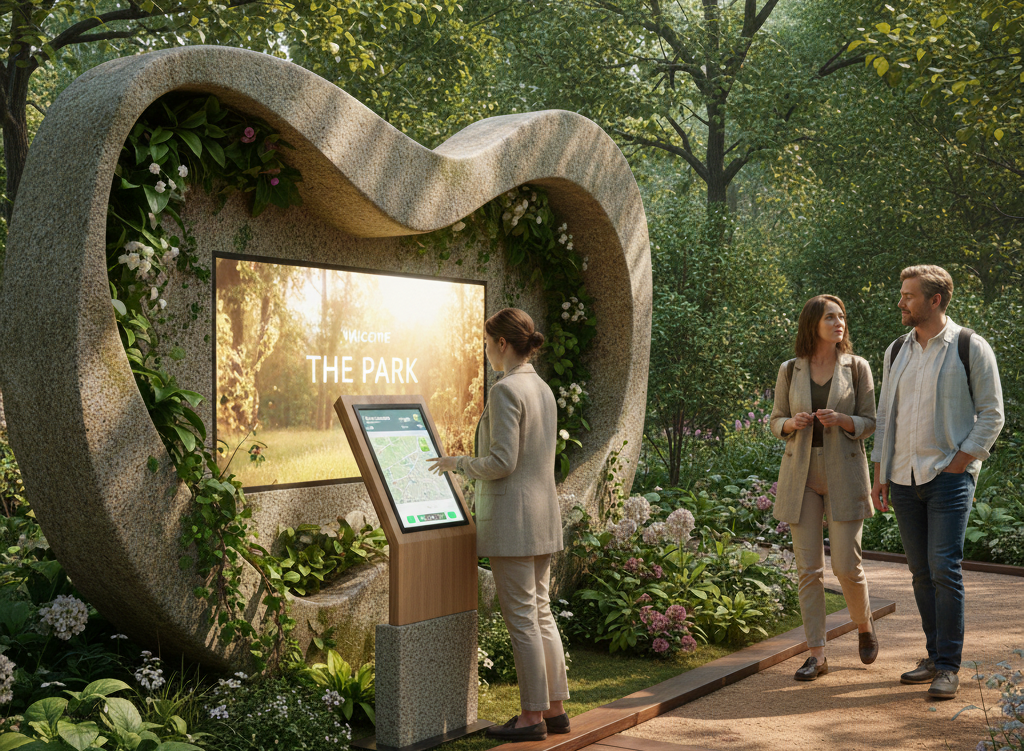
With digital integration, businesses can combine environmental aesthetics with dynamic content, such as seasonal visuals, gratitude messages, or welcoming video displays. This concept allows signage to evolve while remaining rooted in design simplicity.
Whether positioned beside roads, building entrances, or garden pathways, nature-inspired digital signage ensures visibility while respecting its surroundings, perfect for your own signage project aiming to balance creativity and impact.
11. Playful Window Signage
Playful window signage uses digital overlays, vibrant colours, and animated elements to create an attractive storefront experience that instantly grabs attention. These creative sign ideas transform plain glass into a storytelling space, allowing signage design to communicate your brand before anyone steps inside. Such creative signage works like a silent salesperson, designed to enhance visibility and create curiosity.
Think of how your storefront identity can be communicated through interactive glass graphics, video displays, creative fonts, and bright shapes that match your business message. Whether you’re showcasing seasonal themes, promotions, or new launches, these signs help convey purpose and boost engagement from the audience walking by the road, on the floor, or even while standing outside.
Focusing on simplicity with a simple logo and clear visuals allows customers to understand what you offer instantly. Playful signage works best when designed to connect with your community, align with your brand’s identity, and create a seamless flow from the storefront to the interior space.
Businesses often treat their window areas like digital pinterest-style inspiration boards, using bold contrasts, vibrant shapes, and stylish overlays to attract people. Even a small digital display or transparent projection can turn a boring window into a strategic communication tool.
12. Directional Library Signage
It demonstrates how wayfinding digital signage can remain functional yet creative. Instead of using basic arrows or plain indicators, businesses can integrate themed visuals, floor graphics, digital wall screens, and even animated path lighting to communicate direction in a modern, engaging way. With a focus on simplicity, the right placement, fonts, and colours turn guidance into part of the design aesthetic.
Creative signage within large spaces ensures that customers, clients, or visitors do not feel lost. These signs, even when small, deliver clarity while contributing to the overall signage project. Incorporating subtle branding elements, such as shapes, letters, or colours derived from the company logo, reinforces brand identity.
Large spaces like offices, campuses, or corporate buildings benefit from digital floor signage, interactive maps, and wall-mounted directories. These additions help guide traffic inside without overwhelming people. Rather than just pointing the way, these digital solutions influence movement while staying consistent with your organisational message.
13. Themed Parking Signs
Themed parking signage proves that even the smallest signs can contribute significantly to creative signage and brand visibility. By incorporating a small image, symbol, or icon aligned with your company’s identity, businesses can enhance wayfinding while keeping visuals simple and stylish. These compact creative sign solutions often appear at the road entrance or near vehicle slots, turning practical direction into part of the brand experience.
Thoughtful attention to colours, fonts, and shapes helps create relevant signage that communicates clearly and complements existing design elements within the property. Adding small visual cues makes parking instructions more visible and easier to understand for your audience. Even something as straightforward as a nautical-themed palette or symbol can connect better with visitors, making the signage more meaningful.
Whether placed along stairs, floor pathways, or walls, thematic parking signs help customers enter, move, and park confidently. Strong contrast, minimal wording, and vibrant but simple logo elements ensure quick comprehension without overwhelming the viewer. As part of a wider signage project, these additions contribute to the overall experience, influencing how customers feel from the moment they arrive onsite. Ultimately, the right creative touch helps every sign, no matter how small, support your wider brand message.
14. Architectural Building Sign
It blends digital design with structural integrity, creating displays that naturally become part of the building itself. Inspired by creative restaurant signs that are painted directly onto the exterior, digital signage design can similarly align with the building’s material, texture, and aesthetic to create a seamless brand presence. Rather than standing out awkwardly, these creative signage choices work alongside the architecture to reinforce identity.
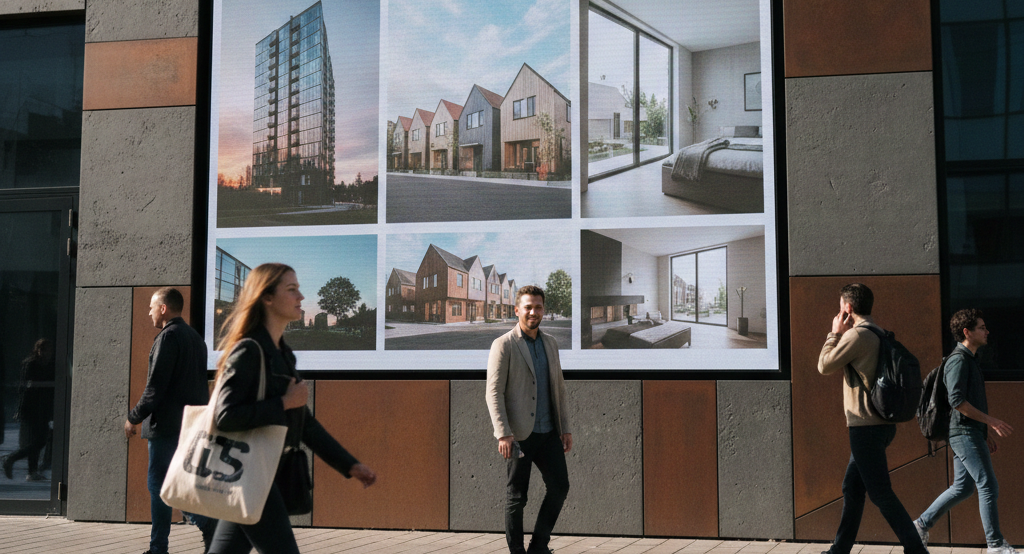
These signs are not meant to replace digital storefront displays, which can remain bright, visible, and active even at night, but to complement them. Just as featured in some of the 37 creative signs, architectural signage contributes to how your brand is perceived from a distance, making subtle use of shapes, contrast, and placement to deliver meaning. The result is signage that resonates with the surroundings and enhances cultural or thematic relevance.
When part of your signage project, these displays establish authority and creativity while remaining functional. Integrating visuals into structures, whether through fonts, natural colours, or minimalist symbol usage, helps create standout designs without overwhelming the viewer. For businesses looking to inspire their clients, customers, or community, architectural signage not only improves visibility but also adds personality to the building’s space, ensuring your message is conveyed long after visitors walk past.
15. Contemporary Bathroom Signs
Often overlooked, restroom markers can be part of a creative signage project, using minimalist typography, modern icons, and clean lines to demonstrate attention to detail. These subtle yet attractive signage solutions reflect the brand’s commitment to design integrity, enhancing user experience even in functional spaces.
Bathroom, door, and exit signs may be small, but when thoughtfully designed, they communicate professionalism and consistency. Organisations can incorporate subtle colours, distinctive iconography, and high-contrast fonts to improve visibility and aesthetics. Their placement, whether on walls or adjacent to high-traffic areas, can convey brand tone without requiring bold visuals.
When planning your own signage project, it’s vital to consider every element that your audience interacts with. These design touches often go unnoticed consciously but contribute to subconscious impressions of excellence, order, and brand cohesion. Whether in offices, retail space, or hospitality settings, contemporary bathroom signs enhance the life and flow of interiors, blending simplicity with purposeful elegance.
16. Adidas-themed Pathway Signage Design
The Adidas-themed pathway showcases innovative branding by transforming floor signage into directional guidance. By utilising elements from the simple logo, such as stripes, brands can create interactive pathways that direct customers naturally toward the entrance. This practical yet creative signage concept can influence consumer movement while reinforcing identity.
Businesses exploring their own signage project can incorporate logo patterns, colours, or geometric shapes to create meaningful navigation tools. This design technique works effectively in storefronts, sports environments, and events, offering both direction and brand engagement.
Such signage delivers more than movement instructions, it creates connection. Whether on floors, walls, or digital displays, branded environmental signage helps communicate core values while enhancing the visitor’s journey from start to finish. With the right design strategy, even directional graphics become an extension of marketing, inviting users to explore, experience fun, and feel aligned with your message.


17. Minimal Logo Lettering Signage
By using smart typography adjustments, like modifying a letter to reflect the core of the business, brands can communicate identity with simplicity. This approach proves that subtle tweaks have powerful outcome, creating standout creative signs through minimalism.
Instead of relying on bright colours or large imagery, this design method focuses on fonts, proportions, and clever letterform utilisation. These clean aesthetics often appear in premium locations where understated style conveys confidence. When designing your own signage project, consider how your logo lettering can reflect industry relevance or core service offerings.
Whether placed on a storefront wall, reception area, or meeting space, the right typography can help boost recognition and convey purpose instantly. This method aligns perfectly with contemporary trends prioritising clean visuals, user clarity, and lasting impression.
18. Sophisticated Awning Sign
Sophisticated awning signage blends style with practicality, offering shade, branding, and street visibility in one seamless application. Often used by cafés, boutiques, and lifestyle brands, these designs rely on simple colours, balanced layouts, and thoughtful typography to enhance storefront presence without overwhelming. Unlike loud, highly saturated signs, awning signage uses visual restraint to attract thoughtfully.
The clean structure, serif font choices, and minimal contrast reflect brand values such as sustainability, elegance, and trust.Similar to what’s seen in some creative signs, the effective use of neutral tone and crisp lettering allows the message to stand out through quiet confidence. Positioned above entrances or windows, such signage helps customers understand business type instantly.
When designing your own signage, consider how shape, sizing, and material can align with your brand’s emotion and purpose. Whether you choose digital awning displays or printed overlays, ensuring your design remains relevant, inviting, and aligned with your space is key. This type of signage not only supports aesthetic appeal but also elevates customer perception from the moment they enter.
19. Tiered Storefront Signage
Tiered storefront signage leverages layered textures, materials, and structural depth to create a dynamic and creative sign presentation. This rustic and trendy approach helps the design seamlessly merge with its surroundings, similar to popular Pinterest-inspired signage ideas.
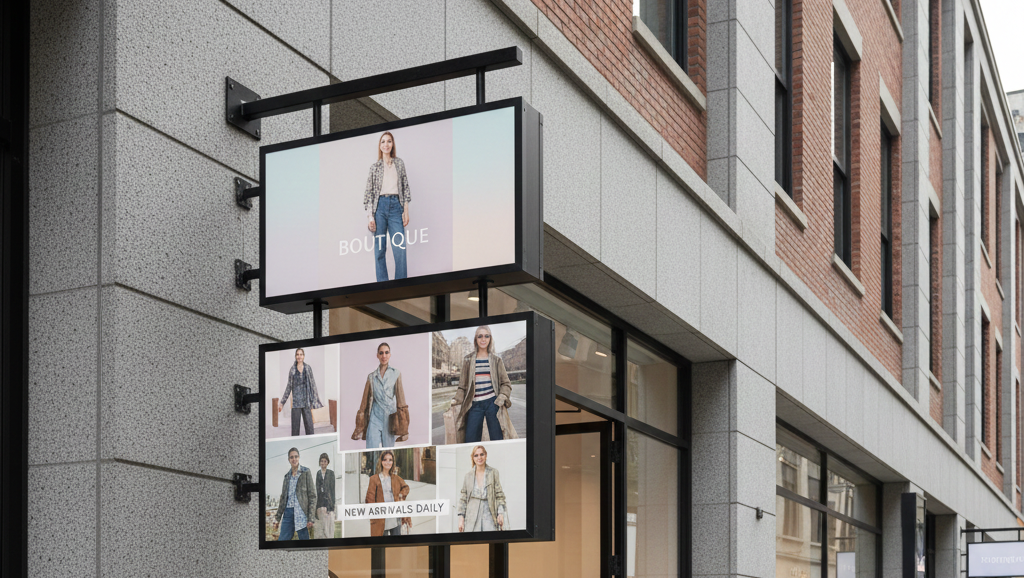
By using multi-level arrangements, businesses can communicate sophistication, tradition, or atmosphere before customers even walk inside. Layered signage allows you to convey brand identity through mixed elements such as wood textures, elegant fonts, and natural colours. When used strategically, these effects boost visual impact, influencing expectations and connection.
According to a recent study by Deloitte, businesses that strategically integrate design-led storefront signage into their customer experience report up to a 20% increase in perceived brand value. This highlights how visually thoughtful signage can influence customer decisions even before interaction.
20. Vintage Motel Sign Design
Vintage motel signage celebrates the charm of retro neon aesthetics and nostalgic colour palettes, proving that creative signs come in all styles, not just modern. By leaning into historical inspiration, these designs incorporate bold typography, vibrant lighting, and stylised icons to communicate identity with personality and flair.
The thunderbird effect through the lettering is a perfect nod to creativity, showing how motion can be captured visually. Such signage draws from authentic cultural influences where fun, character, and contrast make signs highly attractive and memorable. Even within a digital signage environment, applying vintage animation styles or neon-inspired transitions can help replicate that impact today.
Perfect for hospitality, themed entertainment, or experiential businesses, vintage signage reconnects with life and ideas from the past, inspiring emotional recall This design type proves that innovation often lies in understanding tradition. Whether your own signage project leans modern or nostalgic, taking time to explore earlier design eras can help enhance creativity, influence perception, and ensure your signage stands out in a crowded visual space.
21. Imaginative Floor Graphic Signage
It use 3D visual depth and attention-grabbing layouts to transform walkways into interactive brand experiences and this execution brings life to flooring in retail, healthcare, and event environments by guiding movement while enhancing engagement. Such installations serve as a creative sign, combining functionality with bold graphics to capture customer attention.
These floor concepts take digital signage ideas even further, allowing content to evolve dynamically through projection, LED overlays, or AR integration. Much like interior signage guiding visitors, a 3D floor graphic creates instant spatial orientation, ensuring no one has to guess where they are upon entry.
The right design strategy uses layered visuals and dimensional effects that align brand identity with spatial navigation, helping businesses stand out and deliver memorable, life-driven signage ideas.
22. Whimsical Farm Sign
This signage leverages playful typography, rural motifs, and illustrative overlays to create a warm, approachable experience. Introducing elements like illustrated animals or vintage textures can bring life and humor to on-site branding, making it a creative sign that stands out.
Digital signage signs can replicate this approach through motion graphics, soft animations, and thematic templates, allowing businesses to maintain continuity across display formats. This flexible system enables the design to speak directly to the audience using charming visuals.
Incorporating nature-inspired design ideas aligns with brands that want to evoke friendliness, authenticity, or nostalgia, making it ideal for farm markets, cafes, children-focused venues, or lifestyle retailers that value experience-led branding.
23. Distinctive Donor Recognition Wall Design
A distinctive donor recognition wall goes beyond traditional naming formats by transforming gratitude into immersive visual storytelling. Through custom wall installations featuring raised plaques, color accents, and structured layering, the display becomes a creative sign that celebrates life and shared purpose.
Digital signage adds dynamic content opportunities, including scrolling donor messages, videos, and campaign milestones. Bold 3D lettering reinforces the campaign theme, while a strategic layout ensures clarity and cohesion.
This type of signage creates emotional resonance, acting as both tribute and inspiration. It shifts from simply listing names to showcasing impact, fostering connection and motivating future contributions—proving that thoughtful design and innovation can elevate message and meaning, driving powerful signage ideas rooted in community.
24. Professional Office Signage
This introduces refined branding by pairing clean layouts with balanced color contrast and dimensional text. Mounted on accent wall finishes, this approach generates a polished visual presence the moment someone enters, bringing the space to life through a creative sign concept.
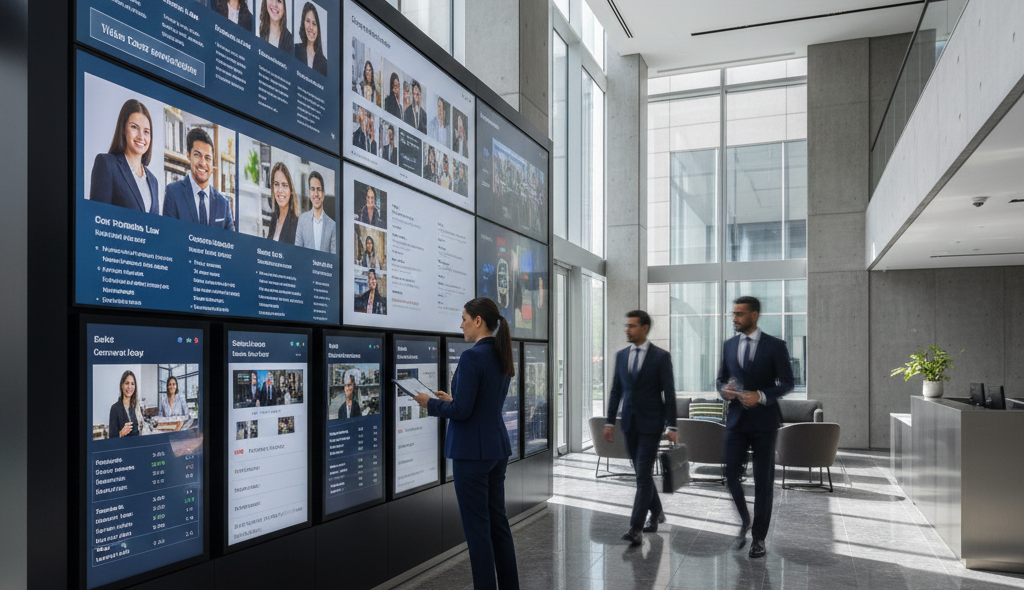
Digital signage in offices enhances this further by allowing real-time updates, service highlights, or digital welcome screens for clients. The combination of 3D lettering, measured spacing, and brand-consistent fonts reinforces trust and professionalism.
These signage ideas are ideal for healthcare, finance, legal, and wellness-based environments where credibility and clarity must coexist. Whether static or digital, well-executed interior signage communicates identity effectively and builds confidence from the first interaction.
25. Uniquely Lit Design
Lighting innovation, such as backlit acrylic, LED halo glow, or embedded illumination, adds depth and modernity to signage execution. This technique brings signage to life, reinforcing brand visibility day and night while turning the structure into a creative sign experience.
Rather than using lights solely for function, this approach explores artistic lighting positioning, shadow effects, and expressive edge glows, pushing visual boundaries. Digital signage displays can replicate this effect using gradient animations or subtle light-responsive backgrounds to create motion-enhanced design.
These illuminated signage ideas help businesses stand out, particularly in hospitality, retail, and entertainment sectors where nighttime appeal and bold visibility influence customer engagement.
26. Elegant Museum Signage
It favors timeless materials, antique-inspired styling, and crafted typography that reflect historical depth and cultural relevance. This type of sign often becomes a photography point, bringing life to the showcases and serving as a creative sign in itself.
Digital signage can complement museum displays by rotating archive visuals, showcasing interactive history timelines, or enhancing visitor learning with augmented content. The unique aesthetic makes each installation memorable, encouraging guests to spend more time exploring.
By using curated design ideas grounded in audience expectations, signage enhances storytelling, elevates environment quality, and contributes to lasting visitor impressions.
27. Modern Cube Sign
It is designed to increase multi-angle visibility, ideal for corner spaces or high-traffic urban storefronts. Its bold geometric shape delivers brand clarity from various perspectives, bringing life to complex navigation areas while functioning as a creative sign.
When integrated with digital signage, cube displays can showcase different content on each side, allowing for segmented messaging based on viewer direction. The structure supports LED panels or projection mapping, enhancing presence and adaptability.
These signage ideas are highly effective for businesses in commercial districts where spatial design must perform efficiently without sacrificing aesthetic character.
28. Full-wall Artistic Mural Design
Full-wall murals transform interior and exterior spaces into narrative-driven installations. Whether for learning atmospheres, wellness areas, or lifestyle businesses, murals bring life to blank walls through expressive storytelling, acting as a large-scale creative sign solution.
Incorporating digital signage enables hybrid displays, where physical art merges with dynamic screen content, adding layers of interactivity and personalization. For children’s environments, vivid colors and characters boost imagination, while for corporate spaces, abstract visuals help set tone and atmosphere.
These design ideas provide long-term value by reinforcing brand identity, promoting emotional connection, and enhancing environmental appeal.
29. Wooden Pallet Signage
It offers a budget-friendly, environmentally conscious alternative using reclaimed materials and handcrafted finishes. The rustic design introduces charm and authenticity, bringing life to spaces with a handmade creative sign concept.
Pairing pallet signage with digital overlays or projection-based enhancements gives businesses flexibility while preserving sustainability messaging. This method focuses on communicating essential details clearly while maintaining character-driven brand tone.
These eco-forward signage ideas are ideal for cafes, local shops, farm-to-table businesses, and hospitality spaces prioritizing organic aesthetics and responsible design.
30. Hotel Directory Board Signage
An elegantly designed hotel directory board enhances wayfinding with sophisticated layouts and visually engaging structure. Staggered material arrangements introduce texture and depth, turning the display into a creative sign that adds life to hospitality spaces while promoting navigation ease.
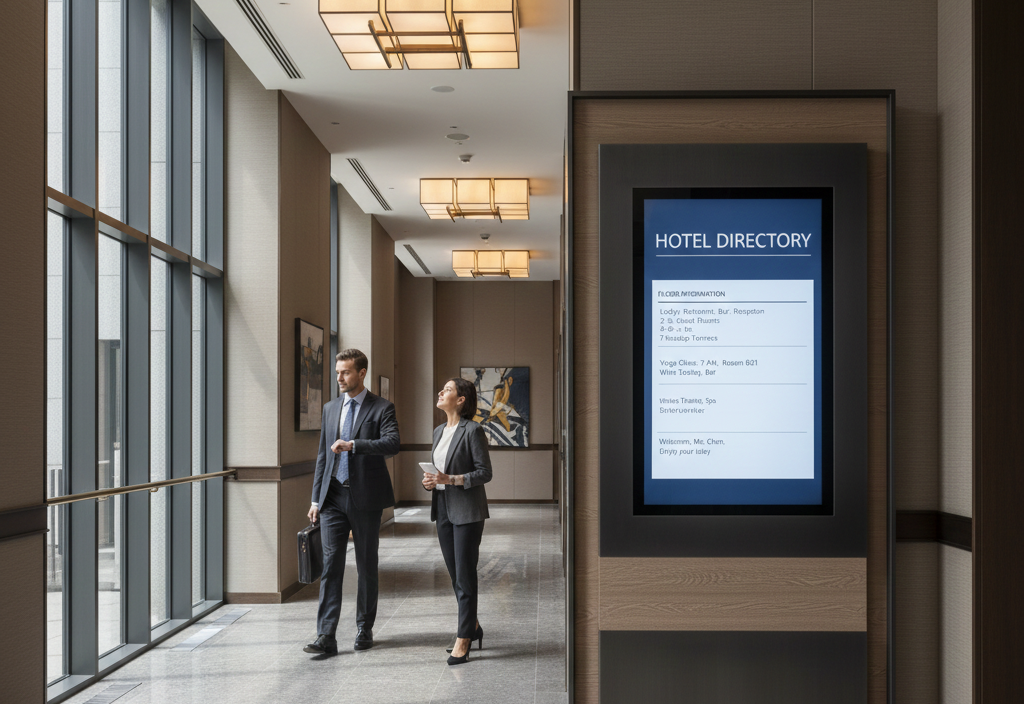
When paired with digital signage, these boards can rotate floor information, event schedules, and guest messages, improving real-time assistance. By adopting layered design principles similar to Pinterest-inspired trends, the signage gains aesthetic relevance and functional strength.
According to modern design-led research, integrating thoughtful signage design into guest experience can significantly increase satisfaction and brand perception, making these signage ideas essential for competitive hospitality environments.
31. Symbolic Graphic Design
Abstract symbols and minimal graphical forms are powerful tools to communicate direction and intent without overwhelming the viewer. Instead of treating wayfinding as purely functional, designs like this become a creative sign that enhances environmental storytelling and brings visual life to transitions across physical spaces.
This structured simplicity ensures people know exactly where they are going while also reinforcing brand identity. Digital signage can extend this method through animated iconography, refined color palettes, and spatial-aware content positioning.
By embracing design-led navigation, brands move beyond basic arrows and text, incorporating sleek visual language that reflects personality. With thoughtful execution, these signage ideas elevate wayfinding from necessity to meaningful statement piece.
32. Curved Wraparound Office Sign
The impact of signage is significantly influenced by positional awareness and architectural integration, making curved formats a sophisticated option for modern environments. When placed thoughtfully against walls or uniquely angled backdrops, this becomes a creative sign that subtly enhances interior flow and brings life to corporate or collaborative spaces.
Materials like acrylic or aluminum support seamless curvature, allowing signage to align with structural lines while conveying a progressive aesthetic.
When merged with digital signage panels, content follows the curve naturally, creating uninterrupted visibility. These design ideas help brands make lasting impressions without overpowering the environment.
33. Glass Window Lettering Signage Design
Transparent and frosted glass lettering is an effective approach for storefronts and hospitality setups, using spatial contrast and surface positioning to deliver messaging with elegance.
The coordinated placement of characters draws attention immediately, turning the display into a creative sign that activates brand life upon entry. This technique thrives on disciplined typography and clever layering, making content feel deliberate and modern.
When paired with digital screen overlays or motion-responsive templates, businesses can enhance visual rhythm and expand attention reach. These signage ideas help communicate identity while retaining minimalism, ideal for cafes, retail studios, and boutique locations
34. Decorated Archway Signage
Expanding signage beyond traditional overhead locations allows brands to convert entrances into immersive experiences. When implemented as a full archway supported by lighting accents, the design acts as a creative sign that radiates life and emotion even before customers step inside, similar to the thematic approach seen in luxury storefront examples.
By incorporating digital signage elements such as seasonal animations, weather-responsive visuals, or light-synced transitions, businesses maximize visibility during evening hours.
This layered approach reflects brand personality, transforming routine access points into photograph-worthy moments. These signage ideas prove especially effective in climates where lighting enhances ambience and customer attraction.
35. Full-Size Menu Sign
Restaurant and cafe menus function not only as informational tools but also as integral elements of environmental design. Extending the menu across an entire wall enables strategic storytelling, turning it into a creative sign bursting with life, showcasing content with personality, clarity, and flow.
Digital signage integrations offer dynamic menu adjustments, featured items, or real-time promotions to support operational efficiency.
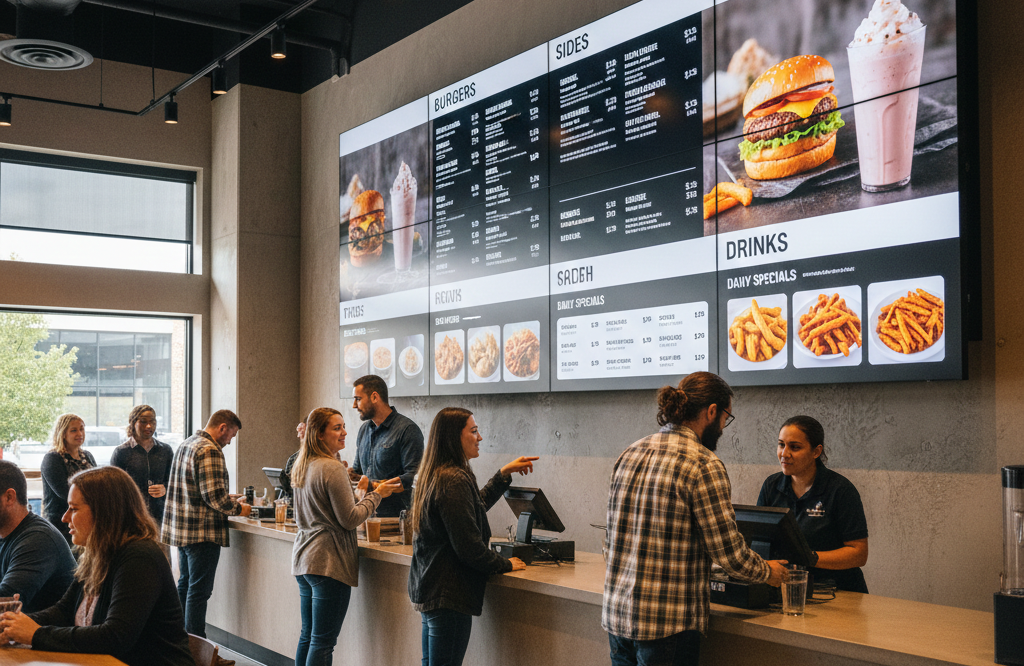
Combining expansive scale, structured layout, and brand-consistent tone makes this an effective communication medium. These signage ideas allow businesses to position culinary identity front and center, enhancing dining atmosphere and customer experience.
36. Playful Floor Design
Interactive floor signage leverages underutilized space to surprise visitors and encourage engagement, proving that impactful design is not confined to eye-level surfaces.
When executed with color transitions that extend into connecting surfaces, the feature becomes a creative sign that brings navigation and interior energy to life. In digital signage deployments, floor-projected animations or responsive directional cues can evolve based on foot movement or time-based content updates.
This adaptive method is ideal for children’s zones, modern retail, and experiential installations. These signage ideas blend entertainment with functionality, reinforcing flow while keeping interaction at the forefront.
37. “Explore” Sign
Thoughtful placement can turn signage into a moment of quiet discovery, particularly in locations like stairways where messaging is revealed through movement. Positioned intentionally, the concept acts as a creative sign that sparks life through curiosity, prompting users to pause, reflect, or engage more deeply, ideal for educational or innovation-focused environments.
Digital signage enhances this further by rotating thematic prompts, location-based content, or atmospheric transitions over time to sustain inspiration. When executed with layered textures and subtle typography, the installation feels seamlessly integrated rather than intrusive.
These signage ideas encourage exploration and emotional resonance, reinforcing learning and connection without demanding attention.
How Does Signage Design Extend to Buildings?
Creative signage design reaches its full potential when it scales up to the exterior of a workplace or campus, where facades, lobbies, and entrances become part of the brand story. If you want to see how these smaller concepts translate to larger canvases, these building signage ideas show how brands carry the same creative energy across a full property while keeping every sign purposeful and on message.
Building signage can also improve wayfinding, strengthen brand recognition, and create a more consistent experience from the outside of a property to its interior spaces. Coordinating materials, colors, typography, and digital displays helps every element feel connected while making the location easier for visitors to navigate.
Why Choose AIScreen for Signage Design?
Designers are turning to digital signage for visual storytelling because it allows them to go beyond static prints and traditional displays, offering animation, interactivity, and dynamic content that captivates audiences in real time.
With AIScreen.io, designers can leverage multi-zone layouts, drag-and-drop AIScreen.io Aura editor, and real-time content updates to create compelling narratives across screens in lobbies, retail spaces, events, and public installations.
This flexibility also reduces environmental impact by replacing printed materials, while integrations with live data sources, social media feeds, and dashboards enable content to evolve dynamically, making every display a living story rather than a static piece of communication.
Digital Signage Is Redefining Creative Expression
Let’s be honest, we all love seeing visuals and stories come alive on a big screen and digital signage is redefining creative expression by giving designers limitless room to experiment, iterate, and deliver visuals with impact.
Platforms like AIScreen.io offer real-time content updates, responsive layouts, drag-and-drop editing, and 1500+ pre designed templates, helping creatives develop immersive experiences without starting from scratch. Designers can weave social media integrations, animated elements, and mixed-media visuals into their storytelling, turning a single display into a dynamic, living canvas.
Plus, AIScreen offers a 14-day free trial with no credit card required, giving designers the perfect chance to explore these tools risk-free and instantly elevate their creative workflow. With so much flexibility and power at their fingertips, it’s no wonder digital signage is becoming a favorite medium for modern creators.
Frequently Asked Questions
What is creative signage design, and why does it matter for businesses?
Creative signage design is the use of visually compelling, strategically crafted displays that communicate a brand’s message effectively. It matters for businesses because it captures attention, reinforces brand identity, and influences customer perception, making marketing efforts more memorable and impactful.
What are the latest trends in creative signage design?
The latest trends in creative signage design focus on dynamic digital displays, interactive screens, motion graphics, and multi-zone layouts. Businesses are increasingly adopting these technologies to deliver immersive experiences, integrate live data, and create personalized content that resonates with audiences.
How can creative signage help improve brand visibility and recognition?
Creative signage improves brand visibility and recognition by presenting consistent, visually striking messaging across locations and touchpoints. By combining digital displays, animated content, and interactive features, businesses can ensure their brand stands out, sticks in memory, and engages customers more effectively.
Why is creative signage important for attracting customers?
Creative signage is important for attracting customers because it draws attention, communicates value instantly, and enhances the overall experience in-store or on-premise. Well-designed visuals, timely updates, and interactive elements encourage engagement and can influence purchasing decisions at the point of attention.
Can digital and interactive signage be part of a creative design strategy?
Yes, digital and interactive signage can absolutely be part of a creative design strategy. These tools allow businesses to display dynamic content, integrate social media feeds, run targeted promotions, and create immersive experiences that traditional static signage cannot achieve, increasing both engagement and ROI.
