
Top 17 Outdoor Signage Ideas for Your Business
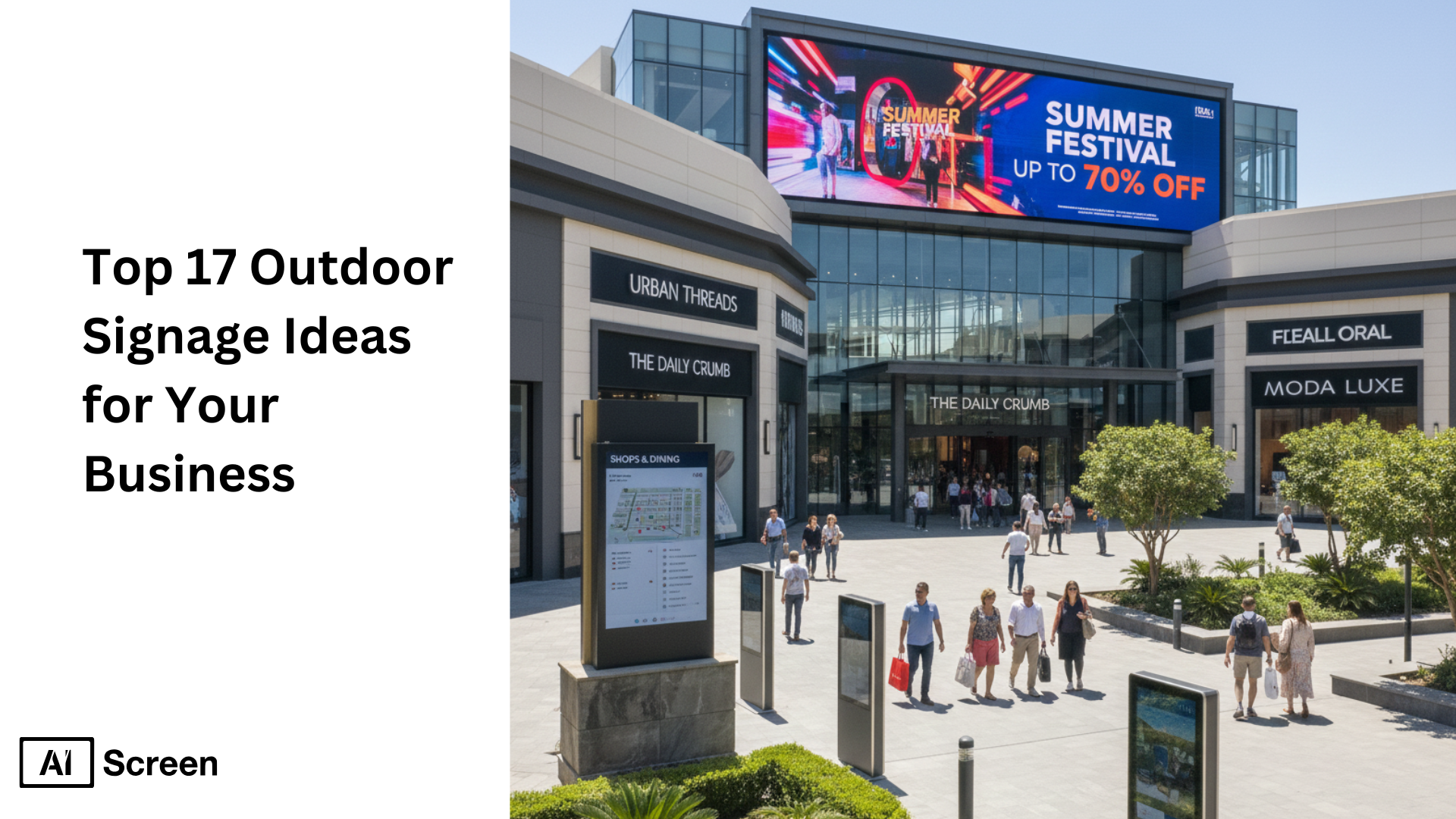
What if one glowing neon sign could pull in 63% more walk-ins than your door alone? Outdoor signage reigns as the ultimate powerhouse for local visibility, storefront appeal, and foot-traffic explosion, whereas classic yard signs draw home buyers like magnets, revealing a $32.1B market surging to $69.8B by 2035 at 8% CAGR.
In this article, let’s unlock the top 17 outdoor signage ideas for your business, from pylon signs to digital displays that do weatherproof wonders with stats to draw attention, skyrocket sales, and make your outdoor business unforgettable in high-traffic areas.
10 Classic Outdoor Business Signs Ideas
Timeless outdoor business signs like A-frames boost inquiries by up to 48% for small businesses, as per Vistaprint research. These proven, affordable options use weather-resistant corrugated plastic, acrylic letters, or channel letters to enhance brand recognition and draw customers in high-traffic areas.
Perfect for outdoor use, they blend high visibility with your company logo and brand colors to attract new customers reliably. Let’s understand them in detail:
1. Traditional A-Frame Signage
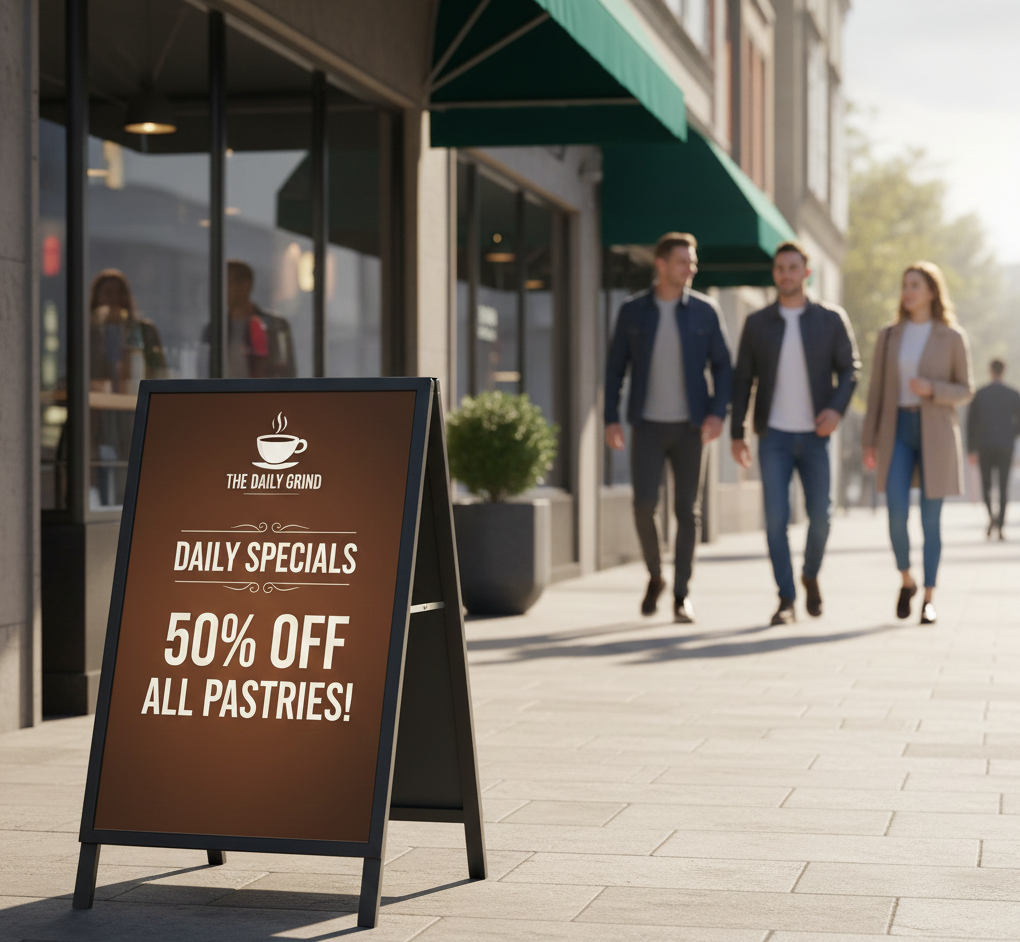
Have you seen a cheeky A-frame on a busy sidewalk screaming “daily specials” and felt your feet turn toward the door? These classic “sandwich signs” or “A-frame signs” are sidewalk superstars, boosting foot traffic up to 8-43% by capturing pedestrian eyes with quick-swap messaging. Perfect “outdoor business sign ideas” for small businesses in high traffic areas.
Why do they draw attention so well in the signage biz? Here’s the breakdown on these cost-effective, weather-resistant portable signs:
- Double-Sided Design: Seen from both directions, flash company logo, operating hours, or safety info in contrasting colors to captivate potential customers walking by.
- Changeable Messaging: Chalkboard or corrugated plastic panels for daily specials, announcements, or directional signage, with swapping in seconds for temporary events without hassle.
- High Visibility Features: Eye-level height with bold fonts and brand colors to make your signage highly visible under street lighting, tough plastic frame stands up to weather conditions.
- Affordable & Portable: Lightweight for easy sidewalk setup or storage for makes it an affordable solution under $100, ideal for cafes or retail to draw people and boost new customers.
2. Window Graphics and Decals
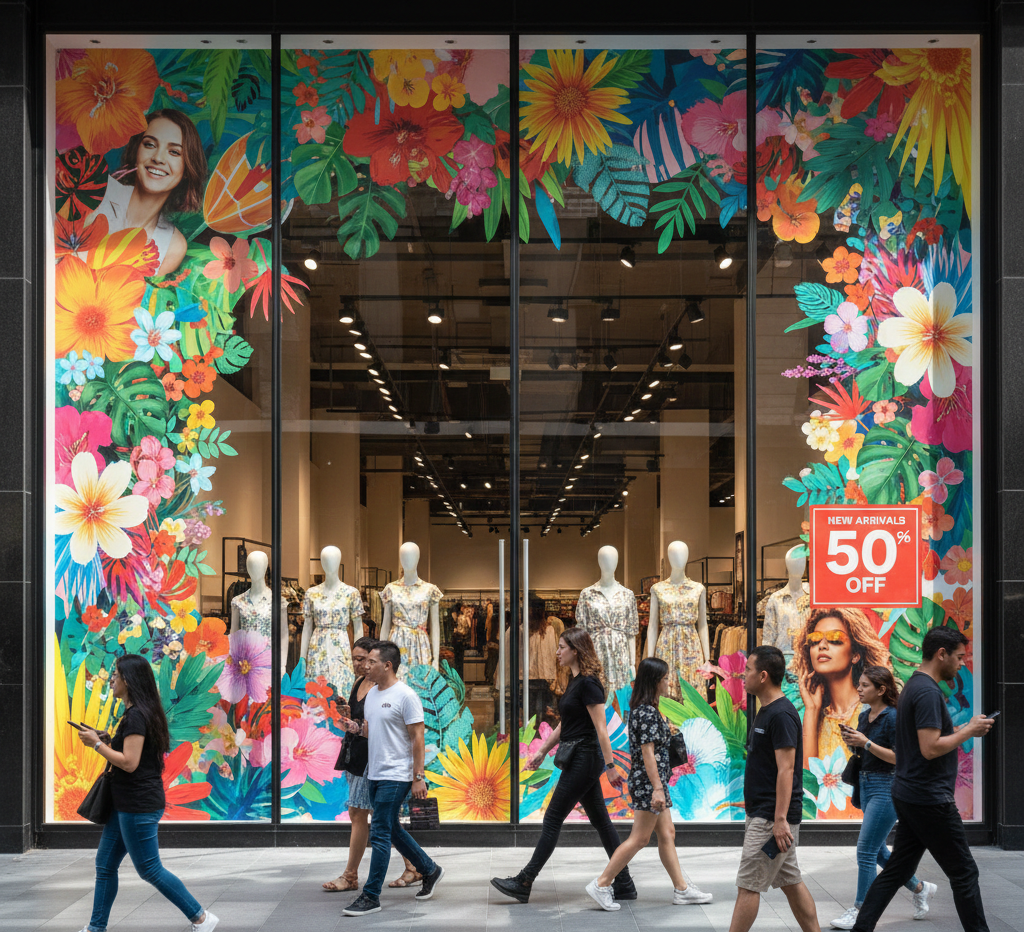
Ever glanced at a storefront window flashing 50% OFF and dashed inside? Window decals turn glass into outdoor advertising gold, boosting brand visibility 80% while promoting sales, privacy, and seasonal vibes with customizable vinyl.
Why are they outdoor signage MVPs:
- Perforated Vinyl: Opaque outside for company logo/operating hours, see-through inside, with high visibility privacy without blocking light.
- Vinyl Lettering: Cut acrylic letters in brand colors with bold contrasting colors for promotions or safety info, peel-off for temporary events.
- Full Wraps: Weather-resistant coverage for maximum visibility that draws attention from high traffic areas; it is cost-effective for small businesses.
Discover 7 compelling retail signage ideas for your store that enhance visual appeal, guide customers, and drive more in-store engagement.
3. Hanging Blade-style Signs
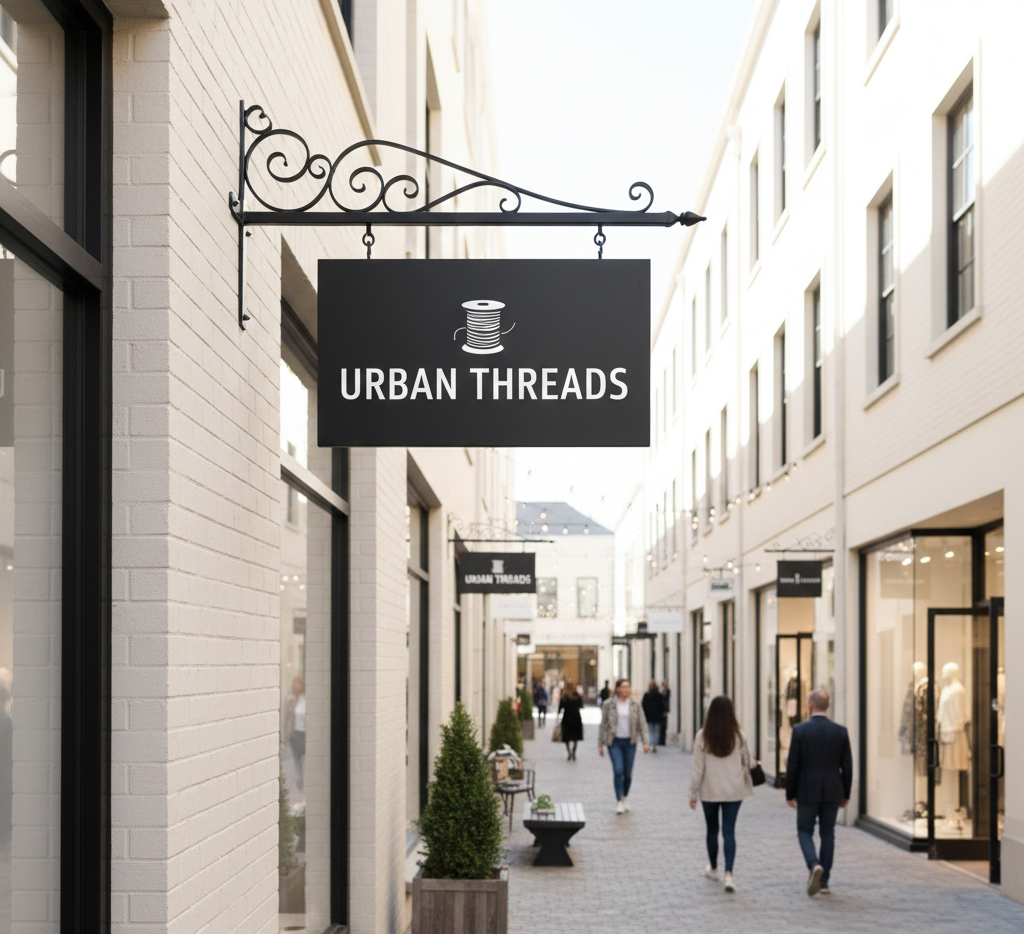
Caught a swinging blade sign peeking over a crowded street that made you stop and stare? These perpendicular gems boost visibility 35% for pedestrians and street traffic in narrow retail spots, unlike flat signs.
Why they are outdoor signage champs:
- Perpendicular Projection: They are hung outward, double-sided company logo visible from both directions, and are highly visible in high traffic areas.
- Custom Shapes & Lighting: Free-form styling options with backlit acrylic letters. They glow under street lighting, weather-resistant for outdoor use.
- Pedestrian Pull: Eye-level in corridors draws attention with brand colors, perfect for cafes/small businesses.
4. Monument-style Signage
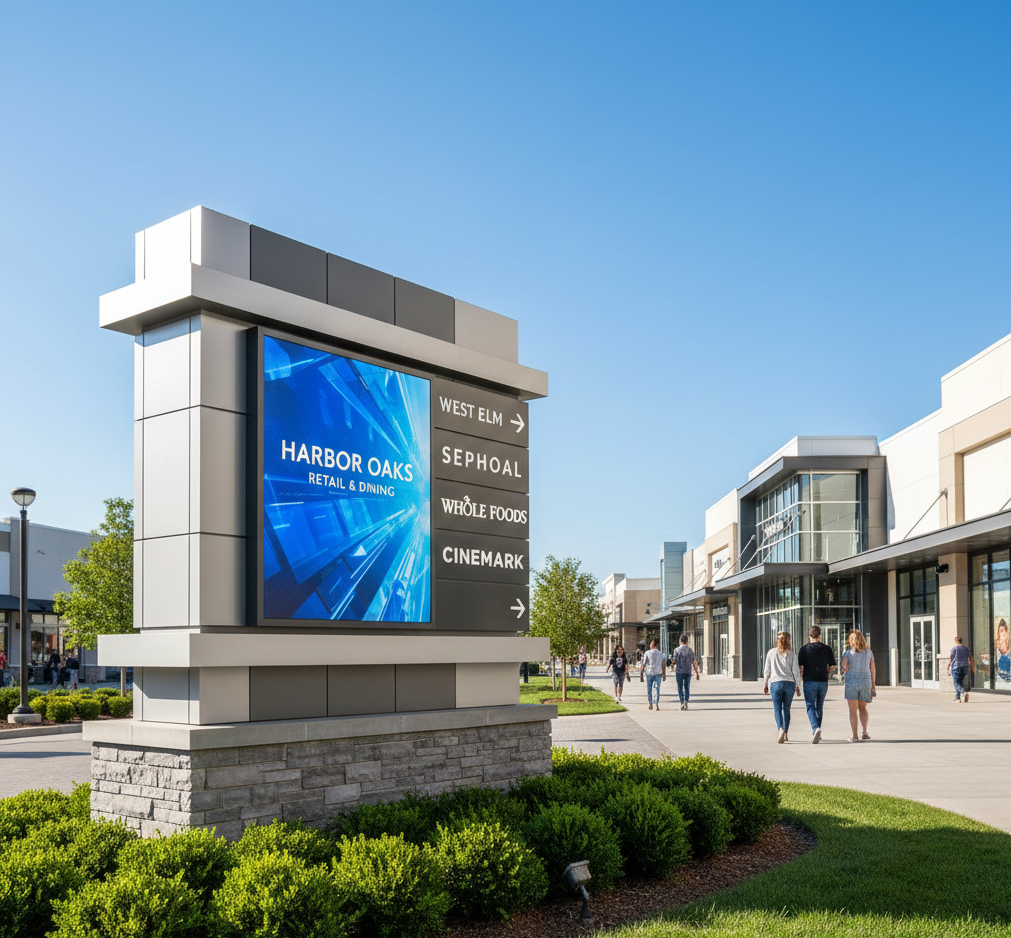
Ever driven past a classy campus entry with a sturdy monument sign anchoring the scene? These ground-level slabs boost prestige 25%, perfect for commercial buildings in high traffic areas.
Why they are a signage royalty:
- Freestanding Grandeur: Stone/metal with a backing panel, holds a weather-resistant feature, and company logo in acrylic letters for maximum visibility.
- Elegant Durability: Low-profile for plazas: “highly visible” day/night, reflects “brand’s personality”.
- Long-Term Branding: Custom shapes, contrasting colors that draw new customers steadily.
5. Outdoor Flags
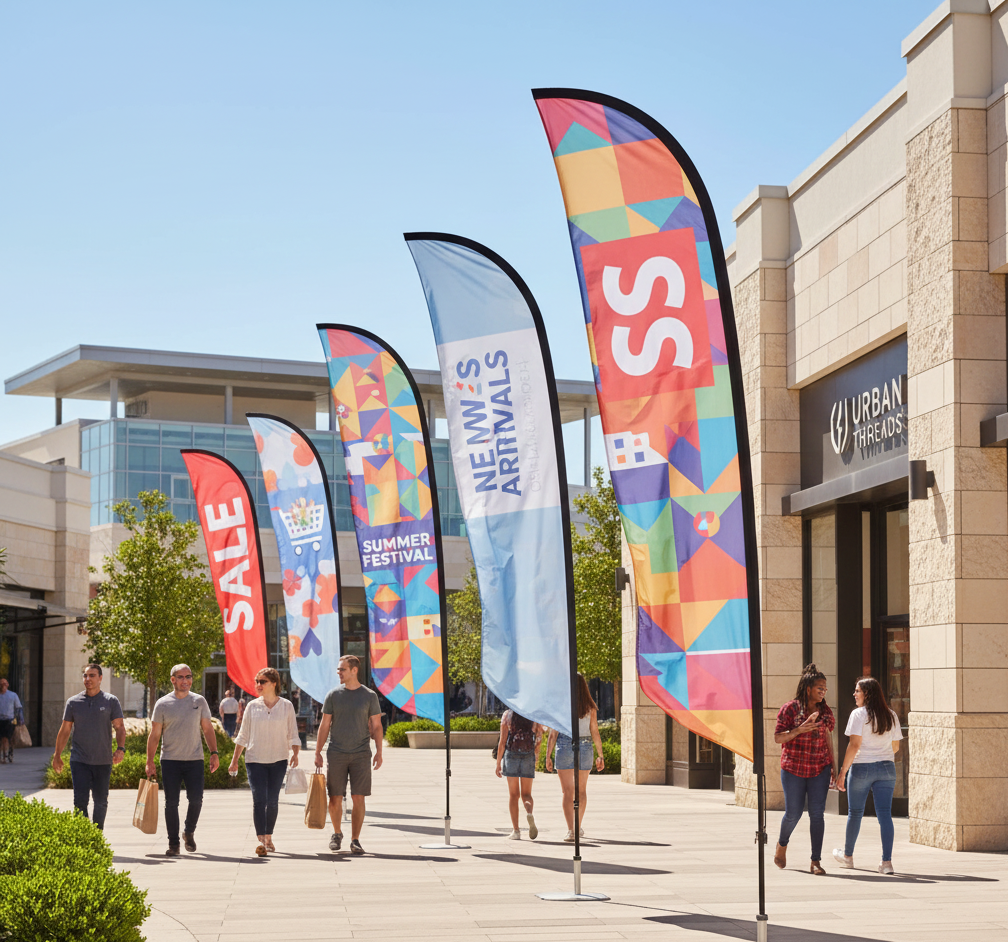
What flutters in the wind, grabbing eyes from afar like outdoor flags? They lift awareness by 30% for small businesses, waving your message dynamically.
Flag magic unpacked:
- Pole-Mounted Teardrops: Double-sided fabric, weather-resistant, highly visible at high speeds.
- Custom Branding: Company name/logos in brand colors, draw attention for events or storefronts.
- Portable Power: Lightweight poles for temporary events, an affordable solution to captivate potential customers.
6. Vinyl Banner Displays
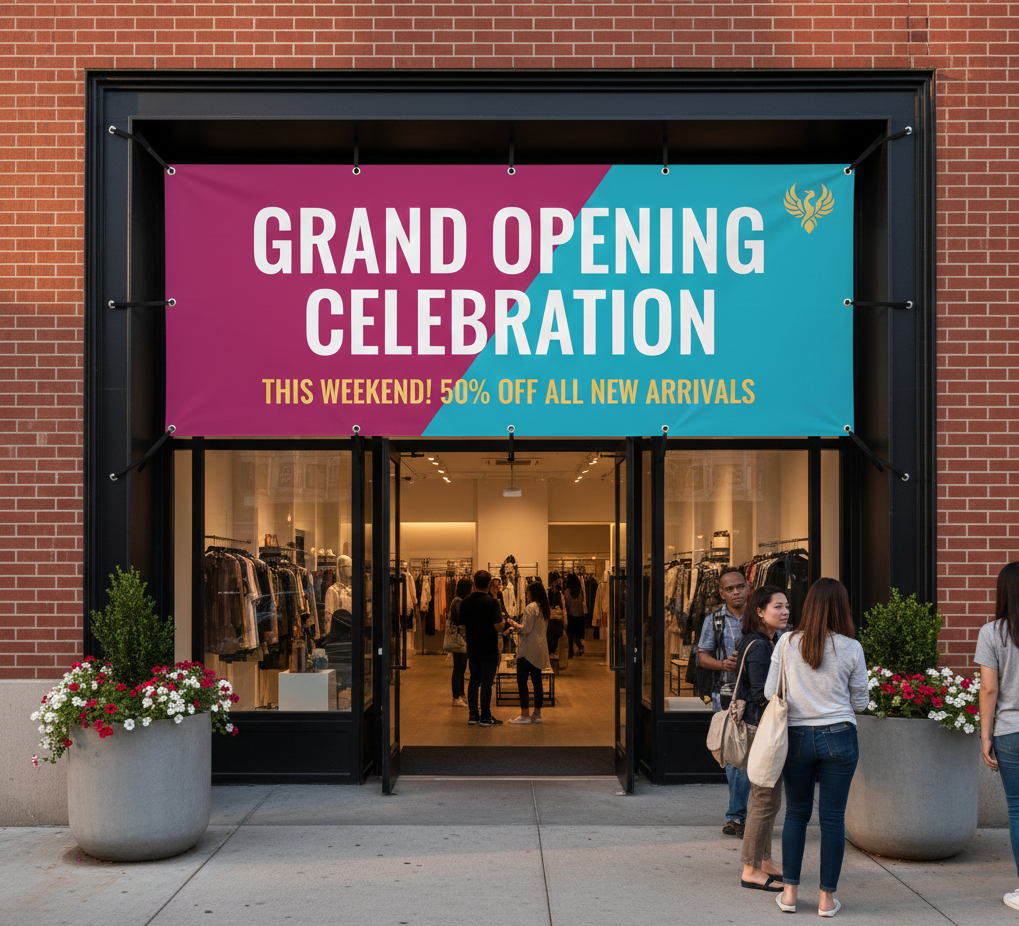
Need massive custom banners that slap for cheap? Vinyl boosts foot traffic 40%, weatherproof PVC king for outdoor advertising.
Vinyl’s winning formula includes:
- Heavy-Duty PVC: UV-resistant, grommets for hanging, and cost-effective in various sizes.
- Vibrant Full-Color: Bold graphics for promotions, high visibility from high traffic areas.
- Versatile Setup: Pole pockets or ropes, perfect for grand openings or outdoor events.
7. LED Message Displays
Scrolling marquee signs hypnotize drivers; so, why settle for static? LEDs spike engagement 400%, and dynamic digital displays are created for real-time promos. AIScreen’s digital signage software powers these with remote scheduling, live feeds, and multi-screen control. It updates nationwide displays instantly for peak outdoor advertising impact.
LED brilliance:
- Programmable Scrollers: Change operating hours/sales instantly, which captures attention under street lighting.
- Energy-Efficient Glow: Weather-resistant cabinets, highly visible day/night for small businesses.
- Traffic-Stopping Text: Animated messages in contrasting colors draw people from high speeds.
8. Neon Lighting Signs
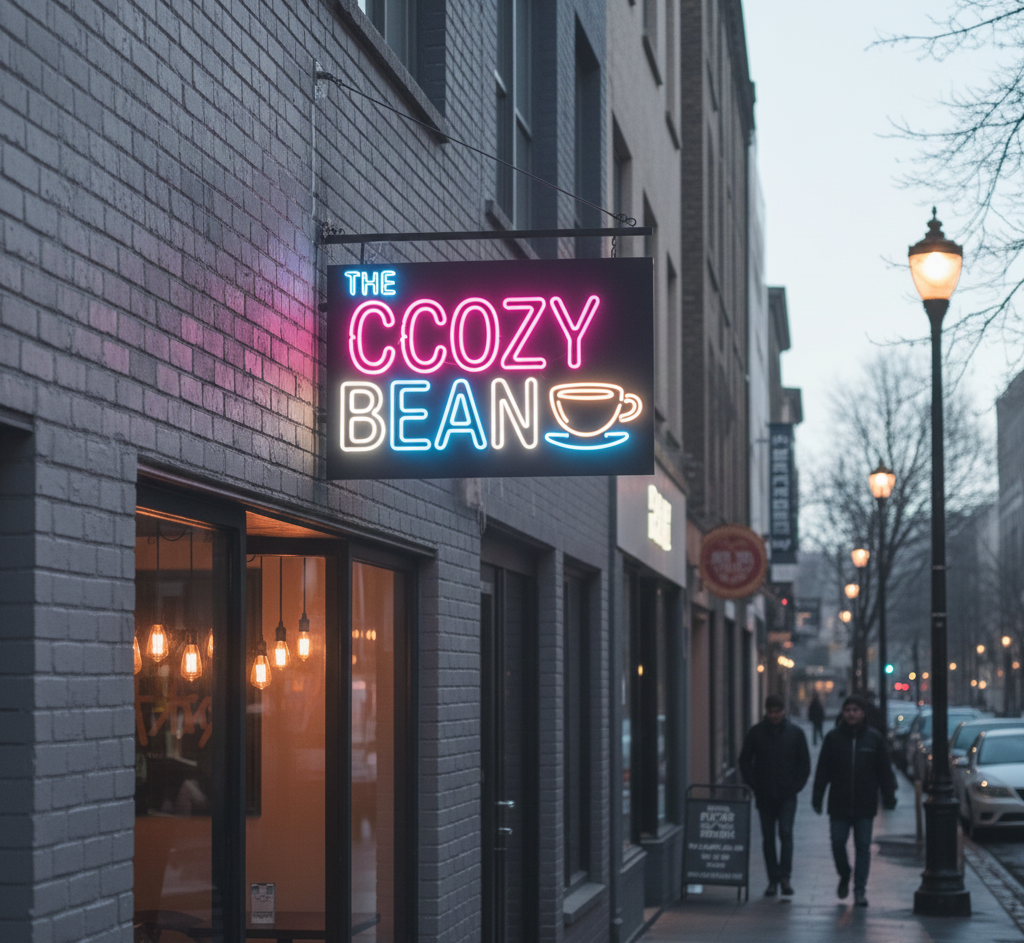
Nightfall hits, and neon signs explode, boosting evening traffic by up to 50%? Glowing tubes scream modern aesthetic for retail.
Neon night magic:
- LED Neon Flex: Custom shapes, brand colors, weather-resistant for outdoor use.
- Eye-Popping Glow: Perfect lighting draws attention, Instagram bait for potential customers.
- Durable Brilliance: Channel letters vibe, energy-saving that enhances visibility after dark.
9. Post-and-Panel or Yard Signs
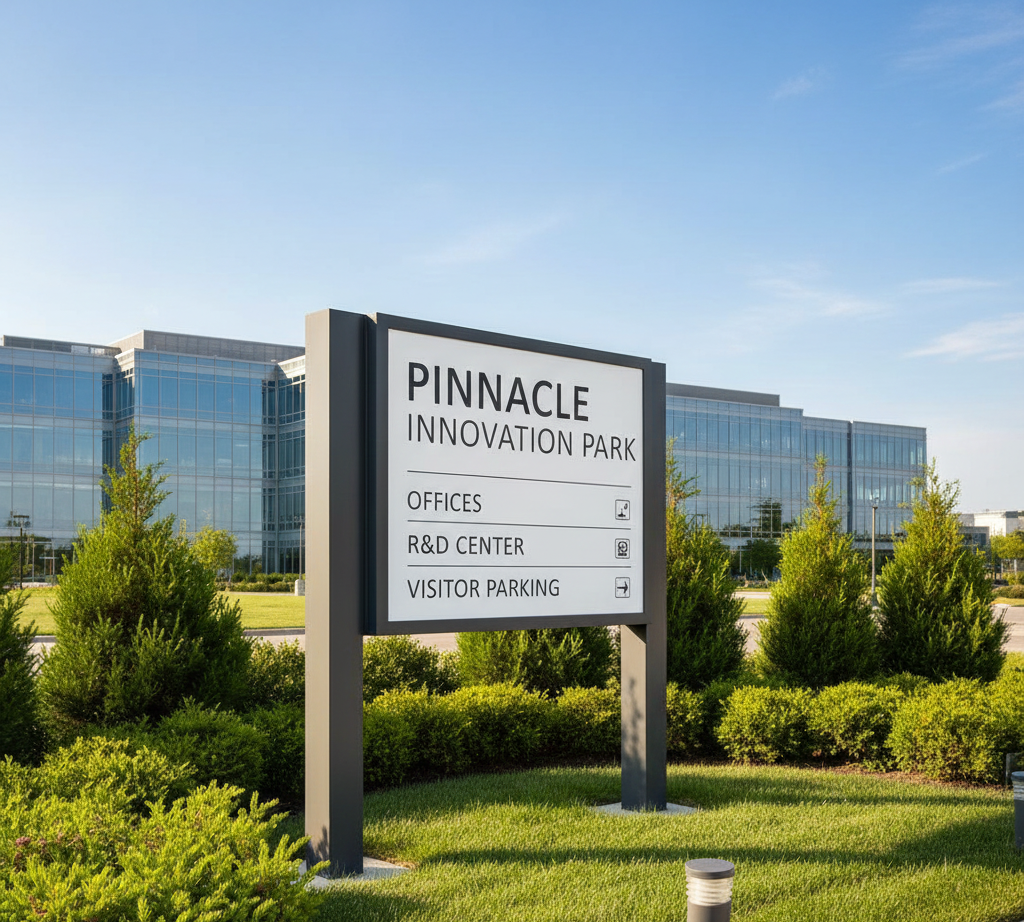
Wire-staked yard signs yelling from lawns, pull 63% more inquiries? Corrugated plastic stars for real estate/pop-ups.
Yard sign smarts:
- Double-Sided Tough Plastic: High visibility at high speeds, no issue with weather conditions.
- Quick-Install Stakes: Company name/QR codes, cost-effective for temporary events.
- Versatile Placement: Lawns/driveways draw people to small businesses.
10. Awning Signage (Also Known as Canopy Signs)
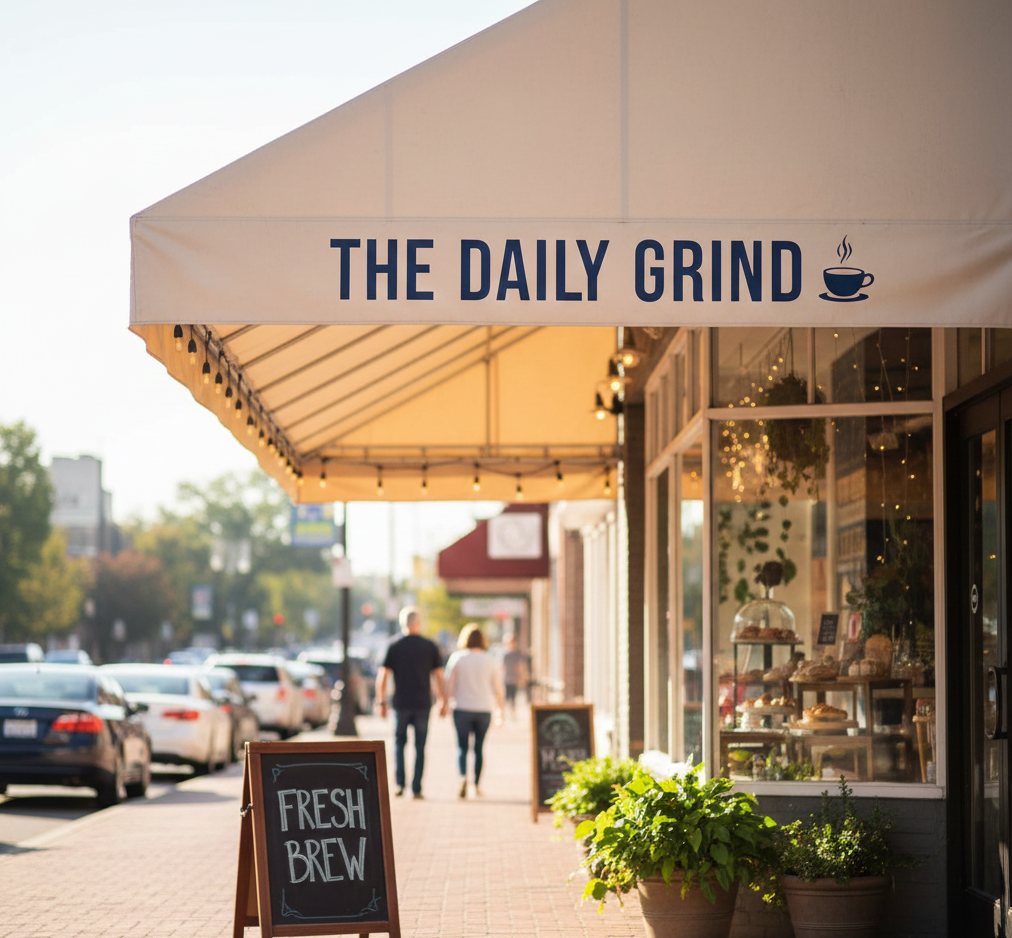
Shielded shoppers under branded awning signs, increasing dwell time by 20%? Fabric canopies double as signage.
Awning allure:
- Retractable Fabric: Company logo printed and a weather-resistant shade with messaging.
- Street-Level Appeal: Extends over sidewalks and is highly visible in high traffic areas.
- Custom Frames: Brand colors, various shapes, and a practical purpose meet style.
Use purple CTA after this section.
How Does DOOH Digital Signage Power Outdoor Signage Ideas?
Beyond static panels, dooh digital signage brings programmatic outdoor advertising to billboards, transit hubs, and busy storefronts, letting brands schedule dynamic campaigns across many locations at once. This modern format turns everyday outdoor signage ideas into measurable, high impact media that reaches audiences in high traffic areas.
7 Additional Creative, Unconventional Outdoor Signage Ideas for Small Businesses
Tired of boring yard signs? What if your outdoor signage went viral with interactive chalkboards or plantable promos? Some unconventional picks spark 2x social shares, turning small businesses into Instagram magnets.
Ready for unique and creative outdoor signs that capture attention and flood high-traffic areas with new customers? Let’s check them out here:
11. Interactive Chalkboard Displays
Customers doodling your daily specials? Interactive chalkboard displays spark 300% more engagement, letting businesses swap messages creatively while guests join the fun.
Chalkboard interaction hacks:
- Customer Doodles: Blank spaces for drawings/messages are filled using your brand’s promotional strategy to make it go viral.
- Quick Updates: Wipe-and-redraw operating hours/sales; it is cost-effective for small businesses.
- Weatherproof Frames: Contrasting colors, tough backing, and presenting highly visible outdoor use.
12. Augmented Reality–enhanced Signage

Want to scan your sign for 3D magic? AR signage blends physical outdoor signs with phone animations, boosting shares 400%.
AR signage superpowers:
- QR-Triggered Animations: Company logo dances, virtual tours launch to captivate potential customers.
- Immersive Offers: Scan for coupons/AR filters using a modern aesthetic hybrid.
- Trackable Impact: Analytics show scans in an innovative way for the target audience.
13. Plantable or Eco-friendly Seed Signs
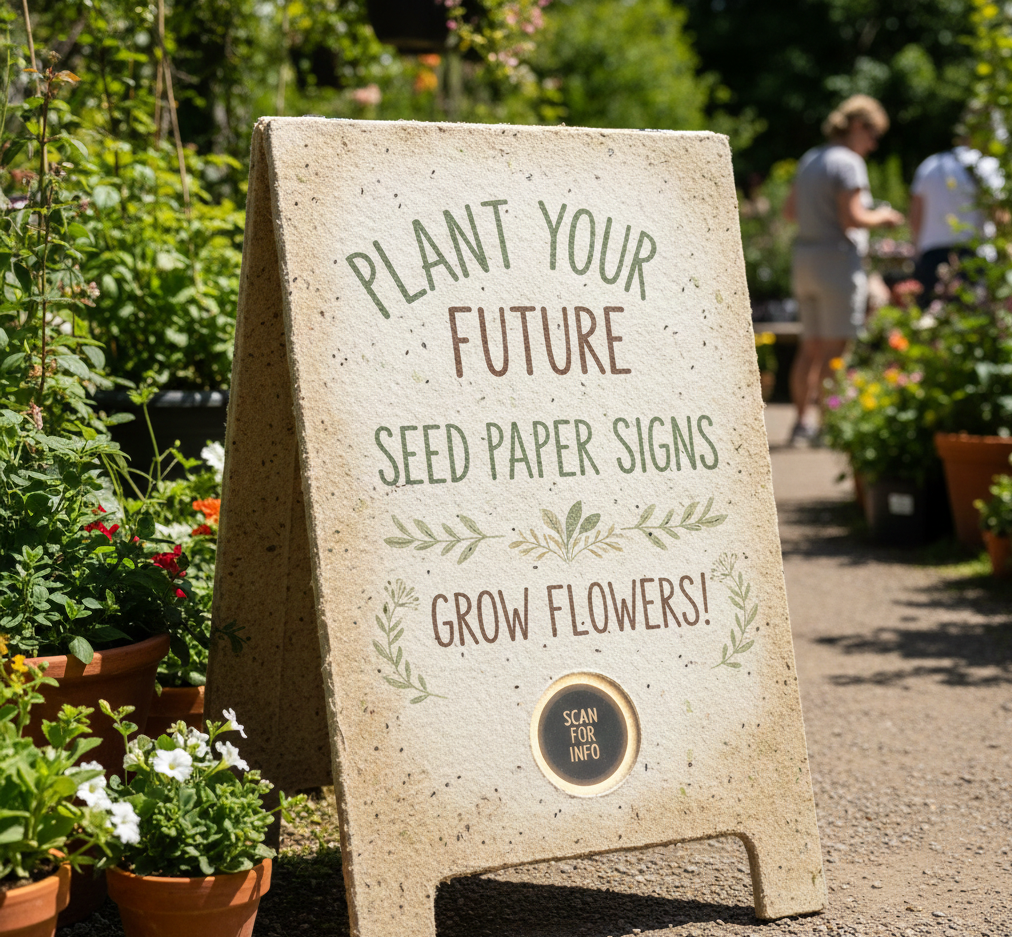
Want to grow your brand in an eco-friendly way? Biodegradable plantable signs sprout flowers, eco-marketing that sticks 2x longer.
Green signage genius:
- Seed-Embedded Paper: Tear-off strips with the company name that further grow into herbs.
- Sustainable Branding: Weather-resistant corrugated alternative makes your brand’s personality shine green.
- Giveaway Gold: Handouts for events draw new customers organically.
14. Puzzle-style Signage
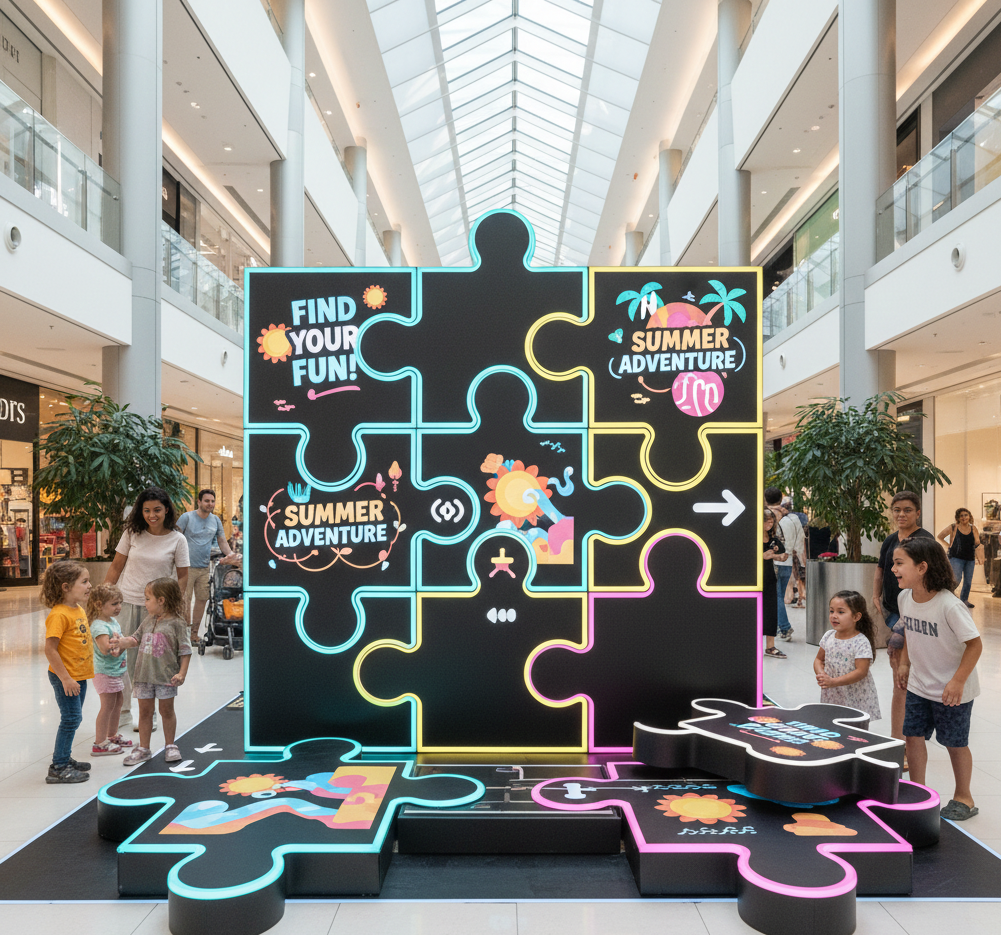
Piece the deal together? Puzzle-style signage reveals discounts via magnetic tiles, the curiosity spikes the dwell time among the customers by 50%.
Puzzle play payoff:
- Magnetic Tiles: They are reassembled for messages, including interactive elements to engage passersby.
- Daily Puzzles: New challenges are witnessed through daily puzzles using QR codes in high-traffic areas.
- Custom Shapes: Brand colors, weather-resistant signage are made available in unique outdoor sign designs.
15. Optical Illusion Displays
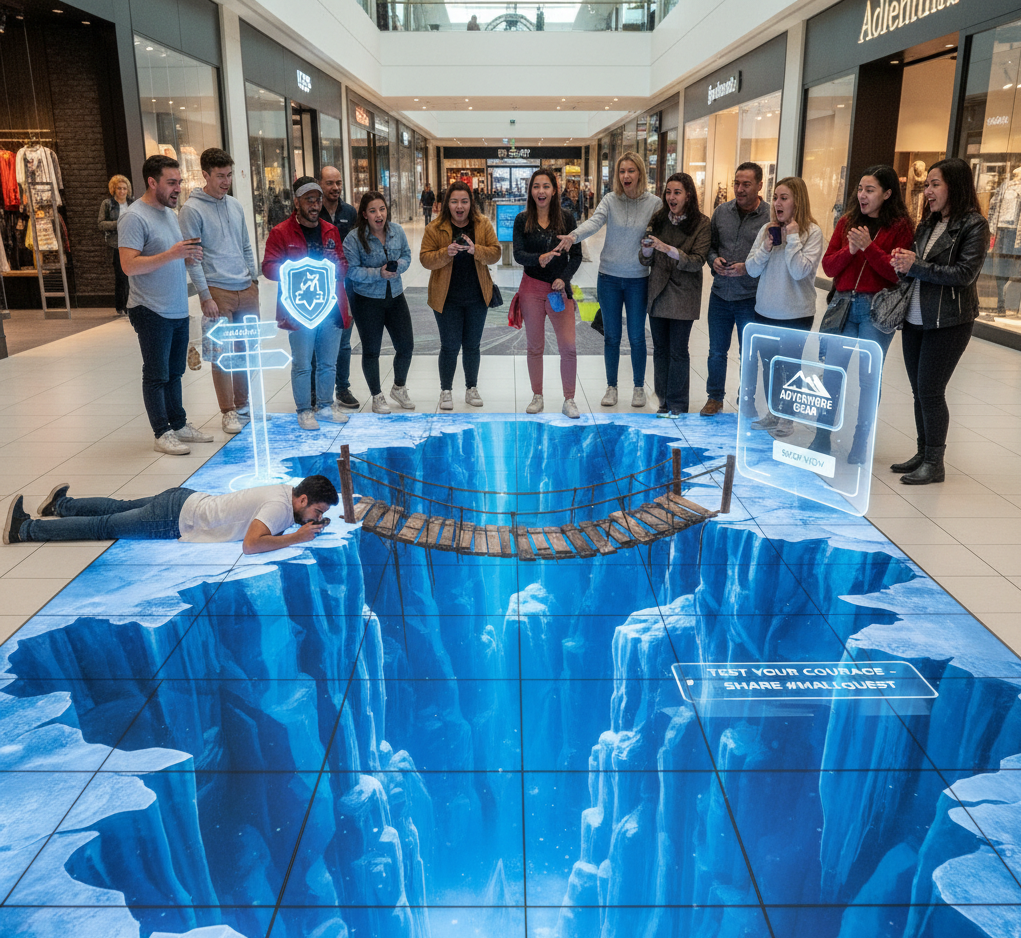
Is the display flat or 3D? Optical illusion displays trick eyes into double-takes, stopping 60% more traffic.
Illusion impact:
- Perspective Tricks: Anamorphic art is presented with the company logo to draw attention at high speeds.
- Vinyl Wall Graphics: These are weather-resistant and come in various shapes for maximum visibility.
- Shareable Stunners: Instagram bait for potential customers.
16. Local Artist Showcase Signs
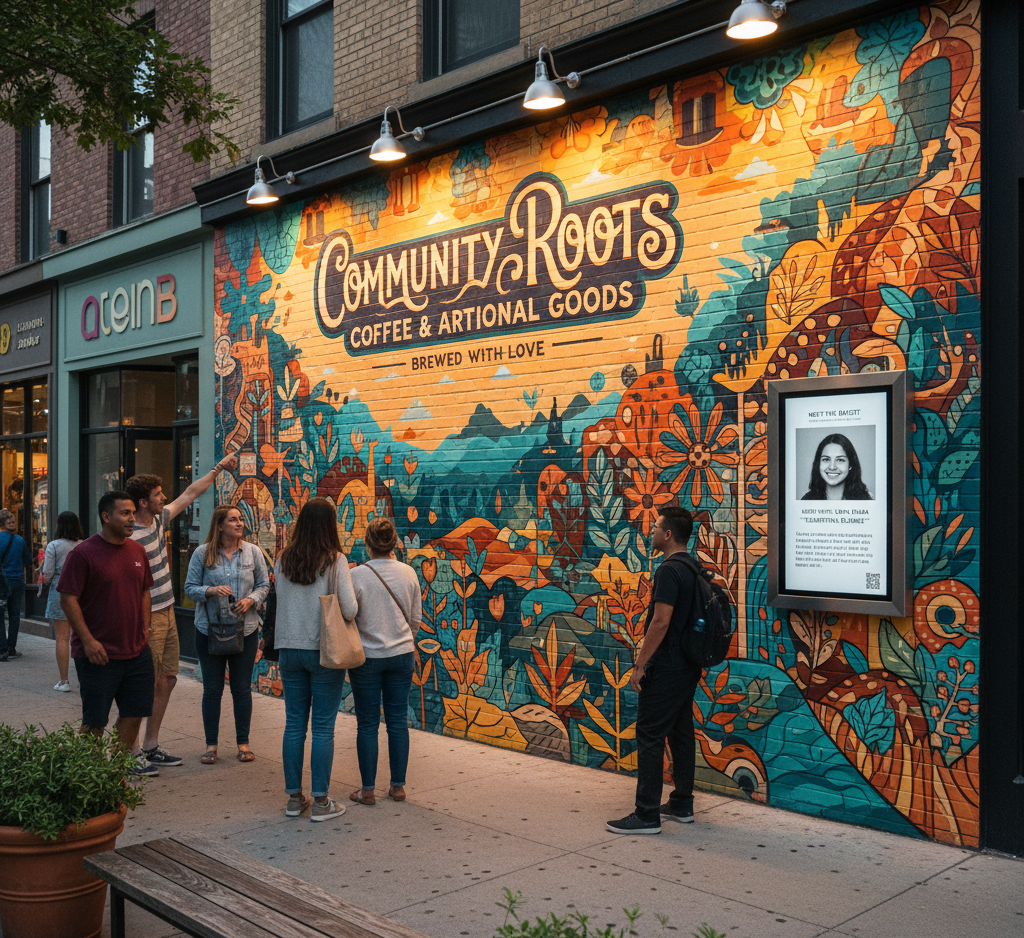
Looking to display some local talent as your wall signs? Artist murals boost community love 35%, authentic branding efforts.
Artist collab wins:
- Commissioned Murals: Local creators embed the company name on the signage for your brand’s personality.
- Rotating Exhibits: Fresh art is displayed every month. Check the local government’s website to witness rotating exhibitions.
- Storytelling Walls: Weather-resistant vinyl storytelling walls enhance visibility authentically.
17. Three-dimensional Sculpture Signage
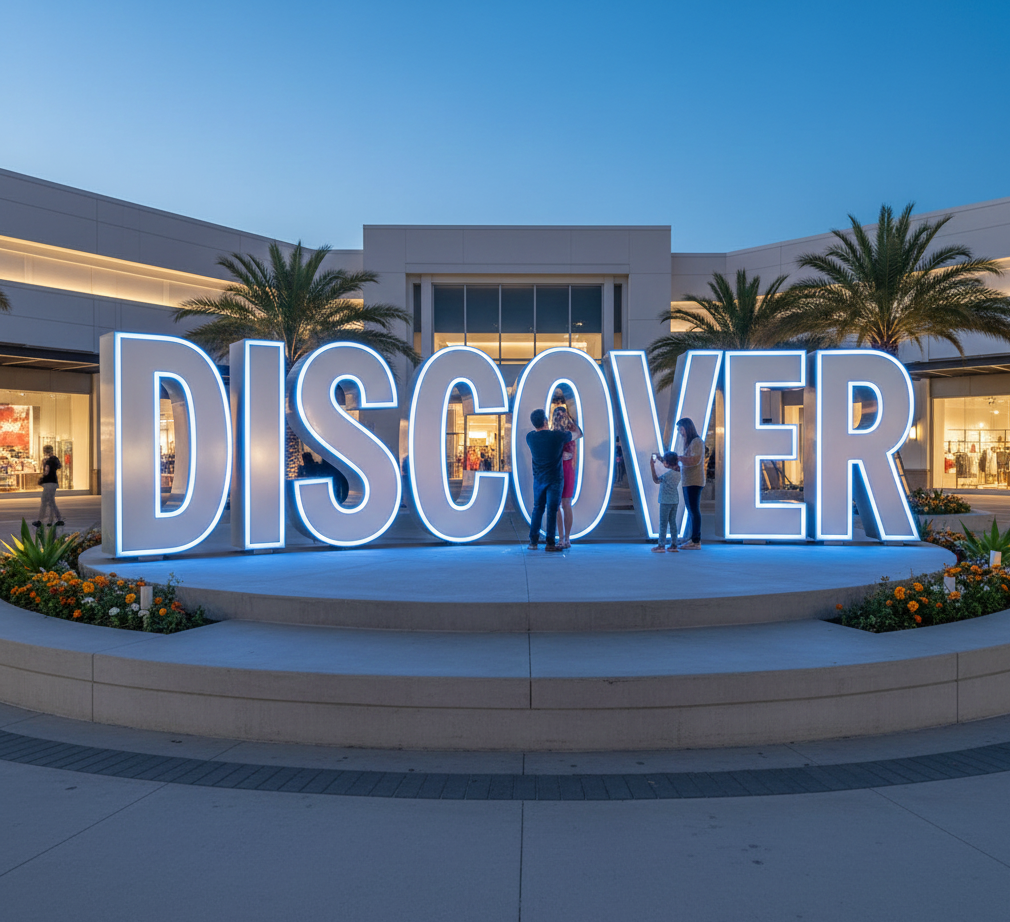
Want to see how sculptures scream your brand’s name? 3D “monument signs” variants deliver 70% recall, massive visual punch.
Sculpture statement:
- Metal/Acrylic 3D: Free form of styling options and channel letters are extruded to make your signage highly visible.
- Kinetic Elements: Wind-moving parts captivate potential customers.
- Landmark Scale: Landmark scales are weather-resistant for plazas and last longer as outdoor advertising.
How Do Outdoor Digital Displays Compare to Traditional Signage Options?
Sometimes drivers suddenly slam brakes for a flashing LED promo while ignoring faded yard signs? Digital displays crush static options with 400% more views, but traditional static signs win on upfront costs, whether you are looking for personal or commercial building signage ideas, retail, educational, hospital, or else. AIScreen’s weatherproof outdoor display screens deliver global outdoor power.
Comparing digital vs traditional “outdoor signage”:
| Aspect | Digital Displays (AIScreen) | Traditional Signs (Foam Core, Channel Letters) |
|---|---|---|
| Cost | They cost higher upfront charges ($1K+ hardware), but also enable you to have long-term savings with no reprints, remote updates | It covers lower initial costs ($50-500), but reprinting adds up for promos |
| Flexibility | Instant content swaps with live sales, operating hours via cloud CMS | Static needs new prints for changes |
| Visibility | 24/7 glow, animations grab attention from high speeds in high traffic areas | High daytime contrast, but fades without perfect lighting |
| Maintenance | Software updates require minimal physical work due to AIScreen’s remote setup | Durable but requires cleaning/replacement in weather conditions |
| Content Rotation | Sponsor rotations, QR codes, and social feeds captivate potential customers | Fixed messages, no dynamics |
| Long-term Value | ROI spikes with data analytics, reusable hardware | Reliable branding but limited engagement |
Is Digital Signage the Future of Creative Outdoor Ideas?
Digital signage is rapidly becoming the heart of modern outdoor branding; thanks to its ability to deliver real-time updates, eye-catching animations, and unmatched adaptability.
Unlike traditional signs, digital displays keep your messages fresh and relevant, engaging potential customers with dynamic content that captivates and holds attention longer.
Whether promoting seasonal campaigns or live events, digital event signage is the go-to solution for businesses wanting to stand out and connect in today’s fast-paced world.
AIScreen is a brilliant platform that leads the way by offering innovative outdoor digital displays designed for extreme weather and high traffic, with cloud-based control allowing businesses to update content instantly across multiple locations.
Their platform integrates sponsor rotations, social media feeds, and interactive features to boost brand visibility and engagement, making digital signage not just the future but the smart choice for small to large businesses.
Ready to transform your outdoor advertising? Get a free quote from AIScreen and step into next-gen branding today.


Frequently Asked Questions
What is the best outdoor signage?
The best outdoor signage is the one built using channel letter signs or backlit pylon signs that top the list for maximum visibility in high traffic areas. They grab attention day/night and boost brand recognition by 35%. Pick based on your location and budget for that perfect outdoor business sign.
What types of outdoor signs work well for small businesses?
The outdoor signs that work best for small businesses are A-frame signs, yard signs, and window decals, which as affordable, portable, and highly visible to draw pedestrians without breaking the bank. They are weather-resistant and quick to update for promotions or operating hours.
How to design an outdoor sign?
To design an outdoor sign, keep it simple: bold company logo, contrasting colors, large fonts readable from high speeds, plus keep in mind the key info like hours, covering test for high visibility under street lighting. Match your brand colors and check the local government’s website for size rules.
Can outdoor signage be customized for seasonal sales and promotions?
Yes! Outdoor signage can surely be customized for seasonal sales and promotions using vinyl banners, changeable A-frames, and LED marquee signs let you swap messages for holidays or sales instantly, keeping promotions fresh and captivating potential customers. Weather-resistant options like corrugated plastic make it cost-effective.
Is weatherproofing necessary for all outdoor signage types?
Yes, waterproofing is necessary for the longevity of all outdoor signage types, including UV-resistant vinyl, aluminum, or sealed acrylic protects against weather conditions, ensuring high visibility year-round without fading. Even temporary signs benefit from tough plastic coatings to withstand rain and sun.
