
What Are the Different Types of Outdoor Signage?
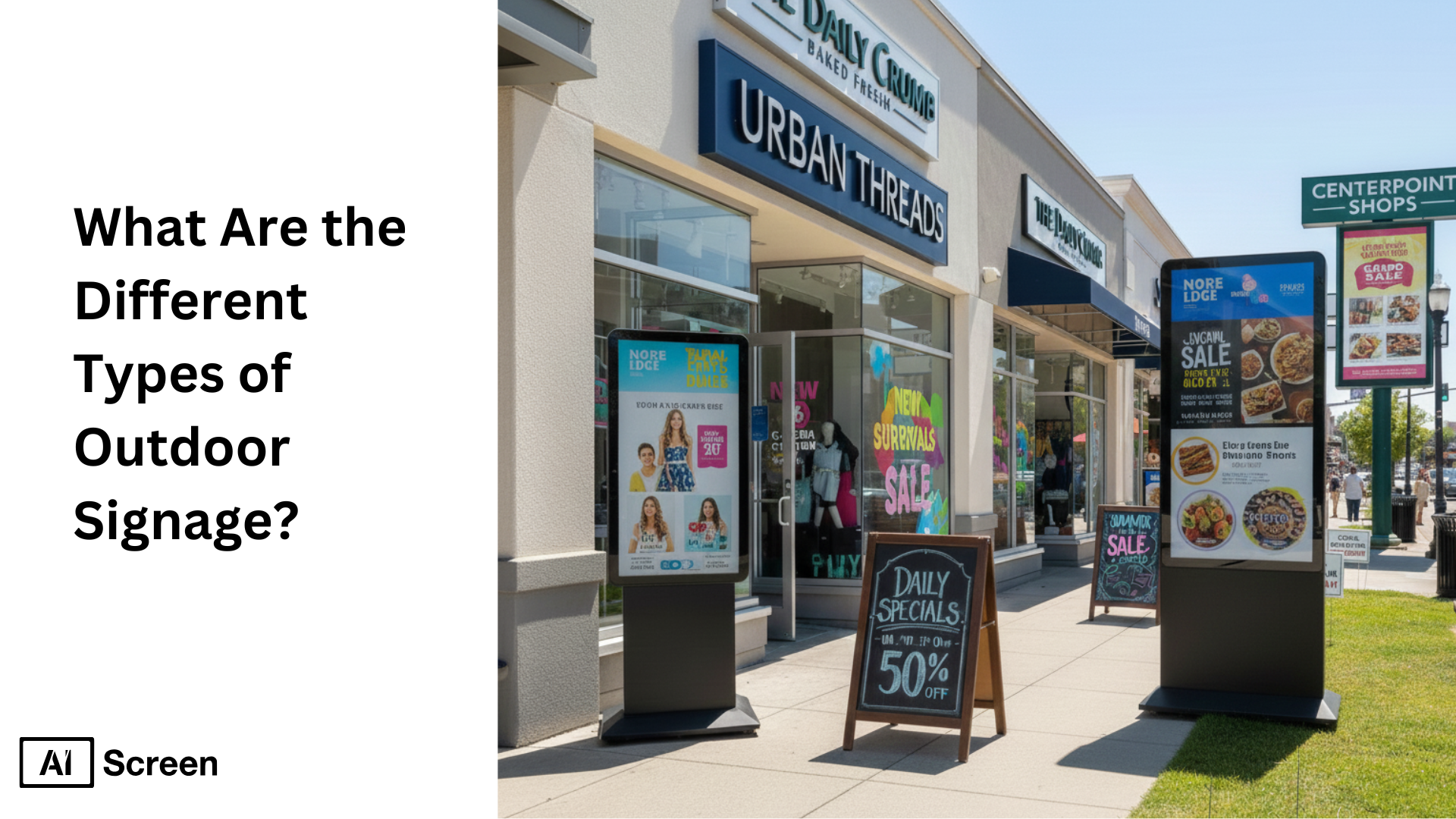
Outdoor signage is the force pulling customers right to your door. Don’t believe? Just imagine your business as a magnet! Research indicates 75% of retail owners report that eye-catching street-facing signs skyrocket foot traffic and sales. These bold outdoor signs craft unforgettable first impressions, amplify your brand identity, and guide potential customers through crowded streets or unfamiliar spots with ease.
In this article, let’s dive into powerhouse types of outdoor signage, from towering pylon signs and sleek monument signs to dazzling illuminated displays and projecting blade signs, that match every business vibe. Whether you are luring highway drivers or captivating retail store walkers, the right signage transforms passersby into loyal fans. What’s your sign’s superpower? Let’s discover the perfect fit for your spot!
1. Digital LED Outdoor Display Signs
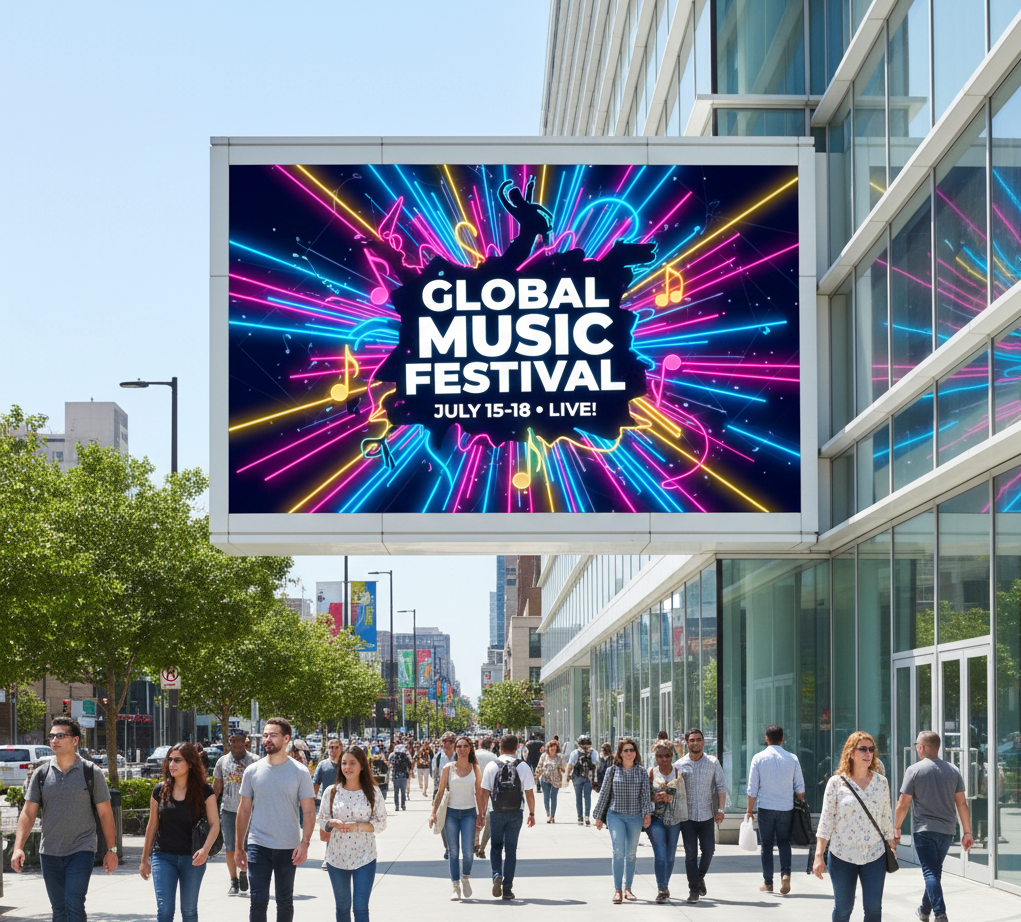
“Digital LED display signs are the smart assets for modern businesses,” offering vibrant animations, real-time text updates, and fully customizable visuals that command attention. Did you know digital signage captures 400% more views than static signs, making it a powerhouse for boosting foot traffic and brand awareness?
Why choose digital LED signage? Here’s the scoop:
Types: These LED displays cover full-motion video walls, scrolling ticker signs, and interactive display boards with tailored content to your needs and location.
Features: Seamless content updates via cloud-based systems let you schedule promotions and announcements instantly, even across multiple locations.
Visibility: LED technology ensures bright, clear visuals day or night, attracting customers in high traffic and low light conditions.
Customization: With rich color palettes and detailed graphics, digital signs align perfectly with your brand identity and marketing goals.
Digital LED signs don’t just inform; they engage, inspire action, and build lasting impressions in today’s competitive outdoor business environment.
2. Channel Letter Outdoor Signage
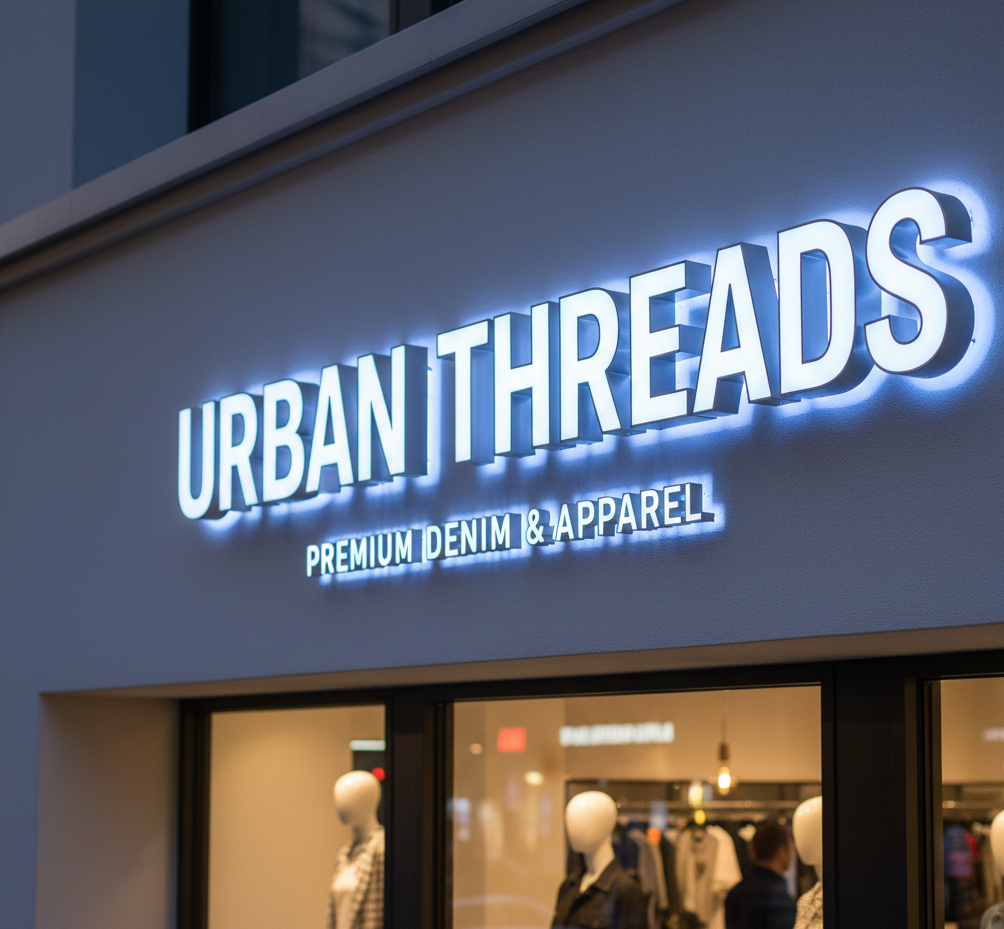
The bold, individually illuminated 3D letters that glow atop retail stores or malls attract every passerby. That’s channel letter signage at work, designed to boost brand visibility day and night.
They are made from weather-resistant materials like aluminum and acrylic. These individually illuminated 3D letters stand out on storefronts and attract up to 30% more foot traffic. Thanks to their vibrant LED lighting that lasts over 50,000 hours and consumes significantly less energy.
Remember, customization is key. You can choose many factors or styles from front-lit, back-lit, or halo-lit to match your brand’s personality perfectly while maintaining a professional appearance. Investing in these signs means long-term durability, low maintenance, and a compelling first impression that never fades.
But what are their key specifications? Let’s have a look.
Illumination Options: Front-lit channel letters shine through acrylic for clear visibility, while backlit (halo) letters cast a glowing outline, and combos offer dramatic appeal.
Customization: You can choose any color, font, size, and lighting: LED or neon, to perfectly reflect your brand’s vibe. After all, you are there to entice your customers.
Durable Materials: Channel letters are made from rust-proof aluminum and acrylic; these signs endure weather with minimal upkeep.
Mounting Styles: Options include sleek flush mounts or raceway mounts for easy installation and maintenance.
Visibility Impact: Illuminated channel letters can boost foot traffic by up to 30%, thanks to their eye-catching design and brightness.
These features make channel letter signs a cost-effective, high-impact way to elevate your outdoor business branding day and night.
3. Monument-Style Outdoor Signs
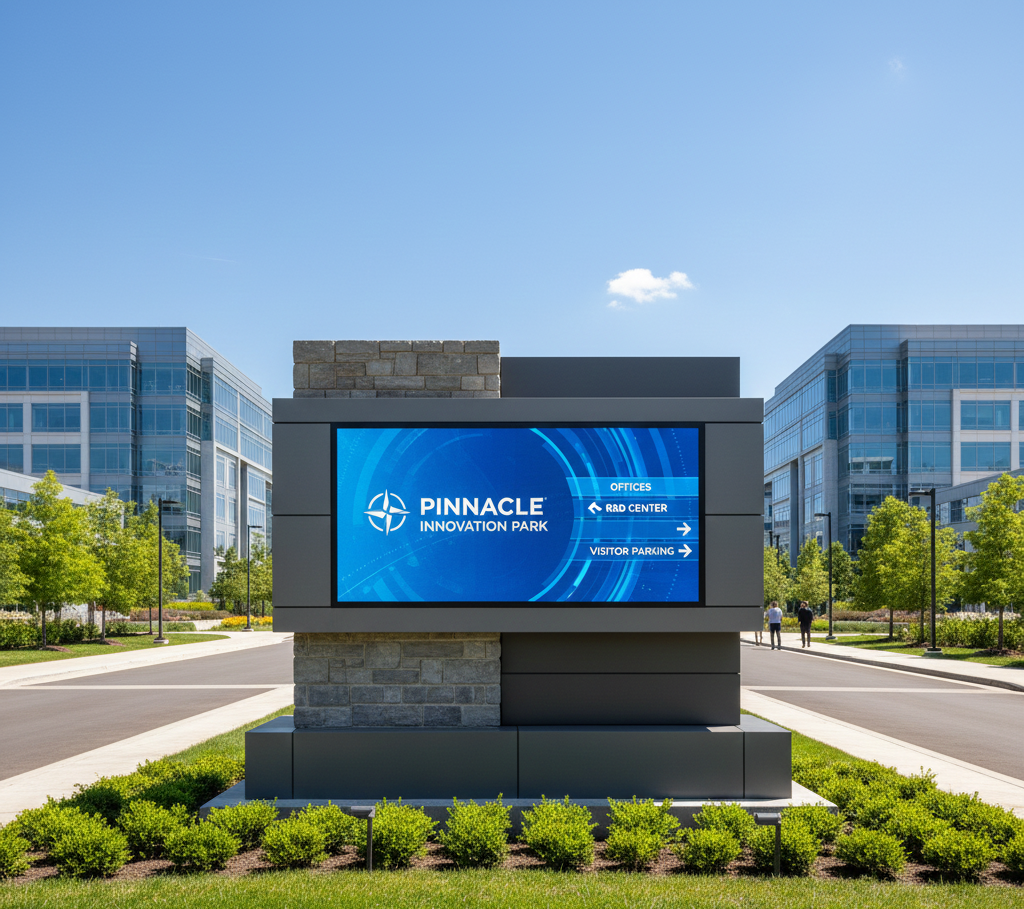
Are you seriously looking for ground-level signage that makes a lasting impression? “Monument-style signs” are your go-to for corporate offices, schools, residential communities, and more, providing a bold, professional presence right at eye level. These freestanding directional signs demand attention with their size and design, offering an instant sense of place and prestige.
Here’s what makes monument signs stand out:
Durable Materials: Constructed from weather-resistant stone, brick, metal (like aluminum or stainless steel), concrete, or high-density foam, these signs are built to last decades with minimal maintenance.
Customization: Tailor your sign with detailed graphics, logos, and premium finishes that reinforce your brand identity and match your property’s aesthetic.
High Visibility: These signs are positioned for maximum exposure and serve as reliable landmarks that help visitors navigate large complexes or neighborhoods.
Long-Term Branding: They play a vital role in building and maintaining brand recognition, providing consistent marketing for years to come.
Investing in a monument sign means combining durability, style, and functionality, which are the qualities that elevate your business’s outdoor signage and leave a memorable first impression.
4. Pylon and Pole Outdoor Signage
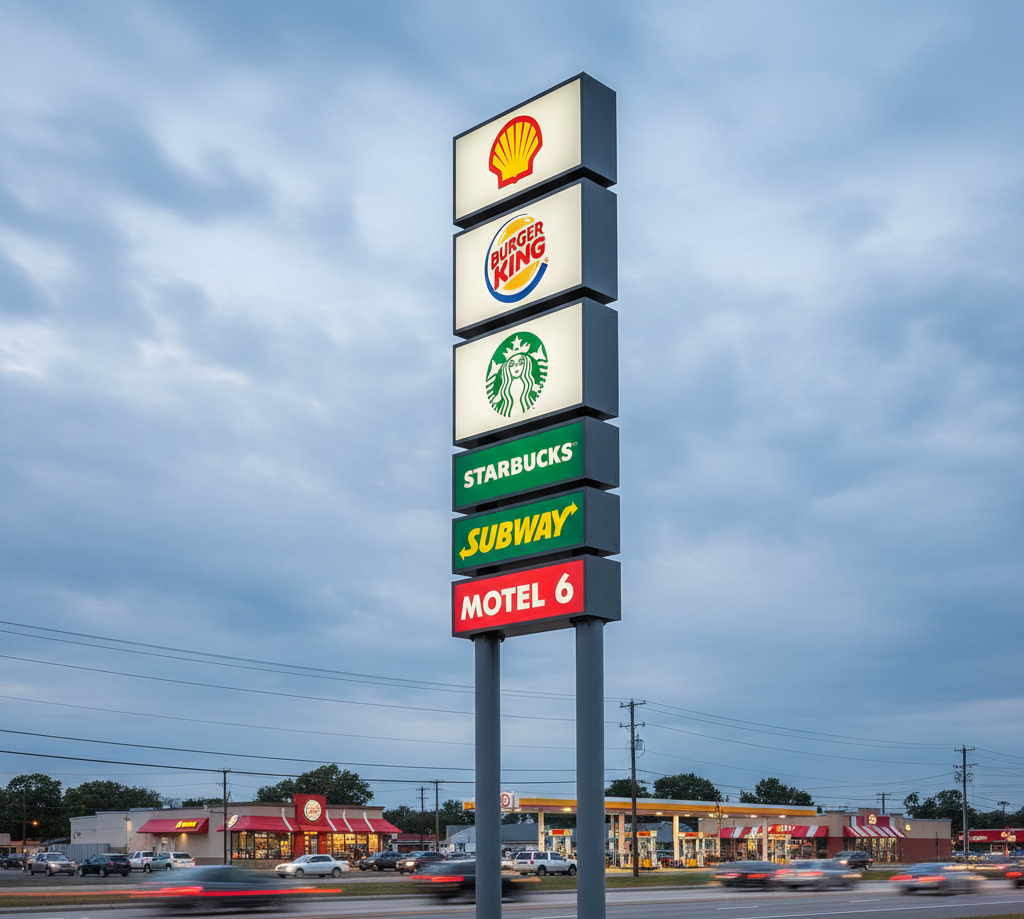
Want to have signage that towers above the rest? “Pylon and pole signs are your business’s towering ambassadors,” designed for high-traffic areas like highways, shopping centers, and large complexes where visibility from afar is key. These freestanding outdoor signs catch eyes from a distance, making them perfect for attracting drivers zooming by at high speeds or customers scanning busy shopping plazas.
Pylon Signs: Pylon signs are often larger with architectural bases; they can feature multiple tenants, illuminated digital displays, and robust frames made of steel or aluminum. They are ideal for multi-business centers or expansive properties. Pylon signs offer maximum brand visibility and a professional, lasting impression.
Pole Signs: Pole signs are typically mounted on a single tall pole. They offer a sleek, minimalist alternative with excellent visibility and cost-effectiveness, perfect for gas stations, fast-food outlets, or smaller businesses needing to stand out.
Both types use durable, weather-resistant materials and can be customized with LED lighting, digital signage options, and bold graphics to ensure your brand grabs attention day and night.
5. Blade-Style Outdoor Signs
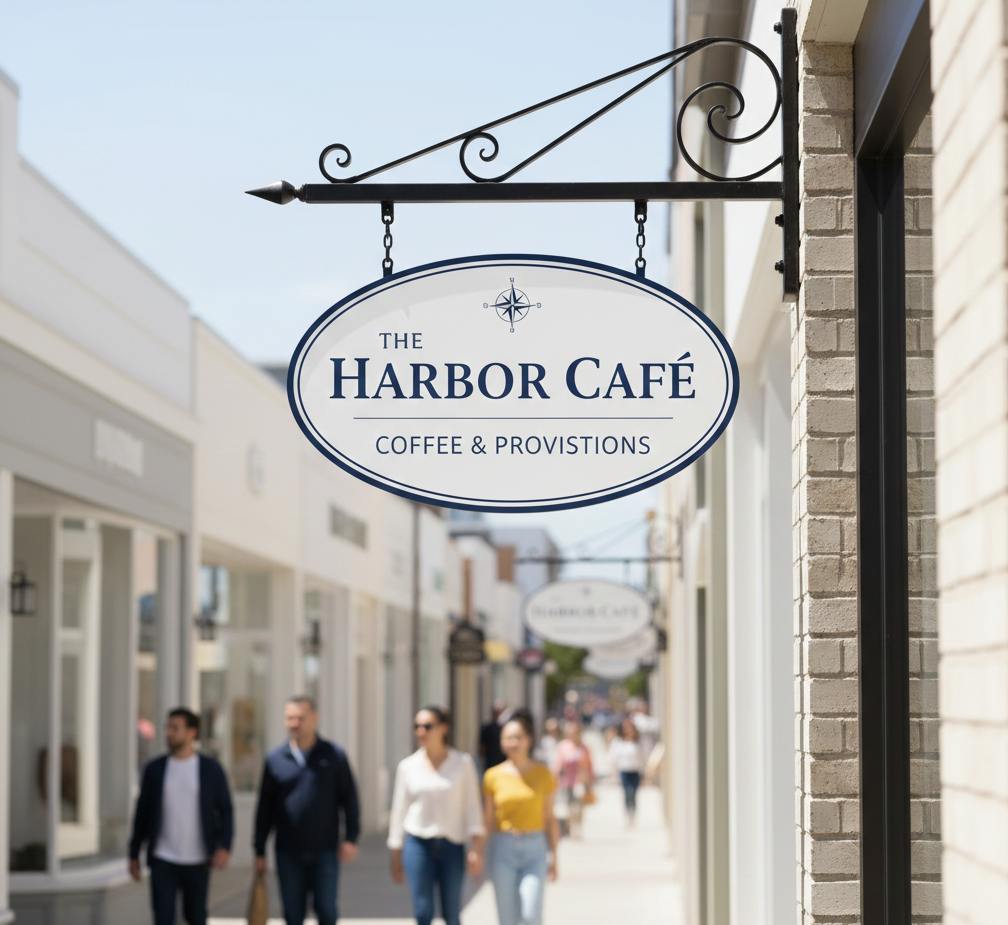
“Blade-style signs are the sidewalk’s secret weapon.” They are perfectly designed to grab attention where foot traffic is king. These perpendicular-mounted signs extend from your building, making sure your message is seen from both directions, which is ideal for busy downtown streets, cozy cafés, and chic boutique shops.
Here’s why blade signs stand out:
Visibility: Blade-style signs are mounted perpendicular to your facade; they catch the eye of pedestrians and drivers alike from multiple angles.
Customization: Crafted from durable materials like aluminum with options for illumination or digital LED enhancements, they suit your brand’s style and weather any condition.
Types: Choose from fixed, swinging, or pole-mounted blade signs to fit your business’s unique location and audience.
Brand Impact: These signs create a bold first impression, increasing foot traffic and customer engagement in high-density areas.
Blade signs are your perfect partner to boost brand visibility and invite more customers right to your door.


6. Hanging Outdoor Signage
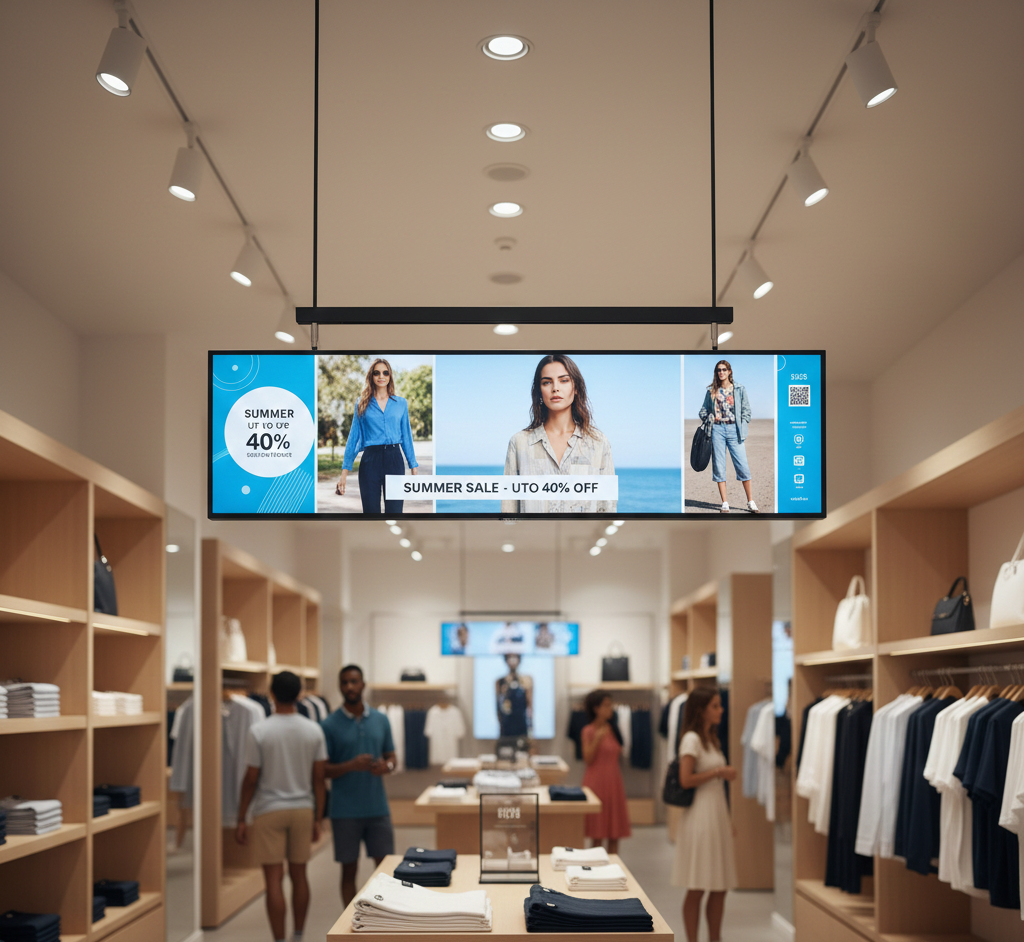
“Hanging signage is the unsung hero of crowded walkways, awnings, and canopies,” delivering your brand message right at eye level, where foot traffic is heavy. These suspended signs are perfect for cramped downtown areas, bustling shopping malls, and business districts with narrow sidewalks.
Why choose hanging signs? Here’s the lowdown:
Versatility: Hang them under canopies, awnings, or along walkways to maximize visibility without taking up valuable ground space.
Materials: Made from durable materials like aluminum, acrylic, or wood, plus options for illuminated LEDs or eye-catching digital displays to stand out day or night.
Customization: Customize from vintage wooden signs for boutique charm to sleek metal or neon for modern appeal, customize colors, shapes, and branding details to fit your style.
Foot Traffic Magnet: Strategically placed hanging signs increase brand recognition and customer engagement in high-density public spaces.
Hanging signs offer an elegant solution that brightens your business presence while enhancing the customer experience.
7. Window Decals and Outdoor Graphics
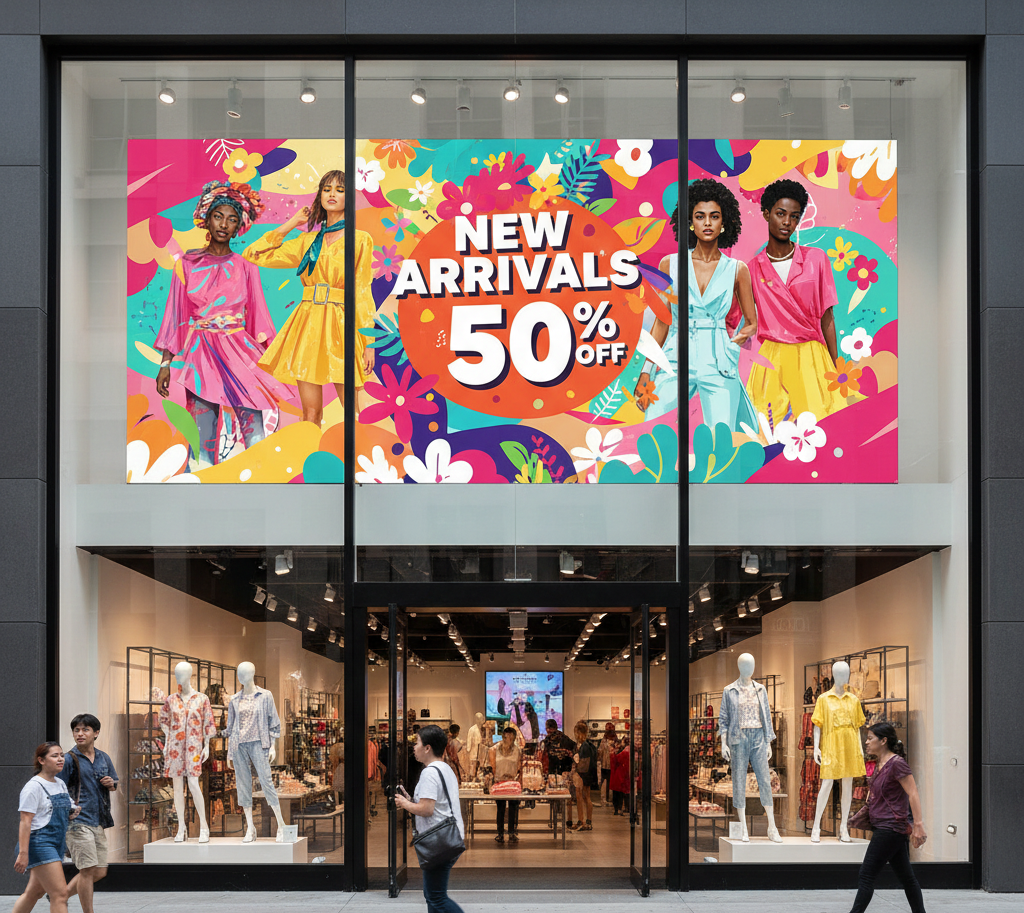
Ever thought your storefront windows could be your best salesperson? “Window decals and graphics transform ordinary glass into a powerful marketing tool,” boosting brand visibility, promoting sales, and offering privacy, all at an affordable cost.
Here’s why window decals are so popular:
Branding Power: It is perfect to showcase your logo, slogan, or designs prominently to increase recognition and attract foot traffic.
Promotions & Sales: Easily update specials, seasonal offers, or events to keep your message fresh and engaging.
Privacy & Style: Frosted or tinted decals offer privacy without sacrificing natural light or professional appeal.
Cost-Effective: Vinyl decals are budget-friendly, weather-resistant, and simple to install or swap out as needed.
In short, window decals provide a versatile, eye-catching way to enhance your business premises while connecting effectively with potential customers.
Which Software Runs These Outdoor Signage Types?
Managing many different types of outdoor signage across storefronts, plazas, and highways gets simple when you run everything from one place. AIScreen offers digital signage software that schedules content, pushes instant updates, and keeps every outdoor display on brand from a single dashboard. You control pylon signs, blade signs, and window graphics remotely, so your message stays fresh across every location.
The right platform also helps businesses monitor screen status, organize content by location, and adjust campaigns without sending staff to each site. This makes outdoor signage easier to maintain at scale while keeping promotions, directions, and brand messaging accurate across every display.
How Do Amusement Parks Use Outdoor Signage?
Sprawling venues rely on many different types of outdoor signage to guide crowds and lift on site spending. Bright pylon signs mark entrances, blade signs point toward rides, and digital LED signs share wait times and showtimes as they change. Purpose built digital signage for amusement parks ties all these outdoor displays together, turning static maps into dynamic guides that keep visitors moving and engaged.
Outdoor digital displays can also promote food deals, merchandise, special events, and safety updates throughout the park. By changing messages based on time, location, or crowd flow, amusement parks can improve the guest experience while making every screen more useful for both navigation and promotion.
How to Choose the Right Outdoor Building Signs?
Choosing the best outdoor signs for your business doesn’t have to feel overwhelming. “Think of it as matching the right ‘billboard personality’ to your building,” based on where you are, who passes by, and how you want your brand to show up in public spaces. Use this quick framework to narrow down the types of outdoor signage that actually work for your business location, target audience, and budget.
1. Start with Location & Building Type: Ask yourself, “Where will this sign live and who needs to see it first?”
- For roadside visibility or gas stations, pylon signs, pole signs, or tall digital LED signs help you attract customers from long distances and highways.
- For business premises in shopping plazas or office parks, monument signs and building signs at eye level make a bold first impression and guide visitors into parking lots and entrances.
- On tight downtown streets, wall signs, projecting signs, blade signs, and hanging signs maximize brand visibility without eating up sidewalk space.
2. Map Foot Traffic vs. Vehicle Traffic: Confirm whether you are speaking to drivers, walkers, or both.
- High-speed vehicle traffic calls for large, highly visible outdoor business signs like pylon signs, illuminated pole signs, or double-sided structures that can be read in seconds.
- Heavy pedestrian areas (retail stores, cafés, shopping malls) benefit from blade signs, awning signs, window graphics, and wall signs that sit right in the line of sight and pull in potential customers.
- In mixed environments, combine one freestanding structure (monument or pylon) with secondary wall or window signage to cover every angle.
3. Check Visibility Distance & Viewing Angles: Check from how far, and from which direction, should people see my sign?”
- Long approach distances on highways or large complexes demand tall pylon signs, exterior signs with big, detailed graphics, and high-contrast digital signs.
- Close-range viewing in shopping plazas and public spaces favors projecting signs, hanging signs, and channel letter signs that pop at eye level and around corners.
- Consider whether you need single- or double-sided signs so people can read your business name from both directions in high traffic areas.
4. Decide on Lighting & Low-Light Performance: Check whether your sign needs to work as hard at night as it does during the day.
- If your outdoor business runs after dark or in low-light conditions, illuminated signs, digital LED signs, neon signs, and backlit channel letter signs offer high visibility and a professional appearance.
- For budget-conscious or temporary signs (like vinyl banners and some temporary signs), add external spotlights or choose reflective materials to keep the sign readable without full digital signage.
- In high traffic areas and unfamiliar places, consistent illumination supports a strong first impression and reinforces your brand’s image 24/7.
5. Match Materials to Weather & Durability Needs: Confirm, “How tough does this sign need to be?”
- For long-term outdoor signage in harsh climates, choose durable materials such as aluminum, steel, acrylic, stone, brick, or high-density foam for monument signs, pylon signs, and other freestanding structures.
- For cost-effective campaigns or seasonal promotions, vinyl banners and some temporary signs work well but may demand higher maintenance costs and more frequent replacement.
- Always balance premium materials with the total cost of ownership. Weather-resistant construction often saves money over time compared to cheaper outside signs that fail early.
6. Align with Brand Identity & Target Audience: Confirm “What story should my sign tell at first glance?”
- Sleek channel letter signs, digital signs, and glass-friendly window graphics suit modern brands, tech companies, and contemporary retail stores needing an attention-grabbing look.
- Monument signs, carved panels, and traditional awning signs convey stability and trust. They are ideal for banks, clinics, schools, and professional offices.
- In shopping plazas or where multiple businesses share one structure, coordinated sign types and colors keep the overall look premium while letting each business stand out.
7. Understand Local Regulations & Sign Types Allowed: Identify what your city actually permits here.
- Zoning rules may restrict sign height, illumination, placement near the sidewalk, and even which types of outdoor signs (pylon signs vs. monument signs vs. pole signs) are allowed at your business location.
- Some public spaces limit digital LED signs, dynamic content, or neon signs; others require specific clearances from the road or parking lot.
- Checking codes early helps you avoid redesigns, fines, or having to remove a new sign that doesn’t meet local requirements.
8. Balance Budget, Maintenance & Long-Term Goals: Affirm whether you are investing for a quick promo or a 10-year brand landmark?”
- If you want a bold statement and long-term brand identity, investing in monument signs, quality building signs, and weather-resistant illuminated signs often delivers better value than repeatedly replacing cheaper options.
- For flexible messaging (sales, events, new tenants, multiple businesses), digital signage or changeable copy digital LED signs can reduce printing costs and give you dynamic content control.
- Always weigh upfront price against maintenance costs, lifespan, and how much each sign can help increase foot traffic and attract customers over time.
Use the above-given framework as a checklist whenever you plan new exterior signs or refresh existing signage. It helps you move from “just needing a sign” to choosing the best outdoor signs that truly support your brand, location, and growth goals.
Why Upgrade Outdoor Signs to Digital?
More businesses are upgrading outdoor signs with digital technology because “static boards just can’t keep up with real-time customers anymore.” AIScreen is also pioneering this concept.
Digital signage lets brands push instant updates like flash sales, new arrivals, and live events without reprinting vinyl banners or replacing traditional outdoor signs, making it far more agile and cost-effective over time.
In busy locations like shopping plazas, gas stations, and retail stores, bright digital LED signs and illuminated exterior signs cut through visual noise, delivering high visibility in low-light conditions and high-traffic areas.
Modern customers also expect dynamic content that feels current and personalized, not the same faded panel they have seen for years. Digital signs on pylon signs, building signs, and even projecting or blade signs can rotate multiple messages, target different audience segments by time of day, and support stronger brand visibility than many temporary signs or older sign types.
Combined with durable materials and weather-resistant enclosures, today’s digital outdoor business signs give companies a bold statement, a better first impression, and a smarter way to attract customers right at the business location.
How Do LED Screens Enhance Traditional Outdoor Signage?
Ever wondered why static outdoor signs like monument signs or pylon signs fade into the background while digital LED signs steal the show? LED screens transform everyday outdoor signage into dynamic powerhouses, blending animation, brightness, motion graphics, weather-proof performance, and high-impact branding to skyrocket brand visibility and foot traffic.
Picture this: Traditional outdoor business signs grab attention once, but digital LED signs captivate repeatedly with attention-grabbing dynamic content. Here’s how they enhance types of outdoor signs:
- Animation and motion graphics: Videos and real-time updates turn pole signs into interactive spectacles, boosting engagement in public spaces far beyond static, detailed graphics.
- Superior brightness and high visibility: Shine in direct sunlight or low light conditions, making them ideal for high traffic areas where static illuminated signs struggle.
- Weather-resistant durability: Built with premium materials to handle rain, heat, and UV, lowering maintenance costs over time compared to other materials in vinyl banners or freestanding structures.
- High-impact branding: Double-sided options with bold statements increase foot traffic for multiple businesses, creating a premium, eye-catching brand image that static signs can’t match.
Ready to Attract More Customers with Outdoor Digital Signage?
Don’t stick to old-school when LEDs can make your signage interactive and unforgettable. Pair digital signs with traditional elements for retail stores or shopping plazas, schedule content for target audience peaks, track ROI, and watch potential customers flock to your business stand.
AIScreen delivers top-tier outdoor digital signage solutions, including rugged LED screens for billboards or kiosks that withstand any weather while pushing dynamic content to amp up your brand visibility.
“Start your free trial today” to integrate these into pylon signs or wall signs, slashing costs and maximizing impact for many businesses, from beauty salons to corporate spots. More than 1,500 amazing design templates have served thousands of customers across the globe. We bet you would definitely be one of the most satisfied of them all.
Should You Digitize Your Outdoor Signage?
Digital signage revolutionizes outdoor business signs, outpacing traditional types of outdoor signage like monument signs or channel letter signs with dynamic content that boosts brand visibility and foot traffic in high-traffic areas. Imagine swapping weather-resistant but unchanging outside signs for attention-grabbing digital displays that adapt on the fly.
AIScreen makes modernizing effortless with rugged, weather-resistant digital LED signs for pylon signs or freestanding structures. With timing messages for peak hours to attract customers in high traffic areas, digital screens get updated from anywhere, cutting costs for shopping malls or retail stores. AIScreen pulls live feeds for real-time engagement, amplifying brand image. So, join hands with us and make your signage the talk of the town by elevating your outdoor signage.
How Does Hotel Signage Use Outdoor Signage?
Hospitality venues blend several different types of outdoor signage to welcome guests and reinforce a premium feel. Monument signs anchor the entrance, illuminated channel letters glow above the lobby, and digital displays share event details near the driveway. Thoughtful hotel signage unites these outdoor elements into one polished first impression that guides arriving guests from the road to the front desk.
Outdoor hotel signage can also support wayfinding, parking directions, event promotions, restaurant offers, and guest announcements across the property. Keeping these messages clear and visually consistent helps visitors navigate more easily while strengthening the hotel’s brand from the moment they arrive.
Frequently Asked Questions
What are the main types of outdoor signage used by businesses today?
The main types of outdoor signage that are used by the businesses today include channel letter signs for bold building facades, pylon signs for high-visibility parking lots, monument signs as freestanding landmarks, blade signs projecting into foot traffic, and panel signs with durable materials like aluminum for cost-effective branding.
What is the difference between illuminated and non-illuminated outdoor signage?
The difference between illuminated and non-illuminated outdoor signage can be understood as, Illuminated signs like LED channel letters or halo-lit panels glow 24/7 for nighttime visibility and eye-catching appeal, while non-illuminated options like flat panel signs or vinyl banners rely on daylight and premium materials but fade after dark.
How does weather impact different types of outdoor signage?
Weather impacts highly to different types of out signages as the harsh weather can wreck havoc: rain fades vinyl banners, UV cracks acrylic on temporary signs, and wind topples freestanding pylon signs without sturdy bases. Weather-resistant types like metal monument signs or coated channel letters hold up best in high traffic areas, minimizing maintenance costs.
Can eco-friendly materials be used for durable outdoor signage?
Yes! Eco-friendly materials like recycled aluminum for panel signs, EPS high density foam for monument signs, and energy-efficient LEDs in illuminated signs offer weather-proof durability and sustainability for business premises.
How much do different types of outdoor signage cost?
Different types of outdoor signage costs vary by size and materials, as yard signs or vinyl banners run $50-300 for quick wins, channel letter signs hit $100-500 per letter, pylon or monument signs range $2,000-10,000+, while blade signs cost $500-2,000. Factor in illumination for 20-50% more, but they boost ROI through increased foot traffic.
Why Choose AIScreen for Outdoor Signage?
From banners to digital billboards, the right outdoor signage puts your message where it matters. AIScreen brings every outdoor display under one simple platform, so you can schedule and update content from anywhere. Start for free and make your outdoor signage easier to run and impossible to miss.
AIScreen, as a leading provider of digital signage solutions, helps businesses manage outdoor screens across multiple locations from one centralized dashboard. Teams can schedule campaigns, update messages remotely, monitor displays, and keep branding consistent across every outdoor touchpoint.
