
How to Improve Digital Signage Business Performance Management
If you want your screens to truly drive business results, effective digital signage business performance management is where it all begins. It’s more than just flashy visuals; it’s about tracking KPIs, understanding what works, and improving strategies to boost operational efficiency. According to Grand View Research, the global digital signage market will reach over $45 billion by 2030, highlighting how businesses are investing in smarter, data-driven performance systems.
This article breaks down best practices on how to improve digital signage business performance management with innovative solutions, focusing on analytics, automation, interactive elements, and actionable insights. to help you enhance engagement and achieve better business outcomes tailored to your target audience.
Attract More Attention to Your Business
When your screens light up with vibrant visuals and motion, people notice, and that’s where the real magic of digital signage begins. With eye-catching graphics, engaging displays, and dynamic storytelling, you can instantly capture attention and draw your audience closer to your message. This is where digital signage business performance management truly shines, turning digital displays into a powerful communication tool that helps you understand what visuals and timing make people stop, watch, and engage.
By using real-time promotions, animated displays, and captivating stories, you can create an experience that sparks curiosity and action, which can encourage customers to explore more. These digital signage displays help build emotional connections with your viewers, promoting employee engagement by keeping them engaged longer and encouraging them to explore your offerings. The more visually appealing and relevant your screens are, the stronger your brand presence becomes, which can also help to motivate employees.
Ability to Create More Dynamic and Interactive Content
Unlike static posters that fade into the background, utilizing digital signage systems plays a vital role in improving operational efficiency across businesses through digital signage. It improves efficiency by allowing you to create content that moves, interacts, and evolves with your audience. You can easily refresh visuals using ready-made templates, live social feeds, or automated updates to keep your messaging relevant and fresh. This flexibility ensures your digital signage screens always feel dynamic, current, and engaging.
Adding interactive features like QR codes or touchscreens takes engagement to another level. Imagine customers tapping a display to explore new products, scanning a code for instant discounts, or sharing quick feedback; that’s meaningful interaction that truly enhances the customer experience. These small touches also provide valuable insights into customer preferences, turning your digital signage content into a two-way experience that keeps your audience engaged and your communication authentic.
Access to Analytics and Accurate Metrics for Improvement
The beauty of digital signage business performance management lies in its ability to show you exactly what’s working. Real-time dashboards and analytics help you measure key performance indicators and metrics, including audience demographics, from how many people view your content to how often they engage with it. This data-driven approach allows you to make smarter decisions and continuously refine your digital strategy by tracking progress, emphasizing continuous improvement.
Many businesses rely on the best digital signage software companies for analytics to access advanced reporting tools, automated insights, and centralized performance tracking across multiple screens.
When you know which campaigns perform best, you can focus on what truly drives engagement and ROI. Over time, tracking metrics like impressions or dwell time helps you create content that resonates deeply with your audience. These insights transform your screens from simple displays into performance tools that support growth and measurable results, allowing you to identify areas for improvement.
According to PwC, nearly 59% of customers prefer brands that offer self-service digital experiences through displays, kiosks, and smart screens. For example, a quick-service restaurant can track which menu boards capture the most attention and collect customer feedback to improve internal communication during busy lunch hours.
Customer Self-Service and Improved Experience
Customers love convenience, and digital signage solutions make that effortless through self-service kiosks, interactive kiosks, check-in screens, and self-service options. These tools save time, reduce queues, and also boost employee engagement by enhancing customer experience and making customers feel in control of their journey, leading to more satisfied customers. A well-placed display can guide them, answer their questions, or even suggest products they might like.
If you integrate digital signage with AI-powered systems, you can personalize content in real time based on location, time, or audience type. This also aids in enhancing the effectiveness of existing systems and effective communication.
It not only improves the customer experience but also enhances operational efficiency by reducing staff workload, thereby allowing more focus on digital screens. When people feel informed and empowered, digital signage can help them even with complex information; they’re more likely to return, turning first-time visitors into loyal customers.
Boost Sales Through Smarter Display Strategies
Smart digital signage performance management isn’t just about good visuals; it’s about strategy. When implementing digital signage, if you display the right message at the right time, you encourage buying decisions without being pushy. You can promote seasonal offers, highlight product bundles, or display limited-time discounts to motivate customers to act immediately, leveraging key marketing principles.
By analyzing viewer behavior and adjusting content accordingly, you can align your screens with your customers’ preferences. This level of personalization turns your digital signage campaigns into silent salespeople that work around the clock. When your screens are driven by insights rather than intuition, every display becomes an opportunity to increase conversions and long-term loyalty.
Why Are KPIs Important in Digital Signage Performance Management?
When it comes to digital signage business performance management, KPIs are like your compass; they show you where you’re headed and how well you’re performing along the way. Without digital signs, you might be tracking complex data progress with great-looking content, but have no idea if it’s actually engaging your audience or boosting ROI.
You might probably know that KPIs turn assumptions into measurable progress by providing real-time metrics, helping you see what’s driving real results and what’s not. According to Deloitte, companies using interactive displays experience a 47% increase in customer engagement compared to static content.
Think of it this way: if your digital signage displays are running 24/7, but your engagement rate is low, that’s a signal to adjust your content or timing. By tracking clear performance metrics, you can refine your strategy, enhance communication, and make every screen work harder for your goals. It’s not just about broadcasting; it’s about learning from every display to keep improving and maintaining quality control. and maximizing your impact.
Which Digital Signage KPIs Should You Track?
Tracking the right performance metrics ensures your retail digital signage systems deliver measurable outcomes and effective engagement. instead of just visual appeal. You don’t need dozens of metrics, just the ones that truly reflect your campaign’s performance and audience behavior. These KPIs give you a window into how effective your digital signage content is across your screens and help maintain quality control, so you can take action fast and keep engagement high.
According to a report by Forrester Research, businesses that use analytics for digital signage see up to 25% higher engagement rates. Below is a simple breakdown of key performance metrics and data visualization you should monitor for your digital signage business performance management efforts:
| KPI | What It Measures | Why It Matters |
| Audience Engagement (Views, Dwell Time) | Measures how long people watch your content. | Reveals what captures attention and keeps viewers interested. |
| Conversion Rates | Tracks how many people take desired actions after seeing your signage. | Shows which messages drive real customer behavior. |
| Playback Reliability | Monitors how smoothly your content runs on screens. | Ensures consistent, professional-quality playback. |
| Content Freshness & Scheduling Accuracy | Evaluates how often your visuals are updated and if they match schedules. | Keeps your digital signage content relevant and timely. |
| Screen Uptime & Network Stability | Measures how long your digital displays stay active and connected. | Maximizes ROI by avoiding downtime and missed impressions. |
Let’s say you’re managing digital signage displays across 10 retail locations; tracking uptime, engagement, and conversions can quickly reveal which stores need content tweaks or scheduling updates. That’s how KPIs help you focus efforts where they matter most.
What Makes a Good KPI? (S.M.A.R.T. Framework)
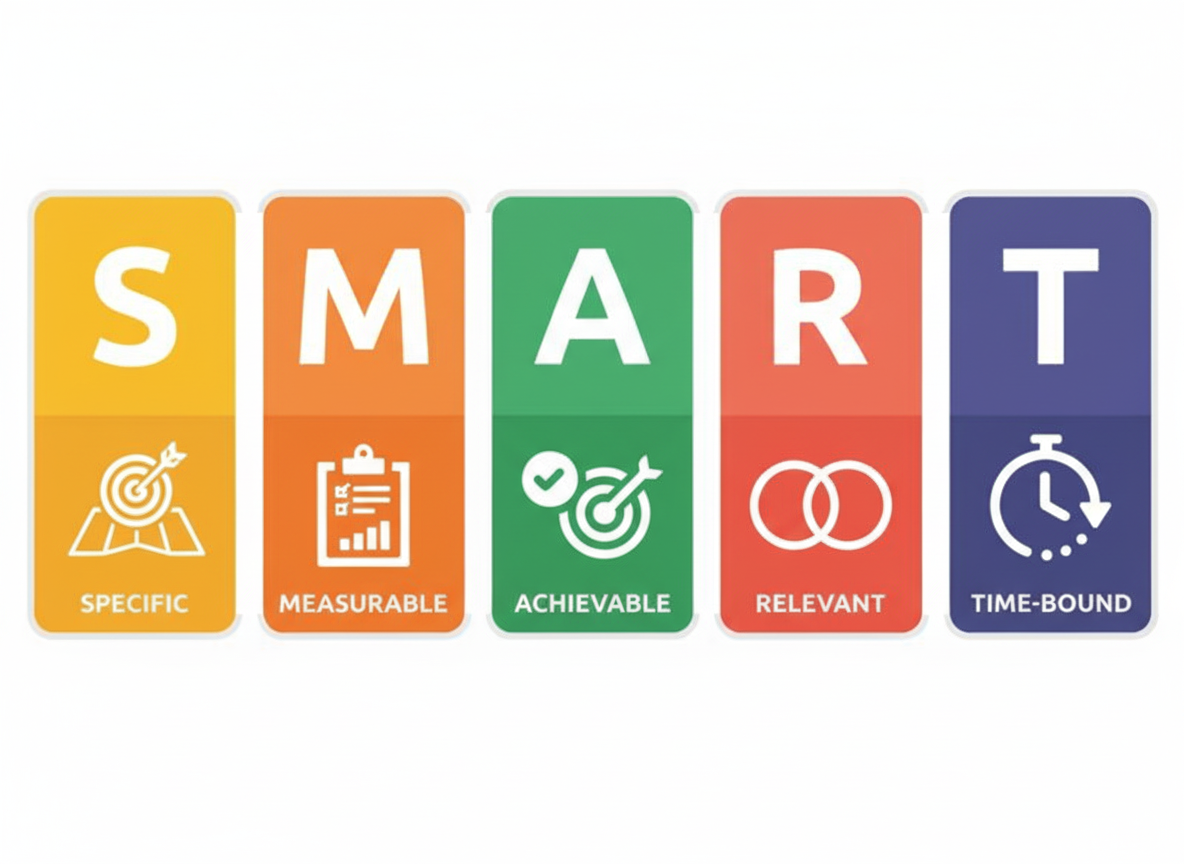
Not all KPIs are created equal, and that’s why using the S.M.A.R.T. framework is key to successful digital signage performance management. A good KPI should be Specific, Measurable, Achievable, Relevant, Time-bound, and contribute to a positive work environment.
When your goals are structured this way, you’re not just collecting data; you’re gaining clarity and direction towards your team’s success. It helps ensure every piece of content and every display decision has a measurable purpose, thereby enhancing quality control. According to Statista, over 63% of marketers say real-time content updates improve customer engagement significantly.
For example, instead of saying “increase engagement,” a S.M.A.R.T. goal would be “boost average dwell time by 20% over the next three months.” This small shift gives you something tangible to aim for and measure. It also helps align your digital signage business performance management efforts with actual outcomes, so every team member knows what success looks like and how to get there.
How to Set Up KPI Tracking for Your Digital Signage Network
Have you ever wondered how to track whether your digital signage is actually performing well? Setting up KPI tracking for your digital signage network doesn’t have to be complicated; it’s all about building a simple, data-driven process that helps you understand what’s working and what needs improvement. Once you have your metrics defined, you can also address challenges, and automation can do the rest, giving you real-time visibility into engagement, uptime, and conversions.
According to Cisco, by 2025, video content will account for 82% of all internet traffic, emphasizing the value of dynamic display content. To make it easy, here’s a step-by-step guide to help you get started with digital signage business performance management that actually delivers results:
- Step 1: Define your digital signage objectives: Start by identifying your main goals, whether it’s improving brand awareness, driving engagement, or increasing conversions. For instance, a retail store might focus on boosting foot traffic from window displays, while a corporate office could measure internal communication efficiency.
- Step 2: Connect your CMS with analytics and reporting tools: Integrate your content management system (CMS) with analytics software like Google Data Studio, Power BI, or built-in dashboard tools. This connection ensures real-time data syncing, so you can instantly track impressions, engagement time, and playback success without manual input.
- Step 3: Set up automated data dashboards: Automation saves time and reduces human error. Dashboards give you a live snapshot of key metrics such as screen uptime, dwell time, and campaign conversions. A restaurant chain, for example, can monitor which menu promotions drive more sales across locations.
- Step 4: Schedule periodic reviews to optimize campaigns: Don’t just collect data, analyze it. Schedule weekly or monthly performance reviews to compare locations, adjust visuals, and update content strategies. This habit keeps your digital signage performance fresh and aligned with audience behavior.
- Step 5: Continuously refine your metrics based on performance trends: As your signage strategy evolves, so should your KPIs. Review your metrics regularly to ensure they match your business goals. For instance, if engagement improves but conversions don’t, it’s time to focus on stronger calls-to-action or better timing.
When you follow these steps, KPI tracking becomes a natural part of your operations, not just an afterthought. Over time, this process gives you clearer insights, sharper campaigns, and higher ROI from every screen in your network.
Ready to Turn Your Screens into Performance Machines? Try AIScreen!
Do you know how some businesses make their screens work like powerful marketing engines? That’s where AIScreen steps in. It helps you turn any display into a smart, cloud-connected advertising machine that’s built for performance, surpassing traditional signage with innovative digital signage solutions.
This all-in-one platform takes the guesswork out of digital signage business performance management, giving you real-time data, automation tools, and creative freedom, all in one easy dashboard to manage digital signage screens effectively. According to Digital Signage Today, incorporating video testimonials and strategic digital signage placement can boost in-store sales by up to 29%.
With AIScreen, you can control multiple locations, monitor engagement analytics, and schedule content updates automatically. It’s designed to make your life easier, whether you’re managing one store or an entire network of screens. Start your free 14-day trial today and see how effortlessly you can display, measure, and improve your digital signage performance across every screen.


FAQs
What is digital signage performance management?
Digital signage performance management is the process of tracking, analyzing, and optimizing how your screens perform. It helps you understand which visual aids and content work best, how viewers engage, and how to boost ROI, ultimately leading to improved operational efficiency . By measuring everything from uptime to interaction rates, you can turn your screens into smarter, data-driven marketing efforts tools, ensuring proper quality control .
Why are KPIs essential for digital signage success?
The essential KPIs for digital signage success give you a clear way to measure key concepts of what’s working and what’s not. They help you identify strengths across multiple screens, fix weak spots, and keep employees engaged with strategies that lead to effective digital signage that resonates with your target audience. that truly drives results. Without KPIs, you’re just guessing; with them, you’re making smart, data-backed decisions that lead to continuous improvement.
What are the most important KPIs for digital signage?
The most important digital signage KPIs include engagement rate, playback reliability, conversion tracking, and content freshness. These metrics show how effectively your digital displays are performing in real time and assist in maintaining quality control across various campaigns .. When you monitor them consistently, you gain valuable insights that help you optimize content and maximize business impact.
How can analytics improve signage performance?
Analytics can improve signage performance by turning data into actionable insights. They reveal how audiences interact with your screens, when engagement peaks, and what content drives the most responses. With that information, you can refine your messaging, schedule smarter, and get more value out of every display. By implementing digital signage on production floors in manufacturing facilities , KPIs, company messages, and other critical information become easily accessible to everyone in the facility, helping drive performance and improve overall operational efficiency.
Can small businesses benefit from digital signage KPI tracking?
Yes, small businesses can absolutely benefit from digital signage KPI tracking because it helps them make smarter marketing decisions on a tighter budget. By measuring what works, they can fine-tune campaigns, boost local engagement, and increase sales, all without wasting resources. For small businesses, it’s performance management made simple and affordable, utilizing interactive displays for better engagement and provide training for optimal usage in the realm of retail digital signage, helping to engage employees and boosting overall performance.
