
How Can You Use Digital Signage Footfall Data Schedule Content More Effectively?

To use footfall data to decide when to schedule digital signage content, businesses must first understand how customer movement patterns influence content visibility. Footfall analytics reveals when and where people are most likely to engage with screens, making it essential for optimizing message timing, especially in high-traffic areas like retail stores, transit hubs, or corporate lobbies. According to a report from MarketsandMarkets, the footfall analytics market is projected to grow to $1.5 billion by 2026, reflecting its increasing importance in marketing strategies.
In this blog, we’ll explore how footfall data can be applied to improve content scheduling in digital signage. From identifying peak traffic periods to aligning content with audience dwell time, you’ll learn how to use real-time insights to enhance audience engagement, maximize ROI, and ensure your digital signage network delivers timely, relevant messaging.
What Is Footfall Data?
Footfall data refers to the tracking and measurement of the number of people who pass through a particular location over a specific timeframe. This can include customers in shopping malls, visitors in public spaces, or employees moving through office spaces.
By analyzing footfall traffic, businesses can identify high traffic locations and determine the best times to deliver digital signage content that resonates. Digital signage content creation helps businesses tailor interactive elements, targeted messaging, and exclusive discounts precisely when the target audience is most receptive.


When Should You Schedule Content by Footfall Data?
You use footfall data to determine the best times to schedule digital signage content by identifying when your locations experience the highest footfall traffic with the help of the AIScreen digital signage software. This ensures that your digital signage screens deliver engaging content when customers interact most frequently with your displays.
For example, retail space managers can use content automation for digital signage to display flash sales during peak periods, encouraging impulse purchases. Deloitte research shows that dynamic content tailored to local events or social media trends can boost customer engagement by up to 30%, thanks to its real-time, personalized experience. The goal is to deliver clear and concise messaging at moments when the audience’s behavior indicates they are most likely to respond.
Begin with Informed Scheduling Assumptions
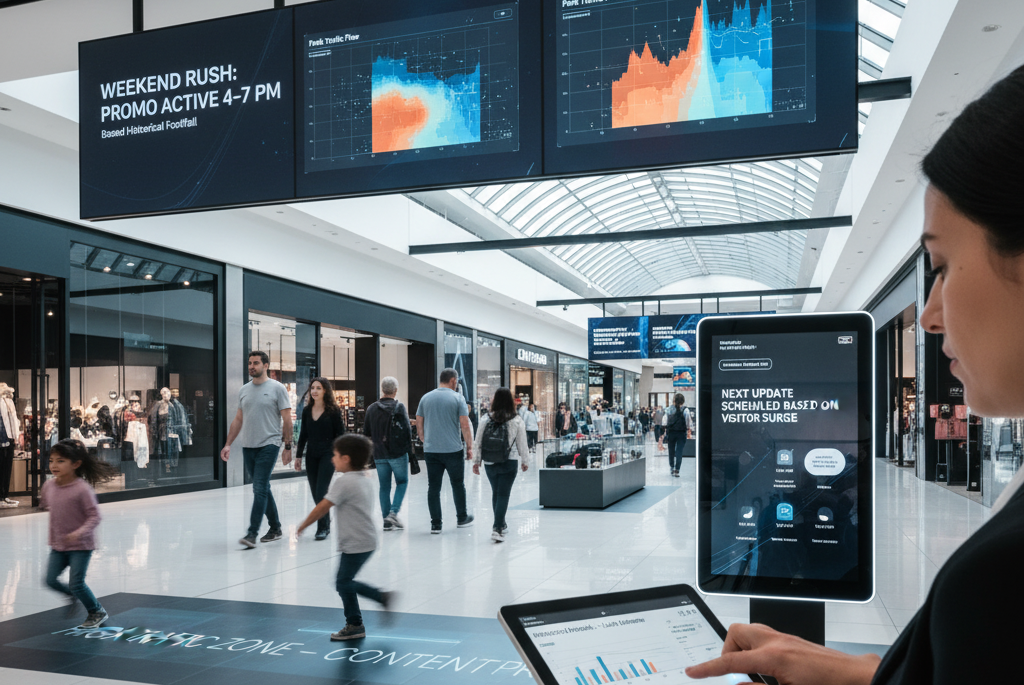
Begin with informed scheduling assumptions by using historical data or prior observations about footfall traffic patterns. For instance, if you manage digital signage displays in shopping malls, you might assume that weekends and late afternoons see the most visitors.
Before investing in footfall analytics or sophisticated content management systems, such assumptions help shape an initial digital signage strategy. Over time, these assumptions can be refined using data-driven insights and external triggers like local events, online campaigns, or weather conditions.
Gather Basic Footfall Data Manually
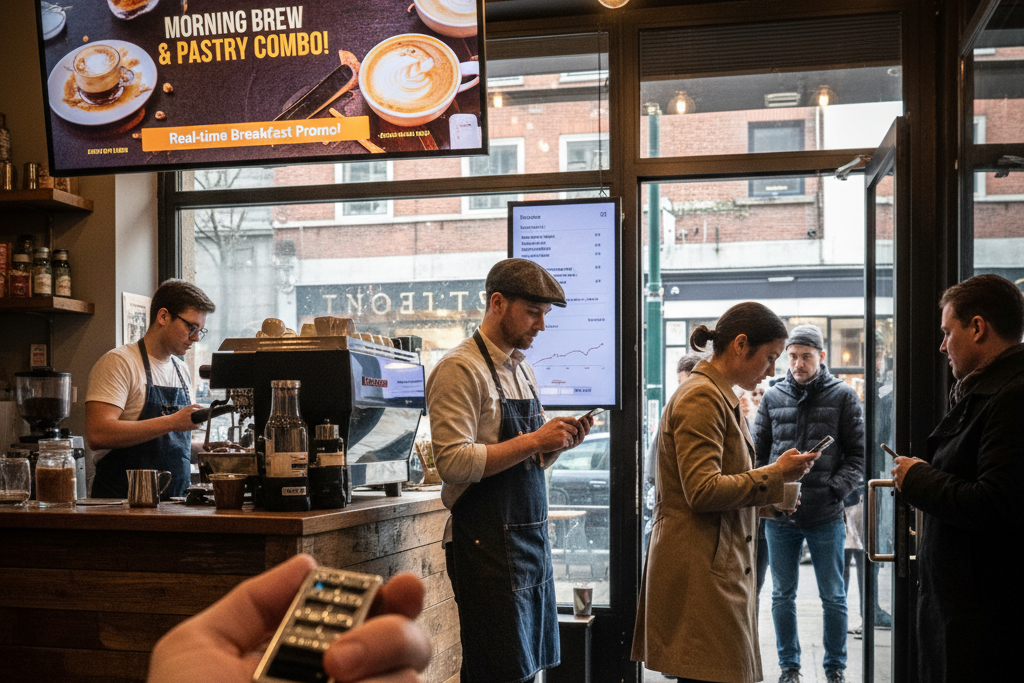
Gather basic footfall data manually by observing public spaces or retail stores at various times. This can involve simple methods like manual counting, using tally counters, or video reviews to assess footfall traffic patterns during different hours or days.
While basic, this method allows small businesses without technical skills or access to proper digital signage content management software platforms to start making better scheduling decisions. For instance, a café might note that menu boards attract the most attention during morning rush hours, prompting timely promotions of breakfast items.
How Do Sensors Automate Footfall Data?
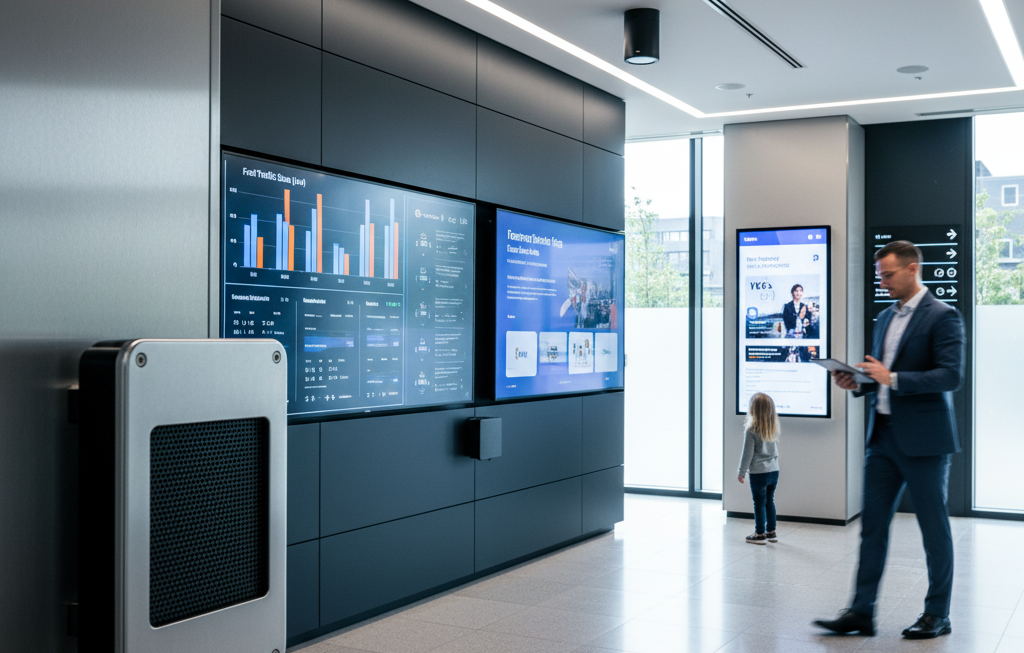
Automate footfall tracking with sensors to gain real-time, accurate foot traffic data. Sensors, such as infrared counters or thermal imaging, can track movements across retail space, corporate lobbies, or public spaces without manual intervention.
According to Statista, 35% of businesses implementing automated footfall analytics report 20% higher efficiency in scheduling screen content for digital signage systems. Automation enables precise content scheduling tied to actual behaviors, helping businesses maintain content relevance and align with marketing strategies.
Leverage Device and Software Data for Traffic Patterns
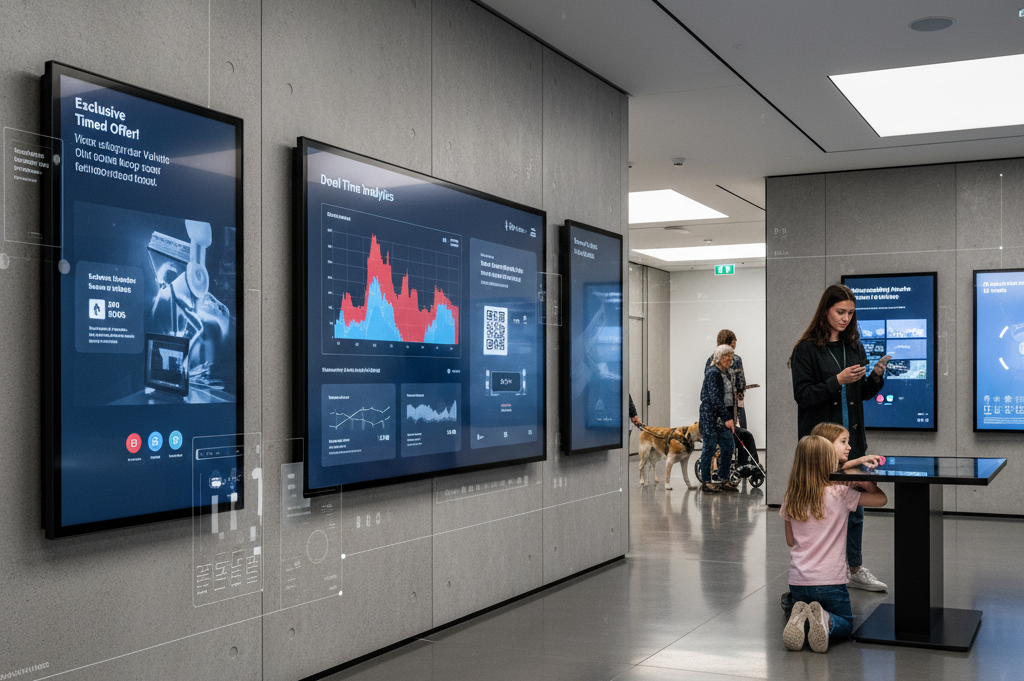
Leverage device and software data for traffic patterns by integrating tools like Wi-Fi analytics or mobile app trackers into your digital signage solutions. These systems can reveal dwell times, preferred zones, and heat maps that reflect how customers interact with your environment.
For example, digital signage software integrated with CMS platforms can use these patterns to suggest when to display interactive elements like QR codes or exclusive discounts. Data from Grand View Research highlights that over 70% of businesses using such integrated digital signage solutions see improved brand recognition and business growth through better-timed content.
Integrate Digital Signage and QR Code Engagement Metrics
Integrate digital signage and QR code engagement metrics to directly link footfall data with customer engagement. When a signage screen includes a QR code, tracking scans help correlate content timing with actual customer actions. This insight lets you refine content strategy to ensure clear and concise messaging during periods of peak interaction.
Optimize Office Communication with Company TV Screens
Optimize office communication with company TV screens by applying footfall data to internal digital signage for employee communications. In corporate lobbies or open-plan offices, scheduling screen content, like reminders, event notices, or team updates, around peak employee movement ensures maximum visibility and supports initiatives such as how to improve sales team culture with digital signage through recognition, motivation, and shared goals.
By aligning digital displays with daily patterns, companies can reduce perceived wait times in common areas and improve the internal customer experience. This tactic helps maintain clarity and ensure that important messages, including user generated digital signage content, reach employees at the right moments.
FAQs
What tools are best for collecting footfall data for digital signage?
The tools best for collecting footfall data for digital signage include sensors, cameras, Wi-Fi analytics, and mobile tracking systems. These integrate with your digital signage system and content management platforms to monitor foot traffic across your display network.
Can footfall data improve digital signage ROI?
Yes, footfall data can improve digital signage ROI by aligning content timing with peak foot traffic to boost sales and improve the customer experience. Businesses can deliver more impactful ad campaigns on electronic displays and interactive screens when people are most active.
How often should I update scheduling based on footfall trends?
You should update scheduling based on footfall trends at least monthly, or more often in fast-changing environments like retail stores or event spaces. This ensures your digital signage system reflects current foot traffic patterns for maximum engagement.
What industries benefit most from footfall-driven signage scheduling?
Industries that benefit most from footfall-driven signage scheduling include retail stores, airports, hotels, and entertainment venues. These sectors rely on digital signage, interactive screens, and video walls to capture attention during peak foot traffic times.
Is footfall tracking accurate enough for real-time content adjustments?
Yes, footfall tracking is accurate enough for real-time content adjustments when using modern sensors and analytics. This allows businesses to update interactive screens, video walls, and electronic displays instantly as foot traffic changes. It ensures timely messaging that can engage potential customers, even in areas with direct sunlight or complex aspect ratios.
Why Choose AIScreen for Footfall Data?
Easily integrate foot traffic data with your content management system, deliver targeted messaging during peak hours, and boost customer engagement for stronger business growth. Leverage smart scheduling to reach your target audience at the right time, every time.
Get started with AIScreen’s analytics and scheduling tools to maximize your digital signage strategy. The platform offers user-friendly analytics, remote management, and automated insights to help you schedule content based on real footfall data.
