
Content Automation for Digital Signage: The Ultimate Guide
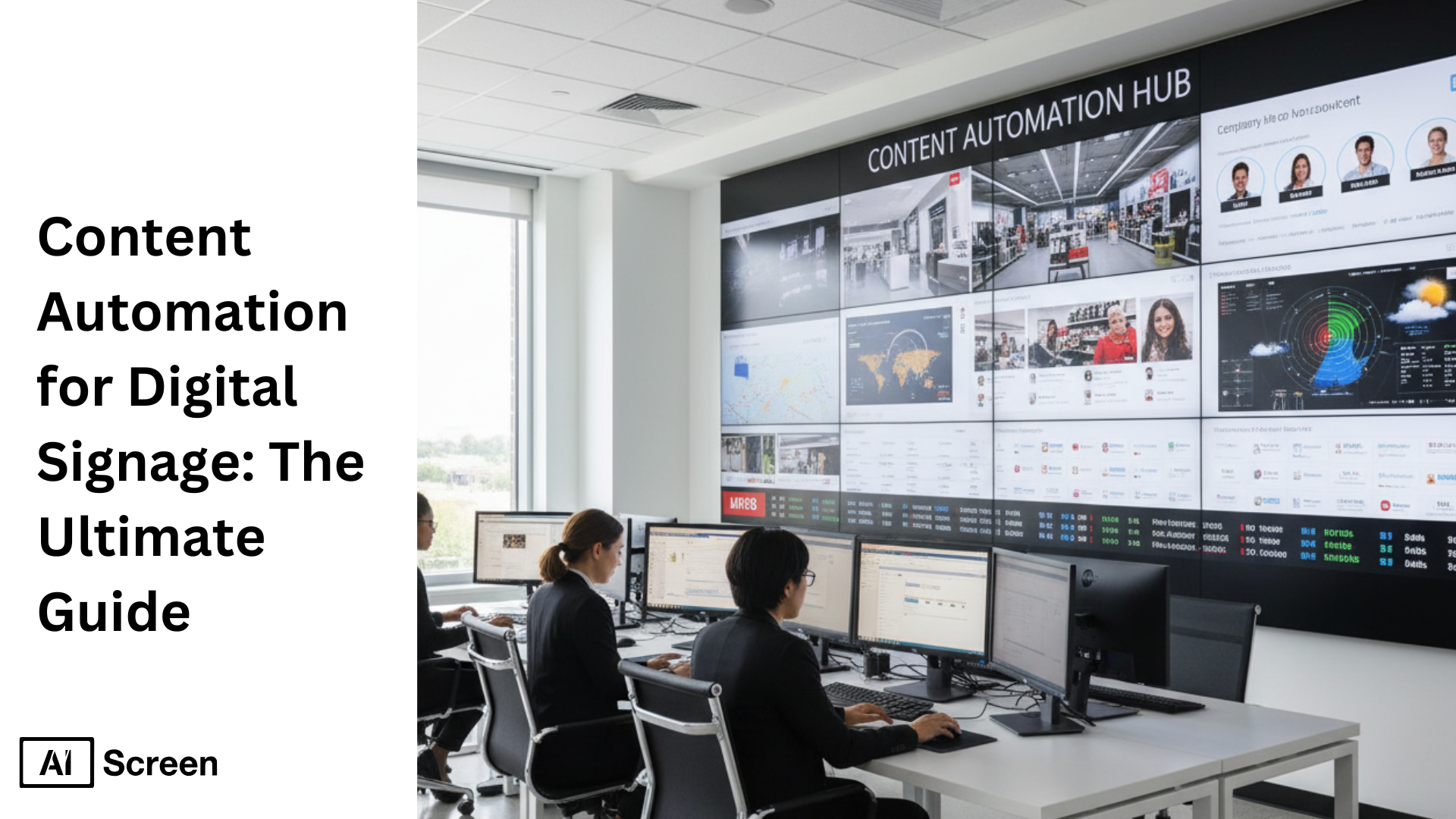
Content automation for digital signage is changing the game by eliminating the need for constant manual updates across multiple screens. Using AI-powered tools and dynamic data feeds, businesses can automatically update their digital displays in real time. Research shows this automation can cut content management time by up to 60%, ensuring brand messaging stays consistent and engaging across retail stores and global networks.
In this article, you will learn why content automation for digital signage is the ultimate guide to streamlining your visual content strategy. Want to create digital signage content that stays fresh and relevant without hassle? We will cover features, benefits, and hands-on steps for implementing automation tools, so your digital signage system delivers dynamic, visually appealing content with minimal effort. Whether managing digital menu boards or internal dashboards, automation simplifies content management while maximizing impact.
What Is Content Automation in Digital Signage?
Content automation in digital signage basically means your screens update themselves. This means you don’t need to manually upload new designs or content and perform screen placement all the time.
Think of it like connecting your content management system (CMS) to live data feeds, APIs, and ready-made templates, and using interactive elements that do the heavy lifting for you. So, your weather updates, stock market tickers, or special promos refresh automatically, keeping things fresh without you lifting a finger.
With content automation for digital signage, you get a perfect mix of template-driven content and real-time data feeds working together. This not only saves you tons of time but also cuts down on mistakes and keeps your messaging sharp.
Plus, your audience stays engaged because your screens are always showing relevant, up-to-date information that matches your brand vibe across all locations.
Why Choose Digital Signage Content Automation?
You may wonder that digital signage content automation isn’t just about convenience; it’s about control and scalability. It helps businesses streamline updates, enhance brand presence, and engage audiences more effectively, all while saving time and money.
- Save Time and Reduce Manual Workload: Automation slashes the endless task of manually designing and updating each screen. Imagine a retail chain using automation to instantly update all store displays with new promotions, freeing their marketing team to focus on strategy, not screen fiddling.
- Maintain Brand Consistency and Quality: Templates and automation keep every screen looking polished and true to your brand guidelines. Whether you manage one location or a global network, automation ensures your digital signs aren’t just consistent but also professional and visually appealing every time.
- Keep Content Fresh and Engaging: With real-time feeds like weather, news, or live event updates, your content never grows stale. For example, quick-service restaurants use automation to rotate menus and specials automatically throughout the day, keeping customers interested and informed.
- Improve Audience Engagement and Retention: Displaying relevant, timely content draws more eyes and interaction. Digital signage in airports showing live flight info or retail stores highlighting flash sales keeps audiences engaged, encouraging repeat visits and higher retention.
- Enhance Cost-Effectiveness: Subscription feeds and automation tools scale up without scaling costs. You get the benefit of fresh, targeted content without hiring extra staff or buying new hardware. It’s an affordable way to maximize your digital signage investment.
Ready to take control and make your digital signage smarter? Book a demo or start your free trial with AIScreen today.


How Digital Signage Content Automation Transforms Content Management?
Digital signage content automation transforms how content is created, scheduled, and delivered by giving marketers and managers more control, enabling faster updates, better targeting, and greater accuracy.
Industries like retail, transportation, hospitality, and education are leveraging this technology to keep their displays relevant and engaging at all times. It replaces manual updates with smart systems that adapt content instantly based on data and triggers, making your signage more effective and efficient.
Automated Content Scheduling and Publishing
Automatically time your digital signage content scheduling tools for optimal impact, whether it’s news feeds in the morning or promotional offers on weekends. They can trigger updates based on specific events or weather conditions, reducing the need for manual intervention.
This hands-free approach is perfect for 24/7 operations, like digital menu boards or retail displays, which need constant updates without staff oversight. This level of scheduling flexibility also demonstrates how digital signage can support event promotion, ensuring reminders, agendas, and real-time updates appear precisely when they’re needed.
Dynamic Content Adaptation for Maximum Engagement
Automation systems can adjust content based on audience, weather, or location data, making each message more relevant. For example, a traffic-triggered message in a transit station or weather-based ads in retail stores can change dynamically. APIs, widgets, and data integrations allow seamless content updates that increase engagement and viewer retention.
Connectivity with IoT and Big Data for More Targeted Content Delivery
IoT sensors collect real-time contextual data, helping digital signage deliver highly relevant content. Big data and analytics insights enable personalized experiences, like customizing ads in retail based on customer preferences or adjusting transit info depending on traffic flow. These smart systems turn digital signs into real-time, intelligent communication tools in smart cities and transportation hubs.
Enhanced Personalization and Customer Engagement
Automation enables tailored messages by analyzing audience behavior, often through CRM data or engagement metrics. For example, greeting customers by name at a store, offering localized deals, or showing dynamic visuals based on customer preferences create more meaningful interactions. This personalization boosts customer satisfaction and loyalty.
Minimizing Errors and Operational Costs with Automation
Automation reduces human error in content deployment across multi-screen networks, ensuring consistency and timing accuracy. Centralized control allows businesses to manage all screens remotely, saving operational costs and reducing maintenance efforts. Smart scheduling and updates mean fewer staff hours and fewer mistakes, helping your system run smoothly.
Strategic Advantages of Automated Digital Signage Content
With automation, your brand message stays consistent across all screens, reinforcing your identity everywhere. It also allows campaigns to react quickly to real-world triggers, like weather changes or breaking news, making your marketing more agile. This strategic approach gives your business a competitive edge by delivering relevant, timely content that engages and influences your audience.
How to Implement Digital Signage Content Automation?
Implementing digital signage content automation can seem complex, but breaking it down into clear steps makes it a simple and efficient way to manage your digital signage content strategy at scale. Here’s a straightforward 5-step process to transform your content creation and delivery across multiple digital screens and display networks.
Step 1: Choose a Capable CMS Platform: Select a digital signage content management system that supports automation tools, widgets, and flexible scheduling. AIScreen’s platform, for example, offers centralized control allowing you to seamlessly manage content across digital signage screens globally. The right content management system CMS becomes the backbone of your digital signage investment, streamlining your entire content automation process.
Step 2: Use Pre-Configured Templates and Feeds: Leverage reusable templates and integrate dynamic data feeds like RSS feeds or stock market updates to jumpstart your digital signage content creation. Retail stores often use premade templates to showcase promotions or local events, ensuring brand messaging stays consistent with minimal effort, making content creation visually appealing and on-brand.
Step 3: Integrate External Data Sources and APIs: Synchronize your CMS with external data sources such as live calendars, weather updates, or POS data for digital menu boards. This allows your digital signage system to automatically update content in real time, keeping messaging relevant and engaging, whether in quick service restaurants or internal dashboards.
Step 4: Schedule Smartly and Test Regularly: Create content calendars and automate publishing based on audience patterns, event schedules, or time of day. Analytics tools help you measure content relevance and audience engagement, letting you tailor content for maximum impact. For example, transit authorities adjust messages in rush hour versus off-peak times, enhancing communication effectiveness.
Step 5: Review and Optimize Your Automation Strategy: Regularly update templates, feeds, and data management settings to avoid stale content and continuously refine your visual content. Test new automation workflows and digital signage content management features to maintain high-quality visuals and audience engagement. Remember, content automation for digital signage, the ultimate guide, involves iteration to keep your brand identity sharp and your content up to date.
Automate Your Digital Signage Content with AIScreen!
AIScreen, one of the leading digital signage software providers, takes the complexity out of automation, helping teams update, schedule, and publish multilingual digital signage content effortlessly. Whether you are managing a single location or a global network, AIScreen’s platform streamlines your content automation for digital signage with powerful, easy-to-use tools.
With over 1500 pre-made templates and apps, getting started is quick and visually impressive. You can connect APIs and dynamic feeds like weather, news, or stock tickers to deliver live, relevant, and engaging content automatically.
Centralized digital signage CMS control lets you manage multiple digital signs for modern communication from one dashboard, making multi-location management simple and efficient. Plus, real-time content updates, including high-resolution images, ensure your digital displays stay fresh and engaging, helping you capture attention and boost brand impact.
Ready to simplify your digital signage content automation? Start your free trial or book a demo with AIScreen today to see how easy modern digital signage management can be.
Frequently Asked Questions
What is content automation for digital signage?
Content automation for digital signage means your digital screens update themselves automatically by linking content management systems with dynamic data feeds and pre-made templates. This eliminates the need for constant manual updates and keeps displays fresh and relevant.
How does digital signage content automation save time?
Digital signage content automation saves time by cutting down repetitive manual tasks such as uploading visuals or changing promotions. Automation does the heavy lifting, like updating menus, news, and weather feeds in real time, letting teams focus on strategy and creative content.
What types of content can be automated on digital signage?
You can automate a wide variety of digital signage content, including real-time data like weather, news, stock tickers, social media feeds, promotions, event schedules, and video content. If any of those feeds are geo-restricted or localized, rotating residential proxies can help you test availability and rendering from the same regions your screens target (where permitted). Even digital menu boards and interactive elements can update automatically based on sales data or customer interaction.
Can small businesses use digital signage content automation?
Yes! Small businesses can absolutely benefit from digital signage content automation. It offers an affordable, simple way to deliver engaging content consistently without needing a large team. Retailers, quick service restaurants, and local offices use automation to save time and enhance communication effectively.
What are the biggest benefits of content automation for digital signage?
The biggest benefits of content automation for digital signage are consistent, up-to-date messaging, reduced workload, improved audience engagement, and cost savings. Automation also helps maintain brand identity across multiple screens while delivering dynamic, relevant content that keeps viewers interested.
