
Which Are The Best Examples of Window Displays?
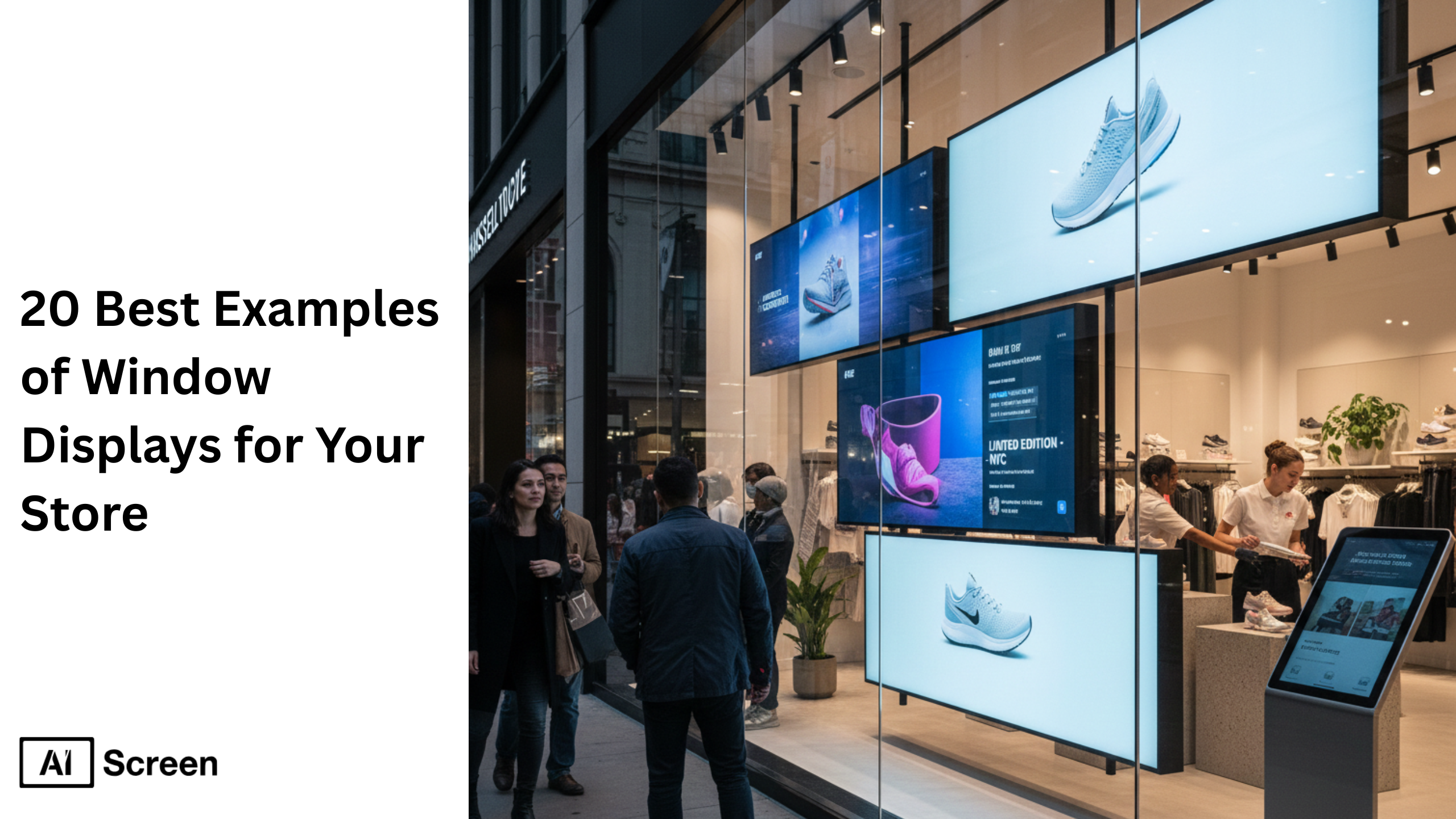
Window displays turn a storefront into a visual story that speaks directly to passing shoppers, but have you ever wondered what makes a window irresistible enough to pull you inside? A properly designed display becomes an immersive brand experience, using lighting, bold colors, props, and narrative to capture attention, boost foot traffic, and increase sales. Essentially, window displays are curated scenes in your store windows that showcase your brand image, highlight key products, and invite potential customers inside. According to EUDL, 53% of retail consumer respondents said that a window display was the main factor in their decision to visit a particular store.
In this blog, you’ll discover a perfect blend of inspiration and practicality. We’ll walk you through how creative use of lighting, color, and storytelling transforms store windows into powerful marketing tools, turning passersby into engaged customers. You’ll also find 20 best examples of window displays for your store, carefully curated to spark fresh ideas and help you design displays.
Modern facilities manage these displays with digital signage software so signage stays accurate and easy to update.
1. Festive-Themed Window Displays for Seasonal Sales
A festive-themed window display captures holiday spirit and builds emotional connection during key seasons. Picture red and gold décor, twinkling lights, oversized ornaments, and themed props that instantly tell a seasonal story.
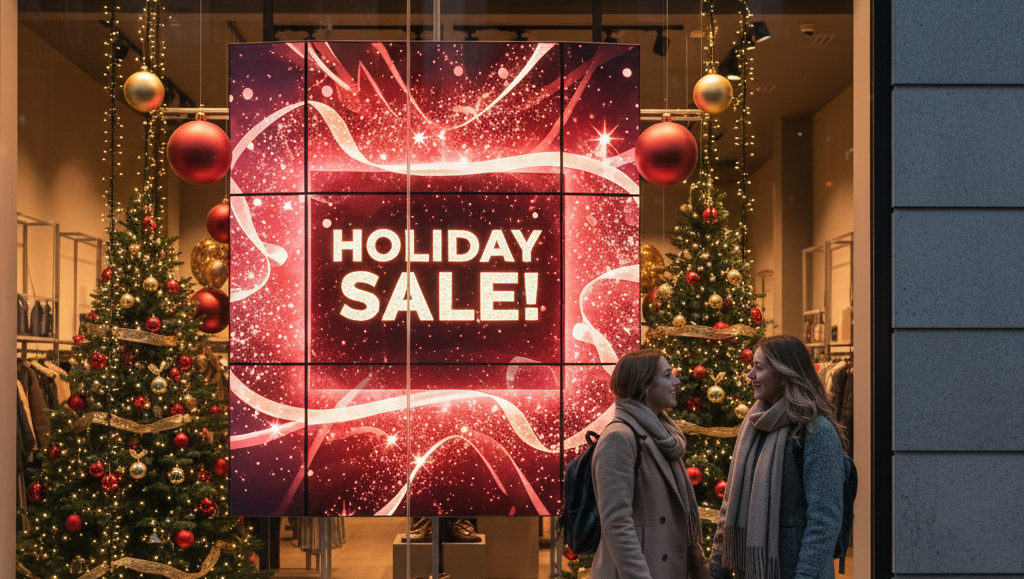
This kind of retail window display works well for boutiques, gift stores, and cafes aiming to boost impulse purchases during holidays. It attracts more foot traffic, creates a sense of urgency, and reinforces brand identity tied to the season.
Have you ever paused to admire a shop window wrapped for Christmas and felt drawn in? The visuals, combined with story cues, invite shoppers to stop, look, and enter, increasing conversion opportunities.
2. Fashion Mannequin Retail Window Display with Layered Lighting
A fashion mannequin retail window display with layered lighting creates depth, spotlights key outfits, and elevates brand perception. Imagine mannequins dressed in seasonal looks under soft ambient light, accent spotlights, and back-lighting for silhouettes.
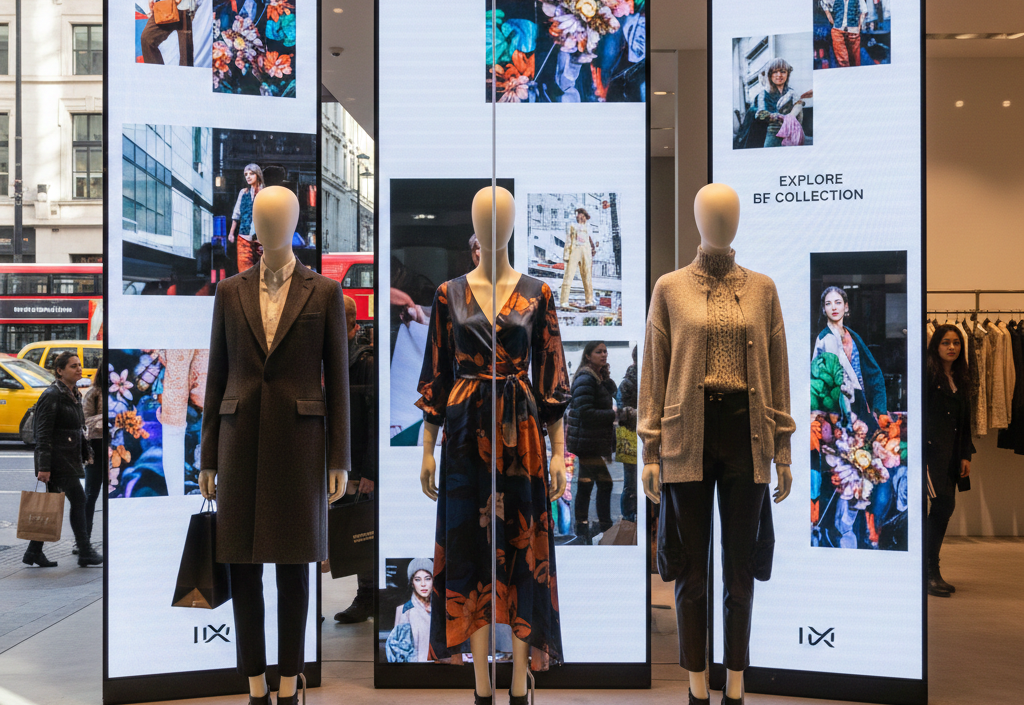
High-end fashion boutiques or large apparel chains benefit most from this approach. It improves visual appeal, guides the eye to featured pieces, and supports brand storytelling through styling.
When was the last time a window’s lighting made you look twice? By managing brightness, shadows, and focal points, this style of display engages audiences and reinforces the brand image.
3. Interactive Store Window Displays with Motion Sensors
Interactive store window displays powered by motion sensors transform passersby into active participants. These window display concepts use screens that detect movement and trigger changing visuals, animations, or layered effects as people walk by.
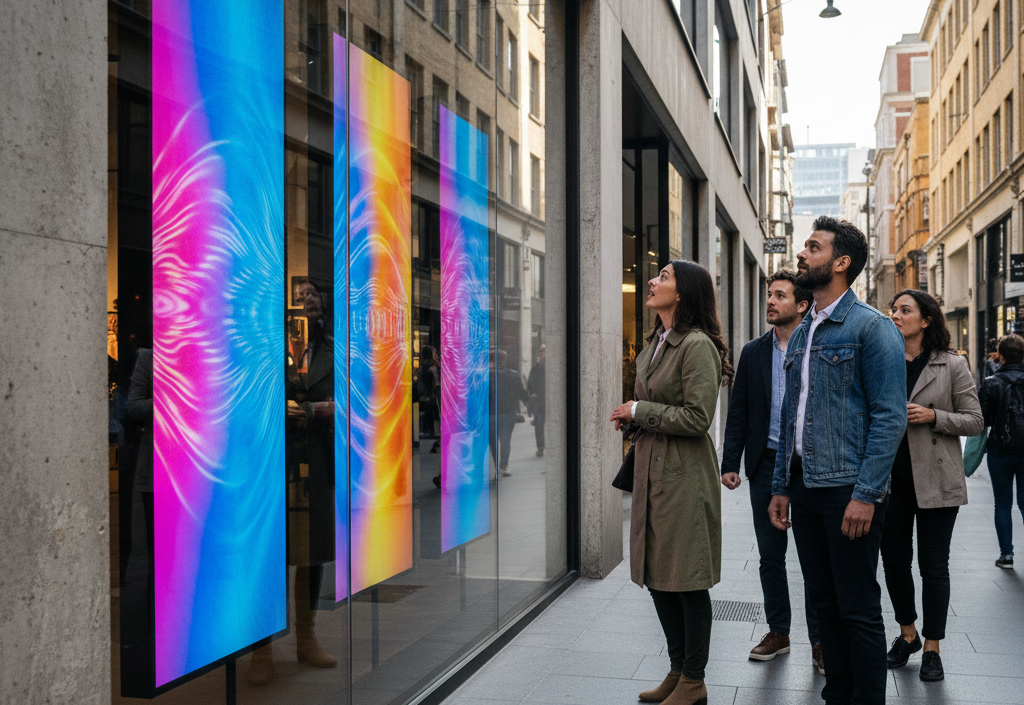
This approach is especially effective for technology stores, flagship brand locations, and retail spaces in high-traffic areas. The business impact is significant longer dwell times, increased social media sharing, and stronger brand recall. To amplify these results, many store owners pair interactive windows with social media digital signage, creating a seamless connection between in-store engagement and online visibility.
After all, who wouldn’t pause to watch a display that reacts to their presence? Dynamic, responsive window displays spark curiosity, encourage interaction, and help brands stand out from nearby competitors.
4. Minimalist Visual Merchandising Window Display for Premium Brands
It focuses on clean lines, neutral tones, and sleek design to let high-value items shine. These retail window displays often use subtle lighting and carefully chosen backdrops to highlight one or two signature products. By eliminating distractions, luxury retailers and watch stores create an inviting atmosphere that reinforces exclusivity.
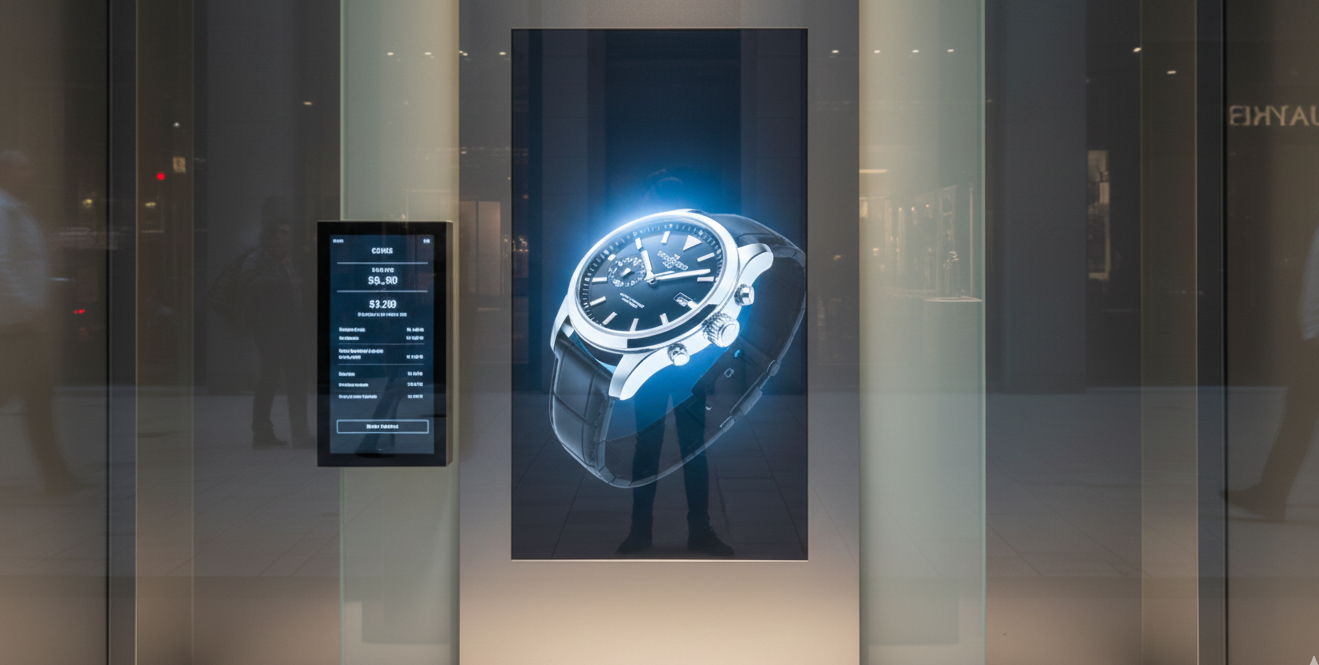
Do you find yourself drawn to displays where “less is more”? This style helps attract customers who appreciate sophistication and elegance. The simplicity draws attention to the focal point, creating an elevated brand message that enhances perceived value and drives more sales.
5. Storytelling Creative Window Display with Product Narratives
A storytelling retail window display transforms the storefront into a visual stage that narrates your brand story. Through creative arrangements, props, and sequential setups, it connects emotionally with the target audience. Imagine a retail store window showing how a product is crafted or telling a short seasonal tale, it draws attention, evokes curiosity, and encourages window shopping.
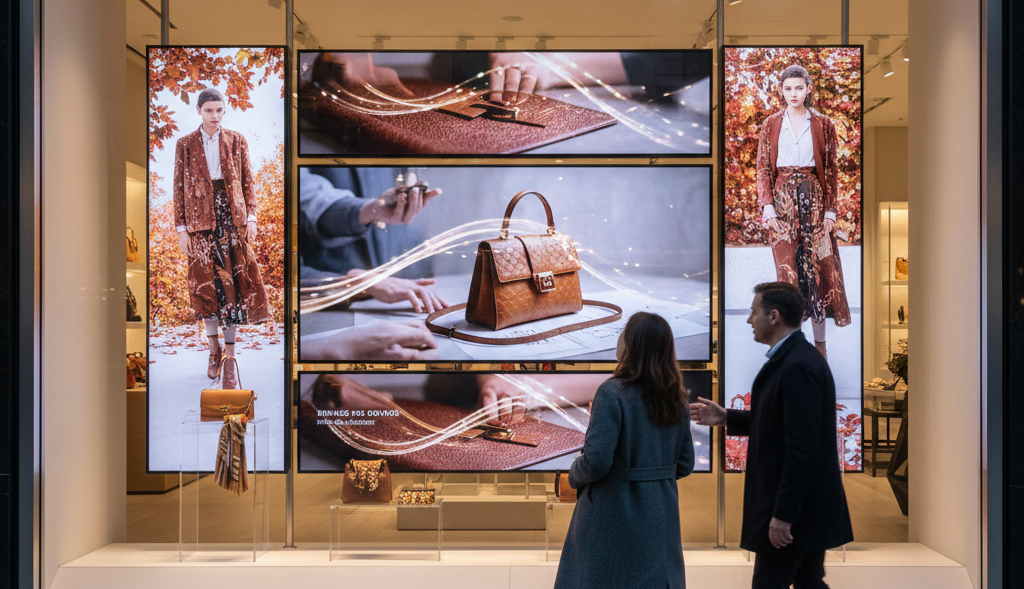
Want to make your window display tell a story? With our digital signage software, you can layer visuals, add animations, and even include interactive elements so your display shows how a product is made or highlights a seasonal story, turning every passerby into an engaged viewer.
Have you ever paused at a display window and felt like you were stepping into a story? This approach builds emotional engagement and brand loyalty. According to Research Gate, 58.6% of customers say their interest increases when they see a product displayed creatively, proving that effective window displays can turn storytelling into sales.
6. Artistic Boutique Window Display with Handmade Props
An artistic boutique window display featuring handmade props gives local businesses a sense of authenticity and creativity. By incorporating artisan-made elements, natural light, and softer lighting, these retail window displays attract customers who value craftsmanship and originality.
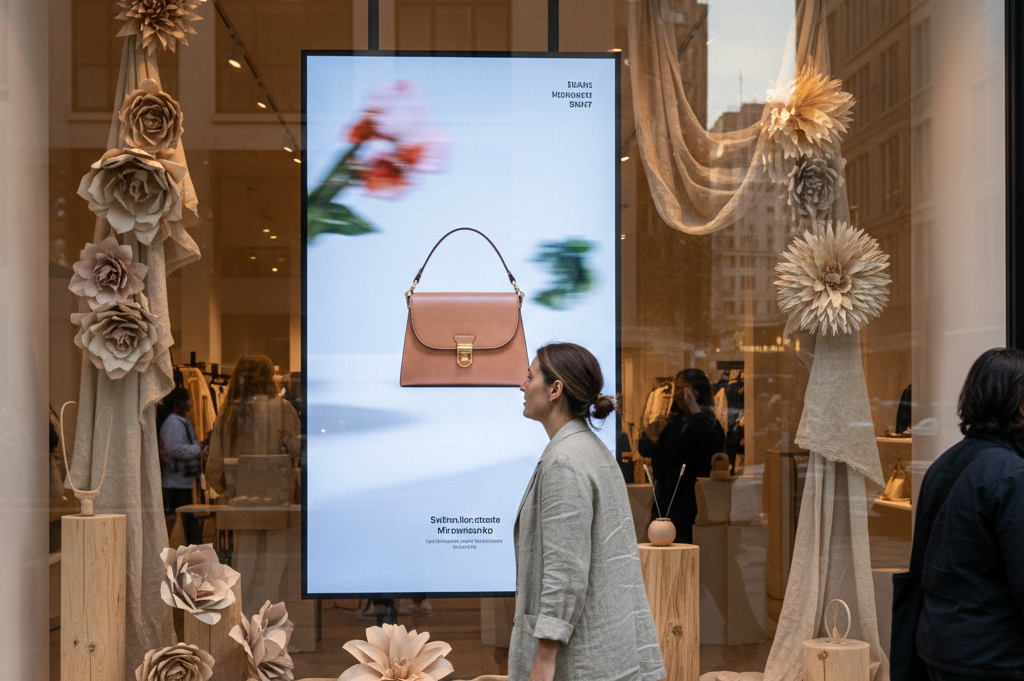
You know that feeling when handmade items in a window make a store instantly inviting? This design approach strengthens community connection and visual impact. It appeals to potential customers who prefer unique products and supports social media sharing by giving people something truly memorable to post.
7. Thematic Storefront Window Display for Product Launches
A thematic storefront window display ties visual design to a brand campaign or product launch. Retailers can use clear themes, like sustainability, heritage revival, or innovation, to create cohesive, eye-catching displays. A retail shop that integrates bright colors and coordinated props instantly draws attention from passersby.
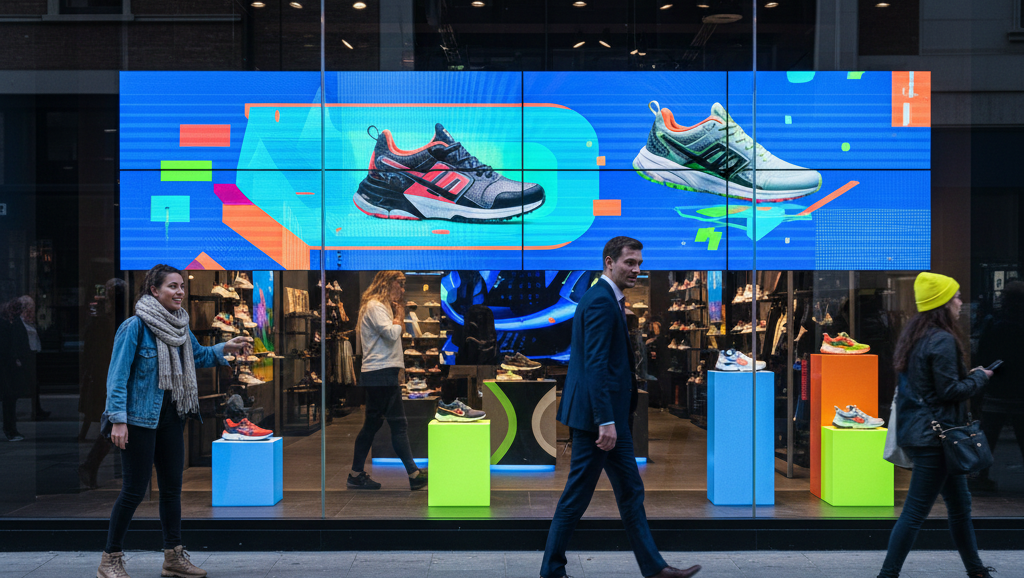
A store that looks freshly revamped can be so inviting, have you ever felt that? That momentary attraction is what these effective window displays aim for. They send a clear brand message, attract new customers, and generate buzz on both physical streets and online platforms.
8. Interactive Digital Shop Window Displays with QR Codes
Interactive digital window displays merge static visuals with dynamic content to engage modern shoppers. By using QR codes and LED screens, retailers can guide potential customers from a display window to a digital experience. This bridge between offline and online helps retail stores collect leads and boost engagement.
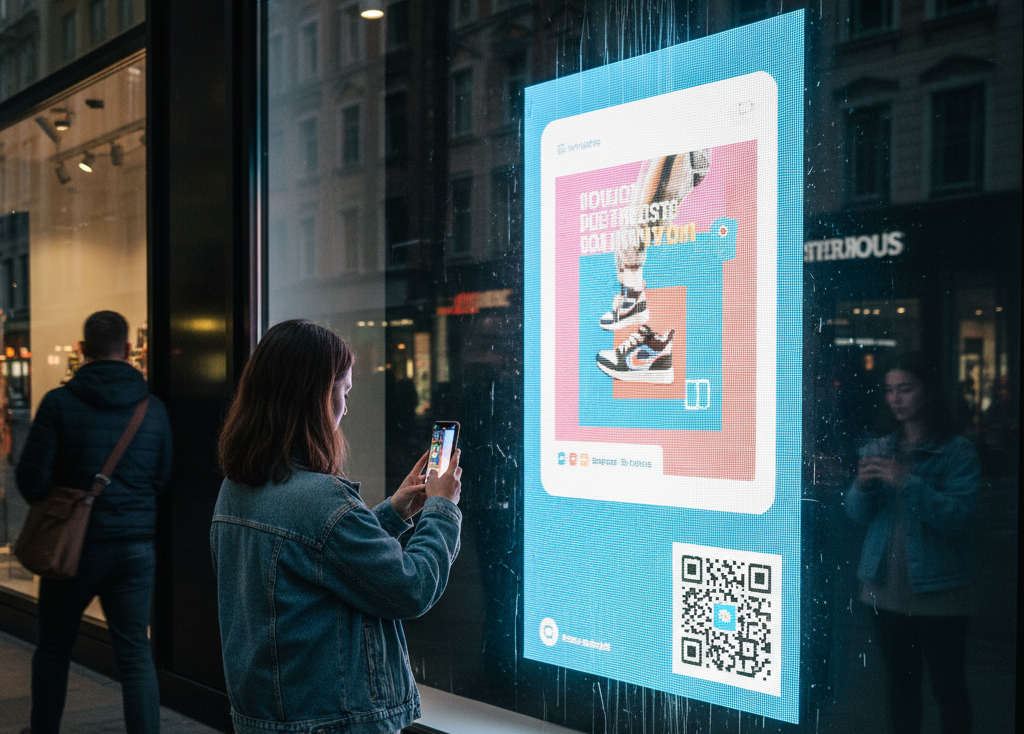
Have you ever scanned a code while window shopping just to learn more? These retail window display ideas are a perfect blend of creativity and technology. They attract customers even after hours and provide measurable insights into foot traffic and interaction rates.
9. Nature-Inspired Small Window Display with Eco-Friendly Props
Nature-inspired retail window displays bring calm and freshness to busy streets. Using greenery, wooden textures, and natural elements, this display design creates a peaceful environment that appeals to eco-conscious audiences. For cafés, wellness brands, and local businesses, this approach aligns perfectly with sustainability values.
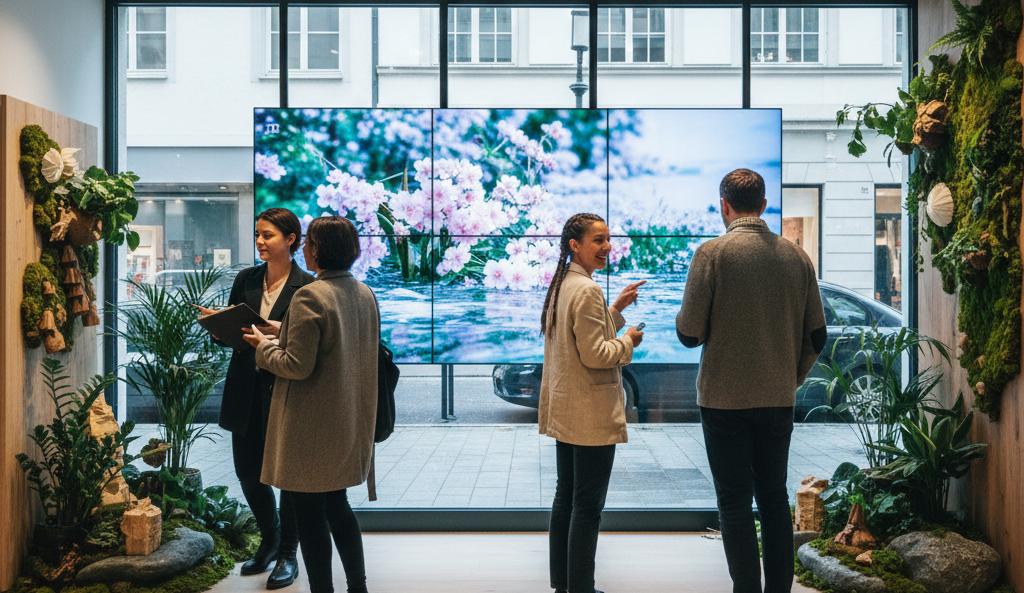
Wouldn’t you stop at a display window that feels like a mini nature escape? Such setups attract customers who connect with authenticity and mindfulness. The combination of soft lighting and organic textures helps the retail store stand out while reinforcing a green brand message.
10. Fashion Trend Retail Window Display with Seasonal Colors
Fashion-forward window displays capture attention through timely color palettes that mirror seasonal trends. From pastel spring tones to rich autumn hues, these retail window display ideas keep stores looking current and relevant.
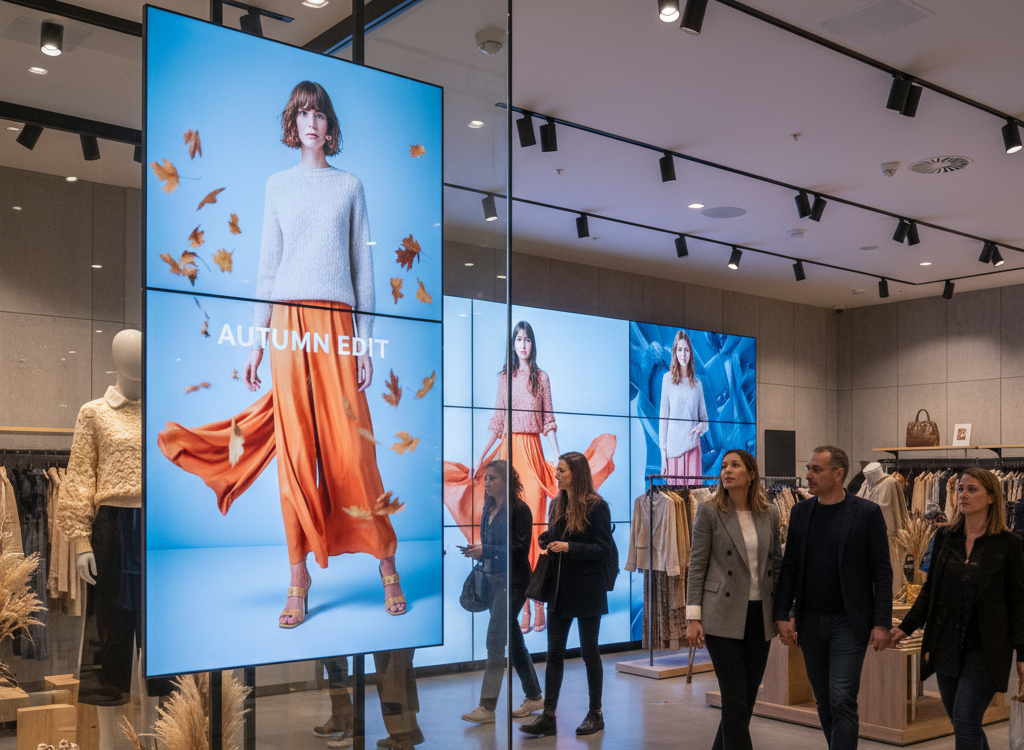
Have you noticed how certain displays instantly feel “in-season”? Regularly updating displays creates visual freshness that attracts customers and increases repeat visits. The use of bright colors and coordinated props builds a strong brand message while enhancing overall aesthetic appeal.
Some platforms, like AIScreen, offer high-resolution, customizable templates that make seasonal colors pop. This ensures that the digital elements of a window display match the fashion line’s aesthetic, enhancing brand cohesion.
11. Vintage-Style Creative Window Display for Antique Stores
A vintage-style window display featuring classic artworks and nostalgic props turns any retail shop into a time capsule. These displays create emotional connections by evoking memories and timeless charm. Antique stores and boutiques can use softer lighting to accent detailed items and attract curious visitors.
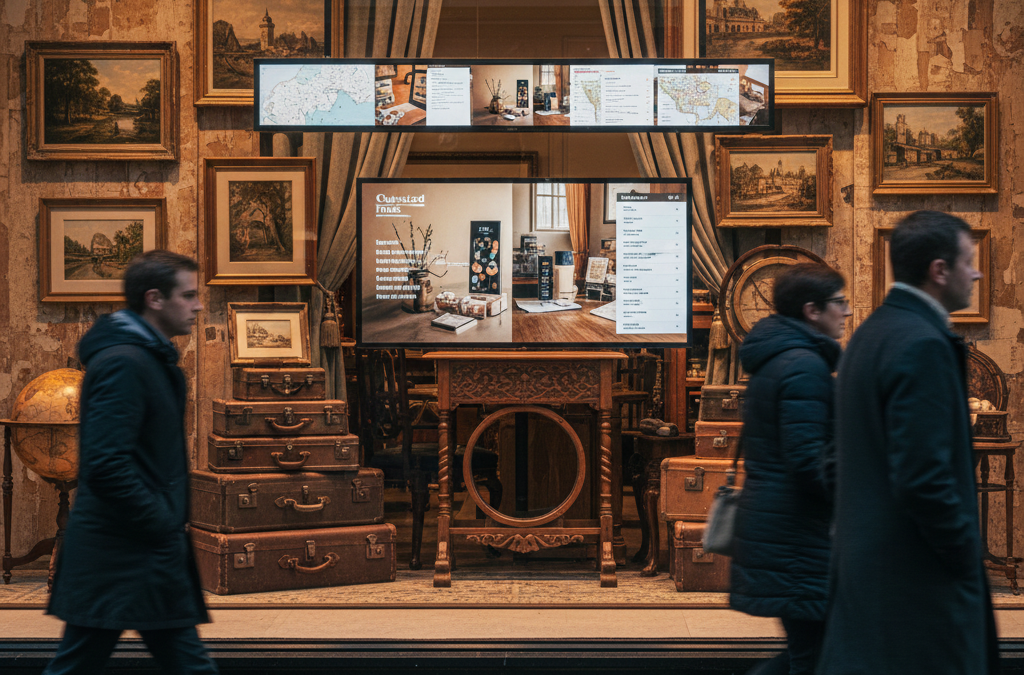
Ever been pulled toward a storefront that felt like stepping into the past? This approach draws attention from shoppers who appreciate heritage and uniqueness. It’s an effective window display style that slows foot traffic and enhances storytelling through design.
12. Luxury Brand Visual Merchandising Window Display with Monochrome Contrast
A luxury retail window display with monochrome contrast exudes minimalism and elegance. Black, white, and metallic tones paired with strategic lighting make the product the focal point. This type of display window works best for high-end fashion brands, jewelry stores, and art gallery-inspired boutiques.
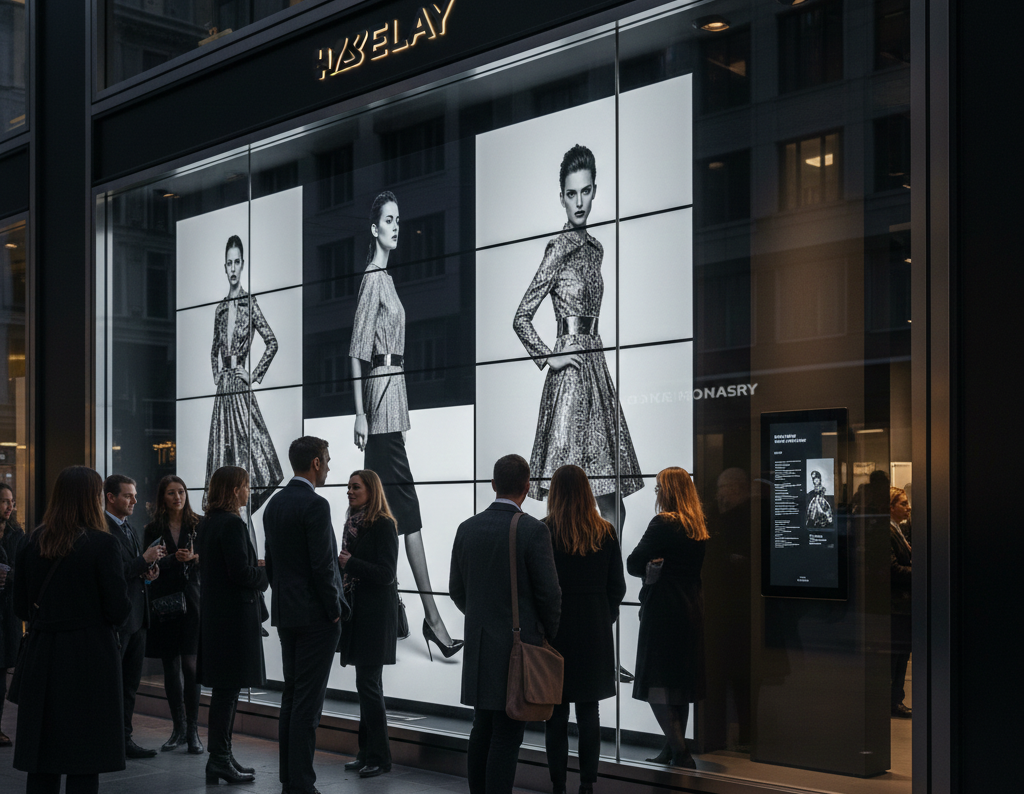
When was the last time a display stopped you because it looked like a piece of art? Such elevated window displays attract customers who value exclusivity and aesthetics. The sleek design eliminates distractions and communicates sophistication, helping luxury retailers maintain premium positioning.
13. Holiday Gift Store Window Displays with Product Bundles
Seasonal window display ideas for holiday campaigns use festive colors, gift sets, and coordinated arrangements to create excitement. Retail shops can display bundled products that make shopping effortless for busy customers.
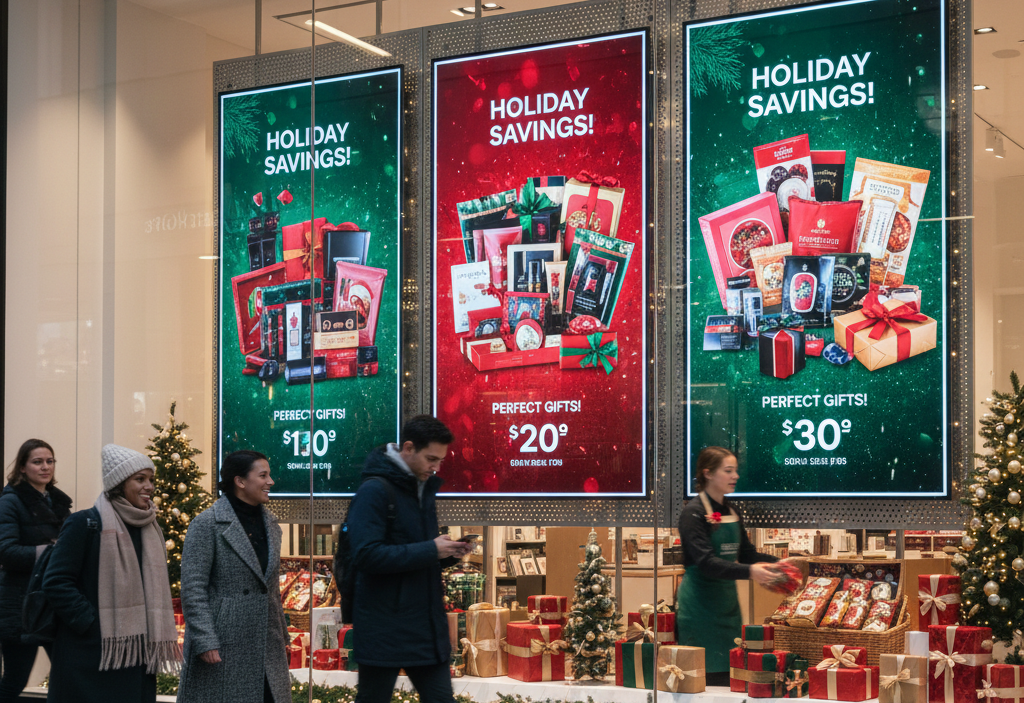
As you looked at the holiday-themed window, did a thought ever cross your mind, “I could buy this right now”? That’s the psychology behind effective displays, they create urgency and drive impulse purchases. This approach increases average transaction size while enhancing the festive atmosphere and encouraging social media sharing.
14. Minimal Space Small Window Display for Compact Shops
Compact retail window displays make the most of limited space with vertical layouts, strong focal points, and well-chosen props. Small retail stores or corner displays benefit by maximizing visual impact while maintaining clarity.
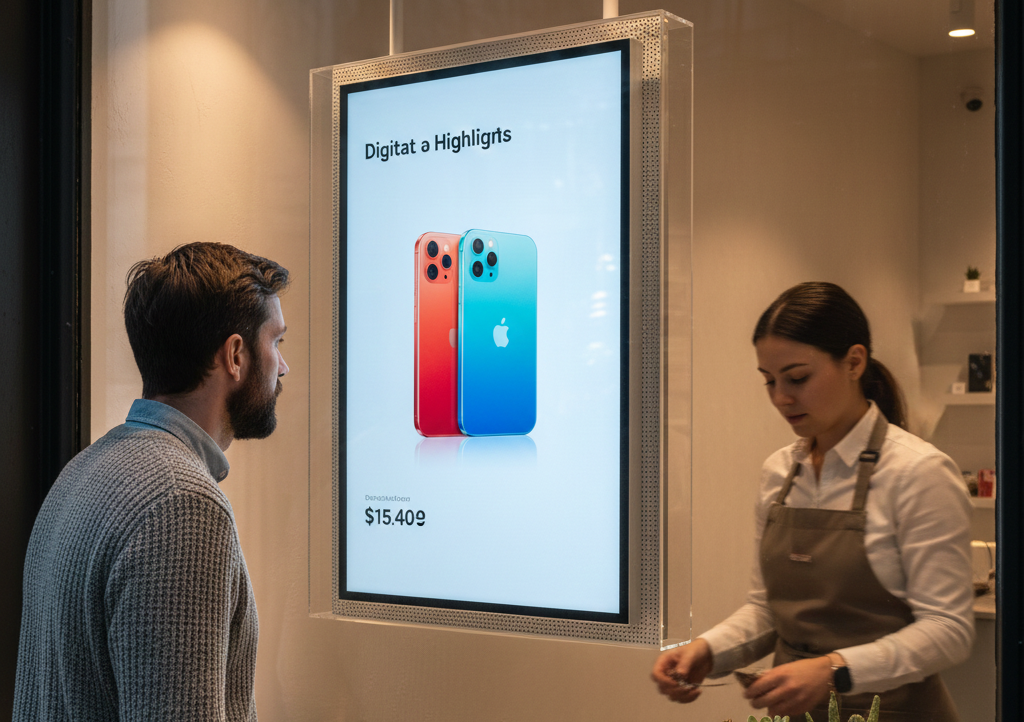
Would you stop at a cozy shop whose display felt neat yet striking? An organized window display with a clear theme attracts customers in just a few seconds. Even small-scale shops can drive foot traffic and reinforce their brand message through thoughtful design.
15. Themed Boutique Window Display for Local Artisans
A themed retail window display that showcases local artists and handcrafted props builds authenticity. For artisan stores and local businesses, these displays connect with community values and highlight creativity.
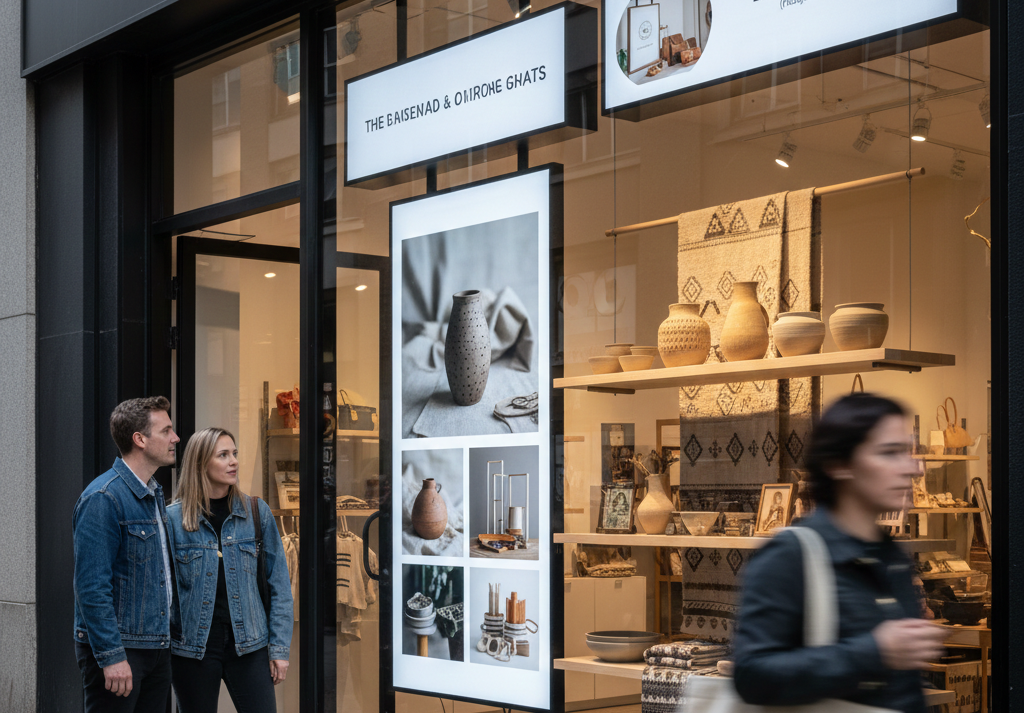
Ever caught yourself gazing at a window wondering, “This feels local”? That emotional connection helps attract customers who appreciate handmade goods. It also encourages visitors to share the setup on social media, giving the retail store greater visibility through organic promotion.
16. Tech Retail Storefront Window Display with LED Screens
Modern retail window displays for tech shops integrate LED screens, motion visuals, and interactive content. These windows engage tech-savvy audiences and demonstrate products in action, increasing visual impact and foot traffic.
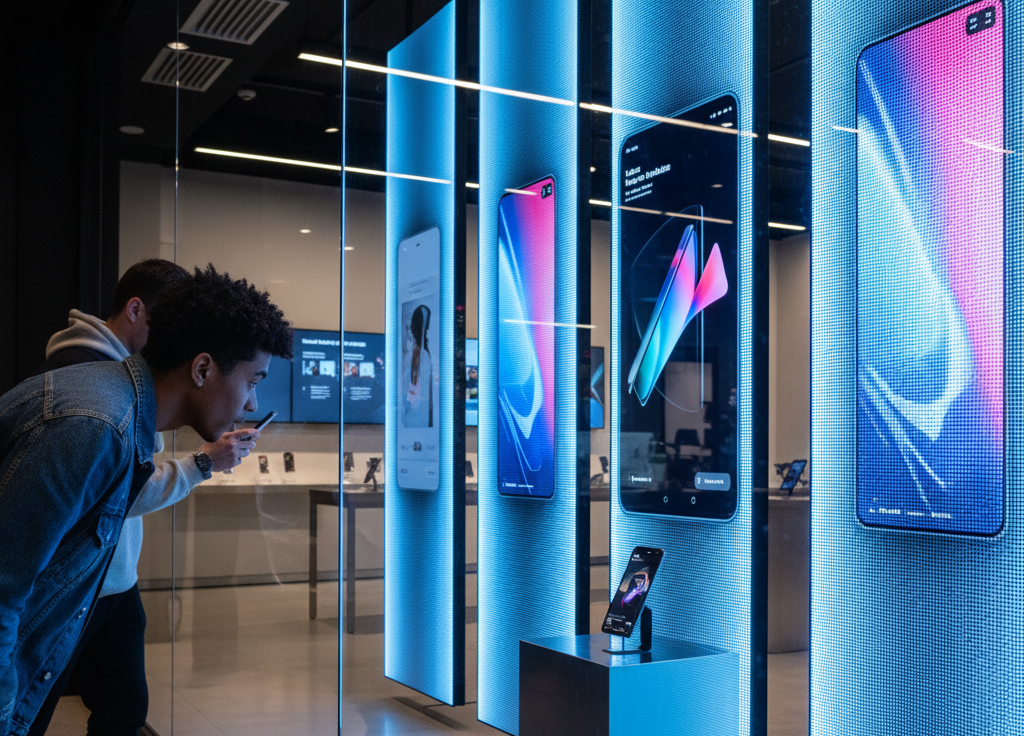
Would you pause longer at a display showing live demos rather than static posters? Dynamic display designs like these attract customers by showcasing innovation. They reflect a brand’s tech-forward identity and create an experience that blends entertainment with information.
With AIScreen.io, bring your tech displays to life using 4K video playback and real-time content synchronization across multiple screens. Ideal for showcasing product demos directly in your window display
17. Color-Coordinated Shop Window Displays for Strong Visual Identity
A color-coordinated shop window display creates a unified look that strengthens brand identity and draws customer attention instantly. These retail window displays use consistent color palettes across props, backgrounds, and signage to maintain a clear brand message and improve visual impact.
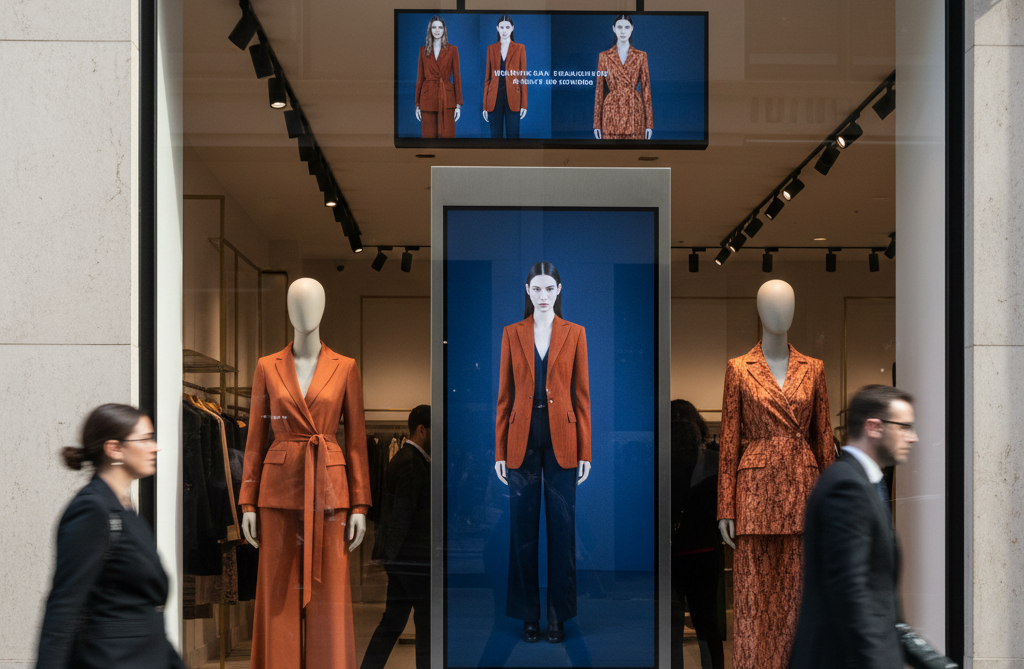
Ideal for fashion brands, cosmetics stores, and lifestyle boutiques, this approach ensures that every retail shop window looks harmonious and professional. When display design aligns perfectly with brand colors, it helps attract customers and makes the store more memorable.
Have you noticed a storefront where everything feels “on brand” from the first glance? That’s the power of a color-coordinated retail window display, it builds trust, encourages social media sharing, and increases foot traffic by delivering a visually appealing and cohesive look that customers can recognize from a distance.
18. Seasonal Retail Window Display for Back-to-School Campaigns
A seasonal retail window display for back-to-school campaigns uses playful themes, bright colors, and engaging props like chalkboards, books, and backpacks to attract students and parents.
These window display ideas are most effective for stationery shops, bookstores, and apparel retailers that want to create timely excitement. A well-designed display window signals relevance, helping the retail store connect with its target audience just when they’re ready to buy.
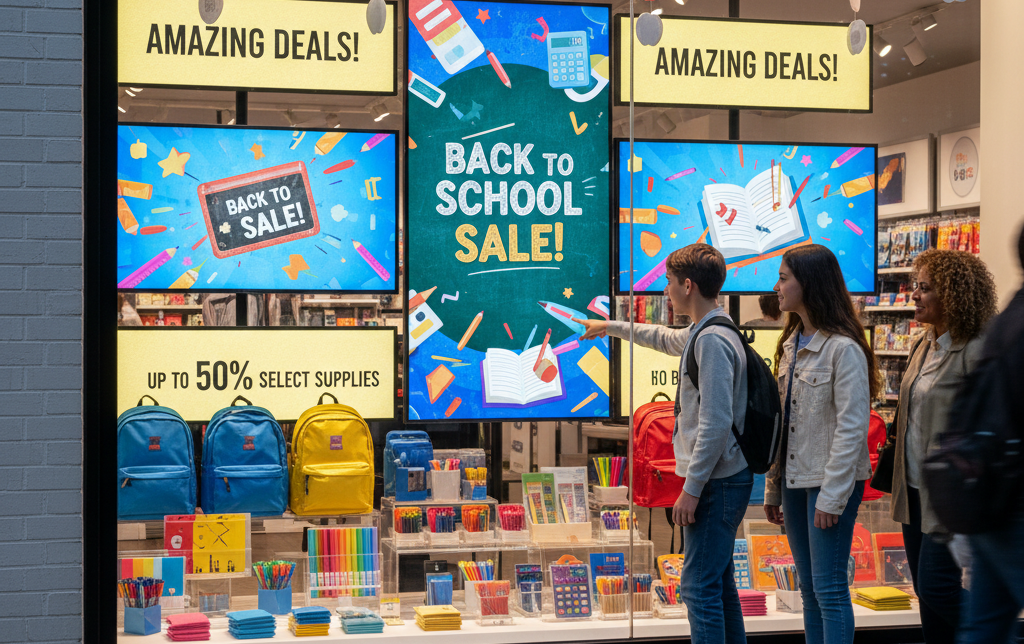
Do you find yourself drawn to window displays that speak directly to the season, like “back to school”? That’s no coincidence. A clear theme and smart display design can attract attention, drive foot traffic, and provide visitors with a reason to enter. Changing retail window displays regularly to match seasonal trends keeps the store fresh and increases sales opportunities.
19. Luxury Perfume Visual Merchandising Window Display with Glass and Light
A luxury perfume visual merchandising window display with glass and soft lighting captures the essence of refinement. Reflective surfaces, natural light, and carefully layered elements create an inviting atmosphere that feels like an art gallery.
These effective window displays work beautifully for perfume houses, jewelry boutiques, and high-end retail shops seeking to elevate brand perception. By combining elegant materials and softer lighting, businesses can draw attention to high-value items and create a premium impression.
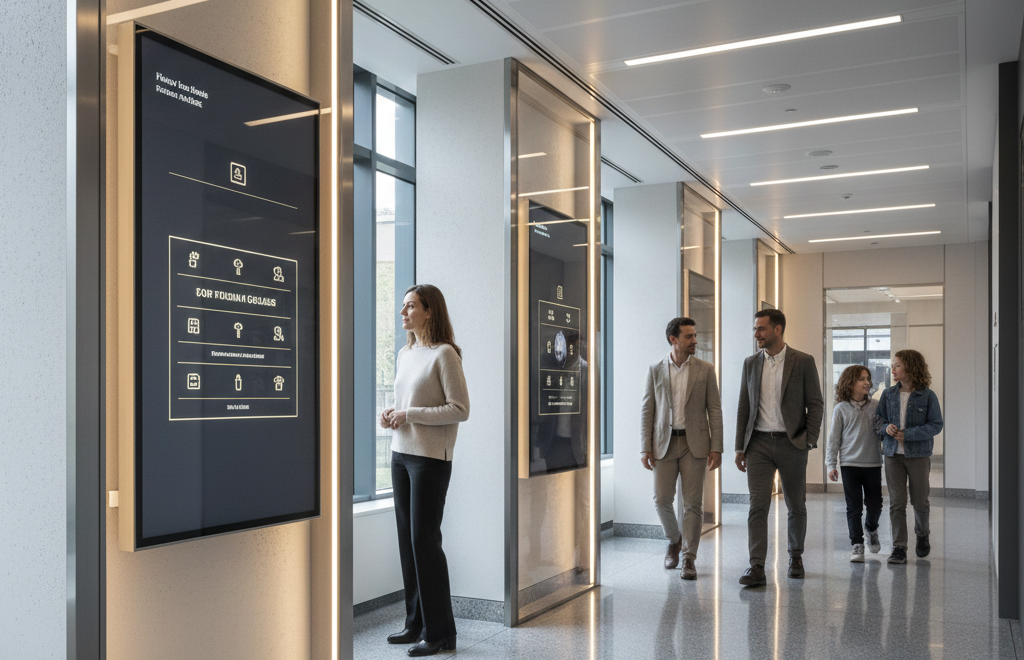
Ever been drawn to a display that looked more like a gallery than a store? That’s the intention. This style of retail window display invites curiosity, encourages closer inspection from potential customers, and increases dwell time, ultimately translating into more sales and stronger brand loyalty.
20. Pop-Culture Creative Window Display Inspired by Movies or Art
A pop-culture creative window display inspired by movies or art transforms a store’s interior and storefront into a visual experience. These retail window displays often feature oversized props, bright colors, and playful characters dressed as iconic figures, perfect for fashion, entertainment, or lifestyle brands.
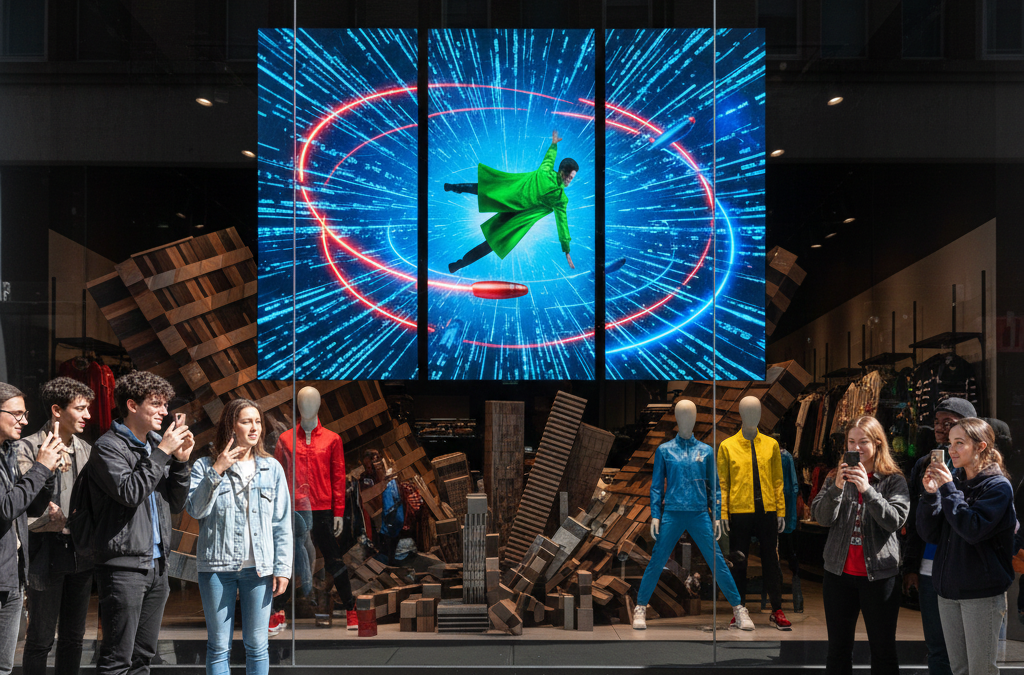
Such eye-catching window displays appeal to younger demographics, promote social media sharing, and turn window shopping into interactive storytelling.
Would you stop and take a photo if a window scene looked like your favorite movie moment? That kind of visual impact makes your store unforgettable. These retail window display ideas don’t just attract customers; they also help local businesses extend their reach through online platforms.
The result is an immersive, shareable experience that builds excitement and drives foot traffic from passersby eager to capture and post the moment.


Why Are Window Displays Important for Retail?
Window displays are important for retail store success because they act as your brand’s silent salesperson, grabbing attention, evoking emotion, and converting interest into store visits. Beyond aesthetics, they strategically influence how people perceive your business, shaping brand loyalty and driving sales.
Solutions like AIScreen.io help retailers move beyond static window visuals by enabling dynamic digital displays that instantly grab attention and convey brand messaging more effectively. But, for now, let’s see why window displays are important for the success of your retail stores:
Eye-Catching Movement Attracts Shoppers
Dynamic window displays with motion instantly attract attention from passersby. Rotating props, digital screens, or augmented reality experiences turn static setups into living stories. This sense of motion engages shoppers approaching from different directions, keeping them curious long enough to step inside. From Louis Vuitton’s moving mannequins to playful animation loops in open window displays, movement builds a magnetic pull that increases store footfall and brand engagement.
Layered Window Displays Add Depth and Dimension
Layered window displays use visual hierarchy and 3D arrangement to create an immersive experience that feels like a stage. By organizing elements at different angles, foreground props, middle layers, and scenic backdrops, retailers can guide the viewer’s eye toward the focal point.
Let’s take an example, displaying silk scarves cascading behind a central product makes the scene look richer and more premium. Whether you’re using closed window displays or open window displays, adding depth keeps the visual story engaging and multidimensional.
Creative and Unexpected Themes Build Curiosity
Creative and unexpected themes transform ordinary storefronts into storytelling spaces. Think of a fortune teller mannequin predicting fashion trends or an oversized juice cup overflowing with summer vibes.
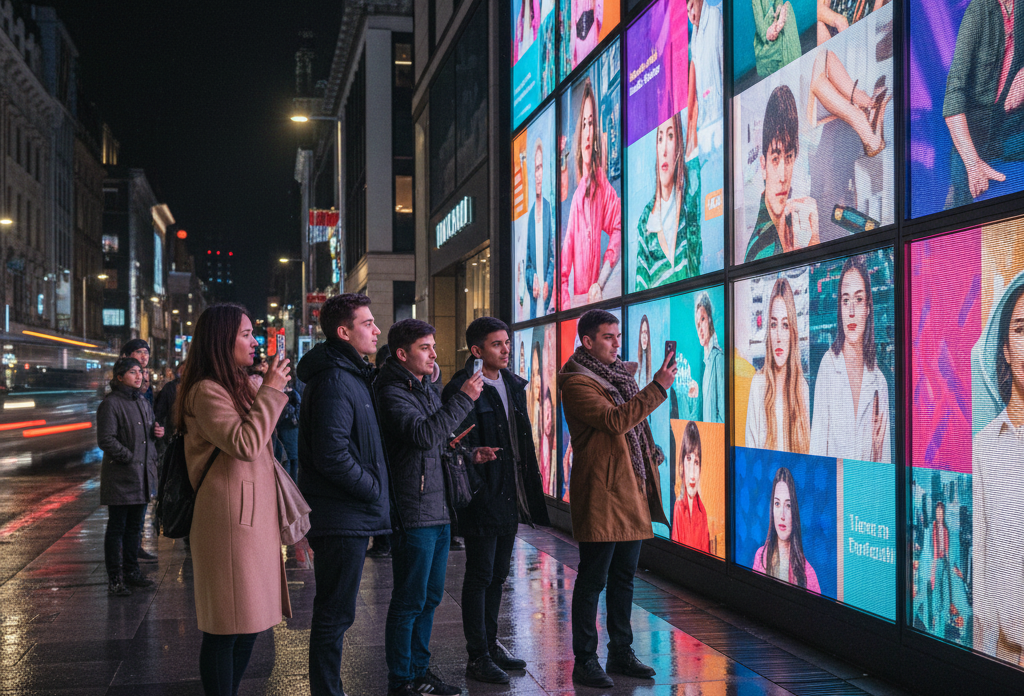
These imaginative retail window display ideas break monotony and give customers a reason to stop, look, and share. They also help brands connect with the local community through relatable or humorous setups. A unique concept encourages conversation both offline and on social media, generating buzz that keeps people returning to see what’s next.
Dynamic Lighting Enhances Visibility Throughout the Day
Lighting defines the mood and performance of any window display design. Natural light highlights authenticity during the day, while artificial light adds drama and clarity after sunset. Adjusting light intensity and placement ensures your products remain the focal point without blocking natural light or overwhelming visuals.
Smart lighting setups, paired with digital signage displays, allow real-time adjustments that maintain high visibility and keep your storefront glowing 24/7, attracting new customers and regulars alike.
Clear Messaging Converts Viewers into Shoppers
A visually stunning retail window display only succeeds when it communicates clearly. Concise signage, QR-linked promotions, and call-to-action boards guide customers from interest to action. For instance, a clothing brand can display “Scan this QR code to see our full lookbook,” or “Try this look in-store today.”
These interactive elements not only attract attention but also integrate digital behavior into physical shopping, bridging the gap between engagement and conversion. The clearer your message, the faster you turn curiosity into sales.
How to Add Digital Signage to Window Displays?
Integrating digital signage software into your retail window display helps you attract customers, enhance engagement, and modernize your storefront. By blending physical creativity with digital visuals, your display window becomes a dynamic marketing channel that communicates brand stories in real-time. Here’s a step-by-step guide to help you create digital-ready window displays that attract attention and boost foot traffic.
Step 1: Choose the Right Window Display for Retail Store
Start by defining the type of window display that best aligns with your store’s identity and goals. Whether it’s an interactive setup, a sleek LED-based design, or a story-driven themed display, the goal is to match your visual style with your target audience.
Let’s take an example, luxury stores might opt for minimalist displays, while tech brands can use open window displays with screens to showcase motion graphics. The right setup becomes your storefront’s focal point, designed to attract attention from potential customers.
To deliver these visuals effectively, two highly recommended display screens are:
Toshiba Class C350 Series LED 4K UHD Smart Fire TV (43”–75”) – starting at $210
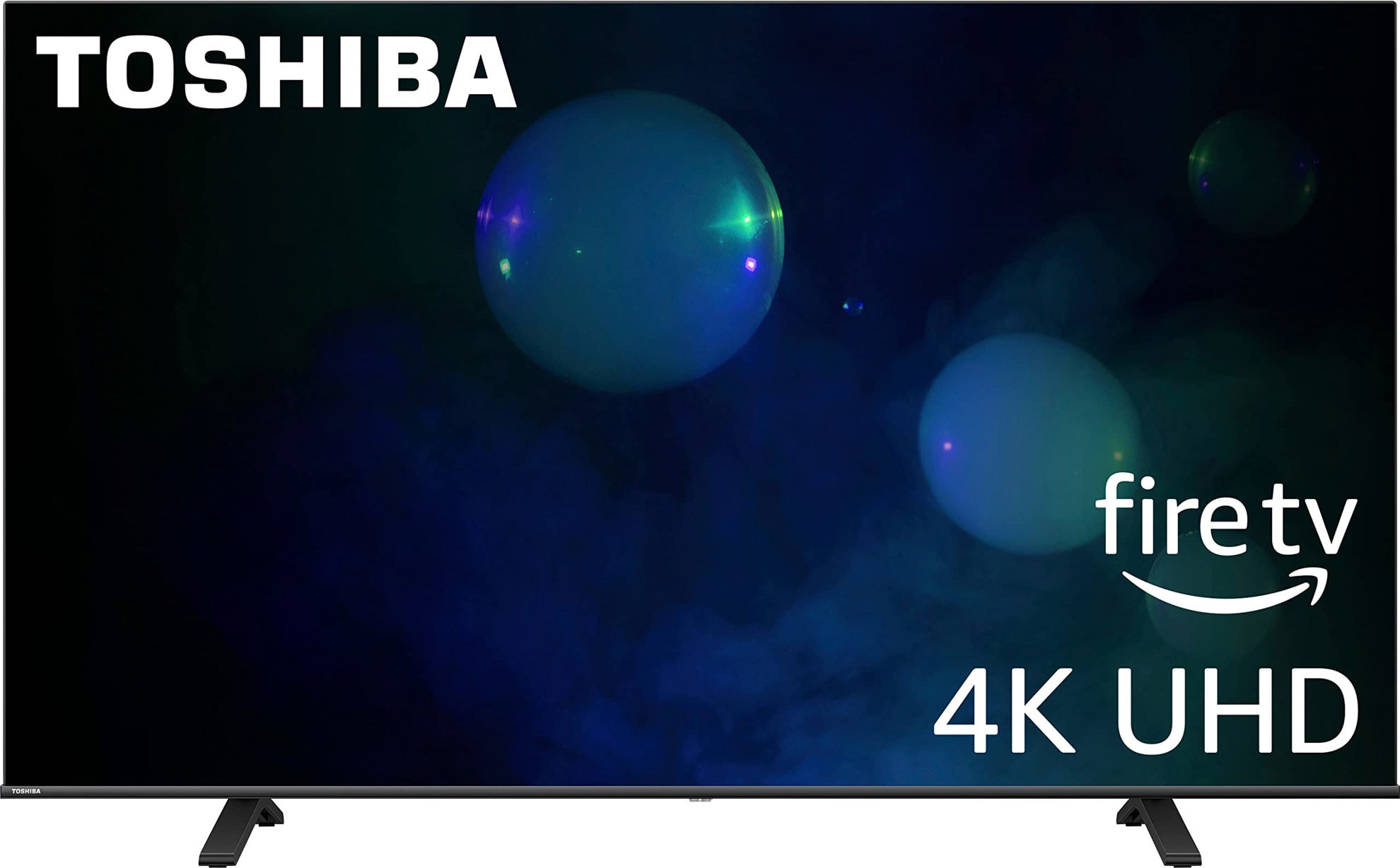
Ideal for mid-range retail environments, this screen offers exceptional display clarity, onboard Fire TV functionality, and plug-and-play setup. On our website, it’s available at a more budget-friendly rate, making it a smart, cost-effective choice for seasonal campaigns or regular promotional displays.
Sony BZ30L Series UHD 4K HDR (43”–98”) – starting at $710
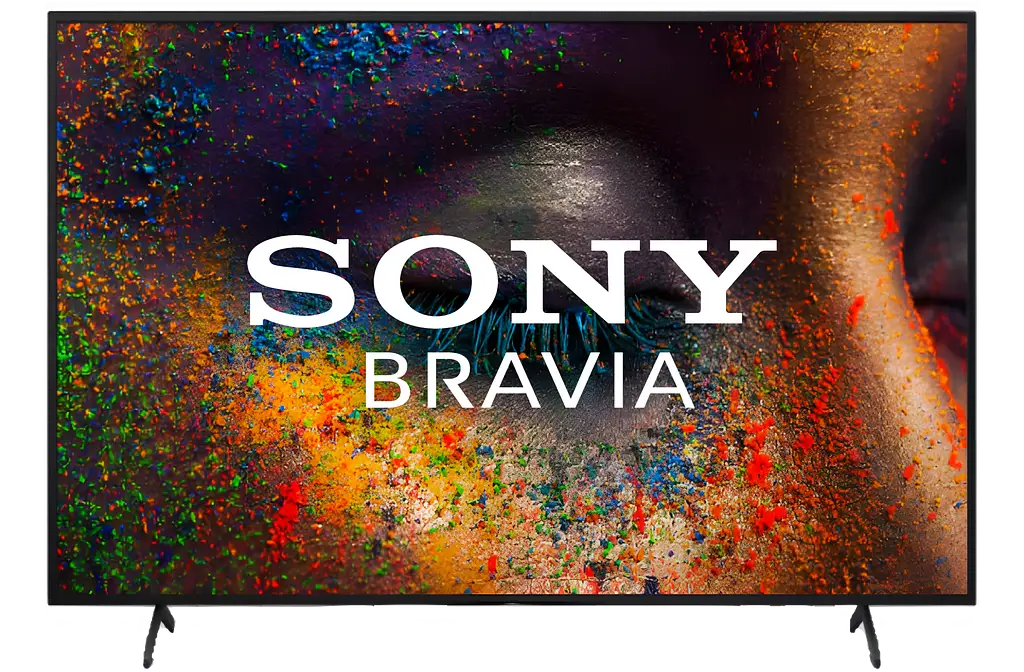
Engineered for 24/7 professional usage, this model is perfect for high-traffic store locations or luxury retail setups that require continuous performance, enhanced brightness, and commercial durability. AIScreen.io offers this model at a more competitive cost compared to general retail listings, making it an optimal investment for brands prioritizing long-term reliability.
The right digital window display doesn’t just grab attention, it turns footfall into sales by visually communicating your store’s story the moment customers walk by.
Step 2: Download and Set Up Retail Digital Signage Software
Once your display screen is ready, it’s time to bring it to life, because what good is a beautiful TV without powerful content? With the right platform, your screen becomes more than a display; it becomes a sales driver.
With our smart digital signage solution, you get seamless setup, remote management, and intuitive product features that let you create, schedule, and update content from anywhere.
Here’s how to get started:
- Open the app store directly on your smart TV.
- Search for “AIScreen Digital Signage Software”.
- Click “Install” and launch the app.
- A 4-digit pairing code will appear; note it down.
- Head to AIScreen.io, log in, and enter the code to sync your screen.
That’s it, you’re now fully connected to your signage solution. From here, you can remotely activate campaigns, showcase promotions in real time, and manage multiple store screens effortlessly. With a stable internet connection, your display becomes a dynamic visual asset that evolves with your business goals.
Step 3: Create an Account in the Retail Store Management App
Ready to bring your window display to life? The first step is setting up your AIScreen account—it only takes a minute and gives you full control over every store screen from one dashboard. Think about it: wouldn’t it be easier if you could update your visuals across all storefronts without leaving your desk?
Here’s how to get started effortlessly:
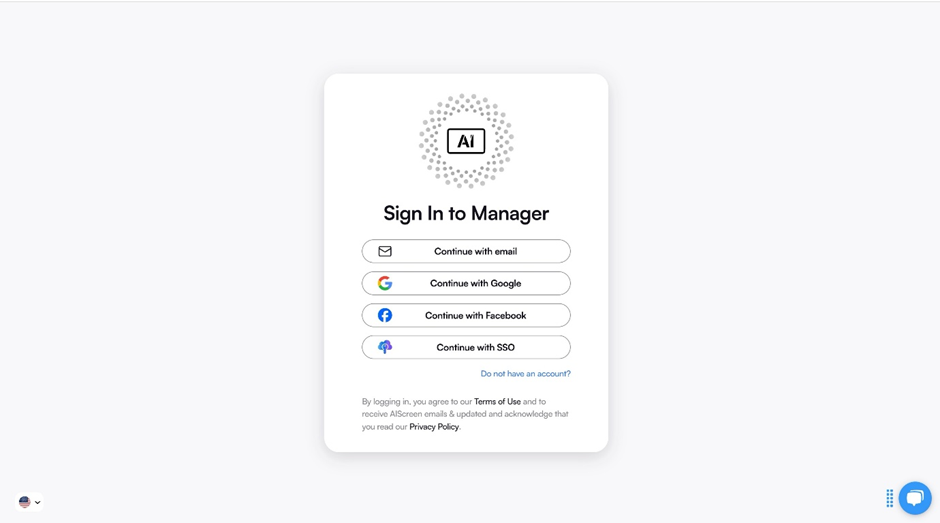
Steps to Create Your Account:
- Visit the AIScreen login page using your laptop or computer.
- Sign up by entering your name, email, and password, or simply use Google or Facebook for instant access.
- Once your account is created, log in to your dashboard and start managing your digital window displays in real time.
With your AIScreen account, you can schedule content, update visuals, and monitor display status across locations with complete ease. It’s your central command center, built to help you stay aligned with your business goals every day.
Step 4: Pair Your Window Displays with the Software
Pairing your display with AIScreen’s software transforms your window into a live storytelling platform—one that you can update from anywhere. Imagine launching a new offer or seasonal theme in seconds, right from your phone or laptop. Isn’t that the kind of control every retailer wants?
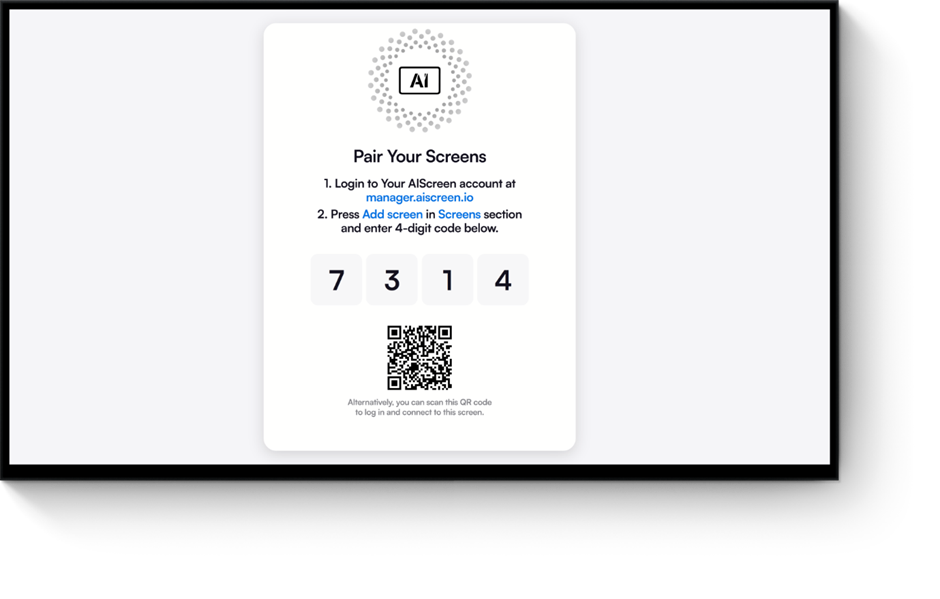
Here’s how to get started simply:
- Log in to your AIScreen account using a laptop or mobile device.
- Head over to the “Screens” tab and click “Add Screen.”
- Enter the 4-digit pairing code displayed on your TV or signage screen.
- Select your orientation landscape for wide displays or portrait for tall vertical windows.
- Give your screen a name (e.g., “Main Store Window” or “Entrance Promo”) so it’s easy to track later.
- Hit “Pair” or “Save” to confirm.
- Run a quick test to make sure your screen is connected and ready to receive content.
Once paired, you’re in full control. Whether you want to update a promotion, switch to a festive display, or push a real-time campaign across multiple stores, you can do it instantly.
Step 5: Upload or Customize Your Retail Digital Signage Template
Customization helps maintain your store’s identity and ensures your display truly reflects your campaign message. With our 1500+ ready-made templates, you can design visually striking window displays without needing a professional design team. Using Canvas editor, you can build layered digital visuals using simple drag-and-drop tools.
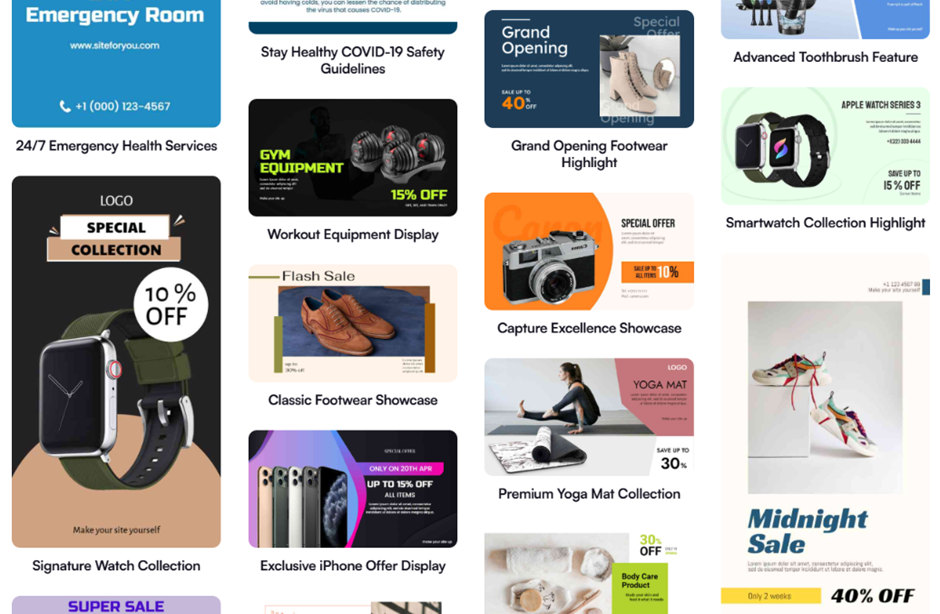
Follow these steps to get started:
- Go to Canvas from the left menu or directly open AIScreen Templates.
- Browse templates using the search bar or category filters and click Use Template.
- Click Save, then access the design in My Canvases.
- Select Create New Template or open an existing one to customize.
- Upload media from the Media panel and click Set to Screens to insert visual elements.
- Resize by dragging the white corner markers and rotate using the circular rotation handle.
- Add borders using the color picker and thickness slider.
- Set background color via the top toolbar using preset swatches or custom selection.
- Switch canvas orientation to Horizontal (Landscape) or Vertical (Portrait) as needed.
- Click Add Text, double-click to edit, then adjust font type, size, alignment, color, and formatting (bold, italic, underline, etc.).
- Modify letter and line spacing from the Spacing menu.
- Use Position to move layers (backward, forward, back, front) or apply a horizontal/vertical flip.
- Adjust text opacity using the opacity slider.
- Assign a clear name to your design (e.g., “Storefront Promo Display”) and click Save to publish on your screen.
Step 6: Schedule Content Playback and Launch
So finally, it’s the last, but not the least, step in bringing your retail window display to life! Automation lets you deliver content exactly when your audience is most likely to notice, keeping your store dynamic and engaging throughout the day.
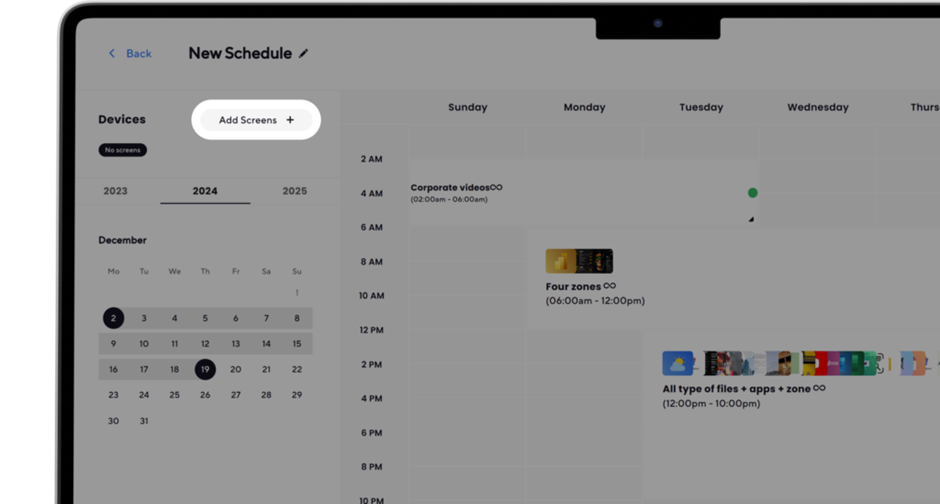
Steps to Schedule Your Content:
- In the dashboard, navigate to the Schedule tab and click “Create New Schedule”.
- Select your playlist and assign it to the desired time slots for morning promotions, evening highlights, or weekend campaigns.
- Add your target screens by clicking “Add Device” and confirming which displays will follow the schedule.
- Preview your schedule to make sure all visuals sync perfectly across your screens.
- Click “Save” to finalize, and your content will automatically play at the assigned times.
Regularly updating your playlists ensures your store stays fresh and vibrant, prevents repetitive visuals, and keeps customer interest high, without ever blocking natural light.
Here’s a clean version using both keywords in the heading and content:
How Can an Example of Window Display Inspire the Airport Signage Design Ideas?
An example of window display can inspire the best airport signage design ideas by showing how strong visuals, clear messaging, and strategic placement capture attention quickly. Airports can apply similar principles through digital screens, branded displays, directional signs, and promotional graphics placed along high-traffic passenger routes.
The best airport signage design ideas also focus on readability, consistency, and fast communication. By borrowing techniques from an effective example of window display, airports can create more engaging visual experiences that guide travelers, promote services, and strengthen branding without adding unnecessary clutter.
How Can AIScreen Help Reduce Window Display Costs?
The cost of creating a retail window display varies depending on materials, technology, and design complexity. Basic window display ideas may range from $200–$500, while thematic or digital signage-integrated setups can go up to $2,000–$5,000 or more.
Factors like lighting, fabrication, and installation contribute to these costs. However, investing in digital signage solutions like AIScreen offers long-term scalability, allowing you to update displays regularly without recurring physical redesigns, making it a cost-efficient choice for evolving business goals.
Plus, we offer a 14-day free trial with no credit card required, allowing you to explore templates, customize content, and schedule playback risk-free. It’s the perfect way to test how digital signage can transform your store windows without any upfront commitment.
FAQs
What is a window display?
A window display is a visual presentation placed at a store’s entrance or exterior, designed to attract attention and communicate a brand’s message. These retail window display ideas use lighting, props, and storytelling to encourage new customers to visit and shop.
Which store window display ideas should you use?
The best store window display ideas depend on your brand’s style and season. Try open window displays for transparency or closed window displays for high-impact themes using unique concepts like pop culture or artistic storytelling.
What are common mistakes to avoid in digital window displays?
Common mistakes in digital window displays include overcrowding visuals, poor lighting that blocks natural light, or neglecting updates. Retailers should create retail window displays that balance content and clarity while keeping displays regularly refreshed.
How to use motion graphics for a more engaging display?
Using motion graphics in retail window display ideas adds movement that naturally attracts attention from passersby. Animated visuals or looping content bring life to the display, guiding shoppers approaching from different directions toward your store.
What are cost-effective ideas for small window displays?
Cost-effective window display ideas for smaller shops include creative DIY props, reusable materials, and compact digital signage screens. These approaches provide flexibility, allow quick updates, and help you maintain a strong focal point even on a tight budget.
Our software offers a QR Code app/integration that lets you generate and display QR codes on your digital signage screens. You can embed a QR code as part of your display layout or template (just like images or videos). A well-designed digital signage poster can combine clear messaging, motion, promotional visuals, and call-to-action elements in one engaging display. Retailers can also add QR codes to a digital signage poster to connect shoppers with product pages, offers, menus, or other online content.
