
How Do You Create an Effective Window Display Design?
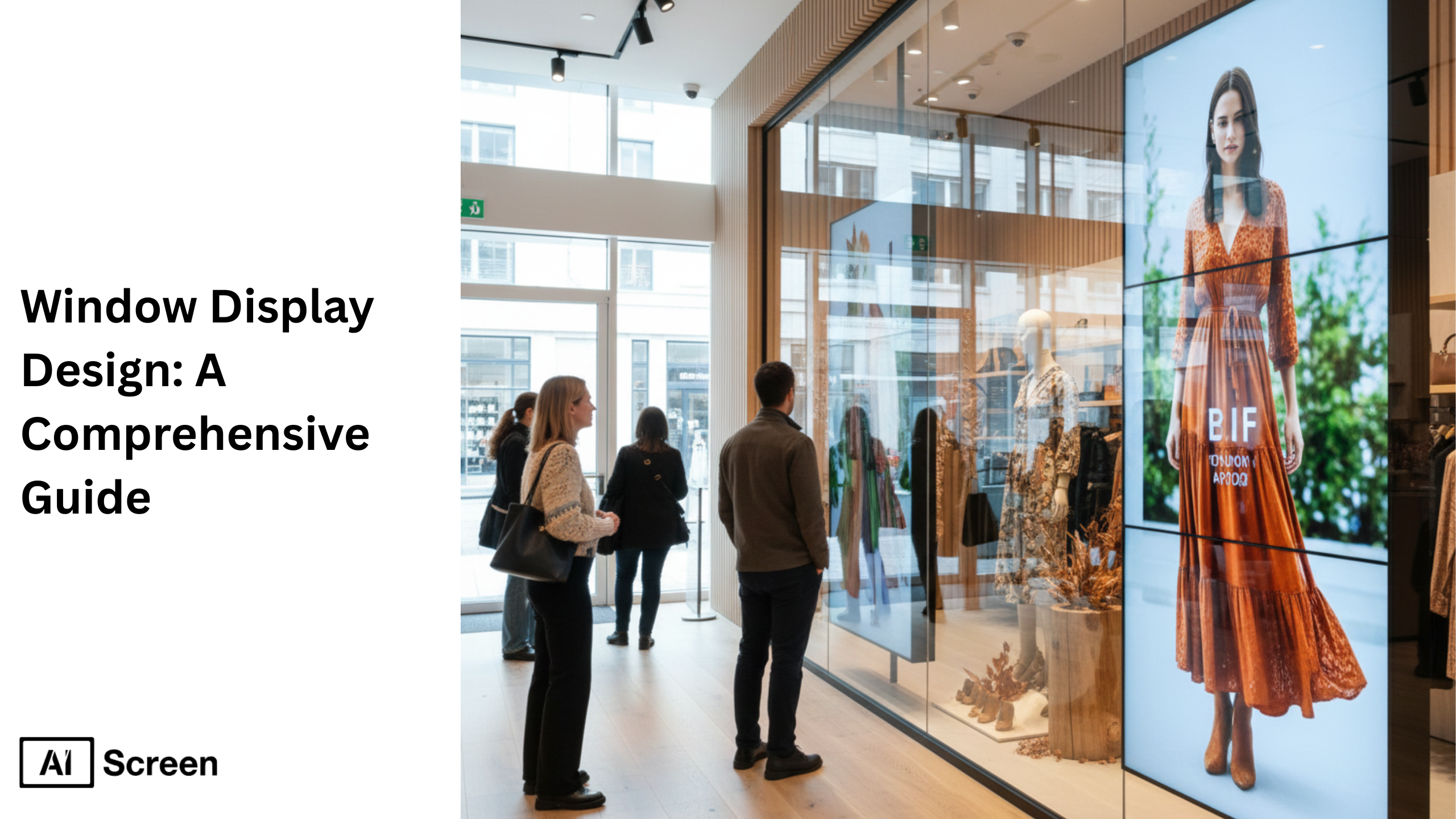
Window display design is a powerful visual merchandising strategy that transforms retail spaces into storytelling platforms. When done well, window displays create a first impression, shape brand image, and tilt a passerby into becoming a shopper. Window displays combine product, light, color, motion, and layout to create a compelling window dressing that draws attention, builds brand recognition, and boosts foot traffic. According to Gallup, 21% of employees are engaged at work globally, underscoring the urgency for innovative internal communication strategies.
In this blog, you’ll learn the core principles behind great window display design, creative window display ideas for different retail formats, step-by-step instructions to build effective displays, and seasonal and tech-enabled strategies, so your store window becomes a performance that converts.
What Are Retail Window Display Principles?
Design principles for retail window displays are the backbone of effective visual merchandising, transforming simple storefronts into captivating stories that connect emotionally with passersby. Whether you’re designing open window displays that invite curiosity or shadowbox window displays that frame products like art, these foundational principles help you create engaging displays that boost foot traffic, brand recognition, and ultimately, sales.
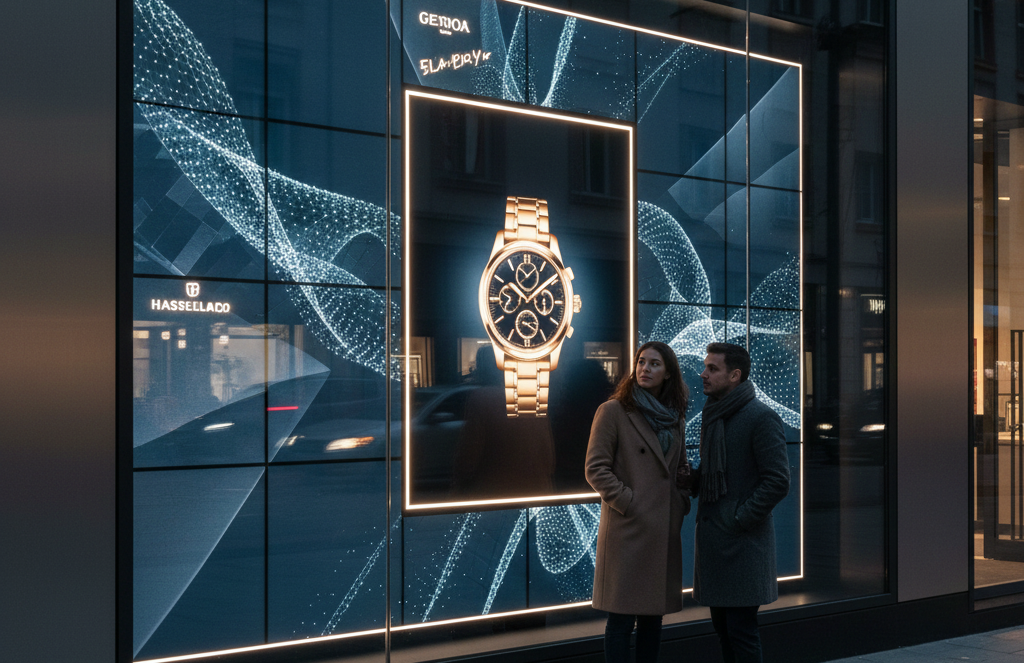
Modern retail window display ideas blend creativity with strategy, often powered by digital signage software that keeps every scene fresh and on brand. When executed well, they do more than showcase, they communicate a brand’s identity, create emotional resonance, and guide the customer journey before a single step is taken into the store.
1. Harmony and Balance
In retail window displays, harmony and balance establish visual stability and cohesion. When products, colors, and lighting are proportioned well, the display feels intentional, not cluttered or chaotic. Think of how corner windows display in luxury boutiques maintain symmetry using mirrored props and evenly spaced merchandise to foster calm and unity.
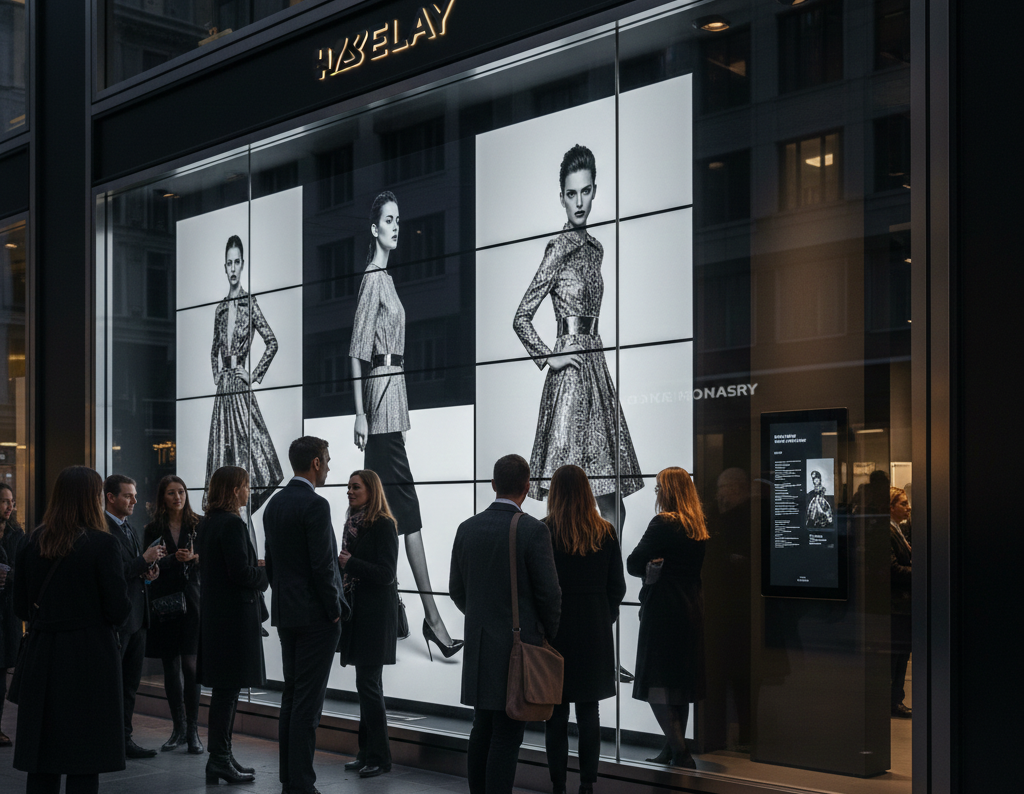
A balanced window display design uses symmetry and product spacing to ensure every element contributes to a cohesive story. For instance, a fashion retailer might pair mannequins on each side of a central focal point, ensuring customers instantly sense order and professionalism.
But how do you make sure the balance doesn’t feel too rigid or predictable? By introducing asymmetrical harmony, slightly varying object heights, textures, or digital screens, to keep the viewer intrigued while maintaining equilibrium.
Harmony ensures that the viewer’s eye doesn’t dart around aimlessly but flows smoothly through the store window, leading to deeper emotional engagement and more time spent admiring your window displays.
2. Color and Contrast
The right color palette sets the mood, evokes emotions, and highlights key products in your retail window. According to Harvard Business Review (2023), color influences up to 90% of snap judgments about products, underscoring how visual cues directly affect brand perception and purchase intent.
By strategically using bold contrasts, such as pairing neutral tones with one pop of color, you draw customers toward the focal product. For example, a store might use a dark background with spotlit vibrant products, instantly capturing attention and improving visibility even from a distance.
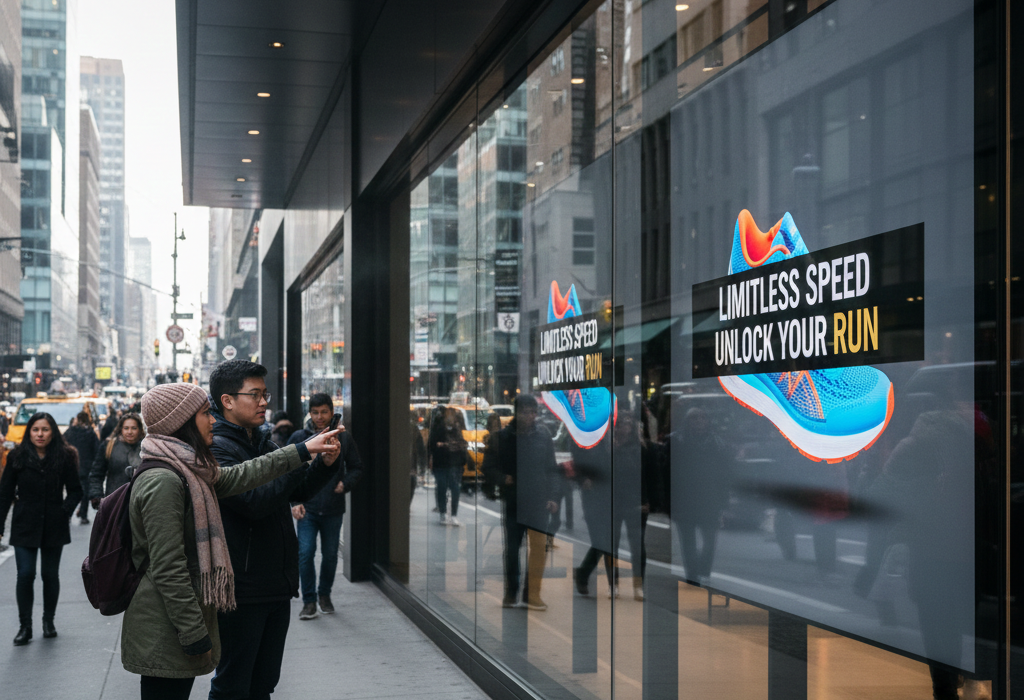
Incorporating dynamic displays and interactive elements, like augmented reality mirrors or motion-reactive lighting, further elevates engagement. Imagine a shoe brand that changes background hues as customers approach, that’s not just design; that’s storytelling in motion.
Ever wondered why some window displays stop you in your tracks while others fade into the background? It’s all about contrast that tells a story, color is the emotion, and contrast is the voice.
With our software, you can pre-configure digital display visuals that change background hues or lighting effects dynamically across your storefront windows. Let’s take an example, your hero product can be highlighted at peak visitor hours through smart scheduling.
3. Lighting and Ambience
Lighting transforms the mood, depth, and texture of retail window displays, whether using ambient lighting to soften tones or strategic lighting to highlight the hero product, light guides emotion and attention simultaneously.
Luxury storefront displays often use backlighting or spotlighting to create dramatic shadows that enhance visual interest. For instance, a jewelry store might spotlight a diamond necklace within a dark, minimalist setup, ensuring every sparkle becomes the focal point.
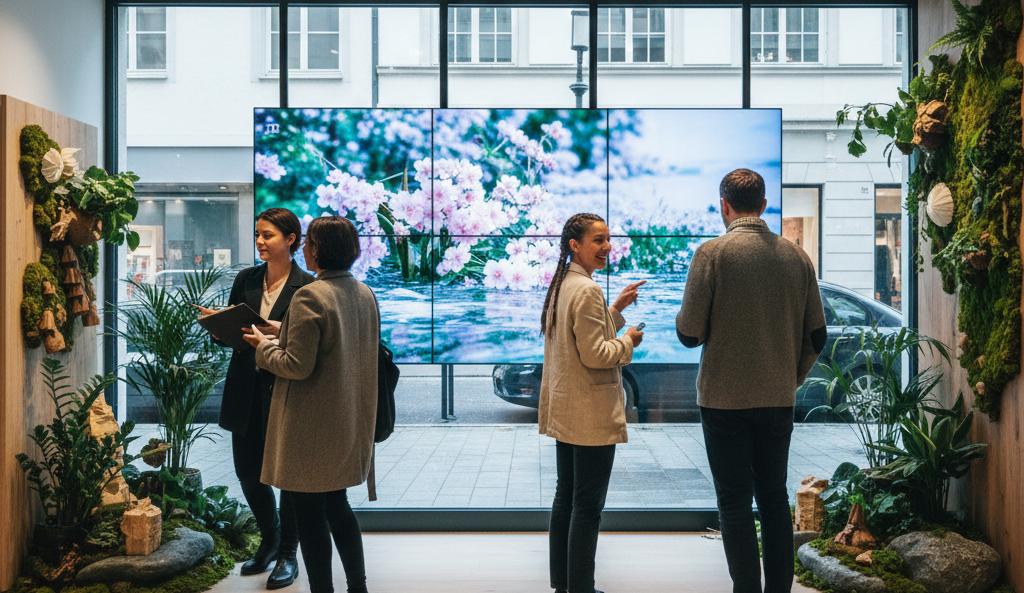
Different lighting techniques, such as dynamic lighting effects or color-changing LEDs, help visual merchandisers adapt to seasonal trends and time-of-day variations. Soft, warm tones create an inviting atmosphere, while cool whites communicate innovation and clarity, both vital for maintaining a brand’s values.
Can lighting alone make a display memorable? Absolutely, because light doesn’t just illuminate products; it tells the story of your brand.
Incorporating natural light with artificial fixtures creates depth, making displays appear more three-dimensional and immersive. It’s this thoughtful use of light that turns window dressing into brand storytelling. AIScreen.io enables automated light-adjusted digital content scheduling, helping retailers adapt visuals between daylight, golden hour, and nighttime to enhance product prominence.
4. Movement and Rhythm
Movement in window display design is the secret ingredient that guides viewers’ eyes, and their emotions, through your narrative. Directional cues like curved shapes, layered heights, or movable elements create rhythm, encouraging exploration across the display.
Retailers are increasingly using interactive displays and digital elements, like motion sensors or animated projections, to add fluidity. A retail store showcasing seasonal outerwear, for example, might use gently swaying props or looping background visuals to suggest motion and comfort.
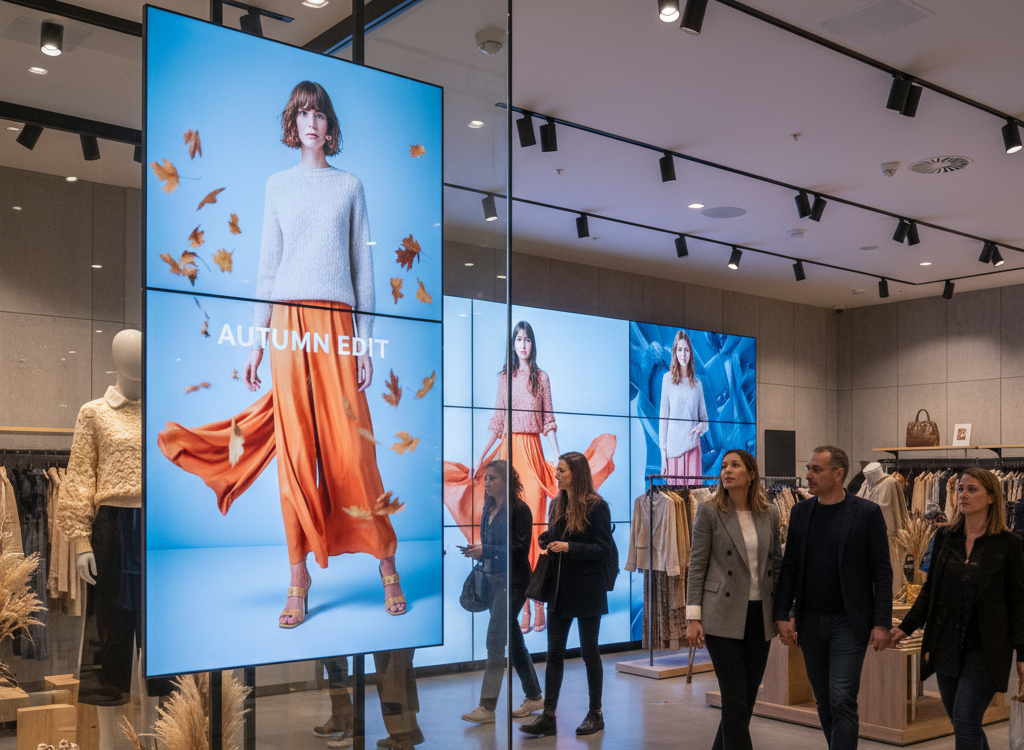
This technique not only enhances engagement but also improves brand image, making displays feel alive and responsive. The viewer feels part of the experience, not just a spectator.
Isn’t it fascinating how movement can make an inanimate display feel human? When rhythm is achieved, your store window displays don’t just attract, they converse.
Visual cues such as arrows, lines, or repeated shapes also help direct focus toward the focal point, ensuring maximum clarity and aesthetic flow.
5. Space and Hierarchy
Space and hierarchy are about what you don’t show as much as what you do. Effective use of negative space helps create clarity, directs attention, and enhances product visibility. Minimalistic retail displays, especially in boutique window displays, often rely on open space to make the hero product stand out.
By strategically positioning items and using different lighting techniques, brands can guide the viewer’s eye naturally from top to bottom or center outward. This makes your window displays serve as both functional layouts and emotional experiences.
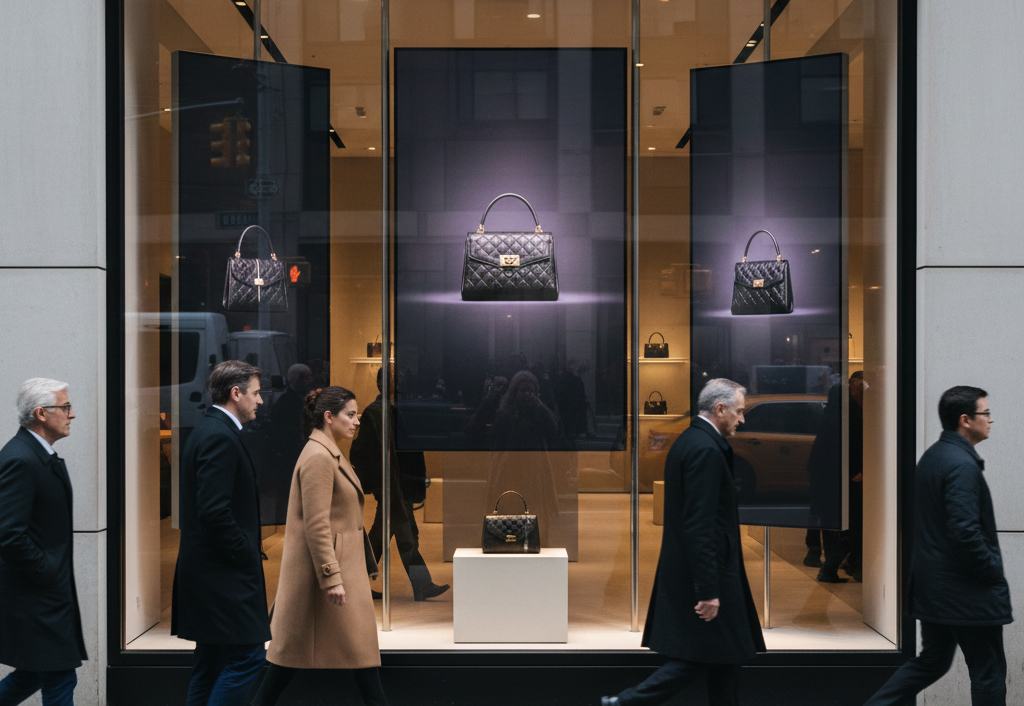
Picture this, a retail business showcasing a single handbag on a pedestal, surrounded by clean space and subtle ambient light. It exudes luxury, confidence, and intentional design.
Ever looked at a cluttered window and felt overwhelmed? That’s why hierarchy matters, it ensures visual breathing room that highlights what truly counts.
Well-designed retail window displays combine brand storytelling, architectural features, and digital screens to maintain focus while adding modern appeal. The result? A memorable and immersive experience that draws customers in, fosters brand loyalty, and boosts sales.
Why Use Interactive Walls in Window Displays?
An interactive wall brings window display design to life by turning a passive storefront into a responsive surface that reacts to touch, motion, and proximity. Shoppers can browse collections, explore product stories, and engage with dynamic visuals directly on the glass, extending the display into a hands on experience that keeps them curious and invites them to linger longer.
A digital signage interactive wall can also help businesses showcase more products without overcrowding the physical window. Interactive menus, product galleries, videos, and promotional content give customers more ways to explore your brand while creating a modern storefront experience that encourages deeper engagement.
What Are Creative Window Display Types?
Types of creative window display designs vary depending on brand goals, retail space, and audience behavior, but the best ones all share a common goal: to engage customers, evoke emotion, and tell a story that lingers. Whether you’re working on boutique window display ideas, flagship storefronts, or small window display ideas, the key lies in understanding how to balance creativity with clarity.
Modern store window displays blend artistic design, technology, and storytelling to connect with their target audience. From product-focused displays to interactive elements powered by augmented reality, each setup reflects a brand’s unique voice and vision. The goal is to create window displays that not only attract customers but also align with the brand’s identity and values.
Let’s explore the most effective categories and how they can transform a simple retail store window into a powerful marketing tool.
Product-Focused Displays
Product-focused displays are minimalist yet powerful. These retail display designs focus on one or two key products, using proper lighting, strategic spacing, and clean backgrounds to make them shine. By removing distractions, brands allow customers to focus entirely on the hero item, a principle often used in luxury retail stores and shadowbox window displays.
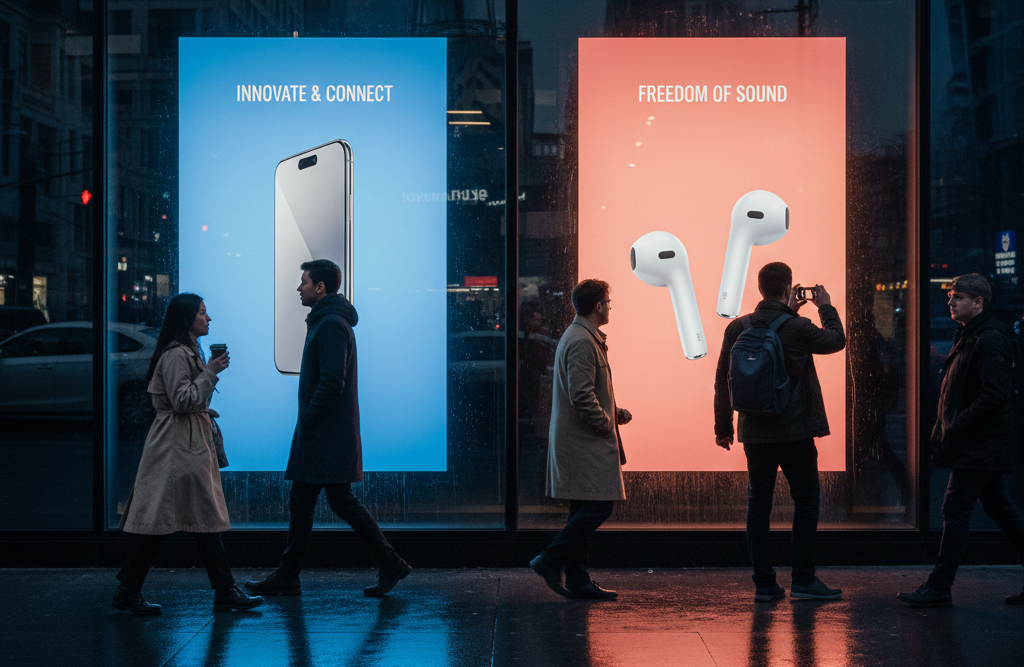
For instance, a corner window display featuring a single handbag placed under a spotlight immediately communicates exclusivity and confidence. The focal point is clear, and the simplicity enhances the display’s appeal.
Ever noticed how a minimal setup can feel more premium than a cluttered one? That’s because minimalism translates to clarity, and clarity builds desire.
Using natural light or subtle ambient lighting enhances depth and ensures the product remains the hero. The result is a visually appealing and inviting atmosphere that drives foot traffic and boosts conversions without overwhelming the viewer.
Storytelling Displays
Storytelling window displays weave emotion and narrative into visual form. Instead of just showing products, they immerse customers in a theme, whether it’s a seasonal display, a cultural celebration, or a brand heritage moment.
According to Forrester Research, emotionally driven storytelling can increase customer engagement by over 70%, proving that shoppers respond strongly to compelling window displays that evoke feelings and experiences.
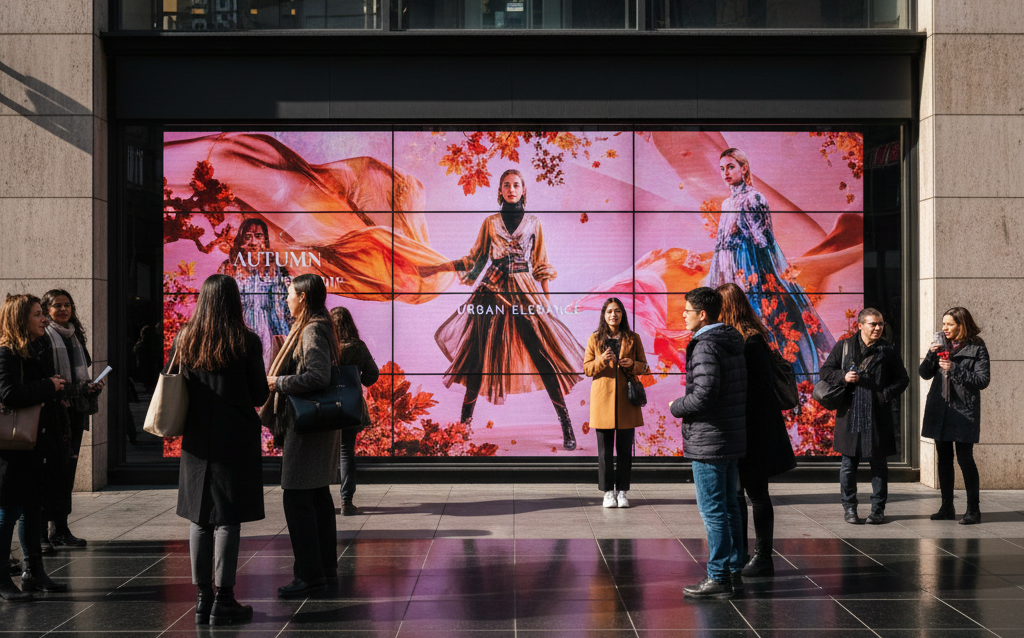
A fashion boutique might showcase its new collection using seasonal themes, props, and strategic lighting to convey a sense of time and place. Meanwhile, a sportswear retailer could depict an athlete mid-motion using mannequins and dynamic visual elements to represent energy and performance.
But how do you make sure your story truly resonates with passersby? Focus on emotional connection design each scene as if it were a frame in a movie, with every prop, texture, and lighting angle serving a purpose.
Incorporating interactive elements, like QR codes leading to campaign videos or digital screens displaying behind-the-scenes footage, can extend the story beyond the window itself. This approach transforms open window displays into storytelling platforms that draw customers inside for the full experience.
Our software helps expand visual storytelling beyond static props by allowing stores to integrate digital storytelling panels, behind-the-scenes videos, or AR-powered thematic visuals across the window.
Experiential Displays
Experiential window displays merge creativity with technology to create immersive environments that engage customers and enhance brand loyalty. Using motion sensors, touchscreens, or augmented reality, these displays invite interaction, turning spectators into participants.
Imagine walking past a store window where the products respond to your movement, lighting up as you approach or changing color based on time of day. These engaging displays not only attract customers but also make your brand memorable.
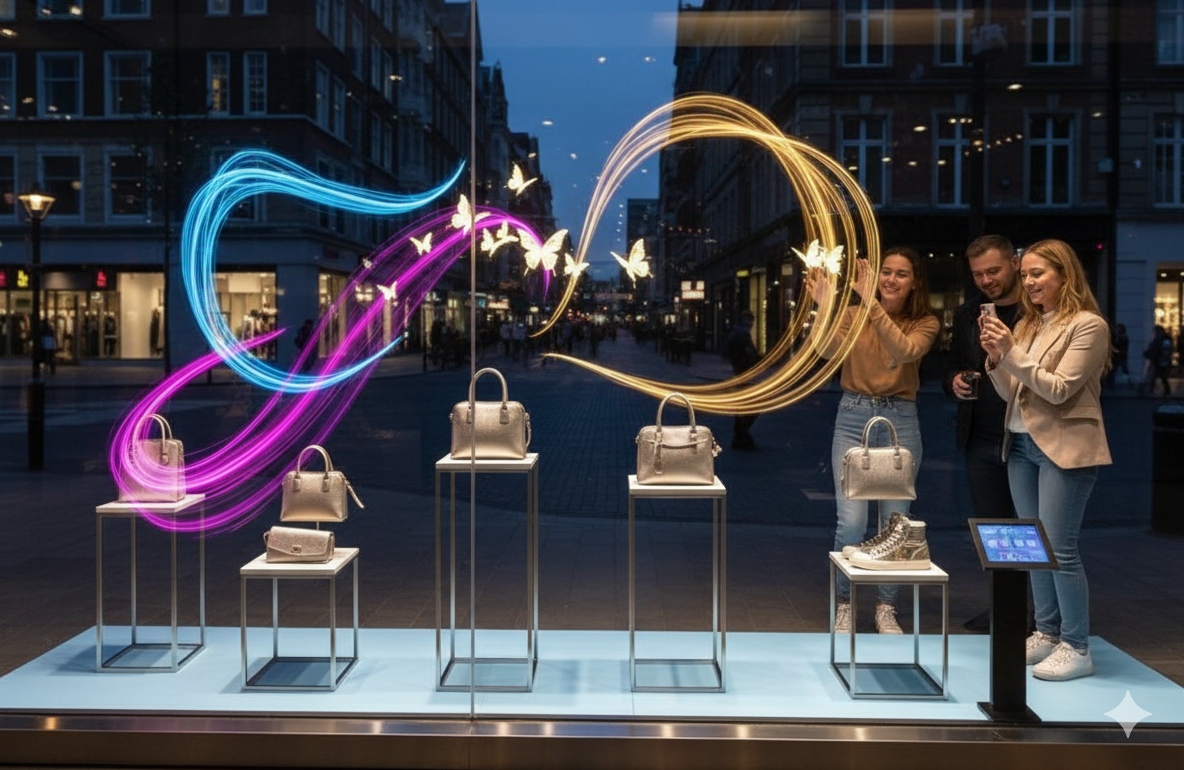
The success of experiential window displays lies in combining effective window display design with smart retail technology. Interactive elements foster curiosity and provide a lasting impression that static setups simply can’t replicate.
Isn’t it amazing how technology can make even a passerby feel part of your brand’s story? That’s the magic of modern experiential design, it bridges the gap between online and physical engagement.
By blending ambient lighting, visual interest, and augmented reality, retailers create a visually appealing manner that enhances both foot traffic and customer engagement.
Artistic or Conceptual Displays
Artistic window displays are where retail meets art, a canvas for creative expression that defines luxury and aspiration. High-end brands often use conceptual design elements and abstract storytelling to create an aura of sophistication and exclusivity.
These exceptional window displays might feature sculptural installations, avant-garde materials, or thematic illusions that embody the brand’s essence. For example, a perfume brand might suspend hundreds of floating glass bottles to symbolize fragrance diffusion, a visually stunning and eye-catching approach that conveys emotion through design.
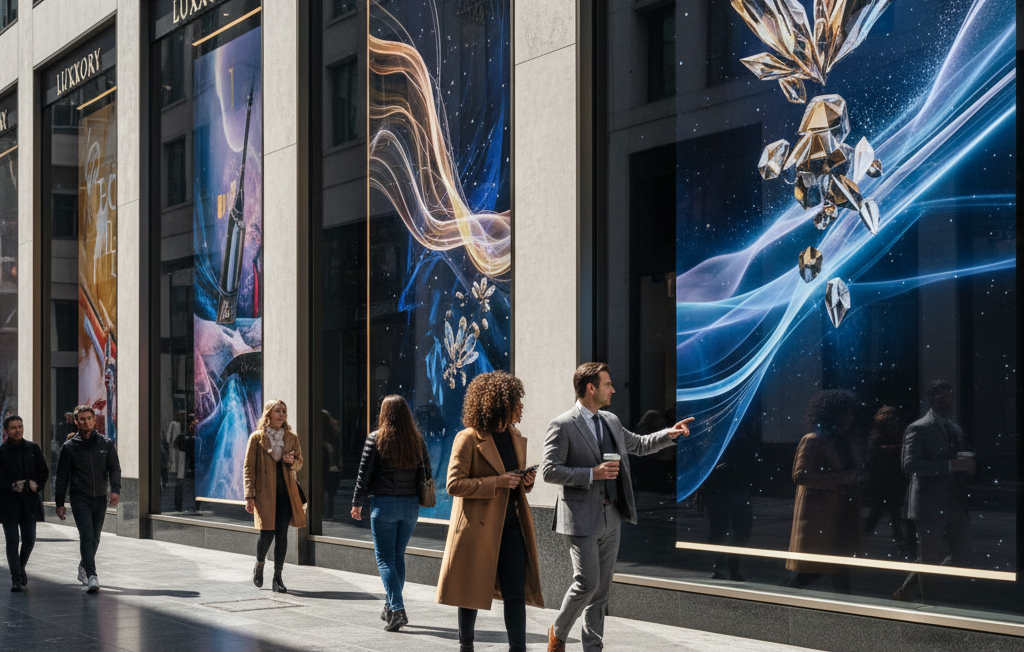
Conceptual store window displays rely heavily on proper lighting and strategic composition to achieve depth and drama. Subtle shadows, corner highlights, and natural light reflections help create depth and enhance visual interest. What makes conceptual design so powerful? It’s not about showing the product, it’s about showing why the product exists, its inspiration, its emotion, its story.
By connecting brand identity and brand’s values through artful presentation, artistic window displays not only draw customers but also reinforce the emotional bond between brand and audience. They transform ordinary retail spaces into galleries of imagination, leaving a lasting impression long after the viewer walks away.
How Do You Design a Window Display?
To design a retail window display step-by-step, you need a clear plan that merges creativity, strategy, and visual merchandising. Whether you’re crafting a concept for small window display ideas or managing large retail display windows, the process should align with your brand’s story and your target audience’s expectations.
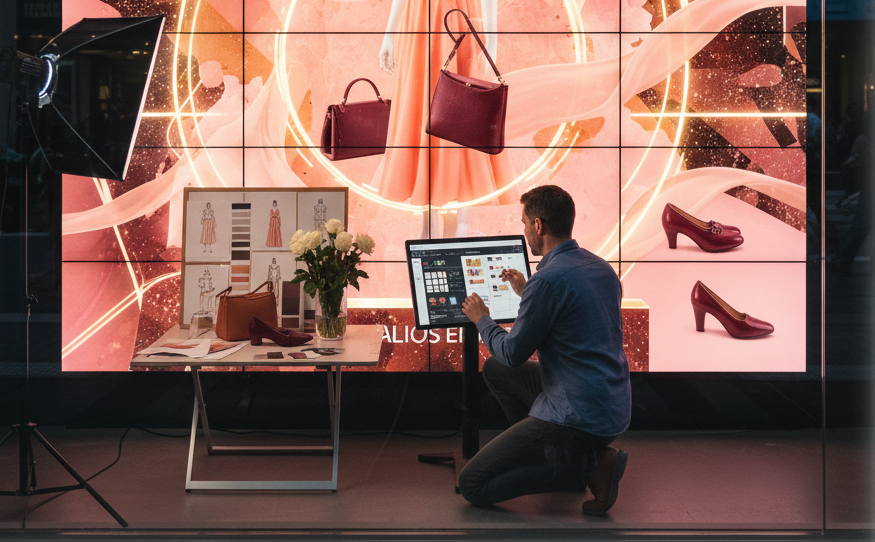
A well-structured design process ensures your window displays remain both visually appealing and commercially effective. The following steps outline how to build, test, and refine a successful window display that truly attracts customers and increases foot traffic.
Step 1: Identify Your Brand Message and Target Audience
Every effective window display begins with clarity of purpose. Start by defining what your brand wants to communicate, luxury, sustainability, playfulness, or innovation, and who you want to reach.
Understanding your target audience helps shape every design decision, from color palettes to lighting tone. For instance, a tech brand might favor minimalist layouts and digital elements, while a boutique store may lean into handcrafted props and warm lighting.
Ask yourself: Does my display reflect my brand’s essence in just one glance? When your message is consistent and authentic, even a passerby can instantly grasp your story.
Step 2: Choose a Theme or Storyline for Your Display
Themes are the emotional core of great window display ideas. Whether it’s a seasonal theme, holiday campaign, or lifestyle narrative, a coherent storyline helps connect visuals with emotion.
According to Harvard Business Review (2022), emotionally resonant retail experiences can increase customer loyalty by up to 60%, reinforcing why storytelling plays a pivotal role in retail window display design.
Your theme might celebrate new arrivals, sustainability, or local artistry. The goal is to transform your store floor window into a scene that stops people mid-step, evoking curiosity and connection.
When your visual merchandising syncs with the season and your brand voice, you don’t just create decoration, you create a moment of discovery.
Step 3: Select Key Products to Highlight
Choose three to five key products that represent your campaign or best sellers. These are your “heroes,” so every display’s appeal should orbit around them.
Keep the layout simple and avoid overcrowding, less is often more. By focusing attention on a few items, you naturally guide the viewer’s gaze toward your focal point.
Ever walked by a display that felt too busy to understand? Simplifying your product display ensures clarity and impact, especially in smaller corner window displays.
Step 4: Design the Layout and Visual Composition
A strong layout gives structure to creativity, so use eye-catching arrangements that direct the viewer’s attention from foreground to background, top to bottom.
Symmetry creates harmony, while asymmetry adds energy, both can work if balanced. Always position the hero product around eye level, where engagement peaks.
Remember, window displays serve as your silent salesperson, their job is to spark curiosity and invite customers to step inside.
Step 5: Incorporate Colors, Lighting, and Textures
Colors and lighting define the emotional tone of your retail window display. Warm tones evoke comfort and nostalgia; cool hues communicate freshness and innovation.
Combine natural and artificial lighting to create depth and mood. A carefully placed spotlight can make a product glow, while textured materials add tactile richness.
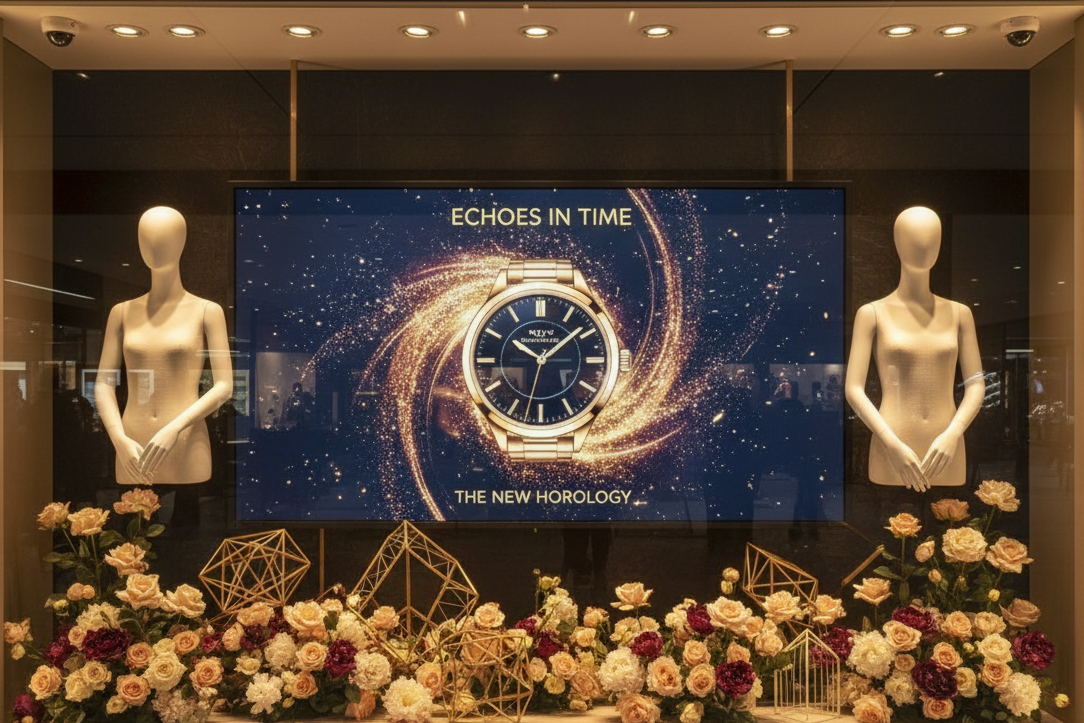
Wondering how lighting can change perception entirely? The right balance transforms a simple scene into a captivating window display that feels immersive and dynamic.
Aim for a visually appealing mix that complements your brand palette while reinforcing atmosphere and story.
Step 6: Add Props and Supporting Elements
Props breathe life into your concept. From mannequins and pedestals to greenery or seasonal décor, these incorporate elements of storytelling without stealing focus from products.
Use them sparingly, every addition should enhance, not distract. For instance, a summer theme might include sand textures or waves, while a holiday setup could feature metallic ornaments for warmth.
A successful window display strikes the perfect balance between creativity and simplicity, ensuring nothing overshadows the merchandise.
Step 7: Optimize for Eye-Level and Street Visibility
Even the most effective window display fails if it’s not visible from key viewing points. Ensure that major visual components remain clear from different angles and distances.
For closed window displays, check that lighting doesn’t cause glare, for open layouts, make sure the store interior complements the display’s theme.
Consider how lighting interacts with passing cars, pedestrians, or even reflections, details that can make or break a first impression.
After all, what good is beauty if no one notices it? Strategic focal point placement and lighting help capture attention instantly.
Step 8: Integrate Digital Signage or Interactive Displays
Incorporating interactive displays or digital signage adds movement and immediacy, making your retail display windows more dynamic. Visual merchandising now includes LED screens, motion sensors, or projection mapping to tell stories in real-time.
These can showcase new arrivals, seasonal offers, or even customer testimonials to keep displays fresh. By combining technology with traditional aesthetics, retailers create eye-catching experiences that extend beyond the glass, engaging both emotion and curiosity.
Using AIScreen.io’s dynamic digital signage templates, retailers can turn window displays into motion-driven visual stories. The platform supports interactive elements like QR-triggered campaigns, sensor-activated screens, and time-based visuals, allowing displays to change instantly based on audience proximity or time of day.
Step 9: Review, Test, and Refine Your Setup
Before your big reveal, test your display under different lighting conditions, daylight, dusk, and night, to ensure all key elements are visible and balanced.
Adjust props, lighting angles, or colors based on visibility tests. Walk by your storefront from multiple directions to see what catches the eye first.
Remember, even a captivating window display can benefit from small refinements that attract customers more effectively and create an inviting atmosphere.
Continuous iteration is what separates a good display from a great one, and ensures your brand story always shines through.
How Can Window Display Design Improve Event Signage Ideas?
Window display design can make event signage ideas more eye catching by combining strong visuals, clear messaging, and strategic placement. Businesses can use themed graphics, digital screens, lighting, and promotional elements to highlight upcoming events and attract attention from people passing by.
Creative event signage ideas also help turn storefront windows into temporary promotional spaces for launches, sales, seasonal campaigns, and special occasions. Updating the window display design to match each event keeps the presentation fresh while reinforcing your brand and encouraging more people to enter.
Why Choose AIScreen for Window Display Design?
Designing window displays that truly connect with your target audience is both an art and a strategy. Every creative retail window display design should capture attention, spark curiosity, and reflect your brand’s story. Whether you’re showcasing store window displays or shop window displays, remember that each setup has the power to convert foot traffic into loyal customers.
To make the process easier, AIScreen.io can help you incorporate elements like dynamic visuals, creative templates, and digital layouts, all crafted to highlight the key elements of impactful, closed window displays that drive real results.


FAQs
What is a window display?
A window display is a curated visual presentation of products and themes designed to attract foot traffic and capture the attention of a target audience. Effective window displays use storytelling and key elements like color, lighting, and balance to engage potential buyers even before they enter the store.
How often should I change my retail window display design?
The frequency of changing your retail window display design depends on your campaigns, seasons, or product launches. Most retailers refresh their window displays every 4–8 weeks to keep visuals engaging and maintain steady foot traffic while continuously appealing to their target audience.
What are the latest trends in window display design?
The latest trends in window displays focus on sustainability, minimalism, and interactive storytelling. Brands now incorporate elements such as digital screens, lighting contrasts, and dynamic setups to transform traditional closed window displays into immersive brand experiences.
How can small retailers make impactful displays?
Small retailers can create impactful window displays by focusing on creativity, storytelling, and cost-effective props. Using key elements like lighting, product placement, and unique textures helps attract foot traffic, while tools like AIScreen.io provide easy templates for visually striking store window displays.
What’s the difference between visual merchandising and window display design?
The difference between visual merchandising and window display design lies in scope. Visual merchandising covers the entire in-store presentation, while window displays focus solely on the exterior experience that draws foot traffic inside. Both incorporate elements that reflect the brand identity and appeal to the target audience effective
