
What is an Interactive Wall? The Future of Customer Engagement

Interactive wall technology is transforming customer engagement by offering touch-enabled, sensor-driven experiences. The digital signage market is expected to reach $31.71 billion by 2025 (Statista), driving the demand for dynamic displays that allow real-time interaction and personalized messaging. These interactive solutions replace static signage, helping brands increase customer engagement.
This article explores how interactive walls are revolutionizing customer experience across industries and boosting brand visibility. Retailers leveraging interactive walls with digital signage software report a 30% increase in engagement and 20% higher conversion rates (Nielsen), making them an essential tool for experiential marketing.
What are Interactive Walls and How Do They Work?
An interactive wall is a digital installation that engages users through touch, motion, or gesture-based inputs, creating real-time visual and sensory experiences. Using technologies like LED screens, touch interfaces, and projection systems, these walls allow users to interact directly with content, making them highly effective for immersive brand communication.
Interactive walls work through motion sensors, touch-enabled surfaces, projection mapping, and real-time sync software that responds instantly to user actions. Commonly used in retail spaces, corporate environments, museums, and events, they enhance engagement by delivering dynamic, personalized, and interactive experiences.
What are the Main Types of Interactive Walls Used Today?
The main types of interactive walls come in several forms, each designed to deliver unique engagement methods and immersive user experiences across different environments. Common types include touch-based interactive walls, motion-sensor walls, projection mapping walls, and LED video walls, all powered by advanced digital signage software and interactive technology. Here are the main types of interactive walls used today:
Touchscreen Interactive Walls
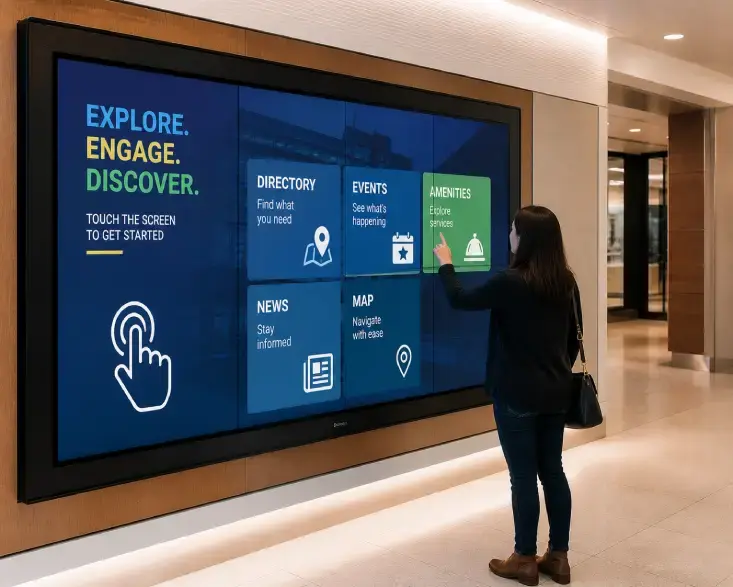
Touchscreen interactive walls use LED panels and touch-enabled surfaces to allow direct user interaction with digital content. They are ideal for product browsing, wayfinding, and interactive presentations, enhancing user control and engagement.
Motion-Based Interactive Walls
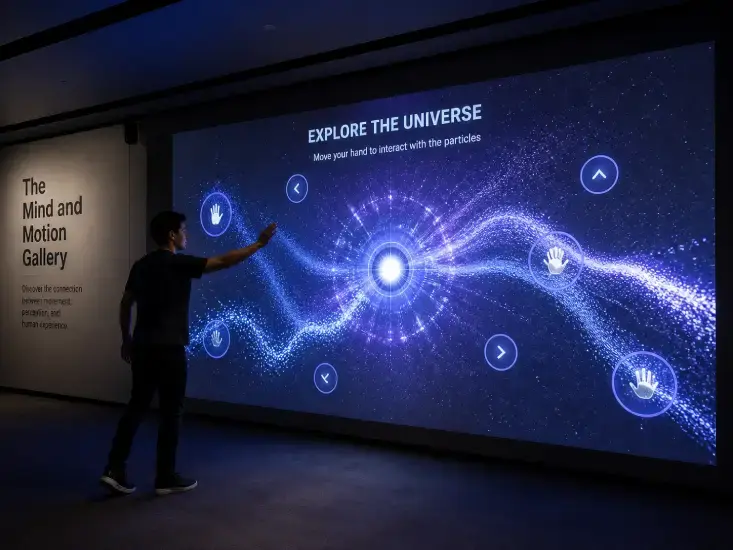
Motion-based interactive walls rely on sensors and proximity detection to respond to gestures and movement. This touchless interaction creates engaging experiences in high-traffic areas while maintaining hygiene and accessibility.
Interactive Projection Walls
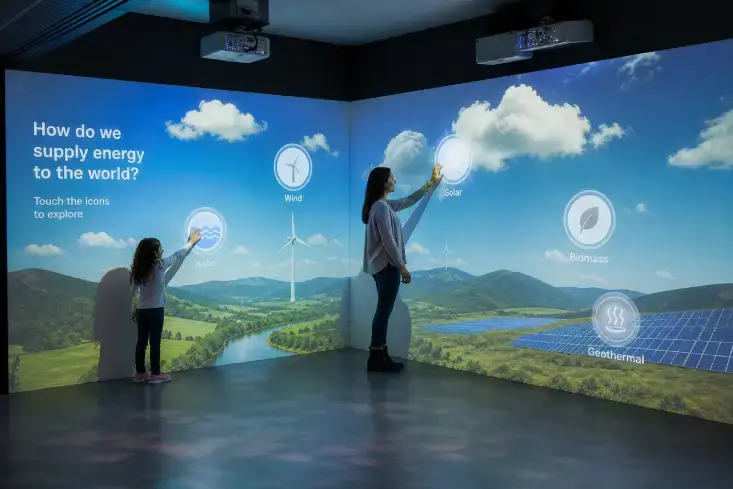
Interactive projection walls use projection mapping technology to transform any surface into a responsive digital display. Visuals adapt in real time based on user actions, making them ideal for immersive storytelling and experiential marketing.
Video Wall Systems
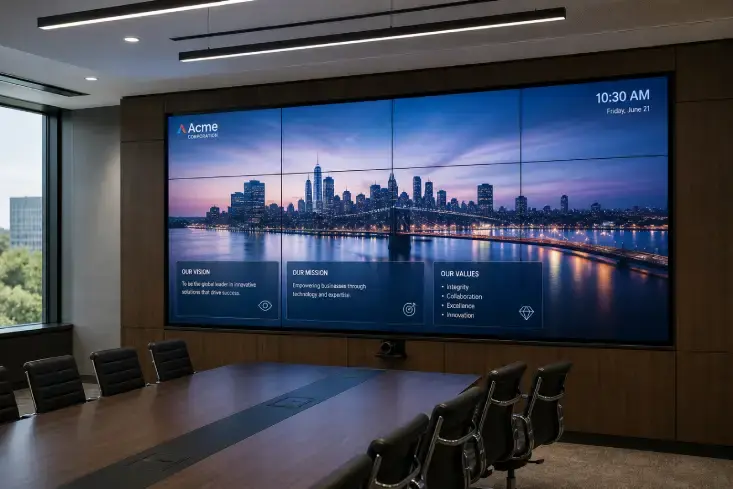
Video wall systems combine multiple high-resolution screens to create large-scale, impactful displays. These walls are commonly used in public spaces, events, and corporate environments to deliver visually rich and attention-grabbing content.
AR-Enabled Interactive Walls
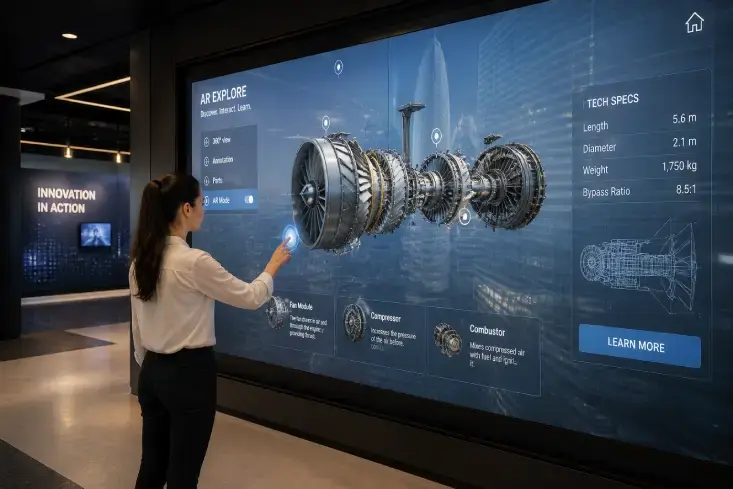
AR-enabled interactive walls integrate augmented reality to overlay digital elements onto the physical environment. This allows users to interact with 3D content, creating highly immersive and personalized brand experiences.
Each type utilizes real-time content synchronization and smart display technology to create engaging, responsive environments for retail, corporate, and event spaces.
What are the Different Uses of Interactive Walls in Business and Industry?
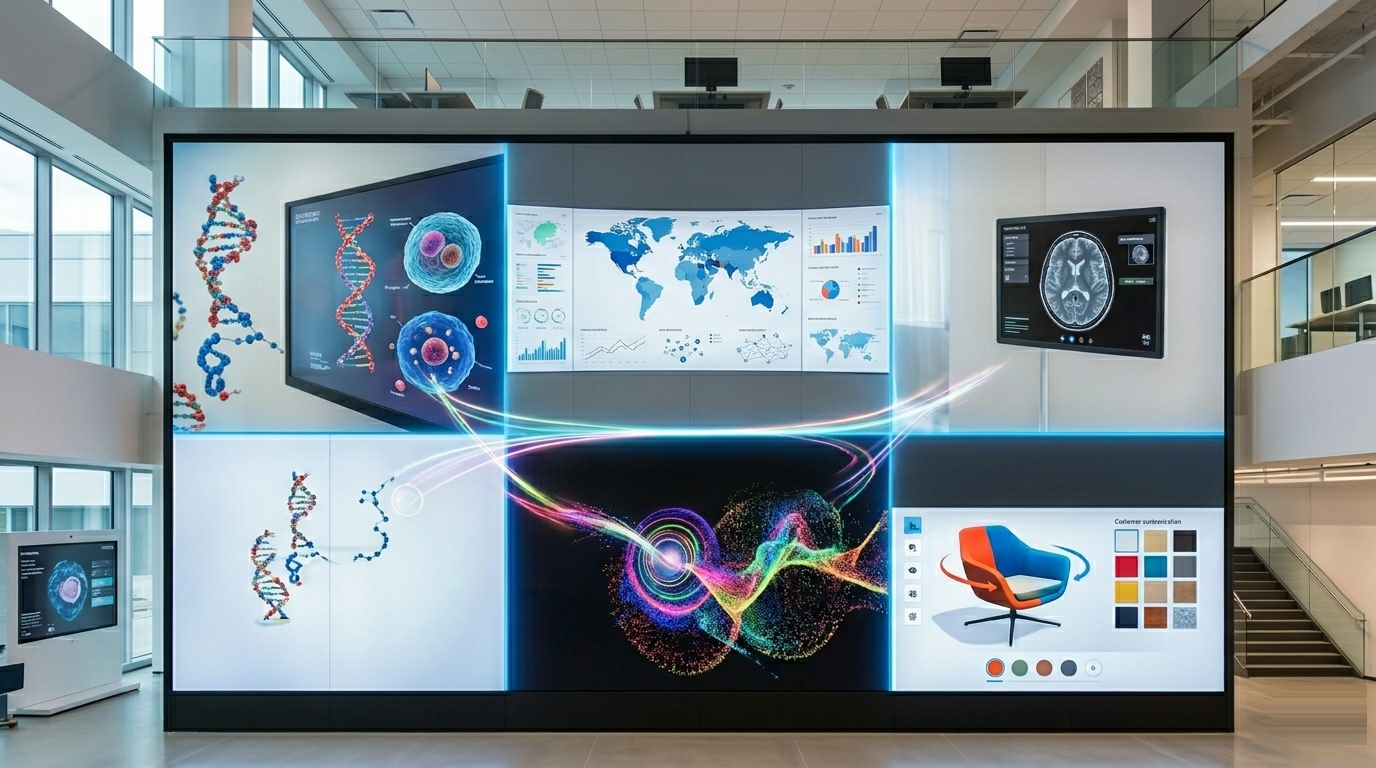
Interactive walls are used across business and industry to create engaging, immersive experiences that capture user attention and encourage interaction. In retail digital signage, they enhance product discovery and brand storytelling, while in corporate spaces, they support presentations, data visualization, and internal communication through dynamic digital signage.
In environments like museums, events, and public spaces, interactive walls enable experiential marketing, education, and entertainment by combining motion sensors, touch technology, and real-time content. These use cases help businesses and organizations improve engagement, deliver personalized experiences, and create memorable interactions with their audience.
What are the Different Types of Interactive Wall Experiences?
Interactive wall experiences come in various types, each designed to engage users through different interaction methods such as touch, motion, projection, and augmented reality. These experiences combine advanced digital signage, real-time content, and user-driven interaction to create immersive environments across retail, corporate, and public spaces.
The different types of interactive wall experiences include art-based installations, video wall displays, gaming walls, LED experiences, selfie walls, and projection systems. Each type serves a unique purpose, from enhancing brand storytelling and customer engagement to enabling entertainment, education, and social interaction.
1. Interactive Art Walls
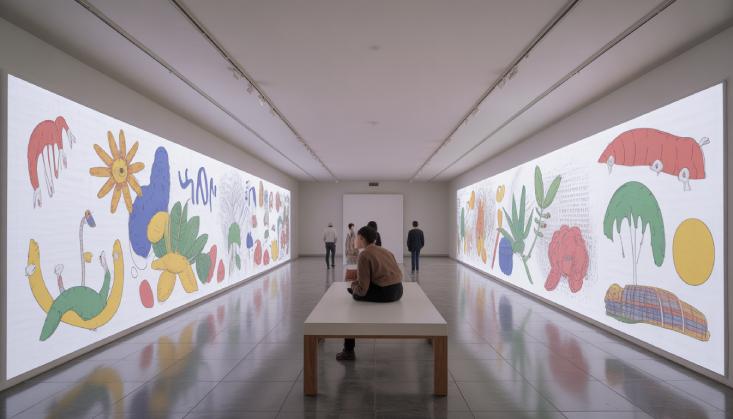
Interactive art walls blend creativity with technology, transforming static artwork into dynamic, engaging visitor experiences. These walls respond to visitor gestures or sound, allowing users to interact with and influence the artwork in real-time.
2. Interactive Video Wall Displays
Interactive video walls provide a large-scale, high-definition platform for branding, storytelling, and entertainment. Made from modular LED systems, these walls deliver stunning visuals, often featuring 3D animations and real-time content updates that engage viewers and enhance the overall experience.
3. Interactive Wall-Based Games
Interactive wall-based custom games use touch sensitive or motion sensors to gamify experiences, making them popular in events, malls, and educational setups. These engaging displays allow users to interact with the sports new game environment, promoting fun activities and entertainment, active play areas, learning, physical activity and increased interaction in public spaces and play areas. Students can drag words to form sentences and play language games on interactive word walls.


4. Interactive LED Wall Experiences
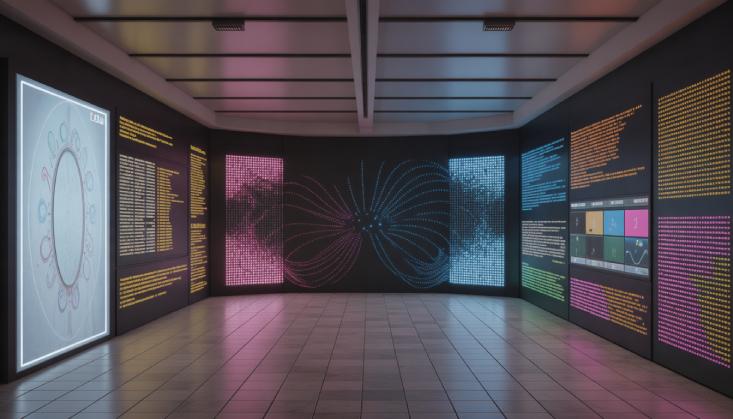
Interactive LED wall experiences use high-brightness LED displays with real-time interaction to deliver vivid, responsive content. Common in retail showcases and exhibitions, they enhance product visibility and create immersive brand engagement, making it essential to choose the right LED wall size for your needs.
5. Interactive Light Walls
Interactive light walls use motion, sound, or music to create dynamic lighting patterns. These installations transform spaces by responding to user interaction and enhancing the atmosphere through visually engaging light displays.
6. Interactive Selfie Walls

Interactive selfie walls combine augmented reality (AR) and branded visuals, encouraging social media engagement. Users can take photos with custom hashtags and share them, boosting brand visibility and enhancing interaction at temporary events and retail spaces.
7. Interactive Wall Décor
Interactive wall décor blends digital technology with design to enhance the ambiance in corporate offices, restaurants, and hotels. These installations offer dynamic visuals that change with time, adding layers of storytelling and creating immersive environments that engage visitors and elevate the overall atmosphere.
8. Interactive Wall Projections
Interactive wall projections use projection mapping to display visuals that respond to hand gestures or body movement. These systems create immersive environments where users can interact with the projections, transforming ordinary spaces into dynamic, engaging experiences that evolve in real time.
What Are the Benefits of Interactive Walls for Businesses?

Interactive walls offer businesses a range of powerful advantages, making them a valuable tool for engagement, marketing, and brand visibility. Research indicates that active learning through interactive displays improves understanding and performance.
- Increased Customer Engagement & Dwell Time: Interactive walls captivate wide audiences, encouraging deeper interaction and longer engagement, which can lead to higher conversion rates.
- Enhanced Brand Memorability: By delivering dynamic, personalized experiences, interactive walls increase brand recall, making it easier for customers to remember and engage with the brand.
- Real-Time Data Capture: Interactive walls collect valuable insights from user interactions, providing businesses with real-time digital signage analytics to optimize future campaigns and improve targeting.
- Reusable & Scalable Marketing Assets: Once set up, interactive walls can be easily updated with new content, allowing businesses to reuse and scale their marketing efforts efficiently across multiple locations.
What Does the Future Hold for Interactive Wall Technology?
The future of interactive walls will be shaped by AI-driven personalization, offering tailored content based on user preferences and behaviors. Innovations like haptic feedback will enhance the tactile experience, while AR/VR integration will create full access immersive environments.
As technology evolves, interactive walls will become more scalable, touchless, and seamlessly integrated with smart systems. This will expand their use across retail, corporate, healthcare, and public spaces, helping brands create deeper engagement, improve communication, and deliver next-generation customer experiences.
How Do Interactive Walls Align with Modern Advertising Like Sky Ads?
Interactive walls align with modern advertising strategies by delivering immersive, real-time engagement similar to emerging formats like sky ads. They combine digital signage, motion interaction, and dynamic content to capture attention and enhance brand experiences.
To explore how large-scale visual advertising is evolving, check out our detailed guide on sky ads and discover how brands are expanding visibility beyond traditional formats.
How AIScreen Digital Signage Complements Interactive Wall Experiences
AIScreen enhances interactive wall technology by enabling seamless content control and real-time updates through cloud connectivity. This allows businesses to manage dynamic content across multiple interactive walls, ensuring consistency and flexibility, whether for retail displays or corporate events.
By leveraging AIScreen’s platform, businesses can personalize customer experiences using real-time data and create immersive, evolving environments for experiential marketing. This integration creates a scalable, interactive solution for engaging audiences and amplifying brand impact across diverse industries.
Frequently Asked Questions
What types of interactive wall technology are available?
There are various types of interactive wall technology, including touchscreen walls, motion-responsive walls, projection mapping, and LED-based interactive walls. Each offers unique features, such as gesture control, real-time content updates, and immersive visual effects, tailored to different business and industry needs.
Why are interactive walls becoming popular in educational environments?
Interactive walls are gaining traction in educational environments because they foster engaged learning through interactive content, AR experiences, and real-time collaboration. By enabling hands-on interaction with digital lessons, they make learning more dynamic and impactful, enhancing student comprehension and retention.
How much does an interactive wall cost, and what factors affect the price?
An interactive wall typically costs between $10,000 and $100,000+, depending on factors like size, technology (LED or projection), interactivity (touch or motion sensors), and content complexity; smaller setups may start around $10,000–$30,000, while advanced, large-scale installations can exceed $100,000, with additional costs for installation, software, and ongoing maintenance impacting the total investment.
How can you design content and user experience for an interactive wall?
Designing content for an interactive wall involves creating intuitive user interfaces, using motion-triggered interactions, and ensuring real-time updates. Content should be visually engaging, easy to navigate, and tailored to the audience’s needs, whether it’s for branding, educational purposes, or entertainment.
Is an interactive wall suitable for outdoor use or only indoor settings?
Yes, interactive walls can be suitable for outdoor use, though most are typically designed for indoor environments. Advances in weather-resistant LED screens and outdoor projection mapping have made it endless possibilities to create interactive walls for outdoor settings and physical activity.
