
What Are Affordable Point of Sale Signs for Retail Stores

A well-placed point of sale sign can do wonders for your retail business, driving impulse buys, reinforcing your brand, and enhancing the shopping experience.
Traditional POS signs are effective, but digital point of sale displays offer a more flexible, cost-efficient solution. Instead of constantly printing and replacing sale signs, digital advertising POS displays allow you to update content automatically, keeping your store dynamic and engaging. And the best part? It doesn’t have to be expensive.
AIScreen’s digital signage solutions for business have been shown to increase sales by up to 33% for 80% of brands. Let’s explore some of the most affordable and effective sale displays for retail point environments.
Short Summary:
- Digital point of sale signs are a cost-effective way for retailers to enhance customer engagement, boost sales, and update promos.
- Affordable point-of-purchase screens, such as digital shelf labels, small-screen signage, and interactive touchscreens, help stores showcase new items and encourage last-minute purchases.
- Unlike traditional sale signs, digital point of purchase signs reduce printing costs, provide customizable content, and integrate seamlessly with retail POS systems.
- Strategically placing POS signs in busy areas, like checkout counters, endcaps, and store windows, maximizes brand visibility and drives purchase decisions.
Retailers also use digital POS signage powered by digital signage software for special events, outdoor promotions, trade show booths, and in store demos to create engaging displays.
Why Invest in Point of Sale Signs?
Here’s why investing in digital POS system is a smart investment:
- Flexibility: Update signs instantly to reflect changing marketing strategies, new products, or seasonal sales.
- Engagement: Interactive POS signs encourage visitors to explore promotions at the checkout and other high traffic areas.
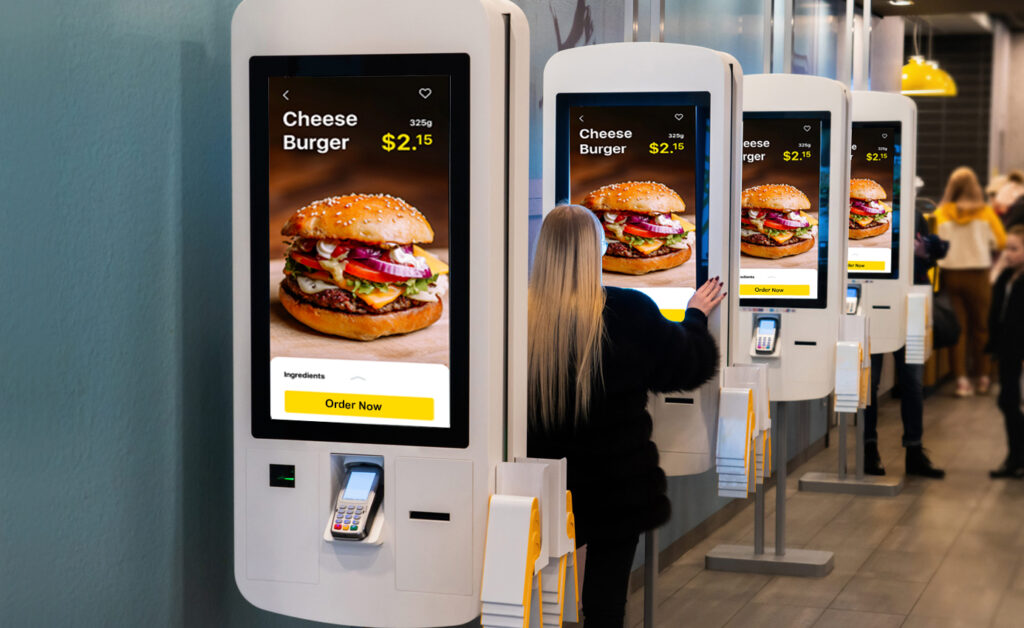
- Cost Savings: No more printing endless sale signs—digital point of purchase signs pay for themselves over time.
Retailers also use digital POS signage for special events, outdoor or field signs, trade show booths, and in-store demos to create engaging displays.
What Types of POS Signs Exist?
Different types of POS signs include promotional displays, pricing signs, product information boards, checkout signs, digital screens, and directional signs. Each type helps guide customers, highlight offers, and support smoother purchasing decisions.
1. Digital Shelf Labels

Forget manually updating paper price tags—electronic shelf labels provide seamless, real-time pricing updates. These small POS signs attach to shelves, reducing errors and allowing stores to customize promotions.
Example: A grocery store uses digital point of sale signs to adjust pricing for flash sales, encouraging customers to make quicker purchase decisions.
2. Small-Screen Digital Displays for Counters

A compact point of sale display at the checkout counter is an excellent way to promote last-minute purchases. Whether you’re offering loyalty rewards, limited-time discounts, or reminders about new products, these POS displays increase engagement.
3. Interactive Advertising POS Displays

Interactive advertising POS system take point of sale signage to the next level. These self-service screens allow customers to browse products, scan for promos, or check out loyalty rewards before completing their purchase.
4. Window and Endcap Digital Displays

These eye-catching POS signs help stores maximize their brand visibility in busy areas. Place them in your front window, at aisle endcaps, or near the checkout to grab attention and promote key products.
What Features Should POS Signs Have?
Here are the key features to look for for when choosing POS displays for your company:

- Cloud-based POS software: Enables seamless updates across multiple locations.
- Customizable content: Allows you to change signs based on current offers and customer trends.
- Integration with checkout systems: Syncs POS displays with your inventory for accuracy.
- Engaging graphics and animations: A dynamic point of sale sign is far more effective than static sale signs.
How Do Retailers Use POS Signs?

Retailers can implement cost effective POS sign by collaborating with AIScreen. With its customizable digital POS displays, you can promote products, run time-sensitive sale signs, and increase engagement at the checkout, all without breaking your budget.
AIScreen also allows retailers to update POS content remotely across one or multiple locations, reducing the need to print and replace traditional signs. Businesses can quickly adjust prices, promotions, product recommendations, and seasonal campaigns, helping lower ongoing costs while keeping point-of-sale messaging fresh and relevant.
Why Retailers Choose AIScreen for Digital Point of Sale Displays:

- Scalability: Whether you’re a single or a multi-location business, AIScreen’s POS screen solutions grow with you.
- Cloud-Based Software: Update point of sale signage in automatically from anywhere.
- User-Friendly Interface: No design skills needed—easily create and schedule dynamic point of sale displays.
AIScreen’s technology is also great for trade show booths, special events, and pop-up sale displays, ensuring that your POS displays suit every retail environment.
How Do POS Signs Fit Retail Strategy?
Point of sale signs work best when they align with the wider mix of displays across your store. Understanding the full range of Types of Retail Signage helps you decide where checkout screens, shelf labels, and window displays deliver the most value, so every point of sale sign reinforces one consistent message.
A coordinated signage strategy also helps retailers guide customers through the buying journey. POS signs can support promotions introduced on window displays, reinforce product information shown on shelves, and encourage last-minute purchases at checkout, creating a more connected and consistent shopping experience.
How Do Field Signs Extend POS Promotions?
Point of sale signs do not have to stay indoors. The same content you run at the counter can extend to outdoor promotions and field signs, giving your brand a consistent look from the sidewalk to the register and helping shoppers recognize your point of sale offers before they even walk in.
Businesses can also use POS-style messaging at entrances, pop-up events, curbside pickup areas, and temporary sales locations. Extending the same offers, branding, and calls to action across these spaces helps improve visibility and keeps promotional messaging consistent wherever customers interact with the business.
Ready to Modernize Your Point of Sale Signs With AIScreen?


Investing in affordable point-of-sale signage isn’t just about saving money—it’s about creating a smarter, more dynamic way to advertise your brand and respond to shifting customer trends. Whether you need sale displays for bustling areas, interactive POS signs, or digital POS displays, there’s an affordable solution that suits your needs.
Ready to modernize your point of sale displays? Review AIScreen’s innovative digital signs and see how they can help your business showcase promotions, highlight new services, and engage customers like never before. Contact us for more details.
FAQs
How do digital point of sale displays integrate with my existing retail systems?
Modern digital POS signs integrates seamlessly with existing store POS systems, allowing for live updates and accurate pricing. AIScreen’s digital software connects with your inventory, making it easy to manage promotions across multiple locations.
Can I use digital POS signs for special events and trade show booths?
Absolutely! Digital point of purchase signs are perfect for special events, pop-up shops, and trade show booths.
What Are Point of Sale Signs, and Why Are They Important for Retail Stores?
Point of sale (POS) signs are advertising displays placed near checkout areas, product shelves, and other high traffic areas in a store to encourage purchase decisions. They help promote special offers, highlight new products, and reinforce brand messaging.
