
What Are the 9 Types of Retail Signage?
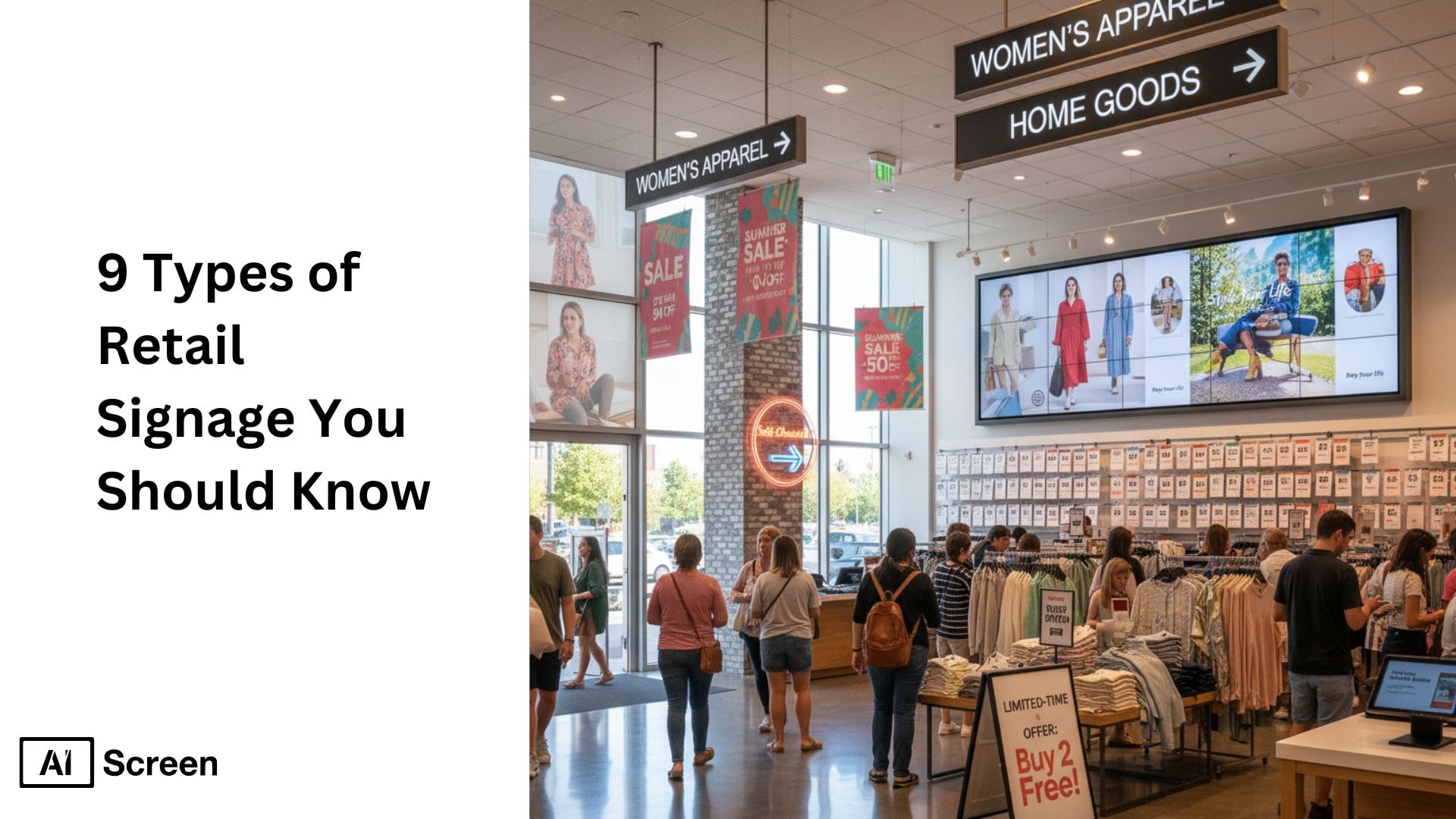
When you walk into a store, the first thing that catches your eye isn’t always the product. It’s the retail signage and business signs that guide your every move. From bold storefront signs that draw you in to directional signs and digital signage that enhance your shopping experience, every piece plays a role in shaping how customers connect with a brand. According to a paper by Bocconi University, 86% of major retailers believe that digital displays are effective at promoting price discounts in supermarkets.
In this article, you’ll explore the 9 types of retail signage you should know, from eye-catching storefront signage to immersive digital displays. Each type plays a unique role in shaping the customer journey, improving brand visibility, and driving more foot traffic, making effective retail signage essential. Whether you’re designing a new retail space or refreshing your existing setup, understanding how to blend exterior, interior, and digital signage helps you create a seamless shopping experience that feels cohesive, engaging, and unforgettable.
Modern facilities manage these displays with digital signage software so signage stays accurate and easy to update.
What Are Exterior Retail Signage Types?
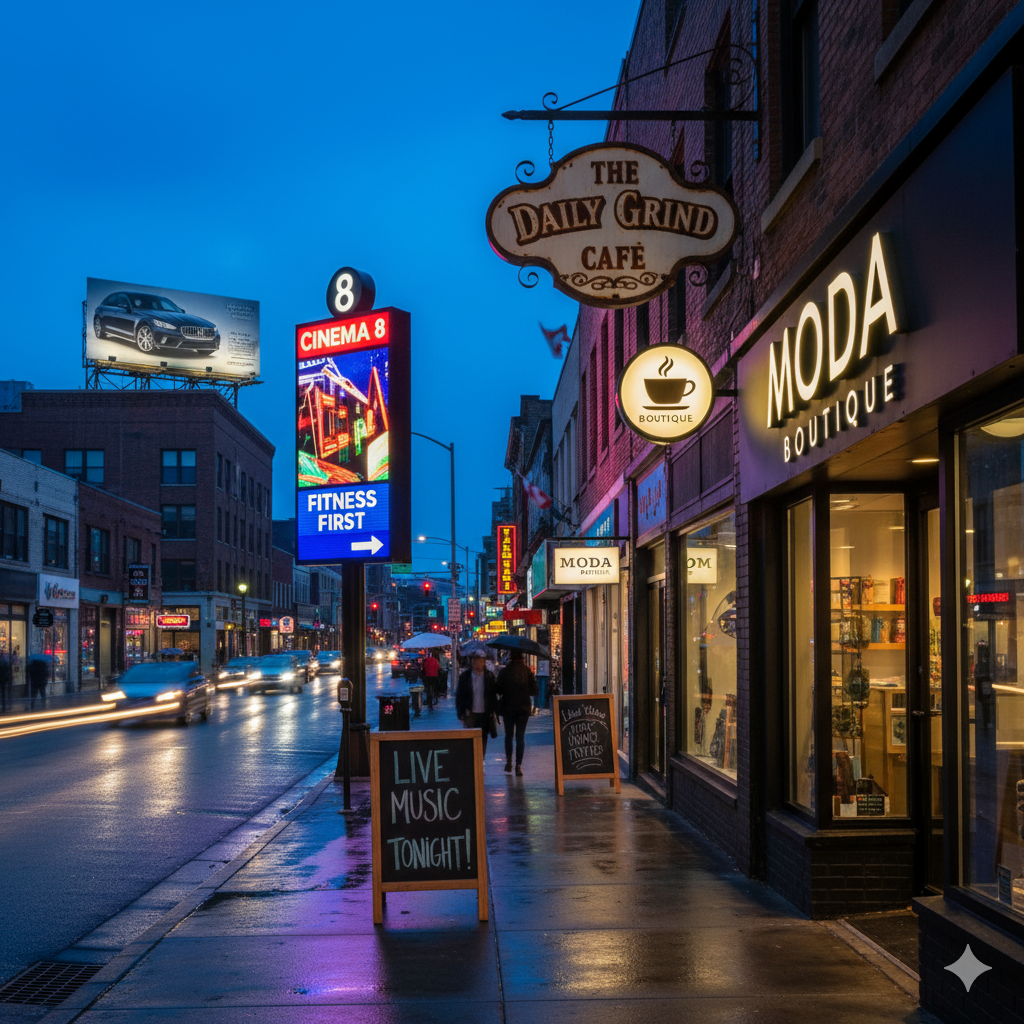
You know that feeling when you spot a storefront from down the street, and something about it just pulls you in? That’s the magic of exterior retail signage, your brand’s first handshake with the world. It’s not just a sign; it’s your identity, your voice shouting “we’re here” to every potential customer who passes by the storefront window .
The right combination of visuals, colors, and placement can turn casual pedestrians into paying customers, making retail signage one of the most powerful tools to boost foot traffic and shape perception before someone even sets foot inside your store.
Let’s take a closer look at how different types of exterior retail signage, from storefront signs to banners and billboards, work together to attract attention, strengthen brand image, and guide new customers to your door.
1. Storefront Signage
Imagine walking through a busy shopping center. What makes you stop and look at one shop over another? It’s almost always the storefront signage, the face of your brand. This sign tells people who you are, including your opening hours, before they ever read a single word. Whether it’s sleek channel letters, stylish window decals, or vintage hanging boards, your sign sets the tone for what customers can expect inside. According to a report from the National Retail Federation-referenced research, 94 % of retailers have adopted digital signage or plan to, recognizing it as essential for the in-store experience.
Think of your storefront like a smile; it should be warm, consistent, and instantly recognizable. A well-designed storefront sign uses clear typography, consistent colors, and quality materials, including overhead signs, that reflect your brand identity. In today’s competitive retail landscape, where customers make snap decisions in under 7 seconds, that first impression can make all the difference between someone walking past or walking in.
2. Outdoor Signage
Here’s the thing about outdoor signage. It’s your brand’s megaphone to the world. These are the awnings, monument signs, or sidewalk boards that speak directly to passersby and help your store stand out in a sea of competition. You’ve probably noticed how certain signs seem to “call your name” even when you weren’t planning to shop. That’s smart placement and strong design working together.
Good outdoor signs are built for visibility and durability. They must brave rain, wind, and sun while staying as bold and vibrant as day one. That’s why materials like weather-resistant metal, treated wood, or high-quality vinyl are must-haves. When done right, outdoor signage not only guides potential customers to your store but also helps reinforce your brand consistency across every touchpoint.
3. Billboards
Picture yourself driving down a busy highway and spotting a massive billboard that instantly grabs your attention. You probably remember the brand before you even realize it. That’s the power of billboard advertising. It’s large-scale storytelling that reaches thousands of eyes every day. From traditional printed boards to outdoor digital signage billboards that display dynamic content, these signs give your retail business the chance to make a bold, unforgettable statement.
Modern digital signage has revolutionized billboards, offering flexibility and real-time updates for product launches or seasonal promotions. Outdoor digital signage billboards can rotate multiple campaigns, adapt messages throughout the day, and keep promotions visible in high-traffic areas. Businesses using digital displays report up to 30% higher recall rates compared to static posters. And the best part? Billboards keep working 24/7, ensuring your message shines brightly long after your store closes. It’s your brand’s way of saying, “We’re not just here, we’re everywhere,” especially during grand openings.


What Are Interior Retail Signage Types?
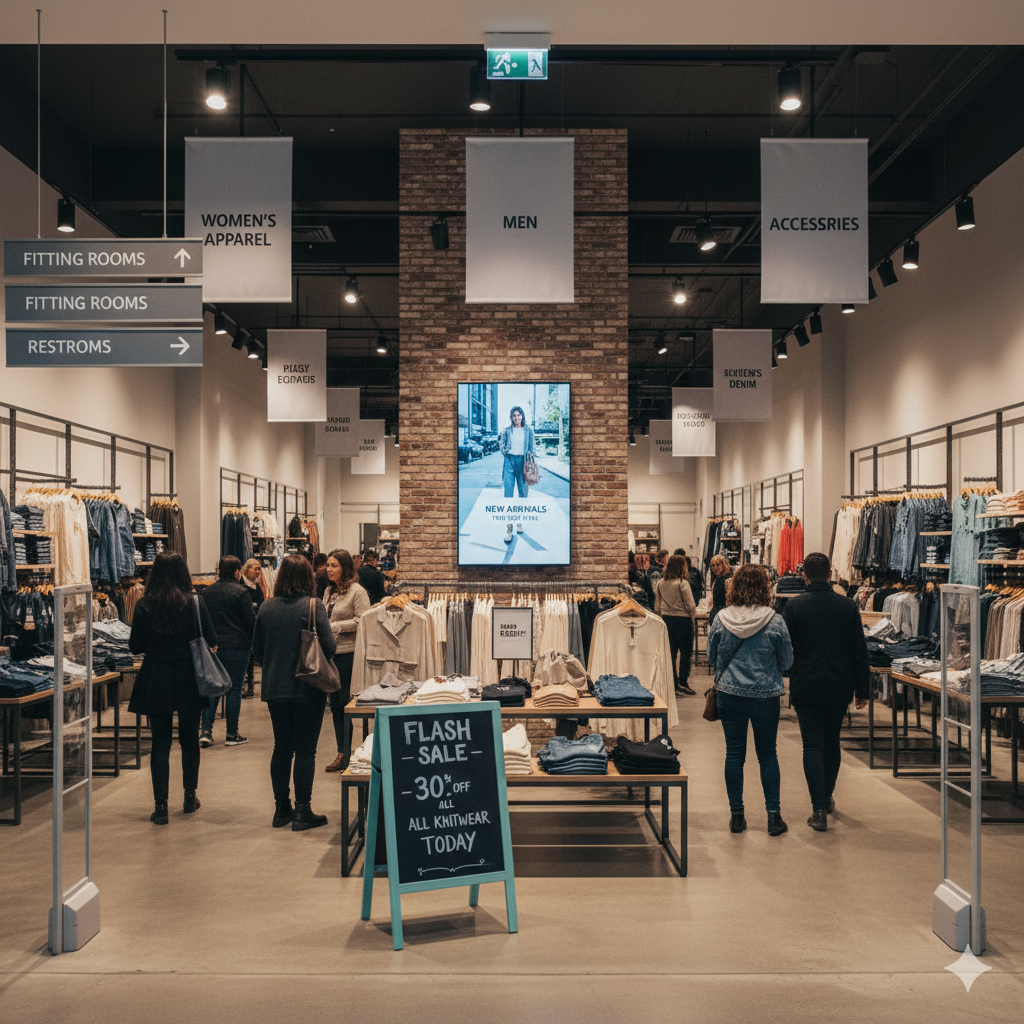
When a shopper steps inside your store, every sign they see, including wayfinding signs, should feel like part of one seamless experience. That’s where interior storefront signage comes in, which can take many forms. It shapes how people move, shop, and connect with your brand. From the moment they enter, each piece of signage, including informational signs, serves a purpose: to inform, guide, or inspire action. Whether it’s a subtle directional sign leading to fitting rooms or a vibrant promotional display announcing a sale, these visuals make the customer journey effortless and enjoyable.
Well-placed indoor signage also plays a huge role in how shoppers feel. Research Gate studies show that 68% of customers believe good signage directly reflects a brand’s quality and trustworthiness. Inside your store, everything, from aisle markers to demo stations, should communicate your story while encouraging people to stay longer, explore more, and ultimately make a purchase.
Understanding the 6 types of indoor signage every office needs helps create a more organized, professional workspace while improving navigation, safety, and brand consistency.
4. Demo Stations
Demo stations transform shopping from a task into an experience. When customers can touch, test, or try a product, they’re far more likely to buy it. That’s why interactive displays are popular in tech stores, beauty counters, and home appliance sections. They bring products to life. A retail signage strategy that includes live demos helps build confidence, reduces hesitation, and creates memorable moments that traditional displays simply can’t match.
In today’s market, customers want experiences, not just transactions. Allowing them to explore through demo zones reinforces your brand image and sets your store apart. Whether it’s a smart speaker playing its features aloud or a lipstick mirror that lets shoppers test shades digitally, demo signage turns curiosity into connection, and connection into conversion.
5. Directional and Informational Signage
Walk into a large retail space, and without directional signage, finding what you need can feel like a maze. Clear, readable, and consistent wayfinding signs, like aisle markers, category labels, and freestanding signs, make navigation simple and enjoyable. This not only reduces shopper frustration but also keeps traffic flowing smoothly throughout your store. According to a research article in the European Journal of Business and Management studying Kenyan supermarkets, deploying digital signage had a measurable positive effect on product sales.
The best informational signage doesn’t just point the way. It adds personality. From friendly tone phrases like “You’re almost there!” to sleek wall signs that align with your brand colors, every detail shapes how customers experience your space. Good storefront signage should blend readability with aesthetics while complying with ADA accessibility standards, ensuring every visitor feels welcome and informed.
6. Promotional Signage
Few things excite shoppers more than spotting promotional signage, including event flags, that announces a deal, new arrival, or limited-time offer. These signs create urgency, draw attention, and drive impulse purchases. Whether it’s a bold poster near the cash register or a beautifully designed banner in the window, the goal is to make people pause and take notice.
To make promotional signs effective, keep the messaging short, visuals vibrant, and design consistent with your brand identity. Use contrasting colors, simple fonts, and high-impact imagery that instantly communicates value. Retailers who refresh sale signage regularly see up to 20% higher engagement because fresh visuals keep customers curious. When done right, your promotional signage aims for maximum impact, not just to advertise products, but also to tell a story that inspires shoppers to act right now.
What Is Digital Retail Signage?
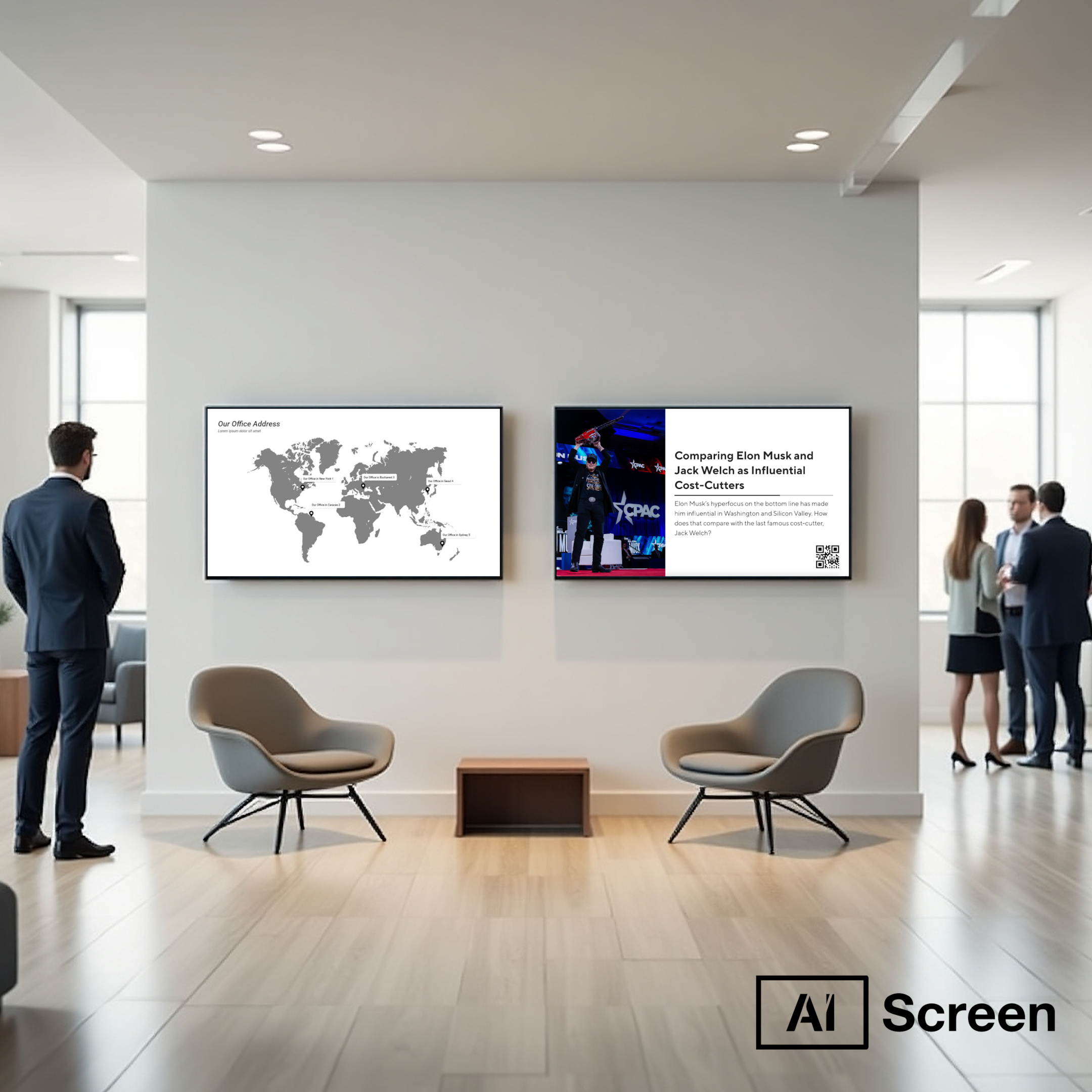
You’ve seen it everywhere, from malls to cafes, digital signage has transformed retail communication. It’s modern, flexible, and effortlessly engaging. According to Statista, the digital signage industry is expected to reach $45 billion by 2030. The best part? It lets you update content instantly, saving time and printing costs.
If you’re ready to upgrade your retail space, explore digital signage from AIScreen. It allows you to display dynamic content, integrate live data, and even connect your social media feeds, turning every screen into an interactive storytelling hub.
7. Digital Displays
Most people don’t realize how powerful digital displays can be for retail storytelling in a clothing store . Whether you’re highlighting a new product or running a brand video, digital screens make every message pop. According to Intel, digital signage can increase customer engagement by 47% compared to static posters, providing valuable data on customer preference.
The best part? Managing them is effortless. Through platforms like AIScreen digital displays, you can control and update your content remotely, even across multiple locations. Schedule playlists, switch promotions instantly, or share live updates, all from the cloud. It’s the perfect solution for retailers looking to stay agile, relevant, and visually captivating. Every screen becomes a storytelling tool, turning casual visitors into loyal customers.
8. Smart Mirrors
Imagine trying on an outfit and instantly seeing different color options without changing clothes. That’s the beauty of smart mirrors, a blend of reflection and augmented visuals. They create personalized, interactive, and aesthetically pleasing experiences that make shopping feel futuristic. According to the digital signage trends overview by PosterBooking, visual merchandising strategies led retailers to see a 52 % boost in ad recall rates when using digital signage versus traditional formats.
In fashion boutiques, smart mirrors double as both a reflection and an interactive display. They can show product details, color options, or suggest matching accessories, all while keeping the customer engaged. In beauty and eyewear stores, they help reduce hesitation and boost confidence in buying decisions. Beyond aesthetics, these mirrors strengthen brand loyalty by offering an experience that feels tailored, tech-savvy, and customer-first.
9. Augmented Reality
Let’s take it a step further with augmented reality (AR) signage. AR turns static product displays into immersive experiences. Using smartphones or in-store tablets, customers can see how furniture fits their home or how makeup shades match their skin tone. According to Retail Dive, 40% of consumers are more likely to purchase from brands offering AR experiences.
Retailers who embrace AR signage aren’t just attracting potential customers. They’re creating memories. Gamified experiences, AR product previews, and 3D visualizations keep shoppers entertained and informed simultaneously. The beauty of AR is its versatility; it can fit into window displays, poster stands, or even your store’s app. By combining storytelling with technology, augmented reality turns every screen into a gateway of curiosity, helping you increase sales while keeping customers truly engaged.
Here’s a clean version using both keywords in the heading and content:
How Can Types of Retail Signage Improve a Mall Kiosk?
Different Types of Retail Signage can make a Mall Kiosk more visible, organized, and engaging in busy shopping environments. Digital screens, menu boards, promotional signs, product displays, and directional graphics can help attract passing shoppers while making key information easier to understand.
A well-planned Mall Kiosk can combine several Types of Retail Signage to highlight products, share offers, reinforce branding, and guide customers toward a purchase. Using clear messaging, strong visuals, and strategic placement helps the kiosk stand out without overwhelming the limited space.
How Is AIScreen Shaping the Future of Retail Signage?
Even more exciting, the future of retail signage lies in AI-driven personalization and real-time data insights, where screens can adapt content based on customer behavior, audience needs, or current trends. As a leading provider of digital signage solutions, AIScreen helps businesses manage dynamic content, schedule campaigns, and control multiple displays from one centralized platform.
With AIScreen, retail signage becomes more than just a display; it becomes a flexible, evolving communication channel that helps brands attract attention, deliver relevant messages, and create more engaging customer experiences every day.
Frequently Asked Questions
What is the difference between indoor and outdoor retail signage?
The difference between indoor and outdoor retail signage lies in their function and environment. Outdoor signage attracts customers from a distance, guiding them into the store and showcasing the brand’s presence. Indoor signage, on the other hand, focuses on enhancing the shopping experience, helping customers navigate, explore products, and engage with promotions. Both work together to create a seamless brand experience.
How does retail signage influence buying decisions?
Retail signage influences buying decisions by directing attention and shaping perceptions. Clear and attractive signs highlight key offers, product benefits, and limited-time deals that encourage quick action. When signage aligns with customer intent and brand style, it builds trust and nudges people toward making confident purchase choices.
Why is retail signage important for brand identity?
Retail signage plays a vital role in building and maintaining brand identity. It reflects your store’s personality through design, color, and tone, helping customers recognize and remember your brand easily. Consistent signage across all touchpoints strengthens your visual presence and reinforces the values your business stands for.
Why should retailers invest in high-quality storefront signage?
Retailers should invest in high-quality storefront signage because it creates a strong first impression and communicates professionalism. A well-designed sign, including eye-catching sale signs, attracts attention, enhances credibility, and sets your business apart from competitors. It also serves as a long-term asset that continually draws customers and strengthens your brand image.
Can effective signage increase foot traffic and sales in retail?
Yes, effective signage can boost both foot traffic and sales by making your store more inviting and easier to navigate. Visually engaging signs capture interest, especially along busy roads, and lead shoppers to explore more products. When messages are clear and well-placed, signage encourages spontaneous visits and supports higher conversion rates.
Exterior retail signage attracts attention before customers even enter your store. These outdoor signs create the first impression of your retail business and influence whether potential customers decide to step inside. The right combination of visuals, colors, and placement can turn casual pedestrians into paying customers, making retail signage one of the most powerful tools to boost foot traffic and shape perception before someone even sets foot inside your store. As more retailers adopt digital screens and kiosks, understanding how to choose a digital signage provider becomes essential for building scalable and reliable retail display networks.
Digital displays present dynamic visual content that captures customer attention and enhances visual merchandising. Retail stores use digital screens to highlight product launches, promotions, and brand stories. Through digital signage platforms, retailers can manage multiple digital signs and digital displays, across different store locations remotely.
