
How to Design Digital Signage Field Signs?
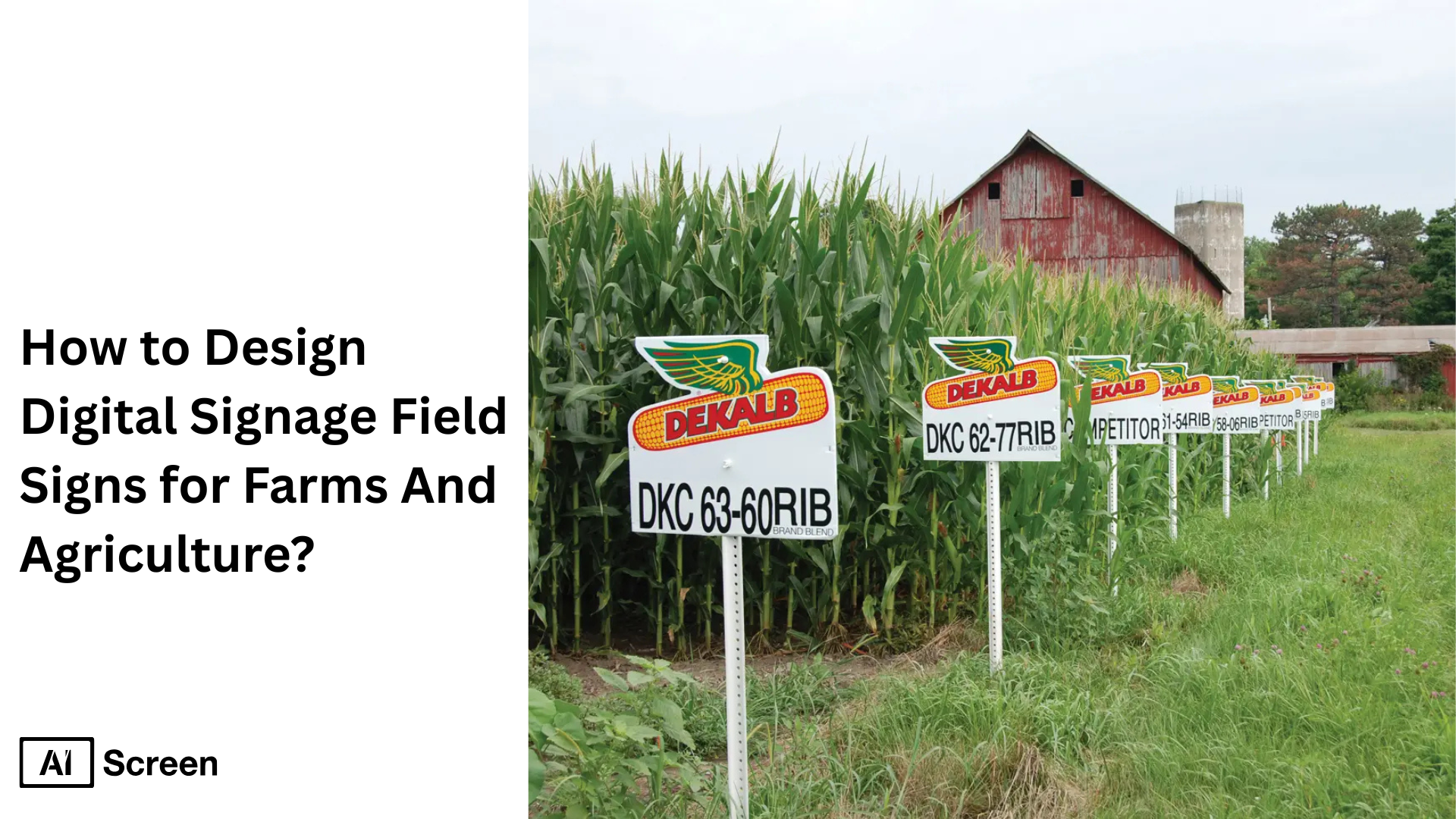
Designing traditional field signs has long been essential in agriculture, aiding in crop identification and operational guidance. However, with the rise of precision agriculture and data-driven farming practices, integrating digital signage offers enhanced flexibility and efficiency.
AIScreen’s research found that farms using digital field signs reported a 45% boost in guest engagement and 30% fewer logistical issues compared to static signs. This guide explores how digital field signs can transform farm management, making operations seamless and more efficient.
While printed signs have served farms for decades, they come with limitations: fading, weather damage, and the need for constant replacement. Digital farm signs built on digital signage software eliminate these issues by providing real-time updates, better durability, POS system connectivity, and dynamic content that adapts to changing conditions.
What Are Field Signs?
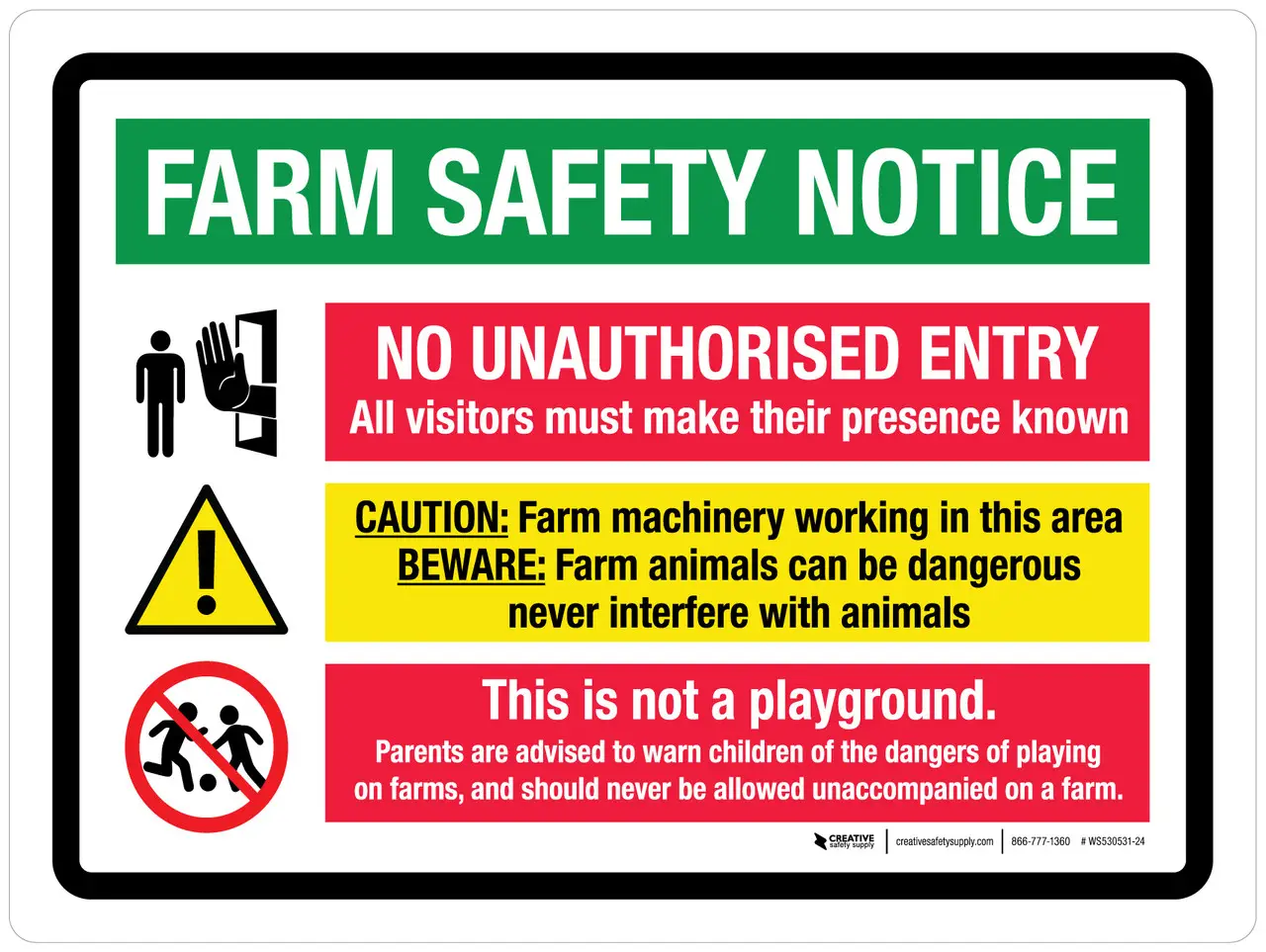
Field signs are traditionally visual markers used in agriculture to label crops, provide safety instructions, and guide workers and guests around the farm. They play a crucial role in maintaining organization, improving efficiency, and ensuring clear communication across large agricultural spaces. When integrated with digital systems like ERP for fresh produce, field operations can be better synchronized with inventory, logistics, and compliance tracking.
These identifiers can include:
- Crop labels – Indicate plant type, planting date, and growth stages.
- Instructional boards – Outline safety protocols, pesticide application schedules, or irrigation guidelines.
- Directional signage – Help workers and visitors navigate fields, barns, and equipment areas.
- Branding displays – Showcase farm names, logos, or certifications to promote recognition.
Whether for operational efficiency, safety, or public awareness, field signs serve as a critical tool for managing large-scale agricultural environments. Lessons carry over from other high-traffic venues too: reviewing zoo signage shows how directional boards and wayfinding maps keep visitors oriented across sprawling grounds, principles that apply just as well to farms that host tours and seasonal events.
Are Digital or Traditional Field Signs Better?
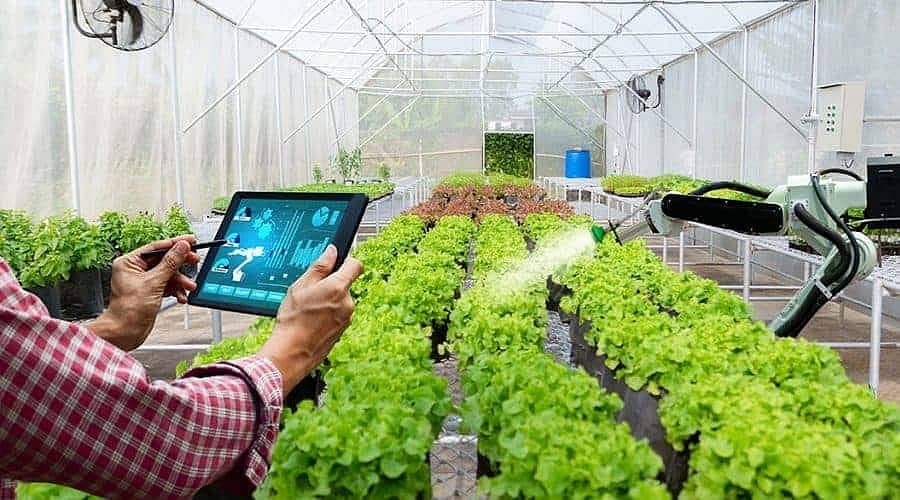
While printed signs have served farms for decades, they come with limitations—fading, weather damage, and the need for constant replacement. Digital farm signs eliminate these issues by providing real-time updates, better durability, POS system connectivity, and dynamic content that adapts to changing conditions.
Comparison Table: Digital vs. Traditional Farm Signs
| Feature | Digital Field Sign | Traditional Printed Field Sign |
|---|---|---|
| Durability | Weather-resistant screens, unaffected by rain or sun. | Fades, warps, or deteriorates over time. |
| Update Flexibility | Instant content changes via remote management. | Requires reprinting or manual replacement. |
| Visibility | Bright, high-contrast displays are visible in any lighting. | It may become unreadable in poor lighting or from a distance. |
| Customization | Supports animations, real-time data, and multiple languages. | Limited to static text and images. |
| Security | Can be integrated with farm monitoring systems. | Easily tampered with or removed. |
| Branding | Dynamic logos and promotional content for farm recognition. | Limited to fixed printed logos. |
| Cost Efficiency | One-time investment with long-term savings on replacements. | Recurring costs for reprints, labor, and maintenance. |
How Do You Design Effective Field Signs?
When designing agricultural displays, digital signage allows you to update content automatically, ensuring information stays accurate across changing seasons and farm conditions. Many farms also draw inspiration from 10 powerful examples of signs that attract customers to create displays that are both functional and visually engaging.
There are two easy steps to creating effective farm displays:
Step 1: Select a Sign Template or Layout
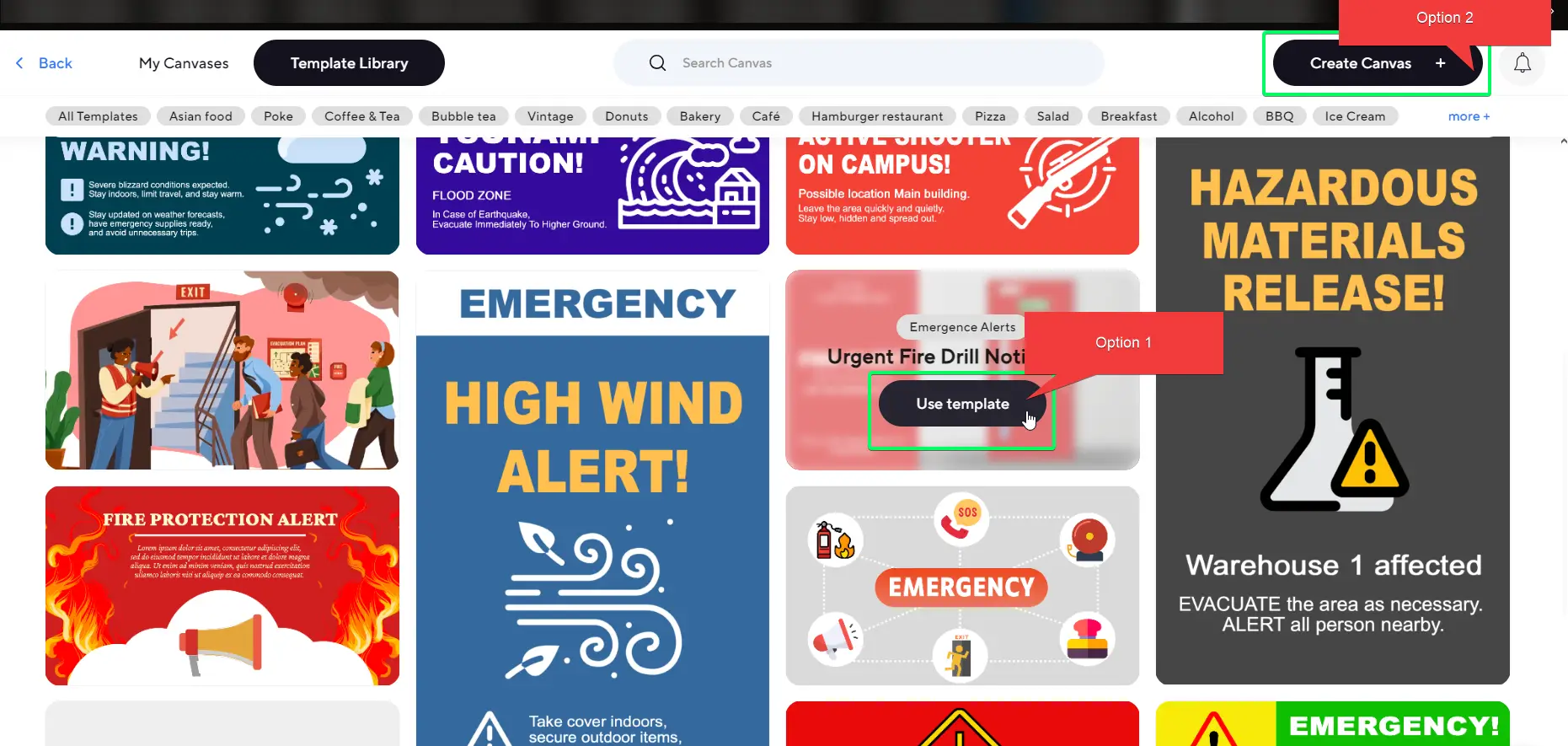
- Choose a pre-made template or start from scratch.
- Ensure the layout order fits the intended size and placement of the display.
- Consider company elements, such as logos or color schemes, for consistency.
Then you can start customizing your content.
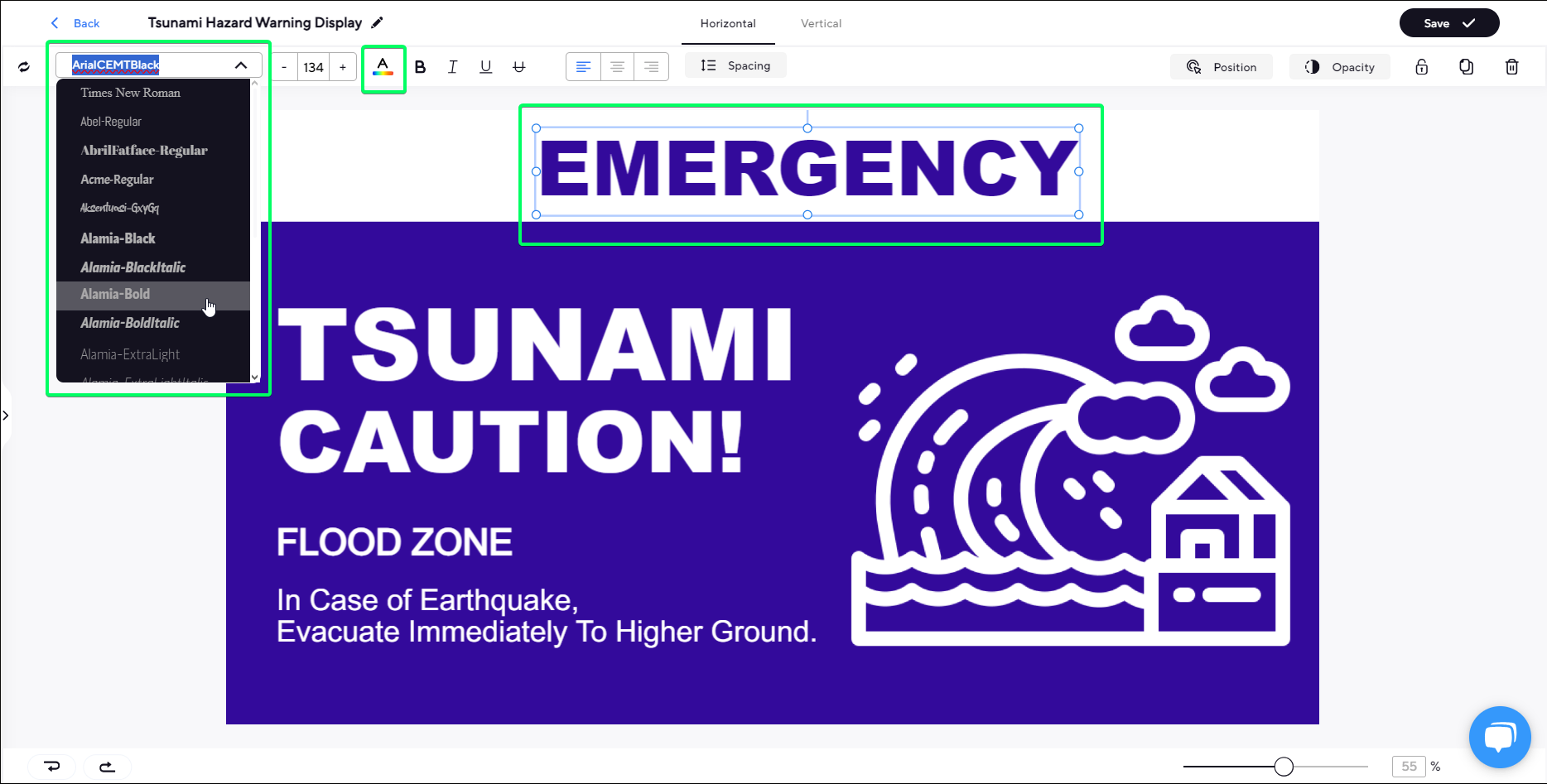
- Add key details – Crop type, planting schedules, safety instructions, or farm navigation markers.
- Use bold, legible fonts – Ensure easy readability in various lighting conditions.
- Incorporate high-contrast colors – Enhance visibility, even from vehicles or machinery.
- Integrate QR codes or live data feeds – Provide instant answers to common product or service questions.
Step 2: Review the Sign Layout
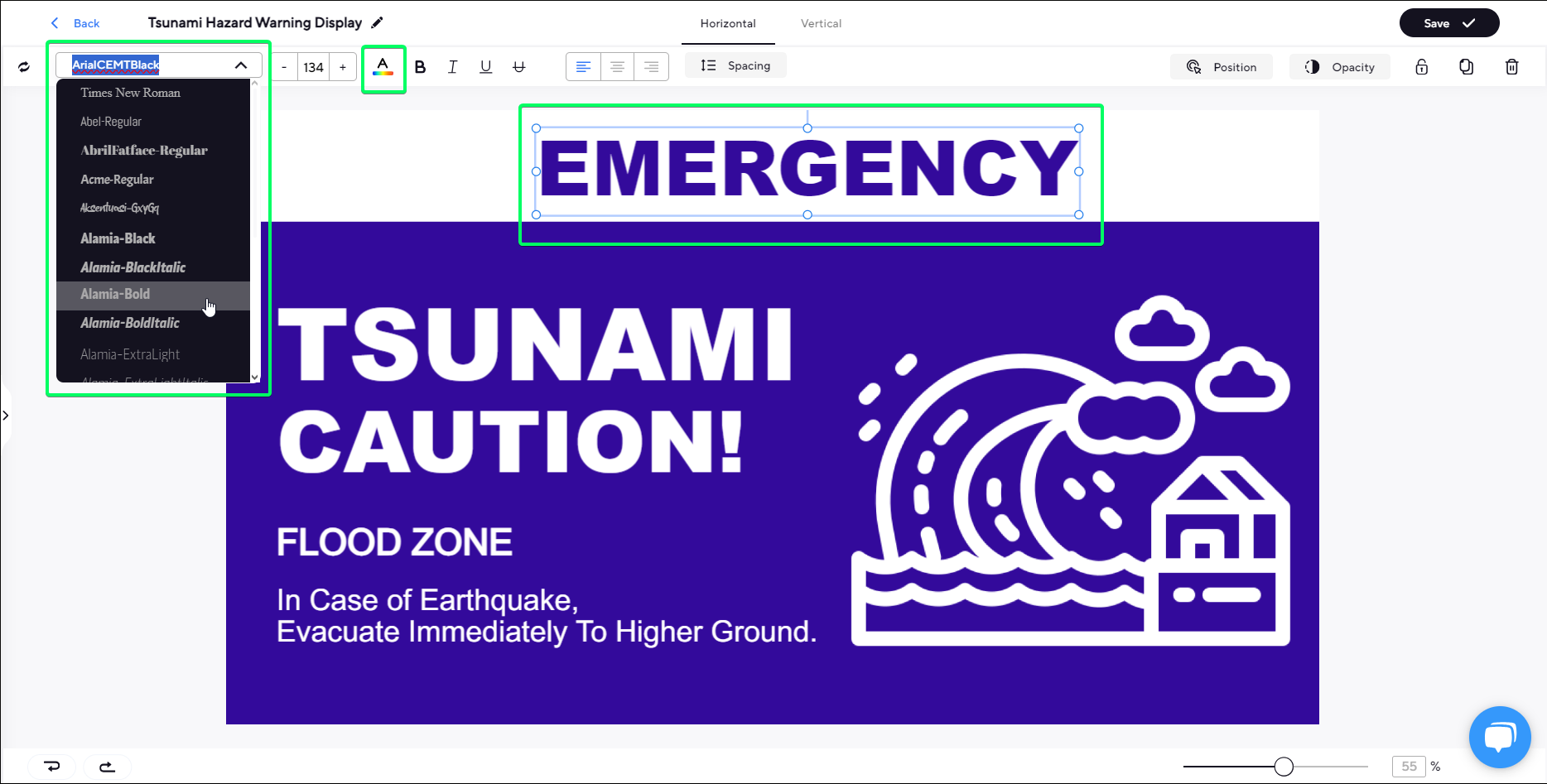
- Fix text size and image size to fit the display dimensions.
- Position important details centrally for quick recognition.
- Maintain consistency across multiple screens or signs—you’re now ready to deploy.
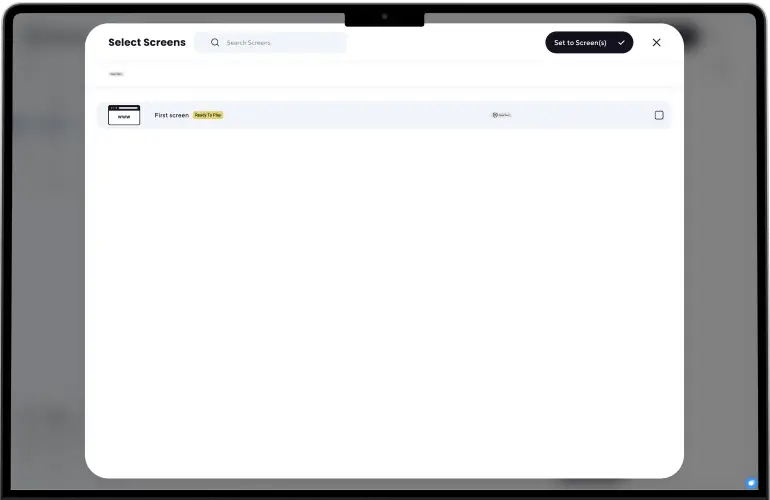
- Test visibility from different angles before final placement.
- Schedule automatic updates to keep information relevant.
Where Do You Place Field Signs on a Farm?
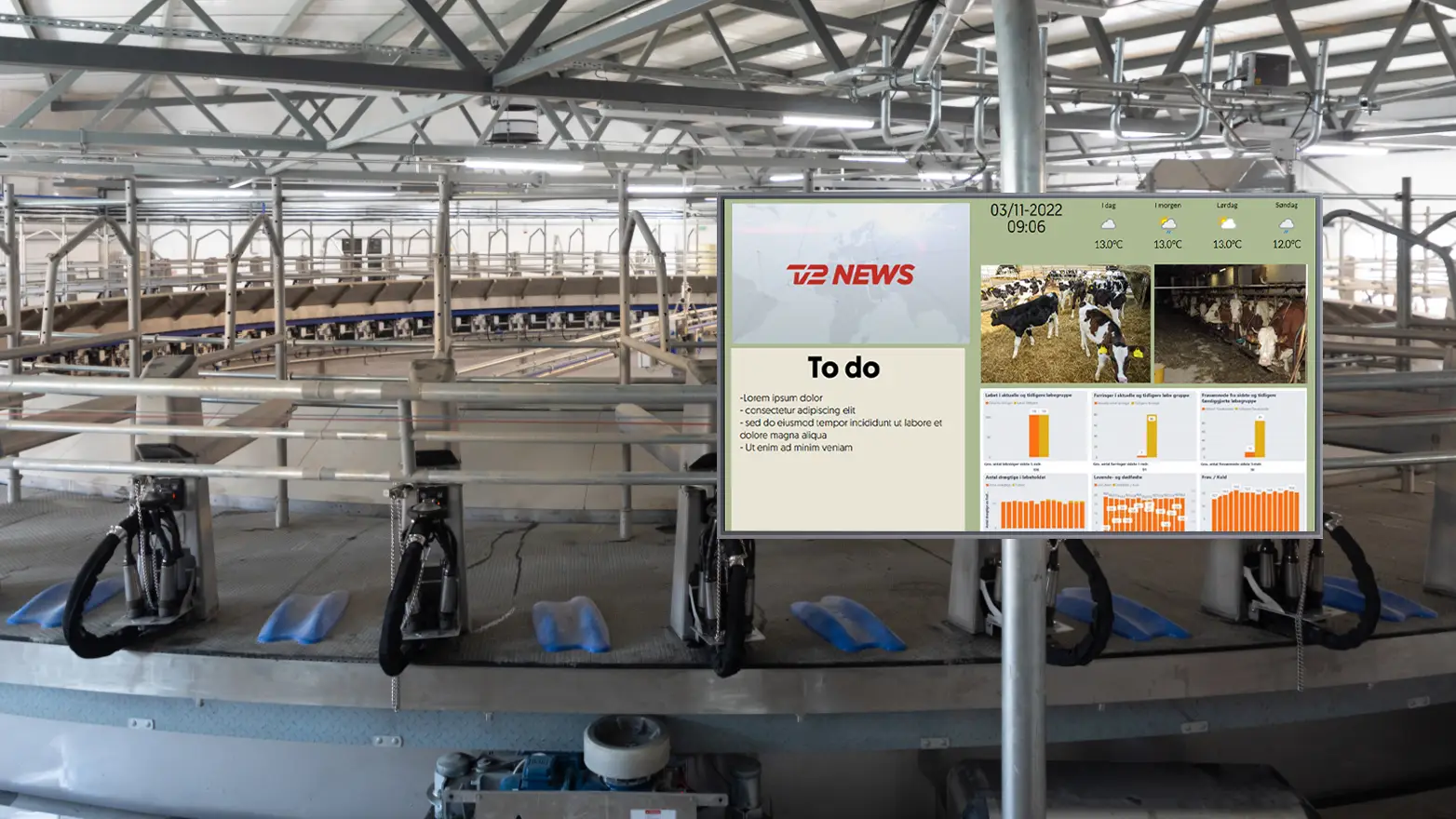
Strategic placement is essential for maximizing the effectiveness of digital displays in agricultural settings. Proper positioning ensures that workers, guests, and farm operators receive the right information exactly when and where they need it.
1. Entrances and Checkpoints
- Display farm maps, visitor guidelines, and safety protocols.
- Ideal for directing deliveries, contractors, and guests.
2. Crop and Livestock Areas
- Show planting schedules, irrigation updates, and pest control alerts.
- Help farmhands identify crop varieties or livestock feeding routines.
3. Equipment Storage and Maintenance Zones
- Provide machine operating procedures and repair schedules.
- Show live updates on weather conditions affecting equipment use.
4. Packing and Distribution Areas
- Display order updates, inventory counts, and delivery schedules.
- Improve coordination between farm operations and logistics teams.
What to Avoid With Field Signs?
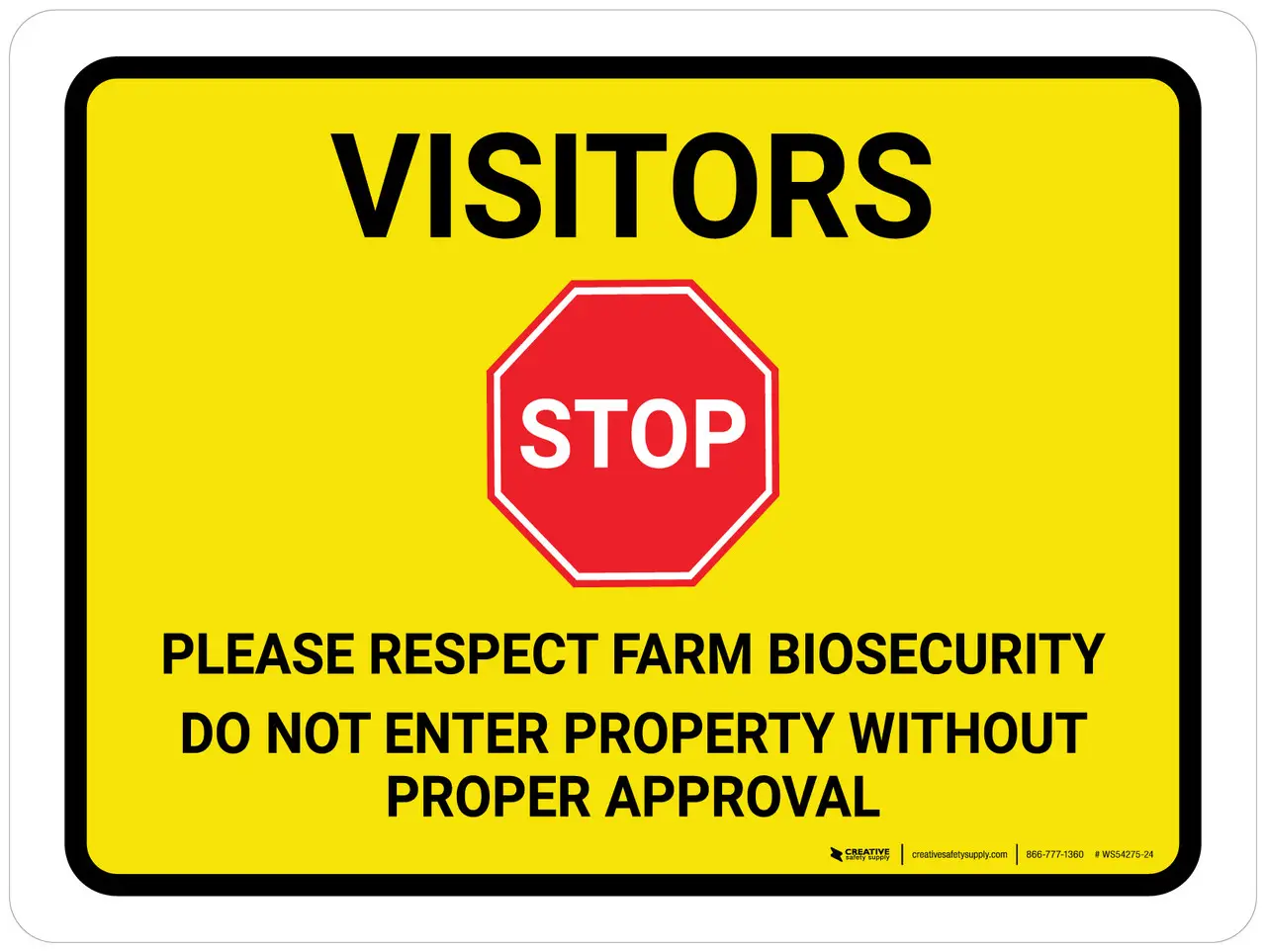
Here are common mistakes to avoid:
1. Using Small or Overly Decorative Fonts
- Hard-to-read text reduces impact.
- Stick to bold, sans-serif fonts for maximum legibility.
2. Poor Contrast and Color Choices
- Low contrast makes information difficult to read.
- Use high-contrast colors like black on yellow or white on dark green.
3. Overloading with Too Much Information
- Crowded layouts confuse viewers.
- Prioritize short, clear messages and break up text into sections.
4. Incorrect Placement
- Displays placed too high or low may be ignored.
- Position screens at eye level or in direct lines of sight.
How Can Wayfinding Signage Design Improve Field Signs?
Effective wayfinding signage design makes field signs easier to understand by combining clear directions, readable text, recognizable symbols, and consistent branding. Whether used at outdoor events, campuses, construction sites, sports venues, or parking areas, well-designed field signs help people identify entrances, exits, pathways, and important destinations without confusion.
Businesses should also consider sign placement, viewing distance, contrast, and weather resistance when planning field signs. Clear wayfinding signage design ensures that directions remain visible from different angles and distances, helping visitors move through large outdoor spaces more safely and efficiently.
What Do Field Signs Cost a Business?
Budget is often the deciding factor between static and digital field signs. If you are weighing options and wondering how much does a business sign cost, the answer depends on size, materials, and whether you choose printed boards that need replacing or digital screens that update remotely and pay for themselves over multiple seasons.
Businesses should also factor in installation, maintenance, content updates, and replacement costs when comparing options. While traditional field signs may have a lower upfront price, digital displays can reduce recurring printing expenses and make it easier to reuse the same screens for different campaigns, events, or seasonal promotions.
How Do Field Signs Transform Your Farm?
Digital signage is revolutionizing modern agriculture by improving efficiency, safety, and real-time communication across farming operations. From sharing timely updates to streamlining daily workflows, digital displays outperform traditional signage by delivering clearer, more responsive information when it matters most.
Upgrade your farm today and experience the power of digital signage software firsthand. Try AIScreen free for 14 days and see how smarter digital signage can enhance productivity, improve communication, and support safer, more efficient farm operations.


FAQs
How can farmers use digital signage to display crop information?
Farmers can create digital signage field signs for farms and agriculture that display real-time updates about crop varieties, planting dates, and growth stages. These digital displays replace traditional farm signs by providing dynamic content that can be remotely updated to reflect current farm operations. This improves farm management, aids workers, and informs visitors with engaging images and media, enhancing the farm’s branding and overall visitor experience.
Can digital signage improve communication on large agricultural farms?
Yes, digital signage plays a crucial role in improving communication across multiple screens spread over large agricultural settings. It allows farm owners and managers to remotely manage content, delivering timely safety alerts, operational updates, and marketing messages to workers and visitors alike. This system enhances efficiency, supports effective communication, and boosts community engagement while addressing diverse needs within agricultural businesses.
What size should digital field signage be for easy visibility?
For high traffic areas on farms, digital signage should be large enough—generally 32 inches or larger—with bright screens and high resolution to ensure visibility from a distance. Properly sized farm signs aid in maximizing impact by clearly displaying crop and operational data to the right audience. Correct sizing improves worker safety, supports farm operations, and strengthens the farm’s branding by presenting clear, engaging content.
How do solar-powered digital signs work in agriculture?
Solar-powered digital signs use solar panels to generate renewable energy, providing sustainable power for digital signage needs in remote agricultural settings. These signs store energy in batteries, enabling continuous operation even in off-grid locations. Solar power offers cost savings on traditional electricity, reduces maintenance, and supports real-time updates essential for safety, security, and farm management.
What are the benefits of using digital signs on agricultural machinery?
Digital signage on farm machinery enhances operator awareness by displaying critical data like equipment status, safety warnings, and operational instructions in real time. These custom options help ensure safety and improve maintenance scheduling while boosting efficiency in farm operations. Digital displays also reinforce the farm’s branding and support communication between machines and workers in diverse agricultural environments.
Why Choose AIScreen for Field Signs?
Field signs guide, warn, and mark boundaries across farms and worksites, and digital signage takes that further. AIScreen lets you update messages instantly from anywhere, so the right information always reaches the field. Start for free and keep every sign clear, current, and easy to manage.
