
5 Best Digital Signage Software Companies for Stadium
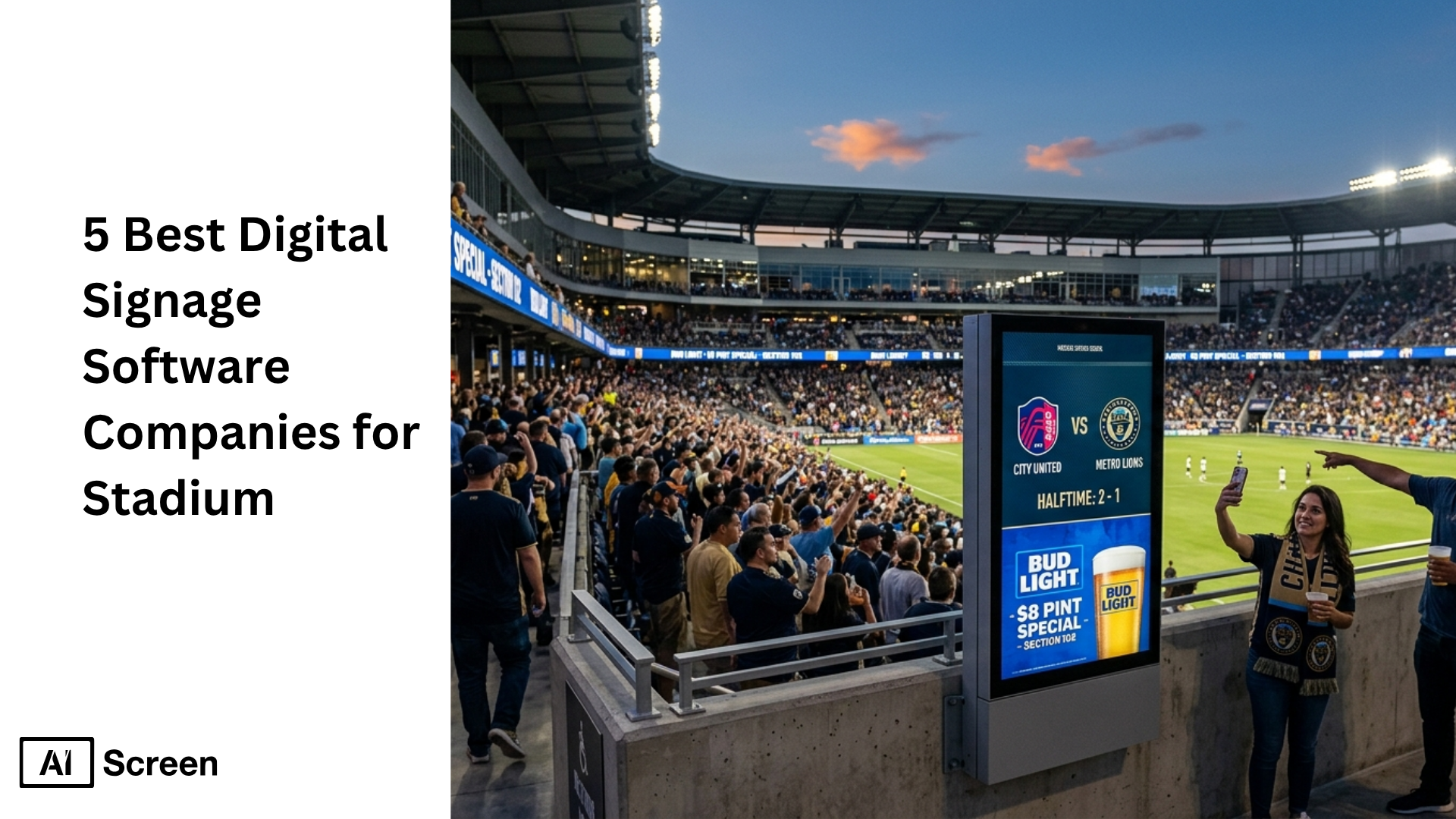
Best digital signage software companies for stadium decisions matter more now because stadiums are investing in smarter fan communication, better operations, and stronger digital experiences. Grand View Research estimates the global stadiums and playgrounds digital signage market was worth about $1.95 billion in 2025 and is projected to grow at a 6.3% CAGR through 2033, while the broader smart stadium market is expected to grow at a 14.4% CAGR through 2030, showing how fast this space is evolving.
In this article, you will learn which digital signage software companies stand out for stadium use, how they compare, and what features matter most for fan engagement, content management, safety messaging, and day-to-day control. You will also see why AIScreen stands out as a leading provider for stadiums that need a simple, scalable, and modern digital signage solution. Explore our stadium digital signage solution.
What are the 10 Ways Digital Signage Software is Transforming Stadiums?
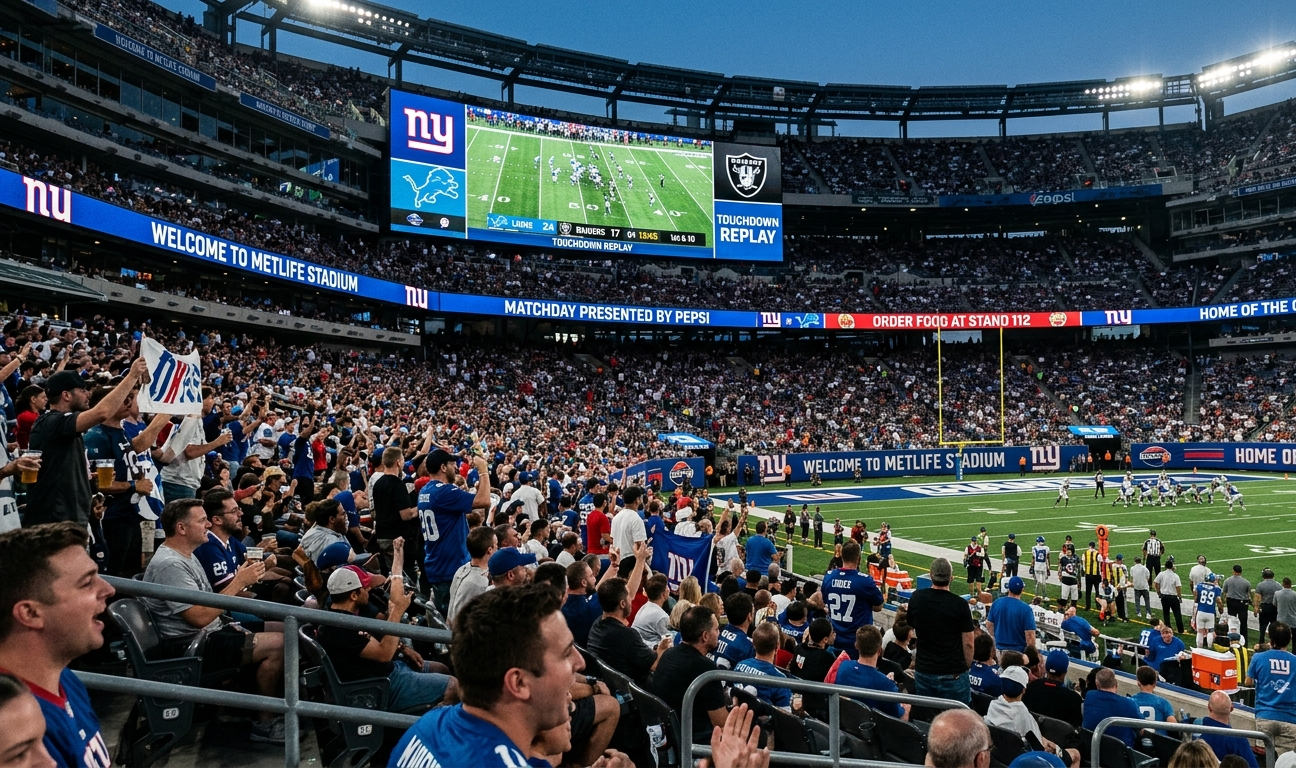
The 10 ways digital signage software is transforming stadiums show why the best digital signage software companies for stadium environments are no longer treating digital signage as a nice extra.
Stadium digital signage now supports fan engagement, effective communication, digital menu boards, emergency alerts, sponsorship opportunities, and centralized control across multiple screens, helping sports venues and entertainment venues create better customer experience, stronger revenue opportunities, and more scalable digital signage operations.
1. Boosting Fan Engagement
Boosting fan engagement is one of the biggest reasons stadium digital signage matters. With digital signage content like live stats, replays, player profiles, social media feeds, trivia, and interactive content, digital signs help keep fans engaged from kickoff to the final whistle while creating a more immersive experience across screens and display zones.
2. Efficient Wayfinding and Crowd Control
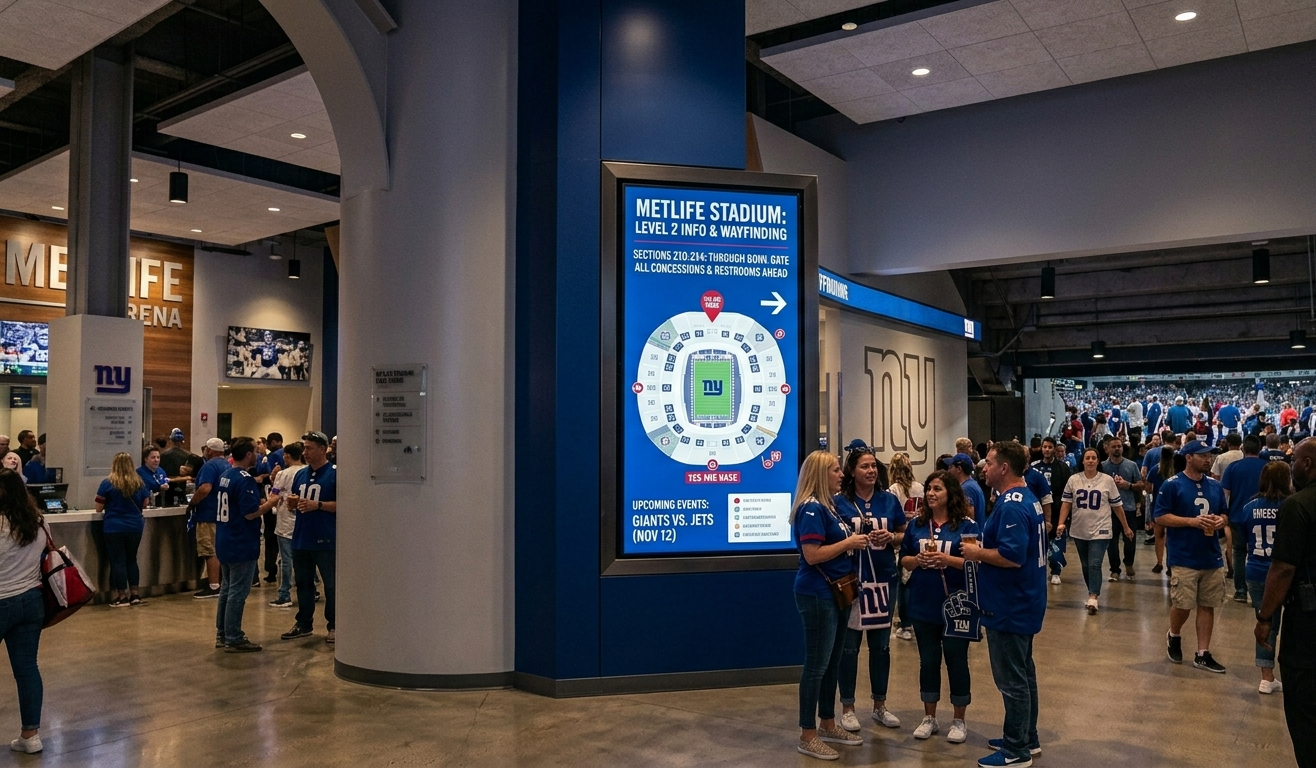
Efficient wayfinding and crowd control become much easier when digital signage solutions deliver real time updates for seating sections, restrooms, concessions, exits, and upcoming events.
In large sports venues, directional signage on digital displays reduces confusion, supports effective communication, and helps users move through busy spaces with better access and less friction.
3. Interactive Fan Zones
Interactive fan zones turn digital signage software into part of the entertainment itself. By using interactive kiosks, social media feeds, live surveys, games, and interactive features, stadiums can connect with the audience beyond the match and create engaging content that keeps fans involved before, during, and after the event.
4. Revenue Generation with Targeted Advertising
Revenue generation with targeted advertising is where a digital signage company can create serious value for stadium operators.
Dynamic displays let brands rotate campaigns, promote sponsorship opportunities, and tailor digital signage content in real time, opening new revenue opportunities and helping potential customers notice messages more clearly. Nielsen has found strong ad recall for digital billboards, with 75% of respondents recalling seeing one in the past month.
5. Concession Efficiency
Concession efficiency improves when digital menu boards and menu boards make food choices easy to scan and easy to update.
For quick service restaurants inside stadiums, digital signage software helps manage content, highlight combo deals, adjust pricing, and support boost sales goals while improving customer satisfaction during peak traffic.
6. Merchandise Promotion and Upselling
Merchandise promotion and upselling work better when digital signs spotlight limited-time offers, countdowns, and best-selling gear on stunning displays.
Whether the venue wants to move jerseys, collectibles, or food bundles, scalable digital signage gives teams and vendors more tools for content scheduling, content management, and timely promotions that encourage faster purchase decisions.
7. Entertainment During Breaks
Entertainment during breaks keeps the energy alive when the game pauses. Stadium digital signage can fill downtime with highlights, fan cams, music clips, branded content, contests, and real time data, making sure digital signage keeps the entertainment flowing and the fan experience strong even when the action on the field slows down.
8. Real-Time Alerts and Emergency Communication
Real-time alerts and emergency communication show why digital signage is also a safety tool, not just a marketing tool. Emergency notifications, emergency alerts, and providing real time information across digital screens help venues respond fast, guide crowds clearly, and support internal communications and corporate communication teams responsible for ensuring fans stay informed.
9. Improved Game Visibility
Improved game visibility helps every seat feel closer to the action. High-quality digital displays, dynamic displays, and synchronized screens across multiple screens make scores, replays, player details, and match updates easier to follow, which improves the customer experience and helps keep audiences engaged in larger entertainment venues.
10. Customizable for Various Events
Customizable for various events means the same signage software can support much more than game day.
From concerts and community events to corporate offices, retail stores, and large enterprises hosting events in stadium spaces, a content management system with media players, content scheduling, and cloud based digital signage makes it easier to create, manage content, and switch between solutions without replacing the hardware.
Stadium digital signage is transforming venues because it combines communication, technology, software, and signage into one flexible system.
Research cited by Digital Signage Today shows digital displays can reduce perceived wait times by as much as 35%, which is especially valuable at concession areas, entrances, and service points where customer experience directly affects satisfaction and sales.


Which are the Best Digital Signage Software Companies for Stadium?
The best digital signage software companies for stadium environments usually combine scalable digital signage, cloud based digital signage, strong content management system tools, real time updates, multiple screens support, and centralized control.
For sports venues, the best digital signage companies are the ones that can manage content across digital displays, support interactive features, improve fan experience, and adapt digital signage content for everything from emergency alerts to sponsorship opportunities.
AIScreen
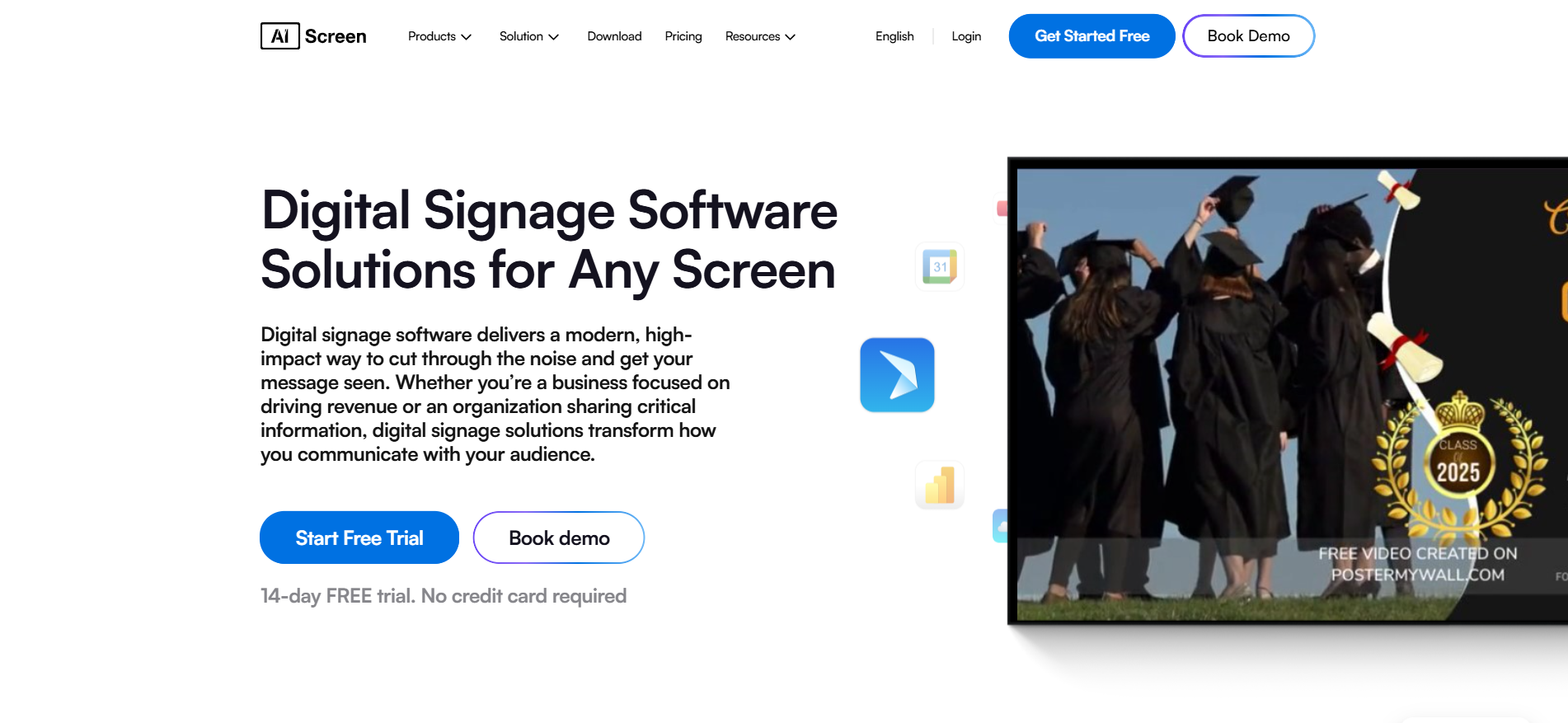
AIScreen is the best digital signage platform built for organizations that feels flexible, fast, and easy to scale across screens, venues, and teams. For stadium digital signage, it stands out as a digital signage company with a strong digital signage CMS for managing stadium content, updates, and screen zones.
For venues that need remote access and centralized control, cloud digital signage software makes it easier to update multiple screens across the stadium. It gives users the tools to connect data, manage content, deliver engaging content, and keep fans engaged across entertainment venues, retail stores, corporate offices, and even quick service restaurants inside the venue.
Templates
- 1500+ ready-to-use templates for digital signs, menu boards, directional signage, internal communications, and promotional display content.
- Useful for creating stadium digital signage content with template designer quickly across multiple screens without starting from scratch.
Apps
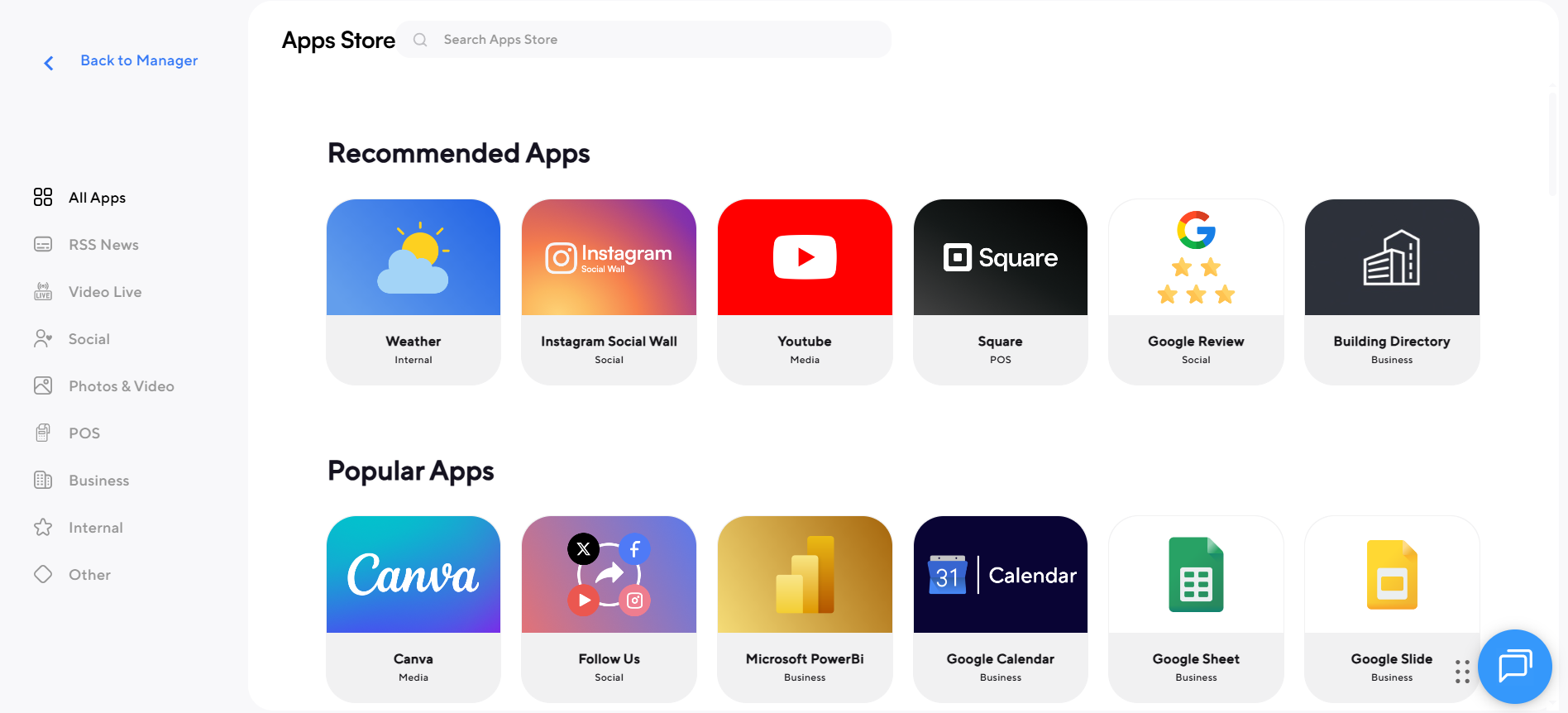
- 100+ apps and integrations, including social media feeds, Google Slides, Canva, dashboards, weather, RSS, and live web content.
- Helpful for providing real time information, upcoming events, and interactive content across digital screens.
Features
- Cloud based digital signage with centralized control, content scheduling, screen zoning, real time updates, and remote device management.
- Strong fit for stadiums that want cutting edge technology, interactive features, emergency notifications, and scalable control across large venues.
Xibo
Xibo is a flexible signage software option for organizations that want open-source control with cloud or self-hosted deployment. The document presents it as a platform built to help businesses create, schedule, publish, monitor, and scale digital signage across many screen types, while also supporting synchronization, interactive features, and new revenue opportunities.
Key verticals:
- Retail
- Education
- Hospitality
- Workplace
SpinetiX
SpinetiX positions itself as an end-to-end digital signage solution that combines media players, cloud CMS tools, content creation, player control, and data-driven automation in one system. Based on the document, its strength is enterprise-grade reliability with plug-and-play setup, making it a strong option for large venues that want scalable digital signage with tighter infrastructure control.
Key verticals:
- Corporate
- Large venues
- Luxury retail
- Manufacturing
- Government
- Hospitality
- Education
ScreenCloud
ScreenCloud focuses on ease of use, security, and scalability, with cloud-based content scheduling, remote device management, and broad hardware support. The document also highlights its 80+ ready-to-go apps, integrations with tools like Google Slides, Canva, Teams, SharePoint, and Power BI, plus enterprise-ready scaling for offices, stores, factories, and public spaces.
Key verticals:
- Enterprise
- Corporate
- Manufacturing
- Healthcare
- Education
- Logistics and transport
- Retail
- Hospitality
Rise Vision
Rise Vision is presented as an easy-to-use all-in-one platform that combines digital signage, screen sharing, and emergency alerts with flexible hardware support. In the document, its main appeal is affordability, fast setup, 600+ templates, and strong support for organizations that want communication, collaboration, and safety tools in one platform.
Key verticals:
- K-12 education
- Higher education
- Manufacturing
- Transportation and logistics
- Healthcare and hospitals
- Libraries
How Do the Best Digital Signage Software Companies for stadium Compare?
The best digital signage software companies for stadium compare across a few areas that matter most in real venues: scalability, content management, apps, interactive features, hardware flexibility, and support for real time communication.
The biggest difference is not just who offers signage software, but which digital signage company gives sports venues the right mix of intelligent digital signage, fan experience tools, centralized control, digital signage content flexibility, and revenue-focused features for multiple screens.
| Software | Best fit | Main strength | Content & app support | Hardware approach | Stadium value |
|---|---|---|---|---|---|
| AIScreen | Sports venues, entertainment venues, large enterprises, multi-location brands | Strong balance of digital signage software, templates, apps, scalable digital signage, and centralized control | 1500+ templates, 100+ apps, social media feeds, dashboards, live URLs, menu boards, interactive content | Works across smart TVs, media players, Android TV, Fire TV, Windows, Raspberry Pi | Strong for stadium digital signage, digital menu boards, sponsorship opportunities, directional signage, emergency alerts, and managing content across multiple screens |
| Xibo | Teams that want flexibility and open-source control | Open-source CMS with cloud or self-hosted options and broad player support | Dynamic layouts, scheduling, publishing, monitoring, team management, interactive features | Supports Android, Windows, webOS, Tizen, and ChromeOS | Good for venues that want flexible content management and room to build custom workflows or monetization options |
| SpinetiX | Enterprises and premium venues needing end-to-end infrastructure | Unified ecosystem combining CMS, content authoring, player control, and automation | Data-driven automation, content creation, cloud CMS, enterprise-grade management | End-to-end approach with its own media player ecosystem | Strong for stadiums that want reliability, security, and tighter operational control across a professional signage network |
| ScreenCloud | Organizations prioritizing ease of use, security, and integrations | Easy cloud based digital signage with enterprise-grade security and strong app ecosystem | 80+ ready-to-go apps, Google Slides, Canva, Teams, SharePoint, Power BI, AI Quick Post | Hardware agnostic, plus proprietary OS devices | Good for stadium operators that need quick deployment, internal communications, and content scheduling tied to existing business tools |
| Rise Vision | Budget-conscious organizations needing signage + alerts + collaboration | All-in-one mix of digital signage, screen sharing, and emergency notifications | 600+ templates, emergency alerts, screen sharing, customizable content | Flexible hardware options with recommended players available | Useful where safety messaging, simple communication, and easy rollout matter more than deep stadium-specific engagement features |
Why Is AIScreen the Right Digital Signage Software for Stadium?
AIScreen is the right digital signage software for stadium environments because it brings together the tools venues need in one place. It helps teams manage content across multiple screens, share real time updates, show digital menu boards, support emergency alerts, and create engaging content that improves the fan experience from entry to final whistle.
As a leading provider, AIScreen gives stadiums a simple and scalable way to use digital signage without making daily operations harder. For venues that want better communication, stronger sponsorship opportunities, smoother content management, and a more modern customer experience, AIScreen stands out as a practical and reliable choice. Contact us.
FAQs
Can stadium digital signage work for concerts and non-sports events too?
Yes, stadium digital signage works well for concerts, festivals, corporate events, and community programs because the content can be changed quickly for different audiences. The same screens can switch from match-day updates to sponsor promotions, event schedules, directional signage, and safety messages without replacing the setup.
What features matter most in stadium digital signage software?
Features matter most in stadium digital signage software includes centralized control, content scheduling, real time updates, emergency messaging, flexible layouts, and support for multiple screens. These features make it easier for venue teams to manage content smoothly during busy events and keep communication clear across the stadium.
Can digital signage software help stadium staff communicate better?
Yes, digital signage software helps stadium staff communicate better by supporting internal communications across back-of-house areas, staff rooms, concession zones, and operations spaces. It can be used to share shift updates, event reminders, service notices, and urgent alerts in a way that is faster and easier to track than printed notices.
How does cloud-based digital signage help multi-location venue operators?
Cloud-based digital signage helps multi-location venue operators by allowing teams to update screens remotely from a single dashboard. This makes it easier to keep branding, promotions, event messaging, and communication consistent across different stadiums, entertainment venues, or connected facilities.
What type of content performs well on stadium screens?
Stadium screens perform best when the content is short, visual, and easy to understand at a glance. Real-time scores, sponsor ads, social media feeds, menu board promotions, wayfinding messages, fan prompts, and upcoming event announcements usually work better than text-heavy content.
