
Digital Signage vs. Video Walls: An In-Depth Comparison
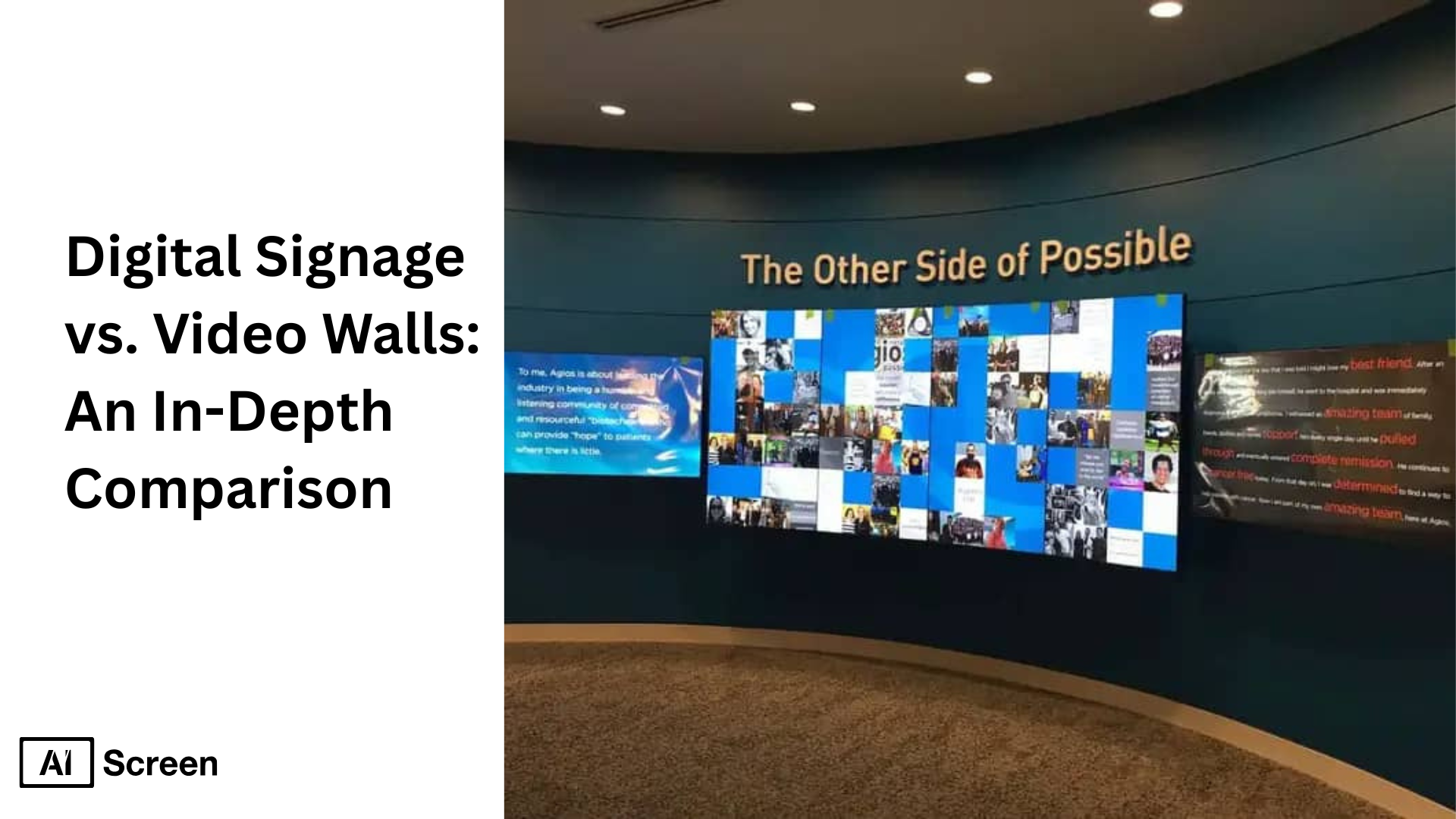
Both digital signage and video walls are pivotal in transforming visual communication technologies, each with distinct advantages and applications to ensure your customers experience high-resolution displays. A relevant statistic highlighting the growing significance of video walls is reported by Allied Market Research, which forecasts the global video wall market to reach USD 53.42 billion by 2027, growing at a CAGR of 12.10% from 2020.
In this article, it is revealed that digital signage offers a 25% increase in content versatility, while video walls provide a 40% improvement in visual impact. This in-depth comparison aims to unravel the key features and benefits of both, shedding light on how they revolutionize content presentation and audience engagement. AIScreen is particularly noteworthy in this space, acclaimed for its state-of-the-art digital display solutions.
Comparing Digital Signage with Video Walls
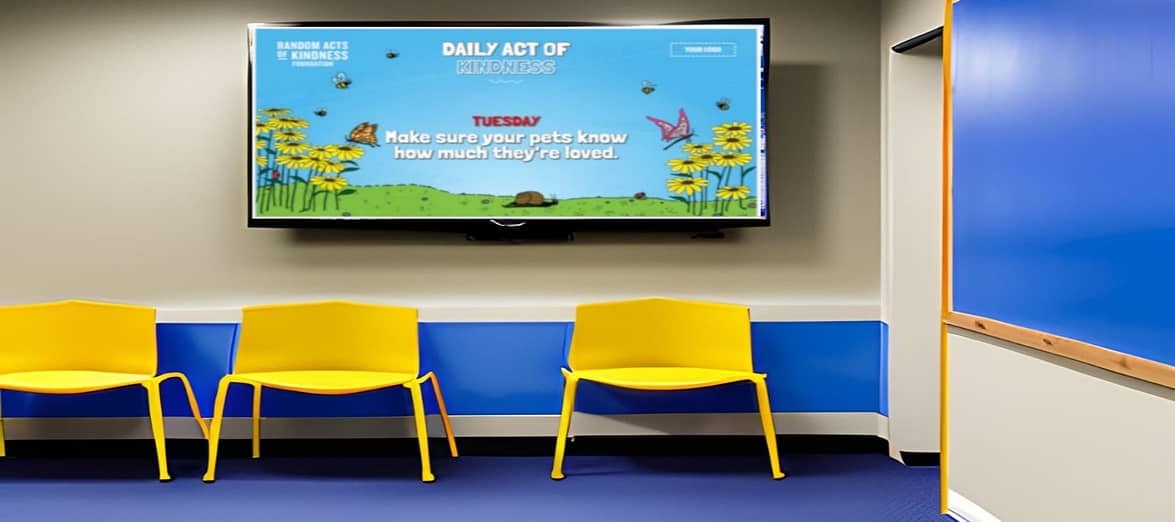
Digital signage consists of one or several screens, suitable for both indoor and outdoor use, that display dynamic content for advertising, informing, or educating. Commonly seen in educational institutions, airports, retail stores, restaurants, and waiting areas, digital signage is versatile in its application and demands an effective visual communication strategy to implement well.
The multiple screens combined content on digital signage are highly customizable to fit a company’s specific needs and demands a large-scale display system. Through a content management system or dedicated digital signage management software, screens displaying content can be creatively designed and deployed instantly, or scheduled to appear at various times throughout the day.
Video walls function similarly but are more intricate in design. They comprise four key elements: displays, controllers, senders, and streamers. Typically, a video wall is formed by aligning two or more slim monitors closely to form a single, expansive display. The content is digitally processed and sent from the server to the display units.
Due to their larger size, video walls are particularly effective for outdoor uses and demand significant investment for advertising products or showcasing movie trailers.
Cost Comparison: Installing Digital Signage vs. Video Wall

The difference in installation costs between standalone screens and video walls is apparent at first glance, primarily due to their size and complexity. Video walls, with their extensive use of multiple displays or multiple screens tiled, and additional equipment like controllers and video processors, are significantly more expensive.
For a basic setup, a video wall with a few screens and minimal complex components starts at around $3,000. However, prices can soar to between $10,000 and $100,000 for advanced, professional-grade installations, depending on display quality, controllers, and the solutions offered by the 3 best video wall companies in the market.
In contrast, digital signage is more budget-friendly, typically requiring just one screen to display content with high-resolution visuals, superior brightness, and many interactive elements that have an immense visual impact. The total cost for digital signage, encompassing the screen, a media player, and a subscription for content management software, ranges from $500 to $5,000, which ultimately aims at establishing your brand presence.
A video wall consists of digital signage software, small display screens, digital menu boards, and interactive displays in event venues to engage customers with display technology.
Advantages and Disadvantages of Digital Signage Video Walls

Digital signage stands out as a cost-effective and straightforward choice for businesses. Its ease of installation and minimal maintenance of light-emitting diodes (LEDs) and other factors make it accessible for users, regardless of their technical expertise.
Additionally, it can be managed remotely and is significantly more affordable compared to touchscreen digital signage video walls.
Digital signage is ideal for businesses that need a modest-sized display, typically between 42″ and 55″. It’s perfectly suited for environments where a smaller screen is sufficient for the intended purpose.
However, if your requirements lean towards a more versatile setup that supports multiple screens displaying unified content with higher technical capabilities, then a video wall with a higher aspect ratio might be a better choice.
Advantages and Disadvantages of Digital Signage
Digital signage offers many advantages and straightforward solutions that make it a powerful tool for businesses. One key benefit is enhanced customer engagement, as vibrant, dynamic visual content captures a unified image far better than static signs.
It also allows real-time updates, so businesses can instantly change messages based on promotions, events, or customer needs, which helps keep content fresh and relevant. Additionally, digital signage is cost-effective over time by reducing printing and distribution costs, while supporting targeted advertising to specific audiences.
Its flexibility and scalability make it suitable for businesses of all sizes and industries, providing consistent branding across multiple locations.
On the downside, digital signage requires an initial investment in requiring minimal hardware, software, and installation, which may be higher than traditional signage upfront. It also depends on reliable internet or network connections for content updates, meaning technical issues could disrupt larger displays.
Some businesses may face challenges managing content creation, maintaining image quality, or scheduling effectively without dedicated resources or expertise. AIScreen assures the delivery of multiple content sources simultaneously.
Lastly, while digital signage is eye-catching, poorly designed or cluttered content can overwhelm viewers and reduce engagement instead of enhancing it.
Overall, the benefits outweigh these challenges when digital signage is properly planned and maintained.
Advantages and Disadvantages of Video Walls
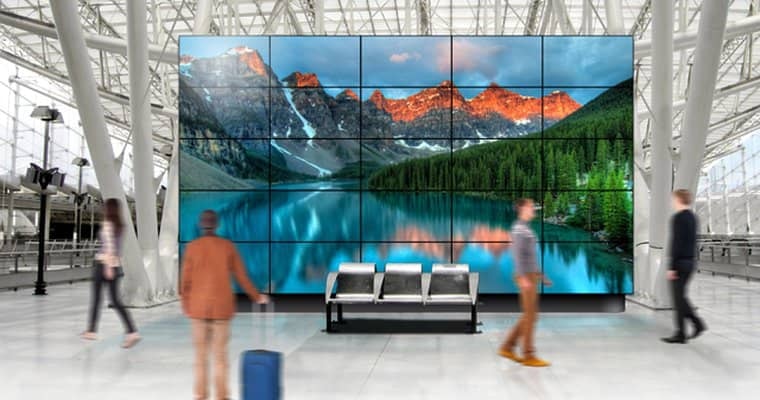
Video walls cater to large-scale display needs by combining several smaller screens into one expansive, dynamic display. While they are costly, their ability to convey messages in a captivating and impactful manner is unparalleled, significantly enhancing the likelihood of leaving a lasting impression.
However, digital signage video walls demand substantial investment in high-quality content production. Essential components such as a robust server, an advanced media processor, and an efficient controller are crucial for optimal performance.
Skimping on these can lead to a display with low resolution, lag, and streaming delays, undermining the effectiveness of the video wall.
The cumulative cost of these components can be substantial, necessitating a careful assessment of budget and objectives before opting for a video wall. This choice should align with the specific needs and resources of the business to ensure a worthwhile investment.
Which One Should You Get?
When deciding between digital signage and a video wall, consider your specific needs, budget, and the impact you wish to achieve.
Digital Signage: The Economical Choice
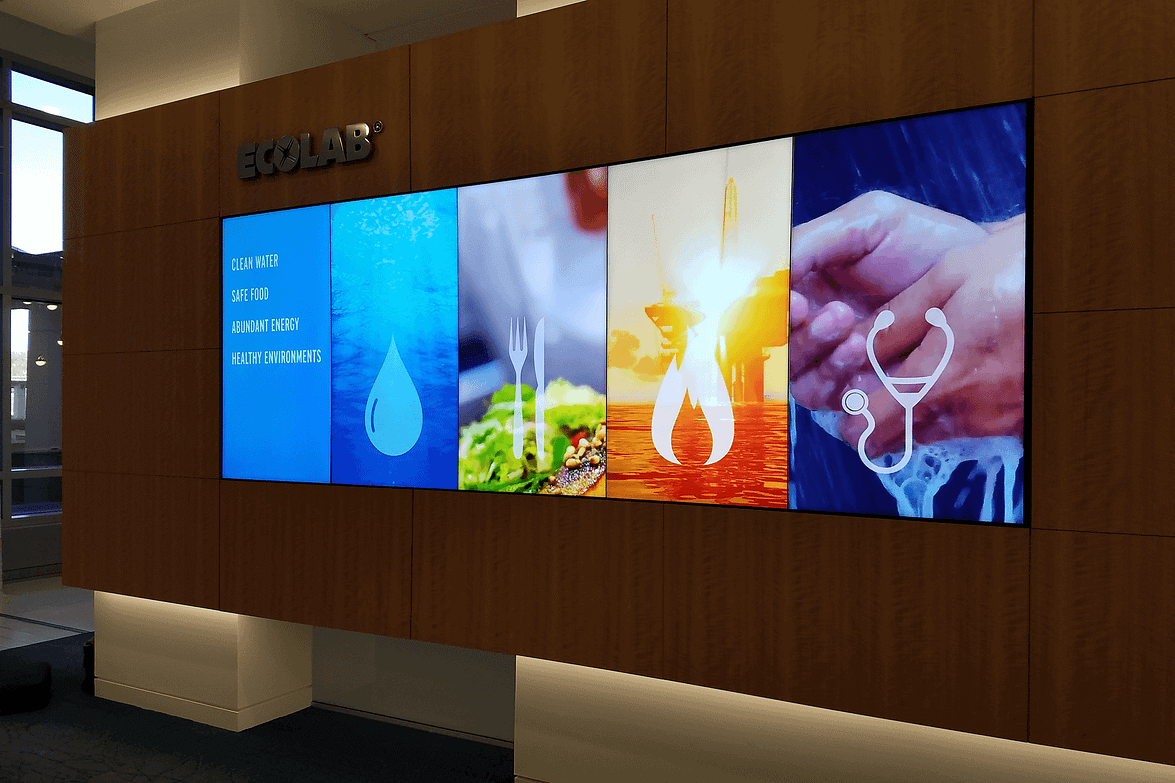
Digital signage is the more budget-friendly option, ideal for businesses needing a straightforward, modest-sized display. With costs ranging from $500 to $5,000, it’s a practical choice for smaller venues or purposes where a single screen suffices.
Digital signage is versatile, easy to install, and requires minimal technical knowledge for operation and maintenance. It allows for remote content management and is well-suited for educational institutions, airports, high-end retail spaces, and restaurants.
Video Walls: For a Grand Visual Impact
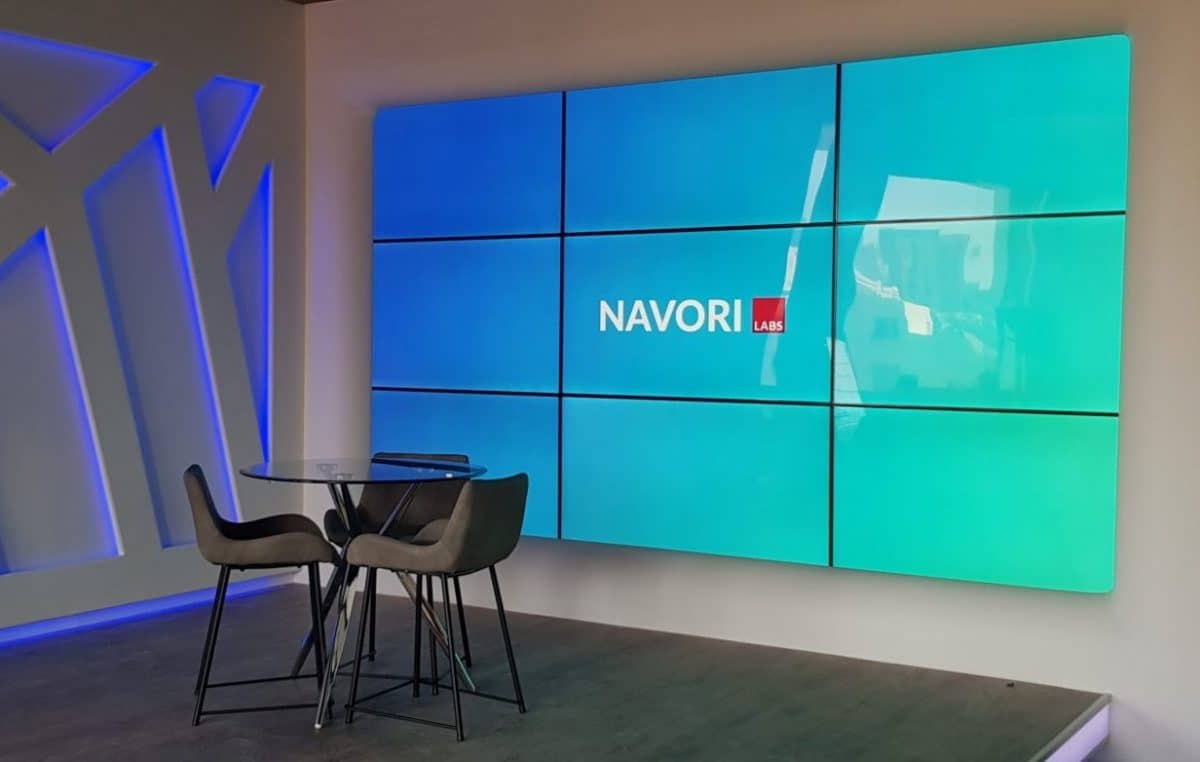
Video walls are a significant investment, suitable for businesses seeking a large-scale, high-impact display solution. They are especially effective in outdoor advertising or showcasing content that needs to make a strong visual statement.
The costs for video wall technology installation start around $3,000 and can go up to $100,000, reflecting the complexity and scale of these installations.
LED or LCD video wall panels require a robust infrastructure, including high-quality content, servers, media processors, and controllers. They provide exceptional flexibility in display size and content presentation, but they also require a higher budget and more technical expertise.


Making the Decision

Your choice should be guided by:
1. Budget: Assess the initial and ongoing costs. Digital signage is more affordable, whereas video wall requires a larger investment.
2. Purpose and Scale: For larger, more dynamic displays, video wall is superior. Digital signage is sufficient for simpler, smaller-scale applications.
3. Technical Resources: Consider the technical expertise and resources available. Video wall demands more in terms of installation and maintenance.
Choose Digital Signage or Video Walls As Per Your Business Need with AIScreen
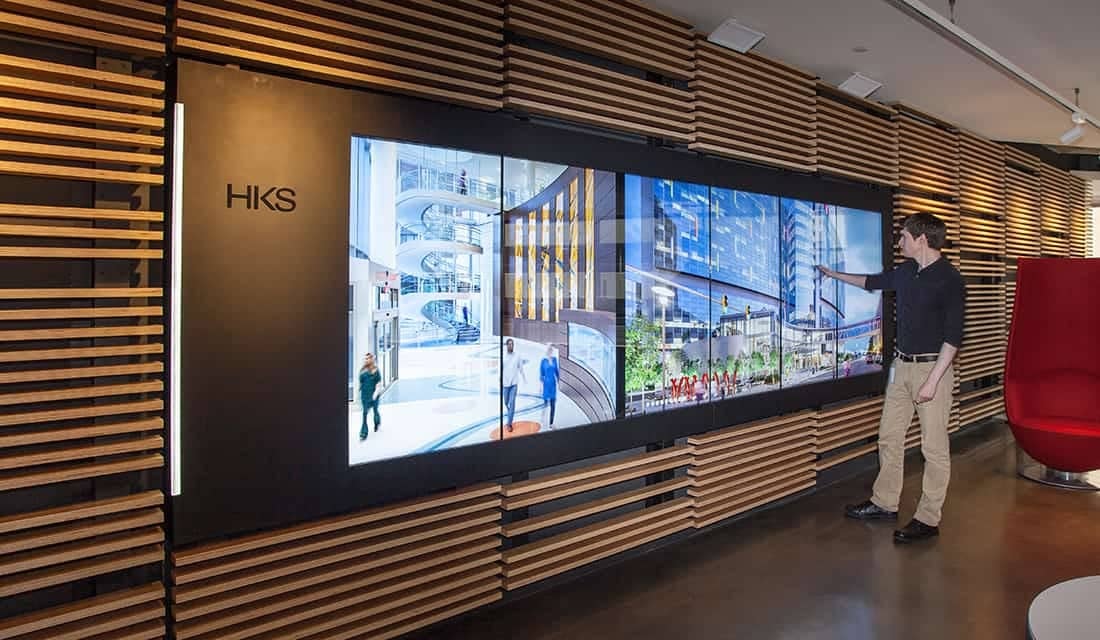
The choice between digital signage and video walls hinges on specific requirements, budget constraints, and desired visual impact.
Digital signage offers a cost-effective, user-friendly solution for those needing modest-sized displays with straightforward content delivery, making it ideal for small to medium-sized venues.
In contrast, video wall systems are best suited for larger-scale, high-impact needs, particularly effective in outdoor settings or large public spaces, despite their higher cost and technical complexity.
AIScreen empowers businesses to select the perfect visual solution tailored to their unique goals and budget. Whether you need flexible, budget-friendly digital signage for targeted communication or high-impact video walls for large-scale engagement, our versatile platform supports both.
This lets you deliver dynamic, personalized content that maximizes customer interaction and return on investment. For further details, visit our contact us page.
Frequently Asked Questions
Can digital signage and video walls be used interchangeably?
While digital signage and video walls both serve seamless visual experiences, they are not interchangeable. Digital sign is for smaller, simpler displays, while video wall displays suit large-scale, high-impact needs and complex installations. Digital signage is easier to install, offering more flexibility for frequent content updates. Video walls deliver greater visual impact using high-resolution images and videos, particularly for events or locations demanding immersive experiences.
What is the main cost difference between digital signage and video walls?
Digital signage is more budget-friendly, typically costing $500 to $5,000. Video walls are pricier, starting at $3,000 and can exceed $100,000, depending on complexity and scale. Digital signage systems tend to use fewer devices and are less expensive to maintain. Video walls require more components and a professional setup, which further increases overall investment.
Are LED video walls more difficult to install and maintain than digital signage?
Yes, video wall displays require more technical expertise for professional installation and maintenance due to their complexity and the integration of multiple screens and advanced components for large-scale presentations. Routine maintenance on video walls, like calibration or panel replacement, is more challenging. Digital signage typically has lower maintenance needs and can often be managed remotely.
Which is better for customer engagement: digital signage or video walls?
Video walls offer up to 40% more visual impact and are excellent for high-impact, immersive visual experiences that truly grab attention in busy environments or for large audiences. Digital signage, on the other hand, excels in versatility and can be tailored for targeted, flexible messaging and frequent updates, boosting relevance and engagement for everyday interactions. The best solution depends on the space; video walls with large screen sizes wow in big venues, while digital signage works well for targeted, dynamic customer communications.
Which is easier to maintain: digital signage or video walls?
Digital signage is generally much easier to maintain, requiring less technical expertise and fewer components. Most digital signage systems can be managed remotely and involve straightforward troubleshooting. In contrast, video walls need regular calibration, technical know-how, and hands-on adjustments due to their complexity and multiple-screen integration, making maintenance more demanding.
