
How Dwell Time in Digital Signage Enhances Your Business

Dwell time in digital signage refers to how long viewers stay engaged with content on a screen, and it plays a key role in influencing enhances customer engagement, brand recall, and purchase decisions. According to Nielsen research, longer audience dwell time can increase message recall and conversion likelihood by up to 35%, making it a critical metric for measuring digital signs effectiveness.
This article explains what dwell time is, how to measure it, and why it matters for digital signage software performance. It also explores practical strategies and digital signage solutions that help businesses increase viewer engagement and turn screen visibility into meaningful customer satisfaction.
What is Dwell Time?
Dwell time is the amount of time a viewer spends looking at or staying near a digital signage display. It measures how long the audience remains engaged with the on-screen content and helps businesses understand how effectively their signage captures attention and delivers messages.
How Does Dwell Time Differ From Other Digital Signage Metrics?
Dwell time measures how long viewers stay near or look at a digital signage display, while other metrics track factors like content playtime or brief attention moments. This distinction helps businesses better understand real audience engagement and screen performance.
| Metric | Definition | What It Measures | Example |
|---|---|---|---|
| Dwell Time | The total time a viewer stays near or looks at a digital signage software | Viewer presence and engagement potential | A shopper stands near a store display for 12 seconds |
| Attention Time | The time a viewer actively focuses on the screen content | Visual attention and content effectiveness | A customer watches a promotion video for 6 seconds |
| Loop Duration | The total time required for a full playlist to repeat on the screen | Content cycle length | A playlist of ads and messages repeats every 60 seconds |
Understanding these metrics together helps businesses optimize content scheduling, screen placement, and audience engagement strategies in digital signage networks.
Attention Time
Attention time measures how long a viewer actually focuses on the content on a digital signage screen, not just how long they remain nearby. While average dwell time measures presence near the display, attention time reflects true visual engagement with the content.
Advanced tools such as eye-tracking cameras, motion sensors, and AI analytics platforms help measure these digital signage attention metrics.
Loop Duration
Loop duration in digital signage systems refers to the total time it takes for all content in a playlist to play once before repeating. In simple terms, loop duration digital signage platform project measures the full cycle of ads, messages, or videos shown on a screen.
Loop duration is closely related to dwell average time, because it determines how many items a viewer is likely to see during their stay.


How to Calculate Dwell Time
Calculating dwell time helps businesses understand how long viewers stay engaged with a digital signage screen. This metric measures audience attention and helps evaluate content effectiveness, screen placement, and viewer engagement. By tracking average dwell time with digital signage analytics tools or platforms like AIScreen, businesses can collect accurate viewing data and improve their content strategy.
The basic formula used to calculate dwell time is:
Dwell Time Formula
Dwell Time = (Total Time Spent Looking at a Screen) / (Total Number of People Who Look at the Screen)
Dwell Time Online
Dwell time online refers to how long time user spend on a website, landing page, search engine, or digital advertisement before leaving. It is an important metric used to measure user behavior and engagement and content relevance in digital marketing.
This concept is similar to digital signage dwell time, where longer viewing time indicates stronger audience interest and engagement. In both cases, relevant content and clear visuals help keep long time users satisfaction spend in search engine results page or viewers engaged for a longer period.
Digital Signage Dwell Time
Digital signage analyzing dwell time refers to how long customers stay near or look at a traditional signage screen in a physical location such as a retail store, restaurant, or transit area. It helps measure audience engagement and the effectiveness of on-screen engaging content.
Dwell time in-store can be influenced by factors such as screen placement, create high quality content, and customer behavior. Well-placed screens with engaging visuals and relevant messaging can encourage viewers to pause longer and interact with the displayed content.
How Can You Make an Instant Impact and Improve Dwell Time With Digital Signage?
Creating an instant impact with digital signage and increasing dwell time means capturing audience attention within the first few seconds of exposure and keeping them engaged for longer. In high-traffic environments, viewers often glance at screens briefly, so businesses must use bold visuals, concise messaging, and strategic screen placement to immediately communicate value. According to Intel, digital signage can generate up to 400% more views than static displays, while Nielsen research shows that engaging visual content can increase brand recall by nearly 47%, highlighting the importance of strong first impressions in data-driven communication strategies.
To maximize the effectiveness of digital signage, businesses should focus on several key factors that influence viewer engagement and digital signage dwell time.
Target Audience
Understanding the target audience is key to increasing digital signage dwell time. Different viewers; such as shoppers, employees, travelers, or students; have unique interests and information needs, so tailoring content to match their preferences makes the message more relevant and encourages them to engage with the screen longer.
Content Type
Content on digital signage directly impacts attention and shorter dwell time. Visually engaging elements like dynamic visuals, short videos, and real-time visitors spend updates help capture interest quickly and keep viewers engaged longer.
Timing
Timing is essential for effective digital signage because displaying the right message at the right moment increases viewer attention and engagement. Strategies like dayparting allow businesses to schedule content based on specific shorter dwell times of the day – such as breakfast, lunch, or dinner promotions -ensuring audiences see the most relevant messages during peak hours.
To optimize your timing strategies in digital signage, it’s important to understand how scheduling impacts content performance and audience engagement.
How to Increase Dwell Time for Digital Signage
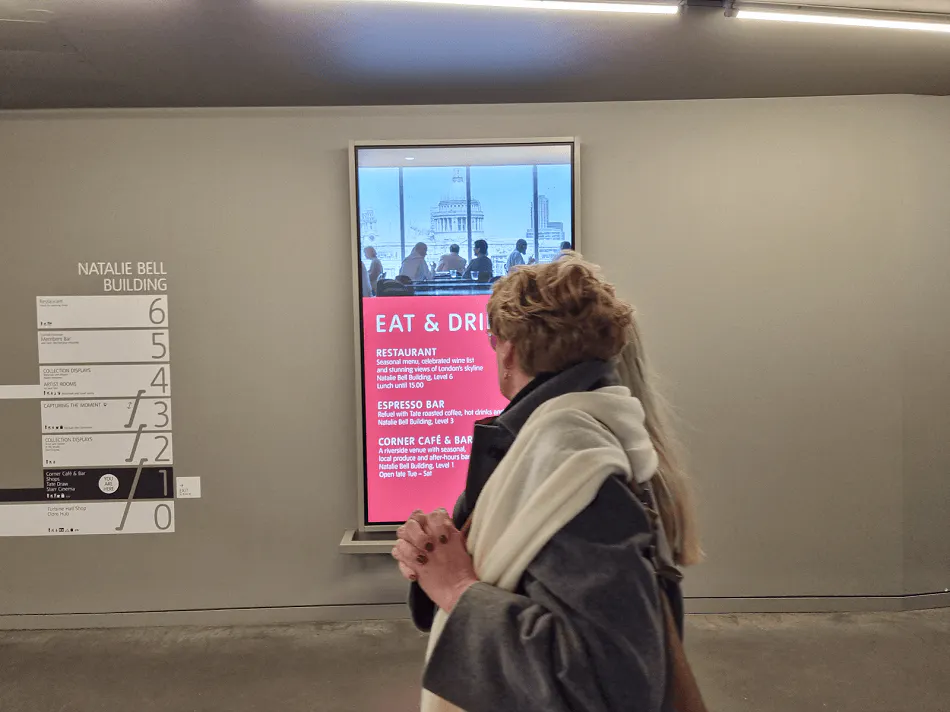
Increasing dwell time for digital signage is essential for improving audience engagement, message recall, and overall screen effectiveness. When viewers spend more time looking at a display, they are more likely to absorb the information and respond to promotions or calls to action. Businesses can achieve this by using engaging visuals, relevant messaging, and strategic screen placement.
1. Deploy Interactive Touchscreens
Interactive touchscreens help increase digital signage dwell time by allowing viewers to actively engage with the content instead of just watching it. When customers can tap, explore menus, browse products, or access additional information, they naturally spend more time interacting with the screen.
This deeper interaction improves customer engagement and information retention. Businesses often use interactive touchscreens for product catalogs, self-service kiosks, wayfinding maps, and digital menus, creating a more personalized and engaging experience for viewers.
2. Utilize High-Quality Video Content
High-quality video content strategy is one of the most effective ways to capture attention and increase digital signage dwell time. Moving visuals naturally attract the human eye, making viewers more likely to pause and watch the screen.
Short videos, product demonstrations, and promotional clips can keep customers engaged for longer periods compared to static images. By using clear visuals, storytelling, and concise messaging, businesses can deliver information quickly while maintaining strong viewer interest.
3. Strategic Screen Placement

Placing screens in high-traffic and waiting areas increases visibility and dwell time. Positioning displays at eye level in key locations encourages more viewers to notice and engage longer.
4. Implement Context-Aware Content
Context-aware content helps increase digital signage dwell time by delivering messages that are relevant to the viewer’s current situation. Content that adapts based on location, audience type, or time of day feels more useful and encourages people to pay attention to the screen.
5. Incorporate Social Media Feeds
Incorporating social media feeds into digital signage technology helps keep content fresh and dynamic, which can increase viewer engagement and dwell time. Displaying live updates from platforms like social media posts, instagram social feeds, hashtags, or customer reviews adds variety and makes the screen feel more current.
User-generated dynamic content such as customer photos, comments, or brand mentions can also encourage interaction and build trust with viewers. This approach not only keeps digital signage content updated but also motivates customers to engage with the brand both online and in-store.
6. Offer Incentives for Interaction
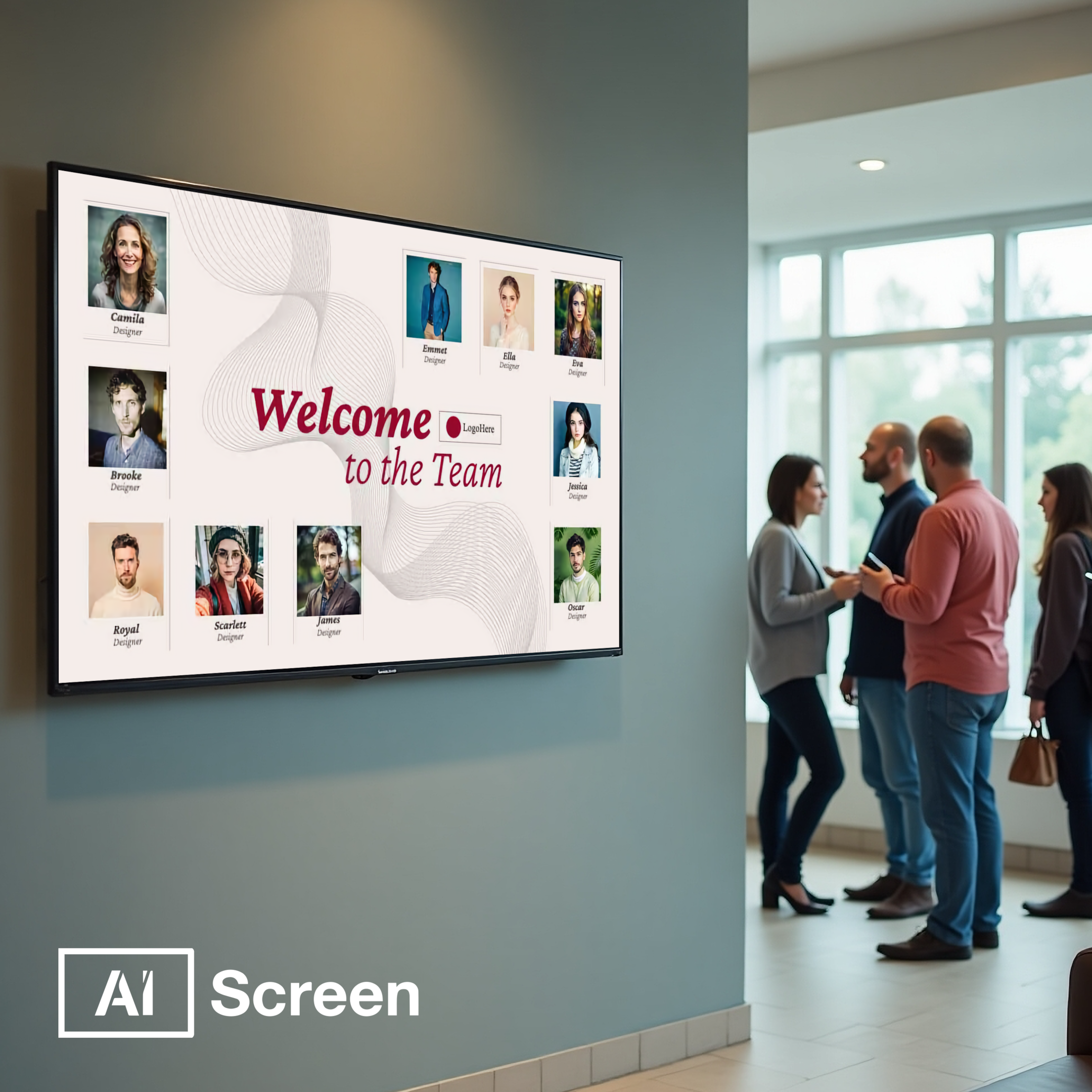
Offering incentives for interaction can significantly increase digital signage dwell time by motivating customers to engage with the screen. When viewers know they can receive discounts, coupons, or rewards for interacting with the display, they are more likely to stop and participate.
Businesses can use QR codes, interactive promotions, or limited-time offers to encourage engagement. These incentives not only capture attention but also create a more memorable customer experience, leading to higher participation and stronger brand interaction.
7. Regularly Update Content
Regularly updating digital signage content is essential for maintaining viewer interest and increasing dwell time. When screens display fresh and relevant information, customers are more likely to stop and pay attention rather than ignore repetitive messages.
Businesses can update content with new promotions, announcements, seasonal offers, or real-time data updates to keep interactive displays engaging. Consistently refreshed content ensures that digital signage remains relevant, dynamic, and effective in capturing customer attention.
What are the Practical Examples of Digital Signage Dwell Time?
Practical examples of digital signage dwell time include customers watching promotional displays in retail stores, people viewing menu boards while waiting in restaurants, or travelers checking information screens in airports. The time viewers spend looking at these screens represents dwell time and shows how engaging and effective the digital signage content is.
Below are practical examples of how dwell time appears across different industries.
- Retail Store Promotional Displays: Retail digital signage promoting limited-time offers or product deals often achieves 10–15 seconds dwell time as shoppers browse products. Dynamic visuals and rotating promotions usually attract more attention than static signage.
- Restaurant Digital Menu Boards: In quick-service restaurants, digital menu boards capture 7–12 seconds dwell time while customers decide what to order. Clear layouts and dynamic food promotions help increase viewer engagement.
- Transportation Hubs (Airports, Train Stations): Screens showing travel updates, schedules, and ads often hold viewer attention for 15–20 seconds while travelers wait. Interactive kiosks can increase engagement even further.
- Healthcare Waiting Rooms: Digital signage solution displaying health tips, clinic information, or announcements typically achieves 10–15 seconds dwell time as patients wait for appointments.
- Event and Conference Signage: Event signage showing schedules, directions, and session details often reaches 20+ seconds dwell time because attendees rely on the information.
How Can Footfall Data Improve Your Dwell Time in Digital Signage?
Footfall data helps businesses understand peak visitor flow and audience movement patterns, while dwell time measures how long people actively engage with digital signage content. When combined, these insights enable intelligent digital signage systems to optimize content placement, timing, and messaging, resulting in more engaging and relevant experiences that keep viewers on-screen longer and improve conversion potential. To apply this effectively, businesses can refer to how to use footfall data to decide when to schedule digital signage content, which explains how visitor traffic patterns can be used to schedule content at the most impactful times for better engagement and ROI.
Increase Your Digital Signage Dwell Time with AIScreen
Increase your digital signage dwell time with AIScreen by using smart tools that keep viewers engaged longer, including user-generated content. AIScreen offers an intuitive content management system that helps you schedule, update, and personalize content with ease, ensuring each dynamic displays exactly what your audience wants to see and ultimately can help to increase sales data.
With features like real-time data updates, drag-and-drop content creation, and robust data tracking, AIScreen is the ideal solution to optimize engagement and maximize ROI. Try AIScreen free for 14 days and discover how the right platform can transform your screens into revenue-generating assets.
Frequently Asked Questions
How does increasing dwell time benefit businesses?
Increasing dwell time benefits businesses by improving content retention through effective digital signage systems, increasing brand trust, and leading to higher conversion rates. It also provides more opportunities to influence customer preferences decisions at the point of interaction.
Can digital signage interactivity improve dwell time?
Yes, digital signage interactivity can significantly enhancing customer experience and dwell time with the help of touchscreens or QR codes that can boost dwell time by encouraging user engagement and real-time data interaction, proving to be a powerful tool for businesses. Interactive elements also create memorable brand experiences that increase return visits.
What is the relationship between dwell time and audience targeting?
The relationship between dwell time and target audience lies in relevance, when content is personalized for a specific audience, it naturally holds attention longer and improves engagement. Tailored content makes viewers feel understood, increasing the likelihood they’ll stay longer and take action.
Is there an optimal dwell time for digital signage content?
Yes, The optimal dwell time for digital signage content depends on the environment, but generally ranges from 7 to 20 seconds to ensure messages are fully absorbed without overwhelming viewers. High-traffic areas may require shorter messages, while seated zones allow for longer engagement.
How does dwell time affect the effectiveness of digital menu boards?
Dwell time affects the effectiveness of digital menu boards by creating connections and giving customers interactions enough time to explore options, make informed decisions, and respond to featured promotions or upsells. Longer dwell time also increases the visibility of high-margin items and daily specials.
