
What Are The Top 10 Different Types of Lighted Signs?
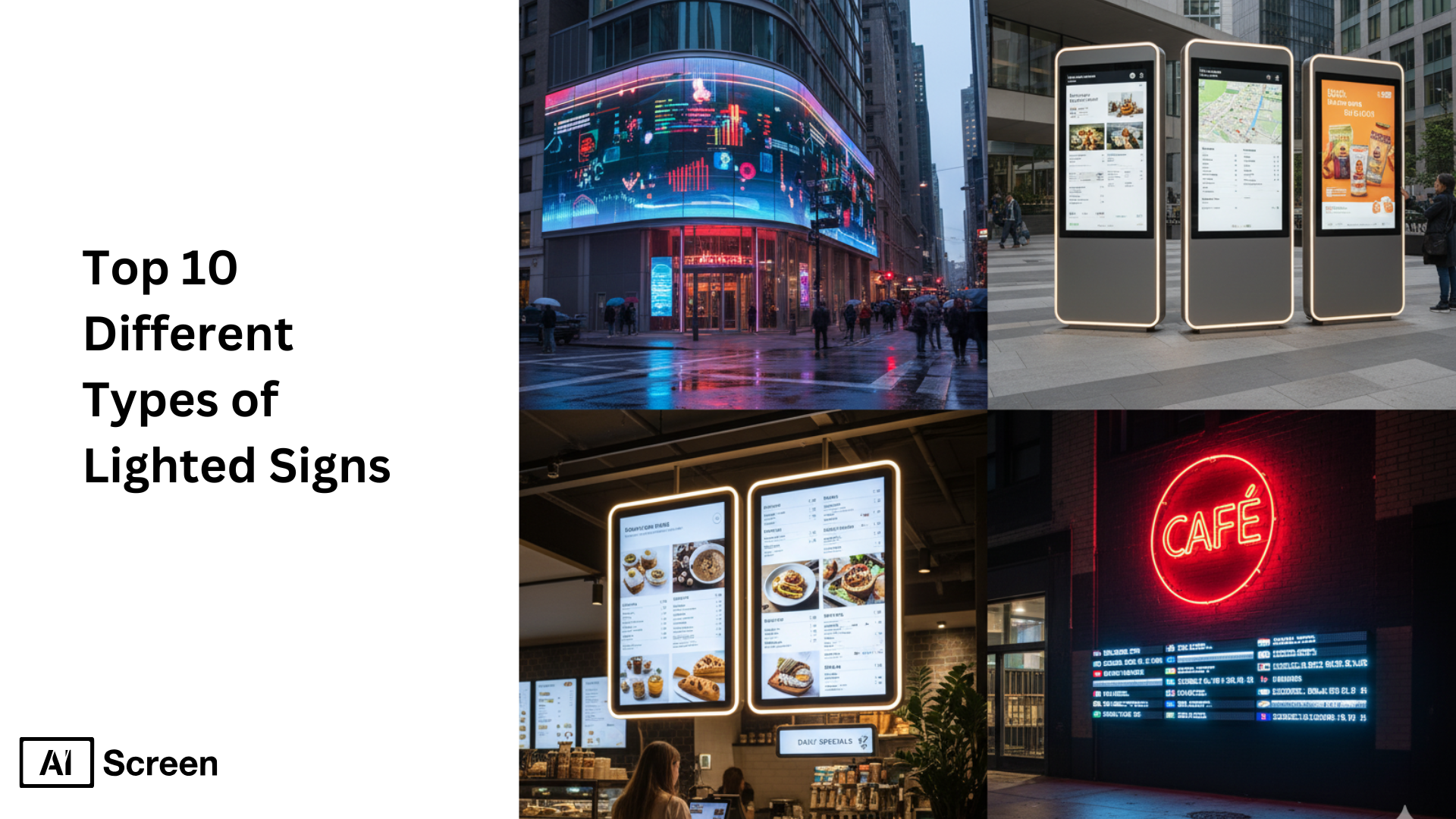
Digital signage, especially when paired with effective lighting, plays a pivotal role in boosting brand visibility and aesthetic appeal both day and night. Studies show that illuminated signs can increase brand recognition by up to 80%, thanks to their bright, eye-catching glow that naturally draws attention. Energy-efficient LED signs and custom neon lighting have transformed signage lighting, providing long-lasting, customizable, and cost-effective solutions for businesses, from retail stores to industrial parks.
In this article, we will dive into the top 10 different types of lighted signs, including classic neon, light box signs, digital signs, and illuminated channel letters. You will see how innovative lighting technologies like LED modules, neon gas, and halo lighting amplify brand recognition, attract customers, and meet zoning ordinances. Whether you need durable outdoor signage or sophisticated interior lighted business signs, these options prove why illuminated signage remains a key part of any winning marketing strategy, and our signage ideas show how to combine color, layout, and lighting for maximum impact.
1. What Makes LED Lighted Signs Modern?
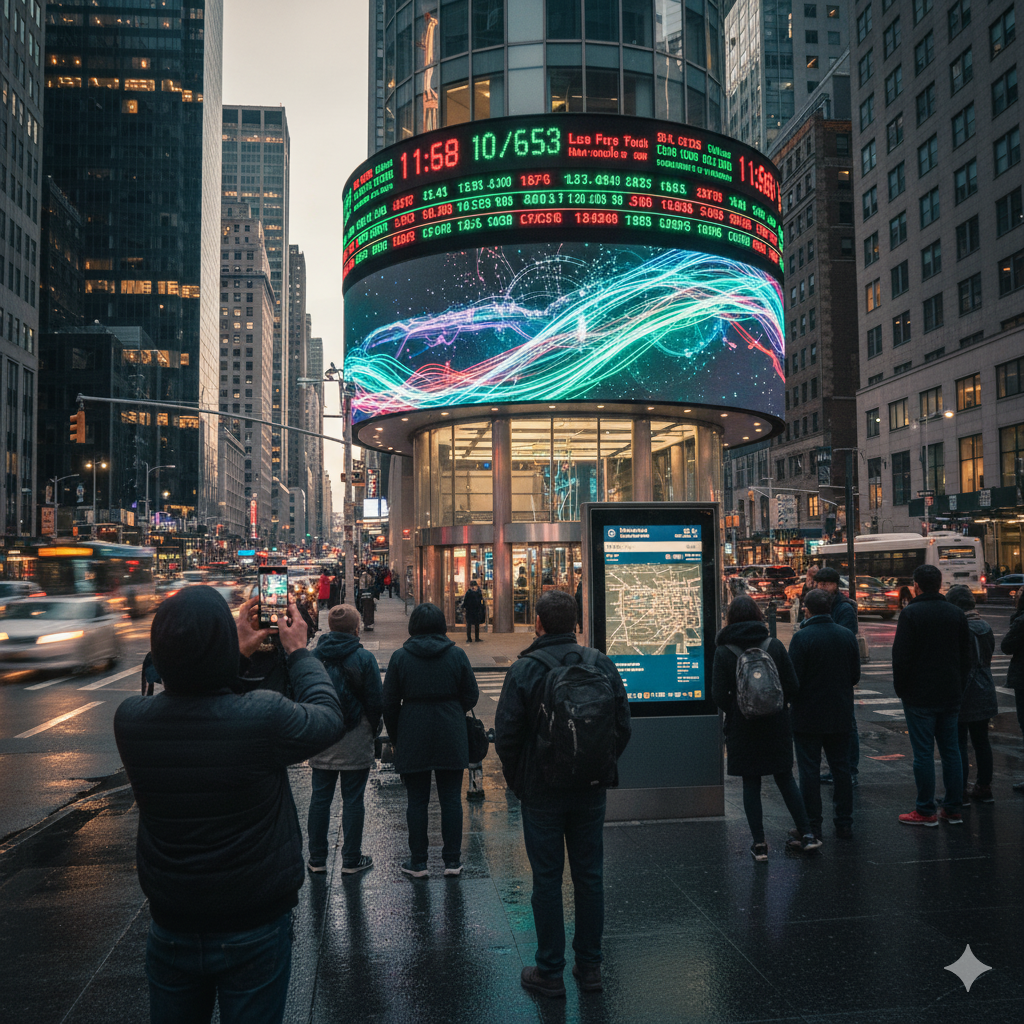
“What makes LED signs the go-to choice?” LED signs use energy-efficient LED lights, offering long-lasting durability and significant cost savings. Perfect for indoor and outdoor use, LED business signs and lighted signs stay bright and visible, boosting brand recognition with vibrant, eye-catching illumination. Many brands run these lighted displays through digital signage software to schedule and update content remotely.
Their flexibility also makes LED signs suitable for businesses that need reliable visibility throughout the day and night. Different sizes, colors, and display styles can be used to match a brand’s identity. With low maintenance requirements, they are a practical choice for long-term commercial signage.
2. Why Are Neon Signs Classic Lighted Signs?
“Why do neon signs still capture attention?” Traditional neon signs use glowing glass tubes filled with neon gas, offering a warm, radiant glow ideal for custom neon signs, neon logos, and neon wall décor. LED neon signs now offer a modern, energy-saving twist without losing that nostalgic charm.
Neon signage works especially well when businesses want to create a memorable atmosphere or distinctive visual style. Restaurants, cafés, bars, and retail stores often use these signs as both branding elements and decorative features. Their recognizable glow can help make a space feel more inviting and visually unique.
3. How Do Illuminated Boxes Work as Lighted Signs?
“Wondering how illuminated sign boxes help your brand?” These signs feature internal LED lighting behind translucent panels, ideal for grocery stores, malls, gas stations, and apartment complexes. Their customizable design and signage LED lighting create a sleek, professional look that ensures visibility day and night.
Illuminated boxes can display company names, logos, directions, or promotional messages in a clean and easy-to-read format. Because the light is distributed evenly across the sign face, the graphics remain clear even in low-light conditions. They are also available in wall-mounted, freestanding, and double-sided formats.
4. What Makes Channel Letter Signs Bold Lighted Signs?
“What makes channel letter signs stand out?” Individually crafted 3D letters face-lit by LED modules create front-lit, back-lit (halo), or dual-lit effects. These bold, illuminated signs are durable materials for corporate branding and business signage lighting, offering a sophisticated aesthetic that draws attention.
Channel letters can be customized in different fonts, depths, finishes, and lighting styles to complement a company’s branding. Their dimensional construction gives building façades a more polished and professional appearance. They are especially effective for storefronts that need strong visibility from roads or busy pedestrian areas.
5. Why Are Lightbox Signs Popular Backlit Lighted Signs?
“Why are lightbox signs so popular?” Using LED or fluorescent light panels, lightbox signs deliver bright, uniform backlighting perfect for retail, healthcare, and hospitality sectors. These signs excel indoors or outdoors, boosting brand visibility with their sleek design.
Lightbox signs are also useful for displaying advertisements, menus, directional information, and branded graphics. Their illuminated panels keep important messages easy to see in both bright and dark environments. Businesses can choose from wall-mounted, hanging, freestanding, or double-sided designs depending on their space.
6. Can Custom Neon Personalize Your Lighted Sign?
“Looking for unique lighting?” Custom neon signs allow creative freedom with color and typography, making them perfect for personalized name signs, logos, or affordable faux neon options. They add vibrant personality and distinctive style to any space.
Businesses can use custom neon to turn a slogan, brand name, symbol, or artwork into an attention-grabbing visual feature. These signs can also serve as photo-friendly décor that encourages customers to engage with a location. A personalized design helps reinforce brand personality while creating a memorable interior or storefront feature.
7. Why Choose LED Wall Lighted Signs?
“Want a modern, high-impact display?” LED wall signage boasts a slim, bright profile that’s perfect for lobbies, restaurants, and offices. Their superior brightness and sleek design create stunning visuals that engage visitors while enhancing brand presence.
LED wall signs can be positioned behind reception desks, on feature walls, or near entrances to create a strong first impression. Their compact construction allows businesses to add illuminated branding without occupying valuable floor space. They can also complement modern interiors with clean lines and consistent lighting.


8. What Makes Electric Signs Powerful Lighted Signs?
“What defines electric signs?” Combining LED lighting with programmability, these signs are ideal for billboards, roadside displays, and façades. They offer a powerful visual impact but require attention to zoning ordinances for outdoor use.
Electric signage can be particularly effective for businesses that need messages to remain visible from a distance or during nighttime hours. Depending on the design, businesses may use static illumination or changing digital content to communicate with customers. Proper installation and maintenance help ensure consistent performance and safe operation.
9. What Are Modern LED Neon Lighted Signs?
“How do LED neon signs compare to traditional neon?” LED neon offers the classic glow with energy-efficient, safer, and lightweight designs. Ideal for modern interiors, bars, and event décor, they blend innovation with retro aesthetics.
Because LED neon is flexible and lightweight, it can be shaped into detailed lettering, logos, icons, and decorative patterns. It also produces less heat than traditional neon, making it suitable for a wider range of indoor installations. Businesses can use it to achieve a nostalgic appearance while benefiting from modern lighting technology.
10. Why Choose Custom Lighted Signs for Your Brand?
“Want custom brilliance?” Tailor your lighted business sign with versatile materials and lighting options, including personalized neon and LED. These custom signs offer unmatched flexibility, helping brands stand out with unique designs that boost recognition.
A custom lighted sign can be designed around specific brand colors, dimensions, fonts, and placement requirements. This allows businesses to create signage that fits naturally with their storefront, office, or interior environment. A well-planned custom sign can strengthen visual consistency while making the brand easier for customers to notice and remember.
What Are Creative Lighted Sign Design Ideas?
If you want your lighted sign to stand out, start with a strong concept. Our collection of creative signage ideas shows layouts, color, and lighting combinations that make each type of lighted sign more memorable.
Creative designs can combine bold typography, layered materials, dimensional lettering, and contrasting light colors to create a stronger visual effect. Businesses can also experiment with shapes, borders, logos, and illuminated backgrounds. These elements help transform a basic sign into a distinctive branding feature.
Placement is another important part of a creative lighted sign design. Signs positioned near entrances, reception areas, feature walls, or storefront windows can attract more attention and improve visibility. Matching the lighting style with the surrounding décor can also create a more polished and consistent appearance.
Are Illuminated Signs and Lighted Signs the Same?
While both involve lighting, illuminated signs have built-in internal light sources, such as LED modules, neon gas, or fluorescent bulbs, making them highly visible 24/7.
Lighted signs can also be used for external illumination or LED accents, but they don’t necessarily have their own internal light source, which makes them slightly different.
Illuminated signs typically provide more consistent brightness because the lighting is integrated directly into the sign structure. Common examples include channel letters, lightboxes, cabinet signs, and backlit logo displays. This built-in illumination makes them especially useful for businesses that operate during evening or nighttime hours.
Lighted signs, however, cover a broader range of signage that uses lighting in some form. A traditional sign illuminated by spotlights, edge lighting, or decorative LED strips can also fall into this category. The best option depends on the desired appearance, installation location, visibility needs, and overall branding goals.
How to Choose the Right Type of Lighted Sign for Your Business?
Selecting the right lighted sign starts with understanding your location and environment. Determine whether the signage will be used indoors or outdoors, as this directly affects durability and lighting needs—pylon signs work well for outdoor visibility, while lightbox signs are ideal for attracting attention inside retail or commercial spaces.
Budget is another key consideration. LED signs are popular for their energy efficiency, long lifespan, and lower operating costs, whereas neon signs deliver a classic, eye-catching look but typically require higher maintenance. Your choice should also reflect your brand’s personality, whether that’s a sleek, modern feel with LED lighting or a retro aesthetic achieved through neon.
Finally, lighting performance plays a critical role in effectiveness. Brightness, visibility, and energy use all impact long-term results, which is why many businesses first review the 10 best signage lightening LED for business before deciding on the most suitable type of lighted sign.
How Much Do Lighted Commercial Signs Cost?
LED signs are budget-friendly, typically costing a few hundred to a few thousand dollars depending on size and features.
Neon signs tend to be premium, with costs reflecting their aesthetic and craftsmanship, often ranging from $1,000 to $10,000 for custom designs.
Electric billboards or large-scale pylon signs can be major investments, costing tens of thousands, but they offer unmatched visibility and impact.
Factor in installation, materials, and energy costs to see the true value of your signage investment.
How Does ADA Sign Height Affect Lighted Sign Placement?
A lighted sign only works when people can actually read it from the right height and distance. Before you install, check the correct mounting height for a ADA Sign Height so the sign remains readable, accessible, and compliant with applicable accessibility standards.
Proper placement should consider viewing distance, mounting height, surrounding obstacles, and whether the sign needs to be reached or read by people with different mobility needs. Signs installed too high, too low, or in poorly lit areas can reduce visibility and make important information harder to access.
Businesses should also review local building codes and ADA requirements before installing permanent illuminated signage. Keeping sufficient clearance around doors, pathways, and accessible routes can help prevent obstructions while ensuring that wayfinding, room identification, and informational signs are easy to locate and understand.
Why Choose AIScreen for Lighted Signs?
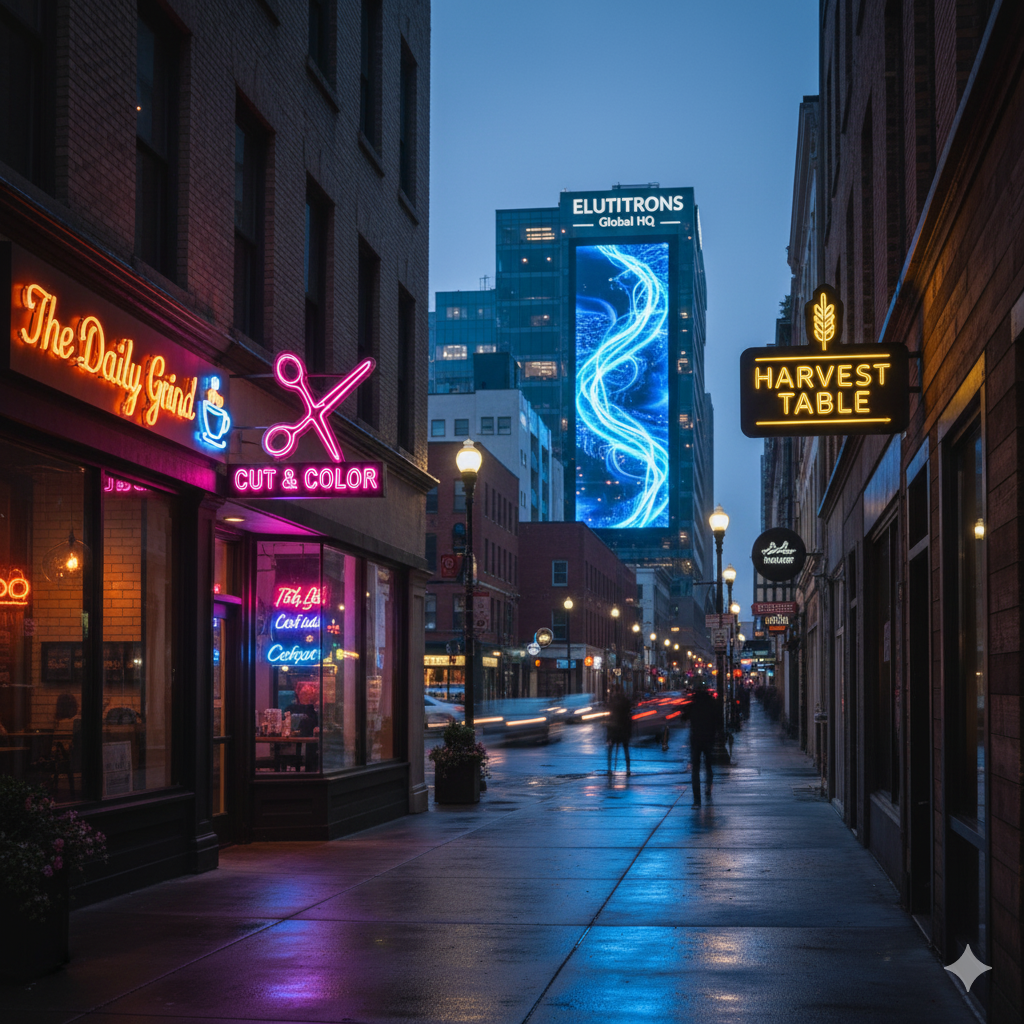
Looking to bring your brand vision to life? Custom LED and neon signage powered by a modern digital signage solution offers unmatched design flexibility, helping you create vibrant, free-standing, and eye-catching displays that truly reflect your business personality.
Platforms like AIScreen make it simple to design, schedule, and manage lighted business signs from one place, seamlessly combining energy-efficient LED technology with the timeless appeal of neon for both indoor and outdoor applications.
Why settle for ordinary signage when you can deploy brighter, smarter displays that strengthen brand recognition and adapt to your marketing needs in real time? From digital signs built with advanced LED modules to classic neon designs, these customizable and cost-effective solutions are tailored for interior and exterior use, ensuring your storefront, venue, or event stands out.
Ready to light up your brand and capture more attention? Explore AIScreen’s custom digital signage solution today and turn visibility into impact.
Frequently Asked Questions
What is a lighted sign?
A lighted sign is any signage that uses light to enhance visibility and attract attention, often incorporating monochrome LED signs, neon gas, LED neon lights, or fluorescent lighting. These signs include illuminated signs with internal lighting and externally lighted signs, creating an eye-catching glow for indoor and outdoor use.
What are the most popular types of lighted signs?
The most popular types of lighted signs include monument signs for parking lot entrances, lightbox signs with translucent panels or cabinet signs, channel letter signs with LED or neon lighting, and digital signs combining modern LED modules for dynamic content. Each type caters to different branding needs and foot traffic areas.
How long do LED signs last?
LED signs typically last between 50,000 to 100,000 hours, making them a durable and energy-efficient signage lighting option. This equates to several years of use with minimal maintenance, far outlasting traditional neon or fluorescent signs.
Are custom neon signs energy efficient?
Yes! Custom neon signs are energy efficient, as traditional neon signage uses neon gas and consumes more energy, but modern LED neon signs come with LED technology, boost visibility, and mimic that vibrant glow while being highly energy efficient and low maintenance. LED neon signs offer the classic aesthetic without the high power consumption or fragile glass tubes.
Which lighting sign type is best for outdoor use?
LED signs, especially in pylon or monument sign formats, are ideal for outdoor signage due to their brightness, durability, and weather resistance. They comply with zoning ordinances and offer newer, brighter signs that remain visible in diverse lighting conditions.
