
What is Real-Time Content in Digital Screens?
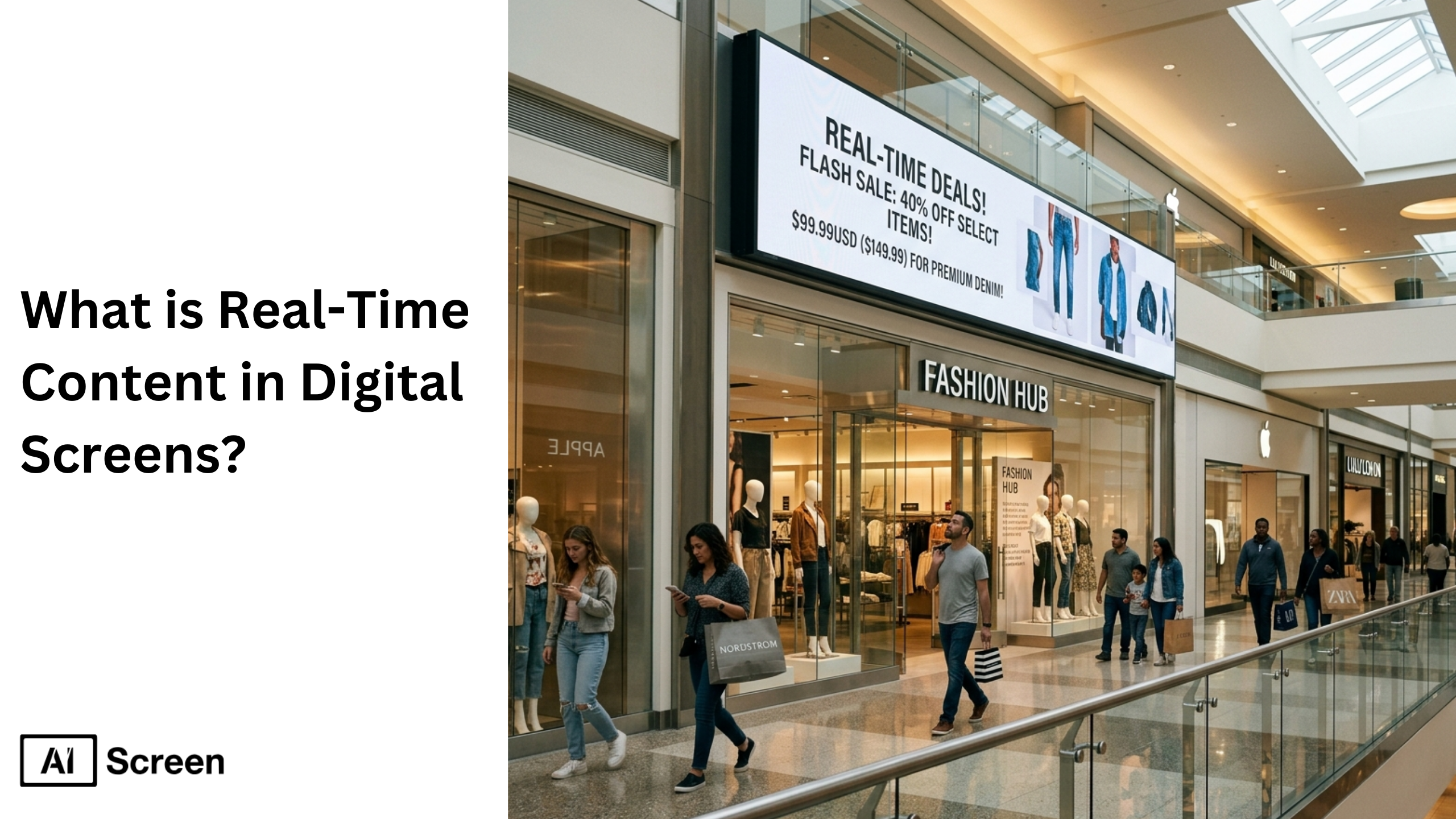
Real-time content in digital signage is dynamic, constantly updated content powered by real time data that helps brands react quickly, grab audience’s attention, and improve content marketing strategy. It plays a crucial role in modern digital marketing strategies by delivering relevant content based on current events, user behavior, and social media conversations. Deloitte reports that nearly 60% of retail executives expect consumers to prioritize price over loyalty, emphasizing the need for timely, relevant content.
In this blog, we’ll explore the benefits of real-time content in digital signage with the help of digital signage software, showcase practical examples across various industries, and provide a step-by-step guide on how to integrate and manage real-time content in your digital signage system.
What Is Real-Time Content?
Real-time content is dynamic content that updates instantly based on real time events, data, or user actions. It ensures your digital signage always reflects what is happening now instead of outdated static messages. This includes traffic alerts, breaking news, live stream feeds, and social media updates. Unlike static signs, real time digital signage delivers a constant stream of relevant content that improves audience engagement.
By processing data from multiple sources, businesses can create engaging content that matches the moment, helping users quickly find useful information. This improves customer experience and provides actionable insights for better campaign performance. Real-time content is always fresh, relevant, and aligned with audience interest, making it a powerful tool in content marketing and digital signage strategy.
Why Does Your Business Need Real-Time Digital Signage?
Real-time digital signage enhances the customer experience and provides dynamic business communication that feels engaging. Many businesses miss chances because their messaging is stale or irrelevant, real-time content changes that.
Real-time content enhances audience engagement by giving timely and relevant content that matches what is going on now. You can show time-sensitive offers, breaking news, urgent alerts, weather updates, or display sales performance metrics, all in real time. That makes your digital displays meaningful, not decorative. Have you ever walked past a digital sign that still showed last week’s promo? With real time digital signage, that doesn’t happen.
A recent study by Market.us Scoop found that “over 70% of customers appreciate when digital displays change content in real-time.” zero-in.com Also, data shows digital signage can increase foot traffic by 24% in retail stores when signs are dynamic rather than static. These are not numbers from hardware vendors but from independent market studies.
So by leveraging real time data in your digital signage system, you drive relevant content, improve customer satisfaction, strengthen brand identity, and gain operational efficiency. It’s not just about fancy screens, but about data-driven decisions.
What Are Some Examples of Real-time Content?
Real-time content examples show how digital signage can create engaging content that adapts to the moment and improves audience engagement. To maximize results, businesses should also avoid common pitfalls like poor timing or irrelevant messaging.
Social Media Feed Displays
Displaying live social media feeds helps brands engage audiences through user generated content and real time conversations. These feeds create a strong community and encourage people to interact with your brand.
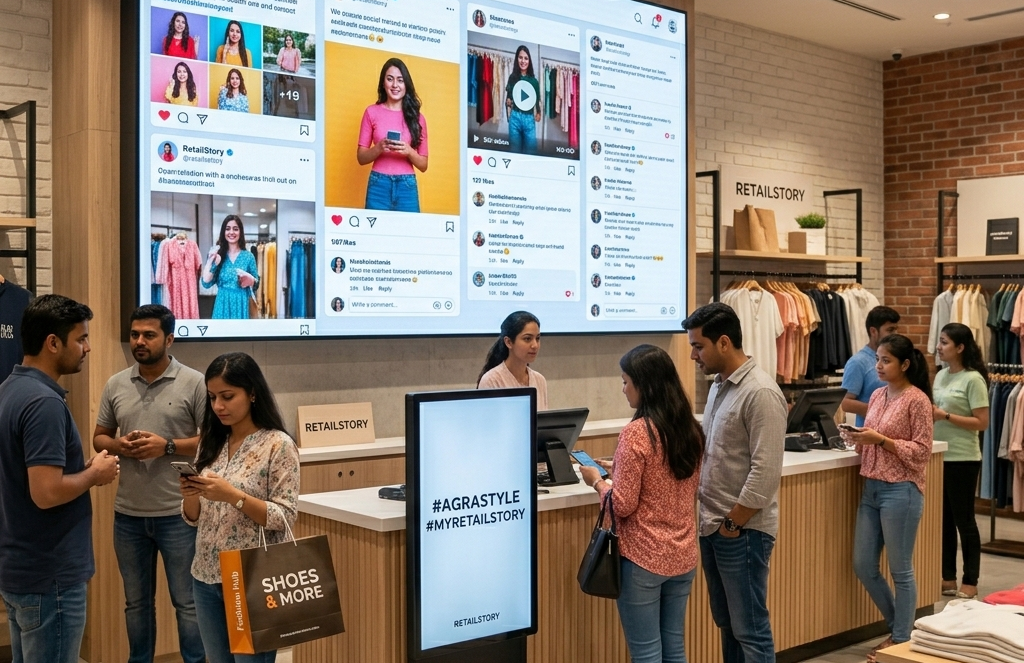
This approach supports community building, improves brand loyalty, and grabs attention by showing authentic, real-time interactions.
Real-Time Communication and Information Sharing
Real-time updates like weather, news, and alerts provide instant access to important information. These updates help users make decisions quickly and improve overall customer satisfaction.
From train schedules to emergency alerts, real-time communication enhances usability and ensures content remains relevant.
Location-Specific Content
Location-based content delivers personalized messages tailored to specific segments. This includes local promotions, nearby events, or traffic updates.
By using real time data, businesses can create relevant content that speaks directly to their target audience, improving engagement and building relationships.


How Does Real-time Content Work for Digital Signage?
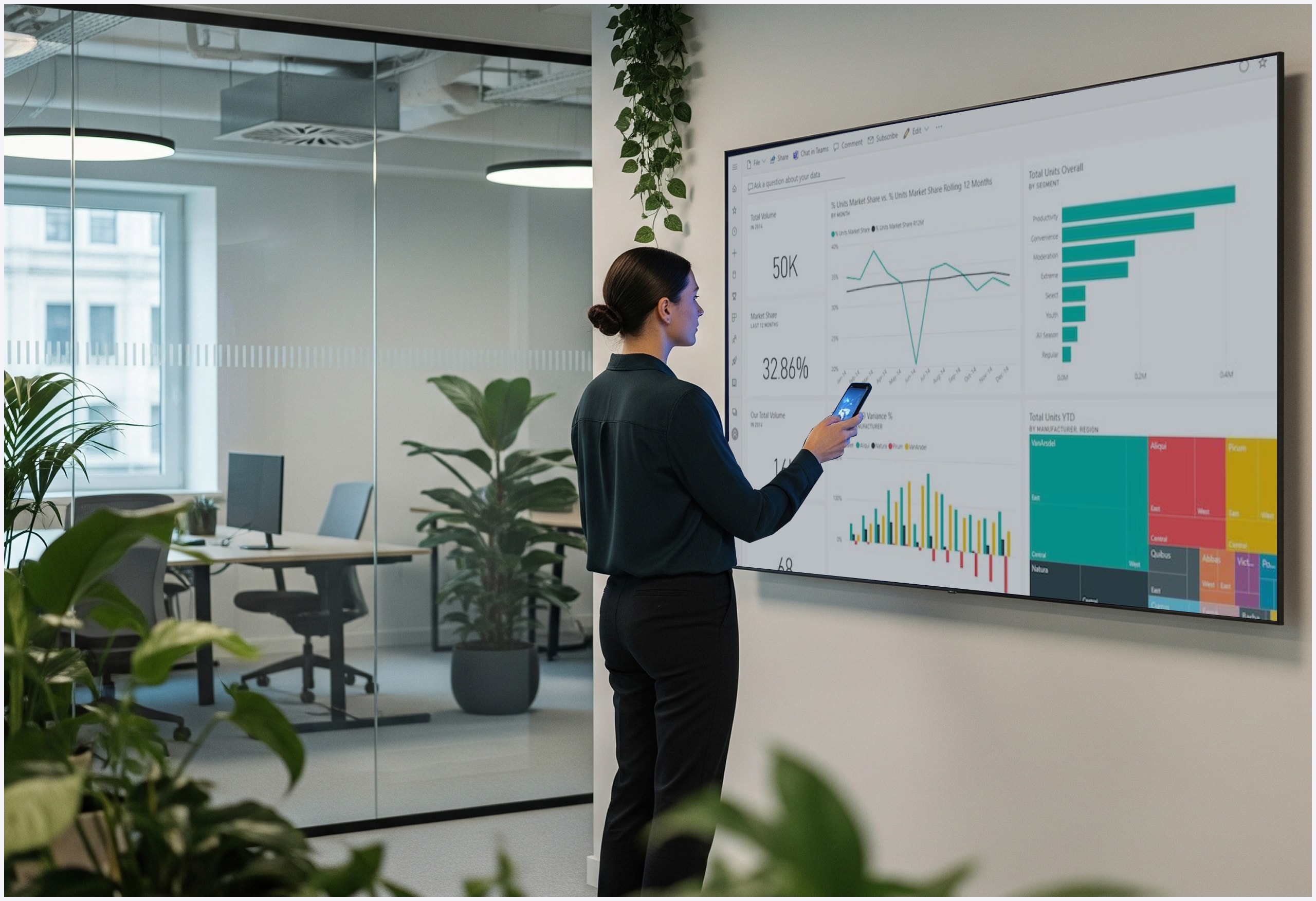
Real-time content works by combining data integration, content management, and interactive displays to deliver relevant information instantly.
1. Integration of Data
Real-time digital signage relies on processing data from APIs, social media platforms, POS systems, and external tools. Businesses often explore solutions like how to integrate third-party tools for displays with your digital signage system, to streamline data flow and improve accuracy.
Without proper integration, digital signage loses its ability to deliver timely and relevant content.
2. Content Management Platform (CMS)
The CMS is the engine that turns raw updates into beautiful digital signage content. Good digital signage software solutions allow you to schedule, format, and push dynamic displays across many digital signs and electronic displays automatically. No manual update means fewer delays, and content remains relevant. CMS working across multiple operating systems is key when you have many screens in different locations.
3. Display and User Interaction
The display layer is where the magic shows: interactive displays like touchscreens or even QR codes let you collect immediate user input or let the viewer dig deeper. Digital signage screens, kiosks, LED walls, interactive digital displays, all work together. Tools like Power BI, Tableau, or Google Data Studio may power dashboards you show. Microsoft Excel Sheets sometimes feed numbers. These integrations let you deliver dynamic promotions and keep user engagement high.
What Are the 12 Best Ways to Succeed With a Real-Time Content Marketing Strategy?
The 12 best ways to succeed with a real-time content marketing strategy focus on putting the customer first by mirroring real audience behavior in the moment. Real-time content marketing blends strategic intent, natural language, SEO best practices, social listening, and real time data to deliver up-to-date information that feels relevant and human.
This approach helps brands create dynamic content that reflects how audiences actually speak, search, and engage online. The following 12 principles outline a proven methodology, from defining purpose and tracking conversations to building trust, leveraging influencers, and continuously evolving, so businesses can improve customer engagement while enabling businesses to stay visible, responsive, and search-friendly.
1. Be strategic and answer the question of “why?”
Every piece of real-time content should serve a clear purpose. Teams must understand why the content exists and how it benefits the target audience, ensuring relevance rather than reaction for the sake of speed.
2. Embrace the natural language of your audience
Using language that feels familiar helps build stronger connections. Real-time content should reflect how your audience naturally communicates, making interactions feel authentic and relatable.
3. Monitor the transient conversations of your audience for content cues
Social media discussions, forum threads, blog comments, and user generated content provide valuable insight into what people care about right now. These cues help brands respond with timely, meaningful content.
4. Know social content signals can affect your search audience
Engaging real-time content often earns social shares, which can strengthen visibility and indirectly support SEO performance by expanding reach and audience interaction.
5. Know the keyword and SEO tactics that help improve your audience effectiveness in social channels
Using the right keywords helps connect content with the right people across social platforms and search engines. This improves discoverability while keeping content aligned with audience intent.
6. Engage one bird to attract whole flocks
Influencers play a key role in amplifying reach. When influential voices engage with your real-time content, it gains momentum and visibility among wider communities.
7. Give a lot, and you get back a lot
Consistent effort and value-driven content lead to stronger loyalty. High-quality, helpful real-time updates encourage ongoing customer engagement and long-term trust.
8. Encourage and demonstrate trustworthiness with your audience and with search engines
Trust is built through quality, relevance, and transparency. Spam-free, well-optimized content strengthens credibility with both users and search engines, making it an essential tool for sustainable growth.
9. Find the conversational demand of your audience in social spaces
By continuously monitoring industry conversations, brands can identify emerging topics and themes, allowing them to respond quickly with content that feels timely and informed.
10. Listen to your audience
Audience feedback reveals what works and what doesn’t. Listening helps refine content strategy, improve relevance, and ensure messaging aligns with real customer needs.
11. Remember that you are part of a shared content conversation about your company
Real-time marketing is interactive. Brands no longer control the conversation alone—they participate in it, responding and contributing alongside their audience.
12. Remember that you are never done
Real-time content marketing is an ongoing process. Using insights, performance data, and key metrics allows brands to evolve continuously and deliver content that stays fresh, useful, and engaging.
What Are 3 B2B Examples of Real-Time Content Marketing?
There are 3 B2B examples of real-time content marketing that show how brands can humanize their presence and engage audiences on fast-moving platforms. These examples highlight different execution styles, behind-the-scenes storytelling, live event branding, narrative-driven content, and planned spontaneity, demonstrating how structure, consistency, and platform-native formats turn real-time activity into an effective B2B strategy.
Now let’s have a look at some examples of B2B brands already using real-time marketing as a part of their content strategy.
Cisco
Cisco uses Snapchat to showcase a more human side of its brand. A selected group of employees manages the account, sharing spontaneous, behind-the-scenes content that feels personal and approachable.
Despite the casual tone, the strategy is supported by a structured content calendar. This balance of planning and flexibility ensures consistent delivery of up-to-date information while maintaining brand alignment and customer engagement.
Dun & Bradstreet
Dun & Bradstreet demonstrates how even data-driven companies can succeed with real-time content. By using Snapchat, the brand provides behind-the-scenes access to thought leaders, products, and internal activities.
They also leverage geofilters and custom visual overlays to brand live event content, creating dynamic, real-time visibility and reinforcing awareness across social platforms.
IBM
IBM treats real-time content with the same discipline as traditional storytelling. Each Snapchat story follows a clear narrative structure, with a beginning, middle, and end designed to keep viewers engaged.
As IBM’s Global Social Brand Strategy Lead explains, establishing value from the start is critical. This approach shows how planned spontaneity and strong storytelling can turn real-time updates into a consistent B2B content experience that supports long-term engagement.
What is the Potential of Real-time Content in Digital Signage Today?
Real-time digital signage is evolving rapidly with AI, analytics, and machine learning, enabling more personalized and relevant content. Businesses use real time data and audience behavior to adapt promotions instantly, improving engagement and gaining a competitive edge. The global digital signage market was valued at USD 28.83 billion in 2024 and is expected to reach USD 45.94 billion by 2030, growing at a CAGR of 8.1%, driven by demand for dynamic content.
As screens become smarter and more responsive to real time events, businesses can enhance brand identity, boost customer loyalty, and achieve better ROI through data-driven decisions.
Why Do Digital Sign Messages Fail?
Digital sign messages fail when content ignores clarity, timing, and audience intent, even if real-time systems are in place. Real-time content improves relevance, but poor design, weak messaging, or overloaded visuals reduce impact and audience engagement. But what happens when your content updates fast but still gets ignored? This usually means the issue is not technology but execution.
Common problems include unclear visuals, excessive text, inconsistent scheduling, and lack of context for the target audience. Aligning real-time updates with strong messaging principles ensures better results. This is exactly where understanding the10 top mistakes to avoid in digital sign messages becomes critical to maintaining effective communication.
Update Real-Time Content in Digital Signage with AIScreen
AIScreen is built to help enabling businesses manage and update digital signage content in real time across multiple screens and locations. With a content management system that works across multiple operating systems, you can deliver dynamic content, integrate sales data, show social media feeds, weather data, dashboards from Power BI or Google Data Studio or Tableau, and allow user engagement via interactive displays or QR codes.
Wouldn’t it be great if every screen you owned could reflect what matters now, today’s weather, urgent promos, live metrics? AIScreen.io makes that possible.
Frequently Asked Questions
How can I integrate real-time content into my digital signage system?
You can integrate real-time content by connecting digital signage software with APIs, social media platforms, and data sources. This allows instant updates and better content management across multiple screens.
What are the benefits of using real-time content in digital signage?
Real-time content improves customer satisfaction, enhances engagement, and helps businesses make data-driven decisions. It also increases conversion rates and strengthens brand loyalty.
How does real-time content improve customer engagement in digital signage?
Real-time updates keep content relevant and engaging by reflecting current events, user behavior, and audience preferences. This helps businesses maintain audience interest and improve interaction.
What are the technical requirements for displaying real-time content on digital signage?
You need digital signage software, real time data integration, and a CMS to manage updates. Proper system integration ensures smooth performance and consistent delivery of relevant content.
