
How to Use IoT in Retail: 10+ ways
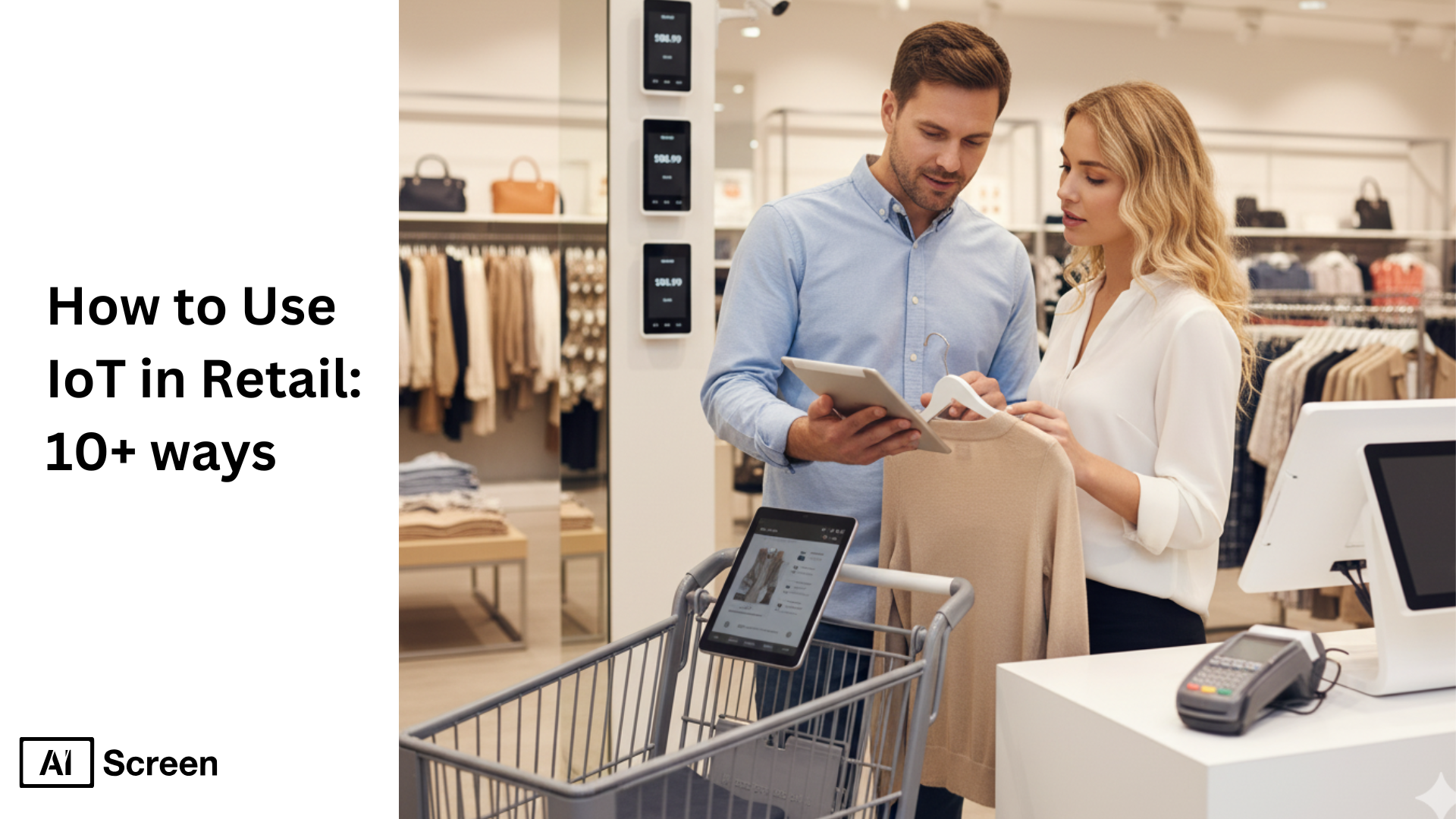
The retail industry is undergoing a digital transformation, and the concept of IoT in retail is at the forefront of this evolution. To use IoT in retail effectively, businesses are turning to smart devices and connected sensors that optimize operations, reduce costs, and enhance the customer experience. You should know that these IoT solutions collect valuable data on inventory, customer behavior, and store performance, allowing retailers to make informed decisions and streamline their processes. According to Deloitte, 65% of retail companies are investing in IoT solutions to improve operational efficiency and inventory management to meet customer demands.
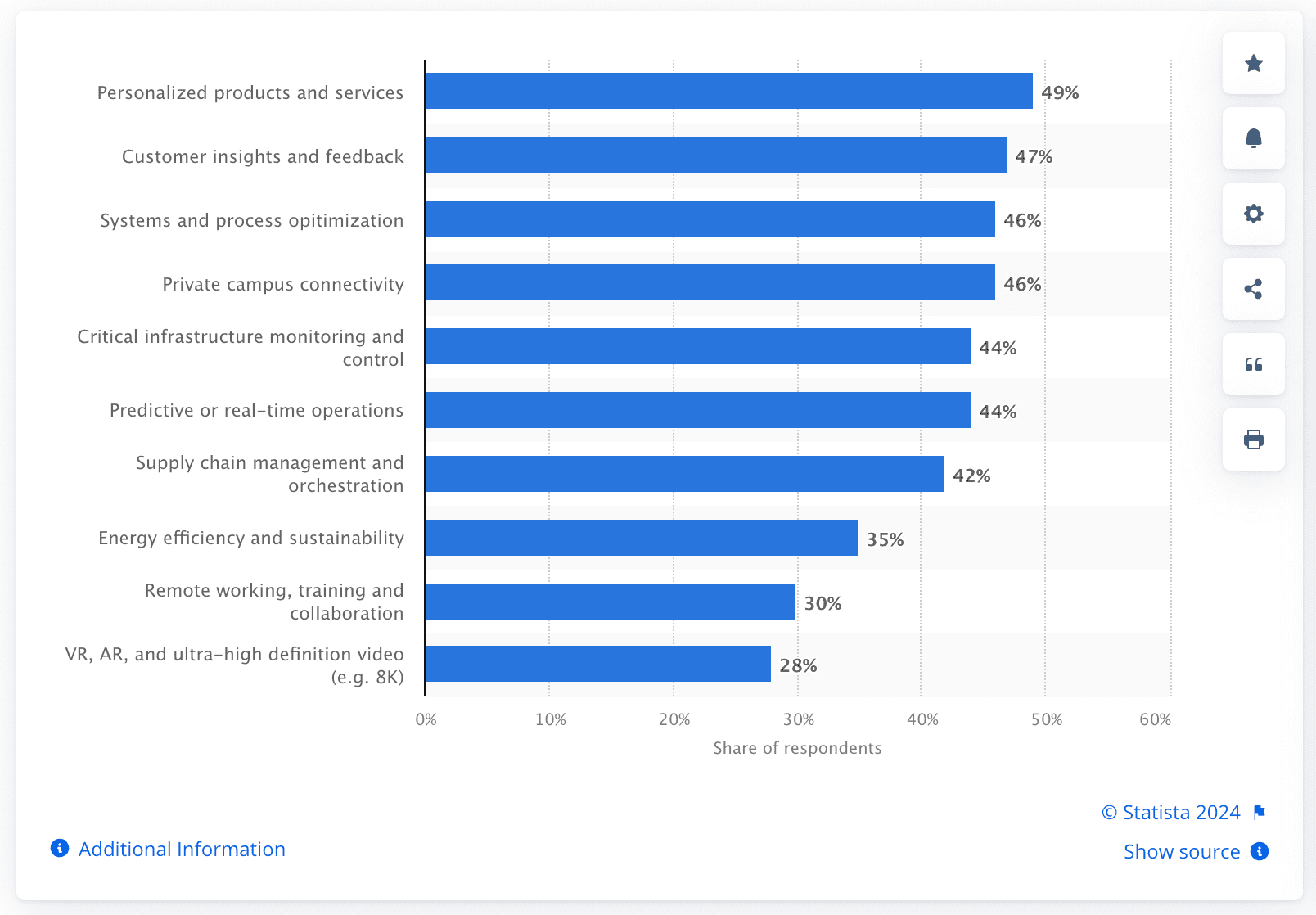
This article will explore 10+ ways IoT can be applied in retail through real-life examples and show how tools like AIScreen can integrate IoT with a retail digital signage network, helping you improve customer engagement, boost sales, and create a seamless, data-driven shopping environment. You’ll also learn how IoT-driven insights can transform your retail operations and make your store more responsive to customer needs.
What is the Internet of Things (IoT)?
Imagine a world where your coffee machine knows when you wake up, your fridge alerts you when you’re low on milk, and your car automatically schedules maintenance. That’s the magic of the Internet of Things (IoT). At its core, IoT is a network of physical devices, like sensors, smart appliances, and wearables, that are embedded with technology to collect, transmit, and exchange data over the internet. These devices communicate with each other and with centralized systems, enabling real-time insights and automation without human intervention.
According to Cisco, IoT-enabled smart shelves and sensors can increase customer engagement by 20-25% through personalized promotions and real-time content. One practical example is a retail digital signage network that works with IoT devices to deliver tailored promotions, product recommendations, and dynamic content based on customer preferences. These connected systems ensure that the right message reaches the right audience at the right time, meeting customer demands while improving customer interactions and enhancing the overall shopping journey.
In the retail world, IoT is transforming the shopping experience, paving the way for smart retail solutions that enhance customer engagement and operational efficiency. Smart shelves can track inventory levels, beacons can send personalized offers to your phone, and digital signage can display tailored promotions based on your preferences. This interconnected ecosystem allows retailers to optimize operations, reduce costs, and deliver a more personalized and efficient shopping journey, ultimately leading to increased customer satisfaction.
How Retailers Can Benefit from Integrating IoT Solutions
Retail businesses already have numerous options for using IoT-based technologies, and new approaches, combinations, and non-standard solutions continue to appear. What is no less important is that even small businesses can afford to implement IoT technology the same way as large retail chains. According to IBM, 75% of retail executives believe IoT devices provide valuable insights into customer behavior, which significantly aid in supply chain management and drive business decisions, contributing to a greater competitive advantage.
When implemented effectively, IoT provides multiple benefits for retailers and their business operations, helping enhance the overall shopping experience while improving operational efficiency. Here are some crucial benefits to know:
- Personalized Recommendations and Navigation: IoT devices can guide customers through the store efficiently, offering personalized product suggestions that match their preferences, making shopping more engaging.
- Real-Time Tracking and Automated Restocking: Smart sensors and IoT devices track inventory in real-time, helping maintain optimal stock levels, reduce overstocking, and minimize costs.
- Energy Management and Predictive Maintenance: IoT systems monitor energy consumption and predict maintenance needs for equipment, preventing breakdowns and saving operational costs.
- Customer Behavior Analytics: IoT devices collect valuable data on shopping habits and preferences, providing actionable insights to improve marketing strategies and store layouts.
- Enhanced Security: IoT supports theft prevention, access control, and monitoring of sensitive areas, keeping both customers and assets safe.
- Contactless Payment and Pickup Options: IoT-enabled payment systems and smart pickup solutions reduce wait times and improve customer safety, which is especially important in post-pandemic retail environments.
- Connected Ecosystem for Insights: IoT devices, combined with smartphones, mobile apps, social media, and other channels, give retailers a comprehensive understanding of customer behavior, including what they like, search for, and ultimately purchase.
This holistic approach not only boosts operational efficiency but also elevates the customer experience, giving retail businesses a competitive edge in the evolving retail market.
10+ ways to Use IoT in Retail
When you start thinking about IoT in retail, it’s not just a tech buzzword; it’s a real game-changer for your store. You can use smart devices, sensors, and connected systems to see what’s happening in your store in real time, understand customer behavior, and even make your operations more efficient.
IoT lets you track inventory, predict equipment failures, and personalize shopping experiences like never before. According to Statista, the global IoT market in retail is expected to reach over $94 billion by 2026, reflecting rapid adoption across the retail sector. Let’s explore 10+ actionable IoT applications in retail:
1. Managing Stock
You know how frustrating it is when a popular product runs out right when a customer wants it? IoT can solve that for you. With smart shelves and radio frequency identification (RFID) tags, you can track inventory levels in real time and automatically trigger restocking, ensuring you never run out of high-demand items. This also helps you reduce waste and keep your entire supply chain running smoothly.
For example, if you run a clothing store, IoT sensors can detect that a certain size of a trending t-shirt is running low. Instead of waiting for a manual stock check, your system can alert you or even place an order automatically, so your shelves are always ready for your customers. This gets even stronger when you pair it with AI in supply chain planning, since AI can predict demand patterns, suggest optimal order quantities and help you avoid both shortages and overstock before they happen.
2. Monitoring Prices On Shelves
You’ve probably noticed how time-consuming it is to update prices manually across multiple stores. IoT solves this problem with smart shelf labels and mobile payments that update prices automatically in real time. This ensures that your pricing is always accurate, consistent, and aligned with any promotions you’re running, giving you a strong position in a competitive market.
For instance, imagine you’re running a grocery store and want to launch a weekend deal on snacks. With IoT-enabled digital price tags, all your shelves update instantly. You don’t have to worry about staff rushing around to adjust tags, and your customers see the correct prices the moment they enter your store.
3. Offering Customer Assistance
You want your customers to feel guided and informed as they shop, right? IoT-powered kiosks and interactive displays can act as personal assistants in your store. They can answer questions, provide product info, and even guide shoppers to the right aisle, reducing the need for additional customer support staff while improving service quality.
Let’s say a customer is looking for a specific blender model in your electronics store. An IoT-connected kiosk can tell them exactly where it is, show alternatives, and even compare features, helping them make a faster, more confident purchase.
4. Predicting Equipment Failure
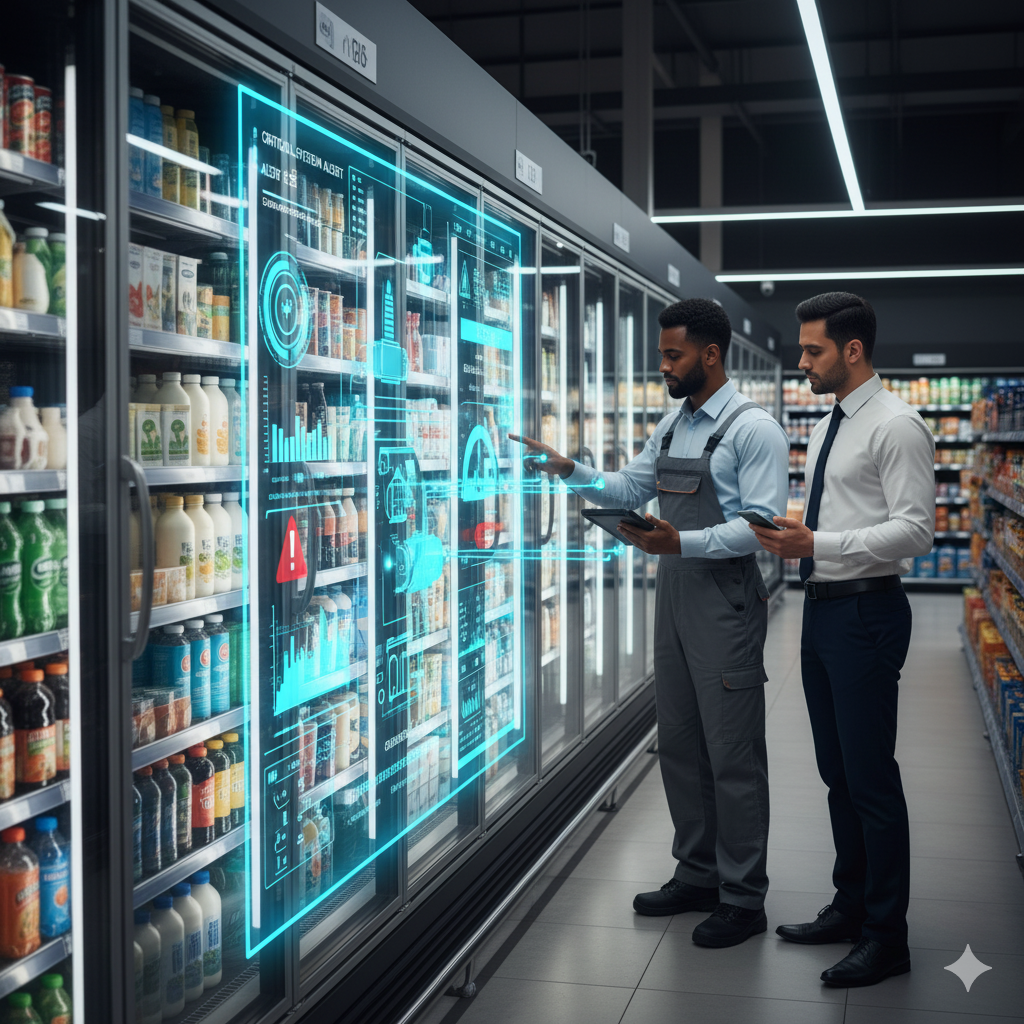
You know how costly it is when a fridge or HVAC system fails unexpectedly. IoT sensors monitor equipment health continuously, alerting you to issues before they become serious. This predictive maintenance saves you money and prevents downtime that could hurt sales.
For example, if a supermarket’s refrigeration unit starts showing signs of trouble, IoT sensors send an alert to your system. You can call maintenance immediately, avoiding spoiled products and unhappy customers.
5. Analysing Customer Behavior
You want to understand what makes your customers tick in terms of their customer data behaviour, and IoT can help. Sensors track how shoppers move through your store, how long they linger in certain sections, and which displays attract attention. This gives you valuable insights into inventory management that you can act on immediately.
Imagine you notice people spend a lot of time in your seasonal products aisle. You could move high-margin items closer to that section or adjust digital signage to highlight related products, increasing your sales and improving the customer experience.
6. Automating Repetitive Tasks
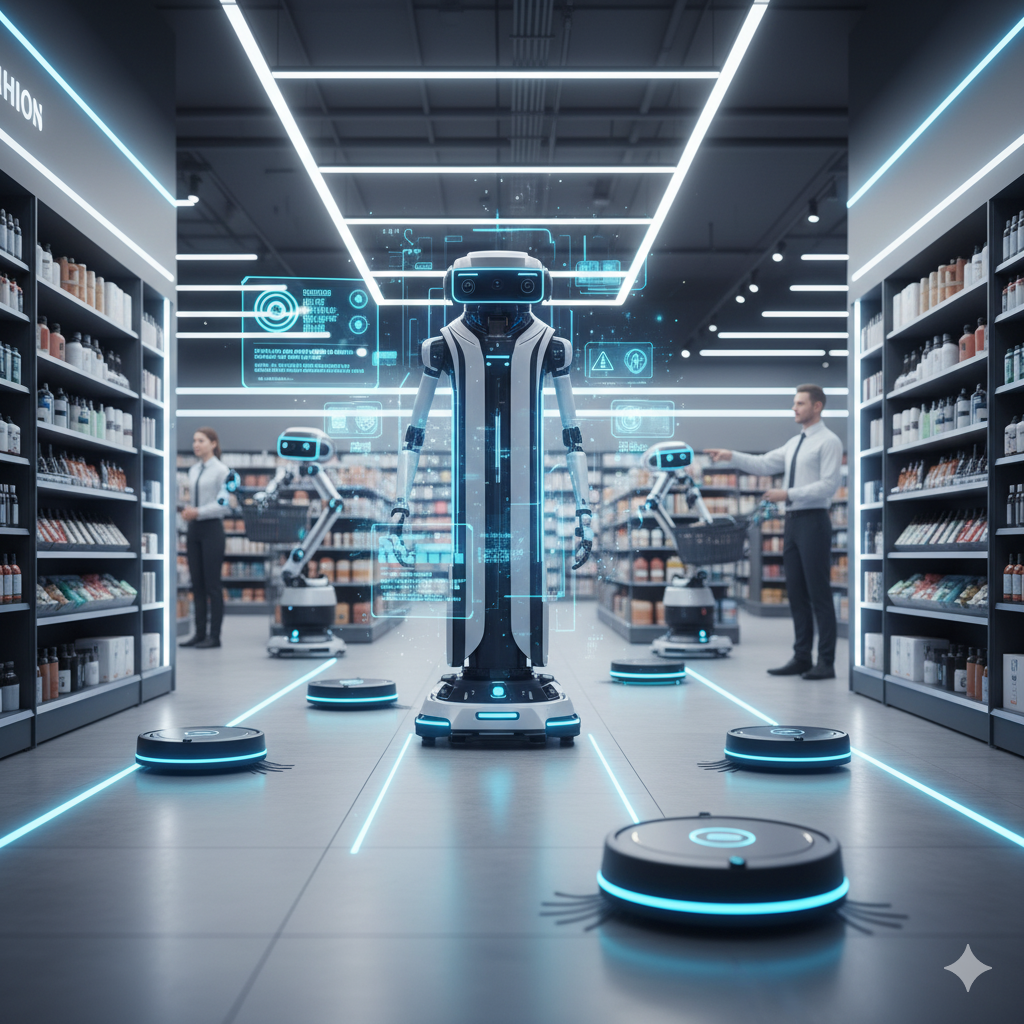
You don’t want your staff wasting time on repetitive chores, and IoT makes that possible. Robots and IoT devices can handle inventory counts, cleaning, or product retrieval, so your team can focus on helping customers.
For example, a large warehouse-style store could deploy IoT robots overnight to scan shelves. By morning, your inventory is updated, freeing your employees to provide customer assistance instead of doing manual stock checks.
7. Implementing Health and Safety Measures
You care about keeping your store safe, and IoT can take it to the next level. Sensors can monitor occupancy, air quality, or even temperature, and digital signage can communicate safety guidelines in real time.
Think of a fitness retail store: IoT sensors track the number of people in a changing room, ensuring social distancing, while displays notify customers when it’s safe to enter. Your shoppers feel safe, and you maintain a positive brand image.
8. Tracking Staff Whereabouts
You want your team to work efficiently, and IoT helps with that, too. Sensors can track staff movements and help you allocate resources to the areas that need them most.
For example, in a big department store, if a busy section is understaffed, IoT data can alert you. You can quickly redirect employees to help customers where it’s needed, keeping service smooth and your shoppers happy.
9. Personalising the Shopping Experience
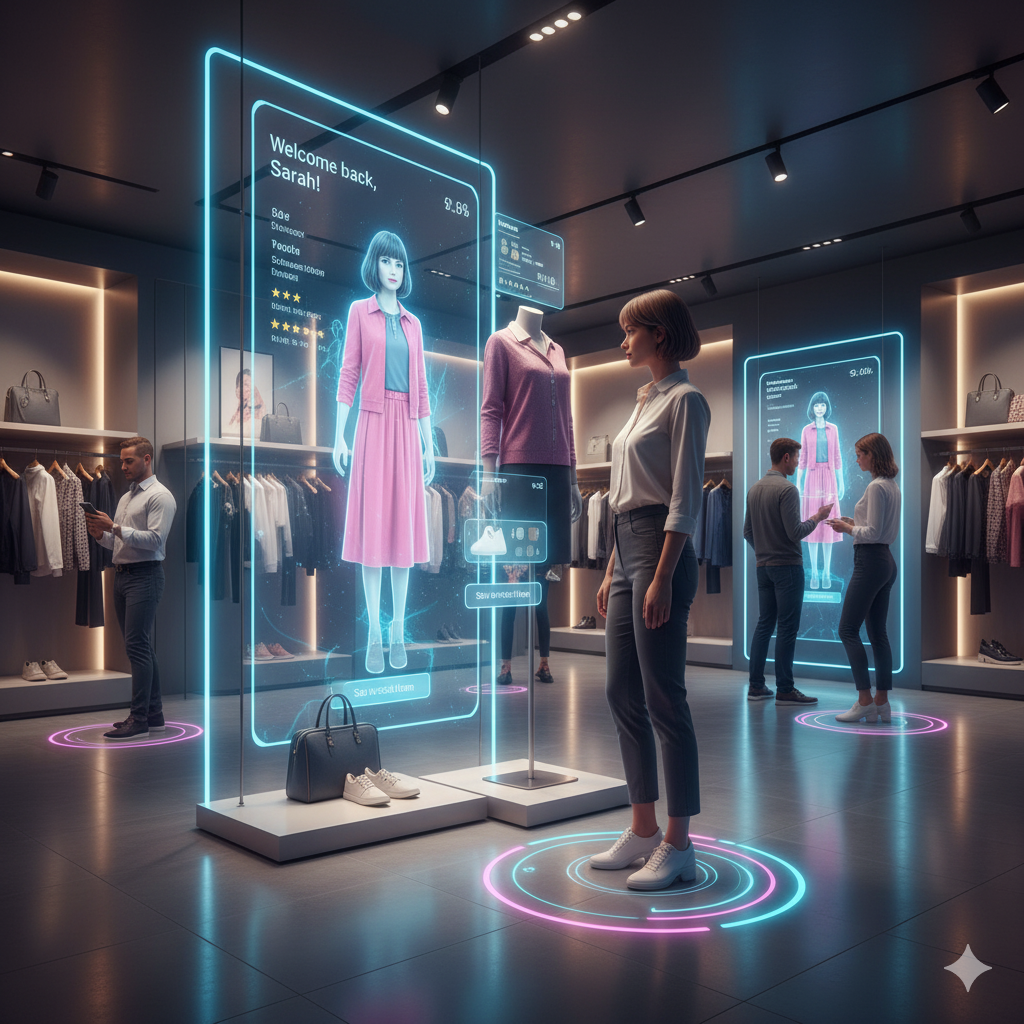
You want each customer to feel special, and IoT lets you do that, ultimately contributing to an exceptional customer experience. Devices track customer data, including preferences, past purchases, and in-store behavior, to deliver personalized marketing and product suggestions. Combine this with digital signage and data security measures, and your promotions become even more relevant and timely.
Suppose a tech store notices a customer often buys gaming accessories. IoT can trigger digital signage to display relevant product recommendations as soon as they enter the store. To take personalization even further, learn how to improve the customer experience in retail stores using digital signage, which works seamlessly with IoT to deliver tailored content and promotions in real-time.
10. Buying Products
You want checkout to be smooth, and IoT makes payments faster and easier. Contactless options allow customers to pay with smartphones, smartwatches, or fitness trackers, reducing queues and improving the shopping experience.
For instance, a convenience store could set up IoT-enabled mobile payment kiosks. Customers tap their device, complete the transaction instantly, and a digital screen confirms the purchase, making the entire process fast and frictionless.
Thinking about making a move into IoT or retail in theyear ahead? Try AIScreen!
Are you looking for a way to bring IoT into your retail business and boost customer engagement? With AIScreen, you can seamlessly integrate IoT into your digital signage solutions, along with robust security measures, giving your retail stores smart devices and IoT tech that help you understand customer behavior and deliver dynamic content in real time. You can optimize menu management, product displays, and marketing efforts while making sure your customers have an exceptional experience that keeps them coming back. According to McKinsey, stores using IoT for supply chain optimization can cut logistics and operational costs by 15-20%.
Our efficient cloud-based software can make things easy for you to improve operational efficiency across your entire retail environment. You can monitor energy usage, implement predictive maintenance for critical equipment, and collect IoT data to make smarter business decisions. By combining retail IoT and digital signage networks, while also prioritizing data security, you gain a competitive edge in the retail market, increase sales, and enhance customer satisfaction in your stores while staying ahead in the digital transformation journey.


FAQs
How does IoT work in the retail industry?
IoT works in the retail industry by connecting smart devices, sensors, and systems to collect, transmit, and process data in real time. Retail stores use this data to optimize operations, manage inventory, and enhance customer experience. By integrating IoT devices, retailers can track energy consumption, monitor store conditions, and respond to customer behavior instantly. This seamless flow of information improves operational efficiency and boosts retail automation.
What are the key applications of IoT in retail this year?
The key applications of IoT in retail this year include inventory management, predictive maintenance, customer assistance, personalized shopping experiences, and automated price updates, particularly in brick-and-mortar stores. Retailers are increasingly using IoT technology to streamline supply chain operations and enhance customer engagement. Smart shelves equipped with RFID tags automatically alert staff when stock is low. By leveraging these IoT innovations, retail companies can reduce costs, increase sales, and improve customer satisfaction.
How does IoT help manage stock in retail?
IoT helps manage stock in retail by using smart shelves, RFID tags, and sensors to monitor inventory levels in real time. Retailers can automate restocking processes, improve inventory management, avoid out-of-stock situations, and optimize the entire supply chain. A clothing store implementing IoT systems across all locations can ensure products are always available and accurately tracked. This reduces human error, lowers maintenance costs, and enhances the customer experience.
How does IoT assist in monitoring prices on shelves?
IoT assists in monitoring prices on shelves through digital price tags and electronic shelf labels that update automatically across multiple locations. Retailers can maintain consistent pricing, run promotions efficiently, and save time on manual adjustments. During a flash sale, IoT devices can update all store prices instantly to reflect discounts. This integration enhances operational efficiency and ensures a seamless shopping experience for customers.
Can IoT be used for customer assistance in retail?
Yes, IoT can be used for customer assistance in retail through interactive displays, smart kiosks, and mobile apps connected to IoT systems. Retailers can provide real-time product information, answer customer queries, and guide shoppers through the store. A customer looking for a specific product can receive directions and promotions via an IoT-enabled digital display. This enhances customer engagement, increases satisfaction, and strengthens brand loyalty.
How does IoT predict equipment failure in retail?
IoT predicts equipment failure in retail by using sensors to monitor the health of refrigeration units, HVAC systems, and other essential devices. Data collected from these sensors is analyzed to detect early warning signs of malfunction. A supermarket using IoT to monitor refrigeration can receive alerts before a failure occurs, avoiding product spoilage. This predictive maintenance approach reduces repair costs, prevents downtime, and improves operational efficiency.
How does IoT analyze customer behavior in retail?
IoT analyzes customer behavior in retail by tracking movements, interactions with products, and engagement with digital displays. Retailers can collect data to understand shopping habits, particularly those of customers’ smartphones, based optimize store layouts and tailor marketing strategies. IoT devices can detect which areas of the store receive the most foot traffic and adjust product placement accordingly. This helps retail businesses increase sales, enhance customer experience, and gather valuable insights for continuous improvement, particularly with effective IoT implementation.
How is IoT used to personalize the shopping experience?
IoT can be used to personalize the shopping experience by collecting customer data from previous visits, purchase history, and in-store behavior. Retailers use this data to deliver targeted promotions, product recommendations, and marketing messages. A customer can receive a notification on their smartphone about a product they frequently purchase as soon as they enter the store. This approach, along with effective iot implementation, improves customer satisfaction, encourages repeat visits, and strengthens engagement with the retail brand.
