
How to Make Protest Signs?

Surveys show that more than 60% of protest signs photographed by media outlets are text-based, proving that a strong message carries weight. AIScreen’s research found that real-time message updates on digital signage increased engagement by 40% during protests. Additionally, signs with clear, high-contrast lettering were three times more likely to be shared on social media.
This guide explores what demonstration signs are, what elements make a protest sign effective, and steps to make both digital and physical signs. Let’s dive in.
Short Summary:
- Protest signs amplify voices in demonstrations, both physical and digital.
- Digital signs offer real-time updates, broad visibility, and dynamic messaging.
- Materials for physical signs include poster board, bold markers, and weatherproofing.
- Steps to create digital signs: choose a template, customize text and visuals, deploy to screens.
- Elements of effective signs: readability, strong messaging, and durability.
What Is a Protest Sign?

A protest sign is a visual statement of resistance, advocacy, or solidarity. Whether demanding action on climate change, defending a new fundamental human right, or calling attention to injustice, these signs amplify voices in a way that words alone cannot. Organizers who run recurring actions often manage their digital messaging through digital signage software so updates reach every screen at once.
Seen in marches, rallies, and demonstrations, they serve as both personal expressions and collective declarations, and in the digital age, they extend far beyond the streets.
Are Digital Protest Signs Better?
Yes, digital protest posters are better because they take this concept further by using screens, projections, and social media to display real-time updates, slogans, or responses to unfolding events. To understand what is a signage, think of signage as any visual communication tool used to share information, directions, branding, or messages with an audience. Digital protest posters apply that same principle in a more flexible and dynamic format.
This makes them especially effective when countering opposition messaging or responding to breaking news. Unlike traditional signs, digital displays can be updated instantly and viewed from multiple angles, helping activists reach a wider audience without the limitations of handheld posters.
What Materials Can You Use for Physical Protest Signs?
For Physical protest signs, here’s what you’ll need:
- Poster board or cardboard: Sturdy yet light material for durability.
- Paint markers or bold letters: High-contrast text for visibility.
- Clear packing tape or plastic covering: Weatherproofing for outdoor use.
- Sign handle (wood or plastic): Comfortable grip for holding for long lengths of time.
- Hot glue or strong tape: Secure attachment of components.
The right materials help, but effective message delivery is what truly matters. The next section will focus on crafting a sign that grabs attention, whether physical or digital.
How Do You Make Eye-Catching Digital Protest Signs?

Here’s how to make a eye catching digital protest signage:
Step 1: Decide on a Template for Your Sign
- Log in to your digital signage software.
- Navigate to your template library from your CMS menu.

- From there you have two options: (1) Use a template; (2) Start from scratch
- Use the search bar or category filters to find a prebuilt protest sign template, or create one from scratch.
Step 2: Customize Your Protest Signage

- Write your main text. Choose bold, high-contrast fonts for readability from a fair distance.
- Include visuals to make the most impact. If using images, opt for smaller color palettes and well-contrasted designs.
- Make it double-sided, so it’s more eye-catching. Consider a looping animation to showcase multiple slogans.
- Resize and position things written on your sign. Adjust text and images for maximum visibility. Check for missing words and write it in before it’s too late.
Step 3: Deploy Your Digital Sign

- Save your design under a recognizable name (e.g., “Climate Change Protest Sign”).
- Send it to connected screens using a remote management system.
- Position the screens for maximum exposure – Digital protest signs should be seen from multiple angles.
How Do You Make Physical Protest Signs?

If you’re marching in the Women’s March or a local demonstration, a physical protest sign remains a powerful (and affordable) tool.
Here’s how to make one:
Step 1: Gather Materials
You can buy most of these from local art supply stores and hardware stores. This list isn’t all-inclusive, but it can help you get started:
- Poster board or cardboard
- Paint markers, drawing pencils, or bold letters (If you’re making text-based posters)
- Sign handle (wood, plastic, or PVC pipe)
- Clear packing tape or hot glue
Step 2: Design Your Sign
- Decide on your message. Write short and impactful text.
- Use large, bold letters. Words should be readable from a distance.
- Limit colors. A well-contrasted, minimal color palette improves readability.
- If you want your sign to be read on the other side too, make it double-sided.
Step 3: Assemble the Sign
- Attach the handle using glue, tape, or staples.
- Reinforce the edges with plastic, hard cardboard, or lamination for durability.
- Do a readability check. Hold the sign up and check if it’s clear from various angles.
What Types of Protest Signs Exist?

What Types of Protest Signs Exist?
Here are some of the most effective types of protest signs, each suited to different messages, settings, and audiences. Choosing the right format can make your protest sign easier to read, carry, photograph, and remember.
Digital Displays

Modern demonstrations benefit from real-time message updates through digital signage. These screens allow for rotating messages, live responses to opposition storming, and enhanced visibility across large areas. Whether used as handheld LED panels or large-scale projections, digital solutions let activists broadcast their words with dynamic impact.
Handheld Posters
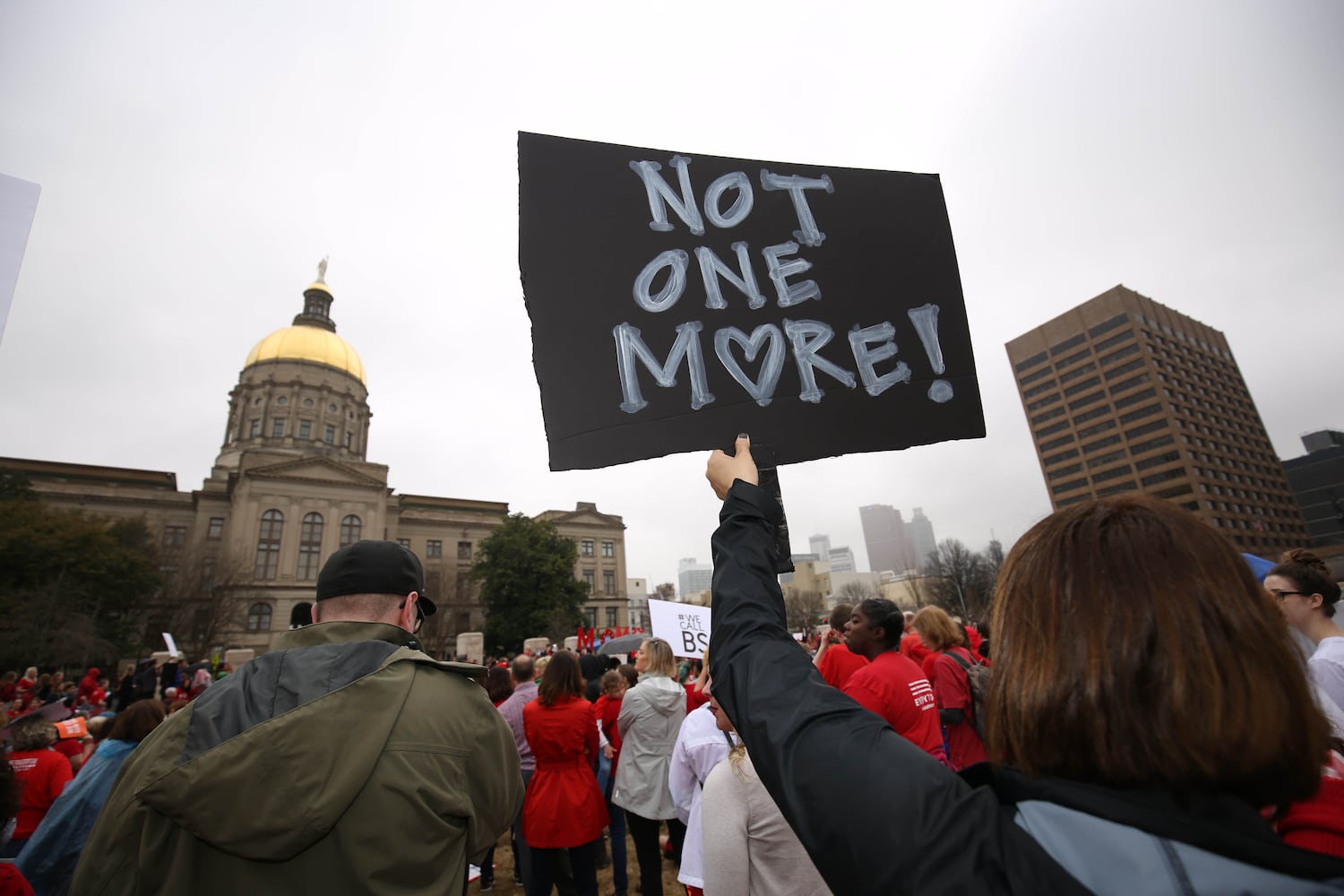
One of the most recognizable forms of expression, handheld boards are ideal for marches and rallies. Made from regular paper, poster board, cardboard, or printed materials, they are lightweight and easy to carry. Paint markers, bold fonts, and limited color palettes help increase legibility, ensuring messages are visible from a fair distance.
Double-Sided Sign

A double-sided sign capitalizes on visibility by allowing information to be read from multiple directions. This is why it’s an excellent discount sign option for protestors on a budget.
This method is particularly useful in crowded settings where onlookers approach from as many angles as possible. Some variations feature contrasting statements on each side, engaging both supporters and skeptics.
Sandwich & Poster Boards

For a hands-free approach, sandwich boards provide an effective method of carrying a message. Worn over the shoulders, these displays allow activists to move freely while ensuring their words remain front and center. They work especially well when standing in one place for long periods or walking through busy areas.
Mixed Media Posters

Some demonstrations feature artistic pieces that combine paint, fabric, LED lights, and even moving parts. These aesthetic angles grab attention, making statements more memorable. Whether using plastic elements for durability or layering different textures, mulitmedia displays turn activism into an interactive experience.
Each format serves a distinct purpose, ensuring that sentiments resonate in different environments. Up next, we’ll explore how to effectively communicate ideas through visual and textual design.
What Are the Elements of Effective Protest Signs?
The elements of effective protest signs include clear messaging, bold typography, strong contrast, and a simple layout that can be understood quickly. A focused design helps the message stay readable from a distance and more memorable to viewers.
1. Readability from a Distance
Your words should be clear enough to be read from a distance. To achieve this:
- Use large, bold letters that contrast sharply with the background.
- Stick to a limited color palette to maintain focus.
- Avoid overcrowding, too many words or graphics reduce visibility.
2. Strong, Focused Point
A concise statement is easier to remember and share. Keep it:
- Short and direct, aim for five to seven words.
- Easy to understand at a glance.
- Memorable, using humor, rhyme, or wordplay if appropriate.
3. Durable and Practical Design
If using a physical sign, ensure it lasts throughout the event:
- Choose lightweight materials that won’t strain your arms.
- Use clear packing tape or plastic covers for weather protection.
- Secure handles with hot glue or strong tape for comfort.
How Can You Use a Free Sign Maker App to Learn How to Make Protest Signs?
How to make protest signs with a free sign maker app starts with choosing a clear message, readable font, strong color contrast, and a simple layout. A free sign maker app can help you arrange text, icons, and graphics quickly while previewing how the finished protest sign will look.
When learning how to make protest signs, keep the wording short enough to read from a distance and avoid overcrowding the design. Using a free sign maker app can also make it easier to test different templates, font sizes, backgrounds, and visual elements before printing or recreating the sign on physical materials.
Can AIScreen and Protest Signs Create More Impact?
AIScreen and protest signs can work together to make messages clearer, more visible, and easier to update in fast-moving situations. A powerful display can spark conversations, shift perspectives, and capture media attention, whether it uses digital signage for real-time updates or a bold, high-contrast design.
The most effective protest signs focus on clarity, strong visual hierarchy, and easy-to-read messaging. With AIScreen, organizations can manage digital displays, update content remotely, and adapt messages quickly when circumstances change.
Ready to amplify your message? Try AIScreen free for 14 days and create dynamic, high-visibility protest signs and digital visuals designed to reach more people.


FAQs About Protest Signs
How can I make my demonstration board weather-resistant?
To protect your display from rain or wind, laminate the design or cover it with a clear plastic sheet to keep moisture away. Waterproof paint markers are a better choice than regular ink because they are less likely to run or fade. You can also reinforce the edges with hot glue or durable tape to prevent peeling and help the display hold its shape in windy conditions.
What’s the best way to transport large displays?
For oversized displays, choose materials and construction methods that make transportation easier. Flexible materials such as fabric banners or vinyl can be rolled up, while foldable boards can be collapsed and expanded again at the event. Detachable handles are another practical option because they can be removed during transport and reassembled on-site.
How do I make my text stand out in photos?
To make your text more visible in photos and media coverage, use high-contrast color combinations such as black on white or bright neon shades against darker backgrounds. Choose bold, simple fonts that remain readable from a distance, and avoid excessive details or decorative elements that may disappear or become unclear in low-resolution images.
Are digital screens allowed at public demonstrations?
This depends on local regulations. In many cities, portable LED displays and projectors are permitted, but some locations restrict their use. Always check event guidelines before bringing electronic equipment.
