
How to Set Up Chromecast Digital Signage?

To set up Chromecast digital signage, users connect the device to a display, configure Wi-Fi access, and use digital signage platforms like AIScreen to manage and deliver content. These solutions provide cloud-based content management, remote updates, scheduling, and multimedia playback, allowing businesses to control multiple screens from a centralized dashboard. With support for real-time updates and scalable deployment, Chromecast-based systems offer a cost-effective and flexible alternative to traditional signage, making them suitable for both single-screen and multi-location display networks.
In this blog, we highlight how digital signage software with Chromecast integration offers a simple, affordable, and flexible way to implement digital signage solutions in a business setting. By using cloud-based digital signage software, businesses can easily display menus, promotions, and internal messaging with minimal investment, quick setup, and centralized content management across multiple screens.
What is Chromecast Digital Signage and How Does It Work?
Chromecast digital signage is a wireless display solution that uses Google Chromecast to stream dynamic content such as videos, images, dashboards, and real-time information onto TVs and monitors via HDMI port and Wi-Fi. It enables businesses to transform standard screens into digital signage displays using cloud-based platforms, making it a cost-effective (typically under $50), scalable, and easy-to-deploy solution for retail stores, restaurants, corporate offices, and event environments.
Chromecast works by connecting to a display and receiving content through screen casting, browser casting, or digital signage applications like AIScreen, which provide cloud-based content management, scheduling, and remote updates. Users can control and update content from a centralized dashboard, allowing real-time content delivery, multi-screen management, and seamless integration across locations. This makes Chromecast digital signage a flexible alternative to traditional systems, supporting HD streaming, remote control, and network-based display management.
Why Use Google Chromecast for Digital Signage?
Google Chromecast digital signage is widely used as a cost-effective, scalable, and easy-to-deploy solution for streaming content to displays in retail stores, restaurants, corporate offices, and events. As a compact HDMI streaming device by Google, Chromecast enables wireless content casting, cloud-based content management, and real-time updates through digital signage software like AIScreen, making it ideal for businesses seeking low-cost deployment (typically $30–$50) and flexible screen control. Below are the key benefits:
- Cost-Effective Digital Signage Solution: Chromecast offers a low hardware cost (under $50) compared to traditional media players, allowing businesses to deploy multiple screens at scale with minimal investment while still supporting HD streaming and cloud-based CMS integration.
- Easy Setup and Plug-and-Play Deployment: With simple installation via HDMI, USB power, and Wi-Fi connectivity, Chromecast enables quick setup without complex infrastructure. Businesses can connect, configure, and start displaying content within minutes using web-based dashboards and mobile control.
- Flexible and Scalable Content Management: Using digital signage software like AIScreen, Chromecast supports playlist scheduling, remote updates, and centralized screen management, enabling businesses to display menus, promotions, dashboards, and real-time content across single or multi-location networks.
- Wireless Streaming and Multi-Device Compatibility: Chromecast allows screen mirroring and browser casting from laptops, smartphones, and tablets, supporting Android, iOS, and web platforms, making it a versatile solution for dynamic and interactive digital signage displays.
- Ideal for Small to Mid-Sized Businesses: Due to its affordability, ease of use, and scalability, Chromecast is best suited for SMBs, startups, and local businesses looking to implement professional digital signage without high upfront costs.
Who Should Use Chromecast Digital Signage?
Chromecast digital signage is best suited for businesses and organizations that need a cost-effective, scalable, and easy-to-manage solution for displaying dynamic content across screens. Powered by Google and compatible with cloud-based platforms like AIScreen, it enables wireless casting, remote updates, scheduling, and centralized content management, making it ideal for simple and flexible digital signage deployments.
Best Use Cases for Chromecast Digital Signage:
- Retail Stores: Display promotions, product ads, and seasonal campaigns with real-time updates
- Restaurants & Cafés: Stream digital menu boards, pricing updates, and combo offers
- Corporate Offices: Share dashboards, KPIs, announcements, and internal communications
- Event Venues & Exhibitions: Provide schedules, directions, and branded content for attendees
- Educational Institutions: Broadcast notices, class schedules, and campus updates across screens


How to Set Up Google Chromecast Digital Signage Step by Step?
To set up a digital signage solution with Google Chromecast, follow this step‑by‑step guide. A report from Deloitte noted that 68% of businesses using commercial-grade displays and signage solutions experienced increased engagement, while 45% cited measurable improvements in sales, aligning well with Chromecast’s capability to stream scheduled, real‑time updates.
Step 1: Choose the Right Screen for Chromecast Digital Signage

Choosing the right display is essential for Chromecast digital signage experience to ensure clear visuals and reliable performance. A commercial-grade screen with HD or 4K resolution, wide viewing angles, and continuous operation support helps deliver engaging content across retail, corporate, and event environments. Pairing these displays with AIScreen powerful digital signage tool software allows seamless content management, real-time updates, and scalable deployment for professional results.
Step 2: Connect with Google Chromecast Player
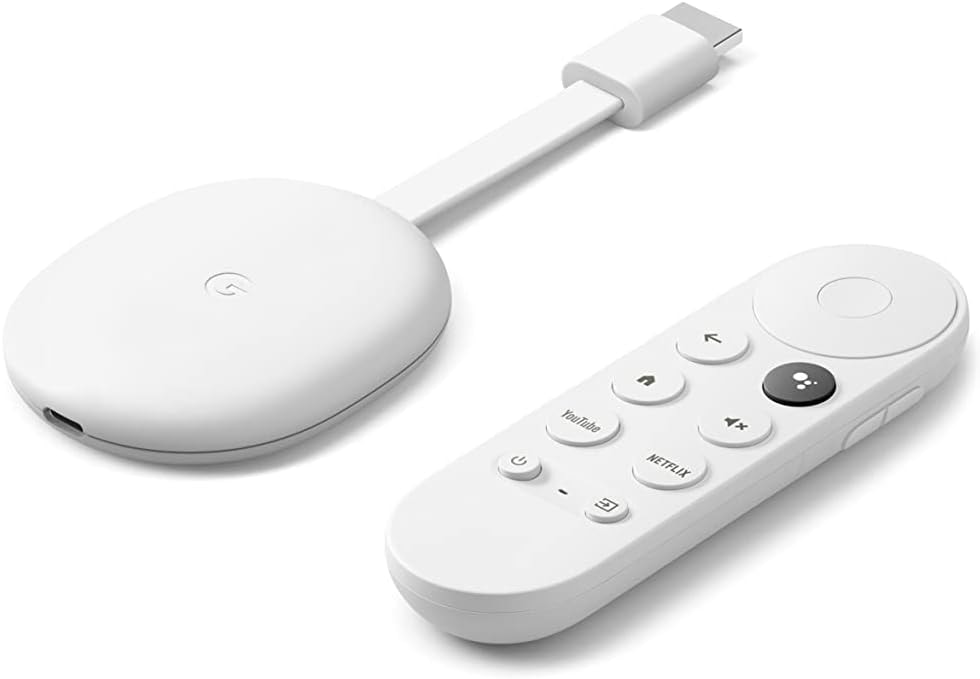
Connect with Google Chromecast Player to turn any regular TV into a smart digital signage display. By using Chromecast with Google TV, you can easily link your screen to other apps, access streaming services, and control your digital signage media players from one place. It acts as a cost-effective hardware solution that supports rich interactive content and is an energy saver in comparison to bulky traditional setups.kxaqqsdea3 sy5hy
Step 3: Install and Set Up Digital Signage Software
Install and set up digital signage software like AIScreen to transform your display into a fully functional Chromecast digital signage system. By downloading the app from your smart TV app store and connecting it to a cloud-based content management system (CMS), you can remotely manage screens, schedule content, and upload high-quality images or digital menu templates. This setup enables centralized control, real-time updates, and scalable multi-screen management, making it easy to deploy and maintain dynamic digital displays across locations.
Step 4: Create an Account in the Digital Signage Management App
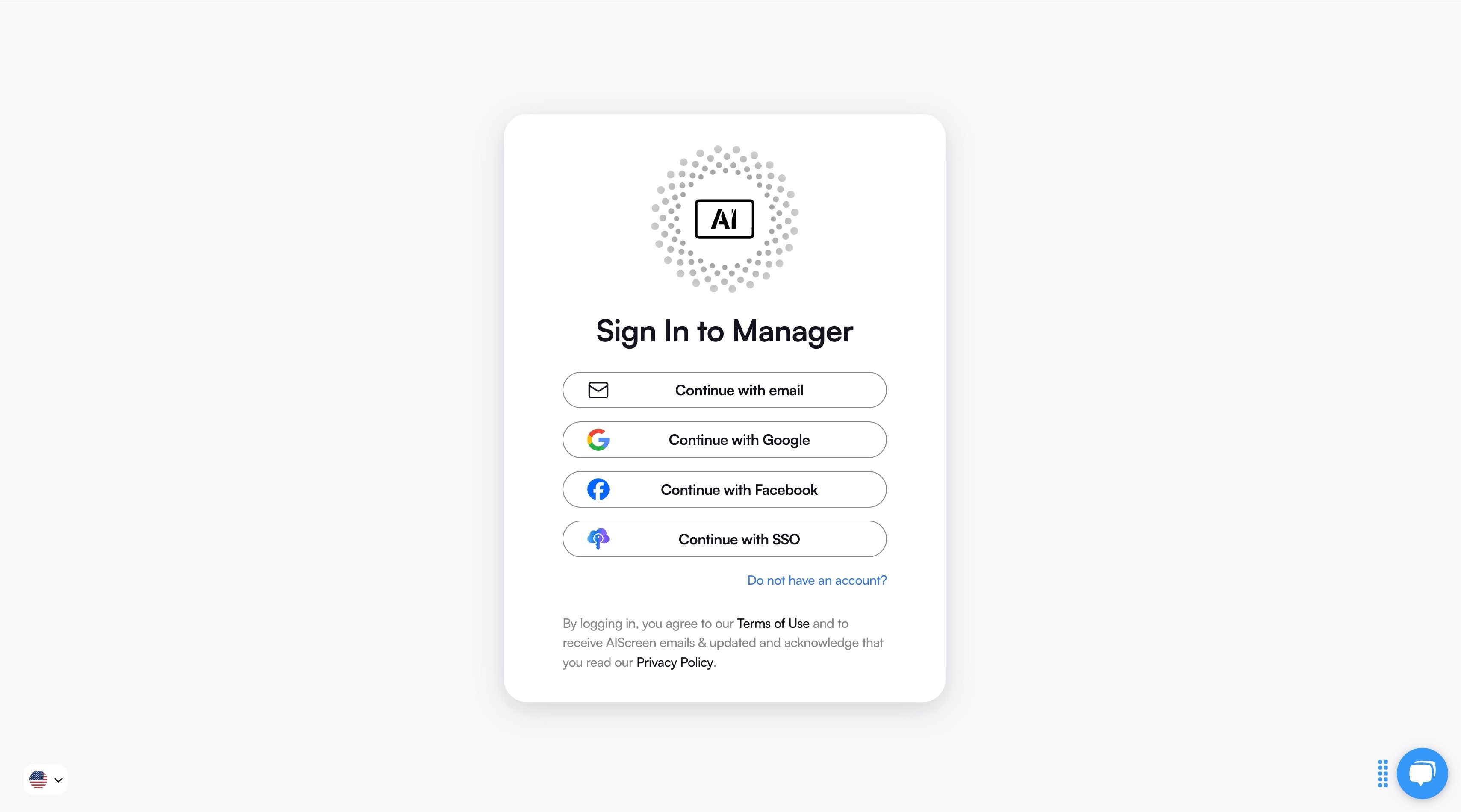
Creating an account in a digital signage content management app like AIScreen connects your screen to a cloud-based dashboard for seamless content synchronization and control. By signing up on AIScreen.io using your email or social login, you gain access to a centralized CMS where you can manage screens, schedule content, and enable real-time updates. This step ensures digital signage remote management, multi-screen scalability, and efficient digital signage operations across locations.
Step 5: Pair your Device with the Software
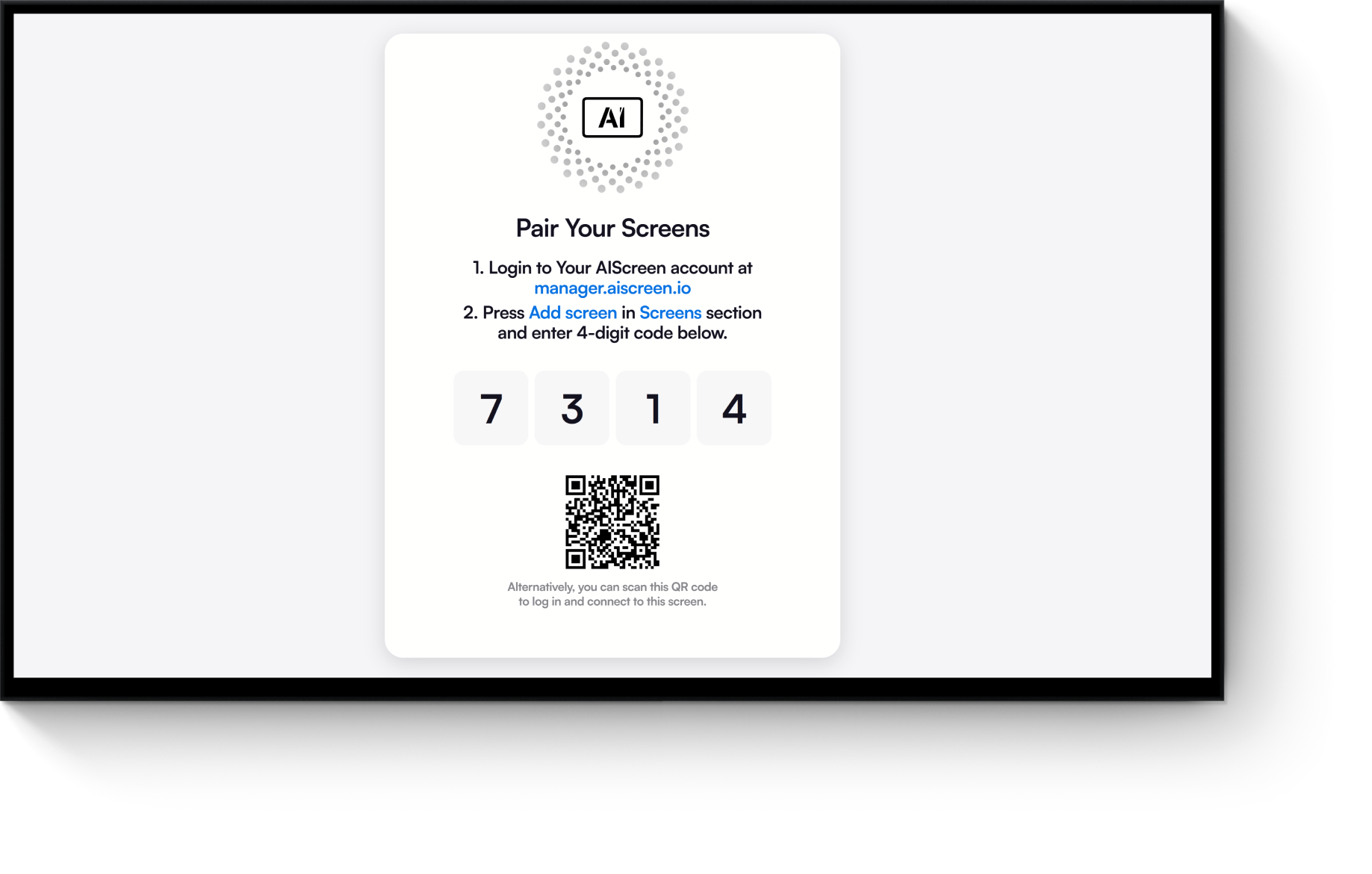
Pair your display with digital signage software like AIScreen to enable remote control and centralized content management across your Chromecast digital signage network. After logging into the cloud-based CMS dashboard, add your screen, enter the on-screen pairing code, and configure settings like screen name and orientation. This process connects your device for real-time updates, scheduling, and multi-screen management, ensuring a scalable and efficiently managed digital signage system.
Step 6: Upload or Customize your Digital Signage Template
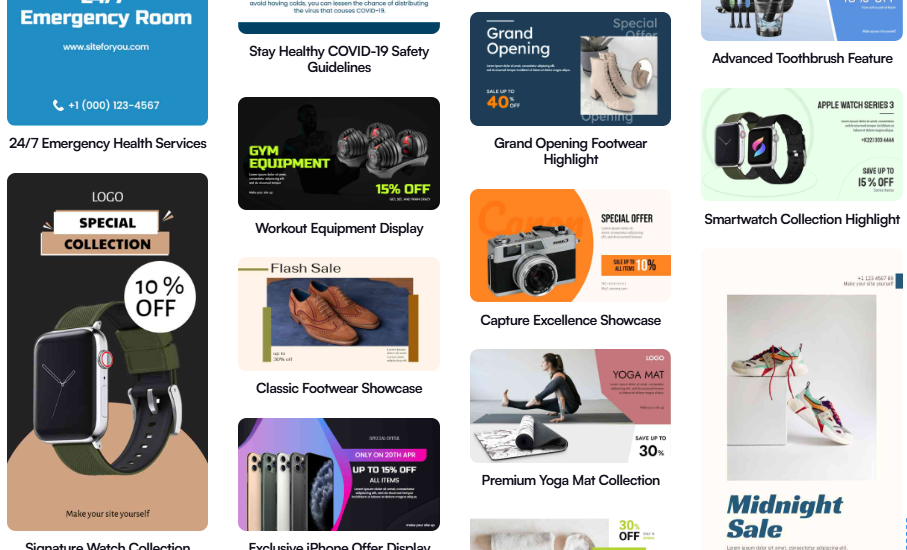
Upload or customize your digital signage templates using AIScreen’s cloud-based CMS and Canvas editor to create branded, engaging content for your Chromecast digital signage displays. Businesses can easily upload images, videos, or menus through the dashboard or design visuals with customizable load templates device configurations by adding logos, colors, fonts, and animations. This enables centralized content management, real-time updates, and visually optimized displays, helping improve audience engagement and deliver consistent branding across single or multi-screen networks.
Step 7: Set Up the Display Schedule and Launch
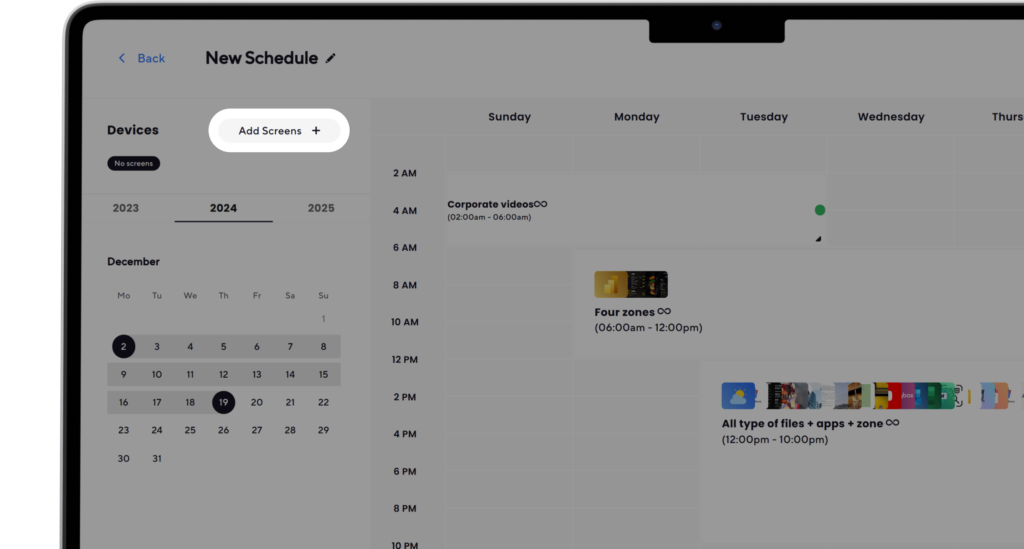
Set up content scheduling and launch your Chromecast digital signage using AIScreen’s cloud-based CMS to automate when and how content appears on screens. By creating playlists, assigning time slots, and scheduling content like menus, promotions, or announcements, businesses can deliver time-based, high-resolution displays that update automatically throughout the day. This enables centralized control, real-time automation, and performance optimization, allowing seamless content transitions across breakfast, lunch, and dinner or event-based campaigns without manual intervention.
How Does Chromecast Digital Signage Compare to Chromebook-Based Digital Signage Setup?
While Chromecast digital signage offers a cost-effective and wireless casting solution, using a Chromebook provides a more browser-based, always-on system for managing digital displays. Businesses can leverage cloud-based content management platforms like AIScreen on Chromebooks to run dashboards, web apps, and scheduled content with enhanced stability and control. Explore how to set up digital signage with a Chromebook to understand how Chromebook-based systems support scalable, secure, and centrally managed digital signage networks across multiple locations.
Setting Up Digital Signage Using Google Chromecast with AIScreen Digital Signage
Setting up digital signage using Google Chromecast with AIScreen digital signage is a smart, modern solution for any business that wants to turn any screen into a powerful communication tool. By using a Chromecast device connected to a smart TV or Chromecast-connected screen, you can easily manage and schedule content using AIScreen’s digital signage software. Whether it’s for a welcome screen, promotional signage, or menu boards, this setup is quick and reliable.
All you need to do is plug the Chromecast into your display, install the AIScreen player app from the Google Play Store, and control everything from your mobile device, Chrome browser, or even your Google Home app. It’s that simple. Try our 14-day free plan to see how well AIScreen’s signage solution works in any environment, corporate offices, retail, or events.
Frequently Asked Questions
Which digital signage apps work with Google Chromecast?
Digital signage apps work with Google Chromecast when they support casting or offer a player app through the Google Play Store. AIScreen is optimized for Chromecast with Google TV, making it a seamless solution to display content directly on your TV for digital signage.
Is Chromecast good for small business digital signage?
Yes, Chromecast is good for small business digital signage because it’s affordable, easy to set up, and requires minimal hardware. It works well with digital signage software like AIScreen, helping small businesses schedule content and manage screens through a simple mobile device or laptop.
Do I need the internet to use Chromecast for digital signage?
Yes, you need the internet to use Chromecast for digital signage during setup and software updates, but once the content is downloaded, some apps can play media offline. AIScreen supports offline playback after you install content, ensuring reliable display without constant connectivity.
How secure is digital signage with Google Chromecast?
Digital signage with Google Chromecast is secure when you log into trusted apps, use account protection, and follow software update protocols. AIScreen’s integration adds another layer of control, allowing you to manage and auto launch your content securely from your Chrome browser or Google Home app.
How do I troubleshoot Chromecast digital signage issues?
To troubleshoot Chromecast digital signage issues, ensure your power cable and power adapter are working, check for the latest version of your app, and reconnect your Chromecast device via the Google Home app. You can also reboot the device and re-install the AIScreen player app if needed.
