
What Is Visual Merchandising in Retail?
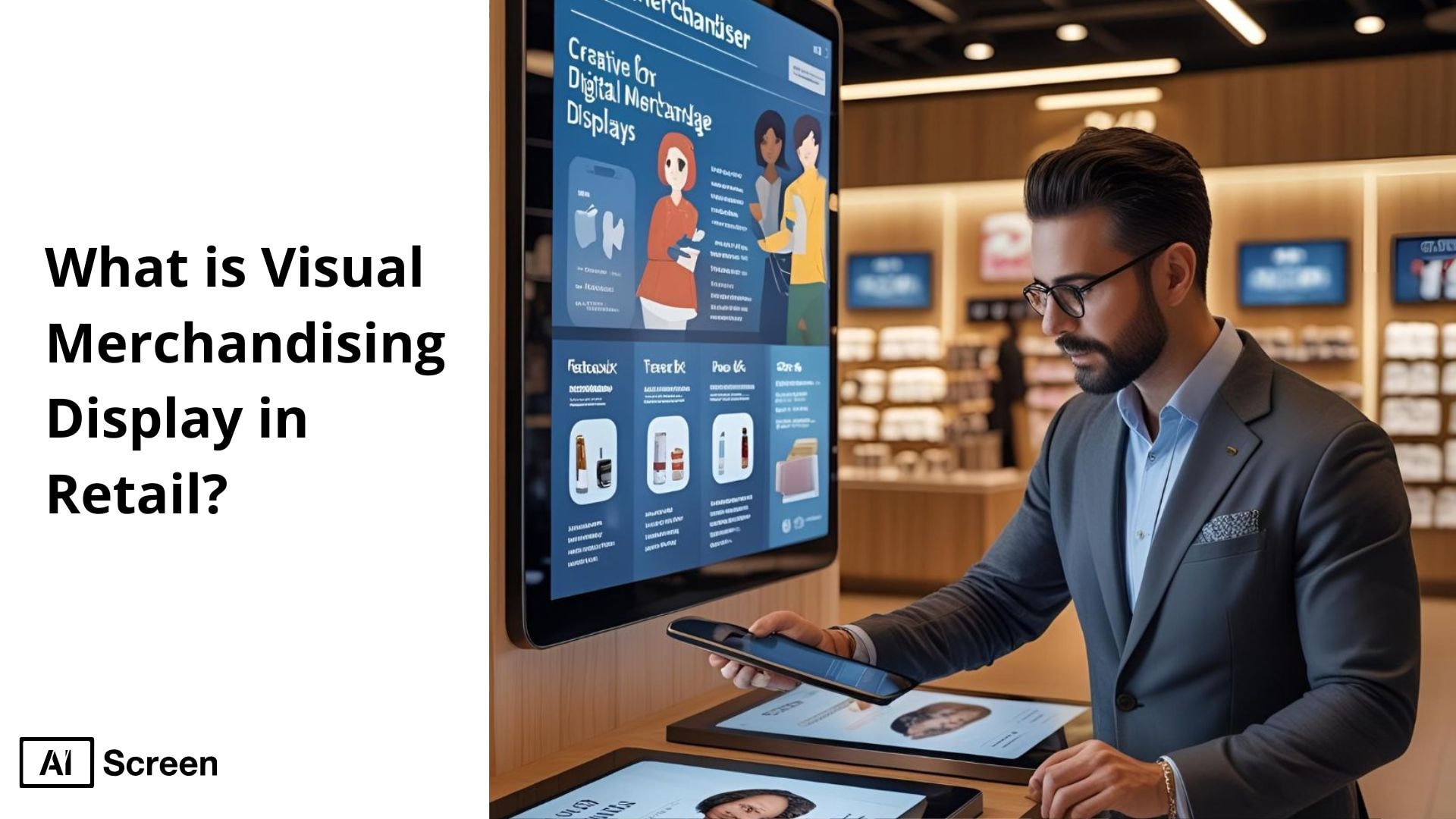
Visual merchandising display in retail is the strategic presentation of products using digital signage to influence consumer behavior and elevate brand identity. This process combines digital screens, motion graphics, and multimedia content to enhance physical or digital environments within a retail store. In today’s competitive market, creating effective visual merchandising strategies is key to attracting more customers and helps to increase sales., and encouraging brand loyalty. According to Research Gate, stores using digital displays for visual merchandising see up to a 32% increase in customer engagement and impulse purchases.
This article explores what visual merchandising is, its benefits of visual merchandising in digital signage, the types of visual merchandising displays, best visual merchandising tips to enhance display windows can encourage customers to engage more, and why visual merchandisers are crucial. in both physical and digital spaces. Whether you’re designing seasonal displays or interactive installations, you’ll gain practical insights tailored to the evolving retail industry.
What is Visual Merchandising?
Visual merchandising is the practice of designing product displays in a way that attracts customers and encourages them to explore or make a purchase. It encompasses the layout of a retail space, including store design, interior displays, window displays., product arrangements, and lighting to ensure a visually appealing and cohesive experience. According to Harvard Business Review, emotionally engaging displays can increase dwell time by up to 70%, directly influencing buying behavior.
Digital signage enhances traditional visual merchandising by integrating moving images, sound, and interactive features that boost customer engagement. In physical stores, interactive displays, informed by customer data, and in-store signage help retailers promote their merchandise dynamically.. In digital environments, the same visual elements apply; engaging visuals and consistent branding improve user experience and reinforce a brand’s image.
What are the Benefits of Visual Merchandising in Retail Digital Signage Industry?
The benefits of visual merchandising in the retail digital signage industry revolve around improving customer experience and driving stronger sales outcomes. Digital signage helps retailers create eye-catching, informative displays that attract attention and influence buying behavior. According to Nielsen, 4 out of 5 brands saw a significant increase of up to 33% in additional sales when using digital signage to highlight promotions and product features.
By integrating visuals with real-time content, brands can engage shoppers more effectively at every stage of their journey. These benefits extend across both large retail chains and small format stores alike.
- Improve Customer Experience: Digital displays enhance store ambiance and guide shoppers with interactive, helpful visuals, making the journey smoother and more enjoyable.
- Help to Grow Brand Visibility: Digital signage reinforces brand identity consistently across all retail locations using vibrant, recognizable content.
- Higher Sales: Promotions, bundles, and upsells are easier to spotlight on screens, leading to increased product visibility and faster purchasing decisions.
- Real-Time Content Updates: Instantly update offers, pricing, or product details without reprinting materials, ideal for fast-moving inventory or limited-time deals.
What are the Types of Visual Merchandising Screens in Retail?
There are different types of visual merchandising screens in retail, and each serves a unique purpose in attracting, engaging, and converting customers. From storefront displays to in-store kiosks, these in-store displays’ digital signage solutions enhance the physical retail space by delivering dynamic, targeted content that influences consumer behavior.
Retailers use these screen types to align visual strategy with store layout, inventory placement, and brand storytelling. According to a report by Digital Signage Today, 68% of customers say digital signage makes them more likely to buy advertised products, contributing directly to higher retail sales.
Visual merchandising window displays can take many forms in a retail environment, from eye catching window displays like attention-grabbing storefront screens to interactive product kiosks. Each type plays a unique role in shaping the customer experience.
Retail Window Screens
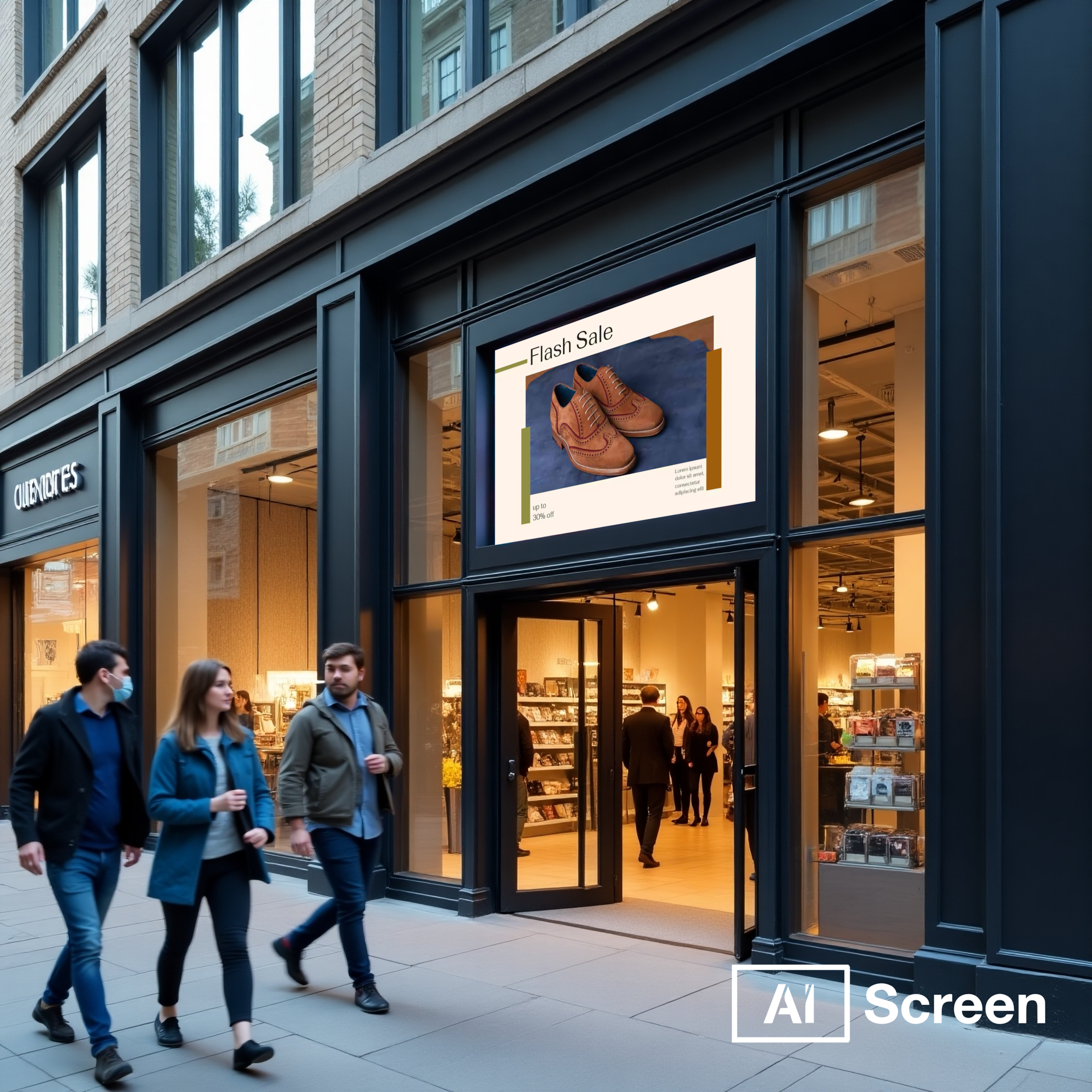
Retail window screens play a vital role in drawing attention from passersby and attracting customers by encouraging walk-ins. Positioned at the storefront, these digital displays showcase eye-catching visuals like promotions, new arrivals, or brand storytelling content. By combining motion graphics with bold design, window screens transform traditional display windows into interactive brand touchpoints. They not only help entice customers to step inside but also create a lasting first impression of the retail space.
Interactive Store Displays
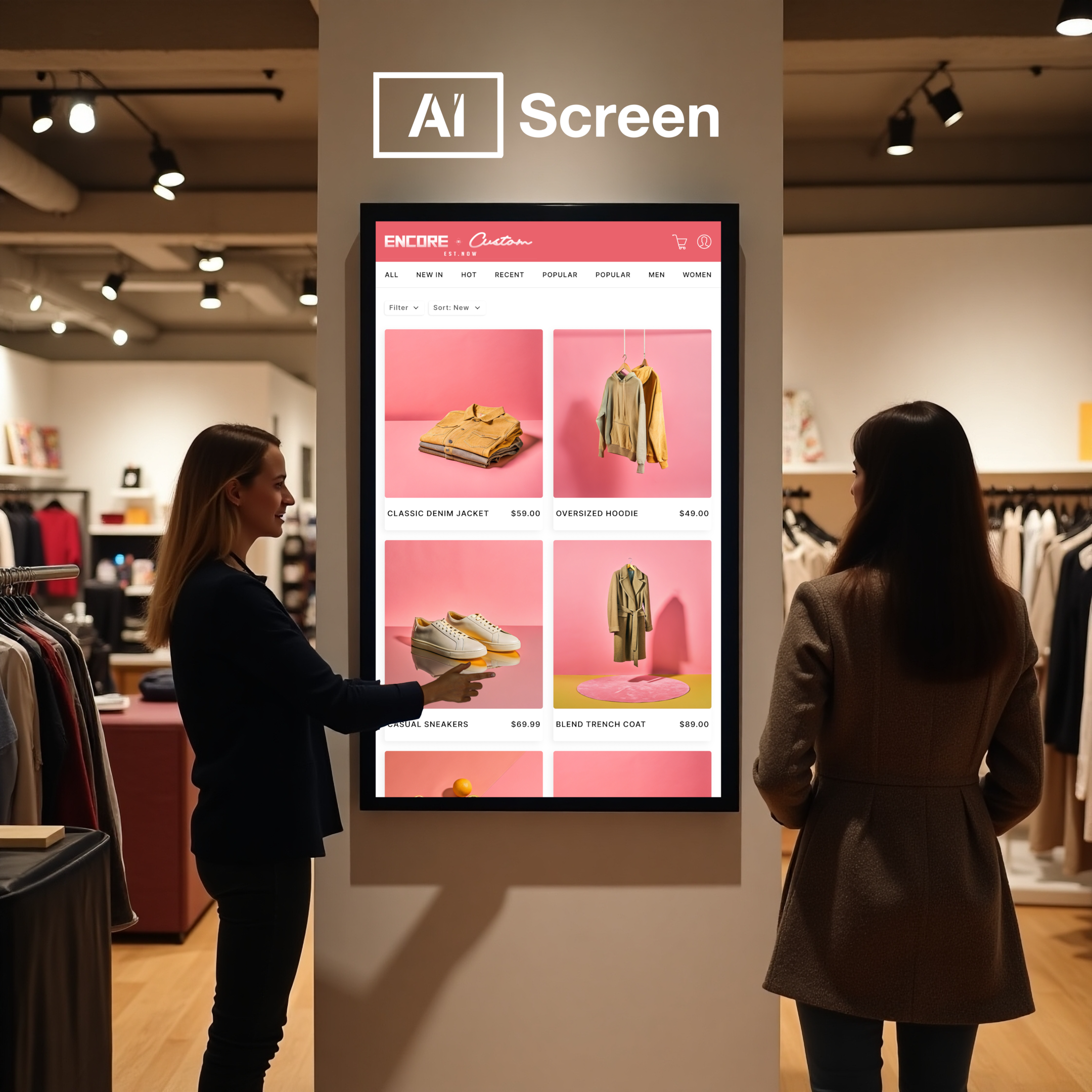
Interactive store displays allow customers to actively engage customers directly with products, creating a personalized shopping experience inspired by trends from fashion and design schools. . From touchscreen kiosks that offer virtual try-ons in fashion retail to product customizers in electronics stores, these interactive store displays make shopping both informative and fun. Interactive installations boost customer engagement by turning the store into a space of discovery. They also support product education, leading to higher satisfaction and conversion rates.
Checkout Screens
Checkout screens are strategically placed to influence the target market’s last-minute buying decisions while customers wait in line or prepare to pay. These displays often promote accessories, limited-time offers, or bundled deals with prompts like “Did you forget your accessories?” or “Add a gift for just ₹99 more.” This subtle upselling technique can significantly boost the average transaction value. Moreover, checkout screens enhance the overall shopping experience by keeping customers informed and entertained during wait times.
Outdoor Digital Signage
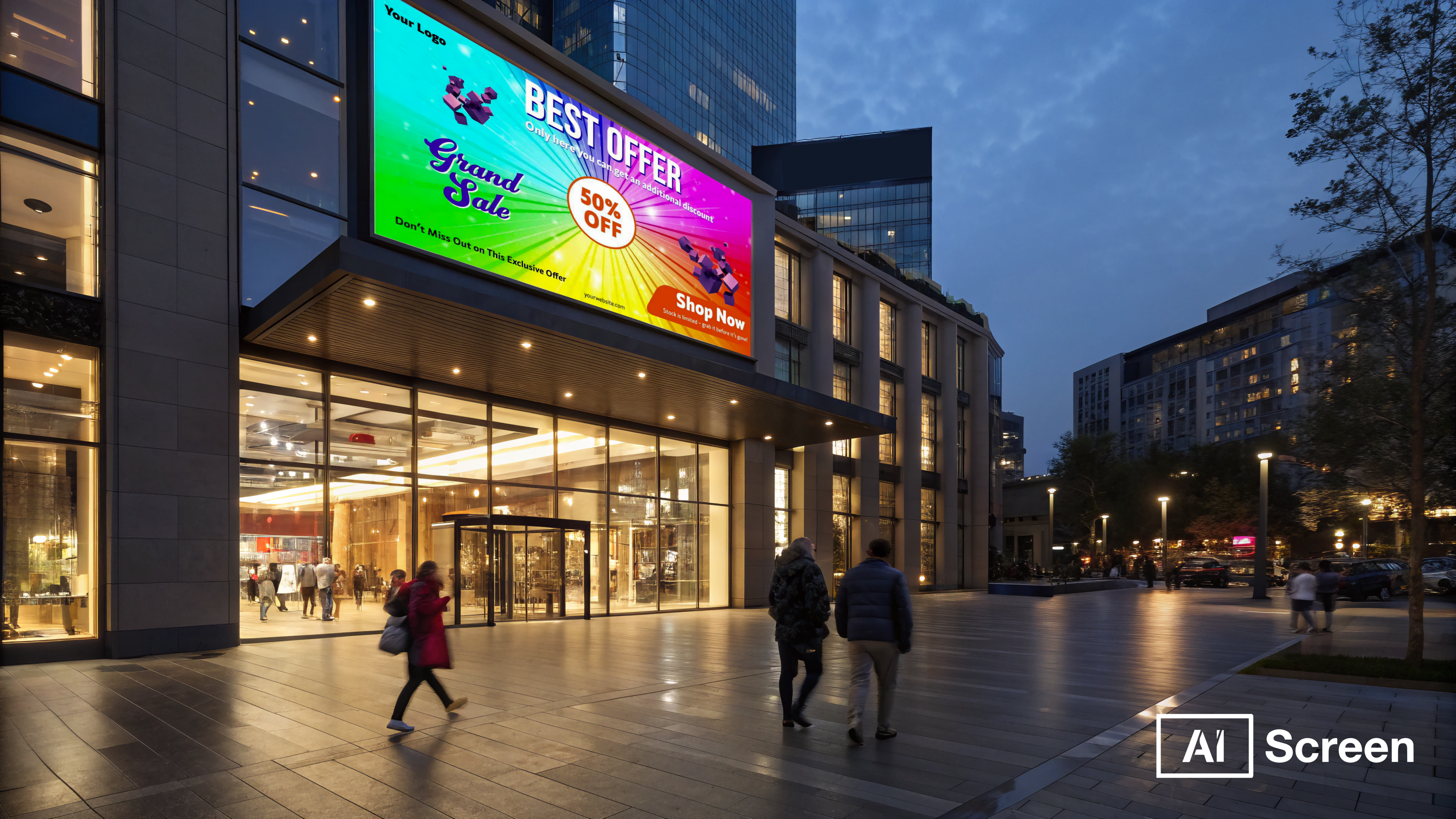
Outdoor digital signage is used to grab the attention of people outside the store, even from a distance, along with other physical components. These outdoor digital signage displays are designed to attract customers and include large LED billboards, window-mounted screens, or wall displays showcasing high-impact content like sales, events, or brand messages. Strategically placed near high-traffic areas, outdoor signage drives brand visibility and increases footfall. Retailers who use these displays effectively can reach a broader audience and convert passing interest into in-store visits.
Seasonal Displays for Stores
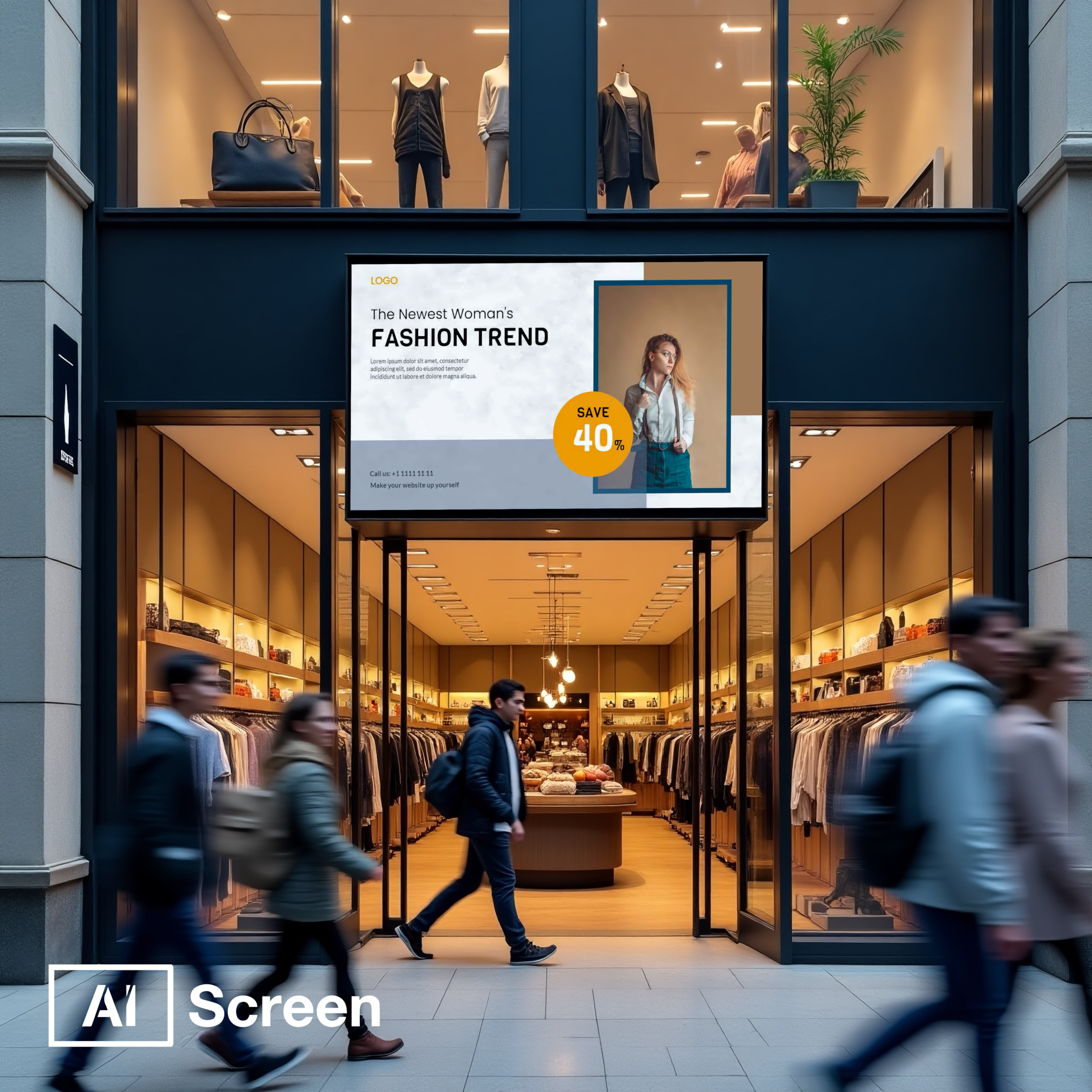
Seasonal displays for stores add festive flair and timely relevance to retail marketing campaigns. Using digital signage, retailers can quickly update visuals to match the current season, be it winter sales, Diwali offers, or Christmas promotions. These animated or themed visuals capture attention, stir emotions, and create interest and urgency around time-sensitive deals. Seasonal digital displays help retailers stay fresh, relevant, and top-of-mind during peak shopping periods.
What are the Best Tips for Visual Merchandising?
The best tips for visual merchandising focus on creating visually appealing and strategically organized retail environments that attract customers and drive sales. When applied through digital signage, these techniques amplify engagement by combining design principles with real-time content updates.
According to Adobe, 66% of customers say content that is beautifully designed is more important than something simply plain and functional. A well-executed visual merchandising strategy reflects evolving visual merchandising trends, influencing customer behavior, reinforcing brand identity, and improving the overall shopping experience. Let’s discuss the best tips for visual merchandising below:
Engage All Five Senses
Engaging all five senses through digital signage helps retailers, alongside interior design agencies, create a more immersive and memorable shopping experience. While sight is the primary focus of visual merchandising, sound effects, touch-enabled screens, and even scent diffusers can deepen emotional connections. For instance, interactive displays that play soft background music or product-related audio can enhance product storytelling. These multi-sensory setups enrich the retail environment and make the store more engaging for the customer.
Choose Effective Color Palettes
Choosing effective color palettes plays a vital role in influencing customer psychology and behavior within a store design retail space. Red is commonly used to create urgency, making it ideal for promotions or clearance sales, while green evokes calmness and suits eco-friendly messaging. By aligning color choices with brand identity and campaign goals, retailers can guide how customers feel as they navigate the store. Digital signage allows for flexible color integration across seasonal themes and product categories.
Embrace the Use of White Space
Embracing the use of white space ensures that visual merchandising displays align with store layout to remain clean, focused, and easy to digest. In digital signage, minimalistic layouts help products or messages stand out without overwhelming the viewer. This strategy enhances readability and allows the most important elements to grab attention instantly. Retailers who adopt white space effectively make their visual content more impactful and professional, improving both customer perception and brand clarity.
Let the Product Speak for Itself
Letting the product speak for itself means using digital displays to showcase the item in action, highlighting its core features and real-world use. Retailers can play videos, loop animations, or display rotating 3D visuals to demonstrate how the product works. This approach helps customers visualize ownership and encourages them to make quicker purchase decisions. It’s especially effective for apparel, electronics, or beauty products where function and presentation matter equally.
Use Lighting Strategically
Using lighting strategically in digital signage, tailored for the target customer, enhances mood, draws focus, and elevates the retail atmosphere. Dynamic lighting effects, such as subtle glows or timed brightness changes, can help guide attention to featured products or promotional zones. Retailers often sync lighting with visual content to create seamless transitions and storytelling. Whether backlighting a display window or spotlighting a new arrival, smart lighting amplifies customer engagement and store aesthetics.
Apply the Rule of Three
Applying the rule of three in visual merchandising means grouping items in threes to create balance, rhythm, and stronger visual impact. This principle is one of the most effective merchandising efforts in retail management design tips. for creating harmony in digital displays, as it simplifies choices and makes product pairings more appealing. For example, a dress, shoes, and a handbag shown together form a complete look that inspires purchase. The odd-numbered grouping naturally draws the eye and helps customers quickly understand how items work together.
Cluster Similar Products Together
Clustering similar products together helps customers discover related items and encourages upselling or bundling. Digital signage can display curated collections like “Complete Your Look” or “Essentials for the Season” to guide shopper decisions. Showing accessories, footwear, or cosmetics next to primary products creates a logical flow. It also helps maximize shelf space while delivering a personalized shopping experience based on complementary purchases.
Create a Cohesive Store Experience
Creating a cohesive store experience means ensuring that digital signage content aligns with your visual merchandising and store’s overall design and branding. From color schemes to font choices and messaging tone, consistency builds trust and reinforces the brand’s identity. When digital screens blend seamlessly with lighting, music, and in-store decor, the entire environment feels intentional and immersive. This harmony supports stronger brand recall and keeps customers engaged throughout their visit.
Highlight Special Promotions
Highlighting special promotions through digital signage, in line with industry trends, captures shopper attention and drives urgency to act. Retailers can use countdown timers, animated badges, or flashing banners to spotlight limited-time deals. These time-sensitive visuals help increase foot traffic to certain areas and boost impulse buying. When placed strategically, like at entry points or near checkout, these promotions can attract prospective customers and significantly elevate overall retail sales performance.
Should You Hire a Visual Merchandiser for In-Store Digital Signage?
Hiring a visual merchandiser for in-store digital signage can be a smart investment for retailers looking to improve store aesthetics, optimize space, and boost sales. A professional merchandiser brings design expertise, creative strategy, and a fresh perspective to enhance both digital and physical displays. However, this expertise comes at a cost. According to ZipRecruiter, the average hourly rate for a freelance visual merchandiser is $21.59, but fees can reach $100 or more depending on experience and project scope.
To determine whether hiring a visual merchandiser is right for your retail store business, assess your current situation carefully. Are sales stagnant or declining? Does your store look outdated, cluttered, or lack a cohesive theme? Are you struggling to use your floor space efficiently or maintain a premium brand image?
If you or your team lack the skills to execute effective visual merchandising or your product range is too broad to manage in-house, professional support may be worth the investment. Be sure to weigh the potential benefits against your budget and business goals before making a decision.
Get Started with Visual Merchandising with AIScreen’s Digital Signage
Get started with visual merchandising with AIScreen’s digital signage and bring your retail displays to life with dynamic, engaging content. Our platform offers a powerful suite of tools that let you showcase products, create seasonal promotions, and guide customers through your store using high-impact digital visuals. Whether you’re enhancing your window displays or integrating interactive elements in-store, AIScreen helps you design experiences that attract and convert more customers. According to Forbes, 82% of consumers have made a purchase decision inside a store because of digital content on a screen.
Get started with AIScreen’s free trial today and see how easy it is to implement professional visual merchandising strategies. From drag-and-drop templates to real-time content updates, our solution is built for retail businesses that want to stand out. Contact our team to explore custom options tailored to your brand’s needs and turn your retail environment into a visually cohesive and sales-driven space.


Frequently Asked Questions
How does visual merchandising enhance digital signage in retail?
Visual merchandising enhances digital signage in retail by blending creative design with dynamic digital elements to influence customer behavior. Through motion graphics, interactive features, and targeted promotions, stores can attract more customers. It helps create immersive experiences within both physical and digital spaces. As a result, retailers see increased foot traffic and improved conversion rates.
What role does digital signage play in visual merchandising?
Digital signage plays the role of a powerful tool in visual merchandising by amplifying visual impact and brand storytelling. It enables real-time content updates, customized messaging, and engaging product showcases. By combining rich media with smart placement for the target market, it enhances the in-store journey. Digital signage transforms static displays into dynamic visual experiences that drive sales.
What are the key elements of visual merchandising in digital signage?
The key elements of visual merchandising in digital signage include store layout, lighting design, digital displays, and cohesive color palettes. These visual components work together to guide customer flow and focus attention on featured products. Product grouping and digital storytelling help reinforce the brand’s message. A balanced and strategic approach creates effective visual merchandising across the entire store.
How can retailers use digital signage to tell their brand story through visual merchandising?
Retailers can use digital signage to tell their brand story through visual merchandising by integrating brand values into visual content. Animated graphics, lifestyle videos, and themed campaigns communicate the brand’s personality. Consistent messaging across all digital displays and promoted through industry websites reinforces brand recognition. This approach creates a cohesive narrative that engages customers across various touchpoints.
What are the challenges in implementing visual merchandising with digital signage in retail?
The challenges in implementing visual merchandising with digital signage in retail include aligning visual design with store aesthetics and brand guidelines. Retailers must ensure consistent experiences across multiple locations and screen types. Budget constraints, content creation workload, and staff training are additional barriers. Overcoming these challenges requires planning, technical support, and creative expertise.
