
Immersive Retail: Transforming Shopping Into an Experience
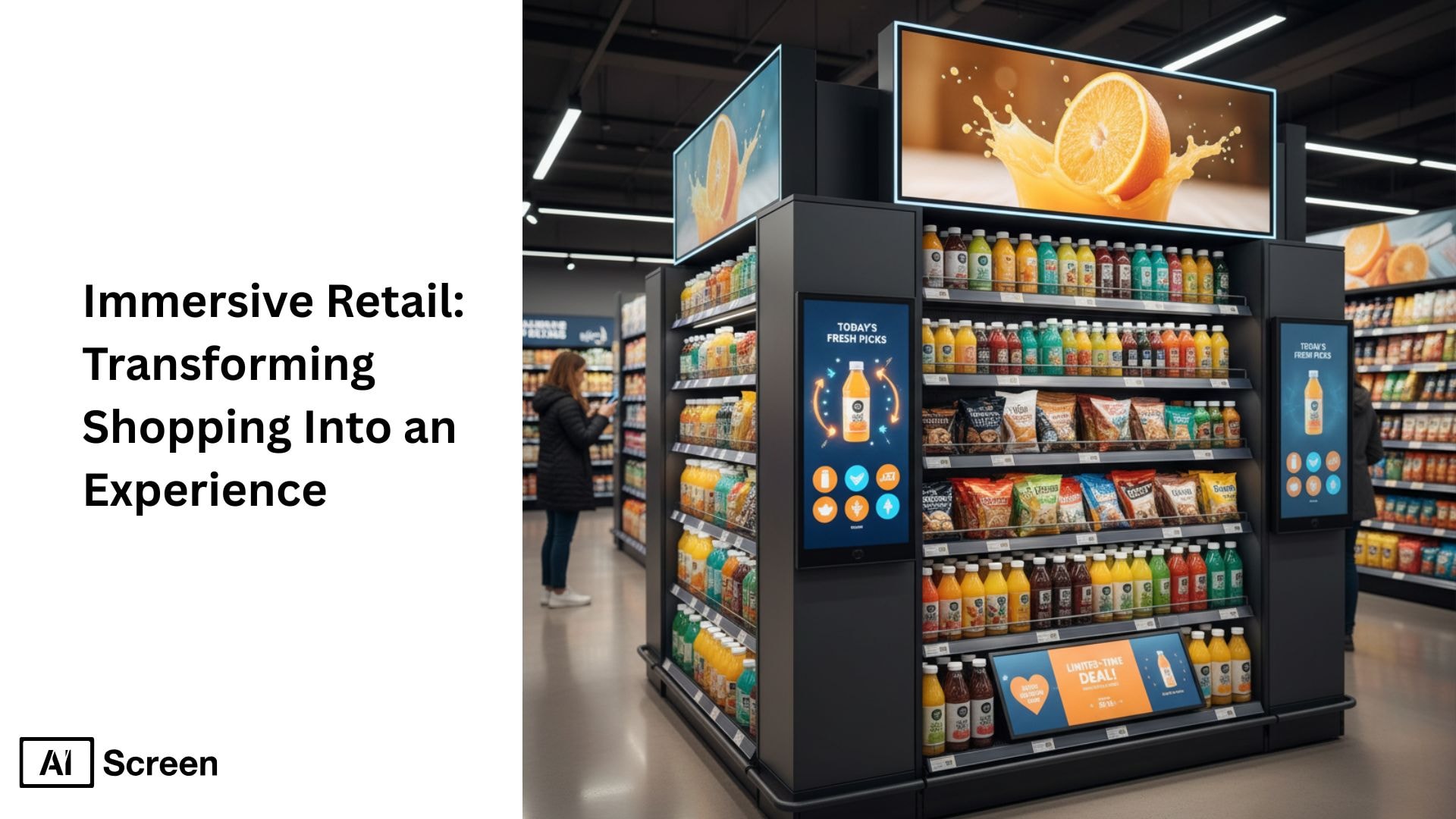
Immersive retail is reshaping the shopping journey by seamlessly combining virtual environments with the physical and digital worlds into dynamic, multi-sensory experiences. Most people don’t realize how far this approach moves beyond traditional product displays to deliver interactive, emotionally resonant experiences that boost retail sales and strengthen customer loyalty. According to Retail Dive, stores that implement immersive retail experiences see up to a 30% increase in dwell time.
This article explores how retailers can leverage immersive retail experiences to enhance in-store shopping, strengthen brand loyalty, and deliver differentiated experiences, ultimately improving customer experience. By integrating immersive technologies and creating engaging environments, businesses can turn their stores into memorable destinations that foster customer satisfaction and improve operational efficiency.
What Is Immersive Retail?
Immersive retail is all about turning a simple shopping trip into a rich, multi-sensory experience that taps into sight, sound, touch, and even smell. Imagine stepping into a store where gentle music sets the mood, subtle scents draw you in, and interactive displays make every corner feel alive.
Instead of just browsing shelves, customers become part of a dynamic environment where retail digital signage and personalized elements create moments they’ll remember. According to Deloitte, 62% of shoppers prefer stores that offer this kind of engaging, multi-sensory experience, showing how powerful it can be in today’s retail world.
This approach goes far beyond traditional retail by blending smart technology with sensory cues to create an emotional connection. Let’s say a boutique adds virtual fitting rooms or an electronics store uses interactive screens to let customers explore product features in real time.
These elements encourage longer visits, spark curiosity, and build genuine brand loyalty. By making shopping feel personal and memorable, immersive retail gives brick-and-mortar stores a clear edge over online shopping while driving repeat visits and stronger customer relationships.
How Can Immersive Retail Transform Shopping Into an Experience?
Immersive retail transforms the way customers experience stores by creating engaging environments that combine physical spaces with digital interactions. According to Nielsen, 68% of shoppers say engaging displays influence their purchasing decisions. Most people don’t realize that blending interactive displays, video walls, and immersive technologies can extend the shopping journey beyond simply browsing products.
This approach increases foot traffic, encourages customer interactions, and allows retailers to collect valuable customer data on preferences, making data-driven personalization possible.
Using All of the Human Senses in Retail Experiences
Modern immersive retail experiences engage all five senses to create a fully captivating shopping journey. Retailers increasingly use new technologies such as sight, sound, touch, smell, and even taste to craft environments where luxury brands are connected and customers feel immersed. Visual elements like video projections on floors, digital screens, and hologram retail display installations enhance product presentation, while ambient sounds and scent marketing influence mood and behavior.
Interactive touchpoints, such as gesture-controlled displays or tactile product demos, encourage customers to interact, creating deeper engagement and longer in-store shopping times. According to Forrester, stores incorporating AR or VR technologies increase customer engagement by 35%, helping them compete against shopping online.
Let’s take an example: using scent and sound in combination with digital signage can guide customers through product zones, enhancing recall and brand perception. By layering these sensory cues with immersive tech, personalized recommendations, and interactive displays, retailers can make every visit memorable and emotionally resonant.
This approach not only improves customer experience but also strengthens customer loyalty, adapting to changing consumer expectations and making the shopping journey more than a transaction.
Crafting Digital Magic in Your Own Store
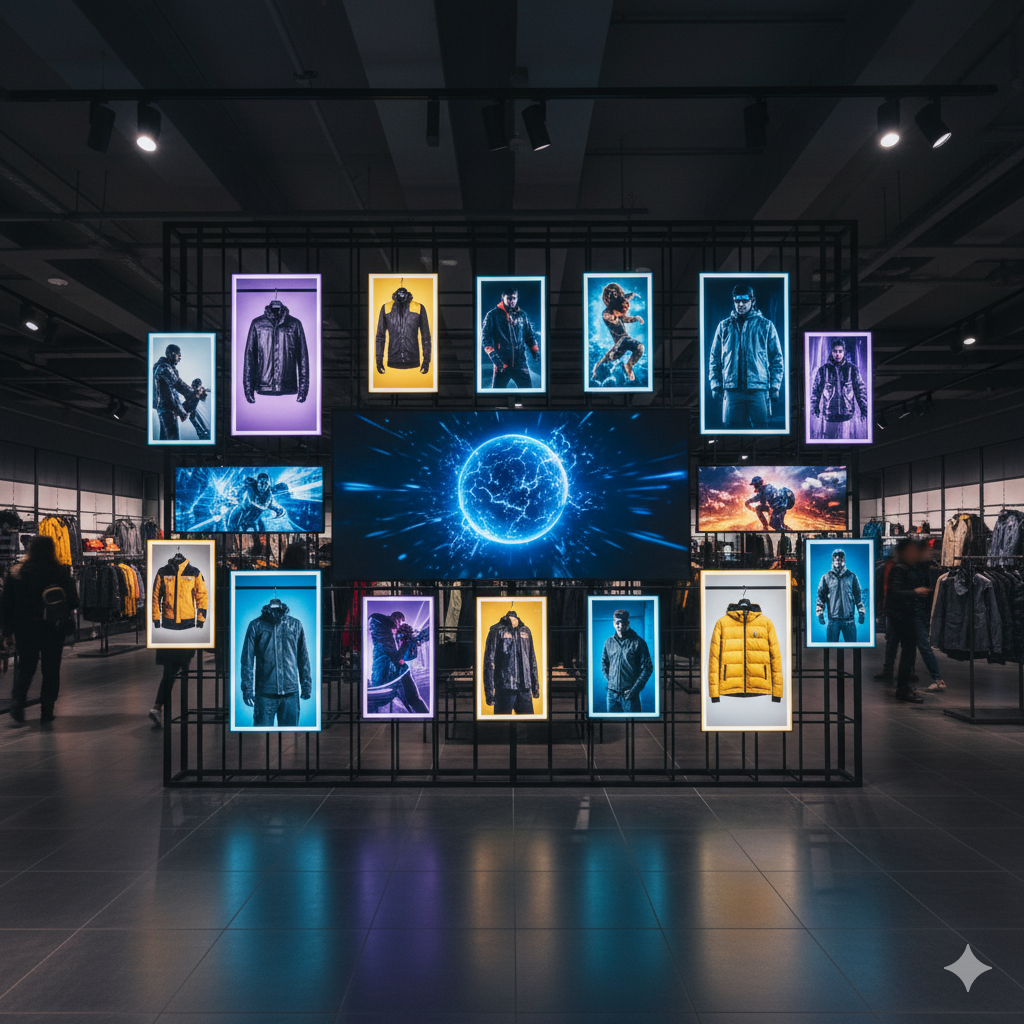
Digital signage is at the heart of immersive retail, transforming shopping into an experience, allowing stores to create a dynamic and adaptable atmosphere. High-end fashion boutiques and eco-conscious skincare outlets are using interactive screens and digital menus as part of technological advancements to showcase collections, run promotions, and deliver real-time content. According to PwC, 73% of consumers report being more likely to return to a store that offers an immersive experience.
Video walls and motion-activated displays help stores communicate brand stories, educate customers, and showcase products in a visually compelling way. Imagine this: a skincare boutique using a digital wall to demonstrate product ingredients and benefits, creating an engaging shopping experience that is also highly informative.

For example, stores can combine interactive content with personalized recommendations powered by AI-driven immersive technologies to make shopping both seamless and memorable, similar to features found in mobile apps. GIFs and visuals, like those used in fashion and lifestyle retail, help demonstrate products in action, turning passive browsing into active customer interactions.
The immersive digital menus tech elevates the store environment, strengthens brand loyalty, and ensures every touchpoint along the customer journey contributes to lasting impressions while respecting data protection.
Making a Mark in Big Box Stores
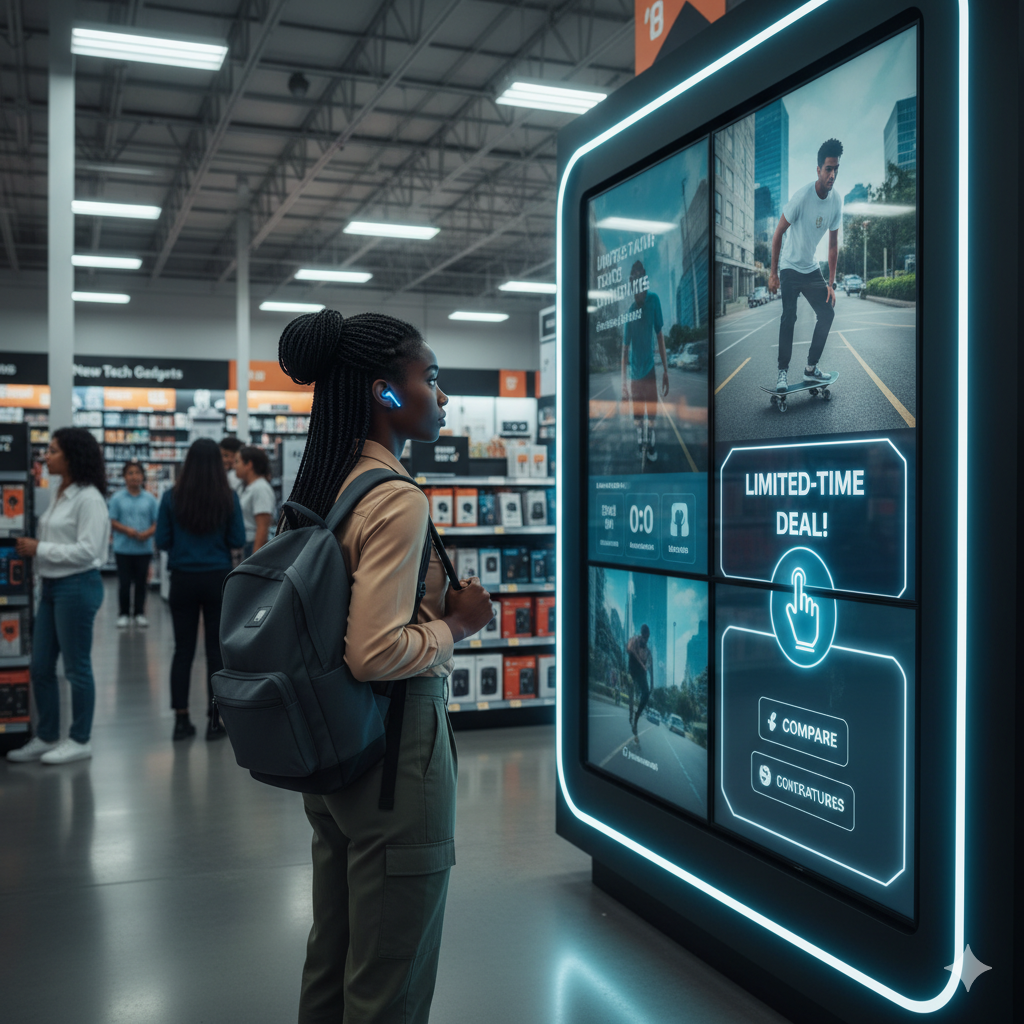
Big box retailers are increasingly adopting immersive retail experiences to differentiate from traditional stores and boost retail sales, essentially transforming stores into experiential hubs. Interactive displays in electronics or home appliance sections allow customers to explore product features through video content, touchscreens, or virtual demonstrations. According to Grand View Research, the global immersive retail market is expected to grow at a CAGR of 24% between 2023 and 2030.
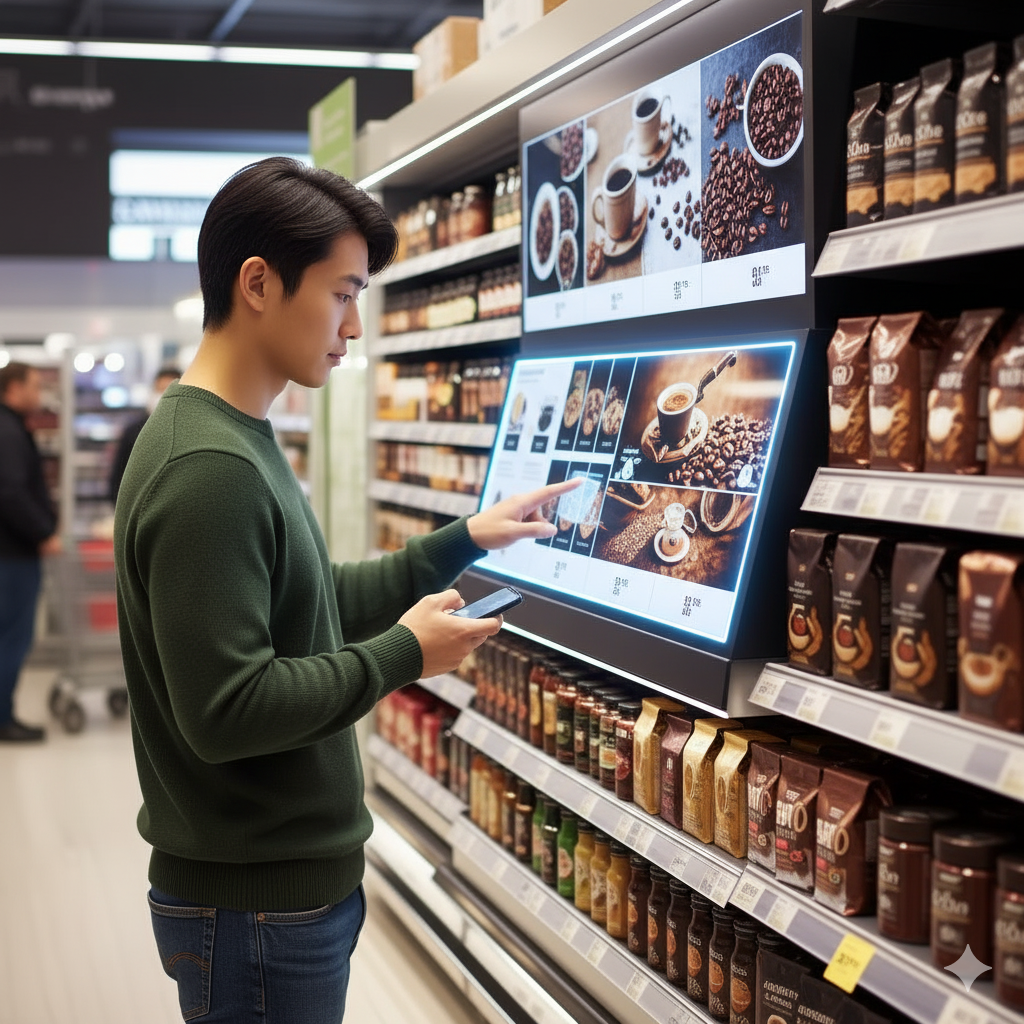
For instance, electronics departments can provide real-time product comparisons, personalized settings, and digital guides to enhance customer experience and improve decision-making. Customers can visualize furniture and interact more meaningfully with products, increasing the likelihood of purchase and promoting informed decisions during in-store shopping.
By leveraging immersive retail technologies alongside interactive displays, big box stores can create a seamless shopping experience that incorporates augmented and virtual reality, aligning with changing consumer expectations while boosting both foot traffic and brand loyalty.
Create Lasting Impressions with Immersive Retail
Immersive retail experiences are designed to leave a strong emotional imprint, making shopping memorable and shareable. Stores that combine interactive displays, ambient effects, and personalized digital content can transform a simple purchase into a multi-sensory journey. These experiences reinforce brand identity, create emotional connections, and encourage social sharing, which expands reach beyond the physical store.
Hence, turning stores that integrate AR product demos and digital content storytelling can turn a regular visit into a highly engaging experience, similar to the excitement generated by pop-ups. By maintaining consistency across physical and digital channels, retailers enhance customer interactions, promote lasting impressions, and build loyalty.
How Immersive Retail Can Drive Sales and Engagement
Immersive retail transforms in-store experiences into engaging journeys that enhance the physical experience by keeping customers exploring and interacting with products. Stores using interactive displays, video walls, and digital demonstrations encourage longer visits, foster customer loyalty, and drive higher retail sales. According to McKinsey, immersive experiences in physical retail can improve customer satisfaction scores by up to 40% compared to traditional stores.
By blending immersive technologies like augmented reality, touchscreens, and digital product demos, retailers create a seamless shopping experience that delights customers while providing actionable insights for data-driven personalization.
- Boosting Customer Interaction and Time Spent in Store: Interactive elements such as video walls and touchscreens capture attention in ways traditional displays cannot. Retailers often notice that visitors stay longer and engage more deeply with products. Imagine walking into a store where digital menus or interactive screens respond to your movements, encouraging exploration and discovery.
- Increasing Conversions Through Interactive Experiences: Immersive retail leverages interactive elements like QR codes, self-order kiosks, and digital product demos to enhance the shopping journey and increase conversion rates. Let’s take an example: a customer can scan a QR code to instantly access detailed product information, reviews, or personalized recommendations.
- Harnessing Data and Feedback to Optimize the Experience: Immersive retail generates valuable data on customer preferences, engagement patterns, and shopping behavior. By analyzing real-time feedback, retailers can improve customer satisfaction, enhance immersive retail experiences, boost operational efficiency, and create lasting impressions that reinforce brand loyalty while driving higher retail sales.
Get Started with AIScreen Immersive Retail Digital Signage Today!
Are you struggling to keep shoppers engaged and coming back? AIScreen’s immersive retail digital signage solves this by combining interactive displays, striking video walls, and dynamic digital menus to transform your store into an unforgettable experience. By weaving in augmented reality, virtual reality, and real-time content updates, it helps retailers deliver personalized, memorable shopping experiences that go far beyond what online shopping can offer.
According to Deloitte, retailers using personalized digital content report 19% higher average transaction values, showing how our software can directly boost sales while elevating the overall customer journey. Our robust software solution also allows retailers to capture valuable data on customer interactions, enabling more informed decisions to optimize the shopping journey.
These tools help businesses increase customer satisfaction, improve operational efficiency, and strengthen brand loyalty. With real-time content updates and centralized management, AIScreen ensures that immersive technologies can be scaled efficiently across multiple locations.


FAQs
How does immersive retail increase sales in brick-and-mortar stores?
Immersive retail increases sales in brick-and-mortar stores by creating engaging in-store experiences that encourage customers to spend more time exploring products. By blending interactive displays, digital signage, and immersive retail technologies, stores can capture attention and influence purchasing decisions. These experiences foster customer loyalty and enhance brand visibility, ultimately transforming stores and making the shopping journey more than mere transactions, resulting in higher conversion rates. Ultimately, immersive retail transforms shopping into a memorable journey that drives repeat visits and sales.
What technologies are best for creating immersive retail experiences?
The best technologies for creating immersive retail experiences include augmented reality (AR), virtual reality (VR), interactive displays, digital menus, and AI-driven personalization tools. These technologies help physical stores deliver immersive shopping experiences that meet consumer expectations. They enable data-driven personalization, seamless customer interactions, and engaging environments that enhance the shopping journey. Incorporating these tools allows retailers to stand out in an increasingly competitive market.
Can immersive retail work for small businesses or only large retailers?
Yes, immersive retail can work for small businesses as well as large retailers. Scalable solutions like interactive and digital signage software allow businesses of all sizes to deliver immersive retail experiences. Even small stores can enhance in-store shopping, improve customer satisfaction, and build brand loyalty by integrating affordable immersive retail technologies through mobile apps. The key is focusing on operational efficiency and meaningful customer interactions rather than sheer scale.
How do I integrate immersive experiences into my existing store setup?
You can integrate immersive experiences into your existing store setup by strategically adding interactive displays, video walls, and digital menus to key areas. Start by identifying high-traffic zones, where customers can visualize products virtually, and aligning immersive technologies with customer journey touchpoints. Integration also involves training staff, updating content regularly, and connecting experiences to data-driven personalization systems, ensuring effective omnichannel integration. With careful planning, physical stores can transform without major renovations while improving customer engagement.
What are the costs associated with implementing immersive retail strategies?
The costs associated with implementing immersive retail strategies depend on the technologies and scale of deployment. Key factors include investment in digital signage, interactive displays, AR/VR systems, and content creation. Operational expenses, staff training, and ongoing maintenance also contribute to the total cost. Retailers can optimize ROI by selecting scalable solutions that enhance in-store experiences and maximize customer satisfaction while keeping budgets manageable.
