
How Do You Create Employee Recognition Signage Boards?
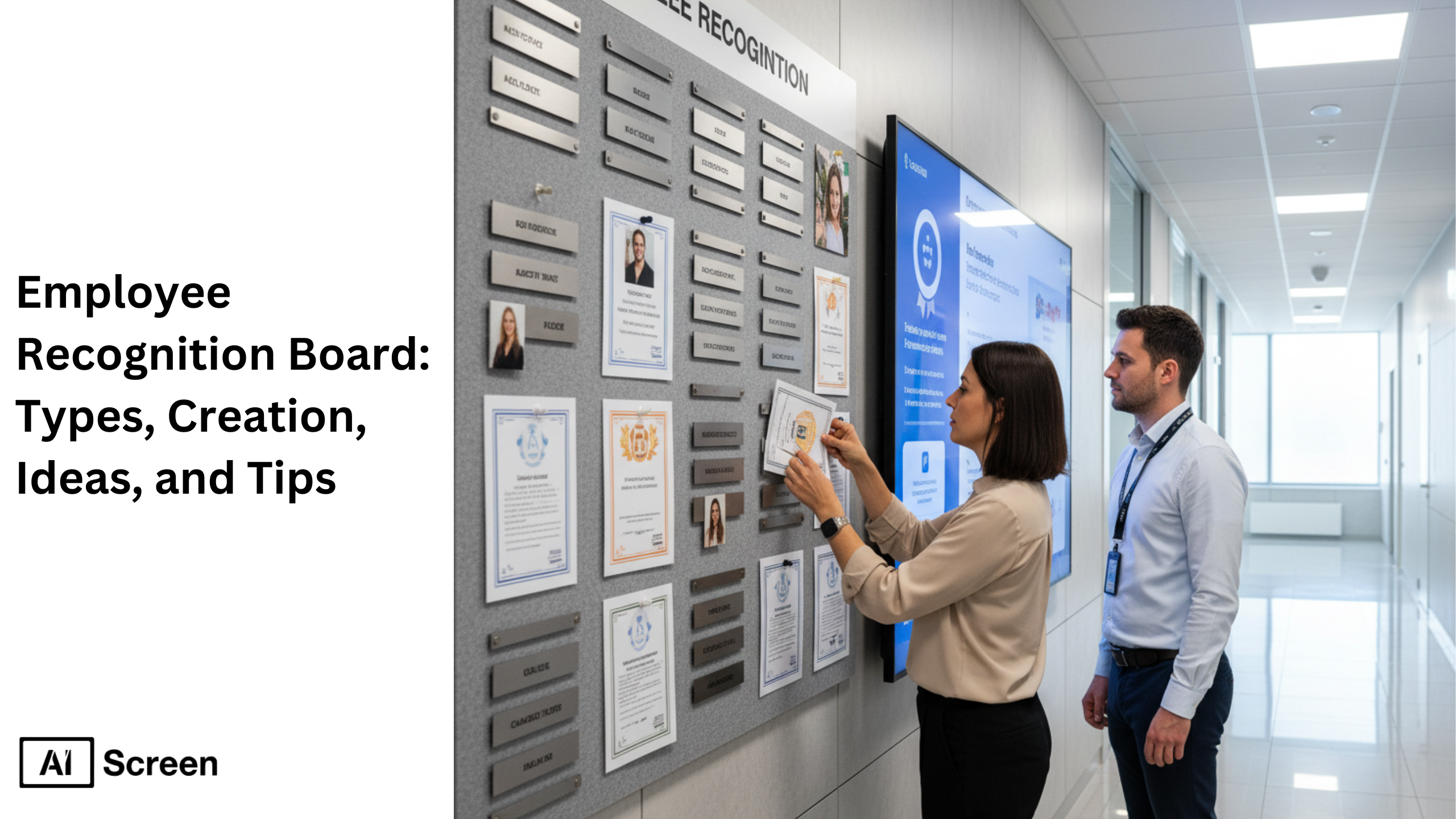
Employee recognition boards play a powerful role in building a positive workplace culture by celebrating achievements, milestones, and teamwork. They help employees feel seen and appreciated, reinforcing a sense of value and belonging. Modern workplaces increasingly blend traditional staff appreciation bulletin board ideas with digital recognition display boards, creating a consistent culture of appreciation that boosts engagement and retention. These recognition systems can be customized for small teams or scaled for multi-location enterprises. According to Wirespring reported 67% of businesses using consumer-grade TVs for signage experienced lower installation and setup times compared to traditional signage systems.
In this blog, you’ll find a clear breakdown of what an employee recognition board is, the different employee recognition board types, practical recognition board ideas, and a step-by-step guide to create, and maintain, your own board effectively.
What Is an Employee Recognition Board?
An employee recognition board is a visible display used to celebrate accomplishments, peer recognition, and team milestones. It’s a visual engagement tool that showcases individual achievements, positive behaviors, and personal or project milestones.
Research shows that recognition significantly impacts retention: according to Gallup and Workhuman, employees who receive high-quality recognition are 45% less likely to leave their organization.
These boards promote employee visibility, strengthen peer relationships, and inspire others by showing real examples of success. In hybrid or distributed teams, digital recognition boards offer added value: they allow automated updates, real-time sharing across offices, and a single dashboard for recognition.
This makes them ideal for workplaces looking to blend in-person and remote appreciation. Using recognition board ideas in the workplace, companies can build a culture where recognition is not just occasional, but constant.
What Are Employee Recognition Board Types?
There are several employee recognition board types to choose from, each suited for different company cultures, team sizes, and workflows. The best recognition board is one that aligns with your team’s structure and communication style.
1. Traditional Employee Recognition Boards
These classic boards are physical, think bulletin board, corkboard, whiteboard, or poster displays filled with printed shout-outs, photos, and sticky notes. They work especially well in small offices or common employee areas. When comparing digital signage vs traditional signage, physical recognition boards offer a simple, hands-on way to make employee appreciation visible.
You can get creative: handwritten thank-you notes, spotlight photos, themed decorations, and even personalized thank-yous. According to Zippia, 79% of employees who quit a job cite a lack of appreciation as one of the main reasons.
That makes a traditional employee recognition board more than just décor, it’s a tangible expression that people’s efforts matter.
2. Digital Employee Recognition Boards
Digital boards are a modern approach to recognition. These display shout-outs, birthdays, and milestones dynamically across internal screens, intranet portals, or even Slack and Microsoft Teams. They scale across multiple office locations and are much easier to update.
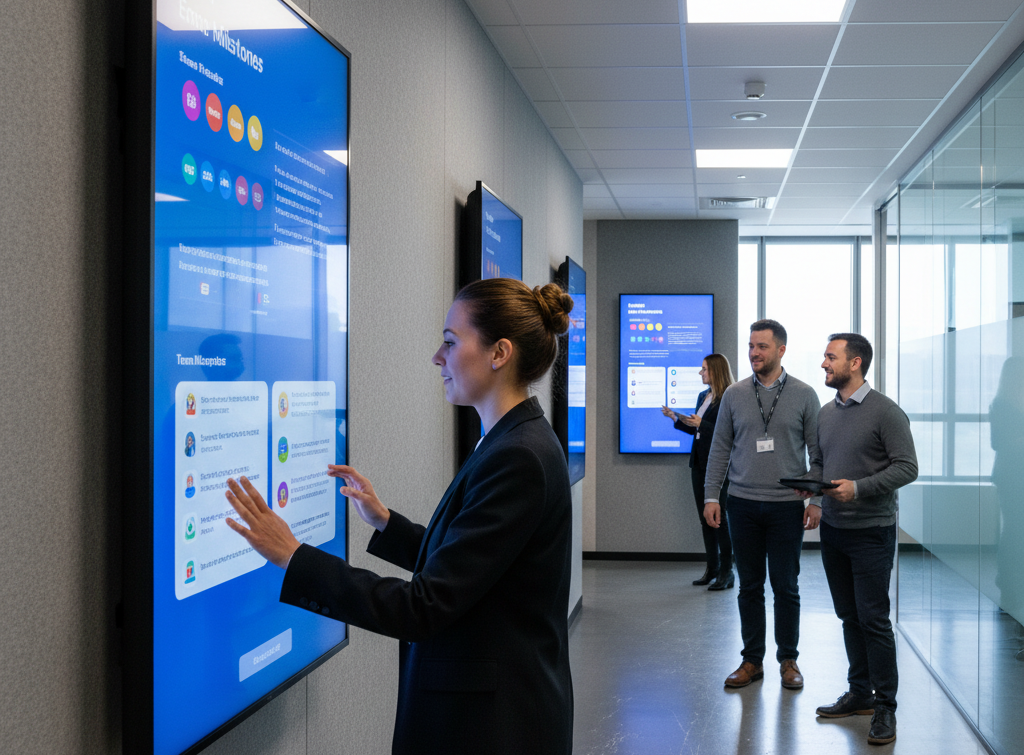
Digital recognition boards align with staff appreciation bulletin board ideas, but bring them into the 21st century, you can integrate digital signage with HR tools (like Slack, Google Workspace), enabling real-time feeds of peer praise and project wins.
3. Recognition Platforms and Apps
Recognition platforms (or “apps”) function like living, digital recognition boards with gamified components. Think virtual badges, leaderboards, peer-to-peer shout-outs, and milestone automation.
Platforms like Bucketlist Rewards let teams publicly share recognition, automate celebrations, and integrate into existing workflows. They’re perfect for organizations that want scalable solutions to recognize across departments.
Why Implement an Employee Recognition Board?
Implement an employee recognition board to unlock measurable improvements in culture, productivity, and long-term organizational performance. A well-designed recognition system, whether physical or digital, strengthens morale, reinforces shared values, and boosts engagement across different departments.
Modern employee recognition display boards also help ensure recognition is visible, timely, and meaningful, supporting the overall business and elevating workplace life. Implementing an employee recognition board can have a transformative impact on your workplace. Here are some of the key benefits and the positive impacts they can bring:
Boosts Team Morale and Motivation
When employees see their work celebrated, morale and productivity rise. An appreciation board creates visible acknowledgment, reminding individuals that their efforts matter. Regular recognition makes employees feel valued and appreciated, which boosts their morale.
When people know their hard work is noticed, their motivation to maintain and even improve their performance skyrockets. This positive reinforcement creates a cycle of productivity and optimism that impacts the entire team from the very beginning, shaping a history of consistent encouragement and recognition.
Enhances Employee Engagement
Recognition boards help employees feel valued and connected to their purpose. Employee recognition boards foster a culture where achievements, both big and small, are consistently acknowledged.
Engaged employees become more invested in their work and the success of the company, contributing to higher job satisfaction and lower turnover. When recognition is embedded into daily workflows, it strengthens emotional connection and a sense of belonging.
Fosters a Positive Workplace Culture
Consistent appreciation shapes a culture of gratitude and teamwork. Using workplace employee recognition board ideas, companies build an environment where contributions are noticed across all levels, not just at the top.
This inclusivity nurtures collaboration, emotional well-being, and trust. It encourages everyone to play a meaningful role in celebrating one another, resulting in a more harmonious and supportive workplace.
Encourages Teamwork and Collaboration
Peer-driven boards strengthen relationships across departments. When recognition highlights both individual and team accomplishments, it supports a more collaborative environment.

Employee recognition bulletin board ideas help team members acknowledge each other’s contributions, especially during complex projects, events, or cross-functional collaborations. Recognizing teamwork encourages employees to help one another and work cohesively toward shared goals.
Attracts and Retains Top Talent
A visible appreciation culture helps you retain your best performers and attract new ones. Employee appreciation bulletin board ideas demonstrate that the organization values effort, innovation, and employee growth.
Appreciation has a proven impact on retention: employees are far less likely to leave environments where they feel recognized. In competitive job markets, visible appreciation signals that the company supports meaningful recognition, professional development, and long-term success.
Each of these points highlights how an employee recognition board is much more than just a hallway display, it’s a strategic tool that elevates your workplace culture, boosts performance, and supports organizational well-being.
How Do You Create an Employee Recognition Board?
To create an employee recognition board, HR teams and managers should follow a structured process that ensures clarity, inclusivity, and long-term impact. A thoughtful approach leads to stronger engagement and brings your staff recognition board ideas to life.
Research strongly supports structured recognition: according to Gallup (2023), employees who receive meaningful recognition are 4× more likely to be engaged at work, highlighting the importance of consistent, visible appreciation.
Creating an effective employee recognition board involves thoughtful planning and execution. Here’s a step-by-step guide on how to do it right, along with some best practices to keep in mind:
1. Define the Purpose and Goals
Clarify what success looks like, morale boost, engagement, professional development, alignment with company values, or recognition of achievements like sales wins or innovation milestones. Start by determining what you want to achieve with your recognition board.
Whether you’re celebrating milestones, project achievements, or everyday wins, clear goals ensure the board resonates with your team and reflects meaningful company history and culture.
2. Choose the Right Type of Board
Decide between physical, digital, or hybrid employee recognition display boards. Consider team size, remote work structure, and company communication style. A physical board may suit small offices, while digital formats are ideal for different departments, multi-location teams, and organizations that regularly share updates, events, or videos. Choosing the right type ensures the board fits naturally into daily workflows.
3. Utilize the Right Tools
Use HR integrations or digital signage software systems to automate updates and streamline the creation process. The right tools make it easy to keep content fresh, engaging, and accessible.
Automated integrations help highlight achievements, milestones, and meaningful moments across the organization. This ensures the board remains consistent, current, and aligned with ongoing recognition efforts across the company’s history and events.
4. Involve Your Team in the Design
Encourage employee input to make your board more engaging and inclusive. When team members share design ideas or suggest what types of recognition matter most, they feel a sense of ownership.
This consideration boosts participation and ensures the board reflects shared values, daily efforts, and diverse roles. Involving employees from the beginning makes recognition more meaningful and collaborative.
5. Set Clear Criteria for Recognition
Define what qualifies, from performance milestones to teamwork excellence, innovation, sales achievements, or contributions during events.
Transparent criteria make the process fair and aligned with company goals. When employees understand what leads to recognition, their contributions become more intentional and aligned with organizational priorities.
6. Keep It Updated and Visible
Stale boards lose attention, refresh weekly or monthly. Whether digital or traditional, consistent updates maintain excitement and relevance.
Visibility is crucial: placing the board in high-traffic areas or scheduling digital screens ensures recognition is always top of mind. Regular updates show that appreciation is ongoing and importantly, that employee efforts are recognized in real time.
7. Encourage Peer-to-Peer Recognition
Let team members nominate each other for shoutouts, acknowledgments, or small rewards. Peer recognition strengthens relationships across teams and different departments.
These interactions foster trust, improve collaboration, and highlight contributions that managers may not see daily. Encouraging peer-driven appreciation makes recognition multidimensional and meaningful.
8. Measure the Impact
Use surveys or engagement metrics to assess success. Track participation levels, employee sentiment, or before-and-after engagement scores. These insights reveal how recognition influences morale, collaboration, and performance across teams.

Measuring results ensures your strategy evolves, adapts, and continues to support organizational goals related to recognition, innovation, and meaningful workplace development.
By following these steps and best practices, you can create an employee recognition board that not only celebrates achievements but also significantly contributes to a positive, engaged, and meaningful workplace culture.


10 Employee Recognition Board Ideas to Try?
If your employee recognition board is going to make an impact, it needs to feel fresh, meaningful, and aligned with your culture. Whether you’re building something new or refreshing an existing system, these creative ideas blend aesthetics with motivation, and they work across industries. You might wonder, “Which of these ideas would fit my team best?” Let’s explore them one by one.
1. Shoutouts and Peer Praise Wall
It creates a dedicated space where employees can recognize each other with daily thank-yous, kudos, and quick notes of appreciation. This can take the form of sticky notes on a physical board or digital submissions through Slack, Teams, or a form displayed via digital signage. It encourages constant positivity and reinforces a culture where peer acknowledgment feels natural and frequent.
2. Monthly Spotlight Awards
This highlight top performers through an “Employee of the Month” or “Team MVP” feature. Include a friendly headshot, a short write-up about what makes them stand out, and a quote from their colleagues to add warmth. A simple question to consider is: What story can you tell this month that inspires others to aim higher? This board keeps the spotlight rotating so recognition stays fresh and engaging.
3. Core Values in Action Board
It showcases real examples of employees living your company’s core values, whether it’s teamwork, customer obsession, innovation, or ownership. It’s a powerful way to reinforce what your business stands for through everyday actions. Adding specific instances where employees embodied these values helps others internalize them and stay aligned with your mission.
4. Celebration Station Board
It uses employee appreciation bulletin board ideas to highlight birthdays, anniversaries, certifications, and personal milestones. Whether someone ran a marathon, completed a professional course, or hit their first year at the company, this board reminds everyone that work-life achievements matter. Ask yourself: How often do we celebrate the person, not just the work? This idea deepens emotional connection within the workplace.
5. Digital Recognition Wall Using Signage Displays
This lets you showcase photos, quotes, shoutouts, and achievements across multiple screens or office locations. Digital signage displays make recognition dynamic, visually engaging, and perfect for hybrid workplaces. With rotating slides, multimedia content, and real-time updates, employees see recognition come to life, not just pinned to a corkboard.
6. Recognition by Department or Role
Recognizing different departments ensures teams like sales, operations, IT, and customer support all receive equal visibility. Segmenting the board by department or role helps individuals compare progress within their function while celebrating cross-team wins. This is especially meaningful in larger organizations where employees often wonder, “Does anyone outside my department see what we do?”
7. Customer Kudos Wall
A customer kudos wall uses workplace employee recognition board ideas to display 5-star reviews, client messages, and positive customer feedback that mention employees by name. Whether pulled from emails, surveys, or social media, this type of board validates employees with real-world impact. It also reminds teams that customers notice, and appreciate, their efforts.
8. Manager Picks Board
Helps feature monthly recognitions directly from leadership. When leaders consistently highlight achievements, whether performance wins or personal growth, it boosts trust and transparency. Managers can rotate their nominations monthly, ensuring employees feel seen and valued from the top down.
9. New Hire Welcome Board
This board celebrates employees during their first 30, 60, and 90 days. You can include photos, short fun facts, and warm welcome messages from the team. This idea helps new hires feel appreciated from day one and accelerates belonging. It’s especially helpful in fast-growing companies where new employees may wonder, “Will I fit in quickly here?”

10. Team Achievement Tracker
It visualizes progress on cross-department projects, product launches, sales wins, or operational milestones. Whether displayed through charts, graphics, or simple status updates, it encourages collaborative pride and shows how different departments contribute to shared goals. It also helps build momentum and motivates teams to keep pushing forward.
Many of these concepts also draw inspiration from non-corporate spaces where recognition and values matter deeply, including church signage ideas that focus on encouragement, gratitude, and shared identity within a community.
What Makes an Employee Recognition Board Successful?
For making your employee recognition board successful, consistency, strategy, and genuine connection are key. According to Gallup and Workhuman, employees who receive high-quality recognition are 45% less likely to leave after two years. That kind of data shows why investing in recognition isn’t optional, it’s strategic.
Regularly Refresh the Content
Keep engagement high by updating the board weekly or monthly. Whether it’s a physical bulletin board or a digital board, a stale recognition wall loses its power. Consistent updates show that recognition is a living part of your workplace culture, not just a “nice-to-have.”
Integrate with Company Events
Tie recognition moments to holidays, quarterly achievements, or CSR activities. For example, highlight awards during company-wide town halls or end-of-year celebrations. This helps the board feel aligned with business rhythms and creates anticipation for recognition tied to real milestones.
Use Multimedia Content
Add photos, quotes, and even short videos to make recognition more meaningful. On a digital board, you can rotate clips that celebrate team wins, individual efforts, and personal milestones. Multimedia makes the display feel alive and helps people connect emotionally with the recognition.
Encourage Leadership Participation
When managers and executives publicly recognize staff, it strengthens trust and shows that leaders genuinely value contributions. Having senior voices celebrate wins encourages broader participation and reinforces a culture of meaningful recognition across your organization.
Link Recognition to Development Goals
Show how achievements tie into professional growth, learning objectives, or innovation. Recognizing not just the result but the effort, especially in different departments like sales or operations, sends a signal that growth matters. It encourages employees to see recognition as part of their career path, not just applause.
Ensure Accessibility for All Employees
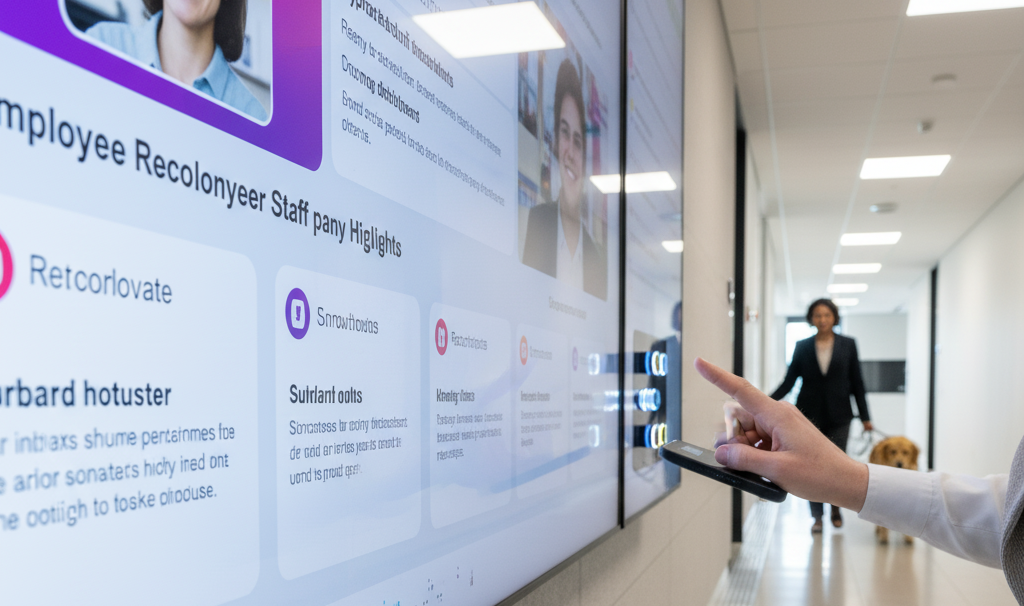
Use digital recognition boards to include remote, field, and hybrid employees. Accessibility helps ensure no one is left out, and recognition becomes part of the daily experience for everyone, not just those who pass by a physical board.
Track Engagement and Results
Measure how often people interact with the board, how many nominations are submitted, or how many employees are featured. Use surveys or feedback to find out what resonates. This data-driven approach helps you refine the implementation and ensures your recognition board aligns with broader business and culture goals.
How Can Employee Recognition Signage Boards Improve Employee Communication Signage Boards?
Employee Recognition signage Boards help organizations highlight achievements, milestones, birthdays, promotions, and team successes in a visible and engaging way. They make appreciation part of the workplace experience and give employees regular recognition for their contributions.
An employee communication signage board can support this by sharing recognition alongside company updates, announcements, goals, and internal messages. When both are used together, businesses can create a more connected workplace where employees stay informed, appreciated, and engaged.
FAQs
What is an employee recognition board used for?
An employee recognition board is used to publicly highlight individual achievements, team milestones, and moments of contribution. It makes acknowledgment visible and ongoing, helping people feel truly appreciated. Over time, this kind of board supports business focus on values and motivation.
What are some creative employee recognition board ideas?
Creative employee recognition board ideas include shoutout walls, monthly “Spotlight Award” sections, customer praise highlights, and digital video clips of success. These formats let you celebrate personal milestones, team wins, and innovation in a way that fits your culture and structure.
How do digital recognition boards improve workplace culture?
Digital recognition boards improve workplace culture by making recognition instant, scalable, and accessible across locations or remote teams. They let you celebrate achievements, show videos or quotes, and keep appreciation flowing, which helps people feel seen and valued deeply.
How often should I update an employee recognition board?
You should refresh your recognition board weekly or monthly to keep it relevant and motivating. Regular updates make it feel like a living part of your workplace, not just a static display. This also ensures recognition stays aligned with current achievements and people’s ongoing efforts.
What tools can help automate employee recognition displays?
Digital signage platforms, recognition software, and HR integrations can help automate your recognition board. These tools allow real-time submissions, automated scheduling, and consistent, meaningful updates that align with professional development and team contributions.
Ready to Build Your Employee Recognition Board With AIScreen?
Making recognition a daily habit starts with creating a space where appreciation is always visible, whether through digital dashboards or physical appreciation walls. A modern employee recognition board turns positive moments into a continuous flow of encouragement that employees see and feel every day.
With AIScreen, a leading provider of digital signage solutions, digital recognition boards make the entire process automated, allowing achievements, milestones, and shoutouts to update in real time without any manual effort. This ensures no win goes unnoticed and everyone stays connected to the organization’s values. When recognition becomes part of the everyday environment, it naturally strengthens culture, motivation, and team loyalty.
