
What Are Medical Signage Ads And How Do They Work?
Did you know that healthcare digital ads now claim over 70% of healthcare ads budgets, with the global market expected to hit $45 billion in 2025? Patients today rely heavily on online sources, with 65% researching before consulting medical professionals. So, “how do the best medical ads build patient trust?” They balance hard science, compassionate storytelling, and strict regulatory compliance to create clear, empathetic messages that resonate deeply.
In this article, you will discover how innovative healthcare campaigns, from mental health awareness to cancer research, use engaging visuals and authentic narratives to inspire confidence. Curious how animated commercials or hospital ads drive emotional connections and improve patient outcomes? We break down the creative magic behind campaigns by healthcare organizations, pharmaceutical companies, and insurers, showing you proven marketing strategies that unite education with empathy for measurable impact.
Modern facilities manage these displays with digital signage software so signage stays accurate and easy to update.
1. NewYork-Presbyterian – “Neuro Patient Story”
NewYork-Presbyterian’s campaign uses heartfelt patient recovery stories combined with innovative medical care to humanize healthcare.
For instance, one story features a patient who survived a stroke just before his wedding, demonstrating resilience and the hospital’s life-saving technology.
“Amazing Things Happen Here” is more than a tagline; it’s a promise reflected in real-life courage and expert care, which deeply builds patient trust.
2. SickKids Foundation – “Be A Light”

This emotional campaign inspires hope by sharing stories of pediatric patients battling severe illnesses. “Be A Light” highlights resilience through powerful visuals and personal narratives, connecting emotionally with families and caregivers.
It has been effective in creating awareness and patient engagement, especially on social media, broadening the foundation’s reach and impact.
3. UCHealth – “Back Behind the Handlebars”
UCHealth’s relatable rehabilitation stories, like patients getting “Back Behind the Handlebars,” make recovery feel real and achievable.
Sharing authentic journeys helps remove stigma around healing challenges, establishes genuine bonds with patients. These stories foster brand loyalty by showing healthcare as a partner in real-life recovery.
4. Johns Hopkins Medicine – “Forward. For All of Us.”
Johns Hopkins centers this campaign on innovation and progress, showing advanced treatments and research breakthroughs.
By combining science with human stories, they strengthen institutional trust, making patients feel confident in their care. The campaign’s forward-looking tone inspires hope and highlights the healthcare organization’s leadership in medical excellence.
5. Yale New Haven Health – “Innovation in Patient Care”

Featuring real doctors and patients, this campaign builds trust by spotlighting medical excellence and compassionate care.
The honest, straightforward storytelling supports emotional connection and patient satisfaction. It emphasizes that innovative healthcare is delivered by skilled professionals committed to patient outcomes.
6. Mass General Brigham – “Innovation Happens Here”
Using futuristic visuals and sleek design, this campaign reinforces confidence in cutting-edge medical research.
It highlights the institution’s role in shaping future health solutions, positioning it as a leader in healthcare innovation. Such imagery elevates brand prestige and appeals to tech-savvy, younger audiences.
7. OrthoCarolina – “A Better Choice”
OrthoCarolina empowers patients through stories focused on mobility and independence. The ads celebrate regaining active lifestyles post-orthopedic treatment, making healthcare messaging inspiring and hopeful.
This approach directly addresses patients’ concerns, boosting emotional response and healthcare engagement.
8. OhioHealth – “Keep Making Plans”
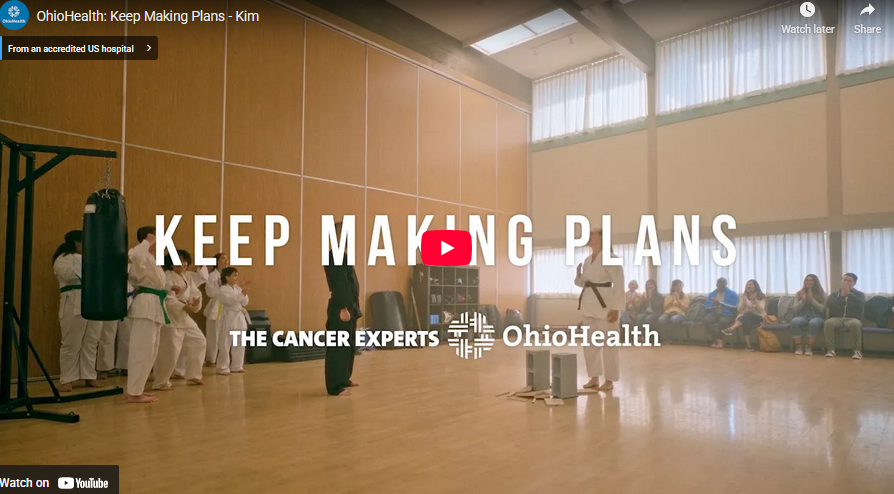
The message encourages optimism and resilience for patients recovering from serious illness. OhioHealth’s campaign focuses on proactive health management, showing patients continuing their life goals despite challenges.
This emotional narrative strengthens patient engagement and inspires confidence.
9. EternalHealth – “Connecting with Patients”
This digital-first campaign showcases personalized communication strategies that build stronger patient relationships.
By leveraging mobile devices and social media, EternalHealth enhances patient satisfaction and retention. It’s a perfect example of integrating online tools into healthcare marketing efforts.
10. Oscar Health – “Humor in Healthcare”
Oscar Health uses humor to humanize its brand, making healthcare more approachable without losing sensitivity.
This refreshing tone helps reduce patient anxiety and creates memorable marketing campaigns. It appeals especially to younger, tech-savvy audiences on social media platforms.
11. Heal – “Pediatric Care at Home”
Heal emphasizes trust-based, family-centered healthcare delivered through home visits. The campaign highlights convenience and personalized care, reassuring parents and improving patient lifetime value. It shows how healthcare services can adapt to patient needs outside traditional settings.
12. Inova – “CME Program Promotion”
Focused on medical professionals, this educational campaign promotes continuing medical education (CME). It builds credibility and institutional trust by emphasizing knowledge sharing and professional development. This strategy strengthens relationships with healthcare providers and medical organizations.
13. Intel – “Future of Medical Technology”
Intel combines technology with empathy, showcasing innovations that improve patient outcomes. Their healthcare marketing ads position the company as a leader in medical devices and data solutions. The campaigns blend cutting-edge science with human stories to engage a broad healthcare audience.
14. Athenahealth – “Empowering Health Providers”
Athenahealth’s ads highlight software solutions that simplify workflows and enhance patient care. This practical approach focuses on improving healthcare professionals’ daily work and thereby patient outcomes. Trust and efficiency become key themes driving this healthcare brand’s message.
15. Memorial Sloan Kettering – “Immunotherapy Breakthrough”
By showcasing groundbreaking immunotherapy treatments, this campaign builds hope and trust. It balances complex science with patient success stories, making innovation relatable. The advertising encourages new patients to consider advanced cancer treatments with confidence.
16. Crossover Health – “Human Stories Behind Care”
Crossover Health uses authentic patient stories to emphasize compassionate, personalized care. This approach connects emotionally, driving patient engagement and loyalty. It highlights the value of real-life experiences in effective healthcare advertising.
17. UnitedHealth Group – “Connecting People and Data”
This campaign balances technological transparency with empathetic storytelling. It demonstrates how data-driven healthcare improves outcomes while maintaining the human side of patient care. Such innovative messaging helps the brand stand out in digital marketing landscapes.
18. The Bridgespan Group – “2D Animation Campaign”
By using accessible animation, this campaign makes complex healthcare issues understandable for diverse target audiences. This format also increases recall and engagement, especially on social media platforms. It’s a creative example of making health education both clear and captivating.
19. Visiting Angels – “Her Own Home”
Visiting Angels highlights independence and compassion in elderly care through sincere, heartwarming stories. The ads connect with families seeking trustworthy home healthcare options. The campaign builds emotional appeal and brand loyalty by focusing on patient dignity.
20. BetterHelp – “Stop the Stigma”
BetterHelp’s empathy-driven mental health campaign challenges stigma, encouraging open conversations about mental wellness.
It uses real stories and supportive messaging to normalize seeking help. The campaign effectively raises awareness and improves patient outcomes in mental health care.


How Do Medical Ads Build Patient Trust?
In pharmaceutical advertising, building trust is both an art and a science. Brands blend transparency, empathy, and education to create successful healthcare marketing campaigns that resonate deeply with patients and professionals from the healthcare industry.
By following strict regulatory guidelines and using genuine storytelling, pharma ads foster credibility and emotional connection. This approach not only boosts patient engagement but also supports long-term brand loyalty in a complex healthcare landscape.
Let’s break down the trust-building techniques through three key approaches that make you a qualified lead to successful healthcare marketing: emotional storytelling that connects on a human level, educational narratives that simplify medication use, and authentic representation that humanizes patient and caregiver experiences.
1. Emotional Storytelling in Medical and Medicine Ads
“Why do stories matter so much in pharma ads?” Because emotional storytelling creates strong connections that last.
For example, St. Jude Children’s Research Hospital TV spots tap into the hope and resilience of children fighting cancer, generating powerful emotional responses nationwide.
These campaigns humanize healthcare, making the brand feel relatable and fostering deep patient trust over time.
2. Educating Patients Through Drug Commercials
How can ads simplify complex medication info? Brands like Claritin-D, Otezla, and Miebo use relatable patient narratives to break down medical jargon and convey treatment benefits clearly.
This educational approach helps patients feel informed and confident, improving patient engagement and driving better health outcomes through transparent, empathetic healthcare advertising.
3. Authentic Representation in Pharma Advertising
Why is showing real people effective? Campaigns by BetterHelp and Visiting Angels feature authentic patient and preventive care-giving stories, bringing genuine perspectives to the forefront.
This honest representation humanizes care, builds credibility, and creates meaningful connections between healthcare brands and their audiences, enhancing overall trust in the pharma industry’s marketing efforts.
How Much Do Medical Ads Cost?
Ever wondered “What’s the price tag on a pharma commercial?” Producing drug ads includes costs for filming, casting real doctors or patients, scriptwriting, and heavy compliance checks to meet strict healthcare regulations.
Traditional TV ads can range from hundreds of thousands to millions, depending on scale and airtime. Digital pharma commercials often cost less but require sophisticated targeting on social media and online platforms. Regional medicine ads, meanwhile, offer cost-effective outreach but with a narrower audience reach.
Interestingly, campaigns featuring patient testimonials tend to yield the highest return on trust and awareness. Why? Because “real stories resonate,” generating genuine emotional connections that lead to better patient engagement and loyalty.
In the competitive healthcare marketing landscape, investing strategically in authentic, patient-focused ads converts into improved patient outcomes and brand credibility, making every dollar count towards meaningful healthcare marketing campaigns. Learn more about 10 best healthcare marketing strategies.
How Digital Signage Reinforces Trust in Medical Advertising?
Have you ever wondered, “How can digital signage extend the impact of medical commercials beyond the screen?” Digital signage, especially in hospitals, clinics, and pharmacies, plays a crucial role in capturing patient attention and reinforcing healthcare brand messages.
“Think of it as the friendly guide in the waiting room,” displaying credible patient education videos, real-time pharma updates, and wellness tips that build trust with every glance.
This continuity between broadcast ads and onsite digital content strengthens patient engagement, creating a seamless healthcare marketing experience that fosters confidence and informed care decisions.
For example, pharmacy screens might show animated drug usage instructions synchronizing with ongoing TV campaigns, while hospital lobby displays broadcast real patient testimonials and updated health initiatives.
These carefully curated messages reinforce existing healthcare advertising campaigns, boosting patient satisfaction and proactive health management.
By combining digital platforms with traditional media, healthcare marketers create meaningful connections that support positive patient outcomes and elevate the healthcare provider’s reputation in the competitive digital marketing landscape.
How Can Medical Signage Ads Inspire Creative Outdoor Event Signage Ideas?
Medical signage ads can inspire creative outdoor event signage ideas by showing how clear messaging, strong visuals, and strategic placement help people notice important information quickly. Event organizers can apply these same principles through digital displays, banners, directional signs, sponsor boards, and branded entrance graphics.
Creative outdoor event signage ideas should also focus on visibility, readability, and audience flow. By borrowing effective techniques from medical signage ads, event planners can create signs that guide attendees, promote key messages, and keep information easy to understand across busy outdoor spaces.
Why Choose AIScreen for Medical Advertising?
“Wondering what separates successful medical advertising from the rest?” It’s all about transparency, empathy, and education.
The top 20 medical ads examples show that healthcare marketing campaigns build patient trust by genuinely addressing patient needs, sharing relatable stories, and clearly communicating health benefits.
This creates emotional responses and meaningful connections, enabling healthcare professionals and providers to foster patient engagement and improve health outcomes.
So, how can you replicate this success? Partner with trusted healthcare marketing experts who understand the medical industry and its evolving digital marketing landscape.
Use digital signage based on health-related topics alongside TV storytelling to create an omnichannel marketing plan that reaches patients across touchpoints, waiting rooms, social media platforms, and healthcare websites.
Combine broadcast ads with digital content and offline advertising to maintain consistent messaging that builds brand loyalty and improves patient satisfaction throughout the customer journey.
This strategy strengthens your healthcare brand while addressing global health challenges and promoting proactive health management.
Frequently Asked Questions
What are pharmaceutical commercials?
Pharmaceutical commercials are advertisements by pharmaceutical companies aimed directly at consumers, promoting prescription drugs or treatments. “Ever seen those TV or online ads explaining a medication with soothing visuals and side effect lists?” That’s them educating patients and healthcare workers about new products while complying with regulations to ensure transparency and accuracy.
Why are medical ads important for patient trust?
Medical ads are important for patient trust because they balance education and empathy, helping patients understand medical treatments and feel supported. “Why should you care?” Because well-crafted healthcare marketing campaigns build emotional connections and trust, which improve patient engagement and ultimately better health outcomes.
How are drug commercials regulated?
Drug commercials are tightly regulated by agencies like the FDA to ensure truthfulness and balanced information about benefits and risks. For example, commercials must include the drug’s approved uses and significant side effects, maintaining a fair and transparent message to protect patient safety while encouraging informed decisions.
What makes a good pharmaceutical commercial effective?
A great pharma commercial combines authentic storytelling, clear education, and emotional appeal. Ads featuring real patient experiences or trusted medical professionals resonate most, bringing credibility and fostering a positive emotional response that strengthens brand loyalty and patient satisfaction.
Where can I find current drug commercials on TV?
You can find current drug commercials on TV on major broadcast networks, cable channels, and increasingly on digital platforms like social media channels, health websites, and streaming medical services. “Looking for inspiration?” Watch examples from leading healthcare companies or campaigns highlighted in the top 20 medical ads examples that build patient trust.
Digital signage in medical offices powers medical signage ads by turning every screen into a centrally managed, instantly updatable display that staff control from one dashboard. Medical signage ads are only as strong as the platform behind them, and most modern campaigns run on cloud-based screen networks. Understanding how digital signage in medical offices works makes it clear why these ads outperform traditional print: content is centrally managed, instantly updatable, and scheduled to match the rhythm of the clinic day. A receptionist can swap a morning vaccination reminder for an afternoon dermatology promotion in seconds, from any browser.
