
Trends in Digital Tourism and Connected Spaces
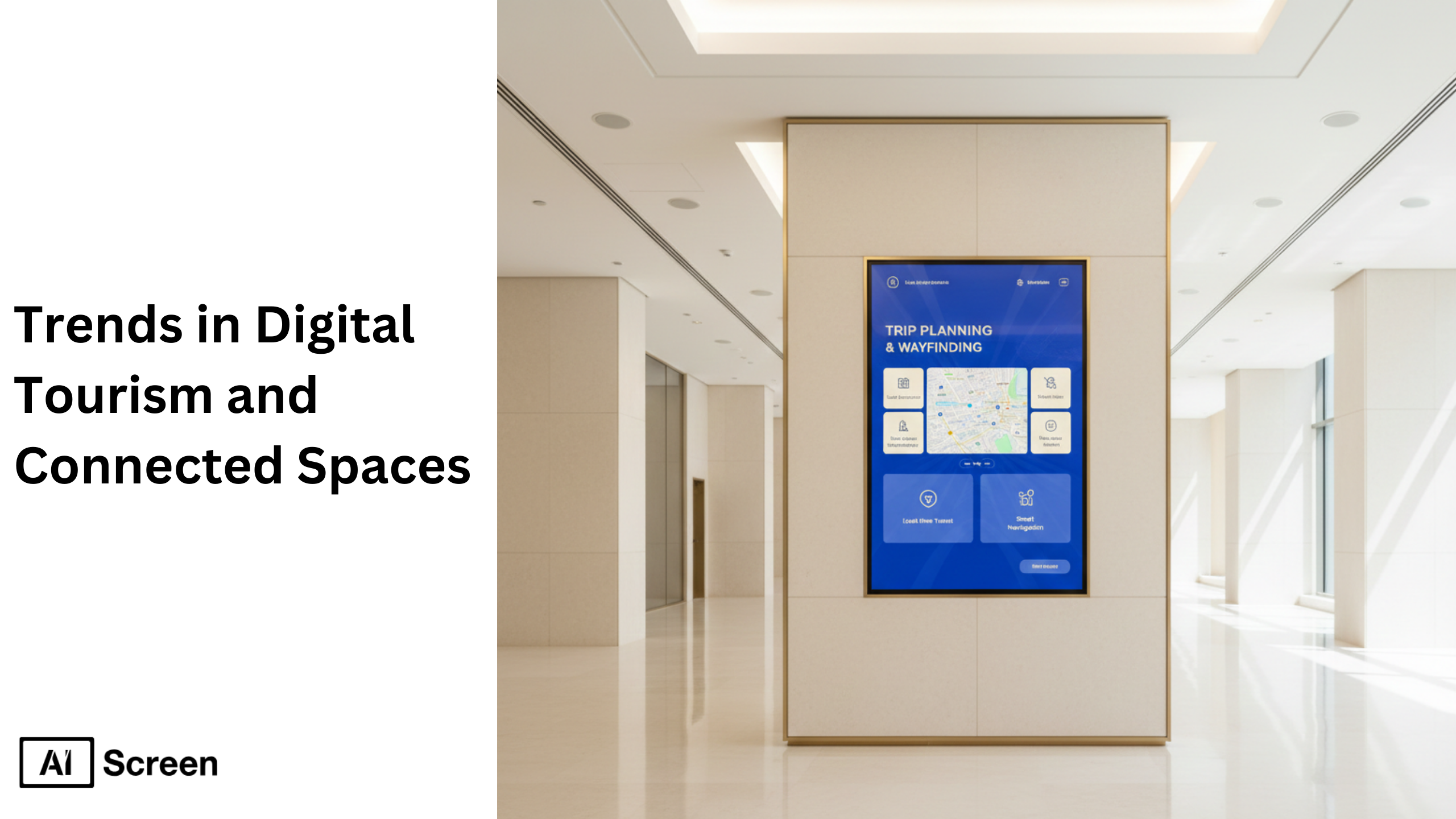
Technology now shapes how we live, work, and travel, and tourism has been quick to evolve and in the digital world, tourism now blends physical travel with digital platforms, digital tools, and connected spaces that support trip planning, on-site navigation, and post-trip engagement across the entire tourism ecosystem. According to Statista, global online travel bookings accounted for over 65% of total travel bookings in 2023, reflecting how deeply digital tourism is embedded in the modern travel industry.
In this blog, we explore the key trends in digital tourism and connected spaces, explain how digital technology is transforming the tourism sector, and break down the benefits, challenges, and real-world applications shaping destinations, travel businesses, and traveler experience in the digital age.
What Is Digital Tourism?
Digital tourism is the use of digital technology to support travel planning, on-site experiences, and post-visit engagement across many aspects of tourism. It connects destinations, tourism businesses, and today’s travelers through digital platforms such as online booking systems, mobile applications, virtual tours, online reviews, and digital marketing channels.
At the planning stage, potential travelers rely on online travel agencies, online offers, last minute flights, and travel bookings powered by digital tools. During trips, smartphones support navigation, translation, guided tours, and personalized recommendations. After travel, user generated content, social media posts, and online reviews shape future booking decisions and influence consumer behavior across the tourism industry.
Today’s travelers actively participate in the digital tourism ecosystem. Younger generations share authentic experiences, create virtual experiences through photos and videos, and influence destinations through traveler engagement. Tourism businesses also shape this digital presence by using digital solutions, digital marketing, and innovative technologies to stay relevant and competitive.
You’ve probably noticed how often travel decisions start with a screen, not a brochure. According to Deloitte, travelers who engage with digital platforms throughout trip planning report higher satisfaction and stronger emotional connection to destinations, reinforcing digital tourism as a game changer for the travel industry.
How Does Digital Tourism Work?
Digital tourism work as a connected journey powered by data, digital platforms, and content across the tourism ecosystem. It begins long before travel, continues during the visit, and extends after the trip ends. Before travel, potential customers research destinations through online travel, online booking platforms, virtual tours, social media, and online reviews.
During travel, digital tools such as mobile applications, virtual assistants, and digital signage support navigation, services, and real-time updates. After travel, traveler experience continues through user generated content, reviews, and shared virtual experiences that influence new booking decisions.
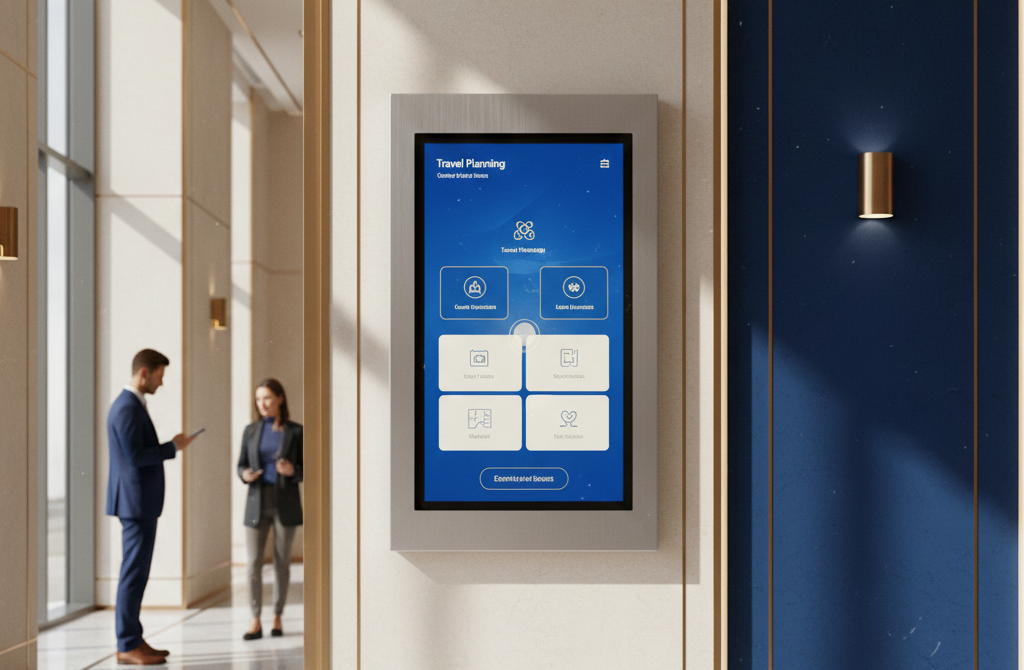
This digitally mediated flow creates opportunities and challenges for tourism businesses. Big data and big data analysis help brands understand consumer behavior, traveler engagement, and individual’s preferences. At the same time, competition in the online travel market means travel businesses must adopt new trends and digital transformation strategies to maintain a competitive edge.
Ever wondered why one destination keeps appearing everywhere you scroll? When done well, digital tourism becomes symbiotic. Travelers gain better planning and immersive experiences, while tourism businesses strengthen digital presence, increase travel bookings, and support sustainable tourism goals instead of mass tourism.
Why Are Reviews So Important in Digital Tourism?
Well, the reviews are so important in digital tourism because they directly influence trust, booking decisions, and brand perception across the tourism industry. Online reviews act as social proof, guiding modern traveler’s choices in a digital age dominated by comparison and transparency.
According to the International Journal of Tourism and Hotel Management, over 80% of travelers read online reviews before making booking decisions, and a majority trust positive reviews as much as personal recommendations. Platforms such as Google and Booking.com shape travel mindset, destination discovery, and confidence.
Positive reviews strengthen digital presence, attract potential customers, and signal quality in a crowded online travel market. Negative feedback, when ignored, can quickly harm traveler engagement and tourism services perception.
Would you book a hotel without checking what others experienced? For tourism businesses, online reviews are not optional. They are a core part of digital tourism strategy and one of the strongest signals influencing today’s travelers.
How Can Tourism Businesses Use Reviews to Improve Services?
Tourism businesses use reviews to refine services, personalize experiences, and improve operations through continuous feedback loops. Reviews highlight what works, where gaps exist, and how traveler experience can improve.
Many travel businesses display recent online reviews, star ratings, and positive feedback on websites and at physical locations to build trust. Digital signage allows hotels, attractions, and travel services to stream positive reviews in real time, reinforcing credibility at the point of decision. Reviews also feed data into service improvements. Patterns in feedback reveal consumer behavior, service delays, or unmet needs.
Addressing these insights helps tourism businesses deliver personalized offers, enhance services, and support sustainable travel instead of volume-driven mass tourism. What if every complaint quietly pointed to a clear fix? Used correctly, reviews become a practical tool for growth, not just validation.
Why Social Media and UGC Are Important in Digital Tourism?
Social media and UGC are important in digital tourism because they shape destination perception through authentic experiences and peer influence. In the digital age, travelers trust real stories more than polished advertising.
Research from Hotelagio shows that over half of travelers book trips after seeing travel-related content online, particularly on social media. Younger generations, especially Gen Z and the new generation of travelers, actively share photos, videos, and stories that influence online travel behavior.
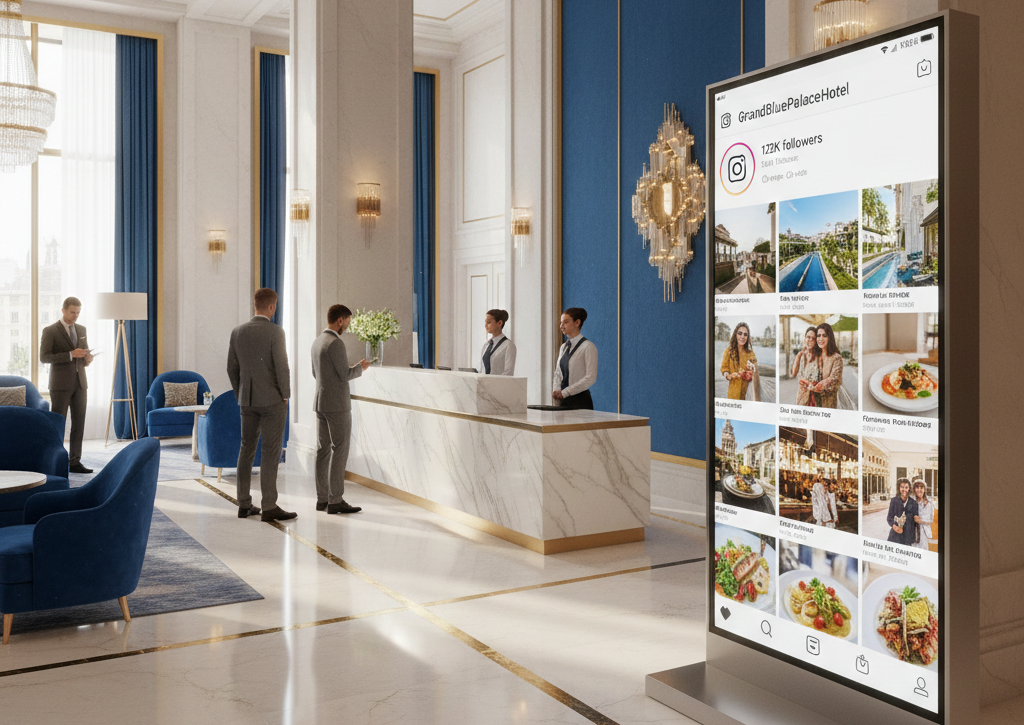
A traveler scrolling through Instagram sees real hotel views, local communities, food markets, and immersive experiences captured by other visitors. This content feels relatable and drives traveler engagement more effectively than traditional digital marketing.
When did an ad last inspire your trip? User generated content supports sustainable tourism by highlighting local experiences, spreading demand beyond overcrowded destinations, and reinforcing authentic travel mindset across the tourism sector.
How to Use UGC and Social Media in Tourism Marketing?
Tourism businesses use UGC and social media by amplifying authentic traveler voices across digital platforms and physical locations. Most businesses in the tourism sector already benefit from exposure through social media mentions or user generated content, often repurposing that visibility across websites, social channels, and even printed brochures.
This can be as simple as sharing links to guest posts or reusing photos and videos within ongoing digital marketing efforts. Some brands take it further by displaying social media mentions, positive reviews, and engagement on TV screens or digital signage within lobbies and reception areas. But how do you make that content feel genuine rather than staged?
The key is prioritizing authenticity over polished ads. Digital signage becomes a natural extension of this strategy. Platforms like AIScreen enable tourism brands to display live social feeds using apps such as Instagram Social Wall, allowing guest photos, mentions, and real engagement to appear directly on screens where travelers gather.


What Are Public and Connected Spaces in Tourism?
Public and connected spaces in tourism refer to digitally connected environments such as hotels, airports, public transport systems, city centers, and tourist attractions. These spaces rely on digital infrastructure to improve navigation, communication, and overall travel experience across the digital world.
Entire cities can function as connected tourism spaces by offering adaptable services based on individual needs. In smart cities, the primary goal is improving quality of life for residents, which naturally enhances visitor experience and supports sustainable tourism. Have you noticed how some destinations simply feel easier to move through?
Connected spaces typically provide access to free Wi-Fi, multilingual digital signage, self-service kiosks, and real-time information on transport, weather, UV levels, pollution, and nearby attractions. Cities like Tokyo, London, Singapore, Dubai, Seoul, Barcelona, Toronto, New York City, and San Diego integrate smart solutions from automated streetlights to intelligent transport systems making both daily life and travel smoother and more efficient.
How Can You Turn a Tourism Business into a Smart Space?
You can turn a tourism business into a smart space by integrating digital connectivity, screens, and data-driven services into physical environments. The goal is not complexity, but consistency and convenience for modern travelers.
Many businesses start small, offering free Wi-Fi and comfortable areas where visitors can upload photos, message loved ones, or plan their next stop. Others create deeper engagement by helping tourists connect with locals, receive personalized recommendations, and feel genuinely connected to the destination. What would guests notice first if your space became smarter tomorrow?
Adding screens within the venue allows tourism businesses to promote local companies, nearby restaurants, day trips, and travel products. This improves experience flow while supporting local economies. Smart spaces align operational efficiency with traveler expectations, blending digital technology into everyday interactions without disrupting the atmosphere.
What Makes a Hotel a “Smart Hotel”?
A smart hotel blends automation, personalization, and connected guest services into a guest-centric hospitality experience. Where technology meets hospitality, smart hotels are becoming common across luxury, boutique, and even budget segments.
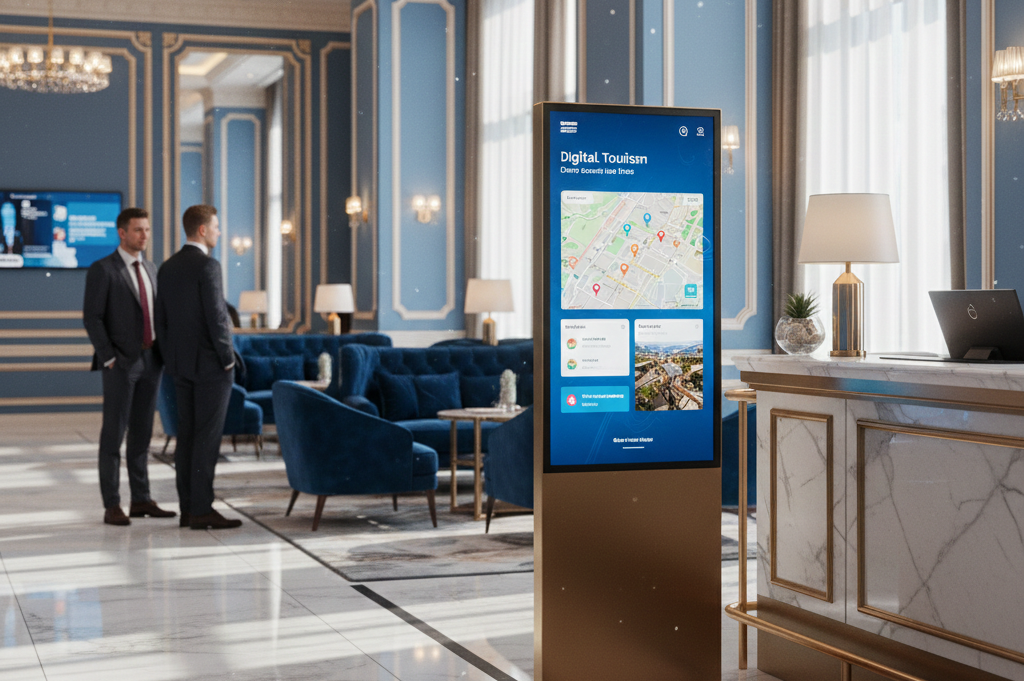
These hotels use mobile check-ins, lobby digital signage, AI-powered personalization, keyless room access, in-room Smart TVs, and Internet of Things (IoT) automation to improve comfort and efficiency. A guest arrives, receives tailored recommendations on screen, controls room settings digitally, and accesses services without friction. If apps deliver food in minutes, why should hotel service feel slower?
This shift is explored further in “what is a smart hotel? key technologies, & 10 best smart hotels in the world.” According to Statista, over 60% of travelers prefer hotels offering digital check-in and mobile services, reinforcing expectations for connected guest journeys driven by artificial intelligence and data-backed personalization.
How Are Hotels Transformed Using Digital Technologies?
Hotels are transformed using digital technologies by modernizing both guest-facing and backend systems. A hotel website often becomes the first step, especially since direct bookings now account for over 58% of reservations, making digital presence critical.
Websites increasingly function like online travel agencies, supporting taxi bookings, local experiences, transfers, and food ordering. AI chatbots streamline communication, while hotel digital signage provides local information and upselling opportunities. What happens when everything guests need is already in one place?
Beyond websites, smart hotels adopt high-speed Wi-Fi, voice-activated controls, automated check-in kiosks, keyless entry, AI concierge services, Smart TV displays, and in-room digital signage. Smart TVs enable personalized welcomes, customized local guides, and targeted digital marketing, elevating the travel experience while simplifying hotel operations through data-driven automation.
How Are AR and VR Used in Digital Tourism?
AR and VR used in digital tourism reshape how travelers explore, discover, and engage with destinations. While virtual tourism gained attention during lockdowns, these technologies now enhance real-world travel rather than replace it.
Most travelers research destinations online before booking, using social media, live webcams, and virtual reality previews. Research from Jeonbuk University found that VR travel experiences actually increase the desire to visit a destination. Wouldn’t seeing a place first make decisions easier?
Virtual reality supports immersive previews, while augmented reality enhances on-site exploration. AR enables guided tours, interactive history lessons, navigation assistance, and playful discovery experiences using mobile devices. These tools help travelers explore beyond crowded routes and gain more value from busy tourism hubs, aligning digital trends with richer travel experiences.
How Is Virtual Reality Used in Tourism Businesses?
Virtual reality is used in tourism businesses to inspire travel decisions before visitors arrive. The simplest approach includes live webcams on tourism websites, offering real-time views that help travelers plan with confidence.
More advanced VR experiences allow potential visitors to explore destinations, hotels, or attractions digitally, gaining a deeper sense of space and atmosphere. Doesn’t feeling the place make booking feel safer?
Hotels and travel experience providers use virtual reality tours to stand out in competitive markets, offering immersive previews that support informed decision-making. These virtual experiences reduce uncertainty, strengthen digital marketing, and provide a competitive edge without replacing the real-world travel experience.
How Does Augmented Reality Enhance Tourism Experiences?
Augmented reality enhances tourism experiences by layering digital information onto real-world environments during on-site visits. Using mobile devices, travelers access navigation aids, historical context, translations, and interactive storytelling without disrupting exploration.
AR supports guided tours, location-based content, treasure hunts for families, and real-time wayfinding in busy destinations. What if your phone became your personal guide?
These overlays help visitors explore off-the-beaten-path areas, understand cultural significance, and navigate crowded spaces more efficiently. Augmented reality aligns digital technology with physical discovery, enriching travel experience while encouraging deeper engagement with destinations.
What Are the Benefits of Technology in Tourism?
Travelers now expect efficiency, personalization, and seamless access to information, driven by new technologies and evolving trends in the tourism industry. Digital transformation helps businesses meet these expectations while improving internal operations and guest satisfaction.
When used thoughtfully, technology strengthens engagement, improves accessibility, and enables smarter, data-led decision-making across destinations and services.
- Personalization and improved customer experience: Artificial intelligence enables tailored recommendations, personalized offers, and content based on traveler behavior and preferences, creating more meaningful and memorable journeys.
- Increased efficiency: Automation streamlines routine tasks such as bookings, check-ins, and guest support, reducing manual effort and improving operational flow.
- Enhanced marketing reach: Digital platforms and digital signage allow tourism businesses to promote experiences globally while also upselling services on-site.
- Real-time feedback and data insights: Reviews, social media, and AI tools provide immediate insights that help businesses adapt quickly and improve destination perception.
What Are the Disadvantages or Challenges of Digital Tourism?
The disadvantages or challenges of digital tourism highlight the need for balance as the tourism industry adopts new trends and artificial intelligence. While digital tools improve convenience, they also introduce risks related to privacy, access, and dependency.
Businesses must carefully manage technology adoption to avoid operational disruption and ensure inclusive experiences for all travelers across the tourism sector.
- Privacy concerns: Increased digital interaction raises risks around data security, image sharing, and consumer trust, requiring strong governance and responsible data handling.
- Over-reliance on digital platforms: System failures or cyber-attacks can disrupt services if operations depend too heavily on apps or connected technologies.
- Exclusion of non-tech-savvy travelers: Older tourists or those uncomfortable with new technologies may feel alienated if digital tools replace human support instead of complementing it.
How Is Digital Signage Used in Digital Tourism?
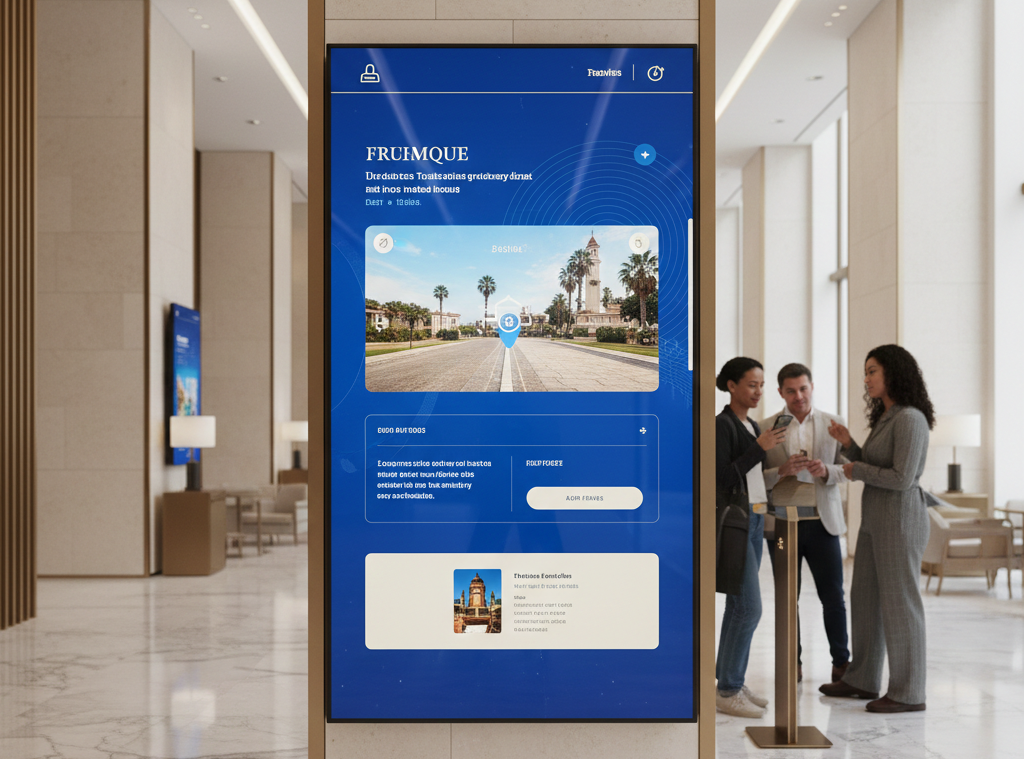
Digital signage used in digital tourism connects physical spaces with real-time digital information. Even a simple TV screen can transform a venue into a connected tourism hub.
Screens display wayfinding, transport updates, local guides, promotions, multilingual content, and critical information, improving travel experience across environments. Where would helpful screens reduce confusion the most?
Digital signage supports hotels, hostels, travel agencies, transit hubs, tour operators, public spaces, and waiting rooms. It bridges digital technology with physical locations, enabling real-time communication, data-driven messaging, and seamless experience flow aligned with evolving tourism trends.
Build Smarter, More Connected Tourism Experiences with AIScreen Digital Signage Software!
As we explored in this blog on trends in digital tourism and connected spaces, modern tourism is being reshaped by digital transformation, personalized experiences, and evolving trends, while balancing growing privacy concerns. AIScreen helps tourism businesses bring these ideas to life with flexible, scalable digital signage solutions that improve visitor engagement and operational efficiency.
With AIScreen apps like Instagram Social Wall, tourism brands can display live social media mentions, authentic guest content, and real-time engagement across connected displays. The result is more meaningful, interactive experiences that today’s travelers expect. Start your journey with AIScreen today, enjoy a 14-day free trial, no credit card required, and see how connected digital experiences can elevate your brand.
FAQs
What is digital tourism in simple terms?
Digital tourism in simple terms refers to using digital tools and connected technologies to enhance how travelers plan, experience, and navigate destinations. It combines digital signage, mobile access, and real-time information to make travel more engaging and convenient.
How do connected spaces improve tourism experiences?
Connected spaces improve tourism experiences by linking physical locations with real-time digital information and interactive touchpoints. They help visitors find directions, access updates instantly, and feel more confident exploring unfamiliar places.
Is digital tourism only for large destinations and hotels?
No, digital tourism is not limited to large destinations and hotels, as smaller attractions, local tourism boards, and boutique properties can benefit just as much. Scalable digital solutions make it easier for any destination to create connected, visitor-friendly environments.
How important is digital signage in tourism?
Digital signage in tourism plays a crucial role by delivering timely information, wayfinding, promotions, and updates exactly when visitors need them. It reduces confusion, improves engagement, and creates a more seamless travel experience across connected spaces.
What is the biggest challenge in digital tourism adoption?
The biggest challenge in digital tourism adoption is integrating new technologies without disrupting existing operations or overwhelming visitors. Successful adoption depends on choosing simple, scalable solutions that enhance experiences rather than complicate them.
