
What are the Top Trends in Digital Signage Communication for Smarter Business Strategies in 2026?

Business communication has changed more in the past five years than in the last two decades. Studies show that 86% of employees and executives attribute workplace failures to ineffective collaboration and communication, as researched by AIScreen’s team. From hybrid work models to AI-powered tools, staying ahead of communication trends is now key to running a successful business in 2025.
In this blog post, you’ll learn about the top communication trends shaping the future of work, from mobile-first messaging and real-time feedback to inclusive language and automation. Whether you’re a business owner, team leader, or part of a growing company, these trends will help you communicate more clearly, keep your team aligned, and make smarter decisions in today’s fast-moving digital world.
Short Summary
- Businesses embrace hybrid models, and tools like our software support seamless updates across remote and in-office teams.
- Organizations reduce clutter by integrating tools and digital signage to centralize critical messaging.
- Companies shift from annual reviews to continuous feedback using digital signage and performance dashboards.
- Teams rely on mobile apps and short videos to maintain clarity, flexibility, and connection.
- AI tailors messaging based on employee roles and behavior, improving relevance and engagement.
- Communication trends focus on culture, recognition, and well-being to increase retention and team alignment.
What Are the 18 Key Business Communication Trends for 2025?

Trend #1: Hybrid Work and Communication Are Here to Stay
AIScreen enhances the hybrid work experience by providing businesses with dynamic digital signage solutions that streamline communication between remote and on-site employees.
With the rise of remote and hybrid work, organizations need seamless ways to share real-time updates, announcements, and essential information across multiple locations. AIScreen’s digital displays ensure that employees, whether in the office or working remotely, stay informed about company news, meeting schedules, and critical alerts.
Additionally, AIScreen’s cloud-based platform allows companies to manage content centrally, making updating signage across different office locations easy. This supports businesses in fostering a connected and engaged workforce, regardless of where employees work.
To dive deeper into how companies are adapting, explore what are the best digital signage internal communication trends in 2025.
By integrating AIScreen, organizations can reinforce workplace flexibility while maintaining a strong company culture, making it an ideal solution for the modern hybrid work environment.
“We saw a 40% drop in missed meetings after implementing AIScreen.”
IT Director, FinServe Group

Trend #2: Work Communication Channels are Streamlined
AIScreen plays a crucial role in streamlining workplace communication by ensuring that key messages reach employees efficiently, no matter where they are.
In a world where businesses reduce communication clutter by consolidating tools, AIScreen is a centralized platform for displaying critical updates, announcements, and real-time alerts.
Instead of relying solely on chat apps, emails, or phone calls, which can be overwhelming, companies can use AIScreen’s digital displays to broadcast essential information in offices, breakrooms, or remote work hubs.
With features like automated scheduling and integration with workplace communication tools, AIScreen helps organizations maintain clarity in messaging.
Whether company-wide announcements, meeting reminders, or emergency alerts, AIScreen ensures that employees receive essential information without distractions.
By complementing unified communication strategies, AIScreen enhances visibility, keeps teams informed, and reduces the risk of missed messages, making workplace communication more efficient and effective.

Trend #3: There’s a General Rise of Work Communication Apps
Business messaging apps are a vital tool for virtual work. While these apps aren’t new, they’ve become increasingly popular.
These platforms allow teams to chat one-on-one or in groups, making sharing ideas easier, giving instructions, and providing feedback — which also supports a structured idea generation process where employees can contribute innovative solutions through collaborative channels.
Work chat apps also help create more explicit communication boundaries. Employees can update their status and availability or use snooze settings after office hours to avoid constant work notifications.
This is part of a more significant effort to help remote workers disconnect from work, even when there’s a constant temptation to stay connected.

Trend #4: Personalizing Communication Tools and Channels is Taking Root
Let’s face it: most of us want our workspace in team communication tools to feel unique.
Whether it’s a custom set of GIFs, unique channels, or personalized themes and colors, we all like to make our workspace reflect our style. And that’s perfectly fine!
Personalizing our workspaces can make us feel more comfortable and positive while working or chatting with colleagues. For example, custom emojis or GIFs can make communication easier and more fun.
As a result, more collaboration software adds features that allow us to personalize our workspaces and communication styles.

Trend #5: The Rise of Cloud-Based Software in Modern Communication and Collaboration
Cloud-based software is any tool or system you can access with an internet connection.
Unlike intranet systems, which depend on a specific location, cloud-based tools let teams work and collaborate from anywhere.
Today, many of the best communication, project management, file-sharing, and business tools, like SaaS CRM and ERP systems, are cloud-based.
As remote work grows, cloud-based tools will continue to improve and expand. These tools are invaluable for communication and collaboration among teams.

Trend #6: Mobile-First Communication is Thriving
By the end of 2025, about 7.1 billion people will own smartphones.
While not all jobs can be done on a phone, specific tasks, like taking surveys, can be done using just your phone.
You can now do a lot more work on your phone than before. For example, you can chat with colleagues even when you’re not at home or the office.
Mobile-first communication allows you to:
- Track finances
- Make notes
- Record calls
- Share files
- Sign documents
- And much more
Many new trends in business communication are focusing on mobile-first approaches. Almost every communication tool now has a mobile app or a mobile-friendly website.
It’s likely that soon, every service we use for work will have a mobile app version.

Trend #7: Video is a Prevalent Medium in Virtual Communication
As companies continue with remote or hybrid work setups, the challenge is to avoid communication breakdowns in this new way of working.
To solve this, managers are turning to online tools that help streamline operations and keep communication open without needing to be in the same physical space.
While virtual communication has existed for some time, technology keeps improving, making it easier for companies and employees to adapt to changing needs.
Video communication, in particular, has become the most popular method for internal communication. Many job interviews, especially in the IT industry, are now done via video calls.
Video not only makes communication more effective and engaging, but it also helps remote teams feel more connected. Plus, video chats give us nonverbal cues, which help us understand each other better and adjust our communication.
As a result, more and more companies are prioritizing video communication for internal meetings.

Trend #8: Short Videos are Becoming More Popular in Emerging Communication Patterns
Recent communication trends show that short videos are often the best way to communicate and teach.
They can replace traditional long onboarding sessions or company meetings, and this shift is essential for several reasons.
First, attention spans have dropped significantly over the past 20 years. Just 20 years ago, people could focus for about 2.5 minutes on one thing, but today, that time has shrunk to just 45 seconds.
Second, many people don’t enjoy long corporate meetings. It’s hard to stay fully focused during extended sessions.
Lastly, no matter how well you schedule, some people will always miss meetings because of vacations or busy schedules.
To handle these challenges, it’s a good idea to record meetings (and edit them to be shorter and more dynamic) or create short videos that cover the key points. Use dynamic video snippets that run under 90 seconds and cover highlights of more extended training materials.
This way, you save time and ensure better engagement in the workplace.

Trend #9: Leaders are Making the Effort to Beat Zoom Fatigue in Communication
Although video is a powerful tool for internal communication, employees can still experience Zoom fatigue. Short videos and meetings help, but some long meetings are unavoidable.
Managers are finding ways to make online meetings less exhausting to address this.
To combat Zoom fatigue, managers organize activities like online icebreakers and games to boost engagement and make meetings more fun.
They also improve meeting flow by eliminating unnecessary meetings and inviting only essential team members.
Additionally, to reduce video meeting overload, good managers give positive feedback through text messages and reserve video meetings for delivering negative feedback, ensuring clear communication and avoiding misunderstandings.

Trend #10: Real-Time Feedback and Real-Time Communication Apps Go Hand in Hand
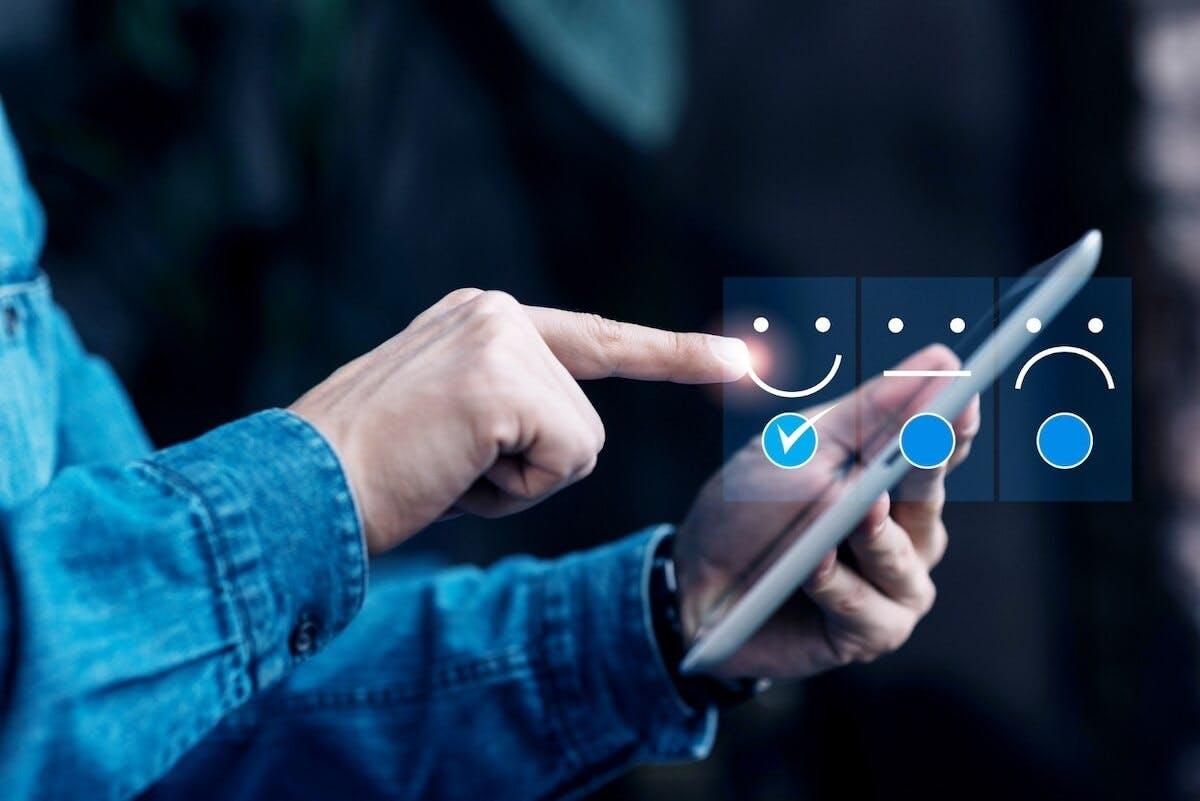
AIScreen enhances real-time feedback in the workplace by providing a visual and immediate way to share performance insights, recognition, and important updates.
In today’s fast-paced work environment, employees, especially Gen Z and Millennials, expect continuous feedback rather than waiting for quarterly or annual reviews.
AIScreen’s digital signage solutions allow businesses to display real-time performance metrics, leaderboards, employee recognition messages, and progress updates across office spaces and remote work hubs.
AIScreen can integrate with workplace communication tools for hybrid teams, ensuring that feedback reaches employees no matter where they work.
Through digital dashboards, motivational messages, or key performance indicators (KPIs), AIScreen keeps employees informed and engaged, reinforcing a culture of immediate and constructive feedback.
By leveraging AIScreen, companies can create a more responsive and visually engaging feedback system that aligns with modern workforce expectations, boosting productivity and employee satisfaction.
Trend #11: Human Resources Communication is Becoming Digitalized
HR departments must keep up with new communication trends as work moves online.
The HR software market is growing steadily and is expected to reach $33.04 billion by 2025.
Human resource management software makes it easier for HR managers to help teams collaborate online.
HR departments can now use digital communication tools to connect staff and boost productivity. These tools can also organize virtual team-building activities or run programs that improve employee morale.
While online team building was once unusual, it’s now becoming a common practice in the workplace.

Trend #12: On-Demand Learning and Virtual Training Are on the Rise in Communication
In HR training, most developments are moving towards online communication between learners and teachers.
Learning is becoming digital, whether it’s through online coaching, virtual seminars, or interactive online activities.
Many still prefer self-paced and on-demand options, as employees prefer to learn.
58% of employees favor self-paced learning, which is expected to continue.
Trend #13: HR Activities Focus on Communication Training
Poor communication has been a significant challenge since remote work became common.
Without face-to-face interaction and with improper use of communication tools, employees often struggle to keep up with the workflow.
As a result, there’s a growing focus on HR training to help employees develop better communication skills and tackle these challenges.
By promoting a learning culture, employees can shift their perspective and see communication issues as opportunities to grow personally and professionally.
To help employees gain these skills, HR specialists create training programs that focus on:
- Conflict resolution
- Giving feedback
- Active listening
- Dealing with miscommunication

Trend #14: User Experience is Becoming a Priority When Choosing Communication Tools
As remote work and communication grow, user experience and design in business communication apps are crucial for effective communication.
For example, project management apps are becoming more popular in companies. However, if these apps are difficult to learn, team members may avoid using them, making it essential to choose the right tools.
The goal of user experience is simplicity. Simple communication makes remote, hybrid, and distributed team workflows effective.
For instance, some apps let users show their availability with an emoji, saving time instead of typing detailed status updates.
Because of this, managers will keep looking for communication tools that are easy to use and simple to navigate.

Trend #15: Automation is Gaining Popularity in Communication
Recent trends in business communication are focused on automation.
Automation in communication can include features like:
- Notifications
- Reminders
- Scheduling messages
More advanced communication tools now offer app integrations that connect with other software, saving time, energy, and resources.
This is improving teamwork and streamlining business processes.
Why is this important?
As communication becomes smoother, teams are encouraged to communicate more. Teams that communicate better collaborate and complete tasks on time and with the right quality.
Automation plays a significant role in this.
For example, automated reminders make it less likely for teams to miss scheduled video calls. This makes it easier to have more video calls since it’s simple to keep track of who to meet and when.

Trend #16: C-Level Executives are More Involved in Internal Communication
In well-connected organizations, C-level executives play an active role in internal communication.
All employees must hear directly from the company’s top leaders through messages on platforms like Pumble or video calls.
This helps CEOs engage with their teams, improving group cohesion and ensuring everyone is aligned and on the same page.
Trend #17: Employee Mental Health is More Important than Ever in Workplace Communication
In recent years, supporting employees’ mental, physical, and emotional well-being has become more critical. Studies show that companies that support employee mental health have higher retention rates and see a positive impact on productivity and customer satisfaction.
In remote and hybrid work settings, the best way to support employees is through relevant corporate communication, sharing wellness resources, promoting work-life balance, and providing ongoing support via internal channels.
Organizations should also focus on preventing burnout and creating open spaces for dialogue. Most importantly, companies must actively listen to their employees and understand their need for support.
Tools like wellness surveys and feedback loops can help gather valuable insights and tailor well-being strategies that boost employee engagement and overall business performance.
Trend #18: Artificial Intelligence is Becoming More and More Utilized in Communication

AI has quickly become a significant part of our world. Most professionals have tried it at least once to see how it works, and some use it regularly. It was only a matter of time before artificial intelligence became a regular part of our work routines.
Its leading role is to save time, sift through databases, and give us the information we need. When it comes to messaging, AI has made significant changes. We can now ask AI to adjust our voice and tone depending on our needs, making us more professional or relaxed.
These are just a few of AI’s main benefits to business communication. In the future, we can expect even more AI features to boost productivity and creativity.
What Are the 6 Internal Communication Trends Shaping Workplaces in 2025?

1. Employees Want More Organization-Wide Communication and Discussions
Today’s workers value honesty and openness. Employees are most likely to disengage when internal communication feels vague or insincere. This can break trust, lower morale, and reduce productivity.
Leaders must be open about essential issues or explain why specific topics are not addressed. Open forums can help strengthen relationships within the team.
Internal communication teams can support this by:
- Creating company newsletters that cover industry news, policy updates, company milestones, employee stories, and more. A regular newsletter from leadership keeps everyone informed about company goals and promotes transparency.
- Organizing town hall meetings where all employees can ask questions, give feedback, and directly engage with management. Virtual meetings make this possible for companies with remote workers or multiple locations.
- Holding regular company-wide discussions to keep everyone aligned and engaged. This allows employees and management to discuss issues that impact the whole company confidently.
2. Leaders Are Engaging in Tough Communication Topics More Often

As workplaces become more open and diverse, leaders increasingly face questions from their employees about environmental, social, and political issues. Edelman says nearly 90% of employees expect CEOs to speak out on societal challenges.
Leaders are responding, but not always as expected.
About 45% of leaders say they actively engage in difficult conversations, but only 23% of employees agree. The gap might be because leaders often speak up only when pressured.
Addressing issues quickly helps prevent problems from escalating and can turn challenging situations into valuable learning experiences. Here’s how to handle complex topics successfully:
- Align essential issues with the company’s values. Employees will challenge leaders if there is a mismatch between what is said and what is done.
- Hold guided discussions to ensure all points are covered and objectives are met.
- Use positive language to steer the conversation toward good outcomes.
- Show the company’s values by highlighting relevant corporate social responsibility (CSR) initiatives.
- Tackling tough conversations helps build trust, encourages constructive dialogue, and shows a commitment to employee well-being.
3. Increased Focus on Employee Sentiment in Communication
The Great Resignation of 2021 taught companies that employees value connection and purpose more than pay and benefits. Recent LinkedIn polls also show how well you communicate internally can affect employee turnover.
What this means: Business leaders must communicate company priorities and goals clearly and frequently. It’s essential to focus on what your teams want and need to hear, not just what you want to say. This keeps employees engaged and makes them feel more connected to the company.
Employee sentiment reflects how employees feel about their job and work environment. It answers questions like:
- Would you recommend this company as a great place to work?
- Do you have opportunities for career growth?
- Do you share the company’s values?
- Does the company communicate its strategies and policies well?
- Does the company care about your well-being or mental health?
- Do you have the tools and support to do your job well?
These questions cover everything from the work’s meaningfulness to management’s support. Positive feelings lead to higher engagement, lower turnover, and better company performance. Negative emotions, on the other hand, can lead to burnout and demotivation.
To measure employee sentiment, track employee satisfaction using methods like:
- Running sentiment surveys to understand employees’ feelings and build a sentiment index to track changes over time.
- The employee net promoter score (eNPS) is used to measure satisfaction numerically and predict turnover.
- Monitoring absenteeism to identify employees who may be stressed or at risk of burnout.
Prioritizing employee sentiment is key to creating a healthy work environment. Focusing on employees’ feelings shows you care, strengthening your company’s culture.
4. Driving Employee Engagement through Targeted Communications
According to McKinsey, generic communication isn’t practical; employees waste 28% of their workweek managing emails.
Today’s employees want relevant messages sent through their preferred channels. That’s why hyper-personalization is becoming a key trend in workplace communication. There are two levels of personalization:
- Tactical personalization involves addressing employees by name and using their preferred communication channels and content formats.
- Strategic personalization creates targeted messages based on employees’ departments, projects, or roles.
Here are a few ways to deliver personalized communication:
- Create employee profiles that capture details about their interests, goals, and skills, helping shape your communication strategy.
- Segment your workforce by shared characteristics (like department or location) to send messages tailored to different groups.
- Analyze data from surveys and communication tools to understand employees’ preferences for content and communication channels.
Tailoring communication boosts employee engagement by ensuring the correct information reaches the right people in a way that speaks to them, no longer wasting time sifting through crowded inboxes or missing essential company updates.

5. Focus on Internal Communications ROI
Effective communication requires both time and money. Key performance indicators (KPIs) like reach and engagement help justify these costs, but that’s not all that internal communication teams should measure.
Around 25% of organizations don’t have a specific budget for internal communication. Decision-makers often use return on investment (ROI) to evaluate the financial impact of an internal communications strategy, which has been hard for communicators to prove in the past.
Luckily, many internal communication tools now offer tracking and analytics features, allowing you to gather data to calculate ROI.
Along with hard metrics (like performance indicators), it’s essential to include softer metrics (qualitative returns) in your report. These provide insights that numbers can’t show, such as how connected employees feel or their sense of belonging within the company.
6. Internal Communication Marketing

Employees are key to a company’s success. To stay competitive in today’s job market, internal comms teams must approach their role like marketers, focusing on the audience (employees), making them strong advocates for the brand, and understanding their impact on the company’s overall performance, including customer communication and satisfaction.
AIScreen enhances employee communication and internal marketing by delivering targeted messages through dynamic digital signage. This ensures employees stay informed, engaged, and aligned with company goals without adding to email or app fatigue.
Internal marketing helps employees connect with the company’s products, services, and values. It ensures they have the knowledge, tools, and context they need to succeed at work and support positive customer experiences.
How AIScreen Supports Internal Marketing:
- Better alignment with company goals: Keep employees updated with strategic objectives through real-time displays.
- Increased employee engagement: Use digital signage to recognize achievements and boost morale.
- More substantial support for the brand: Visually reinforce company values and culture to strengthen employee and customer communication.
- Improved reputation as an employer: Enhance workplace communication and transparency through consistent, impactful employee communication.
With AIScreen, internal comms teams can transform internal marketing into a seamless, engaging, and highly effective communication strategy that boosts workforce alignment and customer satisfaction.
How Is the Leadership Communication Trend Impacting the Modern Workplace?
Three out of four employees consider effective communication the top leadership skill. However, fewer than one in three employees feel their leaders communicate well.
Leaders directly influence employee satisfaction, motivation, and productivity. Without strong communication from leaders, employees are less likely to feel engaged and connected to their work.
Research also shows that leaders and managers are responsible for 70% of employee motivation and happiness.
Business leaders must establish clear communication with their teams to inspire and motivate. Here are 10 key goals for effective leadership communication:
- Align employees with the company’s culture
- Align employees with the company’s strategic goals
- Build trust in the workplace
- Keep employees engaged
- Encourage two-way conversations
- Boost employee collaboration
- Keep employees informed
- Communicate changes clearly
- Prevent internal miscommunications
- Ensure critical information is easily accessible

How Are Communication Tools Evolving for Cross-Functional Teams?
In 2025, communication tools will rapidly adapt to support cross-functional teams. Businesses are moving away from siloed apps toward platforms that offer seamless collaboration across departments like sales, marketing, product, and support.
Why it matters:
Cross-functional collaboration enhances innovation, agility, and productivity. Companies that use integrated communication platforms reduce misalignment and accelerate decision-making.
Key trends:
- Unified workspaces like Microsoft Teams and Slack are integrating with CRMs and project boards
- Contextual communication using @mentions, threads, and shared knowledge hubs
- AI-enhanced meeting summaries and real-time collaboration in documents
What Role Does Transparency Play in Building Communication Trust?
Transparency in communication has become a cornerstone of modern leadership and business culture. In 2025, companies that embrace open communication outperform those that don’t.
Why it matters:
When employees trust leadership, they are more engaged and loyal. Clear, honest messaging reduces rumors, boosts morale, and fosters psychological safety.
Key practices:
- Sharing company goals and challenges regularly
- Open Q&A forums with leadership
- Transparent decision-making processes with supporting data
How Can Inclusive Language Transform Workplace Communication?
Inclusive language in communication is no longer optional; it will be a standard by 2025. Companies that prioritize inclusive communication are improving employee satisfaction and brand reputation.
Why it matters:
Inclusive language helps create a workplace where everyone feels respected and heard. It eliminates microaggressions and improves cross-cultural collaboration.
Key practices:
- Replacing gendered terms with neutral language (e.g., “salesperson” instead of “salesman”)
- Avoiding jargon or idioms that exclude non-native speakers
- Training teams on unconscious bias and inclusive messaging
Is Gamification the Next Step in Employee Engagement and Communication?
Gamification in communication is gaining traction as companies seek new ways to engage remote and hybrid teams. By 2025, it will become a core part of internal strategy.
Why it matters:
Gamified experiences can boost motivation, enhance learning retention, and make communication more interactive and fun.
Key trends:
- Leaderboards for team collaboration and productivity
- Badge systems for training completion and soft skills
- Real-time feedback loops through interactive platforms
Why Is Communication Strategy Now a Core Part of Digital Transformation?
Communication strategy is not just an HR or PR concern; it’s central to digital transformation. In 2025, successful transformations hinge on clear, adaptive communication.
Why it matters:
Digital transformation introduces new tools, processes, and roles. Without strong communication, adoption falters and resistance grows.
Key elements:
- Change communication plans tailored to teams
- Continuous training and support content
- Feedback loops for real-time iteration

How Do Communication Trends Differ Across Generations in the Workplace?
With up to five generations in the workplace, communication preferences vary widely. Businesses must adapt to meet the needs of Gen Z, Millennials, Gen X, and Boomers.
Why it matters:
Tailoring communication styles improves understanding and avoids misalignment between age groups.
Generational insights:
- Gen Z prefers short, visual, real-time updates
- Millennials value collaboration and feedback
- Gen X leans toward email and concise messaging
- Boomers appreciate structured, formal communication
What Does the Rise of Audio-Only Communication Mean for Teams?
Audio-first tools like voice notes, walkie-talkie features, and live audio chats are rising in popularity in 2025.
Why it matters:
Audio communication blends the speed of messaging with the personal tone of voice, making it ideal for teams juggling screen fatigue.
Adoption trends:
- Slack and Teams are offering audio huddles
- Mobile-first teams using asynchronous voice memos
- Leaders using audio to deliver empathetic updates
Can Communication Be a Driver of Employee Retention in 2025?
Absolutely. Clear, consistent communication directly affects employee satisfaction and retention rates.
Why it matters:
When employees feel informed, heard, and valued, they’re more likely to stay. Miscommunication leads to disengagement and higher turnover.
Retention boosters:
- Regular check-ins and feedback loops
- Transparent leadership communication
- Recognition and celebration of achievements

What Is the Most Relevant Illustration of Communication as a 2025 Communication Trend?
A practical illustration of communication in 2025 reflects more than just exchanging messages; it’s about building meaningful, two-way interactions across hybrid and digital-first environments. Whether through Slack messages, short-form video updates, or collaborative platforms, today’s tools adapt to how teams naturally communicate.
This communication trend emphasizes clarity, emotional tone, and accessibility. A modern illustration of communication blends visual, audio, and text-based interactions, helping companies foster connection and understanding in distributed workplaces.
How Can Businesses Streamline the Communication as a Leading Communication Trend?
To stay competitive in 2025, businesses must streamline the communication across teams, departments, and tools. This communication trend focuses on eliminating app overload, centralizing workflows, and ensuring that everyone knows where to go for what.
From integrating messaging with task management to defining communication protocols, companies are moving toward fewer, more competent platforms.
When you streamline the communication process effectively, you boost productivity, minimize confusion, and ensure every message serves a clear purpose, precisely what agile, forward-thinking companies need today.
How Communication Evolved: 2024 vs. 2025
| Aspect | 2024 | 2025 |
|---|---|---|
| Preferred Channel | Email & scheduled meetings | Real-time apps (Slack, MS Teams) + async video |
| Personalization | Limited to job titles | Role, behavior, and preferences powered by AI |
| Leadership Involvement | Mostly top-down updates | More frequent, transparent executive communication |
| Feedback Frequency | Quarterly reviews | Continuous, real-time feedback dashboards |
| Visual Communication | Optional | Short videos, infographics, and gamification |
FAQs
What is the most impactful communication trend for businesses in 2025?
The most impactful communication trend in 2025 is the shift toward personalized, data-driven messaging. Businesses use AI and analytics to tailor internal and external communication, improving engagement, alignment, and efficiency.
How does digital communication affect company culture?
Digital communication shapes company culture by setting the tone for openness, recognition, and inclusivity. Poor digital communication can isolate employees, while thoughtful, engaging messages foster belonging.
What is the most effective communication style for remote teams in 2025?
The most effective communication style for remote teams in 2025 is asynchronous, clear, and visual. Using tools that support video snippets, voice notes, and real-time collaboration boosts clarity and reduces digital fatigue.
How Can Businesses Stay Ahead with Smarter Communication in 2025?


In 2025, smarter business communication will rely on hybrid work tools, AI-driven personalization, video-first strategies, and seamless digital collaboration. To stay ahead, companies must adapt to trends like real-time feedback, automation, and employee well-being.
AIScreen is a top provider of digital signage displays and solutions, helping businesses streamline communication for hybrid and remote teams.
With dynamic, cloud-based digital signage, AIScreen ensures real-time updates, engagement, and clarity, making workplace communication more effective than ever. Contact us for more details.
