
Top 8 Internal Communication Trends in 2026
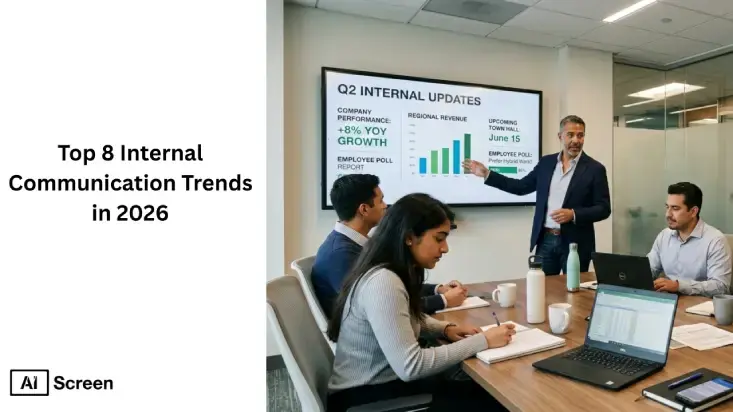
Internal communication trends are rapidly evolving in 2026, driven by artificial intelligence, hybrid work models, and rising employee expectations, making internal corporate communication a critical pillar of modern business strategy. Research from arXiv highlights its direct impact on employee engagement, transparency, and operational efficiency, while Axios HQ reports that nearly 60% of employees find updates unengaging, leading to misalignment and productivity loss. To address this, organizations are adopting personalized, data-driven, and technology-enabled communication systems that align with company culture, enhance leadership transparency, and improve overall employee experience and business growth.
In this article, we are diving into the top 8 trends that help internal communications teams boost employee wellbeing, use smart data analytics, and create truly engaging, transparent communication strategies using digital signage software and modern communication tools. Ready to see what’s shaping the future of workplace communication? Let’s jump in!
What are the Top 8 Internal Communication Trends That are Redefining Workplaces in 2026?
Businesses are adopting smarter, AI-driven internal communication systems to improve message clarity, personalization, and delivery timing. Using NLP-based tools, organizations ensure the right content reaches the right employees, enhancing engagement, transparency, and operational alignment.
These trends focus on employee experience, leadership visibility, and data-driven communication, enabling real-time updates, targeted messaging, and scalable distribution. As a result, companies build stronger culture, faster decision-making, and more efficient workplace communication systems. Below are the top 8 internal communication trends transforming workplaces in 2026:
1. Employees Want More Organization-Wide Discussions
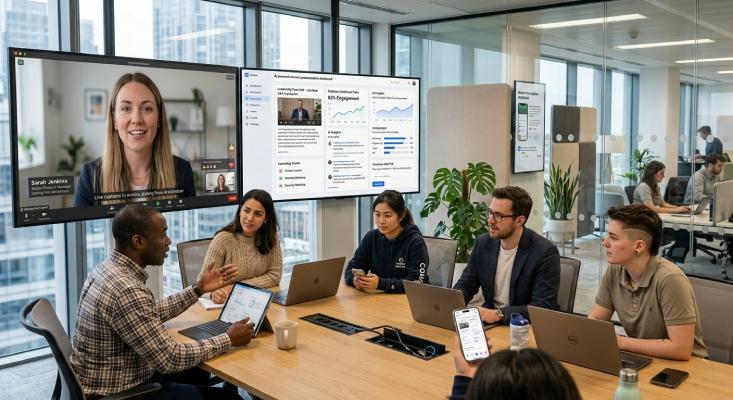
Employees expect open, organization-wide discussions because authenticity and transparent communication build trust and drive employee engagement. In 2026, vague executive messaging quickly damages morale and weakens alignment with company objectives.
As internal communication trends evolve, leaders must address important topics like return-to-office policies, artificial intelligence adoption, diversity initiatives, and business performance challenges. Avoiding tough conversations fuels speculation and disengagement.
2. Leaders Are Engaging in Tough Topics More Often
Executives are now stepping up to address sensitive subjects like employee mental health, layoffs, and diversity directly through internal communications. This shift reflects growing expectations for authenticity and emotional intelligence, showing that leadership communication is no longer just about information; it’s about connection and empathy.
Salesforce’s mental health initiative is a prime example, combining heartfelt messaging with practical wellness and mental health resources to support employee wellbeing.
3. Increased Focus on Employee Sentiment and Feedback
Companies are leveraging pulse surveys, analytics, and real-time feedback tools to measure employee morale and engagement continuously. These insights enable internal communication teams to adapt strategies proactively, ensuring messages resonate and positively impact workplace culture.
Tools like Culture Monkey analyze employee sentiment in real time, allowing HR and internal communicators teams to refine communication for better engagement.
4. Driving Employee Engagement Through Targeted Communication
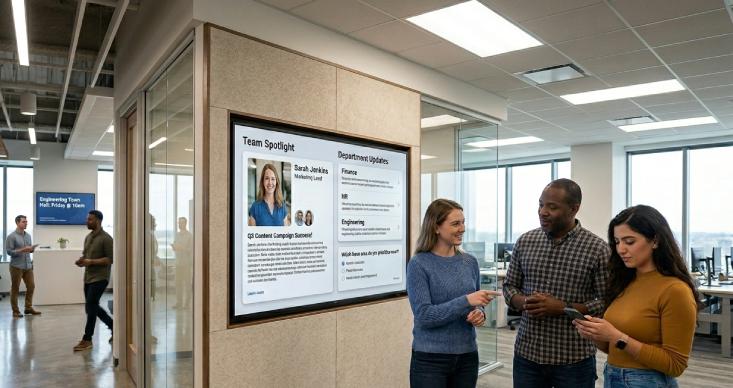
Internal corporate communication is becoming highly personalized, using data to deliver relevant updates by department, region, or role. Storytelling, recognition programs, and two-way engagement channels further deepen the connection, making communication a vital driver of employee experience and productivity.
Spotify’s “Spotlight” program, for instance, highlights employee achievements across teams, creating a culture of recognition and motivation.
5. Using Digital Signage to Power Visual Internal Communications
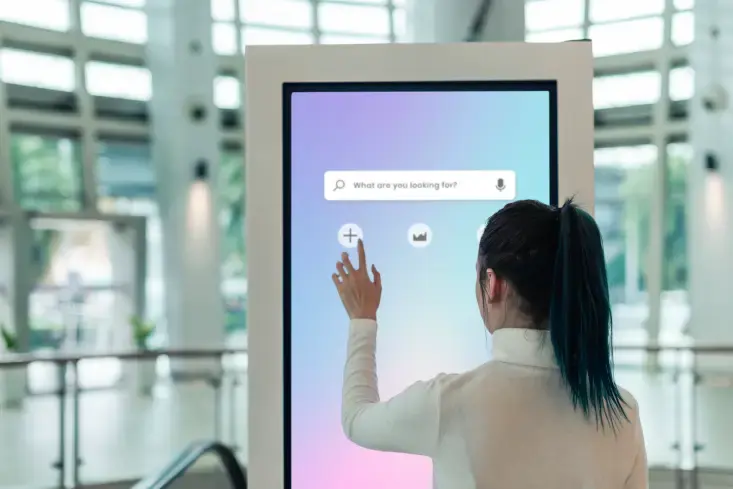
Digital signage is emerging as a leading internal communication trend in 2026, displaying key updates, KPIs, and motivational content across office spaces. With AI-powered content scheduling, messaging stays fresh and relevant, reinforcing company culture visually and in real time, all integrated seamlessly with intranet and HR platforms.
AIScreen’s digital signage solutions enable companies to display dynamic content tailored to real-time business needs, enhancing communication effectiveness.
6. Using AI to Streamline Internal Communications
AI tools automate newsletters, analyze sentiment, and summarize employee data feedback, freeing internal communicators teams to focus on strategy. Chatbots and virtual assistants improve communication efficiency, making it easier to engage employees and address their needs promptly.
IBM’s Watson Assistant, for example, provides rapid responses to HR queries, ensuring employees get timely relevant information.
7. Focus on Internal Communications ROI
Measuring outcomes like engagement, message reach, and productivity now defines new internal communications strategy success. Platforms like Looker Studio and HubSpot dashboards empower teams to track organizational performance effectively, linking relevant communication efforts directly to business objectives and employee well-being.
Data-driven insights from these tools help internal comms trends teams optimize strategies for maximum impact.
8. A Renewed Focus on Mobile-First Internal Communications
The shift to mobile apps and on-the-go messaging ensures remote and hybrid employees stay informed and connected. Push notifications, chat integrations, and quick polls facilitate instant communication, enhancing engagement in today’s dynamic workplace environment.
Slack and Microsoft Teams exemplify how mobile-first platforms keep employees engaged regardless of location.


Internal Marketing: Treating Employees as Your First Audience
Internal marketing aligns many internal communicators by inspiring brand advocacy, sharing company goals wins, and creating a unified narrative that motivates and engage employees effectively daily. This approach transforms employees into powerful brand ambassadors and fortifies a strong, consistent workplace culture.
Adobe’s employee advocacy program empowers staff to share authentic stories, enhancing the company’s values reputation and engagement.
How is Digital Signage Used to Enhance Internal Communications?
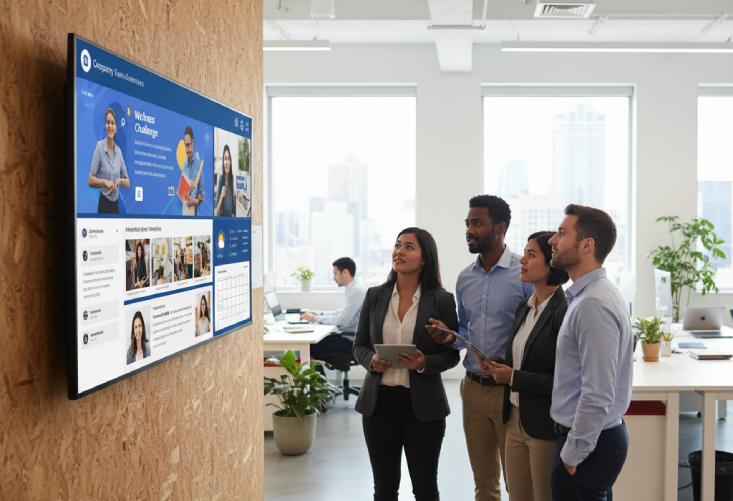
Digital signage enhances internal communications by acting as a centralized software-driven system that manages, distributes, and displays real-time workplace content across screens. Businesses use it to share announcements, KPIs, performance metrics, and employee recognition, improving visibility and reducing reliance on emails. This system ensures the right message reaches the right audience through scheduled, segmented, and dynamic content delivery.
With solutions like AIScreen, organizations can leverage features such as cloud-based content management, real-time updates, automated scheduling, and app integrations (dashboards, social feeds, HR tools). These capabilities enable data-driven messaging, seamless distribution, and consistent communication, creating a more engaged, informed, and aligned workforce. To explore how you can implement this effectively, read our next guide enhance internal communication with digital signage.
What Should Internal Communication Teams Focus On for 2026?
Internal communication teams in 2026 should focus on delivering clear, engaging, and data-driven communication that aligns with business outcomes goals and employee expectations. As workplaces become more digital and distributed, teams must combine strategy with the right tools to improve transparency, engagement, and collaboration while creating a more connected workforce.
To achieve this, teams should focus on:
Artificial Intelligence (AI)
AI is transforming internal communication professionals by enabling real-time analytics, automating responses through chatbots, and delivering predictive engagement insights. By adopting AI, organizations can understand employee behavior, personalize messaging, and improve communication efficiency at scale.
Creativity
Creativity plays a key role in making internal communication professionals more engaging and relatable. By using storytelling, video communication, and employee-generated content, organizations can humanize brand messaging and build stronger emotional connections with employees.
Digital Signage
Digital signage is a visual communication solution that uses digital screens in offices, conference rooms, and common areas to deliver real-time updates, employee achievements, and safety messages with high visibility and consistency. With AIScreen, businesses can use cloud-based CMS, centralized content management, and real-time updates to ensure clear messaging and improved collaboration. Choosing the right digital signage display for conference rooms enhances content clarity, engagement, and meeting efficiency, while a detailed guide on workplace digital signage for internal communications helps optimize content strategy, workforce engagement, and internal communication performance.
Emails
Emails remain a key internal communication tool when kept simple and effective. By focusing on personalization, mobile optimization, and concise formatting, organizations can improve readability, increase engagement, and ensure messages are quickly understood.
Improve Leadership Communication Skills
Strong leadership skills communication is essential for building trust and alignment within organizations. By training leaders to communicate with transparency, empathy, and active listening, businesses can foster open dialogue, improve employee engagement, confidence, and create a more connected workplace.
How Internal Communication Trends Connect with Employee Communication Boards
Internal communication trends highlight the shift toward visual, real-time, and centralized messaging, where an employee communication board plays a key role in improving engagement, transparency, and information flow. With AIScreen, businesses can implement digital employee communication boards ideas to deliver updates, announcements, and performance insights, aligning with modern trends of interactive, data-driven, and scalable workplace communication systems.
Ready to Redefine Your Internal Communications Strategy in 2026?
Now is the time for organizations to rethink and upgrade their internal communication strategies to keep pace with evolving workplace trends. By investing in innovative solutions like digital signage, AI-driven tools, and integrated communication platforms, businesses can deliver real-time, personalized, and engaging experiences that keep teams informed and aligned. Embracing these technologies not only improves communication efficiency but also helps create a more connected, transparent, and inspired workforce ready for the future.
Frequently Asked Questions
What is internal communications?
Internal communications is the strategic process of sharing information within an organization, facilitating dialogue between leadership and employees, as well as peer-to-peer interactions. This communication function ensures everyone stays connected, informed, and aligned with company goals, driving effective communication and a positive employee experience.
Why is internal communication important in business?
Effective internal communication is crucial for business success as it keeps employees informed, engaged, and motivated. It builds trust, strengthens company culture, and fosters collaboration, helping teams work efficiently towards shared objectives. According to studies, organizations with strong internal communicators see higher employee engagement and productivity, directly impacting their bottom line.
How does digital signage improve internal corporate communication?
Digital signage improves internal corporate communication skills by displaying real-time updates, KPIs, and motivational content visually across office spaces, creating constant engagement. AI-powered content scheduling keeps messaging fresh and relevant, while integrating with intranet tools ensures a unified communication approach that enhances workplace culture and increase employee engagement wellbeing.
What’s the role of AI in internal communications?
AI streamlines internal communicators by automating routine tasks such as newsletters and feedback analysis, providing real-time sentiment, provide valuable insights and predictive engagement metrics. AI-powered chatbots and virtual assistants improve responsiveness and personalize messaging, helping internal comms teams optimize communication skills effectiveness and employee engagement.
How can companies measure internal communication trends success?
Companies measure internal communication success through metrics like employee engagement rates, message reach, feedback response, and productivity improvements. Tools like Looker Studio and HubSpot dashboards analyze data-driven valuable insights, allowing internal communication teams to track performance, refine strategies, and ensure communication aligns with business objectives and employee well-being.
