
Top 6 Shopper Marketing Trends for 2026
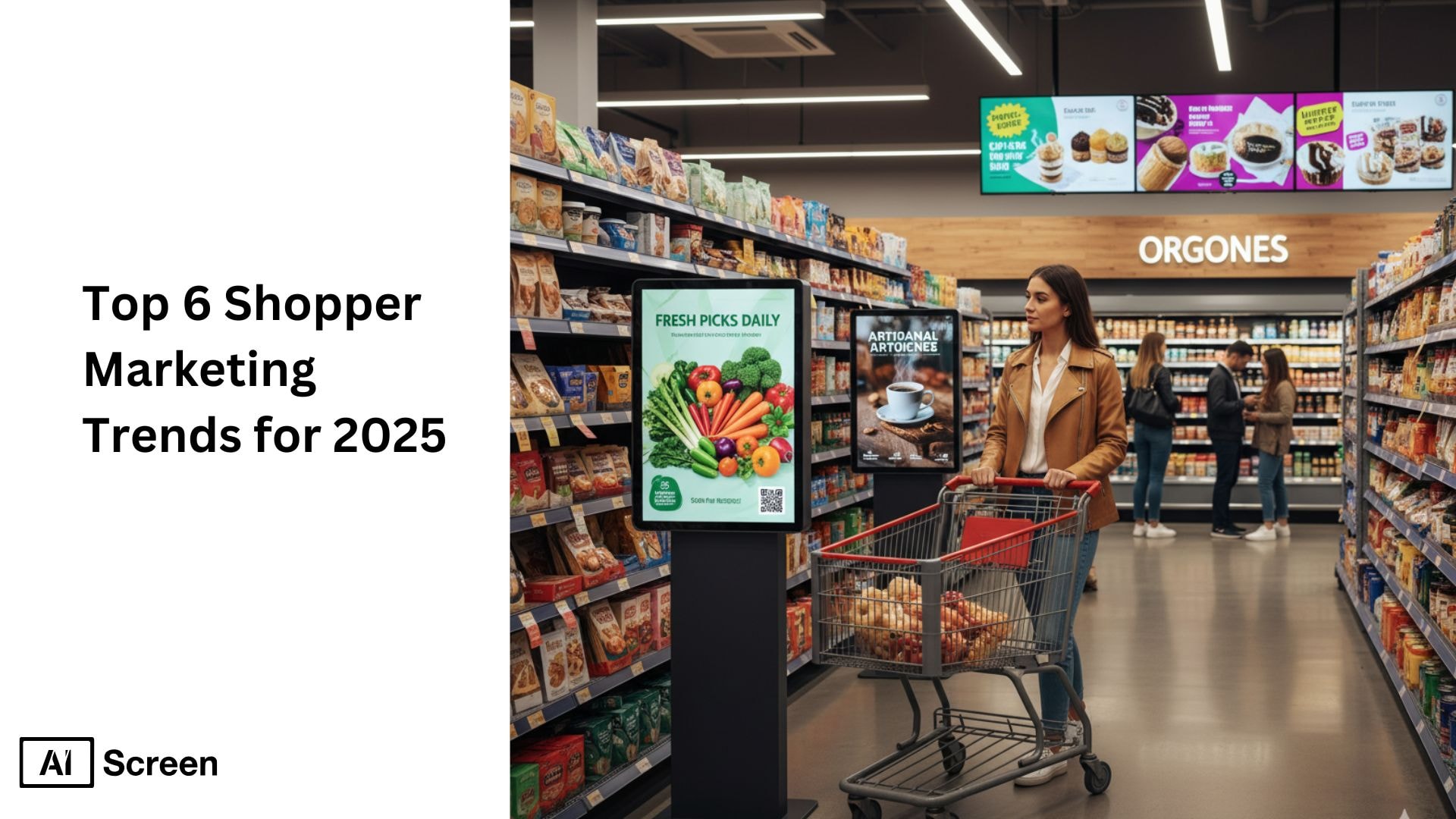
Shopper marketing trends and a strong shopper marketing strategy are reshaping how brands connect with consumers in a competitive market. Today, shopper marketing focuses on influencing purchasing decisions, improving customer loyalty, and meeting rising customer expectations through smarter marketing efforts. According to Google, 84% of shoppers use their smartphones while in-store to compare prices or read reviews, proving that today’s shopping journey is both digital and emotional.
This article dives deep into the top marketing trends for 2026 that are shaping the future of retail. You’ll explore how brands are using digital signage software, data, digital displays, emotional storytelling, and creative strategies to transform everyday shopping into unforgettable experiences.
What Are the 6 Major Shopper Marketing Trends for 2026?
The 6 major shopper marketing trends for 2026 focus on hyper-personalisation, immersive experiences, and data-driven strategies that influence purchasing decisions in-store.
These trends reflect how retailers adapt to changing consumer preferences, rising demand for convenience, and the need for deeper engagement. Brands are now aligning their shopper marketing strategy with real-time insights to create meaningful interactions that drive sales and brand recognition.
1. Hyper-Personalization Through AI and Data Analytics

Here you can also talk about aiscreen audience analytics feature. Hyper personalisation uses AI and purchase history to deliver tailored recommendations that directly influence purchasing decisions. Retailers analyze customer behavior, mobile apps activity, and store app interactions to create personalized experiences.
This approach plays a pivotal role in modern shopper marketing campaigns by improving customer satisfaction and increasing conversion rates. According to Nielsen, 70% of purchasing decisions happen in-store, making personalization critical. By using data smartly, brands not only attract new customers but also strengthen relationships with existing customers.
2. Immersive Retail Experiences with AR and VR
Immersive experiences using virtual reality and interactive technology help shoppers visualize products and make faster purchasing decisions. Retailers now use AR mirrors, virtual try-ons, and interactive displays to enhance the in-store experience. According to Deloitte, 61% of younger consumers prefer immersive shopping environments, highlighting the rise of experiential retail.
These technologies create deeper engagement by combining entertainment with convenience. For example, shoppers can preview furniture in their home or try makeup virtually before purchase. This trend gives brands a competitive edge by transforming stores into interactive spaces that boost brand recognition and drive customer acquisition.
3. The Rise of Physical Retail Integration
Physical retail integrates online and in-store experiences to deliver seamless and convenient shopping journeys. Retailers use QR codes, mobile apps, and online store integrations to connect digital and physical touchpoints. A shopper can scan a product and instantly access reviews, offers, or tutorials.
According to Accenture, 73% of consumers expect consistent experiences across channels, making integration essential. This strategy ensures shoppers stay informed without interrupting their journey. Physical experiences also support dynamic pricing and contextually relevant content, helping brands influence shopper behavior and deliver a smoother path to purchase.
4. Sustainability as a Shopper Priority
Sustainability influences consumer trust and purchasing decisions, making it a core part of shopper marketing strategy. Modern consumers prefer brands that focus on ethical sourcing, minimal packaging, and eco-friendly practices. According to Nielsen, 73% of younger generations are willing to pay more for sustainable products.
Retailers are reducing waste by replacing printed materials with digital signage and using data to optimize inventory. These efforts not only meet customer expectations but also build long-term brand loyalty. Sustainability is no longer optional, it’s a demand that defines how brands compete in today’s world.
5. Influencer-Driven Commerce in Retail Environments
Influencer-driven shopper marketing campaigns combine social proof with in-store experiences to boost sales and brand credibility. Retailers display user generated content, influencer videos, and real-time reviews on in-store screens. According to HubSpot, 67% of shoppers trust influencer recommendations, making this strategy highly effective.
This approach helps shoppers feel confident in their purchasing decisions while increasing engagement. It bridges the gap between online inspiration and offline purchase. By leveraging authentic content, brands create stronger emotional connections and drive higher conversion rates.
6. Advanced Loyalty Programs and Data Integration
Modern loyalty programs use data integration to improve customer loyalty and deliver personalized rewards. Retailers combine insights from POS systems, mobile apps, and purchase history to design smarter loyalty programs. According to PwC, 86% of consumers say loyalty programs increase brand connection.
These programs go beyond discounts by offering tailored recommendations, exclusive rewards, and personalized experiences. When done right, they strengthen customer relationships, improve retention, and turn occasional buyers into loyal customers.


What are the Shopper Marketing Tactics for Retail Success?
Effective shopper marketing tactics combine data, experience, and creativity to influence purchasing decisions and drive growth. To better understand foundational strategies, you can also explore what is shopper marketing? tactics, examples & strategy and for deeper insights into aligning marketing efforts.
Promote a Welcoming Retail Atmosphere
A well-designed store atmosphere improves customer satisfaction and encourages shoppers to stay longer. Lighting, music, and layout directly impact shopper behavior. Research shows scent marketing can increase sales by 11%. Retailers use data insights to align store design with consumer preferences, creating a seamless and comfortable shopping experience.
Create Eye-Catching Shopper Marketing Displays
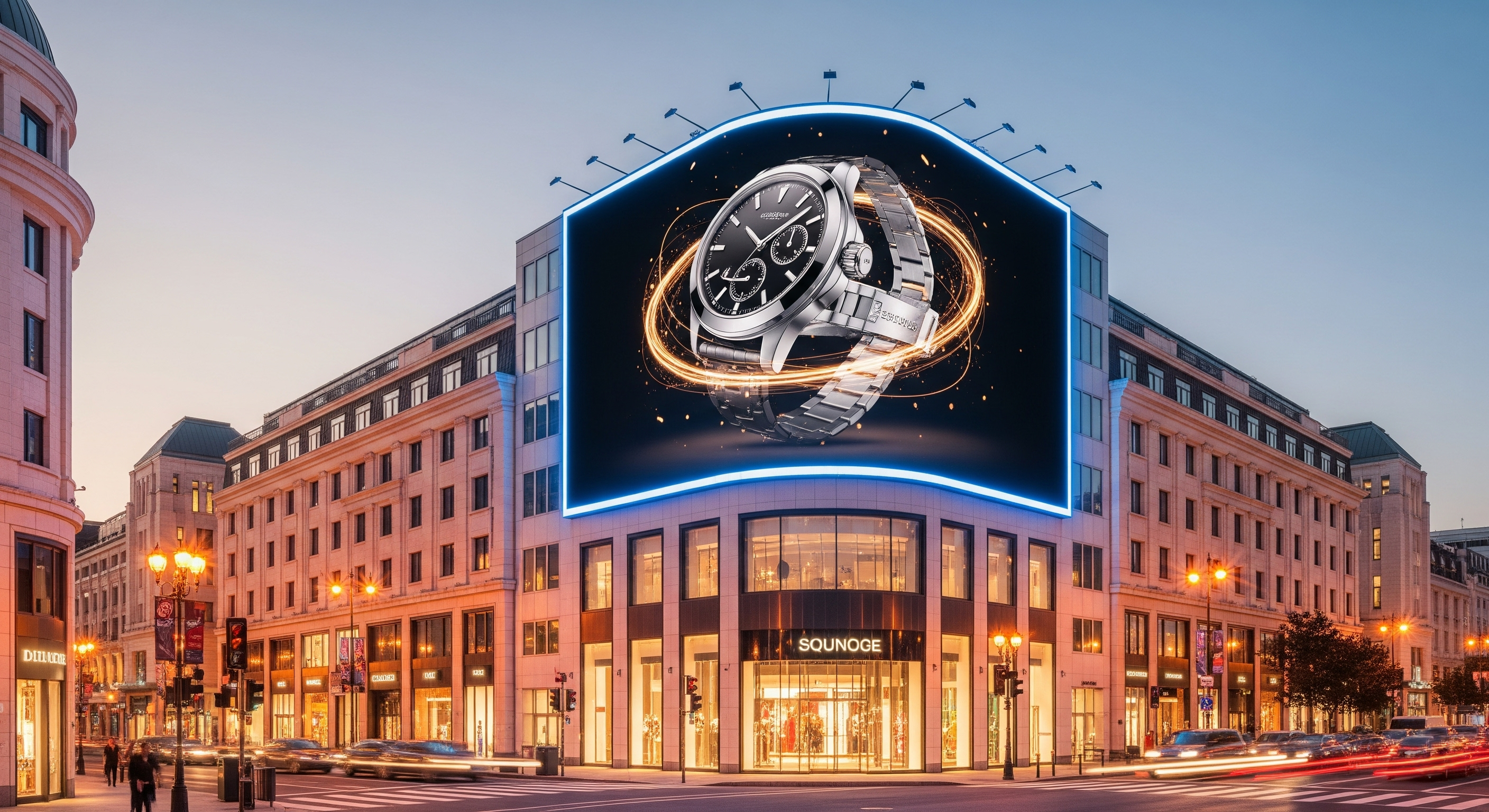
Eye catching displays attract attention and influence purchasing decisions at key moments. Digital signage and interactive screens replace static shelves, delivering dynamic content that boosts engagement. These displays highlight specific products and promotions effectively. This approach enhances brand visibility while increasing impulse purchases.
Embrace Digital Receipt Marketing
Digital receipts extend customer engagement beyond the point of sale. They include QR codes, offers, and loyalty rewards that encourage repeat purchases. Retailers also gain insights into buying patterns, improving future marketing strategy. This tactic supports customer acquisition and strengthens relationships with existing customers.
Offer Free Samples and In-Store Demos
Product sampling builds trust and encourages immediate purchases. Shoppers are more likely to buy after trying a product firsthand. In-store demos create real world applications that help customers understand value quickly. This simple tactic increases confidence and boosts sales.
Run Contests, Sweepstakes, and Interactive Promotions
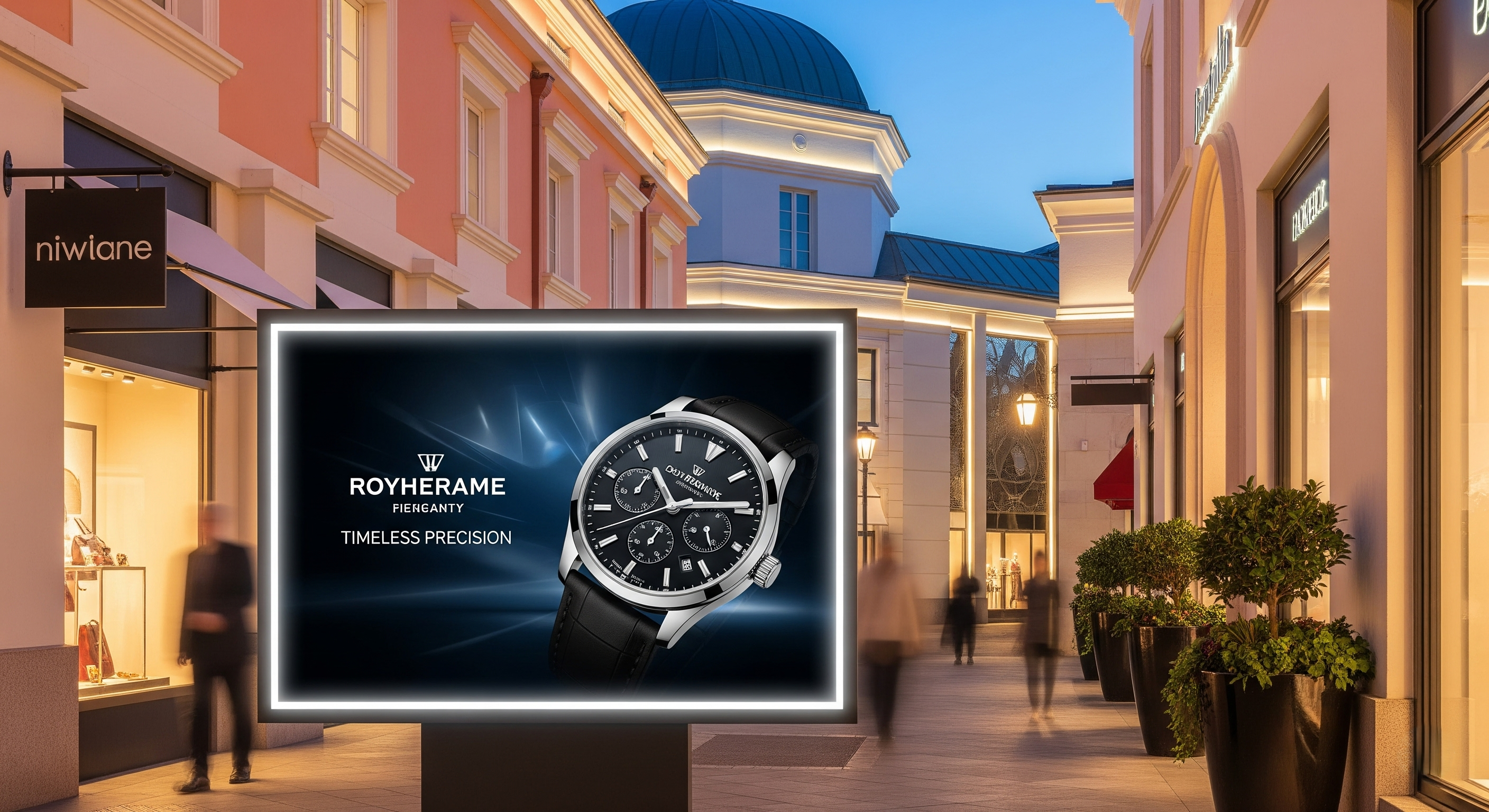
Interactive promotions create excitement and keep shoppers engaged. Gamified campaigns encourage participation and sharing, increasing brand awareness. These strategies combine fun with measurable results. They also help brands connect emotionally with their target audience.
Use Geotargeting and Proximity Marketing
Geotargeting uses location data to send timely offers and influence purchasing decisions. Push notifications and mobile alerts reach shoppers when they are near a store. This increases foot traffic and conversions. It ensures marketing efforts are relevant, timely, and effective.
How Digital Signage Fits into Broader Marketing Strategies?
Digital signage software delivers real-time, interactive content that influences purchasing decisions and boosts conversion rates.
Retailers can update promotions instantly, personalize messaging, and improve customer experience using data-driven insights. To understand how this aligns with overall brand communication, you can explore what is corporate marketing? introduction, benefits, and strategies for a broader strategic perspective.
These tools play a pivotal role in modern shopper marketing by combining automation, analytics, and creativity to drive success.
What Will Shopper Marketing Look Like in the Future?
The future of shopper marketing will focus on personalization, immersive technology, and data-driven experiences. Retailers will continue to adopt advanced tools to meet evolving customer expectations and stay competitive.
- Trend #1. Emerging Technologies Create New Opportunities: Technologies like AR and AI enhance shopping convenience and engagement. They simplify decision-making and improve overall experience.
- Trend #2. Personalization Becomes Individualization: Marketing will shift from segments to individual-level targeting. This improves relevance and strengthens customer relationships.
- Trend #3. Brands and Retailers Double Down on User-Generated Content: User generated content builds trust and authenticity. It drives engagement better than traditional ads.
- Trend #4. Rewards Programs Evolve Beyond Discounts: Future loyalty programs will focus on experiences, not just savings. They create emotional connections with customers.
- Trend #5. Neuromarketing Goes Mainstream: Neuromarketing uses psychology to influence shopper behavior. It helps brands design more effective and engaging experiences.
Boost Shopper Marketing Success with Smart Digital Signage Solutions!
Smart digital signage helps retailers deliver interactive, personalized, and high-impact shopper marketing campaigns. With real-time updates, tailored content, and data-driven insights, brands can improve customer satisfaction and drive higher sales.
AIScreen makes it effortless. You can manage and schedule campaigns across multiple locations, integrate interactive touchpoints, and deliver data-driven shopper marketing content, all from one easy dashboard. It’s the smart, scalable way to boost engagement and drive in-store sales.
FAQs
What is shopper marketing?
Shopper marketing is the strategy of influencing customers at every stage of their buying journey, from awareness to the final purchase. It focuses on understanding shopper behavior, customer preferences, and decision triggers.
Why does shopper marketing matter?
Shopper marketing matters because it bridges the gap between marketing and sales. It ensures that every campaign, display, and message drives real conversion. By focusing on how people actually shop, brands can improve engagement, loyalty, and revenue.
What are some examples of digital shopper marketing strategies?
Some examples of the latest marketing trends in digital shopper marketing strategies include interactive digital displays, personalized mobile offers, and AR product try-ons. Retailers also use micro-influencers, QR codes, loyalty apps, and social media contests to attract and retain customers.
How can AI and data improve shopper marketing performance?
AI and data can improve shopper marketing performance by delivering smarter personalization and predictive insights. They help retailers understand buying patterns and forecast demand. With data-driven targeting, campaigns become more relevant and effective.
What role does sustainability play in modern shopper marketing?
Sustainability plays a big role in modern shopper marketing as consumers increasingly prefer eco-conscious brands, a trend that is gaining momentum in e-commerce. Retailers are adopting digital signage and retail media networks, paperless receipts, and ethical product sourcing.
