
Smart Shelves in Retail: What Every Retailer Should Know
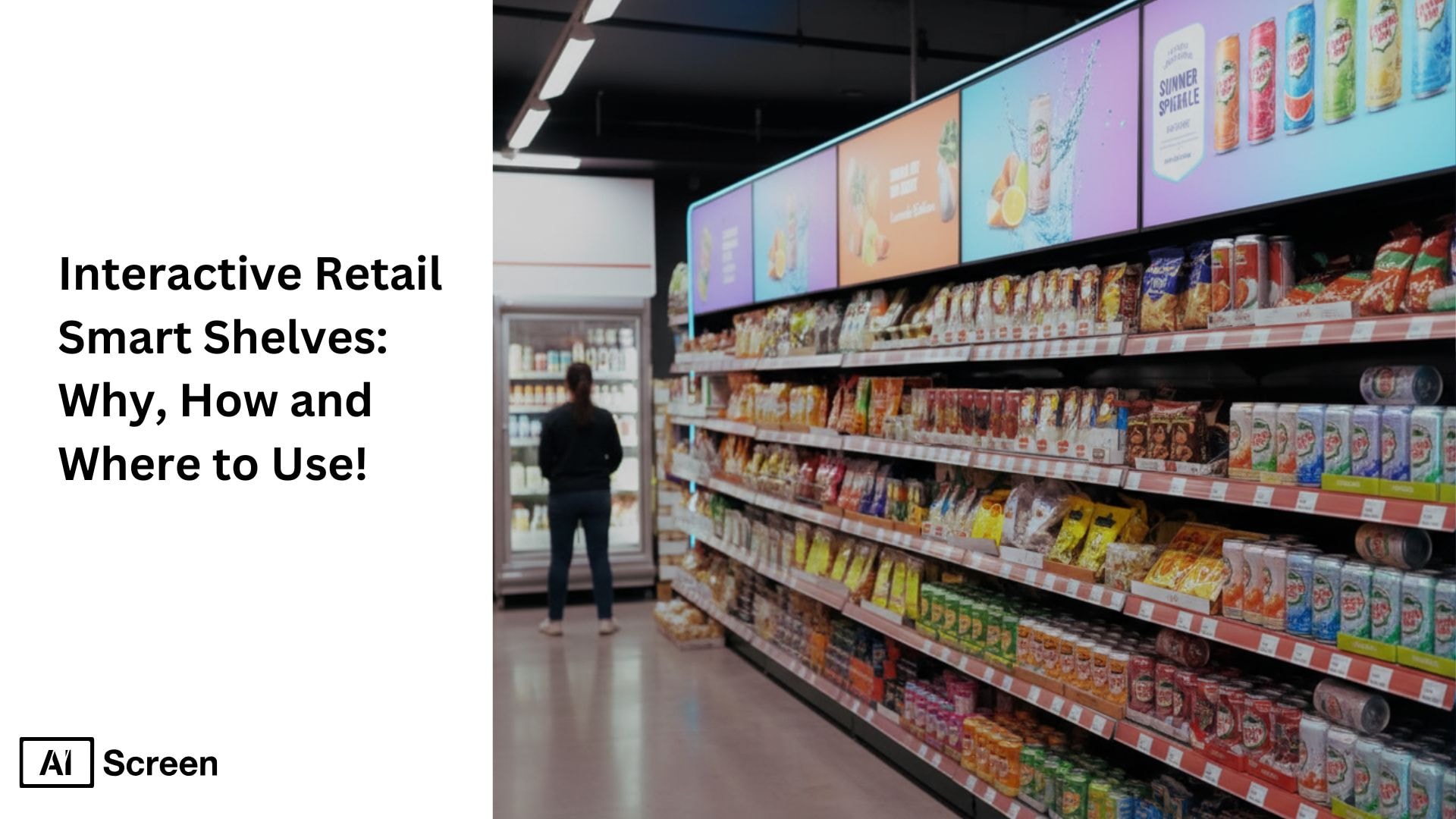
Interactive retail smart shelves are changing the way we shop by blending everyday retail with smart technology. Think about shelves that can track stock in real time, show product details right on a screen, and even suggest what you might like next; all thanks to RFID tags, sensors, and clever digital displays. They make life easier for staff by cutting down on manual work and instantly sending data to keep the store running smoothly. A MarketsandMarkets report predicts that this technology will grow by over 23% each year, as more retailers around the world start adopting smart shelves.
In this article, we’ll look at how these smart shelves make shopping easier and more engaging in the retail industry. From sharing product info to updating prices on the fly and giving personalized recommendations, they bring a tech-forward touch to the shopping aisle that can greatly enhance customer engagement. Retailers can use the customer data insights they collect to manage stock better, plan promotions that really connect, and create a shopping experience customers actually enjoy.
What Are Interactive Retail Smart Shelves?
Interactive retail smart shelves are giving brick-and-mortar stores a serious upgrade. Ever wondered what it would be like if a shelf could keep track of its own stock and update prices instantly? That’s exactly what these shelves do. Using RFID tags, weight sensors, and built-in screens, they share real-time updates so shoppers and staff always know what’s available.
Instead of sitting quietly like ordinary shelves, these ones constantly “talk” to the store’s inventory system. Why rely on manual checks when the shelf can tell you what’s running low? It’s no surprise that Deloitte reports how smart shelf technology leads to over 60% of retailers using smart shelf tech saw smoother operations within a year.
What really makes them stand out is the interactive touch, which is a key topic in understanding interactive retail smart shelves why how and where to use . Wouldn’t it be helpful if a shelf could draw attention by highlighting promotions or suggesting related products while you browse? These displays can show detailed product info, spotlight deals, and even adjust prices on the fly. Picture a cosmetics shop where a shelf explains the key ingredients of a lotion and recommends a matching serum. It’s a mix of convenience and personalization that makes shopping easier for customers and far more efficient for retailers.
How to Use Interactive Retail Smart Shelves in Your Store
So, how do you actually make interactive retail smart shelves work in your store? It’s more than just plugging in some new hardware. To get the most out of these smart shelves, you need careful planning, effective store layout solid data analytics, and a strategy for integrating them smoothly with your existing systems. The goal of integrating technology is to create displays that feel intuitive to shoppers and actually make their experience easier and more engaging.
Did you know that supermarkets using interactive shelves have seen labor costs drop by around 20%, according to Statista? That’s a big win and a great way to improve customer satisfaction . By taking a structured approach, you can make sure these shelves don’t just look high-tech; they truly improve operations for staff and create a better shopping experience for customers.
Step 1: Choose the Right Interactive Smart Shelves
Picking the right smart shelves really comes down to understanding your store and your products. You want shelves that fit your layout, highlight the items you sell, and are easy for customers to interact with. Things like the right screen size, accurate sensors, and seamless integration with your inventory system make all the difference in keeping operations running smoothly.
Shelves that support electronic labels and RFID technology give retailers a clear picture of stock levels and customer behavior, making it easier to manage inventory and gather useful insights. For instance, a specialty grocery store might use shelves with weight sensors and digital displays to show real-time product info and updated pricing.
This setup keeps shoppers informed while cutting down on staff time spent updating prices or checking stock, making the whole store run more efficiently.
Step 2: Setting Up Interactive Smart Shelves for In-Store Use
Setting up smart shelves isn’t just about placing them in the store. They need to be properly mounted, hooked up to the store’s network, and connected with your Wi-Fi and inventory systems so everything updates automatically. Calibrating the weight sensors and setting up the digital screens makes sure the information is accurate and the displays look inviting for shoppers.
In a retail electronics store, for example, a well-set-up smart shelf means staff can see stock instantly, while customers get real-time pricing and product details right on the shelf. It cuts down on mistakes, saves staff a lot of time, and keeps the store running smoothly, all while making it easier to track inventory across different departments.
Step 3: Integrating Smart Shelves with Inventory Retail Management Systems
Linking smart shelves, which use radio frequency identification (RFID), to your inventory management system bridges the gap between physical products and digital data, making real-time tracking effortless. When these shelves are connected to platforms like AIScreen and supported by retail digital signage, stock levels update automatically, helping prevent out-of-stock situations and giving managers a clear, real-time view of store performance.
For example, in a fashion store, if a popular item is running low, staff receive an automatic alert while customers can view availability directly on the shelf through retail digital signage displays. This transparency keeps shoppers informed and satisfied, while enabling retailers to make faster decisions about restocking or launching promotions, keeping operations efficient and the store running smoothly.
Step 4: Leveraging Real-Time Data for Stock and Customer Insights
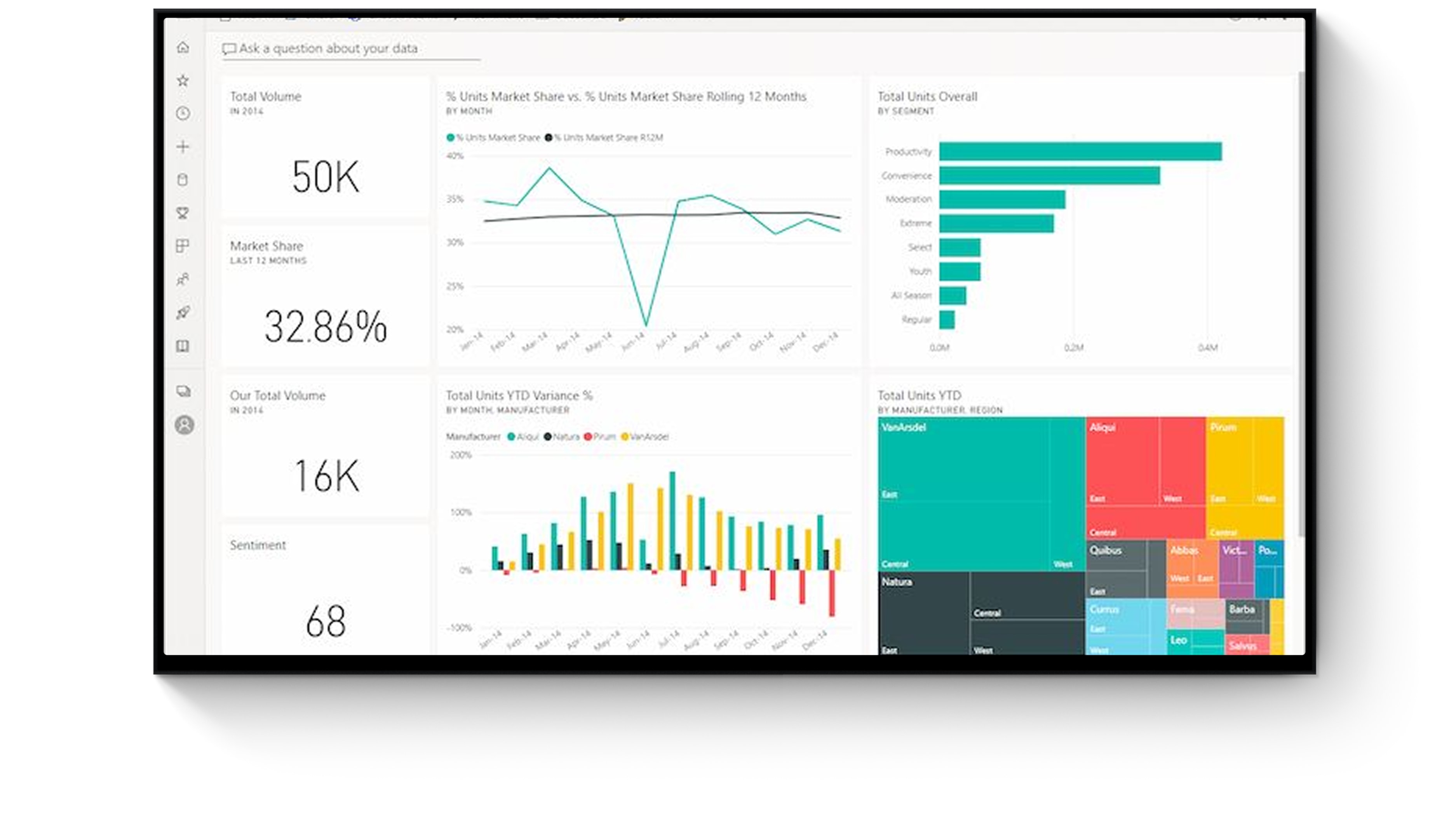
Smart shelves do a lot more than just hold products; they give retailers a real-time view of inventory data, sales trends, and even how customers interact with items. With this data, stores can plan stock better, run smarter promotions, and keep operations running smoothly. Tools like Power BI, Tableau, Google Data Studio, or Microsoft Excel Sheet make it easy to turn all that information into insights you can actually use.
- Power BI: Lets you see inventory and sales data in interactive dashboards, so you can make quick, confident decisions.
- Tableau: Helps you spot customer trends and understand shopping behavior with clear, visual reports.
- Google Data Studio: Makes it easy to track sales and stock across multiple locations in real time with custom reports.
- Microsoft Excel: Still a handy tool for organizing data, checking stock, and generating detailed reports.
For instance, a tech store can see which gadgets people are looking at most and adjust promotions instantly. Personalized recommendations or time-limited offers can pop up right on the shelves, making shopping feel more interactive, useful, and tailored to each customer.
Step 5: Designing User-Friendly Interactive Displays on Smart Shelves
Designing smart shelves that are simple and easy to use is crucial for keeping shoppers engaged. Many retailers model their shelf interfaces on 10 examples of interactive digital product catalogs that showcase clear navigation, rich product visuals, and intuitive comparison features directly at the shelf level. Add dynamic pricing and real-time promotions, and the shopping experience becomes both interactive and convenient.
Take a grocery store as an example. Smart shelves can guide shoppers through different options, highlight special deals, and even suggest complementary items based on past purchases using augmented reality.
This kind of setup doesn’t just make customers happy; it keeps them coming back. Shoppers enjoy the experience more, and retailers see higher sales, all while creating a store environment that feels modern, helpful, and engaging.
Why Interactive Retail Smart Shelves Are the Way to Go
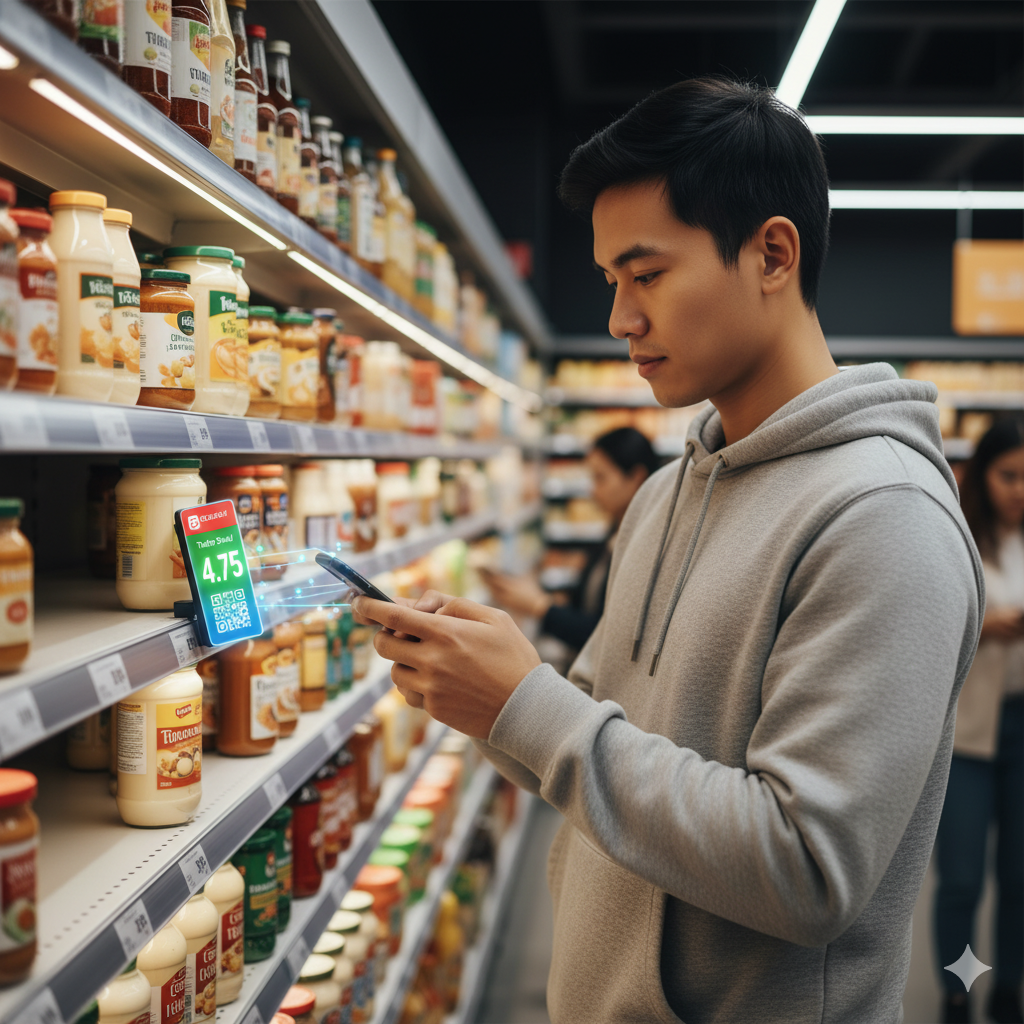
Interactive retail smart shelves are quickly becoming a must-have for modern stores in the retail sector because they bring a little extra “smart” into the shopping experience. These shelves aren’t just there to hold products; they update in real time, show personalized offers, and give insights that make shopping smoother for customers and day-to-day operations easier for retailers.
Fashion stores are seeing the results too. According to Retail Dive, stores with smart shelves saw customer engagement jump by 25%. Bringing this technology into your daily operations turns a regular shopping trip into a seamless, interactive experience that considers customer preferences and is efficient for staff and genuinely enjoyable for shoppers.
Retailers
For retailers, smart shelves can be a real game-changer in how smart shelf technology enhances their operations . They make managing stock much easier in the retail sector because inventory updates happen automatically, reducing the chances of running out of popular items. Pricing and promotions can also update on their own, freeing up staff to focus on helping customers and improving the overall shopping experience.
In a grocery store, fresh produce prices can adjust automatically based on how much stock is left and what’s in demand. Digital labels can highlight discounts or bundle deals, helping products sell faster, cutting down on waste, and keeping the store organized—all without staff having to manually update anything.
Brands
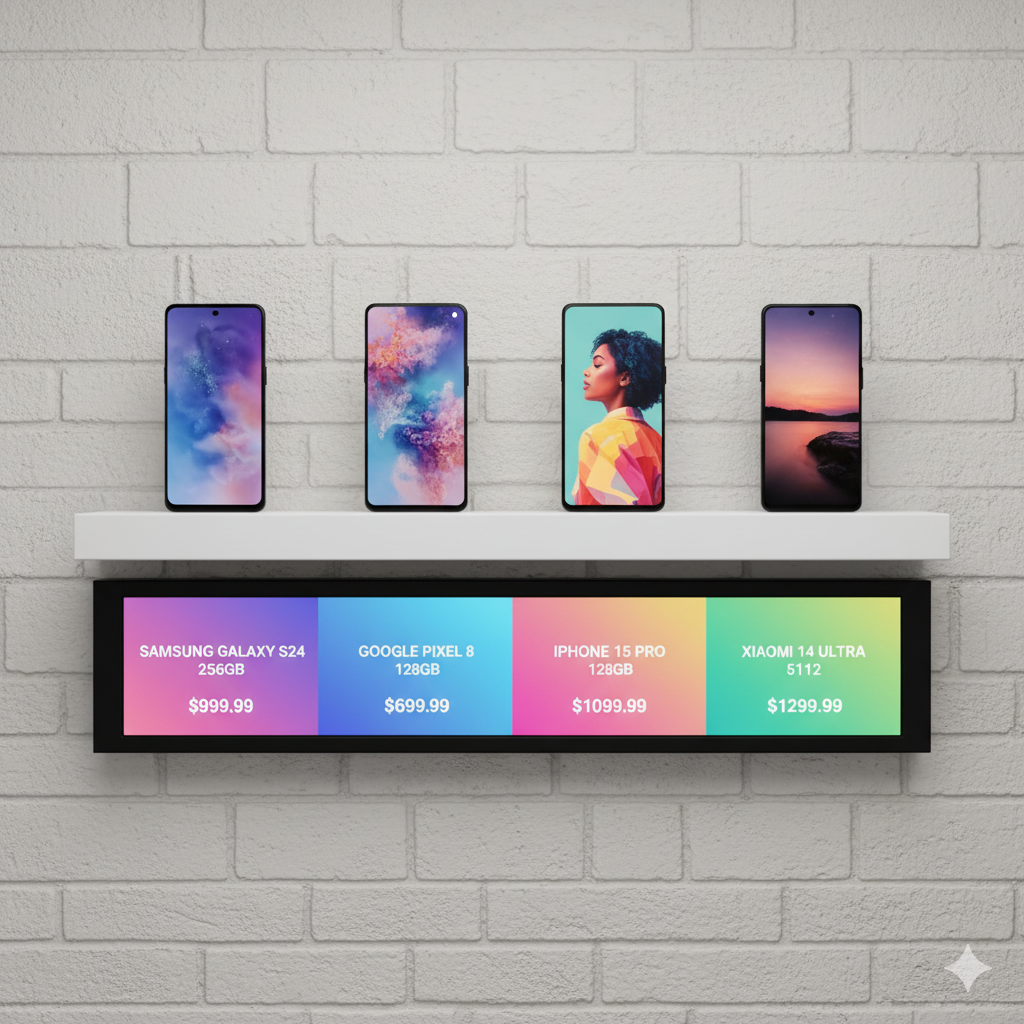
Brands also gain major benefits from interactive smart shelves by understanding consumer behavior . Not only do these displays showcase products, but they also increase visibility and deliver personalized ads, while providing real-time insights into how customers engage with items. By seeing what shoppers are most interested in, brands can use that information to adjust promotions and messaging, creating a stronger connection with their audience.
For instance, when a tech brand launches a new smartphone, smart shelves can display interactive demos and detailed specifications. At the same time, they track which features capture the most attention, giving immediate feedback. This allows the brand to quickly fine-tune marketing strategies, ensuring that shoppers have a more engaging and personalized experience.
Shoppers
Shoppers are the biggest winners when smart shelves are in the store. They can get all the details about a product, compare options instantly, and even see recommendations just for them, all without having to ask anyone or pull out their phone. It makes shopping feel easier, faster, and just… smoother.
For example, in a fashion shop, smart shelves can show which sizes are in stock, suggest outfits that go well together, and even let you try items virtually on the screen. Shoppers can find what they need quickly and discover extras they might like, turning a regular shopping trip into a more fun and effortless experience.
Where to Use Interactive Retail Smart Shelves
Interactive retail smart shelves are changing the way stores operate and how shoppers engage with products. By combining cutting-edge technology with real-time tracking, these shelves do more than just hold items; they actively improve customer engagement, simplify store operations, and give managers valuable insights into shopper behavior. As a result, retailers can make smarter decisions while customers enjoy a smoother, more personalized shopping experience.
For instance, McKinsey reports that pharmacies adopting smart shelf technology saw a 30% boost in customer satisfaction.
In Supermarkets and Grocery Stores
When it comes to supermarkets, interactive retail smart shelves offer multiple advantages. Thanks to RFID technology and weight sensors, stock levels can be tracked accurately, while electronic shelf labels instantly display product details, nutritional information, and current promotions. This means customers stay informed without needing to ask staff, and employees save time on manual checks and updating prices.
Moreover, retailers can use smart shelves to show personalized offers based on purchase history and customer preferences. By combining this with dynamic pricing and real-time inventory tracking, both physical and online stores can improve operational efficiency and provide a responsive shopping experience that delights customers.
In Electronics and Tech Stores
In the world of electronics and tech, smart shelves create a more interactive and informative environment. Digital displays can show detailed specifications, offer price comparisons, and even run interactive demos. As a result, shoppers gain quick access to product details through IoT technology and RFID tags, making browsing seamless.
At the same time, retailers can update prices in real time, reduce out-of-stock situations, and collect data on customer behavior. This data then helps brands deliver personalized advertisements, tailor promotions, and improve operational efficiency, ultimately enhancing the overall retail experience.
In Fashion and Apparel Stores
Fashion retailers also benefit greatly from smart shelf technology. Instead of relying on static displays, digital screens can show size availability, color options, and style recommendations. Additionally, stores receive alerts when popular items are running low, allowing for faster replenishment and a smoother shopping experience.
On the customer side, features like virtual try-ons and personalized recommendations make shopping more interactive and enjoyable. In turn, retailers gain real-time insights into inventory levels, customer behavior, and purchase patterns, creating a responsive shopping experience that aligns perfectly with modern consumer expectations.
In Pharmacies and Health Stores
Pharmacies and health stores can leverage smart shelves to improve both customer service and operations. Using radio waves, these digital signage for health stores provide detailed information about medicines, pricing, and real-time availability. As a result, staff are alerted when essential products are running low, preventing shortages and keeping the store organized.
Furthermore, digital displays can offer personalized recommendations based on customer behavior and purchase history, while integrating seamlessly with self-checkouts. This combination ensures a smoother shopping experience, better inventory management, and increased customer engagement.
Pharmacies and health stores use smart shelves that utilize radio waves and integrating technology to provide detailed information on medicines, pricing, and real-time availability, reflecting consumer behavior. Shelves can alert staff when essential products are running low, preventing shortages and keeping operations smooth.
Start Using AIScreen’s Interactive Retail Smart Shelves Today!
Getting started with AIScreen’s smart shelves can completely transform your store. By using this smart shelf technology, retailers get real-time inventory tracking, dynamic pricing, and the ability to show personalized offers, all while reducing manual work. Imagine being able to monitor stock instantly, alert staff when replenishment is needed, and display tailored promotions directly to shoppers. How much simpler would store operations be? With electronic labels, touch screens, and RFID technology working seamlessly together, stores can collect data and track customer behavior to gain valuable insights.
According to PwC, integrating smart shelves with inventory management systems can significantly cut out-of-stock situations, improving the entire shopping experience. Whether it’s a supermarket, fashion boutique, pharmacy, or electronics store, AIScreen’s intelligent shelves combine real-time tracking, personalized shopping experiences, and responsive digital displays. The result is higher customer satisfaction across various aspects, smoother retail operations, and a modern, engaging environment. By adopting this cutting-edge technology, retailers can enhance customer engagement while boosting overall efficiency in the retail sector.


FAQs
How do interactive retail smart shelves benefit retailers?
The interactive retail smart shelves benefit retailers by improving operational efficiency, data analytics, reducing manual inventory work, and providing real-time insights into stock levels and customer behavior. Let’s take an example: retailers can automate price updates, highlight promotions instantly, and optimize store layout based on shopper interactions. These intelligent shelves also help lower labor costs while boosting customer engagement and overall retail operations.
How do smart shelves improve customer experience?
Smart shelves improve customer experience by offering personalized shopping experiences, real-time product information, and dynamic promotions. Imagine a scenario where shoppers can quickly check product details, compare options, and receive tailored offers based on their preferences and purchase history. By providing a responsive shopping experience, these shelves make it easier for customers to make informed decisions and enhance overall satisfaction.
Can I integrate interactive retail smart shelves with my existing POS system?
Yes, you can integrate interactive retail smart shelves with your existing POS system, enabling seamless data flow between sales and inventory. Here’s the trick: integration allows real-time updates on stock levels, product details, and dynamic pricing, reducing out-of-stock situations. This connectivity also supports inventory management and generates actionable insights for smarter retail operations.
What industries benefit the most from interactive smart shelves?
No, interactive retail smart shelves are not expensive to implement. By planning the setup efficiently with new technologies and using scalable solutions from AIScreen, the initial investment can be offset by savings in labor costs and increased customer engagement. Retailers can reduce manual inventory work, optimize store operations, and boost sales through the effective use of smart shelf technology. Over time, these intelligent shelves provide a strong ROI and enhance the overall retail experience.
