
How to Boost Retail Success with Strategic Merchandising Examples
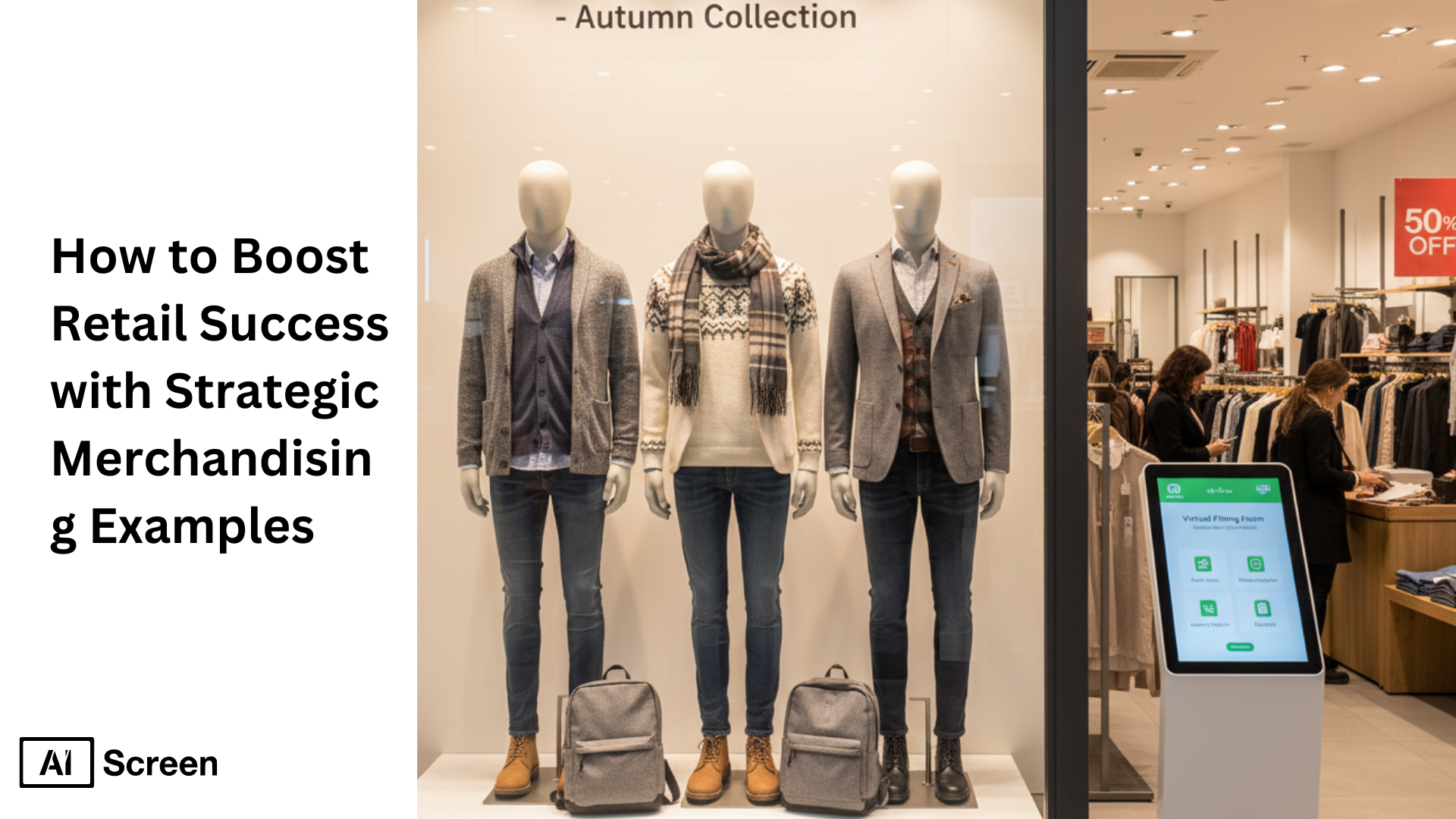
To enhance retail success through strategic merchandising, you can use techniques that combine visual appeal, customer behavior insights, and smart data-driven decisions. Strategic merchandising focuses on making the most of your retail space to attract customers, keep them engaged, and increase sales, forming a successful retail merchandising strategy. From eye-catching window displays to clever cross-merchandising, every element is designed to guide shoppers and influence their purchasing choices. According to the National Retail Federation, stores with well-planned visual merchandising can increase sales by up to 20%.
This article will explore 10 actionable examples of effective merchandising strategies that retailers can apply to elevate their merchandising strategy, improve brand visibility, and enhance the shopping experience. Supported by industry research and real-world statistics, each section demonstrates how thoughtful merchandising transforms customer perception and increases sales revenue across brick-and-mortar stores and online stores alike.
What Is Merchandising in Retail?
Merchandising in retail is all about how you present your products to make customers notice, engage, and ultimately buy them. It’s more than just placing items on shelves; it’s about arranging products, setting the right prices, creating displays that meet consumer expectations, telling a story, and capturing attention. When done correctly, it helps shoppers find what they need quickly while encouraging them to explore other products they might not have considered. According to Shopify, 75% of customers admit that store layout and product placement influence their purchasing decisions.
Effective merchandising in retail can shape customer decisions, create memorable shopping experiences, and even increase conversion rates. By combining thoughtful product placement with visually appealing displays and promotions, you can make your store feel welcoming and exciting, contributing to a positive customer experience. Every choice, from the layout of the store to the positioning of key items, works together to boost sales success and strengthen your brand identity.
Merchandise vs. Merchandising
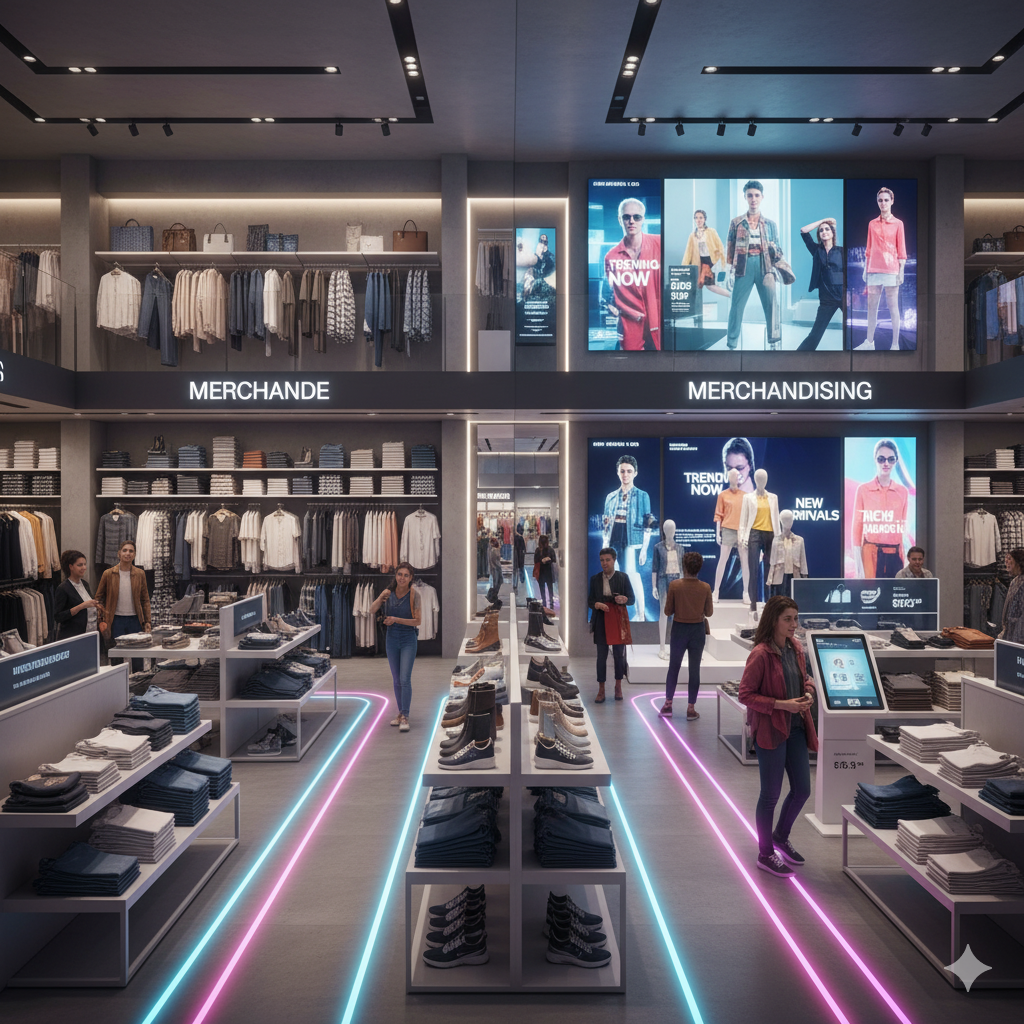
Merchandise refers to the tangible products available for purchase in a retail store, while merchandising encompasses the strategy behind how those products are presented and promoted to customers. By understanding this distinction, you can see that merchandise is the “what” and merchandising is the “how” that influences customer behavior and drives sales. Effective merchandising in the retail industry ensures that your products are not only visible but also appealing, aligned with customer needs and your brand identity, and positioned to encourage purchases. According to Deloitte, retailers using interactive displays see a 30% increase in customer engagement compared to static signage.
Before diving into specific tactics, it’s useful to examine what are the best example of store brand success in retailto understand the real-world impact of a strong merchandising strategy. Leading brands, from large-scale retailers to boutique shops, have successfully used strategic product placement, timely promotions, and engaging in-store layouts to boost customer loyalty, enhance the shopping experience, and increase sales revenue while keeping up with market trends. These examples provide actionable insights for designing your own retail merchandising strategy.
10 Strategic Merchandising Examples to Boost Retail Success
Effective merchandising is more than just arranging products on shelves; it’s about creating an experience that captivates customers and drives sales. Leading retailers like IKEA, Sephora, and Target have proven how effective visual merchandising and strategic product placement can shape customer journeys. According to Retail TouchPoints, endcap displays can boost impulse purchases by as much as 25%. Let’s explore ten actionable merchandising strategies that can transform your retail environment.
1. Window Displays That Grab Attention
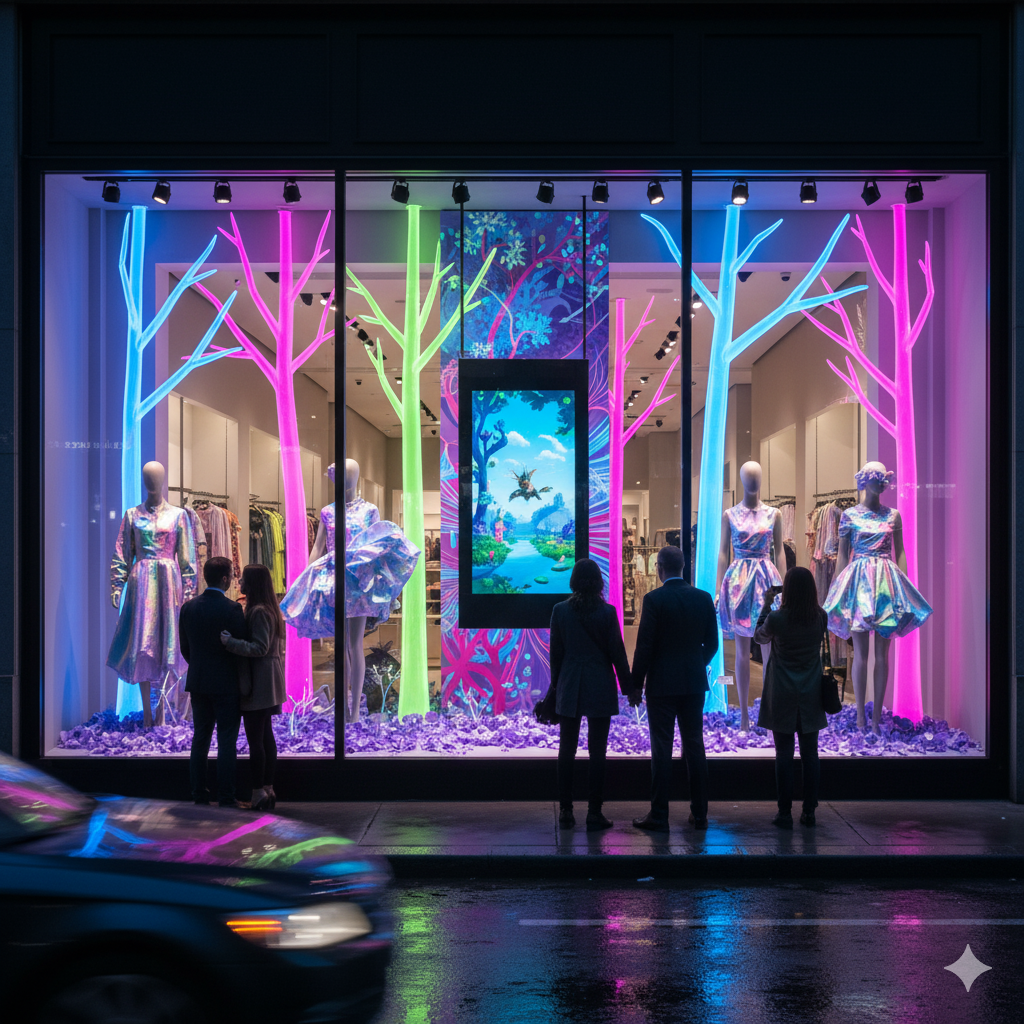
Window displays are your store’s first handshake with potential customers, setting the tone for what’s inside. A visually compelling display tells a story that sparks curiosity, making passersby pause and step into your store. By showcasing seasonal themes, trending products, or visual merchandising promotions, you immediately communicate your brand identity and the shopping experience waiting inside. When done strategically, window displays can significantly boost foot traffic while reinforcing brand visibility and your retail merchandising strategy.
For example, using attention grabbing window display lets you integrate dynamic digital signage with your display, highlighting new arrivals or promotions. Combining visuals with interactive content ensures customers are engaged before they even enter. This approach not only attracts more visitors but also encourages them to explore deeper into your store, enhancing customer experience and driving retail sales.
2. Planogram Layouts That Guide Customer Flow
Planogram layouts organize your products in a way that naturally guides customer movement and attention. By carefully positioning items at eye level and grouping related products, you make it easier for shoppers to navigate your store and discover high-priority items. Thoughtful product placement, combined with effective inventory management, encourages exploration, increases the chances of impulse purchases, and improves overall retail merchandising effectiveness.
Implementing a planogram strategy ensures every aisle and shelf communicates a clear story while highlighting key products. When combined with digital signage or in-store displays, it becomes even easier to direct customer focus toward promotions, new items, or complementary products. The right layout improves customer satisfaction, supports your retail operations, and maximizes sales revenue without overwhelming shoppers.
3. Endcap Displays That Maximize Exposure
Endcap displays are prime real estate in any retail store, located at the ends of aisles to grab attention instantly. These displays showcase featured or promotional products where shoppers are most likely to notice them, encouraging impulse buys that drive sales. Strategically curated endcaps not only highlight high-margin items but also drive traffic toward other areas of the store, increasing overall retail success.
You can use endcaps to emphasize seasonal promotions or bundle products for upselling opportunities. By combining eye-catching visuals with retail merchandising software or digital signage, you reinforce brand messages while making key products unmissable. Properly executed, endcap displays enhance customer engagement, influence purchasing decisions, and contribute directly to boosting retail sales data.
4. Cross-Merchandising That Encourages Bundles
Cross-merchandising places complementary products together to encourage customers to buy more than they initially planned. This strategy increases the average basket size while highlighting relationships between items, such as pairing coffee mugs with premium coffee beans or shoes with matching accessories. By showcasing related products in a logical, visually appealing way, you create natural opportunities for upselling and increase customer satisfaction.
When combined with strategic product placement and visual merchandising techniques, cross-merchandising strengthens your brand recognition and encourages repeat visits. Integrating interactive digital displays can further guide customers toward suggested bundles, making their shopping journey smoother and more enjoyable. This approach not only drives retail sales but also fosters brand loyalty by providing a thoughtful, curated shopping experience.
5. Interactive Displays for Deeper Engagement
Interactive displays like touchscreens and QR codes transform the way your customers explore products. When shoppers can access detailed product information or place orders directly from a display, it makes the shopping experience more immersive. This hands-on interaction encourages them to engage longer with your store and builds confidence in their choices. Over time, these digital displays can turn casual browsers into loyal customers by guiding them through your offerings in a meaningful way.
For instance, a coffee store could use QR codes for interactive display to let customers learn about brewing techniques or pairings while they browse mugs and beans. Every interaction provides insights into customer preferences, helping you refine your retail merchandising strategy. By combining dynamic content with interactive elements, you create an engaging retail space that drives customer engagement, boosts sales, and enhances the overall shopping experience.
6. In-Store Signage and Messaging That Informs & Persuades
In-store signage guides customers through your retail space while subtly influencing their buying decisions. Effective messaging informs shoppers about promotions, highlights product benefits, and directs attention to key areas without overwhelming them. When signage is thoughtfully designed, it strengthens the connection between your store layout and merchandising strategy. Clear guidance helps customers feel confident and makes their journey through your store more enjoyable.
Floor decals, shelf talkers, and hanging banners can work alongside digital displays to create cohesive visual cues that keep customers moving. Updating content dynamically allows you to tailor messages to your target audience, highlight promotions, and reinforce your brand visibility. When your signage informs and persuades simultaneously, it encourages purchases, improves customer satisfaction, and strengthens your store’s overall retail success, allowing you to gather valuable customer feedback.
7. Sensory Merchandising to Enhance Atmosphere
Sensory merchandising uses sights, sounds, smells, and even touch to create a memorable shopping experience. When your store engages multiple senses, it influences mood and behavior while subtly guiding purchasing decisions. A well-designed sensory environment can contribute to merchandising success by making customers feel comfortable, inspired, and more likely to explore your offerings. Every element contributes to a cohesive retail environment that aligns with your retail merchandising strategy and reflects current sales trends.
For example, a fragrance store could combine aromatherapy with background music and digital signage to showcase new scents and promotions. This creates an immersive atmosphere that encourages shoppers to linger and interact with products. Sensory merchandising enhances customer engagement, drives sales, and strengthens your brand identity by making the in-store experience unforgettable. To know more about it, you can read our blog on how to create a multi-sensory brand experience with digital signage in retail?
8. Pop-Up Shops That Create Urgency
Pop-up shops introduce limited-time products or events, creating excitement and urgency in your store. Temporary displays in retail establishments highlight exclusivity, making customers more likely to act quickly and explore featured products. This strategy works particularly well for seasonal campaigns or special promotions, driving both retail sales and foot traffic. Pop-ups allow you to experiment with merchandising ideas while capturing immediate customer attention.
A toy retailer, for instance, might create a Halloween-themed pop-up with interactive digital screens to showcase costumes and accessories. The temporary setup encourages impulse purchases while giving your store a fresh and dynamic feel. Pop-ups not only boost sales but also enhance customer engagement, strengthen brand loyalty, and create memorable experiences that keep shoppers returning.
9. Product Demonstrations and Sampling That Build Trust
Product demonstrations and sampling stations allow customers to experience your products firsthand. When shoppers try a product, they gain confidence and are more likely to make a purchase, which directly impacts customer satisfaction and sales revenue. Demonstrations also give you the chance to showcase features and benefits in a way that static displays cannot, reinforcing your merchandising strategy.
For example, a tech store could host live demonstrations of gadgets while displaying product comparisons on digital signage. Similarly, a grocery store offering sample tastings helps customers discover new items while increasing impulse buys. This combination of hands-on interaction and strategic display encourages purchases, strengthens customer engagement, and drives measurable retail business success.
10. Seasonal Displays That Drive Timely Sales
Seasonal displays align your store with current events, holidays, or trends, making shopping experiences feel relevant and exciting. Carefully curated displays create a sense of anticipation, encouraging customers to explore products that fit the season. Combining digital signage with seasonal themes keeps your content dynamic, ensuring your store remains fresh and appealing throughout the year, which can also translate into boosts in online sales.
During a back-to-school campaign, for instance, you can highlight bundles and promotions with interactive displays that suggest complementary items. Seasonal merchandising not only drives immediate sales but also strengthens brand visibility and enhances customer loyalty. By updating displays in line with seasonal trends, your store becomes a destination for timely, engaging shopping experiences.
Strategic Merchandising for Brand Success with AIScreen Retail Digital Signage
Looking for a smarter way to bring your retail merchandising strategy to life? With AIScreen’s retail digital signage, you can turn ordinary in-store displays into dynamic experiences that attract attention and influence purchasing decisions. It helps you showcase promotions, highlight top-selling products, and deliver brand messages that connect with your target audience in real time. By integrating digital signage into your merchandising efforts across various sales channels, you can optimize product placement and transform your retail space into an interactive environment that enhances both engagement and sales performance. According to Nielsen, cross-merchandising complementary products can increase average transaction value by 15%.
You’ve probably noticed how leading retailers use digital screens to create visually consistent experiences across multiple locations. Our software makes this simple with easy content scheduling, remote management, and data-driven insights that help you refine your merchandising strategy. Whether you’re managing window displays, endcaps, or seasonal campaigns, AIScreen ensures every display supports your brand goals seamlessly. The result is a modern, connected retail experience that boosts customer satisfaction, strengthens brand visibility, and drives measurable retail success.


FAQs
How does digital signage improve in-store merchandising?
Digital signage can improve in-store merchandising by creating visually engaging displays that attract attention and influence customer behavior. It enhances the way products are presented, making it easier for shoppers to discover new items and promotions while navigating the store. The use of dynamic content keeps displays fresh and relevant, ensuring that customers remain interested throughout their shopping journey and ultimately helps to maximize sales.
Can AIScreen help with planogram compliance and execution?
Yes, AIScreen can help with planogram compliance and execution by providing a centralized platform to manage and align digital displays with store layouts. It ensures that visual content matches product placement and merchandising strategies across multiple locations without manual intervention. Retailers can update, verify, and synchronize displays in real time, maintaining brand consistency and accuracy.
What’s the ROI of strategic merchandising using digital signage?
The ROI of strategic merchandising using digital signage is reflected in increased sales, customer engagement, and stronger brand visibility. The measurable impact comes from better targeting and reduced marketing waste, as data analytics provide insights into customer preferences. When used strategically, digital signage enhances the shopping experience while maximizing profitability.
How do I combine seasonal merchandising with digital signage?
You can combine seasonal merchandising with digital signage by scheduling timely content that reflects current trends, holidays, and customer interests. This approach helps create a more immersive shopping environment that aligns with consumer moods throughout the year. Digital signage software allows for automated updates across all store locations, ensuring consistency in visual presentation.
What’s an example of a successful merchandising strategy using digital signage?
The best example of a successful merchandising strategy using digital signage is a retailer that uses data-driven content to enhance product discovery and engagement. For instance, displaying real-time offers, customer reviews, or complementary product suggestions near specific items helps guide purchasing decisions. This combination of visual storytelling and contextual relevance makes the shopping experience more personalized and efficient, aligning with an overall retail strategy.
