
POSM Display: What It Is, How It Differs, and Real Examples
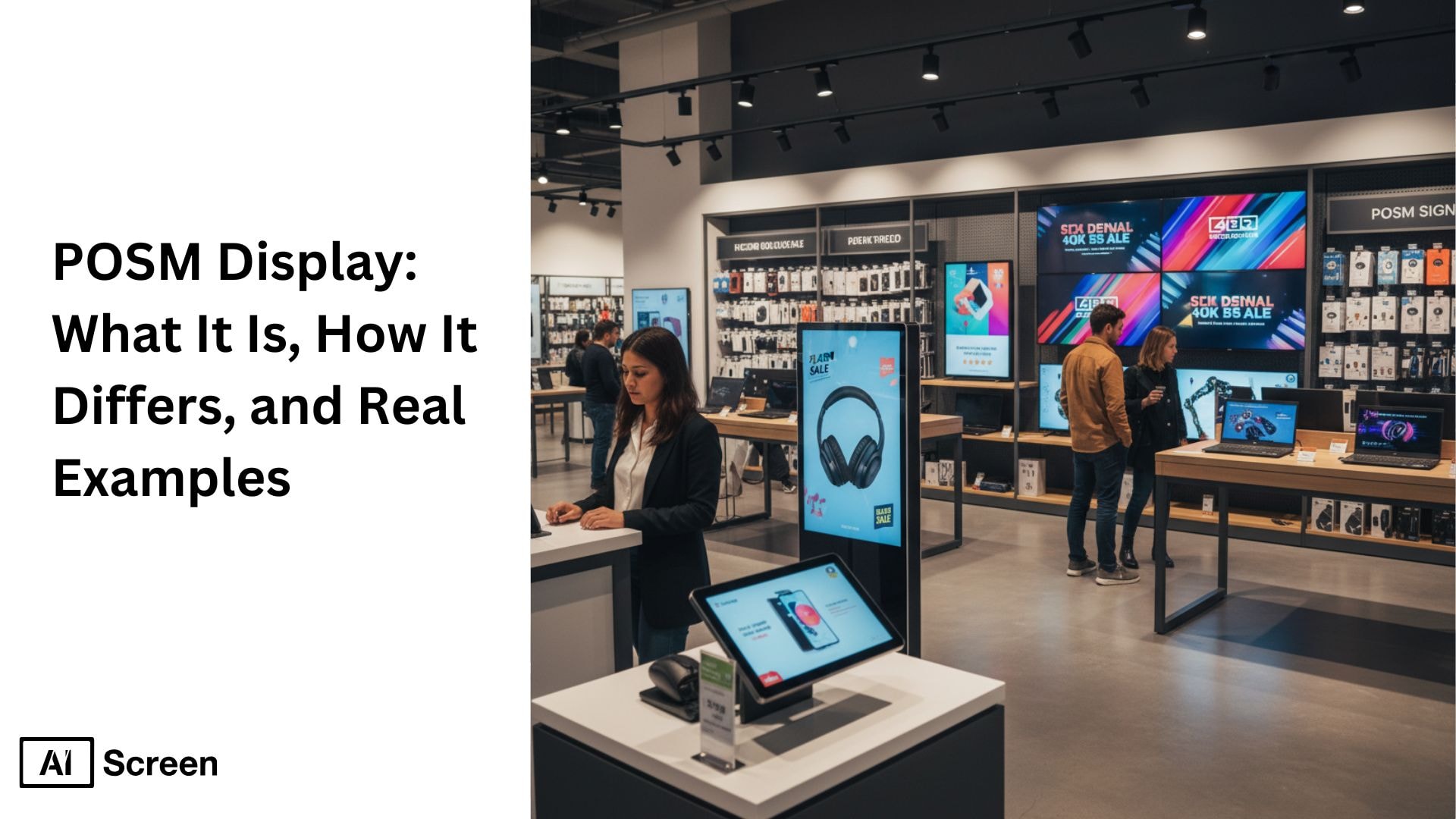
Have you ever thought about why some stores make you stop and look, even when you didn’t plan to buy anything? That’s the quiet magic of ads through POSM display types, the Point of Sale Materials that bring a brand to life right where the buying decision happens. From bold POP displays near the entrance to sleek POS signage at checkout counters, these visual cues shape how we feel, decide, and act as shoppers. According to Nielsen research, 68% of consumers admit they’ve bought a product simply because a sign caught their attention.
In this article, we’ll break down exactly what POSM (Point of Sale Materials) means, how it’s different from POP (Point of Purchase) and POS (Point of Sale), and why these subtle distinctions matter more than ever in modern retail. You’ll also see real-world examples of how brands use POSM displays to boost engagement and sales. Plus, we’ll explore how technology in digital signage solutions like AIScreen is transforming traditional displays into dynamic, data-driven experiences that speak directly to today’s shoppers.
What Does POSM Mean?
POSM stands for Point of Sale Materials or Point of Sale marketing, and it’s one of the most effective ways brands communicate directly with shoppers. Think of it as all the visual tools, including the details of their design, placed where buying decisions happen, near the checkout, on product shelves, or at promotional stands.
From colorful banners, shelf talkers, and posters to sleek digital displays, POSM is designed to capture attention, spark curiosity, and drive action right at the point of sale to sell products effectively. According to Deloitte, retailers using digital signage experience a 32% boost in overall sales performance compared to those relying solely on printed materials.
What makes POSM displays so powerful is the common reason for their ability to influence impulse purchases and make products feel more desirable. They create a sensory connection, through visuals, color, and design, that subtly shapes a shopper’s mindset. When executed well, these displays become silent salespeople that promote products, telling brand stories that guide customers toward quick, confident decisions.
What Are Some Common Examples of Point of Sale Materials?
When you walk into a store, you’re surrounded by Point of Sale Materials (POSM); they’re the quiet storytellers that make products shine. From a bold poster above the checkout to a colorful endcap display stacked with new arrivals, each one plays a specific role in catching your eye and sparking your interest.
A Nielsen study shows that digital displays capture 400% more views than static signage, making them a top choice for high-impact brand messaging. These displays don’t just decorate the space; they direct attention through innovative technology, influence choices, and make brands memorable right when it matters most.
To name a few examples of POSM displays:
- Billboards and Posters: These create instant brand recall and draw attention from afar, making products easy to spot.
- Shelf Danglers and Wobblers: Their subtle movement captures the shopper’s eye, highlighting discounts or new launches.
- Standee Banners: Perfect for entrances or aisles, they tell your brand story and showcase hero products with style.
- Endcap Displays: Found at the ends of aisles, these convert high-traffic areas into mini-brand experiences that drive impulse buys.
- Digital Screens: Modern, dynamic, and interactive; they display product videos, promotions, and reviews in real time.
- Suggested Product Pop-ups: Smart digital prompts that recommend add-ons or complementary items, increasing average cart value.
What Is the Difference Between POSM, POP, and POS Displays?
Have you ever wondered what really separates POSM, POP, and POS displays in retail? While they sound similar, each type plays a unique role in shaping how customers interact with your store and products. According to Statista, about 80% of shoppers are more likely to select a store when engaging digital content is visible from the outside. Understanding these differences helps brands design smarter campaigns that guide shoppers from awareness to action, all within a few steps of the aisle, making strategic choices about things like placement and messaging.
POSM Display (Point of Sale Materials)
POSM displays act as the umbrella term for all marketing materials used at or around the point of sale. They combine physical and digital tools, like posters, banners, shelf displays, and even digital signage, to capture attention and boost product visibility. Think of POSM and pop materials s your brand’s communication system inside a store, connecting customers to products through design, color, and storytelling.
When executed well, POSM not only improves engagement but also influences buying behavior. Whether it’s a wobbler promoting a new flavor or a screen showing a product video, every piece works together to guide the shopper’s decision journey and maximize conversion.
POP (Point of Purchase Displays)
POP displays focus on the moment of decision, that crucial point where a shopper considers a product before adding it to their cart. These include endcaps, window displays, and promotional stands strategically placed to encourage curiosity or impulse buying. They are designed to make a brand’s message stand out in a crowded retail space.
A striking POP display might showcase limited-time offers or new arrivals, encouraging customers to stop and explore. From beauty counters to grocery aisles, POP turns browsing into discovery, ensuring your product gets noticed right before purchase.
POS (Point of Sale Displays)
POS displays come into play at the checkout, where the transaction happens. These are typically found near billing counters, kiosks, or digital checkout screens, helping brands communicate last-minute offers or loyalty messages. POS tools are all about speed, convenience, and enhancing the customer experience.
From a digital signage screen promoting add-ons to a countertop display of mints or accessories, POS displays keep engagement alive even at the final step. They remind shoppers of complementary products, encourage upsells, and make every checkout more dynamic and profitable.


Why Are Point of Sale Materials Important in Retail Marketing?
Have you ever picked up a product just because a sign or display caught your attention? You’re not alone, according to research by POPAI, 7 in 10 customers admit they purchased because of in-store signage. That’s the quiet power of Point of Sale Materials (POSM). These displays do more than decorate; they influence how customers think, move, and buy inside a store.
Whether it’s a bold poster or retail digital signage looping a promotional video, POSM captures attention where it matters most, right before the purchase decision. In retail environments, POSM bridges the gap between passive browsing and active buying by delivering visual cues that educate, excite, and guide shoppers toward the checkout.
From eye-catching endcap displays to interactive digital signage, every element adds rhythm to the shopping journey. And in today’s digital-first retail environment, that balance of creativity and strategy can transform casual window-shoppers into repeat customers.
What Are the Benefits of POSM?
You’ve probably noticed how certain displays just pull you in, maybe a standee that made you smile or a digital screen that showed the perfect product right when you needed it. That’s the reality of Point of Sale Materials (POSM). According to Harvard Business Review, improving in-store visibility through effective POSM can increase impulse purchases by up to 20%, showcasing a plethora of benefits for retailers.
They’re not just visual props; they’re emotional connectors that help shoppers notice, learn, and decide. When designed right, POSM doesn’t just increase the history of visibility. It enhances the entire retail experience and boosts sales effortlessly.
Here’s how POSM brings measurable value to modern retailers:
- Visibility: POSM helps your brand stand tall in crowded aisles or busy malls. Whether it’s a bold poster or an illuminated shelf display, it ensures customers see your product first and remember it.
- Engagement: Interactive elements like digital screens, motion-triggered visuals, or touch-based displays grab attention instantly, creating curiosity that naturally leads to higher store engagement.
- Information: Smartly placed displays explain your product faster than any salesperson could. A short tagline, clear pricing, or QR code can make decision-making easier and smoother for shoppers.
- Sales Boost: POSM directly drives sales by inspiring impulse purchases and encouraging cross-selling. When customers see appealing visuals or time-sensitive offers, they’re more likely to add an extra item to their cart.
Digital POSM: Redefining the Phygital Retail Experience
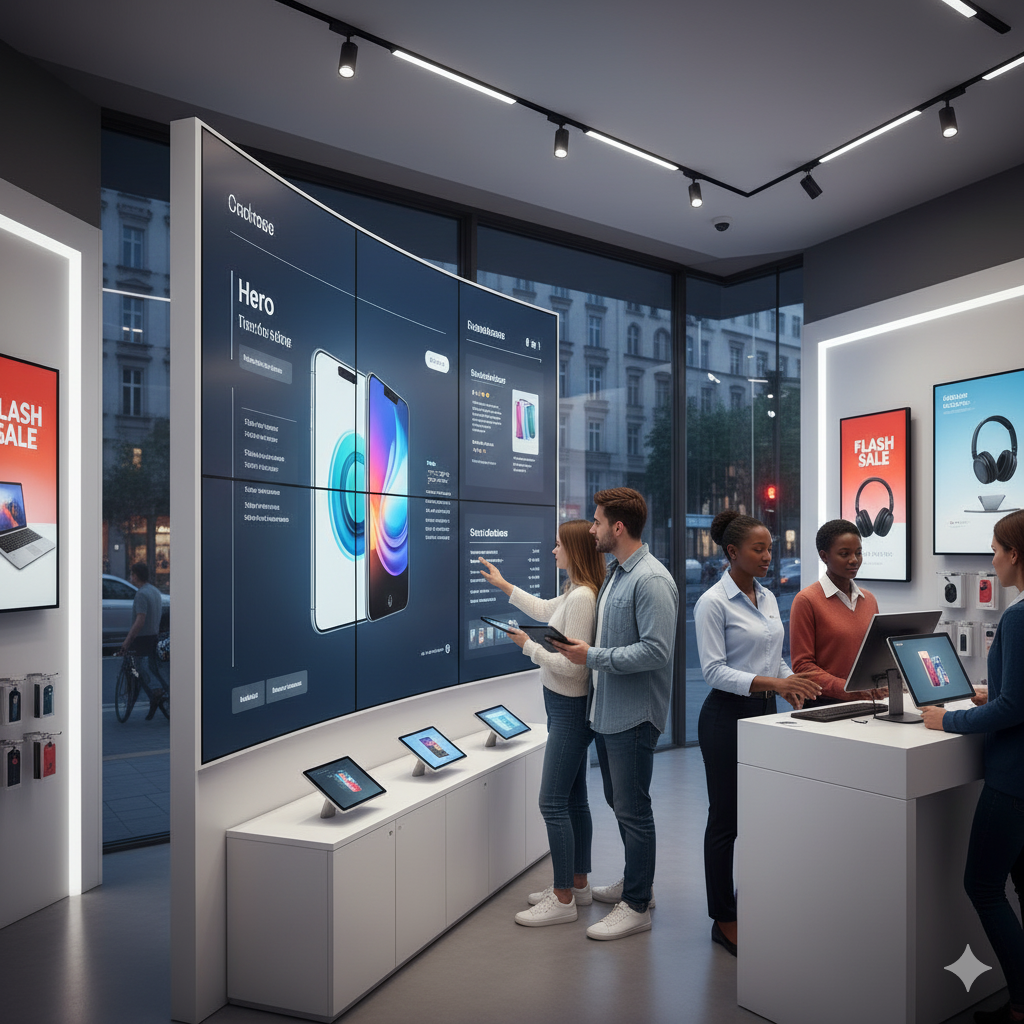
Retail has entered a new era, one where screens speak louder than posters. The concept of Digital POSM (Point of Sale Materials) is redefining how stores communicate, blending physical and digital experiences into what’s now called the phygital retail world. According to recent studies by PwC, retailers using digital signage experience up to 35% shorter perceived wait times and a 30% increase in engagement near product zones.
This shift isn’t just about tech; it provides a plethora of opportunities for retail innovation. It’s about emotion, efficiency, and the ability to tell stories that update in real-time. Imagine walking into a store where every screen knows exactly what’s trending, what’s on offer, and what customers love. That’s the new face of POS marketing: agile, automated, and eco-friendly.
With content automation and real-time scheduling, you no longer need to print new banners or rework layouts manually. The phygital experience connects customers through sight, sound, and motion, making shopping not just a transaction but an interactive journey that feels alive.
What Are the Benefits of Digital Signage as POSM?
Here’s the trick. Digital signage isn’t replacing traditional POSM; it’s supercharging it. According to the Digital Signage Federation, retailers adopting cloud-based display systems save up to 30% annually on printing and maintenance costs. By turning static visuals into dynamic experiences. It adds speed, emotion, and intelligence to every corner of your retail business space.
- Flexibility: You can instantly update offers, visuals, and product highlights without reprinting or redecorating. One click, and your new campaign is live across all stores, saving both time and resources.
- Engagement: Motion grabs attention faster than words. Videos, animations, and touch-enabled content create immersive experiences that keep shoppers looking longer and buying more.
- Integration: The beauty of digital POSM lies in its connectivity. You can sync displays with your POS systems, CRM, or inventory tools, ensuring that promotions always match what’s available in stock.
- Sustainability: No more wasteful printing or discarded banners. Digital displays are greener alternatives that reduce material costs while keeping your brand visually fresh and consistent.
And if you’re ready to make this shift effortlessly, digital signage powered by a cloud-based CMS makes managing all your screens a breeze, from scheduling updates to analyzing performance across locations.
How Much Does a Digital Signage POSM Display Setup Cost?
When it comes to setting up a digital signage POSM display, the first question most retailers ask is, “How much does it really cost?” The answer depends on your setup size and goals. Typically, the investment includes hardware (like high-quality digital displays, media players, and mounts), software (for content management), and installation costs. On average, small retail setups can start around $400–$800 per screen, while larger multi-location networks may range higher based on display quality and advanced features.
Here’s the real value: unlike static POSM displays, digital signage eliminates recurring printing and replacement expenses. You can instantly update offers, automate scheduling, and even measure engagement metrics in real time. If you’re ready to continue modernizing your retail communication with various options, adopt digital POSM solutions with AIScreen. Its cloud-based control, easy setup, and cost efficiency make it the smarter way to manage and scale your retail marketing.
FAQs
What are the key components of a point of sale display?
The key components of a point of sale display include eye-catching visuals, clear product messaging, and strategic placement near the checkout counter. These elements work together to grab customer attention at the moment of purchase. Lighting, branding, and product arrangement also play a big role in influencing buying behavior.
What are the most effective types of POSM displays for in-store promotions?
The most effective types of POSM displays for in-store promotions are endcap displays, standees, and digital screens. These formats attract attention and communicate offers quickly, especially in high-traffic zones. By showcasing limited-time promotions or new product launches, they drive curiosity and urgency.
How do digital point of sale displays increase customer engagement?
Digital point of sale displays can increase customer engagement by combining visuals, motion, and interactivity. They deliver dynamic content like videos, product tutorials, or real-time offers that keep shoppers intrigued. Unlike static materials, digital screens personalize messaging and respond to audience behavior.
How do augmented reality (AR) POSM displays boost retail sales?
Augmented reality (AR) POSM displays can boost retail sales by letting shoppers visualize products in their real-world context before buying. Imagine pointing your phone at a shoe display and instantly seeing different colors or styles; that’s the magic of AR. It makes shopping more immersive, fun, and memorable.
How can small retailers use low-cost POS materials effectively?
Small retailers can use low-cost POS materials effectively by focusing on creativity and strategic placement. Simple tools like shelf talkers, posters, or DIY displays can still make a strong impact when aligned with brand colors and storytelling. Reusing materials for multiple campaigns also saves costs without compromising quality.
