
The Ultimate Guide to Retail Branding: Insights and Tips
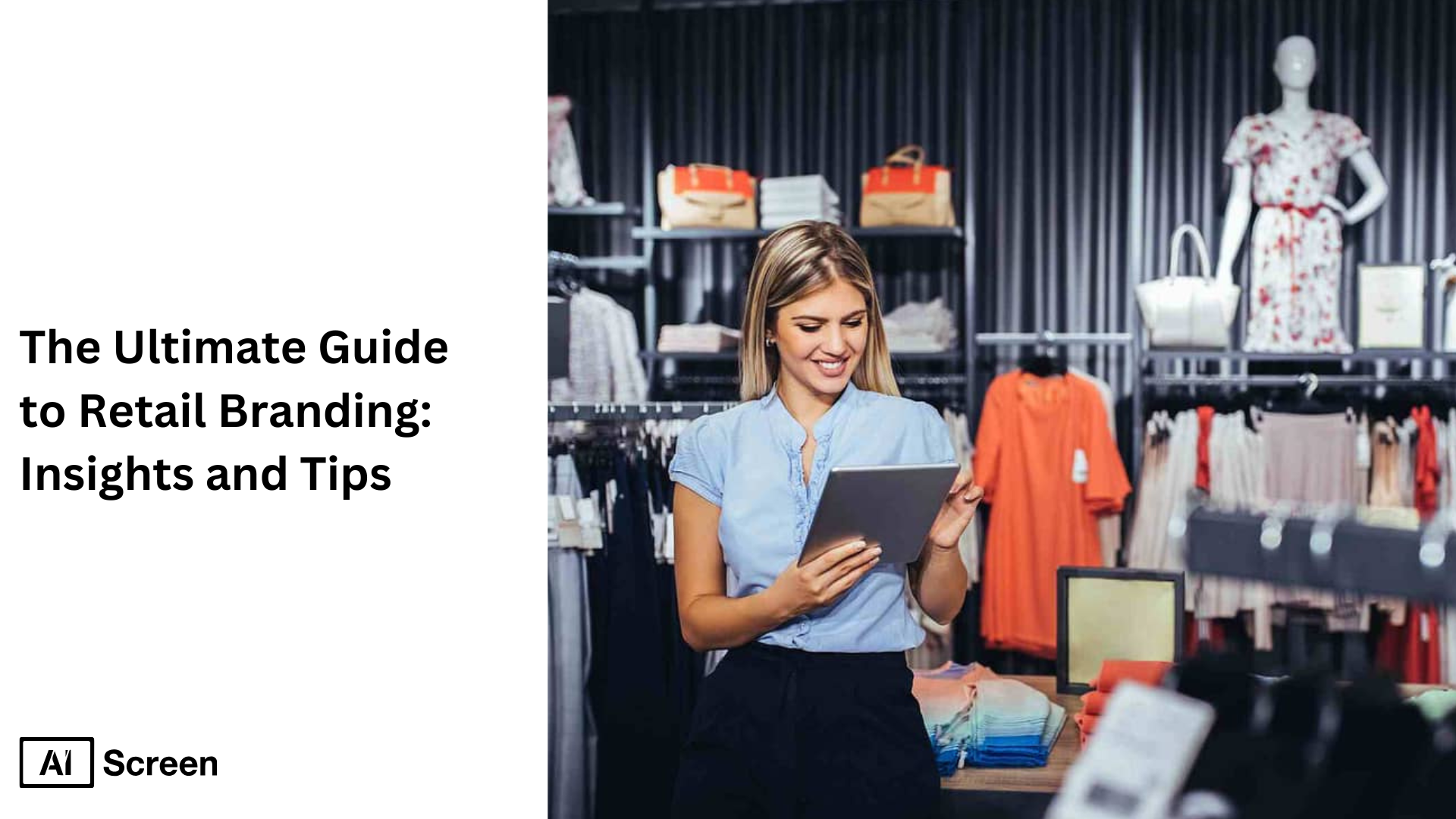
Building a memorable retail brand today is about creating trust, consistency, and genuine connections at every touchpoint: online and offline. According to Shapo.io, 81% of customers need to trust a brand before buying, and a signature color can boost recognition by up to 80%. Brands that prioritize a recognizable visual identity and authentic storytelling not only stand out but also enjoy up to 20% higher revenue and long-term customer loyalty.
In this article, we’ll break down the real-world branding secrets used by industry leaders like Amazon, Zara, and Ikea, showing you simple ways to strengthen your retail identity. You’ll learn how to make your brand memorable, build trust, and connect meaningfully with customers—using strategies that work whether you run a boutique or a big retail chain. So, get ready to uncover actionable tips for making your store a brand people truly love.
What is Retail Branding?

Retail branding is simply giving your store a unique look and feel that people notice and remember. It’s about creating a vibe and experience and building brand awareness that makes customers trust your store and want to come back again.
The rise of online shopping has changed how businesses in the retail industry approach branding. Instead of focusing on selling individual products, retail branding is about promoting the overall store experience.
Think of a department store not just selling brands but marketing itself as a hub for various products and services. Adapting to this shift is crucial in today’s complex retail landscape.
With AIScreen, we’re not just providing solutions; we’re allies in navigating the complexities of retail branding. Let’s work together to ensure that every interaction with the brand is not just a transaction but an unforgettable experience, making the store a destination in itself.
What Does a Personalized Shopping Experience Look Like in a Physical Store?
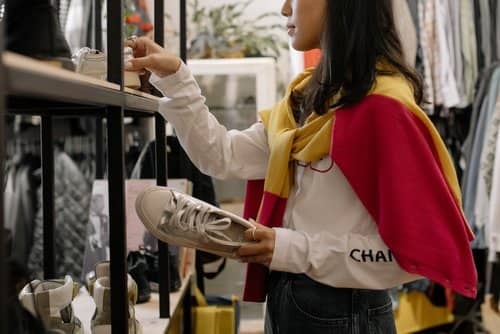
In the physical store, making shopping personal means giving customers special deals, exclusive offers, and great service. Combining digital tech with traditional store stuff, like interactive kiosks and virtual reality, makes the in-store experience unique.
As per AIScreen’s research, effective retail branding increases customer recognition by 70%, leveraging customer insights and tips for emotional connections.
Using data, valuable insights, and brand messaging helps offer products tailored to what customers like and encourages repeat business. Making in-store and online shopping seamless is key. At The Branded Agency, our pros in retail branding and marketing can help make your customer experience stand out and beat the competition.
To learn more, read our article Storytelling with Digital Signage in Retail: A Guide.
How Does Retail Branding Differ from Product Branding?
Retail branding is about creating a compelling brand identity for the entire retail store, whether online or offline. It involves maintaining a consistent image, reaching the target audience, using social media, retail brand management, and ensuring a smooth shopping experience.
Product branding, on the other hand, is all about making a specific product stand out in the store. Like Walmart’s Great Value brand, it focuses on making individual products unique, attracting customers, and boosting retail sales following a successful retail strategy.
Even though retail branding and product branding have different purposes, they are both crucial for successful brand positioning strategies. Retail branding builds trust, brand recognition, and loyal customers while product branding drives interest and sales for specific items and helps create a compelling brand story.
Why is Digital Signage Important for Retail Branding?
Branding is super important because it helps your store to establish a strong and unique brand identity in a crowded market, making it easier for customers to recognize and choose you over others. It builds trust and creates a positive vibe among targeted customers by keeping the marketing channels open for shoppers to come back again and again, and generate customer feedback for the retailers.
A strong brand stands out and connects emotionally with customers, making their shopping experience memorable and building brand loyalty. In the end, good retail branding doesn’t just attract new visitors; it helps them to have a sustainable competitive edge and turn them into lifelong fans who love your store and rely on your brand promise.
What are the Key Benefits of Retail Branding with Digital Signage?
The key benefits make retail branding important, utilizing digital signage as it grabs customer attention with dynamic, eye-catching content, boosts brand visibility by consistently showcasing your strong brand identity, and drives higher sales through real-time updates, brand voice, personalized promotions, and exceptional customer service.
Intelligent retail digital signage takes brand development to the next level by delivering personalized content that generates an emotional connection and adapts in real time to improve customer satisfaction.
These systems measure customer engagement and adjust displays based on data, creating a dynamic and highly relevant shopping experience that truly connects with each visitor with a clear brand strategy. Check for more details: What are the benefits of intelligent retail digital signage?
This digital marketing technology in the retail market also enhances customer satisfaction by making shopping easier and more engaging, while reducing printing costs and supporting flexible marketing efforts, all leading to stronger loyalty, brand positioning, and increased revenue for your successful retail business. Here’s why it’s a big deal:
Separation from the Competition
Picture a shelf with lots of similar stuff. Retail branding is like the awesome design on one of those things that makes you pick it over the rest. It helps a company be unique and different from others.
Like when you think of sports shoes, brands like Nike have cool designs that make them stand out and become your top choice.
Customer Communication
Retail branding lets brands especially connect with customers by showing diverse groups with common goals. This builds trust and makes people want to return. Patagonia does this nicely by caring about the environment, which matters to a lot of folks.
Building Loyalty and Trust
When a brand gives you a great experience, you want to go back, just like visiting your favorite restaurant again and again. Trust is crucial in retail digital signage industry because customers want to be sure they are getting top-notch services and products.
Take Amazon, for example, they have earned trust by consistently delivering excellently for their customers and have made their brand recognizable among others..
Creating a Brand Story
This kind of branding is also about sharing a cool story. It’s like a book or a movie that makes you like it more. A brand story only works if customers can see it reflected in the way you design, speak, and serve them every day,” says Saulius Meilutis, CEO of Podbase, a print on demand platform.
Starbucks, for instance, a brand online, tells a story about being a comfy and friendly place, and that’s why you want to go there again.
Creating an Experience for Customers
A retail company isn’t just about appearances; it’s about how shopping makes you feel. So, stores need to make sure that shopping is enjoyable for customers.
Brands like Apple make their stores look modern and cool, and that’s part of the fun and establishing brand reputation.
With AIScreen, we are not just in the business of technology; we are here to elevate the emotional connection between the brand and customers. We work together to ensure that every visit to the store is not just shopping but an enjoyable and memorable journey, while building a strong brand perception in the market.
Improving Brand Visibility
A popular retail store trick is making brands easy to notice by using logos, displays, and colors.
Like when you see those golden arches, you know it’s McDonald’s even from far away.
Enhancing Omni-Channel Presence
A strong retail brand makes sure everything feels consistent, whether you’re in a store or online. It’s like your favorite cozy sweater that always feels good, whether you’re at home or out.
Zara, for example, makes sure their brand gives you the same feeling wherever you shop.
Trend-Following
Staying in the loop with the newest trends is important because it helps your brand adapt to what customers want right now.
Sephora, for instance, keeps changing how its products look to match what customers like.
Leveraging QR Codes for Better Engagement
Uniqode’s QR Code Generator empowers retailers to connect the physical and digital shopping worlds effortlessly. By adding QR codes to packaging, displays, and ads, brands can instantly share product details, offer exclusive deals, and personalize the shopping experience by boosting engagement, loyalty, and sales.
This use of QR codes for better engagement transforms ordinary retail branding strategies into unique, memorable experiences that turn customers into loyal fans, no matter where they shop.
What are the Retail Branding Challenges?
Retail branding faces several key challenges today. Building and maintaining trust with customers online can be tough, especially with rising privacy concerns and the need for authentic, personalized experiences. Staying consistent across multiple channels, like physical stores, websites, and social media, is tricky but crucial to create a unified brand image that customers recognize. Additionally, standing out in a crowded market and measuring the effectiveness of branding efforts remain ongoing hurdles for retailers.
Building Trust with Customers Online
Getting customers involved online can be tough, especially with all the digital and mobile stuff. Building trust and making real connections by giving personalized experiences and communicating well is a big challenge for retailers.
Improving Digital Engagement Capabilities
Stores need to get better at connecting with customers online to meet what they expect. They can use communication tools (like CPaaS) to add and mix different ways of talking on websites and apps, making it easy for customers to interact smoothly.
Difficulties in Setting Up an Omnichannel Store
It’s not easy to keep the same look and message for your brand on lots of places like social media (think Facebook, Instagram, and Pinterest), in stores, and online. Making everything look and feel the same in all these places is important so customers get a consistent brand experience.
Measuring Branding Campaign Effectiveness
Figuring out how much your branding efforts do and if they’re worth it can be tricky. Things like how many people know your brand, what customers think, and if it’s helping sales are important signs.
But getting and understanding this data well can be hard, making it tough to know if your branding stuff is working.
Standing Out in a Crowded Market
Imagine a new business is like being in a huge crowd, and everyone wants to be noticed. It takes time for stores to grab people’s attention. Retailers need cool and different ways to show why their store is worth checking out, like having something special that makes them unique.
Overcoming these challenges is super important for retail brands to make strong and effective strategies that help them stand out from the competition.
Retail Branding Strategies
Retail branding strategies must overcome challenges like building trust in a digital world and maintaining a consistent brand across all channels, including physical stores and online platforms. Standing out in a crowded market and effectively measuring branding success are also critical hurdles. To tackle these, retailers focus on authentic storytelling, personalized customer experiences, and leveraging data to adapt quickly to changing preferences.
How to Build Retail Branding with Digital Signage?
In the tough retail world, it’s super important for stores to make a strong brand presence. This means doing smart things both online and offline to build trust, customer loyalty, and make customers happy. Here’s a quick look at the important strategies:
1. Utilize Customer-Centric Channels
To talk well with your audience, figure out where they like to hang out, like on Facebook, Instagram, or TikTok. Keep a strong online presence by regularly making cool stuff on these platforms.
2. Maintain Brand Consistency
Keep things the same. Make sure your logo, colors, and the way you talk stay the same in all the different places. By always posting on social media in the same way, you make your brand easy to know and trust.
3. Embrace Modern Technology
Use modern tech to make things easier, reach more people, and keep your customers in the loop about what’s cool. Make sure to stay updated and talk directly with your audience using technology.
4. Leverage Social Media and Video
Use social media and videos to your advantage. Platforms like Facebook, TikTok, and Instagram Reels give you a big chance to be seen and interact with lots of people. Show off your brand in a cool way on these platforms to grab the attention of possible customers. Also, make sure to stay on top of your performance with social media reporting to track engagement and optimize your strategies.
5. Adapt to Trends
Keep up with what’s popular in retail stores and use it in your plans. If everyone is into eco-friendly stuff, add those kinds of products to what you offer. Being able to change like this keeps your brand cool and interesting.
6. Prioritize Customer-Centricity
Make your customers feel special by personalizing how you talk to them. Answer questions on social media quickly and send emails that feel just for them. When you build trust and make them feel part of something, they’re more likely to stay loyal.
7. Offer Subscription and Premium Access
Try out subscription plans and special memberships. Give extra benefits, like cheaper subscriptions or being the first to get new stuff. These retail marketing ideas help you have a group of loyal customers and make sure you’re always making money.
8. Adopt Global Thinking
To reach more people, think big and look at what’s popular worldwide. Understand what people like globally and use those ideas in your area. If you talk in different languages, more people from different cultures can like and understand your brand.
9. Ensure Quality Visual Design
Spend on making your brand look good. The way it looks affects what customers think. Good visuals make shopping awesome and help people remember and like your brand.
If you use these ideas and pay attention to what your customers like, your brand can be strong online and in stores for a long time. And remember, a happy customer is not just someone who bought something; they can also tell others how great your brand is.
What are Top Examples of Successful Retail Brands?
Some of the top examples of successful retail brands in 2026 include Amazon, which remains the most valuable retail brand globally, followed by Walmart and Costco, each excelling with distinct business models and strong ecommerce integration. European brands like Lidl and Aldi continue to grow with their focus on quality and affordability.
Apparel brands such as Zara and Uniqlo also show strong brand value increases, standing out in the fashion retail space. These brands succeed by blending innovation, customer trust, and consistent brand experiences worldwide. Let’s check them out separately.
Successful Retail Brands
Every top retail brand has its own magic, whether it’s Amazon’s unbeatable convenience or IKEA’s unique shopping experience. These brands focus on what customers love and keep delivering it consistently. Let’s check out some popular stores and how they make people like them:
Amazon
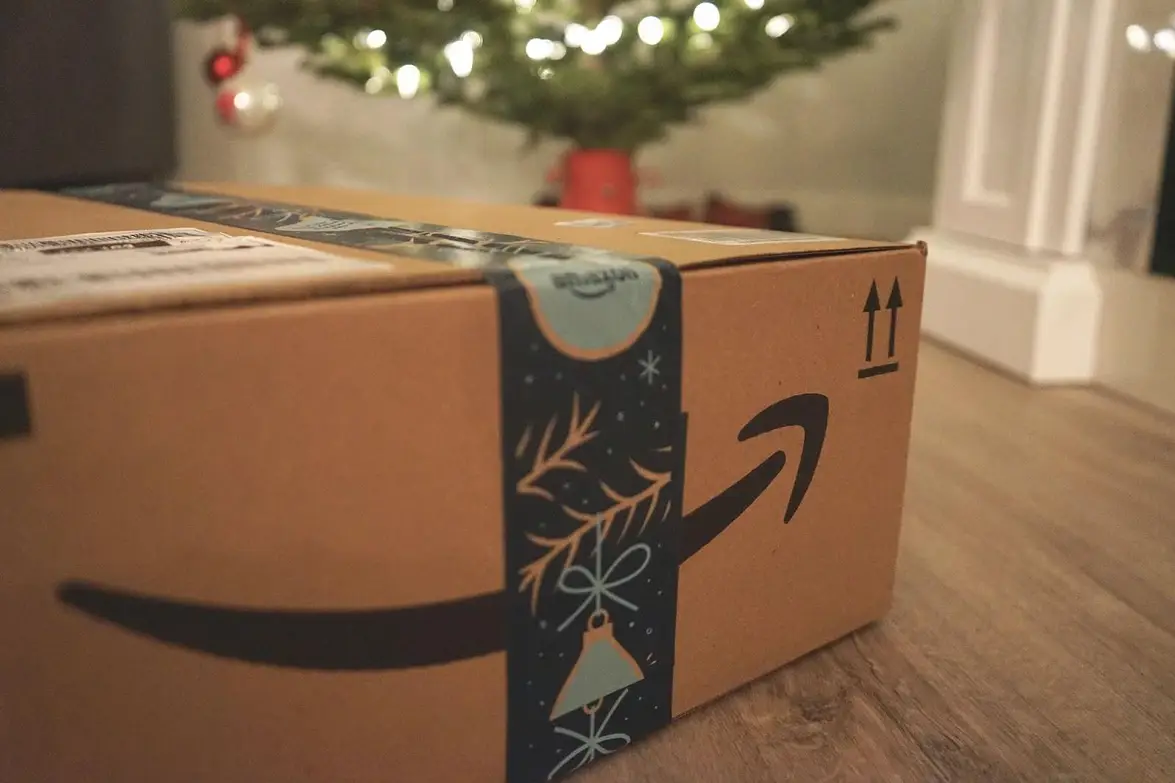
Amazon, a huge online store, is good at making everything look and feel the same. People trust it because it’s convenient.
Whether you are using their website or app, it’s easy to shop, and you get the same great service online and in their physical stores. The Amazon logo and how everything looks are always the same, so you always recognize it.
Zara
Zara, a famous fashion store, focuses on making shopping fast and fun. Their stores are set up for quick shopping, just like their online site.
On Instagram, they share pictures of customers wearing their latest styles, making people feel like they’re part of the brand. This helps Zara connect well with their audience.
Ikea
Ikea, the affordable furniture brand, stands out with simple and innovative designs both online and in stores, catering to different cultures worldwide. This approach makes Ikea a big name in global retail.
These examples show that keeping things the same online and offline, making customers happy, and sharing what customers like can build trust and loyalty. By knowing their customers and sticking to who they are, these stores have made strong connections and become important in today’s retail sector.
Win Shoppers’ Hearts—Learn How AIScreen Digital Signage Can Help
In today’s competitive retail world, grabbing customer attention and creating memorable shopping experiences are key to success. AIScreen digital signage transforms your store with dynamic, engaging content that captivates the target audience and keeps them coming back.
With real-time updates, personalized displays, and easy remote management, our company helps retailers communicate instantly and effectively, driving sales and boosting customer loyalty.
Ready to win hearts and stand out? AIScreen makes it simple with amazing, sustainable competitive advantages to turn every screen into your store’s most powerful marketing tool.
Use this block after this section.
Frequently Asked Questions
How does digital signage improve retail branding?
Digital signage brings your brand to life with consistent visuals, dynamic messaging, and interactive content that make stores memorable and recognizable. It creates trust as 83% of customers remember brands better when they see unified digital displays, making your retail business stand out in a busy market.
How do I choose the right digital signage solution for retail?
You can choose the right digital signage solution for retail by finding a user-friendly software, reliable hardware, remote brand management, and compatibility with your store’s needs. Evaluate scalability, easy content updates, support, and the ability to personalize experiences across multiple locations. AIScreen surpasses all these requirements and will prove best for your needs. Just try it out.
Can digital signage help with customer retention in retail?
Yes, digital signage keeps content fresh and relevant, delivering timely offers and information that customers enjoy. Satisfied shoppers are more likely to return, helping your store build stronger loyalty and more repeat business.
How can digital signage drive in-store sales?
Eye-catching digital signage screens drive in-store sales by highlighting promotions, new arrivals, and flash sales, sparking impulse purchases on the spot. Placing signs near high-traffic areas increases footfall, and showcasing limited-time deals drives higher conversion rates.
How can I use digital signage for personalized shopping experiences?
You can integrate customer data to display tailored recommendations and special offers right when and where they matter for personalized shopping experiences. Remember, personalization makes shoppers feel valued, increasing satisfaction and boosting the likelihood of purchases.


