
POP Displays: Advantages and Disadvantages
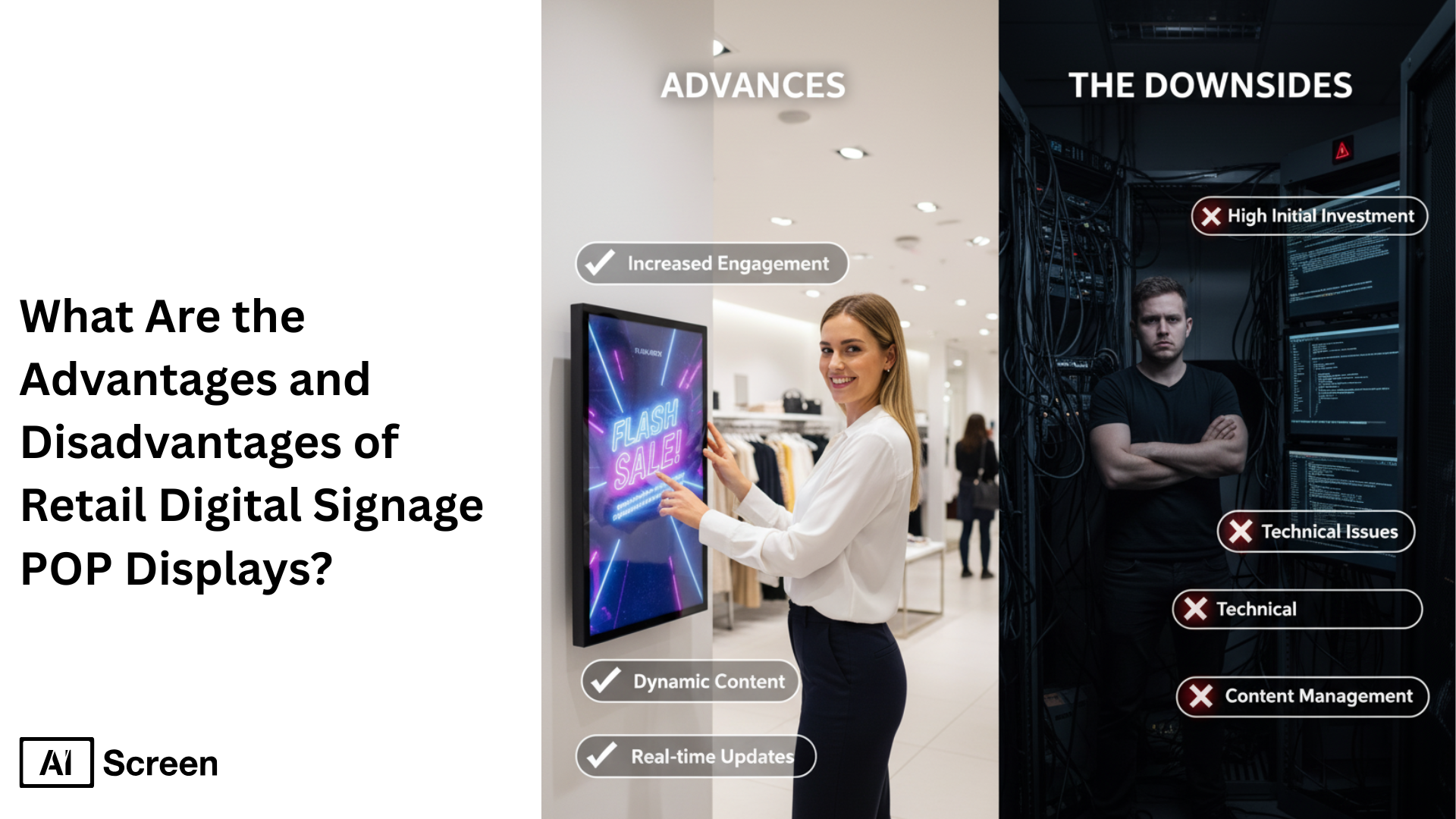
Retail digital signage POP displays are quickly becoming the “go-to” solution for stores eager to grab attention and boost sales in the crowded marketplace. FutureMarketInsights suggests that the global retail displays market is valued at USD 18.5 billion in 2025 and is growing fast, with digital signs outperforming static signage by capturing more viewers’ attention and delivering interactive, engaging experiences that customers remember.
In this article, you will find a clear look at the advantages and disadvantages of digital signage POP advertising, from instant content updates and impulse purchase triggers to real challenges like upfront costs, maintenance, and tech know-how. By the end, you will see how a smart, balanced strategy can make digital signage a high-impact part of modern retail marketing for most businesses, without surprises.
What are Point of Purchase Displays for Digital Signage?
Point of Purchase (POP) displays are special setups and come with several advantages, being placed around retail stores in different locations, often near the checkout area or in high-traffic spots to catch customers’ eyes right when they are ready to buy.
Think of them as the friendly nudge that plays a significant role in your marketing strategy and says, “Hey, check this out!” These indoor and outdoor advertising displays use digital signage to show dynamic, engaging content like special offers, product info, or ads that can be updated in real time using media players, digital signage displays comprising video content, and several factors allowing businesses to have qualitative and cost-effective solutions.
Imagine standing in line at checkout, and there is a vibrant digital screen promoting a limited-time deal on a product that pairs perfectly with your purchase. That’s a classic example of a digital POP display in action, designed to encourage those quick impulse purchases by providing relevant, timely info exactly when customers need it most.
By using interactive elements or bold visuals, these highly visible digital screens help retailers stand out in busy store environments, allowing customers to make shopping more interesting and informative, and helping them make informed decisions without facing technical issues.
Advantages of Digital Signage POP Displays for Retail Stores
Digital signage POP displays are powerful and helpful tools that transform how stores attract more customers and make sales. Let’s talk about why these dynamic displays have become a favorite among retailers, brought to life by real-world examples and insightful research.
1. Enhanced Product Visibility
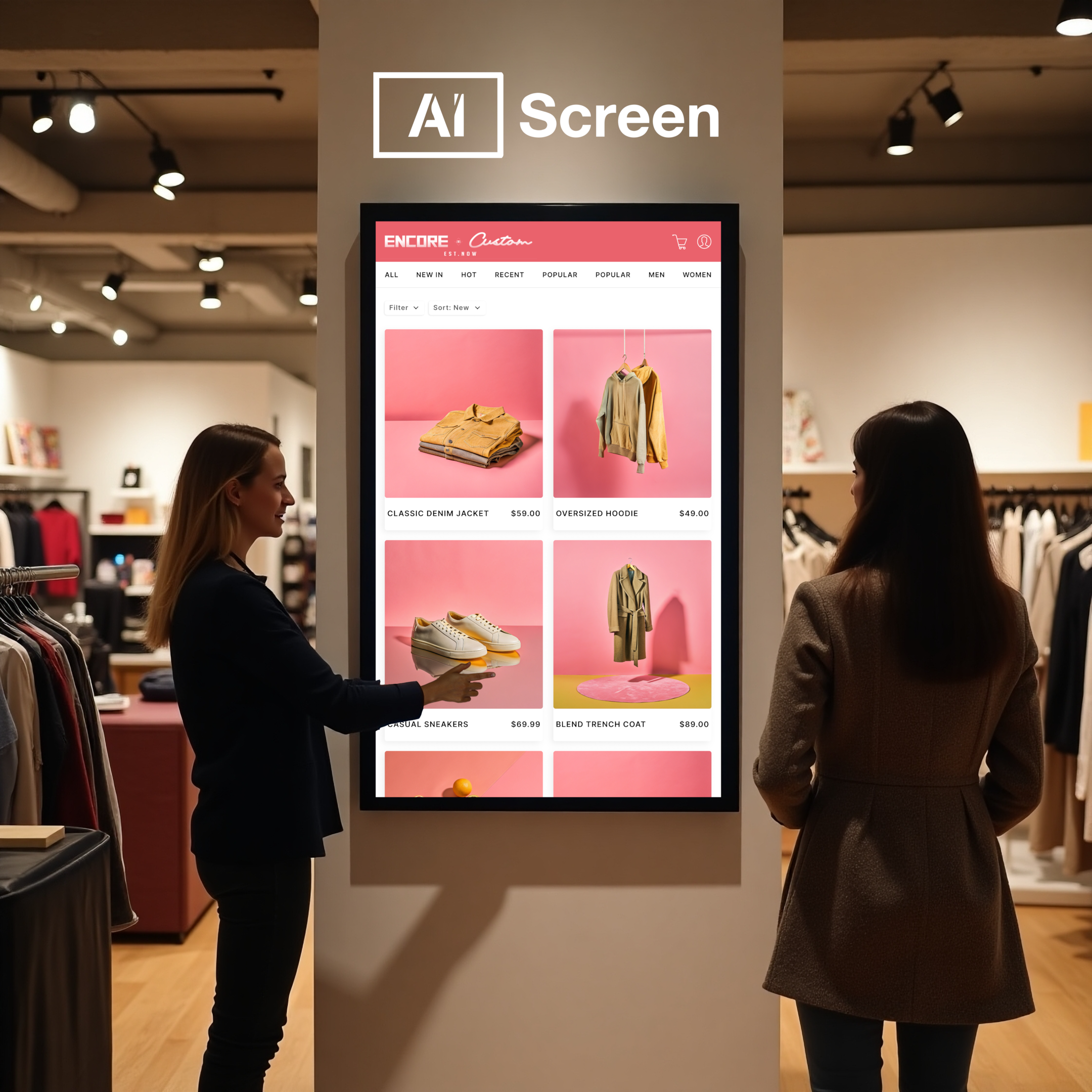
Digital signage POP displays enhance the visibility of your products. Imagine a bright, animated screen showing your favorite snack as you wander down the aisle; it’s hard to miss!
Digital POP displays grab attention way better than traditional signage because they use motion, color, and video to highlight products.
For example, a University of Texas study found that digital displays increase product visibility by over 40%, making shoppers much more likely to notice and pick up featured items.
2. Boosts Impulse Purchases
POP-based digital signage displays boost impulse purchases for your business. Ever been tempted by a flashy screen at checkout offering a quick snack or extra accessory? That’s digital signage working its magic.
Research shows 62% of shoppers make impulse buys because of dynamic displays showcasing complementary products or flash sales.
Adidas boosted sales at its pop-up stores by using real-time promotions on digital screens, turning casual browsers into eager buyers.
3. Strengthens Brand Identity
Digital POP displays let retailers weave their brand into every message with customized, consistent content.
Take Sephora, for instance, they use digital screens to show personalized product recommendations and tutorials that reflect their brand personality, helping customers feel connected and coming back for more.
It’s like having a friendly brand ambassador right at your fingertips.
4. Affordable Marketing Solution
While digital signage displays might seem pricey upfront, they save cash in the long run.
No more endless printing or tossing outdated signs. Instead, fresh content streams instantly wherever you want it.
Retailers report cutting signage costs by 25% or more after switching to digital because updates are quick and free, leading to no paper, no waste.
5. Adaptability and Personalization
Seasonal sales? Different store locations? No problem! Digital signage lets retailers quickly switch content to fit any moment or target audience.
For instance, a grocery chain updated digital billboards daily to promote seasonal produce, boosting sales of those items by 18%.
Retailers love this flexibility because they can tailor messages to engage shoppers right when it matters most.
Disadvantages of In-Store Digital Signage POP Displays
While digital signage POP displays offer exciting marketing benefits, they also come with challenges worth considering. To get the most out of this technology, retailers need to be aware of possible limitations and plan accordingly. Here is a closer look at the cons of digital signage, along with practical signage solutions to keep digital displays effective and engaging.
1. Limited Space Availability
Smaller stores or busy checkout lanes often struggle to find enough room for digital signage without causing congestion. Imagine a cramped counter loaded with products and a bulky screen; it can feel overwhelming and impractical.
For instance, boutique shops with limited floor space may find it tricky to install big digital displays without disrupting customer flow.
Opt for slim, compact LED or LCD screens or tablets that fit seamlessly in tight spots. Mounting screens vertically or on walls can save counter space and keep the area inviting.
2. Clutter Issues
Digital signage can easily become a visual overload if too many messages compete for attention on a single screen. It even works on power outages if supported by power-saving technology, depending upon screen-to-screen, and this ultimately holds a positive environmental impact.
Customers might feel bombarded by flashing promos and constant content shifts, leading to “banner blindness” where they stop noticing the signs altogether.
Keep designs simple and messages focused. Use clean layouts with clear calls to action, and limit the number of rotating ads to avoid overwhelming viewers. A little less truly is more.
3. Short Term
Digital POP displays often serve as temporary, campaign-specific tools during emergency exits. Without regular content refreshes, screens risk showing outdated promotions and highlighting relevant information that affects customer interest quickly.
Develop a dynamic content calendar to update signage frequently. Planning fresh, timely digital signage content helps maintain shopper engagement and ensures promotions stay relevant.
4. Not Every Display is Effective
Not all digital signage captivates customers equally. Poorly designed content or inappropriate placement can cause displays to be ignored, wasting investment and space.
Use data-driven insights like customer behavior and inventory trends to tailor content. Targeted promotions based on real-time data drive higher engagement and better results.
5. Ongoing Maintenance Requirements
Digital signage requires ongoing technical upkeep, including software updates, hardware repairs, and efficient content management, to keep interactive signage displays running smoothly. Unexpected glitches or downtime can reduce the impact of your signage.
Budget for regular maintenance and partner with a reliable content management system (CMS) provider that offers easy content updates and tech support. Proactive maintenance requirements minimize disruptions and maximize return on investment, assuring absolute cost-effectiveness.
How to Make the Best Point of Purchase Marketing Strategy for Retail?
Creating a winning Point of Purchase (POP) marketing strategy with retail digital signage involves more than just installing screens in your store. Other than using printed signs, it is about smart placement, compelling content, and understanding your potential customers. Though it is time-consuming, still profitable.
Did you know that over 70% of purchasing decisions happen right at the POP? That presents a golden opportunity to influence buying behavior with eye-catching, relevant digital signage that aligns with your store’s vibe and goals.
Step 1: Identify High-Traffic Areas
Start by spotting the busiest spots in your store, like entrances, checkout lines, or popular product aisles. Placing digital POP displays in these zones ensures maximum visibility and impact.
For example, a candy aisle screen near the checkout promoting last-minute snacks can trigger impulse buys effortlessly.
Step 2: Create Compelling, Tailored Content
Content is king. Your digital signage should speak directly to your shoppers with personalized, relevant messages. Use dynamic videos, animations, or interactive elements to grab attention.
Think about seasonal offers or trending products and update content frequently to keep it fresh and engaging. Studies show that targeted, real-time content increases shopper engagement by up to 40%.
Step 3: Seamless Integration with Store Layout
Make sure your digital displays fit naturally within your store design without blocking pathways or overwhelming customers. The signage should complement the shopping experience, not clutter or confuse it.
Using sleek, wall-mounted screens or compact tablets in tight public spaces works wonders for a clean, modern look.
Step 4: Leverage Data and Analytics
Use data from your content management system to analyze what content works best and where. Track customer interactions to refine your messaging and placement for better results.
This data-driven approach transforms digital POP displays from just screens into powerful sales tools that adapt and improve over time.
Step 5: Collaborate Across Departments
Involve marketing, sales, and operations teams to align your POP strategy with overall business goals.
Coordination ensures consistent branding, timely updates, and smooth technical operation, making your digital signage strategy a seamless part of your retail success.
Are POP Displays Useful For Your Retail Business?
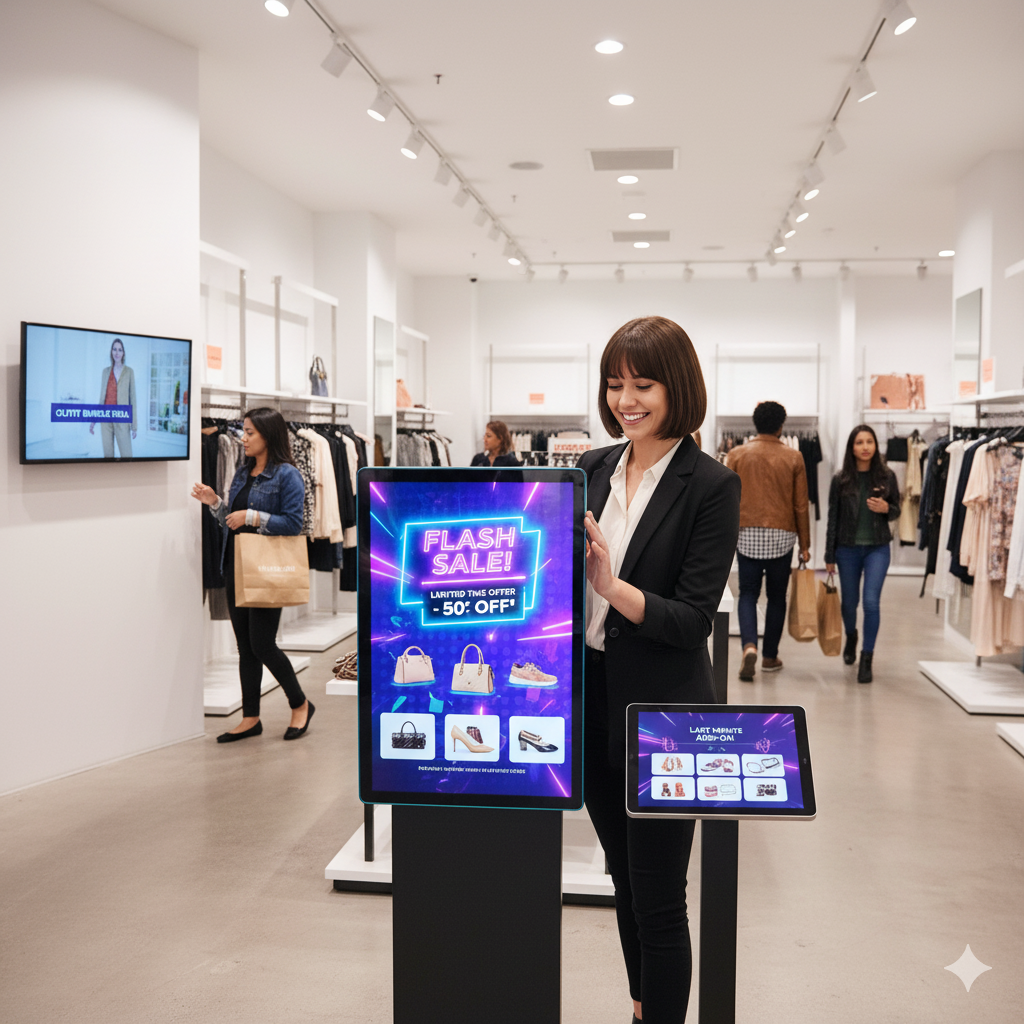
Wondering if POP digital signs are the right fit for your retail store? The answer is not one-size-fits-all; installation costs, your store type, size, and goals all play a role. Recent studies show that up to 62% of shoppers have made impulse purchases thanks to POP displays. Compared to traditional static signage, digital signage adds a 30% sales lift in many cases. But how does that translate to your unique business?
Large Chains and Superstores: For big retailers with high foot traffic and multiple locations, digital POP displays act as a significant upfront investment. They make it easy to roll out consistent, dynamic campaigns tailored to different store layouts and customer segments.
For example, large grocery chains update digital screens daily to highlight seasonal products or flash sales, resulting in up to an 18% boost in category sales. These stores benefit from the scalability and data-driven content management offered by digital signage software.
Small Boutiques and Specialty Shops: Smaller stores might hesitate due to budget or space constraints, but digital POP displays can still be valuable if used wisely, especially when choosing from the 10 most effective types of specialty retail displays designed for compact spaces, targeted merchandising, and high-impact product storytelling. A well-placed tablet or slim screen in a boutique showcasing personalized offers or customer favorites can enhance the shopping experience and drive sales without overwhelming the space or budget.
Even a single digital POP display can command more attention than traditional static signs, helping many businesses punch above their weight.
Decision Checklist: Is POP Digital Signage for You?
Ask yourself as,
- Do you have areas in your store where customers pause (checkout, aisles, entrances)?
- Are you looking to boost impulse buys or promote new products dynamically?
- Can you commit to updating your content regularly to keep it fresh and relevant?
- Are you ready to invest in a content management system to streamline updates?
- Do you want measurable ROI with data tracking and shopper insight?
If most answers are “yes,” digital POP displays could significantly enhance your marketing efforts and customer engagement. If some answers are “no,” consider starting small or combining traditional and digital signs to balance cost and impact.
In the end, POP digital signs offer flexible, powerful tools for many retail types, but the key is aligning the technology with your specific business needs and customer behavior.
Make Most of Your POP Displays in Your Store with AIScreen’s Digital Signage
Remote management in retail digital signage lets you control displays and update content instantly across locations, minimizing downtime and keeping messaging fresh and relevant.
With an easy-to-use platform, you can schedule engaging playlists, showcase promotions, and integrate social media feeds with no tech expertise needed. The result?
Satisfied customers stay longer and spend more, thanks to dynamic, personalized digital signage that’s easy to manage and reliably boosts POP display impact, sales, and loyalty. AIScreen’s user-friendly digital signage software makes it all simple, cost-effective, and powerful for any retail business.


Frequently Asked Questions
What impact do digital signage POP displays have on sales?
Digital signage POP displays have a significant impact on boosting sales by grabbing shoppers’ attention right at the purchase point. Studies show digital displays can increase featured product sales by 5-15%, and some retailers report up to a 30% overall sales lift.
How can retail POP displays improve brand visibility?
Retail POP displays, especially digital ones, improve brand visibility and make products and brands stand out in crowded environments by using vibrant colors, motion, and interactive content with real-time updates. This increases product visibility by over 40%, helping customers remember the brand better.
Are retail digital signage POP displays cost-effective for businesses?
Yes, though digital signage requires an initial investment, it saves money over time by eliminating the frequent use of printed signage. Retailers have reported cutting signage costs by 25% or more because content can be updated instantly and remotely across multiple locations with no extra material costs.
Do digital signage POP displays require a lot of maintenance?
Digital signage POP displays require some ongoing maintenance costs and efforts for software updates, occasional hardware repairs, and managing content updates. However, many systems, like AIScreen, offer easy remote management and automated updates that minimize hands-on maintenance.
Can digital signage POP displays be easily updated in real-time?
Yes, one of the biggest advantages of digital signage POP interactive displays is the ability to update content instantly and remotely using a secure internet connection. Retailers can push new promotions, flash sales, or product info to screens across all locations within minutes from an online dashboard, keeping content fresh and engaging at all times.
