
What Is a Digital Signage Advertising Network and How Does It Work?
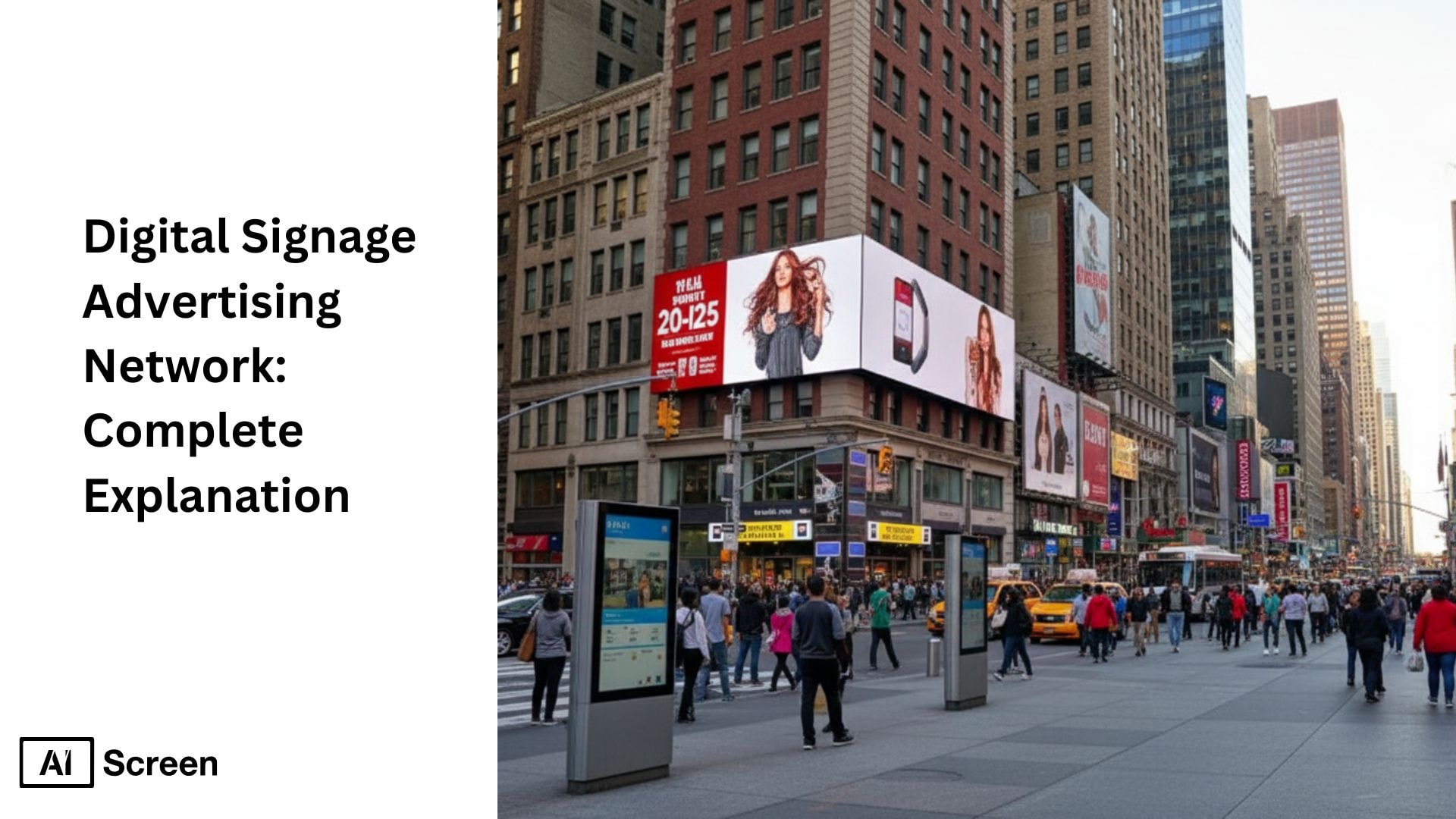
You know that feeling when a vibrant screen in a store just grabs your attention? That’s exactly what a digital signage advertising network can do for you. You can turn your idle digital signs into revenue-generating tools, reaching the right audience with the right message. With AIScreen, managing multiple screens, automating campaigns, and engaging viewers through digital signage software has never been easier. According to Grand View Research, the global digital signage market is expected to reach $32 billion by 2030, driven by retail and corporate adoption.
In this article, you’ll discover how a digital signage advertising network works, from connecting multiple screens across locations to delivering dynamic content that engages your audience effectively. You’ll learn how businesses like yours can monetize interactive displays and interactive kiosks, automate digital signage campaigns, and scale effortlessly using AIScreen’s powerful platform.
What is a Digital Signage Advertising Network?
A digital signage software is like giving life to all the screens you own, connecting them into a smart ecosystem that communicates with your audience wherever they are. You can schedule ads, share real-time updates, or display digital displays and multimedia content across multiple locations, all from one central platform. According to Statista, over 60% of consumers notice digital signage displays more than static displays in retail environments.
It’s not just about showing information; it’s about creating moments that capture attention, spark curiosity, and drive action. Whether you’re a retailer, a coworking space, or a media owner, these networks let you turn every digital signage display into a powerful storytelling and revenue-generating tool that enhances audience engagement.
You’ll find that these outdoor display networks operate in different ways depending on your goals:
- Merchandising Networks: These networks turn your retail stores into dynamic showrooms, showcasing products, promotions, and special offers directly to shoppers. Every screen becomes a mini marketing tool that guides purchase decisions and boosts sales.
- Informational Networks: Designed for places like hospitals, airports, and campuses, these networks deliver important updates, announcements, and real-time information. They help you communicate efficiently with your audience while enhancing the overall experience.
- Promotional Networks: Managed by agencies or media owners, these networks sell ad space to multiple brands across your screens. This approach maximizes revenue potential while keeping your content fresh, relevant, and engaging for viewers.
What Are Digital Signage Advertising Network Benefits?
The benefits of a digital signage advertising network lie in its ability to turn everyday screens into always-on marketing channels that engage, inform, and convert. You can reach the right target audience with relevant messaging, automate campaigns using a data-driven approach, and monitor performance across multiple locations, all without juggling multiple platforms. According to PQ Media, programmatic DOOH ad spend increased by 35% in 2024, highlighting the shift toward automated, data-driven campaigns.
With AIScreen, one of the best digital signage software companies advertising network providers, managing hundreds of screens becomes effortless, letting you focus on strategy while the network ensures consistent, dynamic content delivery that allows you to display dynamic content, drive engagement, and revenue. The network not only elevates brand visibility through video walls and interactive elements but also turns every LED display into a profitable asset, giving you a measurable return on your investment.
- Dynamic: Easily update campaigns across hundreds of displays remotely, ensuring your audience always sees the latest promotions and messages. This real-time control also allows you to respond instantly to trends, events, or seasonal campaigns.
- Profitable: Every digital signage display becomes a revenue-generating asset, enabling you to sell ad placements and maximize ROI. By filling idle screens with relevant ads, you can turn previously unused space into consistent income streams.
- Flexible: Schedule local, regional, or national ads tailored to audience segmentation, making your campaigns more relevant and effective. You can adjust content for different times of day, demographics, or locations, keeping messaging timely and engaging.
- Scalable: Expand your network across multiple cities or even countries without the need for complex infrastructure or additional staff. The network can grow alongside your business while maintaining consistent management and quality control.
- Integratable: Connect seamlessly with APIs, ad servers, and programmatic exchanges to deliver data-driven campaigns that optimize ad performance. This integration ensures that your campaigns remain efficient, measurable, and aligned with overall marketing strategies.
Unlike traditional static signage, digital signage utilizes electronic displays, such as LED, LCD, or projection technology, to showcase dynamic content.


What Are Digital Signage Advertising Network Types?
Digital signage networks employ various types of ad delivery to engage audiences effectively. According to MarketsandMarkets, digital signage solutions adoption in the healthcare and education sectors is projected to grow by 20% annually over the next five years. You must know that each approach, including placing digital displays, caters to different environments, audience segments, and campaign objectives, offering businesses flexibility in communication and monetization.
Digital Out of Home (DOOH) Broadcasting
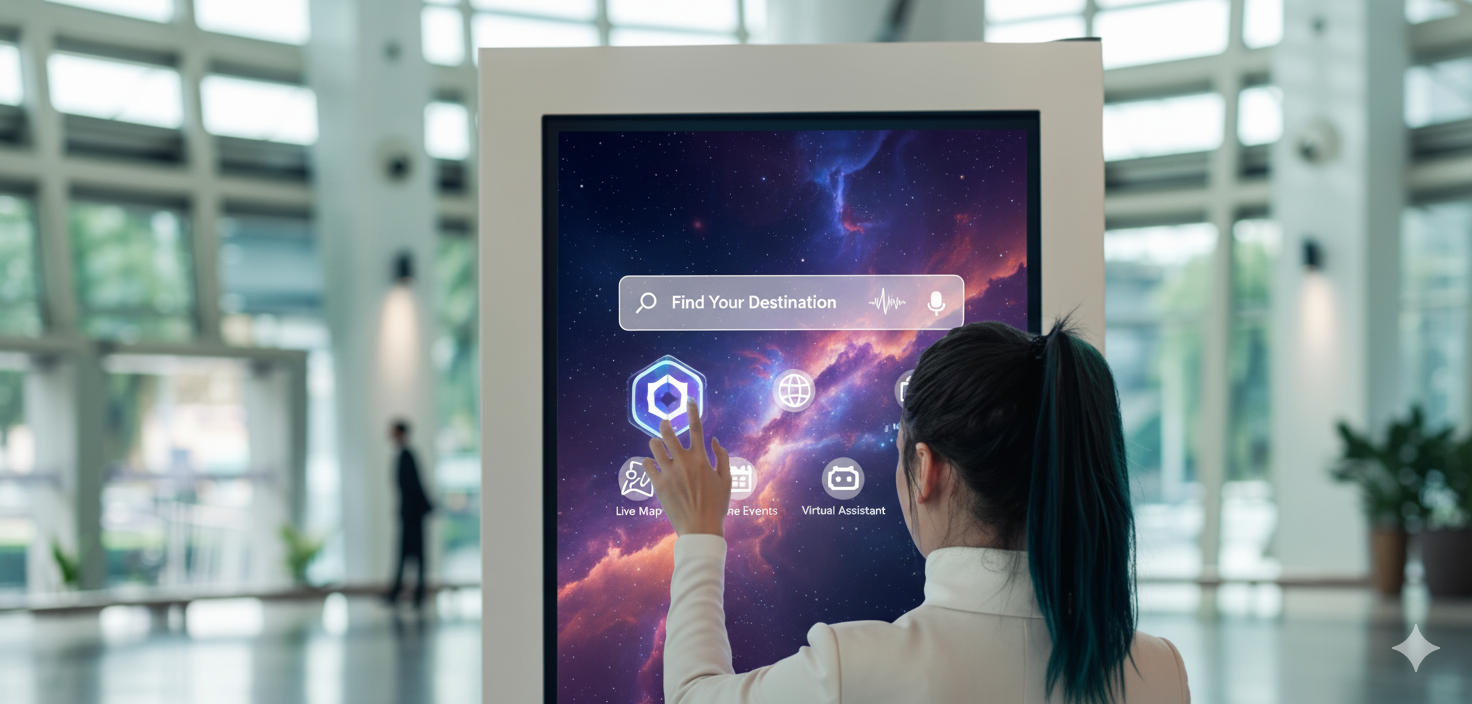
High-traffic public spaces are prime locations to make a brand memorable, and DOOH broadcasting lets you do just that. By using centralized ad scheduling and programmatic integration, you can manage campaigns across multiple locations efficiently, ensuring your messaging is consistent and reaches a broad audience. This approach allows your network to operate like a well-oiled machine, delivering dynamic content that enhances audience engagement and captures attention in high-traffic areas.
For example, a national beverage brand can run coordinated campaigns across airports and shopping malls, displaying promotional videos and seasonal offers to thousands of travelers and shoppers. Each screen reinforces the brand’s visibility, creating a customer experience that static displays simply can’t match.
Indoor Narrowcasting
Reaching the right audience in the right moment is easier when content is tailored to the space they’re in, and indoor narrowcasting makes that possible. This type of digital signage advertising network, considering viewer demographics, ensures that viewers feel personally connected to the content, making your campaigns more memorable and effective.
For instance, a gym chain can display membership offers, workout tips, and local promotions on screens in each branch, while a boutique store might highlight daily deals or new arrivals specific to that location. This localized approach, especially in a controlled environment, keeps content fresh and encourages interaction with the brand.
Interactive Ad Campaigns

Engaging your audience actively rather than passively can turn ordinary screens into memorable experiences, and interactive campaigns achieve this. By using touchscreens, QR codes, or mobile interactions, these campaigns enhance engagement, and digital signage refers to delivering targeted messages while providing valuable insights into audience behavior. Digital signage displays become more than just screens; they become interactive experiences that connect people with your brand.
As an example, a hotel could have a screen where guests explore dining options, book spa appointments, or view local attractions through QR code scans. This approach not only entertains through interactive displays, but also gathers useful data, helping the brand refine future campaigns and tailor offers to audience preferences.
Programmatic Advert
Reaching the right viewer at the perfect moment is effortless when AI-driven automation is in play, and programmatic advertising makes it happen. This automated approach, powered by robust digital signage software, increases efficiency, relevance, and fill rates across your digital signage network, making campaigns more effective without constant manual oversight.
For example, a clothing retailer could use programmatic ads to display raincoat promotions on screens in areas experiencing rain, or a food delivery service might show dinner offers near residential neighborhoods during peak evening hours. By adapting to real-time conditions and audience data, programmatic ads make every impression count, boosting engagement and revenue simultaneously.
What Powers a Digital Signage Advertising Network?
Running a digital signage advertising network isn’t just about having screens in multiple locations; it’s about having the right infrastructure and tools to manage, automate, and monetize your displays effectively. According to Allied Market Research, narrowcasting networks in retail and hospitality achieved a 30% higher conversion rate than private marketplace advertising campaigns.
You need a system that can handle content distribution, audience targeting, and ad tracking across multiple screens, all while keeping campaigns dynamic and relevant. With AIScreen’s content management system, you get a complete solution that brings all these elements together, making your digital signage network efficient and scalable.
Add Server
At the heart of every signage network is a centralized server that stores, delivers, and tracks all your ad campaigns. This server manages your inventory, schedules playback, and monitors impressions, giving you valuable insights into what content works best and where.
For example, AIScreen integrates ad scheduling directly into its CMS, allowing you to control playback across multiple locations seamlessly. Whether you’re managing a handful of retail stores or hundreds of digital signage displays, the server ensures that every ad displayed is timely, relevant, and reaches the right audience.
Content Management System (CMS)
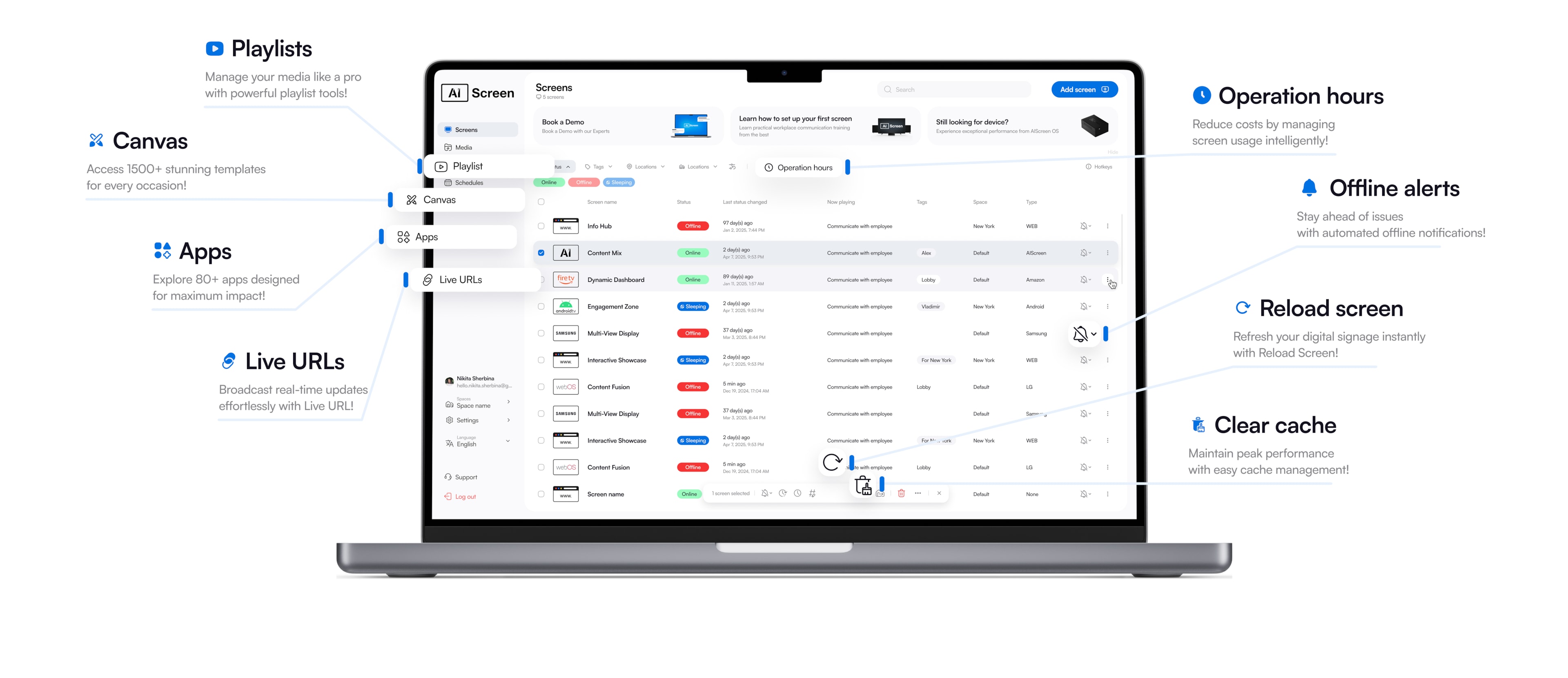
The CMS is your operational hub, letting you upload, schedule, and update digital signage content remotely. It should support multi-screen control, dynamic layouts, live feeds, and real-time monitoring, so you can keep campaigns fresh and engaging.
Take AIScreen’s CMS as an example; it enables you to create ad playlists, target specific audience segments, and automatically refresh content across all digital screens. Whether it’s a retail environment, office spaces, or high traffic areas, you can manage multiple screens effortlessly, ensuring your messaging is always consistent and relevant.
Supply-Side Platform (SSP)

To monetize your digital signage advertising network effectively, a Supply-Side Platform (SSP) is essential. It allows network owners to automate manual tasks, sell ad space programmatically, track inventory, monitor revenue, and analyze performance metrics for every display.
AIScreen’s SSP integrations make programmatic advertising simple and scalable. You can connect with APIs and social media feeds, as well as demand-side platforms to automatically fill ad slots with multimedia content, optimize campaigns using real-time data, and ensure every digital display contributes to revenue. This approach turns your outdoor digital signage network into a profitable, data-driven asset that continually adapts to audience behavior and market demand.
How Do You Maximize Advertising Network Profit?
A digital signage advertising network can become a consistent revenue engine when every screen is treated as a strategic asset. According to Juniper Research, remote management of digital signage networks reduces operational costs by up to 25%. By combining smart partnerships, audience insights, digital signage solutions automation, and performance tracking, you can boost fill rates, increase advertiser retention, and turn idle screens into profit centers. Getting the underlying digital signage architecture right keeps that network stable as it scales.
- Partner with Local and National Brands: Collaborating with a mix of local businesses and national brands ensures your network fills efficiently while appealing to diverse budgets. For example, a shopping mall might run boutique promotions during off-peak hours while reserving high-visibility slots for major retail chains during busy periods. This tiered approach maximizes revenue and keeps content engaging for viewers.
- Offer Data-Driven Ad Targeting: Using audience demographics, location, and time-specific triggers lets your ads reach the right people at the right moment. A café chain, for instance, could display breakfast deals in the morning and push delivery promotions near residential zones in the evening. This kind of targeted messaging increases engagement and advertiser satisfaction.
- Integrate with Programmatic Platforms: Connecting your network to SSPs and demand-side platforms automates bidding and ad placement, improving fill rates and revenue efficiency. AIScreen supports API-based integrations with major programmatic tools, allowing you to run campaigns smoothly across multiple screens without manual oversight.
- Track and Analyze Performance Metrics: Monitoring impressions, engagement, and conversion rates helps you optimize underperforming content quickly. With AIScreen’s real-time analytics dashboard, you can refine playlists, refresh campaigns, and ensure each screen consistently delivers value, both to your advertisers and your bottom line.
Why Choose AIScreen for Advertising Networks?
Building or modernizing your digital signage advertising network has never been easier. AIScreen provides everything you need to run, automate, and monetize multiple screens from a web-based cms and a single, intuitive dashboard. From cloud-based content management to real-time analytics, every feature, including support for LCD screens, is designed to simplify management while maximizing the impact of your campaigns. According to Deloitte, 70% of businesses using digital signage advertising networks reported an increase in overall ROI within the first year of implementation.
With AIScreen, you gain access to over 1500 ready-to-use ad templates, seamless integration with 80+ apps and APIs, and scalable support for any screen type, whether webOS, Tizen, Android, or Raspberry Pi. Real-time reporting and automated workflows ensure your digital signage displays stay dynamic, relevant, and revenue-generating across all locations. Start your digital signage ad network with AIScreen, the simplest way to manage campaigns, maximize revenue, and grow your advertising reach. Book your free demo today!
FAQs
How does a digital signage advertising network work?
A digital signage advertising network works by connecting multiple screens across different locations and managing them through centralized software. Ads, content, and real-time information are scheduled and distributed to each display efficiently. Businesses, advertisers, and network owners collaborate to ensure the right content reaches the right audience. By automating updates and tracking performance, the network maximizes engagement and revenue.
What’s the difference between DOOH and narrowcasting?
The difference between DOOH and narrowcasting lies in audience targeting and location. DOOH (Digital Out of Home) reaches broad audiences in high-traffic public spaces like malls, airports, or highways. Narrowcasting focuses on smaller, specific indoor locations such as retail stores, gyms, or offices for more localized and contextual messaging. While DOOH builds wide brand visibility, narrowcasting delivers tailored, relevant content to a specific audience.
How can I monetize my digital signage network?
Yes, you can monetize your digital signage network by selling ad space on your screens to both local and national brands. Integrating with programmatic platforms or SSPs enables automated bidding and placement, resulting in higher ad fill rates and increased revenue. You can also run your own promotional campaigns or offer tiered pricing for premium and local slots. With proper audience targeting and loop-based advertising, each screen becomes a consistent revenue-generating asset.
What hardware and software are required to manage ad displays?
The hardware and software that are required to manage ad displays include digital screens, media players, and network connectivity. On the software side, you need a content management system (CMS), an ad server, and, optionally, a supply-side platform for programmatic monetization. Together, these tools let you schedule content, monitor performance, and update multiple screens remotely. AIScreen integrates all these elements for seamless management of your digital signage network.
How does programmatic advertising improve campaign performance?
Programmatic advertising can improve campaign performance by automating ad placement based on real-time audience data and demographics. It ensures the right message reaches the right viewer at the right time, increasing relevance and engagement. Fill rates and revenue are optimized as ads are dynamically matched to available inventory. By using programmatic strategies to enhance communication, your digital signage campaigns become more efficient, targeted, and profitable.
