
How to Keep Outdoor Digital Signage Cool
Keeping outdoor digital signage cool protects outdoor digital signage displays from overheating, brightness loss, and hardware failure by maintaining optimal internal temperature and stabilizing the electronic system. Using digital signage software helps monitor performance alongside physical cooling strategies, ensuring outdoor digital signage systems operate efficiently in extreme heat and changing weather conditions. According to the National Oceanic and Atmospheric Administration (NOAA), 2023 was the warmest year globally, increasing risks for outdoor screens in street furniture and high-traffic outdoor spaces.
In this blog, you’ll find practical, actionable steps covering how to strategically place equipment, use forced convection cooling, heat exchangers, air-conditioning units, and appropriate enclosures, so you can protect your outdoor digital displays, maintain maximum visibility, and preserve ROI.
What Is the Importance of Keeping Outdoor Digital Signage Cool?

The importance of keeping outdoor digital signage cool lies in maintaining performance, protecting equipment, and ensuring long-term ROI across outdoor environments. Proper cooling prevents damage to the display screen, reduces heat stress on digital signage software, and avoids issues like color distortion, blackouts, and reduced lifespan. Maintaining ideal temperatures ensures outdoor digital displays operate efficiently under direct sunlight, bright sunlight, and extreme heat conditions.
Cooling systems help reduce power consumption, stabilize brightness, and improve visibility across various weather conditions. This makes a big difference in maintaining consistent content delivery and interactive experiences.Temperature control also supports system reliability by protecting internal components, preventing overheating of vital circuits, and maintaining consistent operating cycles. When outdoor digital signage remains cool, businesses achieve fewer interruptions, improved performance, and better audience engagement in outdoor spaces.
What Strategies Help to Keep Outdoor Digital Signage Cool?
Strategies help to keep outdoor digital signage cool by controlling heat exposure, optimizing airflow, and stabilizing internal temperature within recommended limits. Outdoor digital signage displays face higher risks because outdoor usage exposes them to direct sunlight, heat waves, and unpredictable weather conditions. Keeping outdoor digital signage cool requires a proactive approach that combines physical placement, cooling technology, and system monitoring. Using advanced tools like digital signage platform solutions allows businesses to manage multiple outdoor displays, monitor temperature, and automate responses to extreme heat.
Plan the Placement of Your Outdoor Signage Equipment
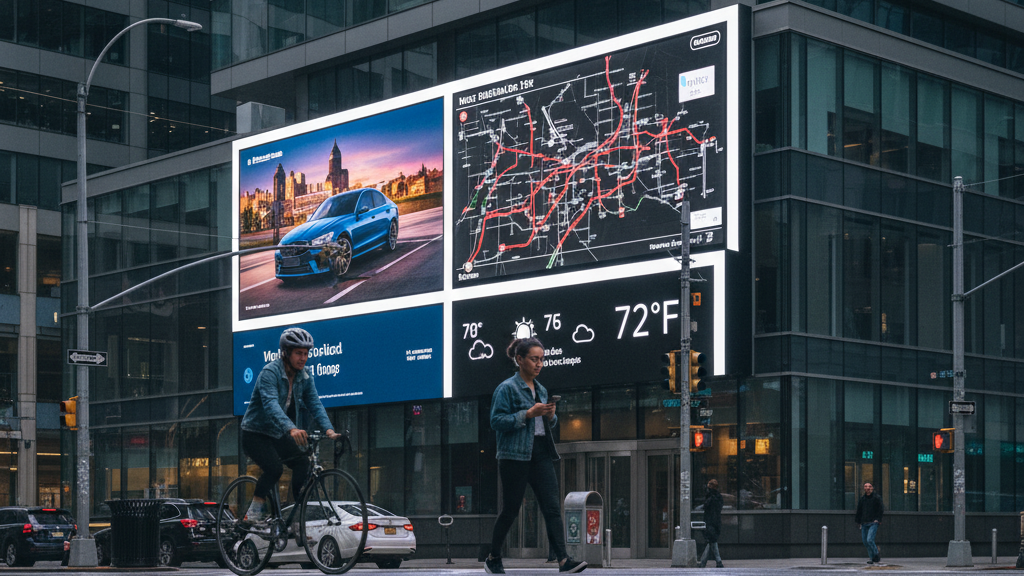
Plan the placement of your outdoor signage equipment by balancing heat control with optimal visibility and readability. The height of the sign should match its environment 7–10 feet for pedestrian areas, 12–15 feet near parking zones, 20–50 feet for roadside visibility, and 80+ feet for highways to avoid obstructions. Follow the 10-to-100 rule, where every 10 feet of viewing distance requires 1 inch of letter height, ensuring clear readability even at 500 feet.
Maintain proper setback distance 2–5 feet in urban areas, 10–15 feet in suburban zones, and 20+ feet on high-speed roads to improve driver visibility. Position signage at a 45°–60° angle to increase dwell time (3–5 seconds), and maintain at least 70% contrast with 150–300 nits brightness to prevent washout in direct sunlight.
Use Forced Convection Cooling and Fans
Forced convection cooling keeps digital signage for outdoor cool by actively pushing out hot air and pulling in ambient air to stabilize the temperature inside the unit. This method is highly effective in outdoor environments where high ambient temperatures and direct exposure to outdoor elements create unique challenges for digital signage systems.
Temperature-triggered fans adjust airflow automatically, making the system energy efficient while protecting sensitive display elements and maintaining consistent performance. Adding dust filters and sealed vents helps remove humidity, block water jets, and protect internal components from corrosion. This approach ensures your outdoor digital signage systems maintain content fresh, smooth operation, and reliable performance without affecting visibility or interactive experiences.
Install a Heat Exchanger for Thermal Balance
A heat exchanger maintains thermal balance in outdoor digital signage systems by transferring heat from inside the display to the outside atmosphere without allowing contaminated ambient air to enter. This is essential for outdoor installations exposed to humidity levels, dust, and fluctuating weather conditions. Heat exchangers handle high ambient temperatures effectively, especially when LED brightness increases internal heat load.
Whether passive or active, this technology protects vital circuits, reduces temperature inside the enclosure, and ensures long-term stability of your digital display. It is one of the key benefits for maintaining performance in extremely warm climates while avoiding added expense from frequent repairs.
Add an Air Conditioning Unit for Extreme Conditions
Air conditioning units provide the most powerful cooling solution for outdoor digital signage displays operating in extreme heat. These systems regulate internal temperature inside the unit, protect electronics from overheating, and maintain optimal performance even in high ambient temperatures.
Energy efficient mini-AC units combined with smart thermostats help control cooling cycles while minimizing power consumption. Closed-loop systems prevent dust, humidity, and outdoor elements from entering, ensuring security measures for long-term durability. This solution is ideal for outdoor environments where heat waves and intense sunlight can affect visibility and damage display technology.
Consider LCD Outdoor Digital Signage Enclosures
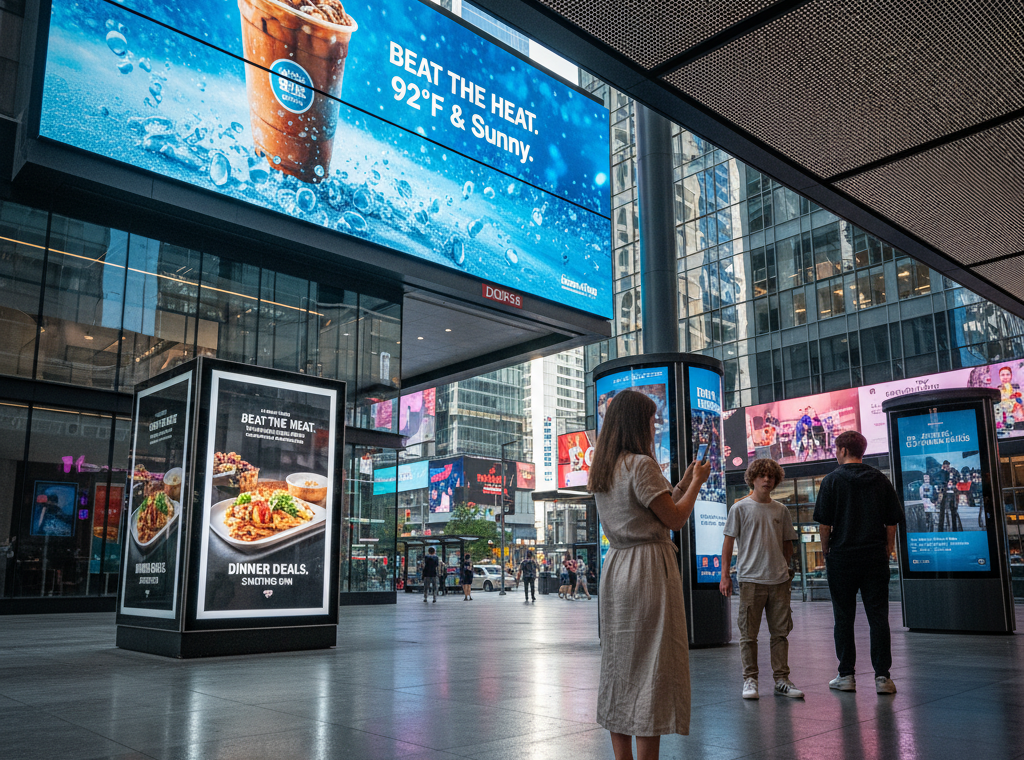
LCD outdoor digital signage enclosures protect the display screen from harsh outdoor elements such as UV exposure, humidity levels, and temperature fluctuations. Properly designed enclosures maintain internal temperature control, reduce heat buildup, and remove humidity to protect sensitive components. Waterproof designs shield against water jets and environmental damage, ensuring reliability in outdoor installations.
While LED options offer higher brightness for bright sunlight, they also require stronger thermal management compared to LCD systems. Choosing the right enclosure is one of the most important factors in maintaining digital signage systems, preserving display quality, and ensuring long-term performance across outdoor environments.


Monitor and Automate Temperature Control Systems
Monitoring and automation protect outdoor digital signage systems by tracking temperature inside the unit and responding to heat changes in real time. Sensors and cloud-based software enable remote monitoring, allowing businesses to control multiple outdoor digital signage displays through a stable internet connection.
Automated systems adjust fan speed, trigger cooling mechanisms, or reduce brightness when thresholds are exceeded, ensuring consistent performance without manual intervention. Using digital signage remote management, such as AIScreen’s platform, centralizes control, improves efficiency, and protects display components from heat-related failures while keeping content fresh and optimized.
Ensure Regular Maintenance and Dust Cleaning
Regular maintenance ensures outdoor digital signage systems operate efficiently by preventing overheating and protecting components from environmental damage. Cleaning dust, checking vents, and inspecting seals help maintain proper airflow and reduce the risk of hot air buildup inside the display. According to Digital Signage Today, lack of maintenance accelerates thermal stress and electronic failure, especially in demanding outdoor environments.
Routine checks for corrosion, clogged fans, and damaged elements help extend the lifespan of the unit and maintain consistent performance. This process supports long-term reliability, protects your investment, and ensures your digital display continues to operate effectively in various weather conditions.
Which Cooling Strategy Works Best for Outdoor Digital Signage?
The best cooling strategy for outdoor digital signage depends on screen type, location, and environmental conditions. Air conditioning units are most effective in extreme heat, while heat exchangers and convection cooling work well in moderate climates.
Businesses must evaluate important factors such as brightness requirements, outdoor conditions, and operating cycle. Combining multiple cooling methods often delivers the best results. Using digital signage CMS solutions helps manage performance, monitor conditions, and ensure consistent operation across outdoor installations.
How Does Outdoor Digital Signage Strategy Apply to Large Event Environments?
Outdoor digital signage strategy applies to large event environments by ensuring displays remain visible, stable, and effective under heavy usage and extreme conditions. Events in stadiums or public venues require signage systems that can handle high ambient temperatures, continuous operation, and large audiences.
Cooling strategies such as proper placement, heat exchangers, and real-time monitoring become essential in these environments. To understand how these principles extend to event-based deployments, explore how to set up digital signage in sports venues for events, where managing performance, visibility, and system reliability is critical for success.
How Can Smart Cooling Solutions Protect Outdoor Signage to Keep Outdoor Digital Signage Cool?
Smart cooling solutions protect outdoor signage by actively monitoring and regulating internal temperatures to prevent overheating and hardware failure. Pair AIScreen’s real-time monitoring and fleet management platform with advanced cooling systems to track temperature, humidity, brightness, and runtime from one unified dashboard while triggering automatic cooling responses when thresholds are exceeded.
This approach shields outdoor displays and outdoor screens from sun exposure and harsh environment conditions that cause costly repairs and media player breakdowns. By stabilizing internal elements and maintaining optimal brightness, businesses ensure targeted content remains visible, reliable, and effective at grabbing attention. Try 14 days free demo, no credit card needed.
FAQs
Why is cooling important for outdoor digital signage?
Cooling is important for outdoor digital signage because excessive heat can damage electrical components, distort visuals, and shorten the display’s lifespan. Proper thermal management keeps the outdoor digital display cool and stable, even under direct sunlight or extreme heat.
What’s the ideal temperature range for outdoor digital signage?
The ideal temperature range for outdoor digital signage typically falls between -20 °C and 50 °C, depending on the outdoor environment and manufacturer’s specifications. Maintaining this range helps your digital signage display function optimally in various lighting conditions and weather settings.
Do outdoor digital signage enclosures come with built-in cooling systems?
Yes, most outdoor digital signage enclosures now include built-in cooling systems such as fans, heat exchangers, or mini-air conditioners. These systems maintain safe temperature levels, protecting sensitive electronic equipment from excess moisture, ambient lighting, and environmental factors.
Can I use regular indoor displays outdoors with added cooling?
No, using regular indoor displays outdoors with added cooling is not recommended because indoor screens lack weatherproofing, UV protection, and proper insulation for outdoor use. Even with fans or shading, outdoor conditions like humidity, dust, and external temperature variations can still damage electrical components.
How often should I check and maintain the cooling system?
The cooling system of your outdoor digital signage should be checked at least every three months, especially in regions with hot weather or high traffic areas like shopping malls. Regular maintenance ensures that vents, filters, and fans stay clear of dust and debris, preventing overheating or airflow blockage.
