
10 Best Healthcare Marketing Strategies
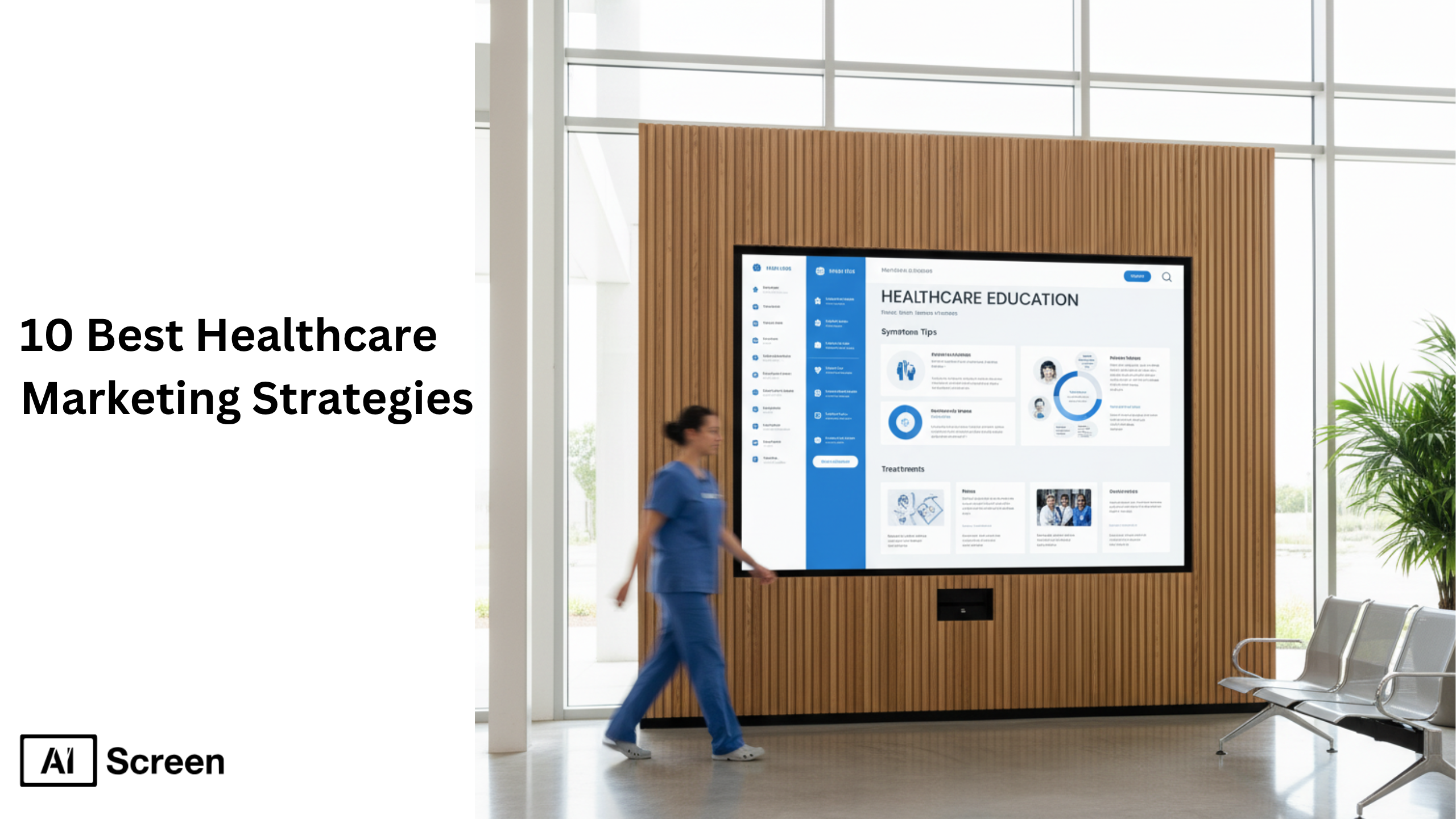
Healthcare marketing strategies are important because it builds awareness, trust, and retention while supporting innovation and patient engagement. As the healthcare industry has evolved in today’s digital age, clinics that invest in smart marketing in healthcare, aligned with their business goals, gain an edge in attracting new patients and keeping current patients loyal, with digital signage software. According to Pew Research Center, 77% of patients use search engines before booking a healthcare appointment, highlighting how critical digital visibility and healthcare marketing strategies are for patient acquisition and decision-making.
In this blog, you’ll find actionable advice on how to execute a strategic healthcare marketing plan that supports your medical practice’s growth, boosts patient acquisition, and builds long-term brand equity. We’ll explore each of the 10 best healthcare marketing strategies to grow your healthcare clinic and show how marketing healthcare services can help your healthcare provider stay ahead.
What are the Important Strategies for Marketing your Health System?
The important strategies for marketing your health system focus on combining digital marketing, patient engagement, and regulatory compliance to drive growth. Healthcare organizations must use multiple marketing channels while ensuring HIPAA and regulatory standards are followed.
1. Optimize Your Online Patient Experience
Healthcare websites are the core of healthcare marketing strategies because they connect patients with accurate information and services. A responsive website acts as a central hub where patients find healthcare information, book appointments, and evaluate providers.
To improve patient experience, ensure your website is mobile-friendly for mobile users and optimized for search engines. Maintain consistent branding and messaging across all marketing materials and channels. A smooth online experience improves patient satisfaction, increases organic traffic, and strengthens brand reputation.
2. Engage in Content Marketing for Healthcare

Content marketing helps healthcare providers educate patients and build trust through valuable insights and helpful resources. It includes blog posts, symptom checkers, and educational content that answers patient needs and common patient searches.
Use data from patient feedback and contact centers to identify topics. According to Healthgrades, 72% of patients view online reviews before selecting providers, making authoritative content essential. Strong content marketing improves engagement, builds credibility, and attracts new patients.
3. Solicit Positive Patient Reviews and Manage Reputation
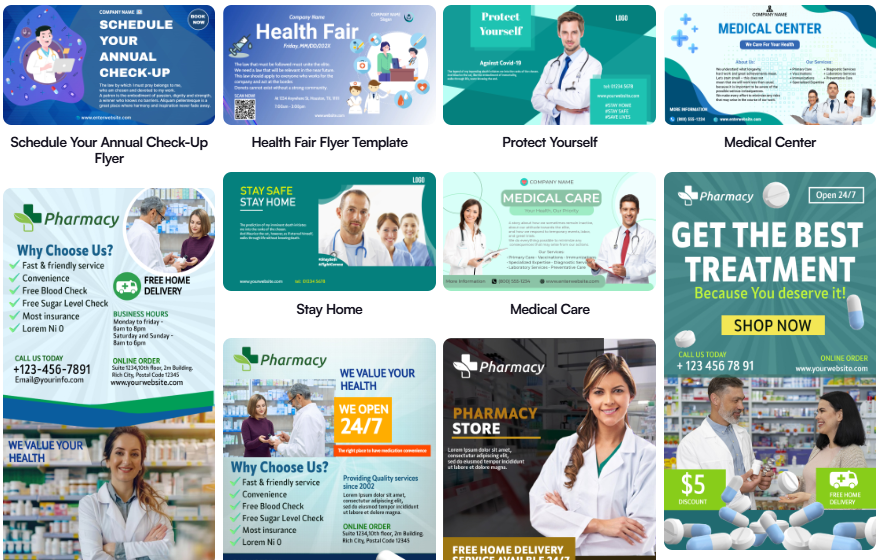
Positive online reviews build trust and influence patient decisions in healthcare marketing. Patients rely on Google reviews and other platforms to evaluate healthcare providers. Encourage satisfied patients to leave reviews through direct communication and follow-ups while maintaining HIPAA compliance.
According to Becker’s Hospital Review, 75% of patients use reviews as their first step. Managing online reputation improves brand credibility and attracts potential patients. Tools like AIScreen, with access to 500K+ pre-built templates, help healthcare organizations display patient testimonials, review highlights, and trust signals visually across screens, strengthening online reputation and attracting potential patients.
4. Keep Referrals In-Network and Strengthen Relationships
Referral strategies help healthcare organizations retain patients and improve internal collaboration. Healthcare professionals play a key role in keeping patients within the network.
Use physician relationship management tools to track referrals and build strong partnerships. Targeted outreach and communication improve trust and patient retention while aligning marketing efforts with business goals.
5. Personalize Patient Engagement Across Touchpoints

Personalization improves patient engagement by delivering tailored experiences based on data. Healthcare marketers can use EHR and CRM data to understand patient expectations and behavior.
By combining data sources, healthcare providers can create targeted campaigns that improve satisfaction and retention. Personalized communication strengthens relationships and enhances the patient experience.
6. Focus on Patient Retention Strategies
Patient retention strategies ensure long-term success by improving patient satisfaction and loyalty. Many patients switch healthcare providers if expectations are not met.
Use patient data to recommend relevant services and maintain consistent communication. This approach improves retention, strengthens trust, and increases lifetime value for healthcare organizations.
7. Use SEO to Your Advantage
Search engine optimization helps healthcare providers appear in search results when patients search for healthcare information. Millions of patient searches happen daily on search engines.
Optimizing content for organic traffic ensures visibility and helps patients find reliable healthcare services. SEO supports timely care and improves patient acquisition.
8. Create a Social Media Marketing Strategy for Clinics
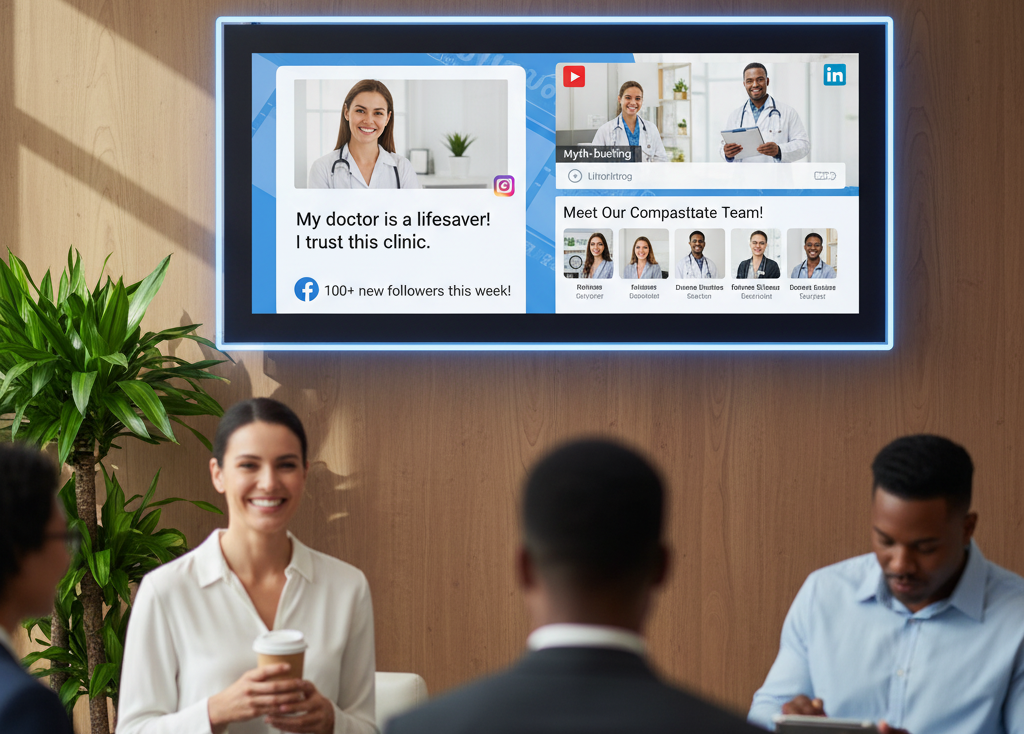
Social media builds trust and strengthens relationships with patients. Platforms like Instagram allow healthcare organizations to showcase values, share updates, and interact with audiences.
Maintain ethical communication and ensure regulatory compliance. A strong social media presence improves engagement, builds credibility, and enhances brand reputation.
9. Invest in Pay-Per-Click (PPC) and Google Ads
Paid search ads help healthcare providers reach patients ready to take action. PPC campaigns place services at the top of search results.
Optimized targeting and messaging improve ROI and attract qualified patients. Many healthcare organizations rely on agencies to manage campaigns efficiently.
10. Measure, Analyze, and Continuously Improve
Data-driven healthcare marketing improves performance through continuous analysis. Tracking key performance indicators helps measure success.
Use A/B testing and predictive models to refine marketing strategies. Continuous improvement ensures better engagement and stronger results over time.


Why Is Healthcare Marketing Important?
Healthcare marketing is important because it helps healthcare practices and health systems stand out, attract new patients, and build trust in a highly competitive healthcare industry. According to PatientPop, most patients search online when choosing providers, making healthcare websites, business listings, and a strong social media presence essential for meeting patient needs and achieving marketing goals. However, all marketing efforts must follow regulatory standards to protect patient data and maintain trust:
- HIPAA (Health Insurance Portability and Accountability Act): Ensures secure handling of patient information and compliance in electronic communication.
- GDPR (General Data Protection Regulation): Governs how personal data is collected and used across healthcare organizations.
- CAN-SPAM Act: Regulates email marketing, including consent and opt-out options.
How Does the Healthcare Industry Use Marketing?

The healthcare industry uses marketing to attract potential patients, improve visibility, and enhance the overall patient experience. Healthcare marketing strategies help health systems and healthcare practices reach their target audience through search engines, social media, business listings, and paid search. From hospitals to local providers, a strong marketing strategy supports marketing goals by increasing patient acquisition, building trust online reviews, and expanding the patient base.
Traditional Marketing for Clinics
Traditional marketing remains a powerful tool for healthcare practices to build community trust and reach audiences beyond digital platforms. Strategies such as billboards, referral programs, print campaigns, and local media help reinforce consistent branding and expand reach. These methods are especially useful for audiences who may not actively use digital platforms but rely on familiar communication channels.
When combined with digital healthcare marketing strategies, traditional marketing strengthens brand reputation, reduces the impact of negative reviews, and helps providers compete effectively with indirect competitors. A balanced approach ensures consistent messaging across all channels.
Digital Healthcare Marketing

Digital signage is more effective than traditional signage because it delivers dynamic, real-time content instead of static messages. It works by using digital screens connected to software that updates and displays patient education, announcements, and live information instantly across locations. Platforms like AIScreen offer affordable, high-quality digital display solutions that help clinics share real-time updates, improve patient experience, and enhance engagement across multiple screens.
Platforms like AIScreen offer affordable, high-quality digital display solutions that allow healthcare organizations to showcase consistent messaging, patient education, and real-time updates across screens. Explore 4 best digital signage software providers for healthcare to enhance communication and patient engagement across locations.
Integrated Marketing Approaches
Integrated marketing combines digital and traditional strategies to create a seamless and effective patient experience. After building a brand, the next step is implementation, starting with optimizing healthcare websites for better performance. A well-optimized website supports search engine optimization, increases visibility in search results, and helps healthcare providers stand out in a competitive health care environment.
By aligning website performance with marketing efforts, healthcare organizations can retain users, improve engagement, and achieve long-term marketing goals while competing effectively with both direct and indirect competitors.
What Are 5 Steps to Build Your Healthcare Marketing Strategy?
The steps to build your healthcare marketing strategy focus on creating a clear plan that helps health systems attract, engage, and retain patients effectively. A well-structured approach ensures all marketing efforts align with business goals and patient needs. The steps to build your healthcare marketing strategy create a solid foundation for long-term growth and visibility.
1. Develop Consistent Branding
Consistent branding defines how patients perceive your healthcare organization. Focus on clear identity, patient experience, and values to stand out among similar providers. Strong branding builds trust, supports personal recommendations, and creates a solid foundation for all marketing efforts across channels.
2. Build a Responsive Website
A responsive website ensures patients can easily access healthcare information on any device. Optimize for mobile users, fast loading speed, and simple navigation. A well-designed site improves user experience, helps retain visitors, and increases the chances of converting them into patients.
3. Use Paid Search Ads
Paid search ads help health systems appear at the top of search engines and reach potential patients quickly. Target ads by location and keywords to ensure visibility in local searches. This strategy increases traffic and supports patient acquisition efficiently.
4. Ask for Reviews
Online reviews influence patient decisions and strengthen your business listing. Encourage satisfied patients to leave feedback and respond to negative reviews professionally. This improves credibility, builds trust, and enhances your online reputation.
5. Use Search Engine Optimization (SEO)
SEO helps healthcare providers rank higher in search results without paid ads. Optimize content with relevant keywords, publish valuable information regularly, and align with patient searches. Strong SEO increases organic traffic and long-term visibility for health systems.
What are the Benefits of Healthcare Marketing?
Healthcare marketing helps health systems grow by improving visibility, patient engagement, and overall communication in the health care industry. It supports both business goals and stronger relationships between patients and providers.
The top benefits include:
- Expanding reach: Marketing across social media, business listings, and other industry channels helps healthcare providers reach a wider audience.
- Real-time communication: Social media channels and digital platforms keep patients informed with the latest updates and healthcare information.
- Attracting new patients: Strategies like paid search and targeted campaigns help bring in high-intent patients.
- Improving patient retention: Engaging content and consistent communication keep patients connected to your health systems.
- Optimizing marketing budget: Digital marketing allows providers to generate higher-quality leads and measure performance efficiently.
How Modern Political Campaign Strategies Relate to Healthcare Marketing?
Modern marketing strategies share similarities across industries, including healthcare and political campaigns. Data-driven targeting, audience segmentation, and personalized messaging are key in both.
For example, you can explore Zohran Mamdani Marketing Campaign: how he won NYC’s election? to understand how strategic communication and audience targeting influence success. These insights can inspire innovative healthcare marketing strategies.
Drive Patient Growth with Smart Healthcare Marketing Tools!
A smart healthcare marketing plan helps clinics and healthcare providers grow faster by combining automation, analytics, and patient engagement. With the right marketing strategies in healthcare, professionals can streamline communication, attract more patients, and measure success through data-driven insights.
Whether you’re exploring healthcare marketing and advertising or refining how you promote marketing healthcare services, tools like AIScreen’s platform simplify it all, from creating educational content to managing campaigns across channels. Ready to turn your medical marketing and healthcare marketing ideas into measurable results? Start building smarter patient connections today.
FAQs
What is healthcare marketing?
Healthcare marketing is the strategic process of promoting medical services to connect healthcare providers with potential patients. It combines digital tools, educational content, and analytics to build trust, enhance engagement, and strengthen brand awareness.
How to market healthcare services?
Marketing healthcare services involves using a mix of online and offline tactics, from SEO and social media to local partnerships and patient referrals. A successful strategy includes educational content, healthcare marketing ideas, and automation tools.
Is healthcare marketing regulated?
Yes, healthcare marketing is regulated to ensure ethical communication and patient privacy. All marketing activities must comply with HIPAA guidelines and medical advertising standards, ensuring transparency, accuracy, and integrity in how healthcare services are promoted.
How often should clinics update their marketing strategy?
Clinics should update their healthcare marketing plan at least every six to twelve months. Regular updates allow healthcare marketers to adjust campaigns, measure analytics, and respond to shifts in patient behavior or new digital marketing opportunities.
What metrics define a successful healthcare marketing campaign?
Metrics that define a successful healthcare marketing campaign include patient acquisition rate, website traffic, engagement across medical marketing channels, conversion rates, and patient feedback.
