
What are the Top 9 Event Trends in 2026?
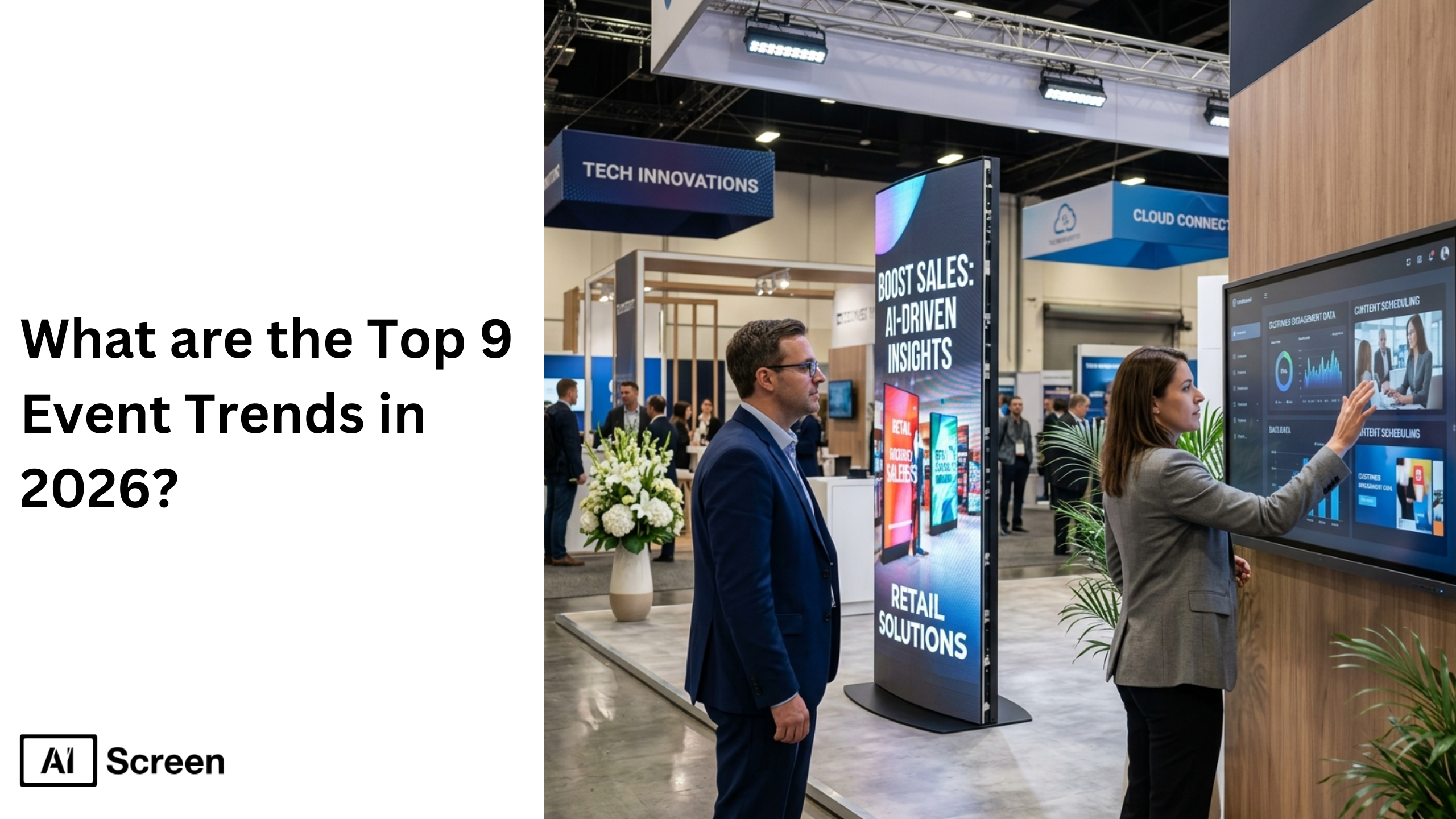
The top 9 event trends in 2026 focus on AI, hybrid formats, data-driven strategies, and immersive experiences that transform how event planners create impactful events. When you align your next event with current event trends, you don’t just attract attendees, you create moments people want to share. These shareable experiences turn participants into storytellers, increasing visibility and engagement across platforms. According to Forrester, 67% of AI decision-makers plan to increase investment in generative AI, proving its role in modern event planning.
This blog explains how event professionals can leverage these key trends to create memorable and impactful events with digital signage software, enhance attendee engagement through interactive and personalized experiences, and drive better participation and satisfaction. It also highlights how applying these strategies can lead to stronger brand presence, improved event outcomes, and long-term event success.
What Are the Top 9 Event Trends Shaping the Future of Event Planning?
The top event trends shaping the future of event planning focus on technology, personalization, and data-driven strategies that improve attendee engagement and overall event success. These trends highlight how event professionals are using AI, smart tools, and modern event platforms to streamline event management, enhance experiences, and deliver measurable outcomes.
1. Expansion of AI Use Cases in Event Planning
AI is transforming event planning by enabling automation, personalization, and data-driven decision-making across the entire event lifecycle. Event planners now use AI-powered tools to analyze event data, predict attendee preferences, and deliver immersive experiences that improve event engagement and event success.
How AI is Shaping Event Trends:
- AI matchmaking: Connects attendees based on interests, improving meaningful connections and networking opportunities.
- Personalized experiences: Uses event data to recommend sessions, breakout sessions, and interactive elements.
- Real-time analytics: Tracks attendee engagement and event’s impact for better business outcomes.
- Automated logistics: Simplifies event management across in person events, virtual attendees, and hybrid events.
- Smart check-ins: Improves attendee experience with fast, secure entry systems.
AI-powered event technology ensures modern event platforms deliver seamless, scalable, and sustainable event planning experiences. These emerging technologies help event marketers create more engaging and data-driven event strategies.
2. Consolidation of Event Tech Stacks
Event tech consolidation improves event management by combining multiple tools into a single management software platform. Event organizers benefit from centralized control, improved data collection, and better coordination across event teams. Modern event platforms now integrate CRM systems, analytics dashboards, and event apps into one unified system, reducing complexity and improving efficiency.
Key Benefits:
- Improved event planning efficiency
- Centralized event data visibility
- Better collaboration across event teams
- Reduced operational costs and event budgets
3. Events as a Source of First-Party Data
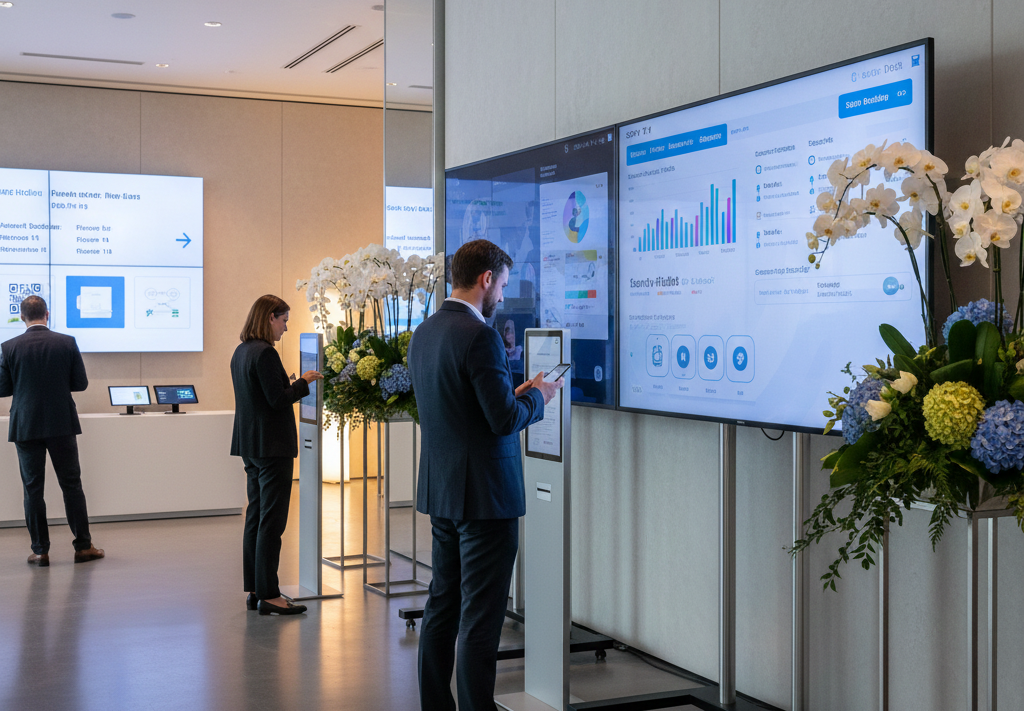
Events are a powerful source of first party data, enabling event professionals to collect valuable insights directly from attendees. This data collection helps improve event strategies, personalize attendee experiences, and drive better event marketing outcomes. First-party data includes information gathered from registrations, polls, interactive sessions, and engagement metrics during live event environments.
Why First-Party Data Matters:
- Provides insights into attendee behavior and preferences
- Improves targeting and personalization
- Enhances event engagement and session attendance
- Supports better ROI and business outcomes
Using past event data and real-time analytics, event planners can refine event formats, optimize breakout sessions, and improve future events. Privacy-compliant data collection is also critical, ensuring trust while supporting sustainable event planning and ethical data use.
4. Higher Demand for Self-Serve Event Platforms
Self-serve event platforms empower event professionals to manage events independently without relying on external vendors. These modern event platforms simplify event management and improve efficiency across the entire event lifecycle. Event organizers can now handle registration, event app customization, and content updates in real time.
Why Self-Serve Platforms Are Growing:
- Faster event setup and execution
- Reduced dependency on vendors
- Lower event budgets
- Greater flexibility and control
Platforms like AIScreen and other event tech solutions enable teams to manage digital signage, update content instantly, and improve attendee engagement without delays. This shift supports emerging trends in event technology, where speed, control, and scalability are essential.
5. Content Strategy Will Make or Break Events
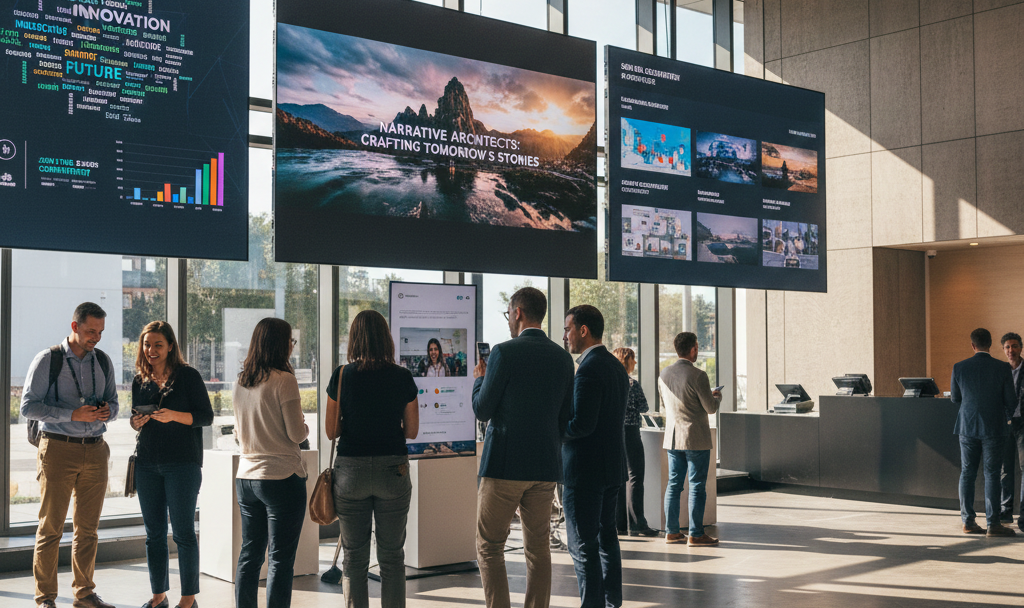
Content strategy is the foundation of successful events, determining how well an event engages attendees and delivers value. Event marketers now focus on creating compelling content across pre event, live event, and post event phases. A strong content strategy ensures the entire event delivers consistent messaging and meaningful experiences.
Key Content Strategy Elements:
- Pre event promotion through teasers and campaigns
- Interactive sessions during the event
- Post event engagement through follow-ups and repurpose event content
Event planners use data-driven insights to refine content, improve attendee engagement, and align messaging with audience expectations. Using digital signage tools like AIScreen, teams can manage content dynamically across multiple screens, ensuring maximum visibility and engagement.
6. The Decline of “Early Bird” Discounts
Early bird discounts are declining as a key strategy in modern event trends, as attendees now prefer flexibility over early savings. According to industry insights, a significant portion of ticket sales happens close to the event date, reflecting changing behavior in the event industry. With evolving event technology and shifting priorities for future events, people attending in person events are waiting for confirmed details before committing, especially due to budget concerns and awareness of environmental impact.
What works better now:
- Exclusive perks: VIP access or special experiences for late buyers
- Loyalty programs: Reward repeat attendees instead of early bookings
- Tiered access: Flexible pricing with added benefits at any stage
Event organizers are now focusing on value-driven strategies that improve engagement both during and post event, rather than relying on early pricing tactics. Instead of pushing early registrations, successful planners adapt to late decision-making and enhance the overall in person experience.
7. On-Demand Badge Printing Will Get More Popular
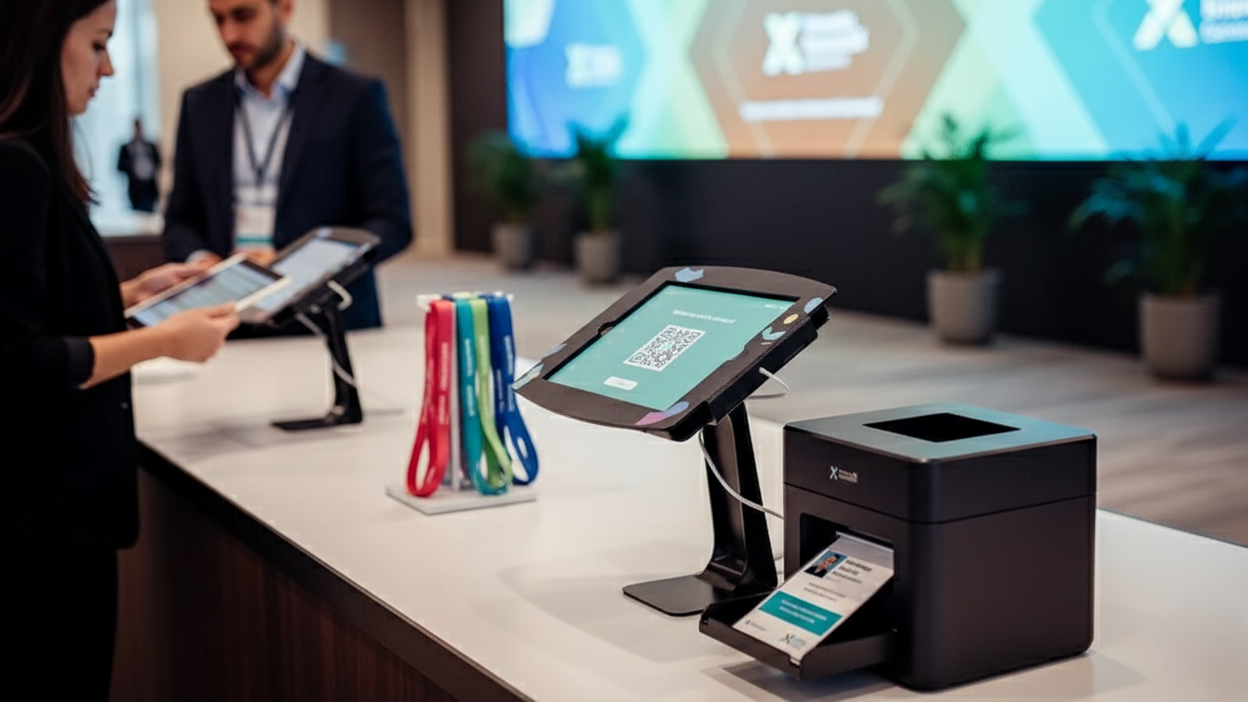
On-demand badge printing is becoming a key part of event trends shaping the modern events landscape, enabling faster check-ins, reduced waste, and better adaptability for future events. Instead of pre-printing badges, event organizers now print them instantly, improving efficiency and supporting both in person attendees and virtual attendees in hybrid events.
How On-Demand Badge Printing Supports Event Trends:
- Real-time flexibility: Handles last-minute registrations for your next event without delays
- Contactless check-ins: Improves attendee experience and speeds up entry
- Sustainability focus: Reduces waste and supports event sustainability goals
- Personalization: Prints accurate attendee details based on updated event app data
- Operational efficiency: Helps manage event budgets by avoiding unnecessary printing
This technology ensures smoother operations while helping planners create most successful events that align with evolving attendee expectations.
8. Smart Lead Capture Tools Are Now Essential
Smart lead capture tools are essential in today’s event trends because they improve how businesses collect, analyze, and act on attendee data across in person, virtual, and hybrid events. These tools replace outdated methods with automated systems that deliver valuable insights and improve event ROI. With QR codes, NFC badges, and integrated dashboards, event teams can track engagement in real time, making it easier to understand session attendance, attendee behavior, and overall event performance.
How Smart Lead Capture Tools Improve Event Success:
- Automated data collection: Captures attendee information instantly with fewer errors
- CRM integration: Enables faster post event follow-ups and better conversions
- AI-driven insights: Identifies high-value leads based on interaction quality
- Enhanced networking opportunities: Helps connect attendees and exhibitors effectively
- Performance tracking: Measures booth engagement and campaign effectiveness
These tools help industry leaders optimize their strategies, turning every interaction into measurable growth and making events more data-driven and impactful.
9. Attendee Feedback Can’t Be Ignored
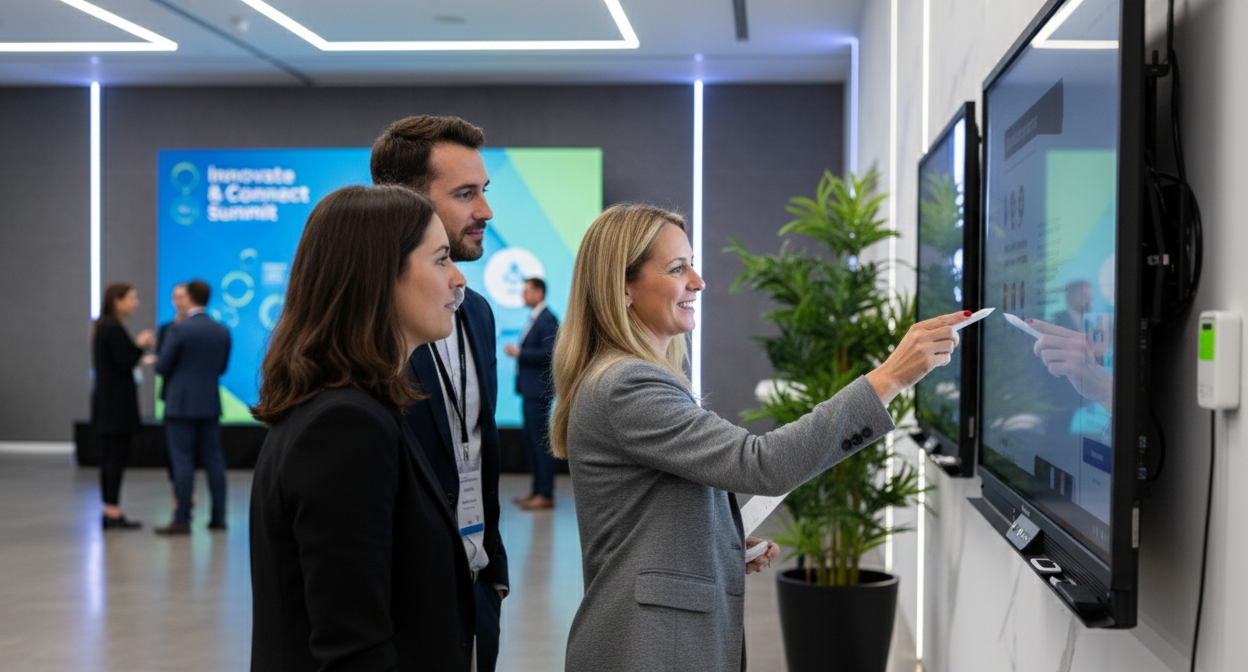
Attendee feedback is critical for improving top event trends and creating better future events, as it provides direct valuable insights into what attendees expect and experience. Without feedback, it’s difficult to measure success or improve event performance. According to a 2026 Event Organizer Insights Report, more than 70% of organizers rely on attendee feedback to guide decisions.
Why Attendee Feedback Matters in Event Planning:
- Improves attendee experience: Helps align events with attendee preferences
- Supports innovation: Drives better ideas through real-time insights
- Enhances engagement: Uses interactive elements like polls and surveys
- Strengthens community: Builds stronger connections within local communities
- Optimizes performance: Improves planning for the next event
Modern events are no longer just about execution, they are about listening. When organizers treat feedback as a core strategy, they create more engaging, inclusive, and impactful experiences that evolve with the changing events landscape.
What are the Event Trends Best Practices?
Event trend best practices in the event industry focus on adopting innovation strategically while maintaining strong attendee experiences and measurable outcomes. Instead of blindly following trends, successful event planners align new ideas with audience expectations, business goals, and operational capabilities.
- Start with Strategy, Not Shiny Objects: Choose trends that align with your event goals and audience needs, not just what looks appealing.
- Budget for Experimentation: Set aside 10–15% of your budget to test new approaches and innovations each year.
- Train Your Team: Equip your team with the right skills before implementing new trends in the event industry.
- Communicate Changes Clearly: Use pre-event messaging to help attendees understand and embrace new experiences.
- Measure Everything: Define KPIs early to evaluate the success of each trend accurately.
- Gather Real-Time Feedback: Use surveys and social listening tools to adjust experiences during the event.
- Document Lessons Learned: Maintain a structured debrief to capture insights and performance data.
- Share Results with Stakeholders: Demonstrate ROI and build support for future innovations.
- Stay Flexible: Be ready to pivot quickly as trends evolve in the event industry.
- Connect with Peers: Learn from industry groups and professionals implementing similar trends.
What are the Common Event Trends Mistakes?
The common event trends mistakes in the event industry often stem from poor planning, lack of audience understanding, and overuse of innovation without strategy. Avoiding these mistakes ensures that trends enhance rather than disrupt the overall event experience.
- Chasing Every New Thing: Implementing too many trends at once overwhelms teams and confuses attendees, focus on 2–3 impactful ones.
- Ignoring Your Audience Demographics: Not every trend suits every audience—always tailor decisions to your attendees.
- Skipping the Pilot Phase: Test new ideas on a smaller scale before full implementation.
- Forgetting Staff Training: Ensure your team understands and can support new technologies or formats.
- Neglecting Accessibility: Trends must be inclusive and accessible to all participants.
- Measuring the Wrong Things: Avoid vanity metrics, focus on engagement, satisfaction, and business impact.
- Abandoning What Works: Don’t replace proven strategies entirely, use trends to enhance existing success.
What Is the Future of Events Beyond 2026?
The future of events is driven by evolving event trends that focus on hybrid experiences, personalization, and sustainability across the event industry. As trends for 2026 show, businesses are combining in person events with virtual formats to improve accessibility and engagement, allowing attendees to choose how they participate. Using platforms like AIScreen, event professionals can manage digital signage, deliver consistent messaging, and enhance communication across multiple screens. To understand the foundation of such systems, explore what is digital signage software?
Event trends shaping the industry also highlight event sustainability, with eco-friendly practices, paperless systems, and digital solutions becoming standard. There is a growing focus on supporting local communities and treating events as meaningful experiences rather than one-time gatherings. With advancements in AI, automation, and immersive technology, the future will deliver smarter, more inclusive, and data-driven experiences that extend value even into the post event phase.
How to Create High-Impact Event Announcements and Templates?
Creating effective event announcements ensures your event stands out and attracts the right audience. A well-structured announcement aligns with event marketing strategies and supports pre event engagement. To improve your announcements, explore event announcement: best examples and templates, which provides actionable insights for crafting compelling event promotions.
Strong announcements combined with the latest event trends help event marketers maximize visibility, improve attendee engagement, and drive better event outcomes.
Stay Ahead with Innovative Event Trends In 2026
The future of events lies in innovation and adaptability. With the latest event technology trends and corporate event trends, organizers are embracing smarter tools to enhance engagement, boost visibility, and deliver seamless hybrid experiences.
As most attendees now expect real-time updates and personalized content, AIScreen provides the ideal solution. From dynamic digital signage to data-driven audience engagement tools, AIScreen empowers you to future-proof your events with cutting-edge technology designed for 2026 and beyond. Create memorable, efficient, and connected experiences, get started today with AIScreen!


FAQs
What are the biggest event industry trends for 2026?
The biggest event industry trends for 2026 include AI-powered event planning, hybrid and virtual event formats, self-serve management platforms, and sustainable practices. These innovations are reshaping how organizers create engaging, data-driven, and environmentally conscious experiences for diverse audiences.
How is AI changing event planning?
AI is changing event planning by automating logistics, personalizing attendee experiences, and analyzing engagement data in real time. From AI matchmaking tools to predictive analytics, it helps event planners boost efficiency, enhance participation, and deliver more meaningful connections at every stage.
What’s driving the rise of virtual and hybrid events?
The rise of virtual and hybrid events is driven by accessibility, flexibility, and sustainability. These formats allow organizers to reach global audiences, reduce travel costs, and accommodate both in-person and online attendees, making events more inclusive and impactful.
How can event organizers leverage first-party data?
Event organizers can leverage first-party data to understand attendee behavior, personalize experiences, and improve event outcomes. By analyzing engagement metrics and feedback, planners can optimize content, track ROI, and design events that truly resonate with their audiences.
What technologies define modern event planning?
The technologies defining modern event planning include digital signage, AI analytics, self-serve event software, on-demand badge printing, and smart lead capture tools. Together, they streamline event management, enhance attendee engagement, and create more efficient and memorable experiences.
