
What is LED Signage Board?
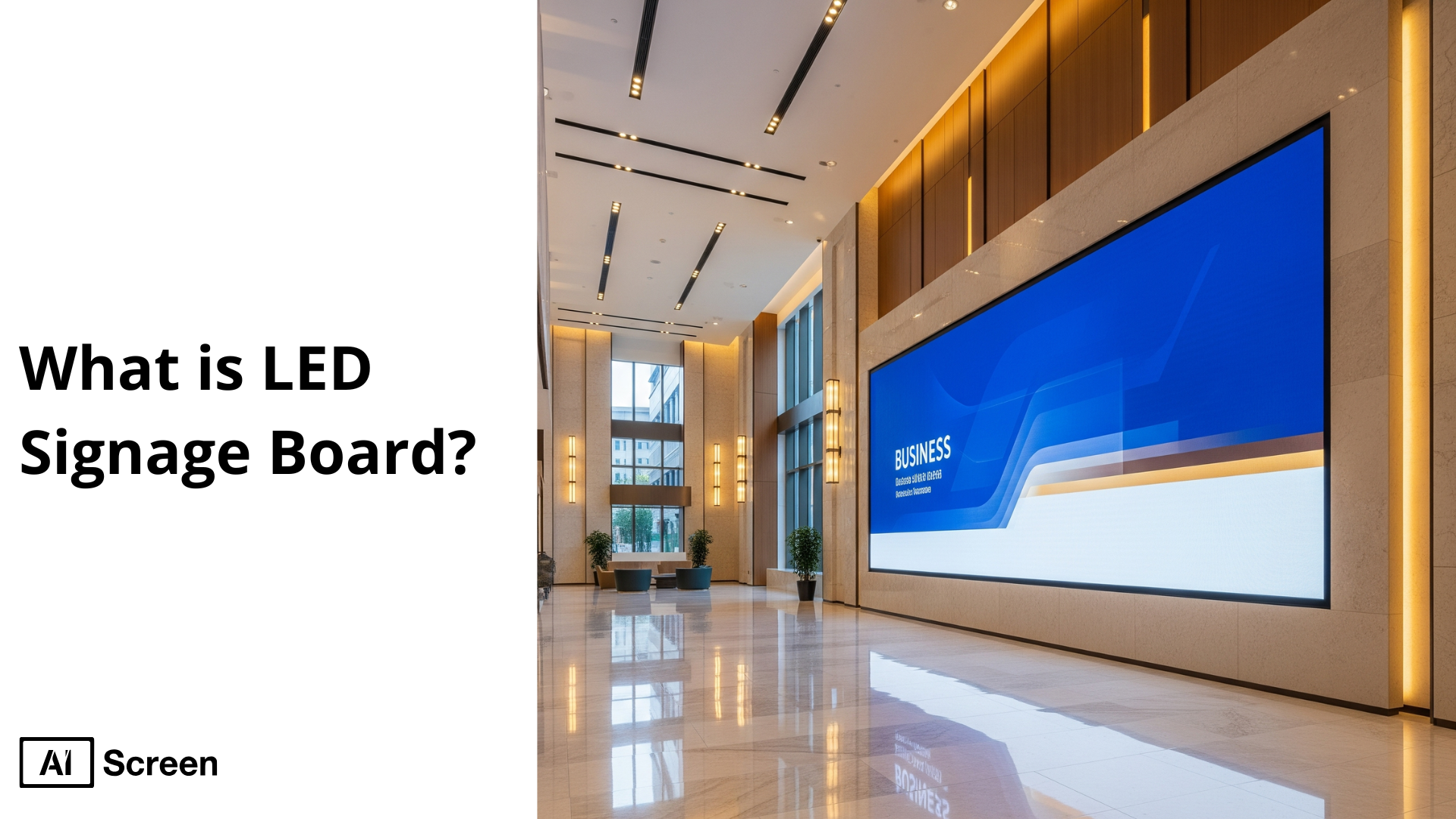
LED digital display signage uses an array of light-emitting diodes (LEDs) as pixels to produce flat-panel video displays. Its high brightness makes it ideal for outdoor use, ensuring clear visibility on store signs and billboards even in direct sunlight. In recent years, LED displays have also been widely used for destination signs on public transport and variable-message signs on highways. A study by the display research firm Radiant demonstrated that direct‑view LED displays resolve 17% more fine detail than LCD video walls under typical office lighting, maintaining tighter color accuracy (ΔE < 1.5) versus LCD (ΔE ≈ 3.2)
In this blog, we will explore the differences between LED and LCD screens, the benefits and key advantages of LED signage boards, common use cases across industries, digital signage software, practical troubleshooting tips, and optimization techniques for LED displays.
What are the Main Use Cases for LED Displays?
The main use cases for LED displays include advertising, public communication, and dynamic content display across multiple industries. LED signage boards are commonly used in retail locations, shopping centers, transportation hubs, and even fire departments to deliver important messages. Businesses use LED signs to create eye catching advertisements, promote products, and display their brand message.
Outdoor LED signs are especially useful for attracting potential customers by displaying bright visuals that are easily noticed from a distance. LED signage is also used in churches through LED church signs, allowing organizations to share updates, announcements, and custom text content fresh using programmable LED sign systems.
What are the Advantages and Disadvantages of LED Displays?
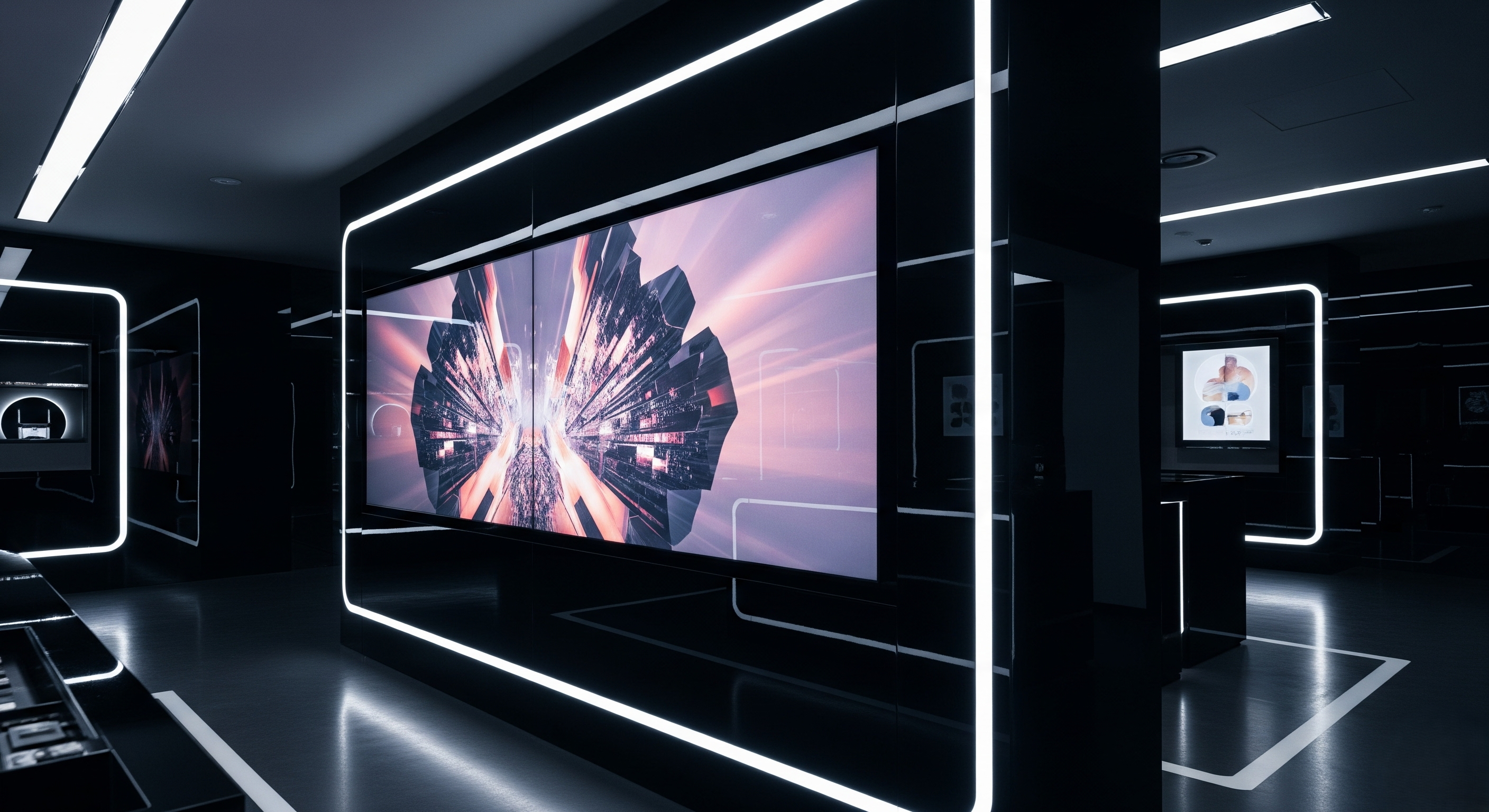
The advantages and disadvantages of LED displays depend on performance, energy efficiency, and cost factors. LED signage boards offer high resolution, wider viewing angles, faster response times, and seamless display quality compared to LCD screens.
Advantages include:
- Higher contrast and brightness for better visibility
- Highly energy efficient operation compared to traditional signage boards
- Ability to create large-scale digital signage displays
- Durable and suitable for outdoor LED applications
However, disadvantages include:
- Higher initial pricing compared to other marketing mediums
- Increased power consumption in large installations
- Heat generation requiring proper installation and mounting brackets
Despite these limitations, LED signage still delivers great value and highest results compared to traditional advertising.
What are the Future Prospects for LED Signage Boards?
The future prospects for LED signage boards are highly positive due to technological advancements and increasing demand. LED signage is becoming more affordable, energy efficient, and widely adopted across industries. New LED sign innovations include improved LED modules, better energy efficiency, and smart features like remote control and Wi-Fi connectivity.
These features make the process simple for businesses to manage their content with just a few clicks. As businesses focus on digital transformation, LED signage boards will continue to dominate marketing mediums by offering better visibility, higher engagement, and improved customer interaction.
Why use LED Signage?
LED signage is used because it delivers high-impact, visually engaging communication that attracts customers and increases sales. LED signs create bright, eye catching displays that help businesses stand out in competitive environments. These signage boards are highly energy efficient, reducing long-term energy costs while delivering excellent display quality.
Businesses can create their own ads, update content remotely, and ensure their message reaches the right audience at the right time. LED signage is also versatile, working across retail locations, small businesses, churches, and large commercial spaces.
What is the Difference Between LED and LCD Screens?
The difference between LED and LCD screens lies in how they produce light and display images. LED signage uses light-emitting diodes as individual pixels, while LCD screens rely on a backlight to illuminate liquid crystals.
LED vs LCD Screens: Key Differences:
| Feature | LED Screens | LCD Screens |
| Display Technology | Uses light-emitting diodes as individual pixels | Uses liquid crystals with a backlight |
| Brightness | Very high (up to 8,000 nits) | Moderate (typically lower than LED) |
| Contrast Ratio | Excellent (up to 1,000,000:1) | Lower contrast compared to LED |
| Seamless Display | Yes, no bezels (ideal for video walls) | No, visible panel gaps |
| Durability | Highly durable, suitable for outdoor use | Less durable, mainly for indoor use |
| Lifespan | Longer lifespan | Shorter lifespan compared to LED |
| Best Use Case | Outdoor signage, large displays, high visibility | Indoor screens, offices, retail displays |
LED displays offer:
- Higher brightness (up to 8,000 nits)
- Better contrast ratios (up to 1,000,000:1)
- Seamless video walls without bezels
- Longer lifespan and better durability
LCD screens, on the other hand, have lower brightness and visible panel gaps. For a deeper comparison, you can also explore what is LCD digital signage? definition, types & business advantages to understand how both technologies fit different business needs.
LED signage is the perfect sign when visibility, durability, and high-quality display are priorities.
When to Use an LED Screen Over an LCD or Other?
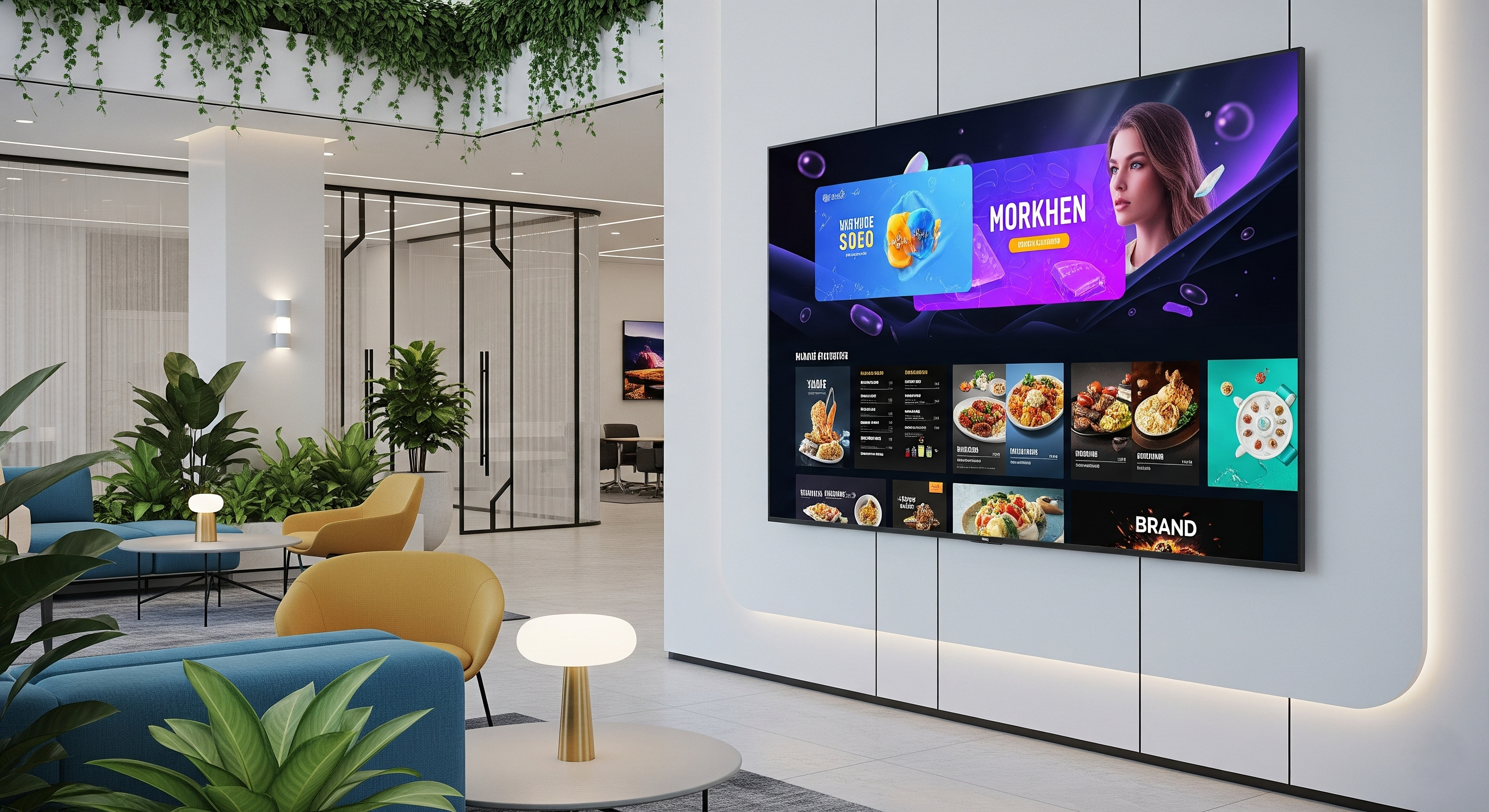
Use LED displays when you need higher visibility, better performance, and large-scale impact compared to LCD or other display types. LED signs offer higher contrast ratios, wider viewing angles, faster response times, and superior brightness, making them ideal for environments where your message must be clearly seen and remembered. LED sign boards are especially effective for advertising, outdoor LED sign applications, and high-traffic areas where attracting attention is critical.
Their bright lights and dynamic visuals help businesses attract customers and deliver messages that stand out among other marketing mediums. However, LED displays consume more power and generate more heat than LCDs. This means they are best suited for businesses that prioritize visibility, performance, and scalability over minimal power usage.
What is the Cost of an LED Signage Board?
The cost of LED signage boards depends on factors like size, resolution, features, and installation requirements. While LED displays are generally more expensive than LCDs, they deliver better visibility, long-term value, and higher engagement.
Key factors that affect pricing include:
- Size: Larger led sign boards cost more due to increased led modules and installation complexity.
- Resolution: Higher-resolution displays provide better image quality and sharper videos but increase overall cost.
- Features: Advanced features like programmable led sign functionality, high refresh rates, and smart integrations raise pricing but improve performance and flexibility.
Despite the upfront investment, LED signage delivers strong ROI by improving visibility, attracting more customers, and increasing sales. Many businesses find that the long-term benefits outweigh the initial cost, especially when compared to other marketing mediums.
What are Some Common Issues with LED Displays?
Common issues with LED displays include image retention, screen flickering, and image ghosting, which can affect display quality and customer experience. These issues may occur due to improper settings, hardware limitations, or environmental factors like power fluctuations.
In most cases, they can be resolved through simple adjustments or replacing faulty led modules. Regular maintenance and monitoring ensure your LED sign boards continue to deliver bright, high-quality visuals that keep your business message effective and engaging.
How can I Troubleshoot Common Issues with LED Displays?
You can troubleshooting common LED display issues by adjusting settings, checking hardware components, or seeking technical support when necessary. According to International Organization for Standardization (ISO 9241-302), up to 2 dead pixels per million are acceptable, but anything beyond that may require servicing.
Start with these steps:
- Adjust brightness, contrast, and refresh settings to reduce flickering
- Inspect led modules and connections for damage or loose wiring
- Restart the system to resolve temporary glitches
- Replace faulty components if image issues persist
A Deloitte report (2022) highlights that display downtime can directly impact customer engagement and sales performance. This makes quick troubleshooting essential for maintaining visibility and ensuring your LED signage continues to attract customers effectively.
How Can LED Displays be Used for Video Walls?
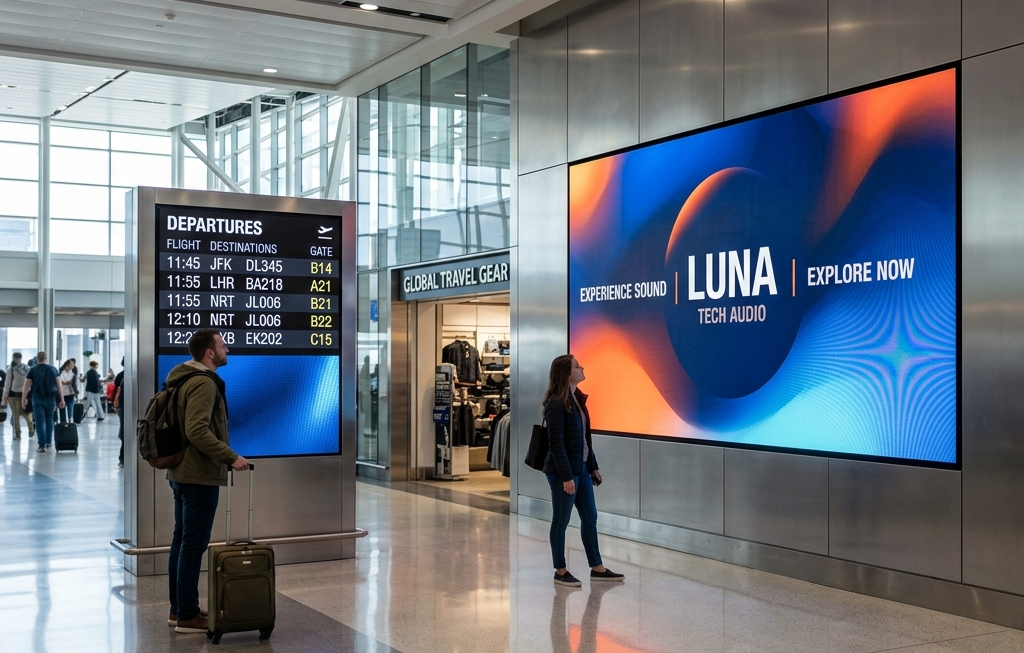
LED displays can be used for video walls to deliver visually seamless, large-scale content displays. They support expansive installations with minimal bezel gaps, fine pixel pitch, and modular repairability.
Applications include:
- Outdoor advertising and digital signage: Outdoor LED sign video walls deliver bright, weather-resistant displays that attract customers and boost brand visibility in busy city environments.
- Control rooms and command centers: LED displays provide high-quality visuals and real-time data monitoring, ensuring reliable performance for critical operations.
- Live events and concert venues: LED screens create immersive visuals with vibrant colors and sharp clarity, enhancing audience engagement.
- Sports arenas and stadiums: Used for replays, scoring, and fan interaction, LED displays improve the overall experience while maintaining high visibility.
- Retail stores and transportation hubs: Businesses use LED signage to display promotions, videos, and real-time updates, helping attract customers and improve communication.
How have LED Displays Changed Over the Last Several Years?
LED displays have changed significantly over the last several years. These advancements have made LED signage a preferred choice for businesses seeking high-impact marketing solutions and improved customer experiences. The most notable changes include the following:
- The introduction of direct view LED displays, which are now the most popular type of LED display.
- The increase in resolution and decrease in the price of LED displays
- The improvement in image quality, including higher contrast ratios and faster response times.
- The increase in size options, with some displays are now available in very large sizes.
- The introduction of new features, such as curved and transparent displays.
How to Choose the Right LED Storefront Signs for Maximum Impact?
Choosing the right LED sign boards is one of the most effective ways to improve storefront visibility, attract more customers, and increase sales with modern, high-impact advertising. Businesses today prefer outdoor LED sign solutions because they are energy efficient, deliver bright visuals, and outperform traditional sign boards in terms of engagement.
According to multiple industry insights, digital and LED signage consistently delivers the highest results compared to static signs when it comes to attracting attention and driving foot traffic. If you’re planning to invest in a new sign, it’s important to evaluate cost, quality, and supplier options carefully. For a deeper comparison, you can explore LED signs wholesale: cost, quality, and top supplier comparisons to understand pricing, features, and what to expect from top providers.
Upgrade Your Business with AIScreen’s LED Digital Signage Board
Upgrade your business with AIScreen’s LED digital signage board to deliver bright, high-quality visuals that attract customers and improve brand visibility. Designed for flexibility and performance, AIScreen helps businesses create dynamic content, showcase videos, and communicate messages effectively across multiple locations. With programmable LED sign capabilities, remote management, and easy content updates, AIScreen ensures your signage stays relevant and engaging.
Whether you need an outdoor LED sign, LED church signs, or a complete signage system, our platform offers free expert advice, technical support, and a seamless installation experience. Still deciding what solution fits your needs? You can explore more info through our guide on digital signs vs. digital signage to understand the difference and choose the right system for your business. Start your 14-day free demo today and experience how AIScreen helps you attract more customers, increase sales, and create a great experience with modern LED signage.


FAQs
How much does an LED signage board cost?
The cost of an LED signage board depends on the display size, type (indoor or outdoor), and resolution. Generally speaking, prices can range from a few hundred to several thousand dollars based on features and use cases.
Can LED signage boards be customized for different industries?
Yes, LED signage boards can be customized for different industries like retail, hospitality, or transportation hubs. AIScreen helps you create tailored content and LED signs that reflect your brand’s identity and goals.
How durable and weather-resistant are LED signage boards?
LED signage boards are built for outdoor applications, offering energy efficiency and weather-resistant materials. Their brightness and durability make them ideal for long-term advertising in diverse environments.
What is the lifespan of a typical LED signage board?
The lifespan of a typical LED signage board is between 50,000 to 100,000 hours depending on usage and maintenance. This long service life makes led displays a cost-effective solution for ongoing promotions.
Can LED signage boards integrate with social media or live data?
Yes, LED signage boards can integrate with social media feeds and live data for content fresh delivery. This feature helps engage fans and keep your audience updated with real-time information displays.
