
What is Point of Sale (POS) Marketing?
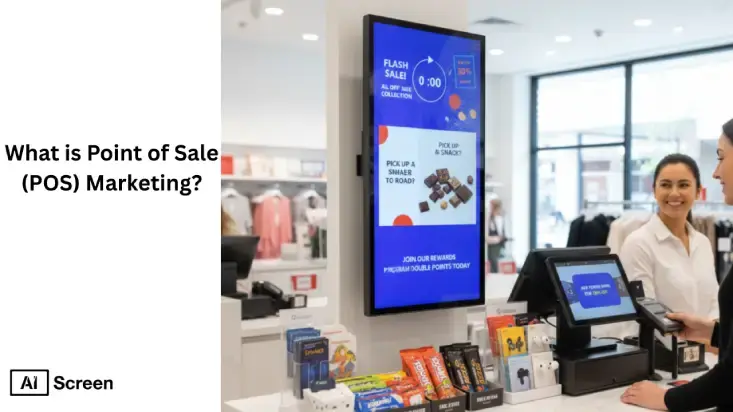
A point of sale (POS) is where a customer completes a transaction, making it one of the most critical revenue-generating touchpoints in retail. Studies indicate that nearly 70% of purchasing decisions are made in-store, highlighting the influence of the checkout environment on buyer behavior. POS marketing builds on this by introducing targeted promotions; such as limited-time offers or product bundles; right at the moment of purchase, where conversion probability is highest.
This article explains what POS marketing is, how it works in modern retail, and why it matters for driving sales. It also covers strategies like kiosks, in-store displays, loyalty programs, and the use of digital signage software to deliver targeted promotions, enhance customer engagement, and improve conversions and retention.
What is POS and Why It’s Crucial for Your Business?
Point of Sale (POS) is the system where transactions are completed, combining POS hardware, POS software, payment processing, and inventory management into a unified retail technology ecosystem. Modern POS systems integrate cloud-based POS, digital payments, barcode scanning, and real-time sales analytics to streamline checkout operations and improve transaction accuracy. By connecting customer data, sales tracking, and omnichannel retail operations, POS solutions enhance business intelligence, operational efficiency, and data-driven decision-making.
POS is crucial for business growth because it improves customer experience, speeds up checkout processes, and enables personalized marketing through CRM integration and purchase history insights. Advanced POS systems support mobile POS, contactless payments, and digital signage integration, helping businesses increase average order value and customer engagement. With AI-powered analytics, demand forecasting, and automated reporting, POS technology drives revenue optimization, inventory control, and scalable retail management strategies.
How POS Marketing Drives Success in Retail Stores
POS marketing drives success in retail stores by leveraging the checkout process to influence purchasing decisions. By strategically placing promotions, loyalty programs, or impulse items, and integrating retail digital signage at the point of sale, retailers can increase average transaction value and enhance the overall customer experience.
Effective POS marketing strategy enhances customer engagement, fosters brand loyalty, and encourages repeat business. When implemented correctly, these tactics capitalize on the high intent of customers already in-store, ensuring that marketing efforts lead to higher conversions without disrupting the shopping experience.
Why POS Marketing Is Essential for In-Store Promotions and Campaigns
POS marketing campaign is essential for in-store promotions and campaigns because it directly targets customers at the point of purchase, where their buying intent is at its peak. By leveraging this key moment, retailers can effectively promote special offers, new products, or loyalty programs, increasing the likelihood of immediate purchases.
This approach allows businesses to drive sales, boost average transaction values, and create a more engaging shopping experience. With strategically placed digital signage software, interactive displays, or limited-time discounts, successful POS strategy advertising enhances both customer satisfaction and brand loyalty, making it a critical component of any successful retail strategy.
How to Maximize the Effectiveness of POS Marketing
To make POS marketing effective, focus on strategic placement, clear messaging, and personalization. Position promotional displays or impulse items where they’re most likely to capture attention; such as near the checkout counter. Use bold, eye-catching visuals or limited-time offers to encourage quick, on-the-spot decisions.
Additionally, integrating loyalty programs and personalized discounts at the point of sale can strengthen customer retention. Leveraging technology, like cloud-based digital signage, interactive screens or mobile integrations, allows for real-time engagement, making the shopping experience more dynamic and driving higher conversions.
What is The Difference Between Point Of Sale (POS) and Point Of Purchase (POP)?
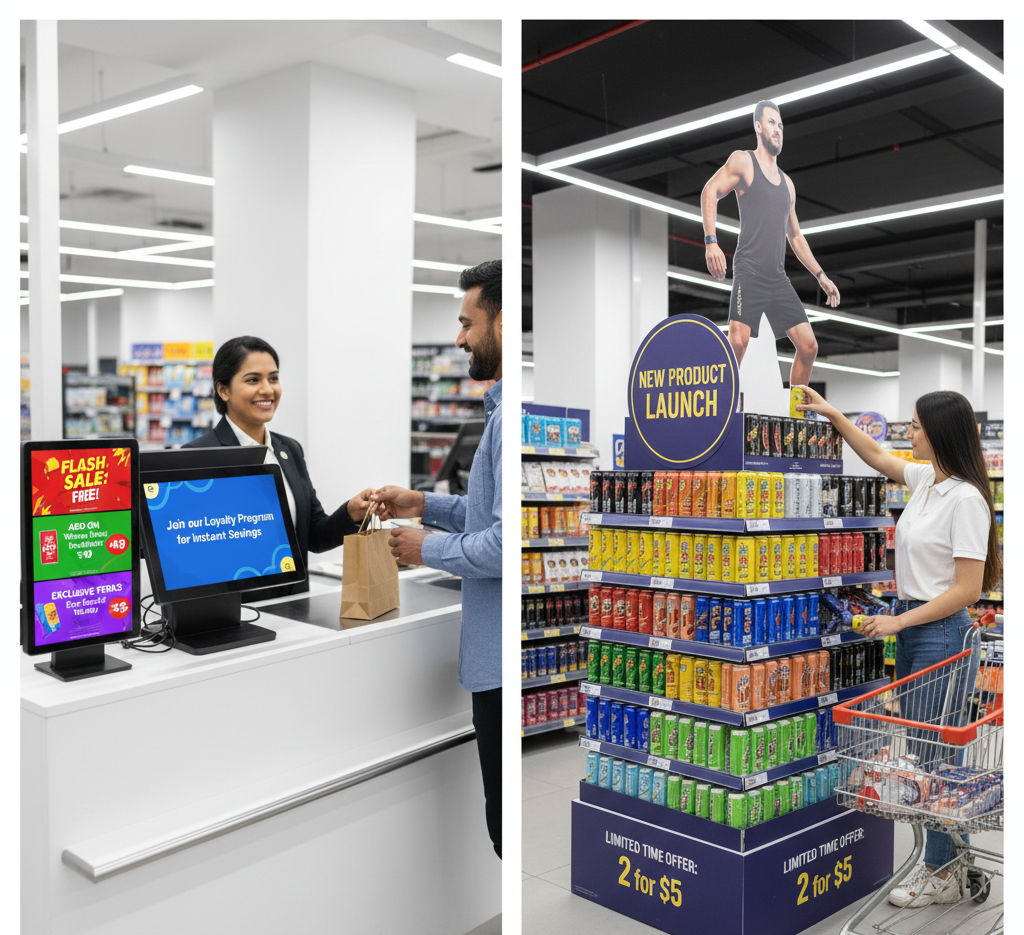
Wondering what sets Point of Purchase (POP) marketing apart from Point of Sale (POS)? Here’s the scoop: “POP” refers to anywhere in the store where attract customers make buying decisions, like product shelves, promotional stands, or endcap pop displays. It is all about encouraging customers throughout their journey with eye-catching pos materials that encourage purchases before they reach the checkout.
Both play complementary roles in retail; POP drives awareness and engagement across the shopping journey, while POS ensures last-minute upsells and completed transactions, making them equally important for a balanced marketing strategy.
POS vs POP Comparison
POS vs POP comparison highlights how point of sale drives transactions while point of purchase influences buying decisions through in-store visibility, pop and pos displays and strategic product placement.
| Aspect | POS (Point of Sale) | POP (Point of Purchase) |
|---|---|---|
| Definition | Final transaction point | Any place where buying decisions occur |
| Location | Checkout counter or online payment page | Throughout the store (aisles, displays, entrances) |
| Purpose | Complete sale & upsell | Influence decisions & product discovery |
| Focus | Conversion & order value | Engagement & visibility |
| Example | Countertop displays, payment screens & pos materials | Endcaps, signage, product displays |
How POS Displays Can Supercharge Your Retail Merchandising
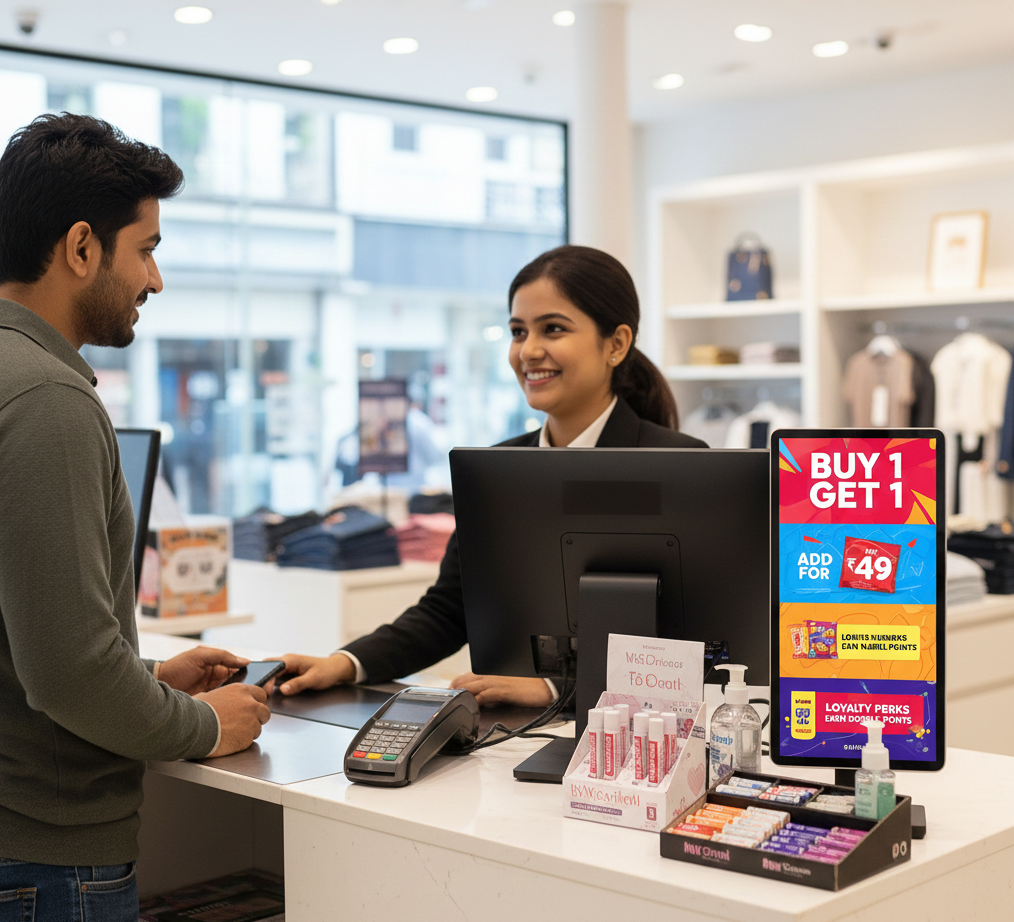
POS displays play a critical role in retail merchandising by maximizing limited shop-floor space while guiding customer movement and attention. Research shows that well-placed displays can increase product visibility and drive 20%–30% higher sales, as customers are more likely to notice and engage with products placed along natural shopping paths. Strategic placement ensures that shoppers encounter promoted items at key touchpoints, increasing interaction rates by up to 40% while maintaining flow, accessibility, and avoiding clutter.
Visual elements such as hanging signs, posters, and digital screens act as strong attention triggers, boosting engagement by over 30% and reinforcing product messaging. Modern retailers now combine traditional point-of-sale displays with digital signage platform to deliver real-time promotions and targeted offers, improving campaign effectiveness by up to 25%. Ultimately, effective POS system merchandising balances space optimization, visual appeal, and clear messaging to create a seamless and more profitable customer experience.


What are the Types of POS displays
The types of POS displays a business chooses depend on factors like store layout, customer flow, and merchandising goals, with different POS display solutions serving purposes such as impulse buying, navigation, promotions, and brand visibility. Research shows the right display format can boost engagement by 30%+, and when multiple displays; like checkout units and digital signage; are combined, they can increase sales performance by 20%–40% by influencing customers at multiple touchpoints.
1. Free-Standing Display Units (FSDUs)
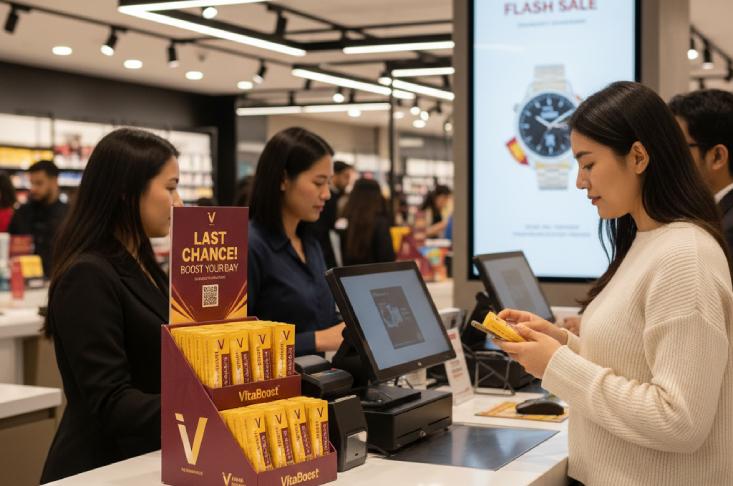
Free-standing display units (FSDUs) are versatile shelving structures designed to attract attention while increasing usable retail businesses space, improving product visibility by up to 30%.
They are commonly placed in high-traffic areas like queues and aisle ends, where they naturally catch customer attention and can boost impulse purchases by 20%–40%, making them highly effective for promotions.
2. Dumpbins Signage
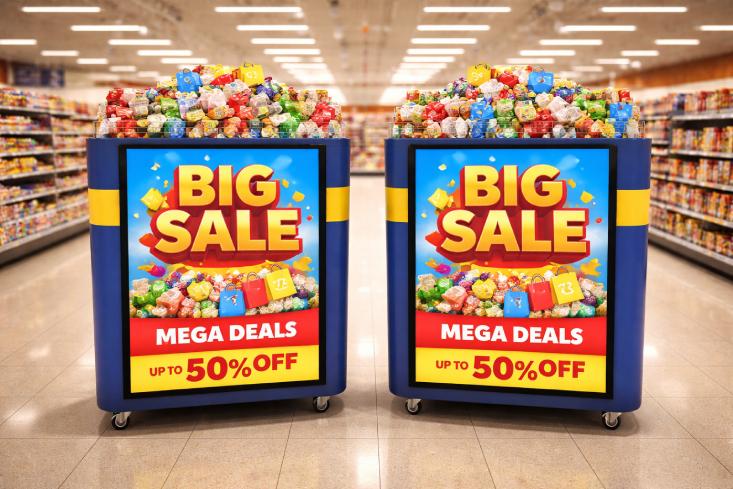
Dumpbins function similarly to FSDUs but are specifically designed for bulk or low-cost items, making them ideal for high-volume merchandising. Their open structure allows retailers to display multiple products at once, often increasing product visibility and interaction by 25%+.
Available in various shapes and sizes, dumpbins are commonly used for items like toiletries, magazines, sweets, and seasonal goods. Their easy access and “grab-and-go” appeal create a sense of abundance, which can boost impulse purchases by up to 35%.
3. Hanging Signs
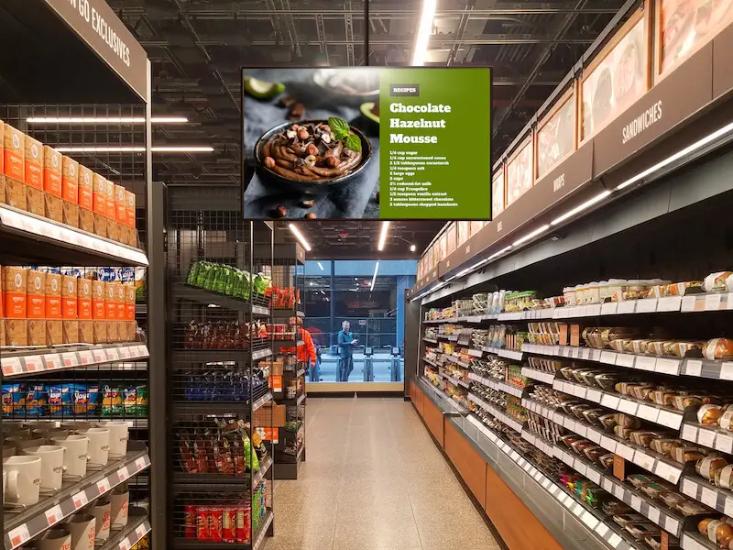
Hanging signs are ideal for stores with limited floor space, making them highly effective for visual merchandising without occupying shelves or aisles. Positioned overhead, they can increase visibility of promotions by up to 30%, helping capture attention from a distance.
They guide customers through the store by highlighting product zones, special offers, or key sections, improving navigation and flow. By enhancing brand visibility and directing attention without cluttering the space, hanging signs play a key role in driving engagement and in-store awareness.
4. Display Cubes
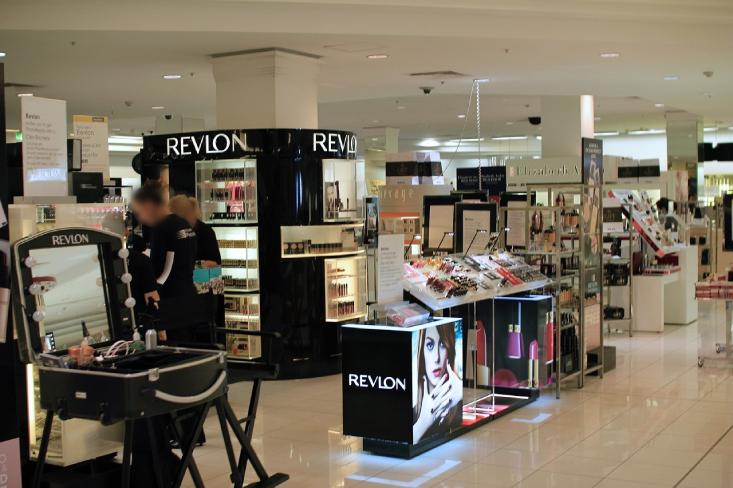
Display cubes are a visually striking effective POS advertising solution used to showcase seasonal or promotional products, helping increase product attention by 25%–35%. Their bold and structured design makes them ideal for highlighting featured items in-store.
Their stackable format allows visibility from multiple angles, ensuring and inform customers notice them from different points in the store. This makes display cubes especially effective for limited-time offers and themed campaigns, where maintaining attention and urgency is key to driving sales.
5. Totems and Bollards Digital displays
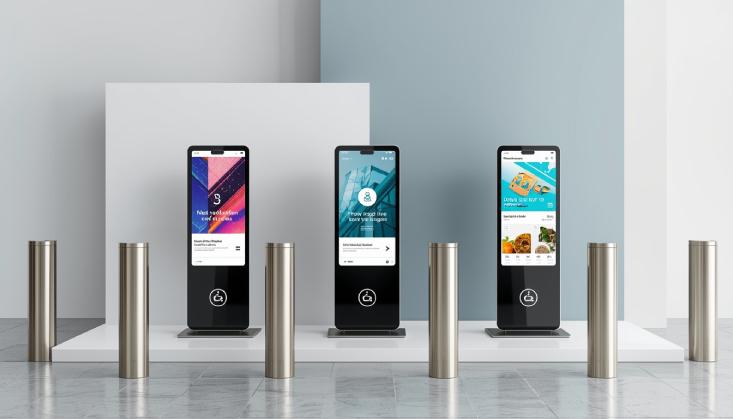
Totems and bollards are primarily used to attract attention during sales periods or special promotions, helping increase store visibility by 20%–30%. They are designed as eye-catching visual elements rather than core merchandising units.
Typically placed at store entrances or outside locations, they draw foot traffic and guide draw customers into the store. Their decorative nature makes them effective for highlighting promotions and enhancing brand presence, acting as an additional visual trigger rather than a primary product display.
6. Countertop Displays
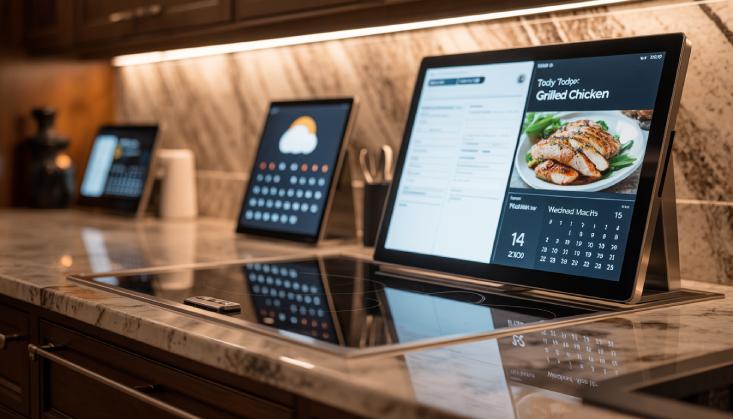
Countertop POS advertising displays are compact and functional units designed for checkout or service areas, helping maintain organization while improving product visibility by up to 25%. They are commonly used to present brochures, leaflets, or small promotional items in a structured way.
Positioned at the point of purchase, these branded display stand are highly effective for promoting add-on products and last-minute offers. Studies show they can increase impulse purchases by 15%–20%, as they target customers when buying intent is at its highest.
How to Setup POS Digital Signage Effectively
To maximize the impact of POS marketing, businesses need the right setup for digital displays and content delivery. A well-structured system ensures real-time updates, targeted messaging, and seamless integration with in-store promotions. Explore our core guide on how to set up pos digital signage to learn how to create high-performing merchandise displays that improve engagement and drive conversions.
How Does POS Marketing Fit with 2026 Shopper Trends?
POS marketing plays a key role in aligning with evolving shopper behavior by influencing purchase decisions at the point of sale. As consumer expectations shift, integrating modern strategies becomes essential. Explore our next blog on top shopper marketing trends for 2026 to understand how to stay ahead and optimize in-store engagement.
Get Started With AIScreen for Smarter POS Marketing Displays!
AIScreen makes POS marketing more effective with an easy setup, remote content management, and scalable solutions that fit different retail sector needs. Businesses using digital POS advertising displays can improve campaign responsiveness by up to 25% and increase customer engagement by 30%+, as promotions can be updated in real time without additional operational effort. This flexibility allows retailers to deliver timely, relevant messaging at checkout while keeping costs controlled.
By combining simplicity with performance, AIScreen helps transform traditional displays into dynamic marketing tools that drive higher conversions and better customer experiences. Transform your retail businesses checkout into a high-performing marketing zone with AIScreen’s digital POS advertising strategy solutions; start your free trial today!
Frequently Asked Questions
What does POS in marketing mean?
POS in marketing stands for Point of Sale, referring to the place or moment where a customer completes a purchase. In marketing, POS focuses on promotional efforts like pallet displays and signage at checkout or sales counters to encourage additional or impulse buys right when customers pay.
How can small businesses benefit from POS marketing?
Small businesses benefit from POS marketing as they boost sales promotion and increase brand visibility without huge budgets by using targeted POS marketing tactics such as digital displays, countertop stands, and loyalty program promotions. These make product discovery easier and drive impulse purchases during the crucial checkout process.
What are the latest trends in POS marketing?
The latest trends include digital signage with real-time content updates, interactive kiosks, QR code integration, and personalized promotions. These high-tech solutions enable retailers to engage customers dynamically and measure marketing efforts more effectively, blending physical and digital retail sector experiences.
What common mistakes should brands avoid in POS marketing?
The common mistakes that brands should avoid in POS marketing are avoiding cluttered displays, unclear messaging, and failing to refresh content regularly. Neglecting mobile and digital integration or ignoring the checkout’s limited space can also reduce POS marketing effectiveness. Clear, concise, and targeted messaging wins every time.
How can POS marketing integrate with online campaigns?
POS marketing works with online campaigns and pair perfectly with online campaigns through synchronized promotions, QR codes linking to e-commerce, and loyalty programs that work both in-store and online. This seamless integration enhances brand consistency and offers customers a unified shopping experience across channels.
