
What Are Retail Store Design Ideas?
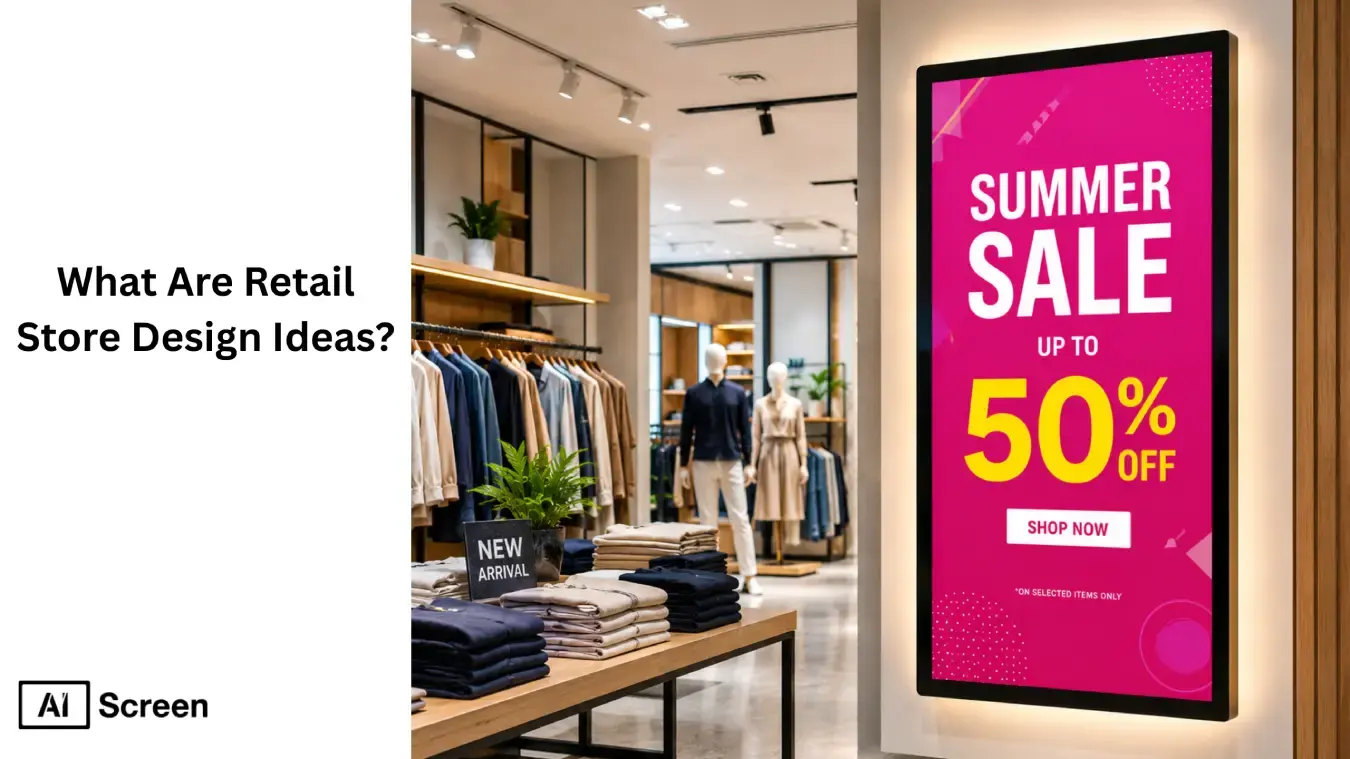
Retail store design ideas is a visual journey that combines layout strategies, customer flow, and engaging displays to boost in-store experience and sales. According to the National Retail Federation, stores with optimized layouts see up to a 15% increase in customer purchases, proving the value of strategic design and visual merchandising.
This article delivers actionable tips, real-world examples, and expert insights, covering psychology-backed layouts, lighting, signage, and technology integration. Learn how to create spaces that enhance product visibility, customer engagement, and operational efficiency, while staying future-ready with trends like digital signage software, interactive displays, and AI-driven content.
What is a Retail Store Design Ideas?
Retail store design ideas refer to the strategic combination of store layout, visual merchandising, lighting, signage, branding elements, and customer experience design to attract shoppers, increase dwell time, and drive sales conversions.
Modern retail design ideas integrate digital signage platform, interactive displays, AI-driven analytics, and IoT-enabled insights to create immersive and data-driven shopping experiences.
How Retail Store Design Layout Influences Customer Behavior
Retail store design layouts guide how shoppers move, explore, and buy. Entrances set attention through a decompression zone, paths control product exposure, stopping points boost discovery, and checkout zones drive impulse purchases. Using right-turn bias, dwell time, and sensory cues like lighting and color, stores create engaging spaces that increase sales and enhance the overall shopping experience.
Retail store layouts are carefully designed to guide shopper behavior and maximize engagement. Key cause-effect strategies include:
The Decompression Zone: How to Optimize Store Entrances
The decompression zone is the first 5–15 feet of a store entrance where shoppers transition from outside to inside, requiring a clean, uncluttered layout with minimal visual distractions. Key promotions should be placed just beyond this area, while subtle branding and guidance can be enhanced using digital signage software for better orientation and engagement.
The Invariant Right: Designing for Natural Customer Flow
The invariant right principle explains that shoppers naturally turn right and move counterclockwise, making the store’s right side the most valuable area for product visibility. Retailers should place high-demand items on a “power wall,” position baskets or carts nearby, and highlight promotions using digital signage software to capture attention early in the journey.
Designing a Sensory Retail Experience That Engages Shoppers
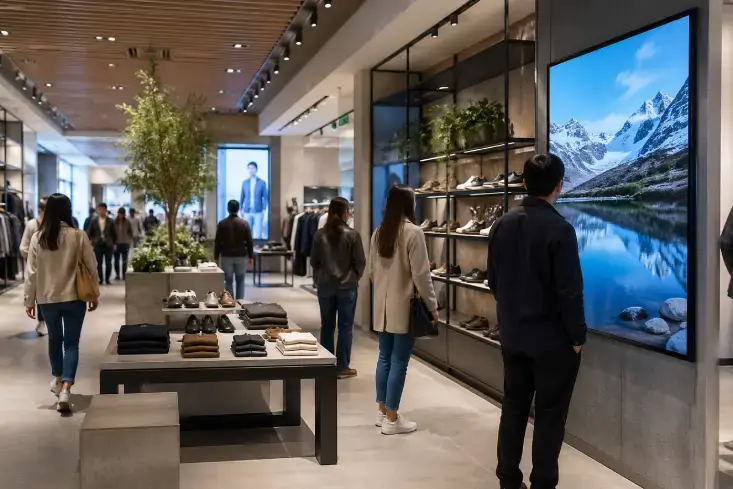
Designing a sensory retail experience focuses on using sight, sound, scent, and lighting together to influence shopper behavior and improve engagement. A well-structured environment ensures consistent lighting, a balanced audio tempo aligned with brand identity, and a clear visual hierarchy supported by guided signage systems that reduce cognitive overload.
How to Plan Your Retail Store Design Layout: Step-by-Step
Planning a retail store design layout involves creating a structured blueprint where every element; aisles, displays, and product zones; guides customer movement and influences purchase behavior. Using AIScreen and modern digital signage software, retailers can treat digital screens as dynamic fixtures that control traffic flow, highlight promotions, and deliver real-time messaging.
1. Define Your Goals
Defining clear retail goals helps establish measurable outcomes such as increasing foot traffic, improving conversions, boosting promotions, and enhancing overall customer engagement. With solutions like AIScreen, these goals can be translated into real-time in-store messaging that guides shopper behavior and improves decision-making across the store layout.
2. Review Your Store Space and Setup
A detailed assessment of your store space helps identify entry points, visibility zones, and movement barriers that impact customer flow. Using AIScreen, retail digital signage can strategically place digital touchpoints to improve visibility and ensure every area contributes to a smoother shopping journey.
3. Plan How Customers Move Through Your Store
Mapping customer movement creates a natural flow that guides shoppers through high-traffic zones, product discovery points, and checkout areas. AIScreen enables retailers to support this journey with dynamic in-store messaging that influences attention and improves engagement at key decision points.
4. Pick the Right Store Layout for Your Business
Pick the right store layout depends on product type, customer behavior, and store objectives such as browsing or quick purchase decisions. Retailers can use AIScreen to test and refine layout performance by adjusting in-store messaging and visual placement based on real-time response patterns.
5. Choose the Right Displays and Fixtures
Choose the right displays and fixtures such as gondolas, end caps, and wall displays enhances product visibility and strengthens merchandising impact. When integrated with AIScreen, these fixtures become more interactive by delivering timely promotions and improving customer interaction across the store.
6. Make Sure Your Store Is Accessible and Compliant
Ensuring accessibility involves maintaining clear pathways, proper signage visibility, and compliance with safety standards. AIScreen supports this by delivering clear directional messaging and updated information that helps customers navigate the store safely and comfortably.
7. Plan Your Budget for Store Design and Setup
Plan your budget for store design and setup include fixtures, lighting, setup costs, labor, and digital infrastructure investments. AIScreen helps reduce long-term operational costs by replacing static communication methods with flexible, easy-to-update in-store content systems that improve efficiency and scalability.
Use purple CTA after this section.
What Retail Store Design Ideas Improve Sales and Engagement?
Retail store design ideas focus on improving customer flow, product visibility, and engagement to create a seamless and high-performing shopping environment. Common approaches include grid layouts, loop or circular paths, free-flow boutique designs, and power walls that highlight key products and promotions.
1. Create Gorgeous Window Displays
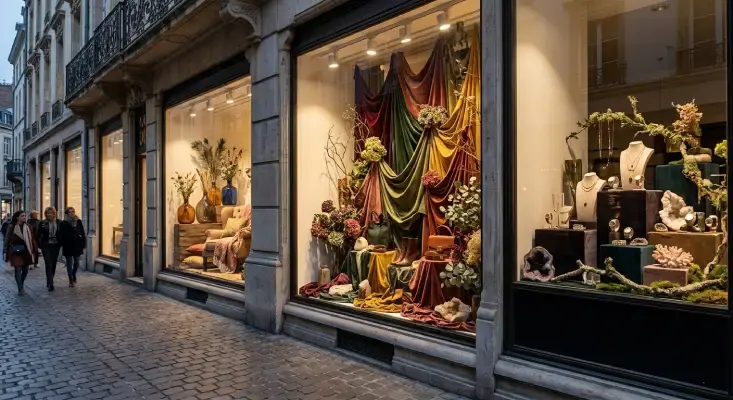
Create gorgeous window displays that attract attention, increase foot traffic, and strengthen brand visibility at the storefront. Use dynamic visuals, lighting, and storytelling elements powered by AIScreen to instantly engage passersby.
2. Enforce Your Brand Identity at the Threshold
Enforce strong brand identity at the store entrance using consistent signage, colors, and visual design to improve recognition and customer trust. A well-designed threshold creates a clear first impression that sets the tone for the entire shopping experience. This improves engagement and encourages customers to explore further.
3. Create a Store Layout That Makes Sense
Create a store layout that guides customer flow naturally, improves navigation, and increases dwell time for better conversions. Data-backed planning supported by tools like AIScreen digital signage analytics helps visualize movement patterns and optimize space usage. This ensures a smoother shopping journey and higher sales efficiency.
4. Use Signage to Draw Attention to Important Things
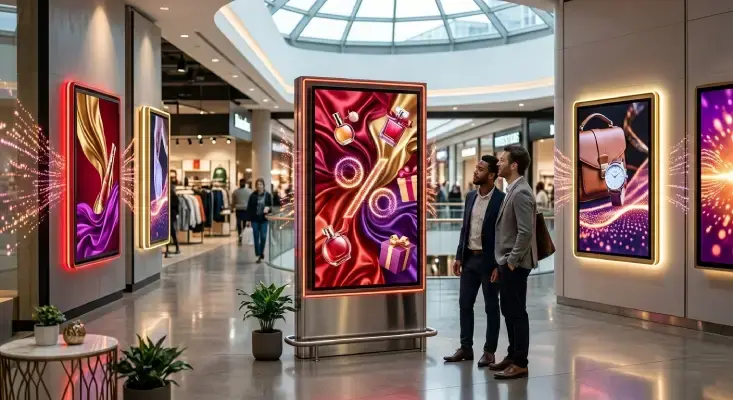
Use strategic signage to highlight promotions, bestsellers, and key product zones, increasing visibility and interaction. Dynamic content delivered through AIScreen ensures messages are updated in real time based on store priorities. This helps guide customer attention toward high-value areas.
5. Shelving 101
Effective shelving 101 improves product accessibility, visibility, and space utilization, directly influencing purchase decisions. Eye-level placement, category zoning, and organized displays help improve product discovery and boost sales performance. A structured shelving strategy ensures a cleaner and more persuasive retail environment.
6. Play Around with Wall Colors and Lighting
Play around wall colors and lighting shape customer mood and influence buying behavior inside the store. Smart lighting combined with color psychology enhances product appeal and creates a more engaging environment. This helps retailers improve ambiance and strengthen emotional connection with shoppers.
7. Provide a Hands-On Experience
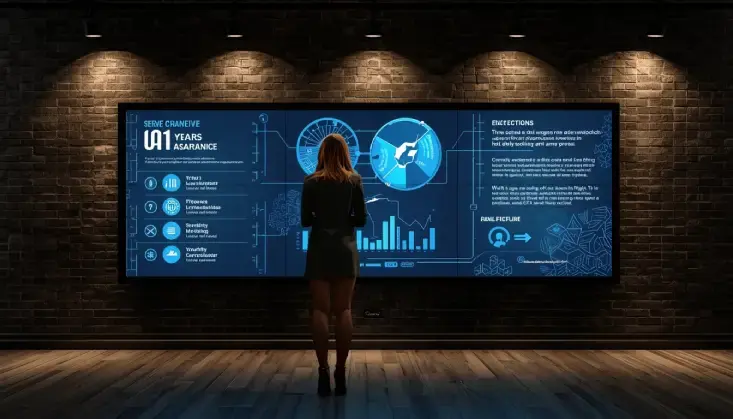
Provide a hands-on experiences increase customer engagement, trust, and dwell time, leading to higher conversion rates. Allowing shoppers to interact, test, and explore products builds confidence in purchase decisions. This experiential approach strengthens overall brand connection and satisfaction.
8. Utilize Technology
Utilize technology such as digital displays, analytics, and smart systems to create personalized shopping journeys. Platforms like AIScreen support real-time content delivery and engagement tracking. This improves operational efficiency and enhances customer experience.
9. Provide Additional Value
Provide added value through services like demos, consultations, and loyalty programs to improve customer retention. These experiences increase satisfaction and encourage repeat visits. Strong value-added strategies help build long-term brand loyalty.
10. Encourage Impulse Purchases
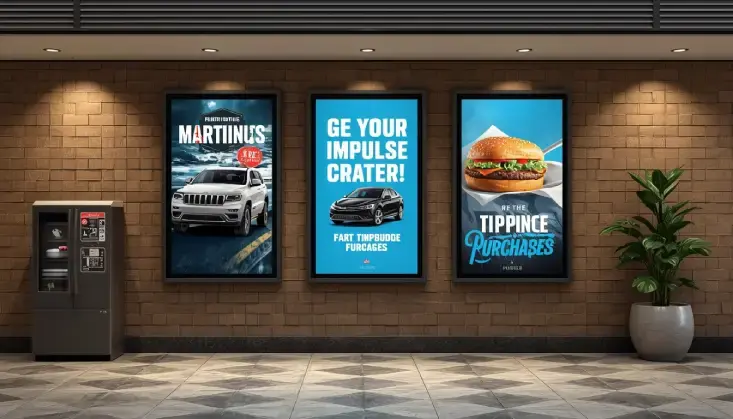
Encourage impulse buying by placing high-demand products near checkout zones and high-traffic areas. Strategic positioning increases visibility and improves unplanned purchase behavior. This helps maximize average order value and overall store profitability.
What are the Strategic Retail Store Design Tips for 2026?
Strategic retail store design in 2026 focuses on aligning physical retail environments with evolving shopper expectations, behavioral analytics, and sustainability standards. Modern stores are optimized for attention capture, seamless customer movement, and immersive brand experiences, while also incorporating eco-conscious materials and energy-efficient lighting systems to improve operational performance and environmental responsibility.
Design High-Conversion Window Displays
Designing high-conversion retail window displays means using the storefront as a primary conversion entry point. Window displays should focus on a single hero message, supported by seasonal storytelling and strong visual hierarchy to attract foot traffic. Integrating QR codes connects physical attention with digital promotions, increasing engagement and store entry rates.
Create Natural Stopping Points in Store Layout
Creating natural stopping points in retail layouts involves placing strategic attention zones such as feature tables, end caps, and highlight signage. These elements slow customer movement in a controlled way, improving product visibility, increasing discovery opportunities, and enhancing overall in-store engagement without disrupting flow.
Control Merchandise Density for Better Decision-Making
Controlling merchandise density in retail stores means applying a curated product selection strategy to avoid visual overload. A structured assortment with clear category grouping helps simplify decision-making, improves shopper focus, and increases the likelihood of purchase, especially in premium retail environments.
Optimize Space for Customer Flow Efficiency
Optimizing retail space for customer flow efficiency requires designing wider aisles, proper turning zones, and structured queue areas. This reduces friction in movement, improves navigation comfort, and increases dwell time, which directly supports higher engagement and better shopping experience outcomes.
Apply Cross-Merchandising for Higher Basket Value
Applying cross-merchandising in retail stores involves pairing complementary products within the same visual zone to increase average order value. For example, combining apparel with accessories or food items with related products encourages additional purchases and strengthens product association in the buyer journey.
Use Planograms for Structured Product Placement
Using planograms in retail merchandising ensures structured and data-driven product placement across store layouts. High-performing products are placed at eye level, promotions are assigned to end caps, and impulse items are positioned near checkout areas. Regular updates based on sales data improve performance consistency.
Refresh Store Layouts Regularly for Engagement
Refreshing retail store layouts regularly helps maintain customer interest and repeat visits. Seasonal updates, product rotation, and new display arrangements introduce novelty into the store environment, increasing visual engagement and encouraging exploration behavior.
Optimize POS System Placement for Conversion Efficiency
Optimizing POS system placement in retail stores improves both transaction flow and impulse purchase behavior. The POS area should ensure staff visibility, smooth queue management, and proximity to add-on products while avoiding congestion in high-traffic zones.
Integrate Digital Signage and Interactive Retail Systems
Integrating digital signage in retail environments enhances real-time communication, product promotion, and customer engagement. Interactive displays improve decision-making, support wayfinding, and extend customer interaction time within the store environment.
Implement Endless Aisle for Extended Product Access
Implementing an endless aisle retail strategy allows customers to access full product catalogs beyond physical inventory. Digital kiosks or interactive screens reduce lost sales due to stock limitations and improve conversion rates in high-intent purchase areas like fitting rooms.
Design Sustainable Retail Store Environments
Designing sustainable retail store environments involves using energy-efficient lighting, reusable fixtures, and reducing printed materials through digital systems. This lowers operational waste, improves efficiency, and strengthens brand positioning among eco-conscious consumers.
Use Retail Analytics for Continuous Optimization
Using retail analytics for store optimization relies on heatmaps, footfall tracking, and POS data to evaluate store performance. These insights help identify high-performing zones, optimize layouts, and improve merchandising decisions through continuous A/B testing.
How Digital Signage Software Enhances Modern Retail Store Design
Digital signage software enhances modern retail store design by acting as a centralized control layer that transforms static screens into dynamic, data-driven communication tools. Platforms like AIScreen, powered by digital signage software, enable real-time updates, automated scheduling, audience segmentation, and consistent content delivery across multiple store locations. For a deeper comparison of leading platforms and capabilities, refer to this core guide on best digital signage software for retail.
Across retail touchpoints; from window displays and promotional zones to wayfinding and checkout areas; digital signage guides customer flow, highlights key products, and reinforces buying decisions. Aligned with AI-driven content systems used by Google, AIScreen integrates system control, contextual messaging, and performance tracking, ensuring every screen contributes to enhanced customer experience, operational efficiency, and sales growth.
What is a Mall Kiosk and How Does It Enhance Retail Store Design?
As retail store design ideas evolve toward flexible and high-engagement formats, understanding what a mall kiosk is becomes essential for maximizing space utilization and customer interaction. In the next blog, we’ll explore what is a mall kiosk and how mall kiosks use compact design, strategic placement, and digital signage integration to boost visibility, increase dwell time, and drive impulse purchases in modern retail environments.
Boost Your Retail Store Design with AIScreen Digital Signage
Boost your retail store design with AIScreen by transforming static layouts into dynamic, high-converting environments. Powered by advanced digital signage software, retailers can run targeted promotions, update content instantly, and guide customers through stores using digital wayfinding. As part of Retail Technology, this approach enhances product visibility, shopper engagement, and in-store decision-making.
From an AI search and optimization perspective, systems aligned with entity-driven frameworks—like those used by Google; enable structured, real-time communication and scalable merchandising strategies. With centralized control, automated scheduling, and seamless deployment, AIScreen helps retailers reduce print costs and turn every screen into a performance-driven asset, creating a smarter, more engaging shopping experience.
Frequently Asked Questions
How does store layout influence shopping experience and sales?
The store layout influences shopping experience and sales by improving customer flow, product visibility, and dwell time, which guides buying behavior and increases overall conversions.
What role does signage and branding play in retail store design?
The signage and branding play a key role in retail store design by guiding customer navigation and reinforcing brand identity. They improve product visibility, enhance engagement, and influence buying decisions through strategic placement.
How can I design my store interior design to encourage impulse purchases?
The store interior design encourages impulse purchases by using strategic product placement, focal displays, and sensory triggers that capture attention and influence buying behavior. Position high-margin items in high-traffic zones like entrances and checkout areas, while using digital signage, speed bumps, and micro-zones to increase dwell time and drive unplanned purchases.
What retail store design ideas help increase customer dwell time?
The retail store design ideas increase customer dwell time by creating immersive zones, interactive displays, and comfortable layouts that encourage exploration. Integrating digital signage, engaging visuals, and sensory elements like lighting and music enhances customer engagement, leading to longer visits and higher conversion rates.
How can retail store design support omnichannel and digital-enabled shopping?
The retail store design supports omnichannel and digital-enabled shopping by integrating digital signage, kiosks, and interactive displays that connect in-store and online experiences. Tools like AIScreen, QR codes, and endless aisle solutions enhance convenience, improve engagement tracking, and create a seamless omnichannel customer journey.


