
How Can Retail Wayfinding Navigate the Shopping Experience?
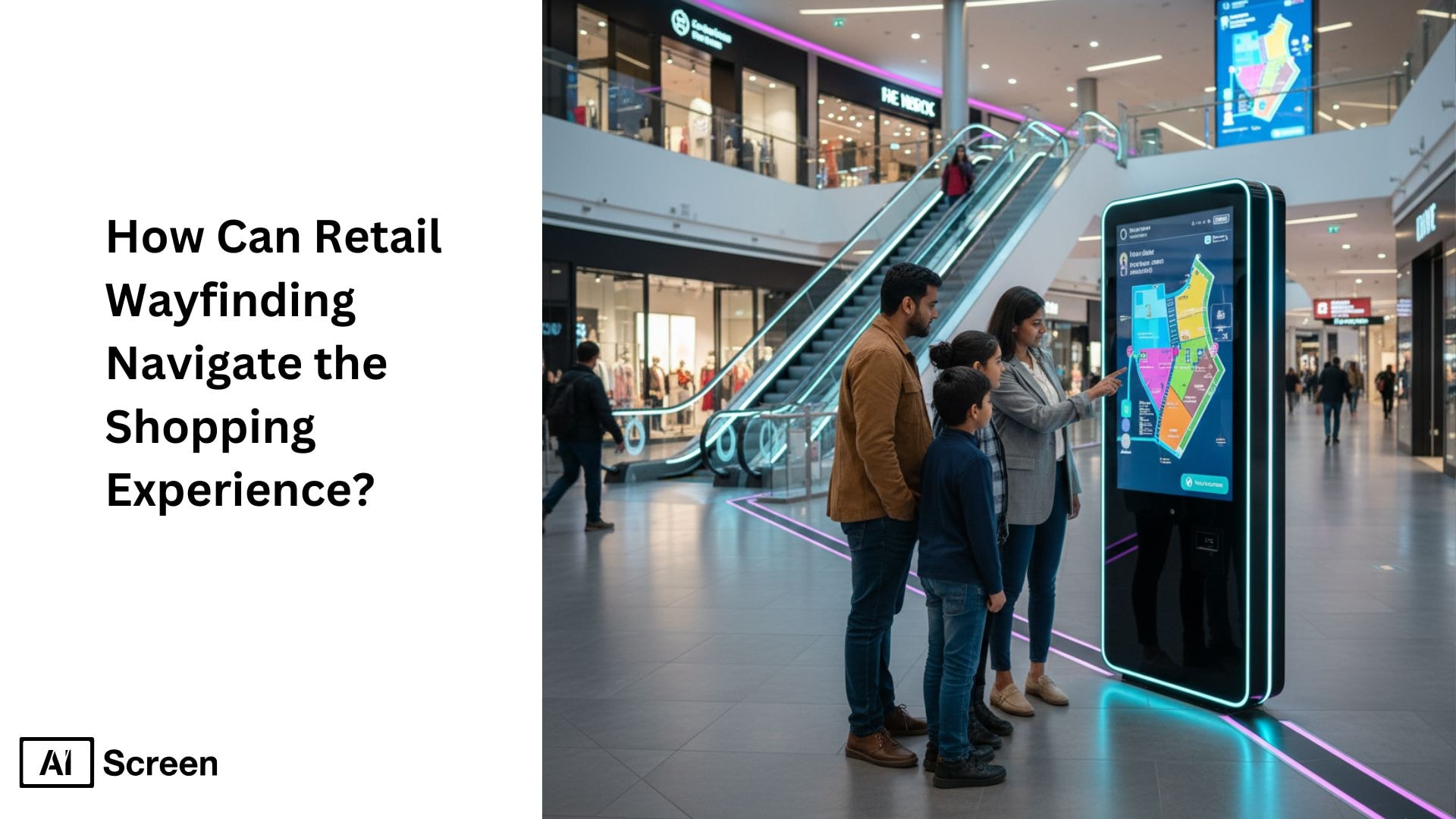
Do you ever feel lost or overwhelmed when walking through a large store or shopping mall? Retail wayfinding signage is designed to guide you seamlessly, making that first impression crucial by combining signs, maps, and digital tools so you always know where to go. As you follow the path, you can find exactly what you need without stress, and the smoother journey encourages you to explore more, notice new products, and naturally connect with the brand along the way. According to Nielsen, 75% of shoppers say they are more likely to buy a store brand if it offers the same quality as a national brand.
In this article, we’ll explore how shopping center wayfinding transforms your shopping experience in the shopping center retail environment, making it easier to navigate even the largest stores or busiest malls. You’ll see how step-by-step navigation with interactive maps, digital signage, and other smart tools guides you effortlessly, improves your journey, and even highlights promotions or products you might otherwise miss, creating a seamless experience.
What Is Retail Wayfinding?
Stepping into a large department store or busy shopping mall can sometimes feel overwhelming, with so many aisles, floors, and products to explore. That’s exactly where retail wayfinding makes a difference. It’s all about using interactive maps, digital signage, and navigation systems to guide you smoothly through the retail environment, ensuring a stress-free experience., whether you’re looking for a specific item or just exploring new sections. A shopping center wayfinding system is not a one-time installation; it requires consistent updates and monitoring to remain effective and relevant.
According to a study by P&S Intelligence, malls with digital wayfinding solutions report a 25% reduction in customer experience stress and a 30% improvement in helping customers find and comprehend store layout. Beyond simply helping you get from point A to point B, retail wayfinding enhances your entire shopping experience. It helps you discover products, take advantage of promotions, and navigate the store with clear signage efficiently, turning what could be a stressful trip into a positive, enjoyable, and engaging journey.
You need to pick hardware that fits your mall’s layout and environment. To build an effective shopping center wayfinding system, you have to choose hardware that fits your mall’s layout and environment, as it must align with both the mall’s layout and its environmental conditions. By investing in smart wayfinding solutions, retailers are not just improving convenience; they’re boosting customer satisfaction, loyalty, and creating a smooth navigation experience that keeps you returning.
5 Unique Retail Wayfinding Techniques
Have you ever felt lost in a large store or mall, wandering between aisles and wishing someone could just guide you? That’s exactly where retail wayfinding comes to the rescue. It’s not just about signs; it’s about creating a positive shopping experience for visitors with a welcoming entrance and smooth, stress-free shopping journey. with a welcoming entrance and smooth, stress-free shopping journey where you feel confident, valued, and guided every step of the way.
According to McKinsey, retailers using digital signage in-store see a 30% increase in customer engagement and dwell time. Let’s explore five innovative techniques that make navigation intuitive, personalized, and even enjoyable for shoppers like you.
1. Integrating Emerging In-Store Technologies
Imagine walking into a store and seeing directions or product information, including a QR code, appear directly in your line of sight through your phone or an AR device, and instantly, your journey feels guided and effortless. By integrating AR, VR, and wayfinding maps with wayfinding, stores create a seamless, interactive shopping experience where every step feels intuitive and engaging. When you can see exactly where a product is or visualize how it fits into your life, shopping becomes more confident and enjoyable.
At the same time, combining this with in-store digital signage allows stores to provide richer information, like product origins or customer reviews, in real time, which keeps you informed and connected. As a result, the shopping experience feels more like a story unfolding just for you, and it naturally strengthens brand loyalty and customer engagement because every interaction feels meaningful.
2. Shopping Mall Layout and Design
A store’s retail space layout isn’t just about aesthetics; it’s the backbone of your shopping journey because it determines how easily you can make layout decisions, move through the space, and discover products. Thoughtful design ensures that signage is visible, aisles are clear, and key areas are accessible, which immediately reduces stress and makes your path feel natural. When every turn and intersection is intuitive, you can focus on exploring and enjoying your shopping experience rather than getting frustrated.
This careful planning also improves traffic flow and dwell time, allowing stores to highlight special offers or featured products in ways that feel helpful rather than pushy. As a result, your shopping journey becomes more enjoyable and fosters customer loyalty because you feel the experience was designed with your convenience in mind. , and the store earns your trust and loyalty because you feel the experience was designed with your convenience in mind.
3. Accessibility and Inclusivity
Wayfinding is more than convenience; it’s about making everyone feel valued and welcome because a truly inclusive store leaves no customer behind. Features like audio guidance, large fonts, high-contrast visuals, and tactile maps ensure that people with disabilities can navigate independently, creating a sense of empowerment and comfort while retailers gather feedback to improve accessibility. When these thoughtful solutions are present, you feel cared for, and your visit is more enjoyable.
This emphasis on accessibility also reflects positively on the brand, showing that it genuinely considers every customer’s needs, which naturally fosters trust and loyalty. By prioritizing inclusivity, stores create a positive, memorable experience that makes you want to return, knowing that you and others are appreciated and supported during every visit.
Many inclusive wayfinding systems also support sustainability goals by minimizing waste and energy use, aligning well with 8 practical sustainable retail ideas to create an eco-conscious store.
4. Personalized Shopping Mall Wayfinding Experience
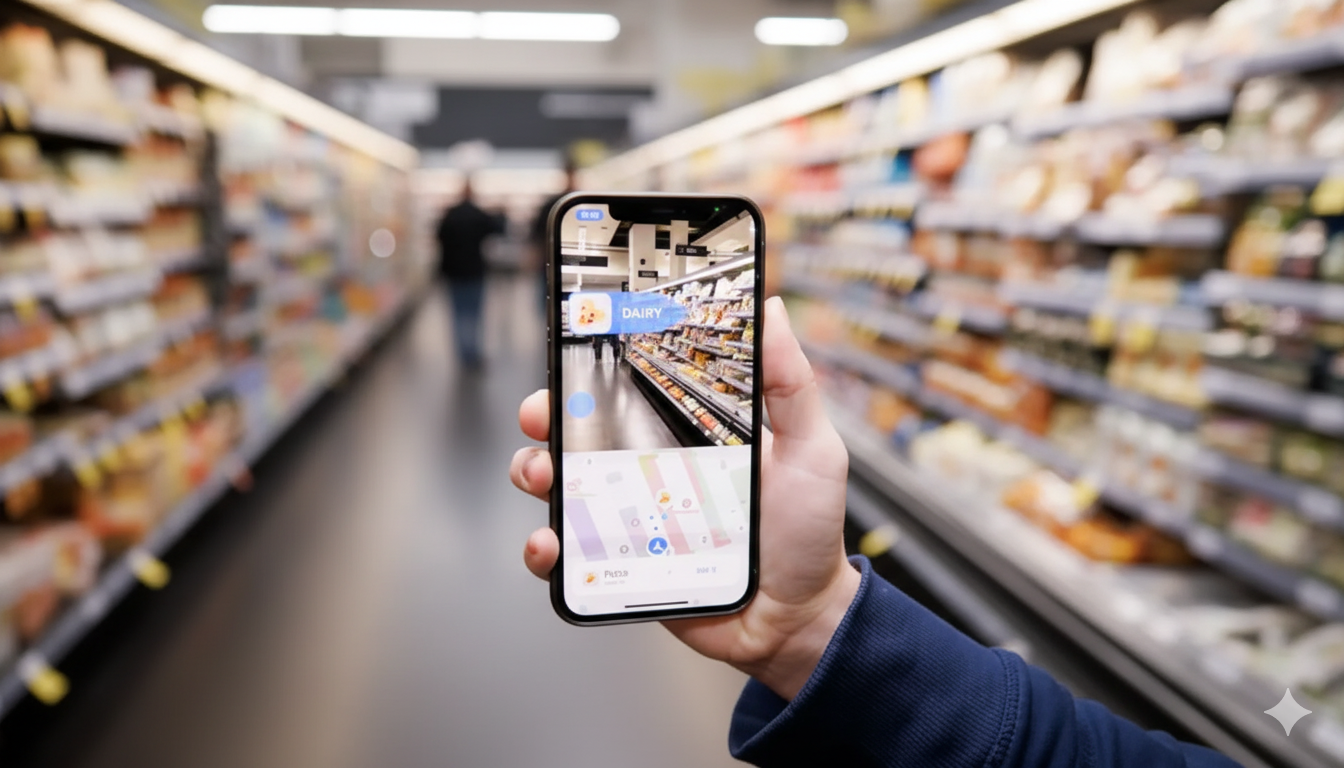
Imagine a store that seems to know your preferences and guides you toward the products and promotions you’ll love, making every shopping trip feel customized and effortless. You must know that a personalized mall wayfinding uses customer data and location-based technology to deliver tailored guidance, from recommended products to nearby deals, creating a journey that feels relevant and exciting, as stores identify areas where they can enhance customer engagement. As you follow the path, you feel a sense of connection because the store understands your needs and is helping you shop smarter.
Interactive kiosks and digital directories make this even easier by providing real-time updates and intuitive instructions, which allow you to navigate the space without frustration. By anticipating your desires and streamlining your visit, this approach enhances customer satisfaction, encourages repeat visits, and strengthens the store’s brand identity, making you feel valued every step of the way.
5. Inventory Management and Logistics
Wayfinding isn’t just for customers; it also empowers staff to work efficiently behind the scenes, which directly impacts your experience because products are easier to find and shelves are consistently stocked. When employees can locate items quickly, optimize placement, and reduce errors, it ensures a smooth and reliable shopping journey that makes you feel confident in your choices.
Integrating wayfinding with inventory management also allows stores to plan better layouts and keep products available across multiple locations, which means fewer disappointments and more opportunities to discover new items. When the store runs efficiently, it creates a hassle-free, enjoyable visit that encourages repeat business, reinforces trust, and deepens your loyalty to the brand because you feel the experience was designed for your convenience and satisfaction.
3 Best Retail Wayfinding Case Studies You Must Know About
Seeing wayfinding in action really helps you understand how it transforms a shopping experience, and these real-world examples show just how impactful it can be. From large department stores to sprawling home goods retailers, the right wayfinding system can dramatically improve customer satisfaction, engagement, and loyalty. According to PwC, 59% of customers prefer shopping in stores that offer clear navigation and easy product discovery.
By studying these examples, you can see how interactive maps, digital signage, and thoughtful layouts come together to make every visit smoother and more intuitive. When stores get it right, customers don’t just find what they need; they feel guided, cared for, and encouraged to explore, which naturally drives repeat visits, higher dwell time, and stronger brand connections.
1. Harrods
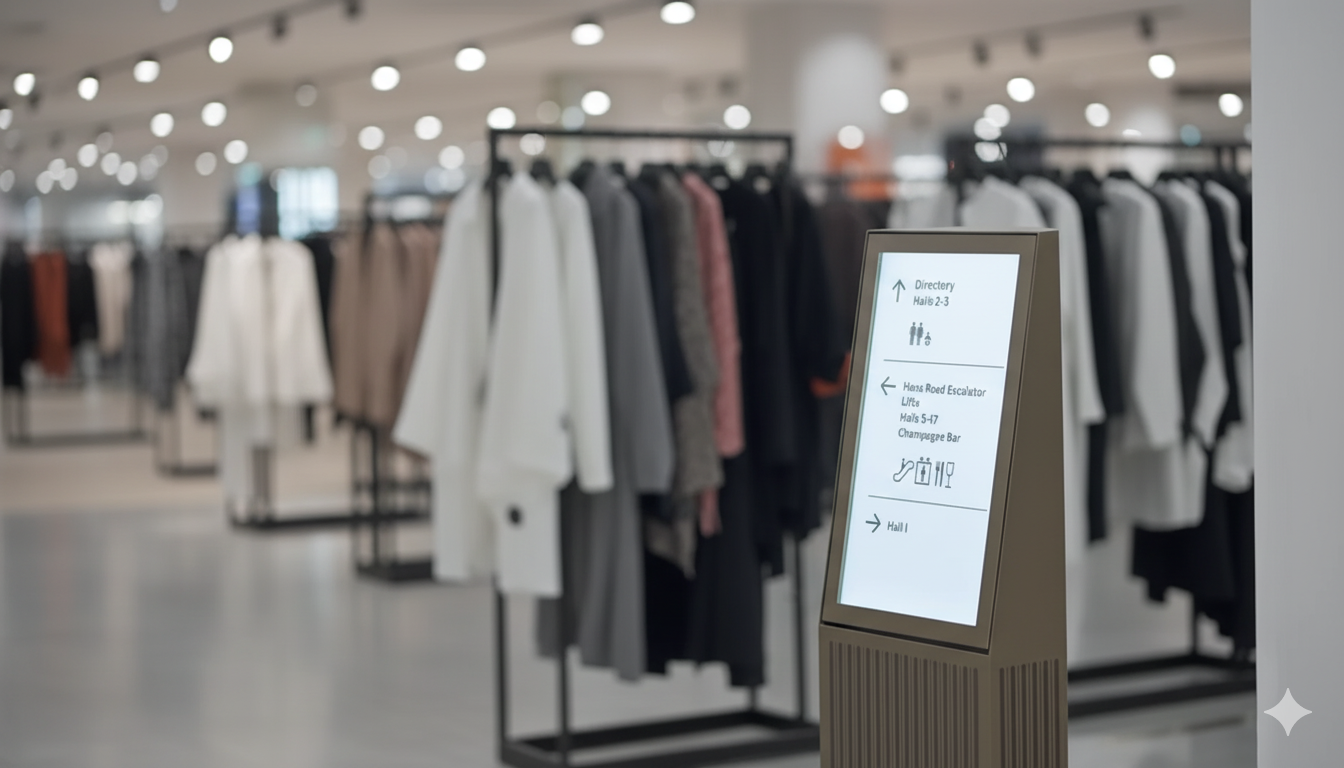
Walking into Harrods in London can feel overwhelming because of its sheer size, but the introduction of digital wayfinding solutions, like many retailers have implemented, has completely changed that experience. Customers now navigate the store with ease, following clear interactive maps and digital signage across multiple floors, which reduces confusion and helps them find products quickly. This not only makes shopping less stressful but also enhances the overall customer journey, allowing visitors to focus on enjoying the luxury experience rather than worrying about getting lost.
The impact is tangible: shoppers spend more time exploring different departments, and staff can better manage foot traffic and product placement, creating a smoother flow throughout the store. By integrating the wayfinding system technology, Harrods has turned a potentially intimidating visit into a welcoming, organized, and personalized experience, which strengthens customer loyalty and elevates its brand reputation.
2. Macy’s
Macy’s has taken wayfinding a step further by combining beacon technology with personalized offers, so customers receive tailored guidance and promotions as they move through the store. This approach ensures that you don’t just find what you’re looking for through effective signage , ultimately boosting sales, but you also discover products and deals that match your preferences, creating a sense of connection with the store. As you follow the suggested route, your shopping experience feels curated, thoughtful, and efficient, which naturally increases satisfaction and engagement.
This integration of technology also allows Macy’s to gather valuable customer insights and adjust store layouts, ensuring that popular areas are easily accessible through effective shopping center wayfinding and products are positioned for maximum visibility. The result is a seamless shopping journey where every interaction feels intentional, boosting repeat visits, dwell time, and overall brand loyalty.
3. IKEA
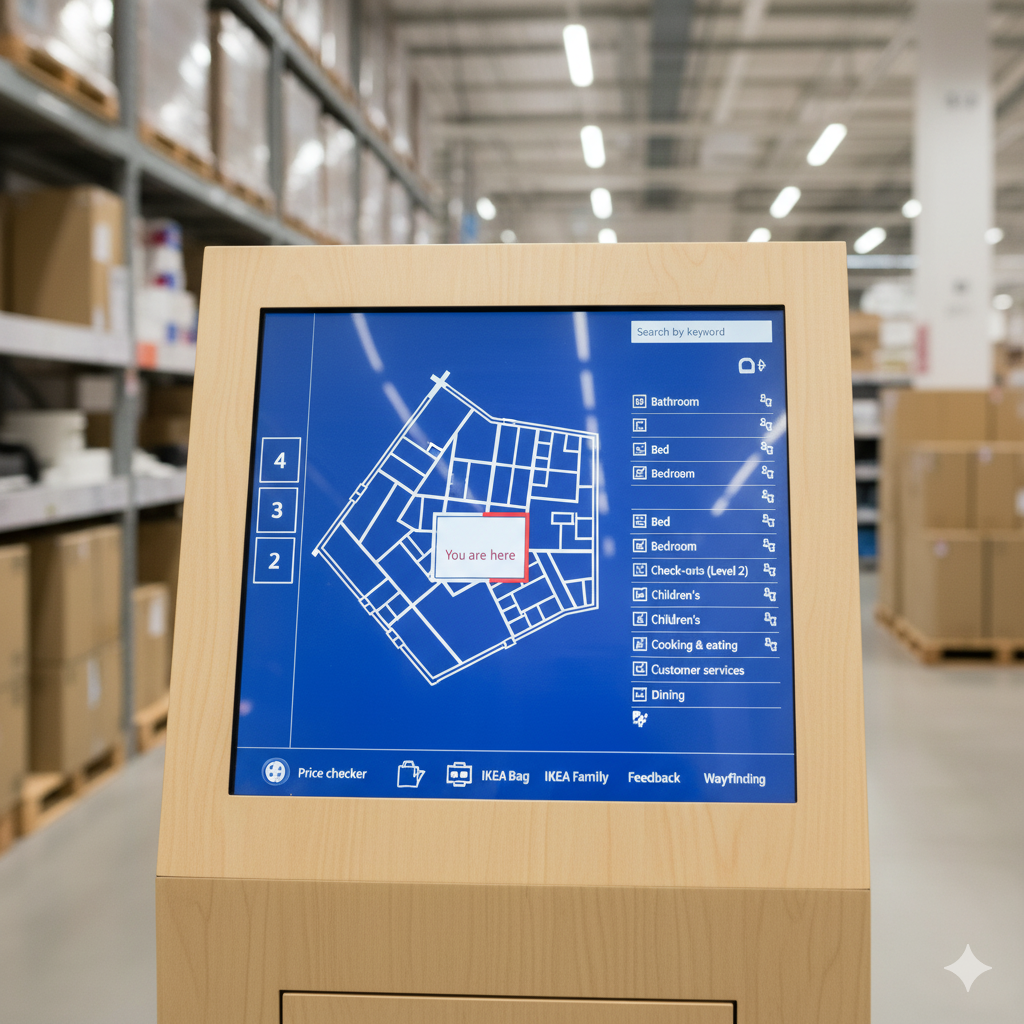
Navigating IKEA’s massive shopping mall showroom used to be a challenge, but interactive wayfinding kiosks have completely transformed the experience. These kiosks provide step-by-step directions, real-time product availability, color coding, and even highlight ongoing deals, which allows you to move confidently through the store without getting overwhelmed. This guidance makes your trip feel efficient, enjoyable, and stress-free, encouraging you to explore areas you might have otherwise missed.
By using this system, IKEA also optimizes traffic flow, product discovery, and operational efficiency, ensuring that shelves are stocked and displays are engaging. As a result, you leave the store feeling satisfied and confident in your purchases, which strengthens your emotional connection to the brand and encourages you to return, knowing that each visit will be just as seamless and convenient.
What Are the Challenges and Benefits of Retail Wayfinding Technology
Have you ever stepped into a huge shopping center or retail store and felt completely lost, wandering from aisle to aisle, wondering where to go next? It can be frustrating, right? That little customer stress can ruin your shopping mood, no matter how excited you were to visit. That’s exactly why retail wayfinding technology matters for shoppers. According to Deloitte, stores with an effective wayfinding experience a 25% boost in sales due to improved product visibility.
These systems, from interactive kiosks to digital signage and mobile apps, are designed to guide you effortlessly, making sure you can navigate the store layout, find what you need, and enjoy a seamless shopping experience. But setting up a wayfinding system isn’t always straightforward; you need to verify routes, there are challenges, but the benefits can make it all worth it.
Challenges of Retail Wayfinding Technology
Let’s be real, installing a wayfinding system isn’t as simple as just putting up a few screens or maps. If you’re in a multi-level retail store or a shopping mall with tricky layouts, technical limitations can make indoor navigation a headache. Poor GPS signals, confusing stairwells, and hidden corners can leave even the most high-tech system struggling. And of course, there’s the cost factor; setting up digital kiosks, interactive maps, or floor graphics, plus maintaining and updating them regularly, takes both time and money.
Then comes the human side. You have to train staff so they can help guide customers and ensure that wayfinding signs at key intersections are clear and intuitive. You also want to track usage patterns, gather customer feedback, and keep everything up to date so visitors find what they need without getting frustrated. Without careful planning, your wayfinding system can end up adding to customer stress instead of creating a positive shopping experience.
Benefits of Retail Wayfinding Technology
Now, imagine the opposite. You walk into a shopping mall or a retail store, and everything just flows. With designed wayfinding solutions, you immediately know where the products you want are, and even discover a few you didn’t expect. Clear wayfinding signs, digital kiosks, and interactive maps guide you step by step, making your shopping journey smooth, stress-free, and even enjoyable. Suddenly, your trip feels effortless, and you actually have time to explore new products or take advantage of promotions along the way.
For shopping centers big and small, this kind of effective wayfinding in the retail environment reduces customer stress, increases engagement, and leaves you with a positive impression of the store’s brand identity. You leave feeling confident, satisfied, and more likely to come back, the kind of brand loyalty every retailer dreams of creating.
Learn What the Future of Retail Wayfinding Looks Like with AIScreen!
Tired of wandering around stores trying to find what you need? AIScreen makes shopping effortless, guiding you step by step with interactive maps, AR directions, and real-time updates. With our cloud-based software, the future isn’t just about finding the aisle; you’re guided through a whole personalized shopping experience. According to Forrester, 68% of consumers say personalized in-store experiences, including signage and recommendations in many stores, influence their purchase decisions.
Imagine walking into a shopping mall and seeing digital signage that adapts to your preferences, or using your phone to access an interactive map that highlights promotions and products you’re most likely to love. It’s like the store knows what you want before you do, creating an experience of seamless navigation that makes every trip smoother, faster, and more enjoyable.
Our AI-driven navigation and predictive analytics take your experience even further. We can optimize product placement, highlight promotions, and suggest items tailored to your tastes, all while keeping your journey effortless. Whether you’re exploring a small boutique or a massive shopping center, our wayfinding solutions ensure every visit is guided, engaging, and memorable, turning ordinary trips into experiences that make you want to come back again and again.


FAQs
How does retail wayfinding improve the customer experience?
Retail wayfinding can improve the customer experience by helping you move through a store without feeling lost, which immediately reduces stress. When you can easily find the products you’re looking for, you spend less time searching and more time enjoying your shopping journey. This smoother experience also gives you a sense of confidence, making it easier to explore new sections or discover unexpected products, which can ultimately lead to increased sales . Over time, these positive experiences encourage you to return, building brand loyalty and trust.
What are the key benefits of wayfinding technology in retail?
The key benefits of wayfinding technology in retail start with guiding you effortlessly through the indoor navigation of store, which makes your trip feel seamless from start to finish. As you move along, it helps you discover products you might have missed, which adds value to your shopping experience. At the same time, it improves foot traffic flow and ensures that promotions reach the right audience, including visitors, at the right time. Altogether, this not only enhances customer engagement but also strengthens your connection with the store and its brand.
How does wayfinding technology impact store design and layout?
Wayfinding technology impacts store design and layout by shaping where products are placed and how customers naturally move through the space. When clear signage and interactive maps are in place, you can navigate even a large shopping mall with ease, which reduces frustration and speeds up your visit. This guidance allows retailers to optimize traffic flow and highlight important areas or promotions, making your journey feel intuitive. Ultimately, the store feels more organized and inviting, which improves your overall shopping experience.
Can retail wayfinding technology be integrated with mobile apps?
Yes, retail wayfinding technology can be integrated with mobile apps, which means you can use your own device to navigate the store as you like. With interactive maps, step-by-step directions, and even a qr code scanner, you can locate products quickly while also receiving personalized recommendations based on your preferences. This seamless integration makes your shopping more convenient and enjoyable, and it also gives retailers valuable customer insights. As a result, your future visits become even smoother, creating a cycle of repeat visits and satisfaction.
